
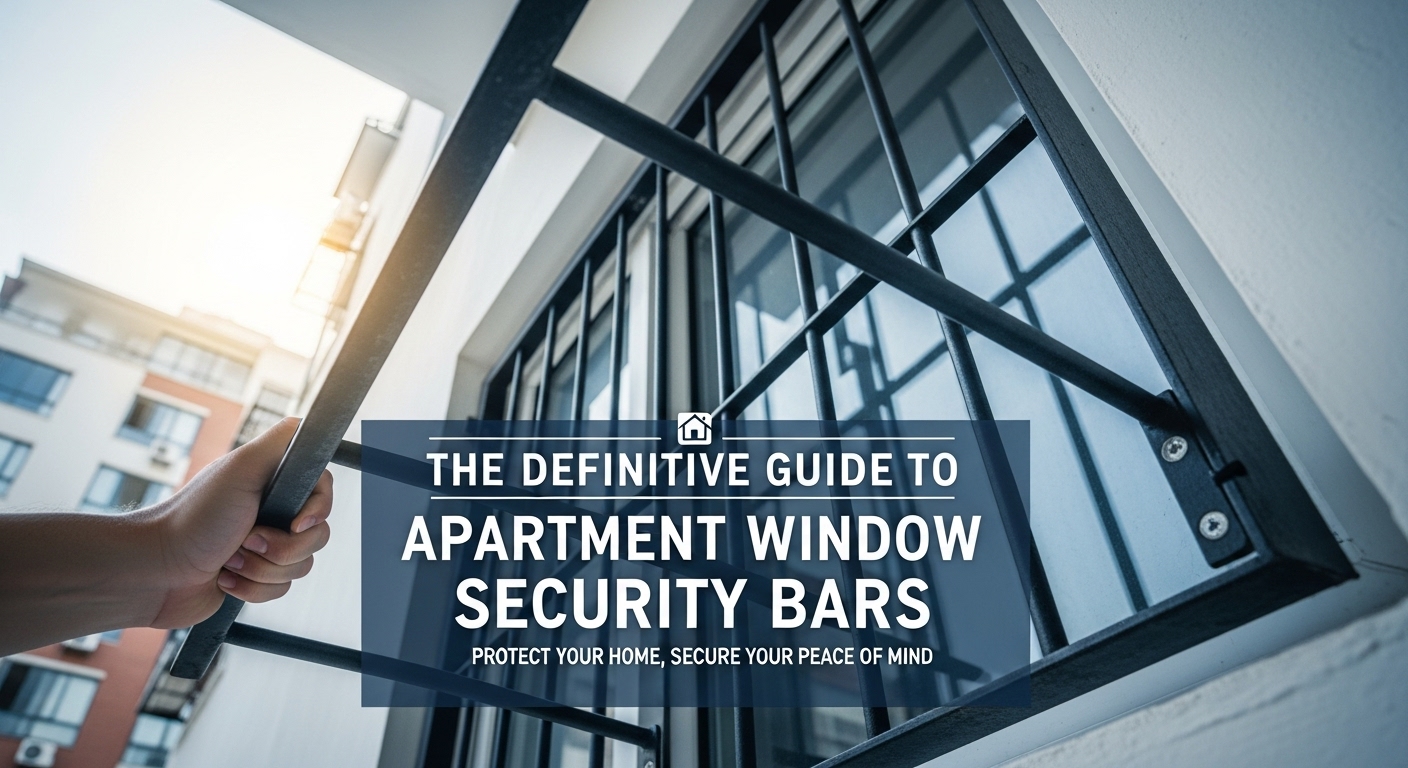
Category: Home Security / Residential Safety | Last Updated: January 22, 2026 | Read Time: 25 Mins
The modern rental landscape presents a unique paradox: tenants are often the most vulnerable to property crime—especially those in ground-floor apartments, garden units, or older buildings with accessible fire escapes—yet they possess the least authority to fortify their dwellings. As we navigate 2026, the intersection of rising urban density and the gig economy has led to a transient population that values security but fears the "security deposit deduction."
If you are reading this, you likely fall into one of two categories: you are a tenant who feels unsafe sleeping next to a thin pane of glass that separates your bedroom from the alleyway, or you are a landlord attempting to balance tenant safety liability against the preservation of your property's aesthetics and structural integrity. The question is no longer "Do I need security?" but rather "How do I install Apartment Window Security Bars without violating my lease or fire codes?"
The stakes are high. According to recent crime statistics, apartments—particularly those on the first floor—are 85% more likely to be burglarized than upper-level units. Intruders are opportunists; they seek the path of least resistance. A standard latch on a sliding aluminum window offers negligible resistance to a crowbar. However, the solution is not as simple as welding iron bars to the facade. Tenants face a minefield of HUD regulations, NSPIRE standards, and strict lease clauses regarding "alterations and improvements."
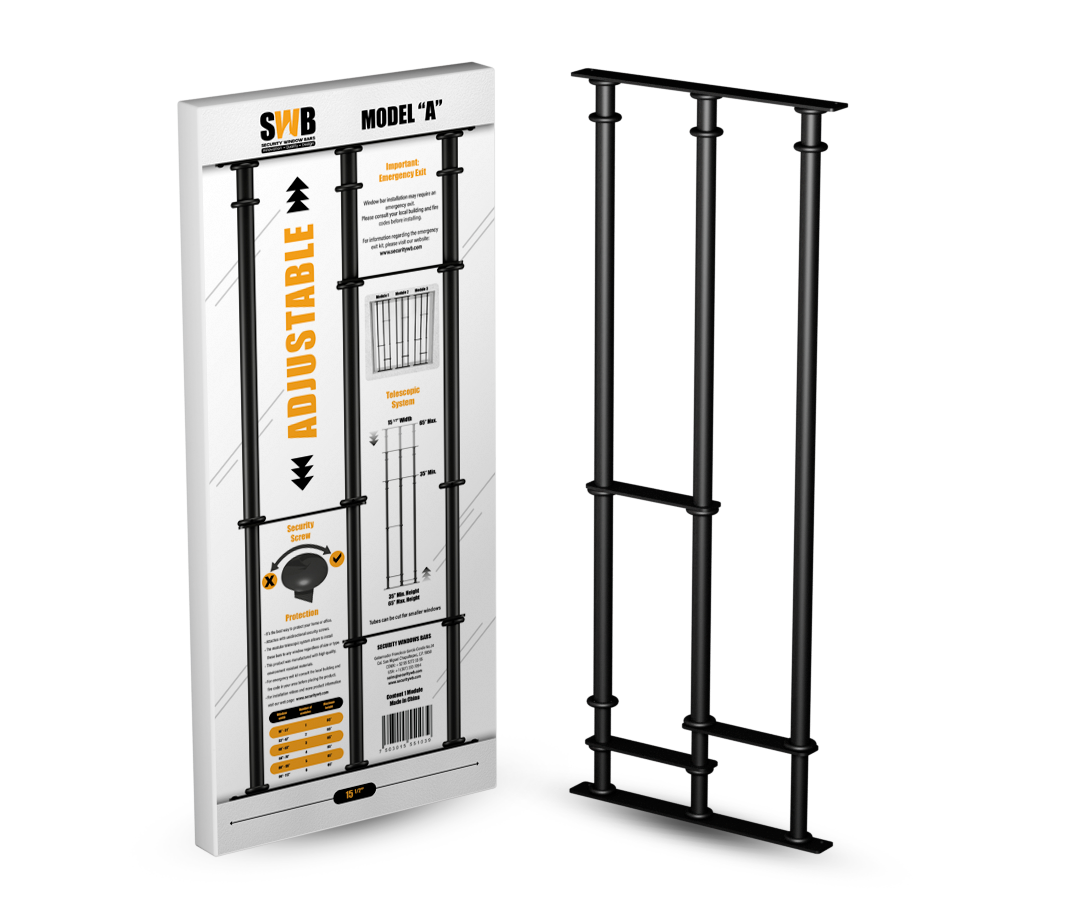
This guide posits that modular, telescopic security systems (specifically SWB Model A and adaptable Quick Release systems) represent the only viable "middle ground" for the apartment sector. They bridge the gap between temporary, flimsy pressure bars and permanent, welded architectural ironwork, providing high-security deterrence that can either be removed upon move-out or pitched to landlords as a permanent property value increase.
To understand the application of window bars in apartments, we must first deconstruct the legal and theoretical framework governing "Defensible Space" in rental properties. In 2026, the concept of Target Hardening has moved from purely physical barriers to "Smart Integration," but the fundamental physics of steel remain unchanged.
Tenant rights vary drastically by state, but a common thread exists: the Implied Warranty of Habitability. This legal doctrine suggests that a rental unit must be safe for habitation. While this traditionally covered heat and water, modern interpretations in high-crime jurisdictions increasingly include reasonable security measures. However, this collides with the landlord's right to prevent "Waste" (permanent damage to the property).
When you drill a hole into a window frame to install a security bar, you are technically damaging the property. The theoretical challenge is to prove that this "damage" is:
1. Minimal (repairable with spackle).
2. Necessary (due to clear and present danger).
3. Beneficial (adds long-term value).
In the United States, particularly for properties receiving any federal assistance (Section 8, HUD), the National Standards for the Physical Inspection of Real Estate (NSPIRE) dictate strict rules regarding Egress. As detailed in the NSPIRE Standard - Egress - HUD document, a "safe, continuous, and unobstructed path of travel" is mandatory.
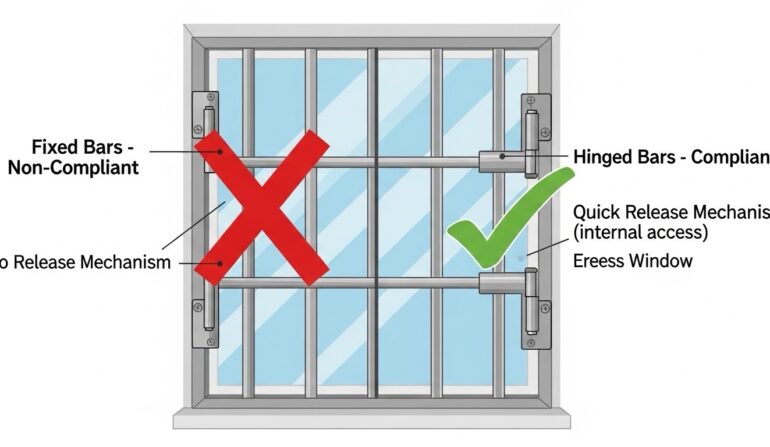
The NSPIRE standard explicitly lists "Obstructed egress" as a life-threatening deficiency. If you install apartment window security bars that require a key, special tool, or complex knowledge to open from the inside, you are not only violating your lease; you are creating a fire trap. The correction timeframe for such a deficiency is often 24 hours. This means if an inspector sees a padlock on a bedroom window bar, the landlord must remove it immediately, potentially leaving you vulnerable again.
Historically, "burglar bars" were associated with blight—often referred to pejoratively in real estate circles as the "prison look." This aesthetic stigma is the #1 reason landlords reject tenant requests for installation. However, the market has shifted. Reports on Window Coverings Market Size & Share 2034 indicate a move toward "aesthetic integration" where security hardware mimics architectural features. Modern systems, like the SWB lines, use telescopic designs and powder-coated finishes to appear as custom millwork rather than retrofit cages.
Implementing security in an apartment requires a different engineering approach than a single-family home. We cannot simply weld heavy iron to the stucco. We must use Modular Adaptability. This section details the technical implementation of security bars in rental contexts, specifically focusing on the SWB ecosystem.
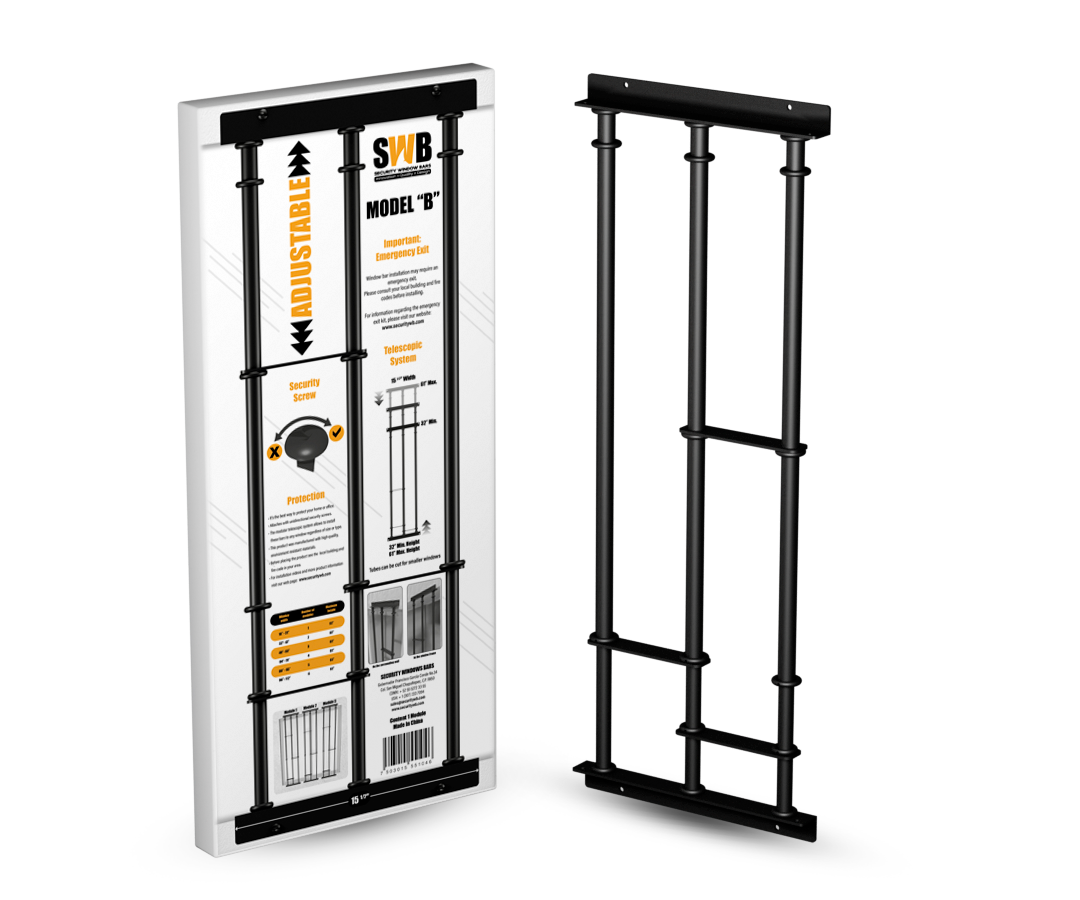
Traditional bars are fixed-width. If your apartment window is 33.5 inches wide, a 36-inch bar requires cutting, and a 30-inch bar leaves gaps. Custom fabrication is too expensive for a renter. The solution lies in the Telescopic Modular System found in SWB Model A.
For apartments, the Reveal Fix (Inside Mount) is superior.
Why?
1. It drills into the window frame (often wood or vinyl) rather than the masonry or siding. Frame holes are easier to patch with wood filler than masonry holes are with mortar.
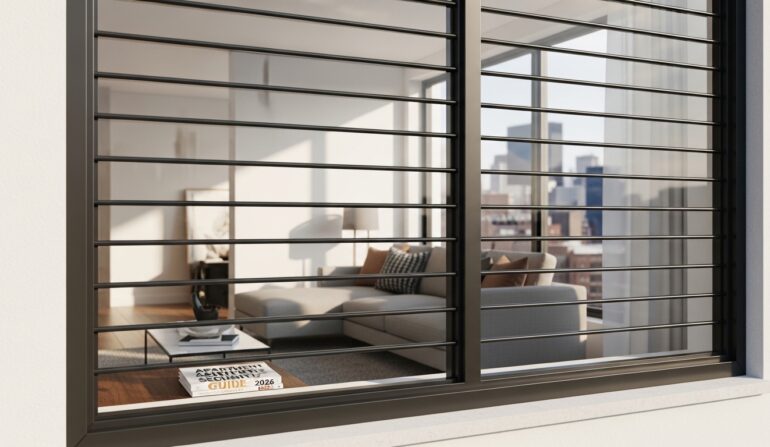
2. It keeps the bars flush with the building line, reducing the "fortress" appearance from the street, which appeases landlords and HOA boards.
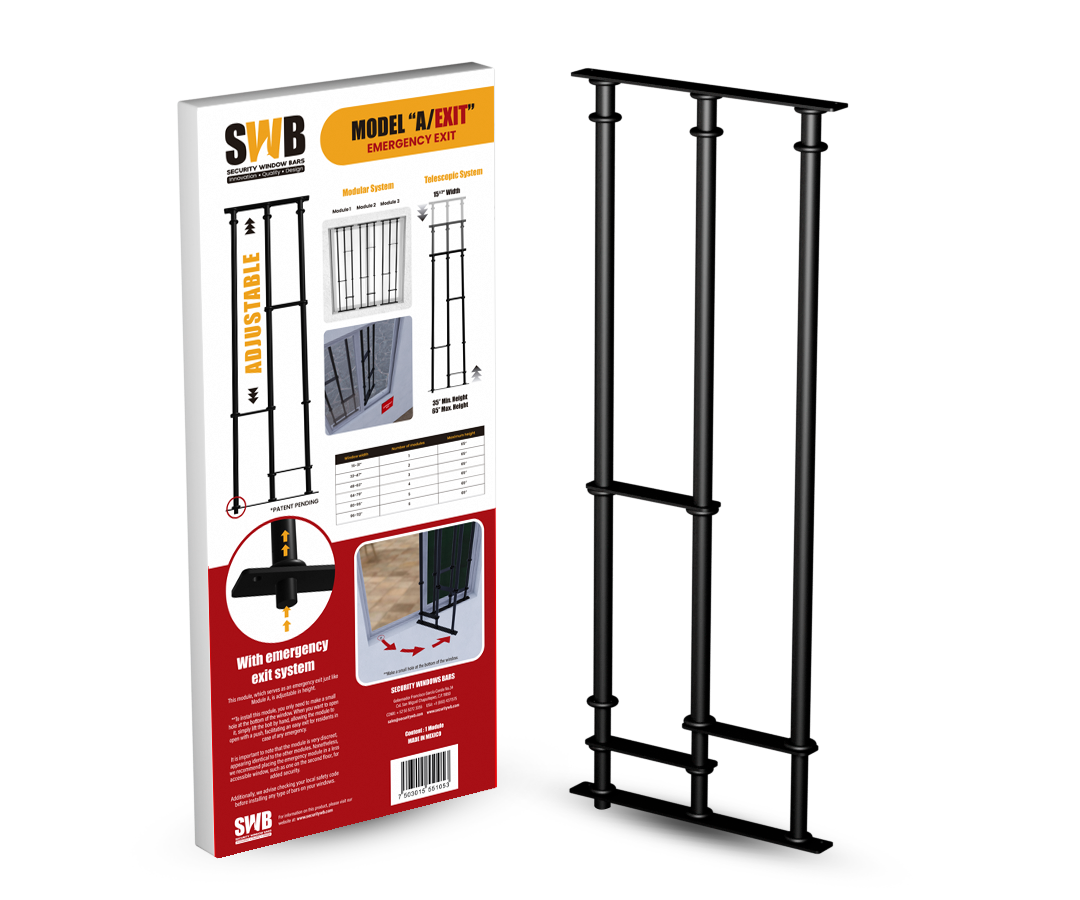
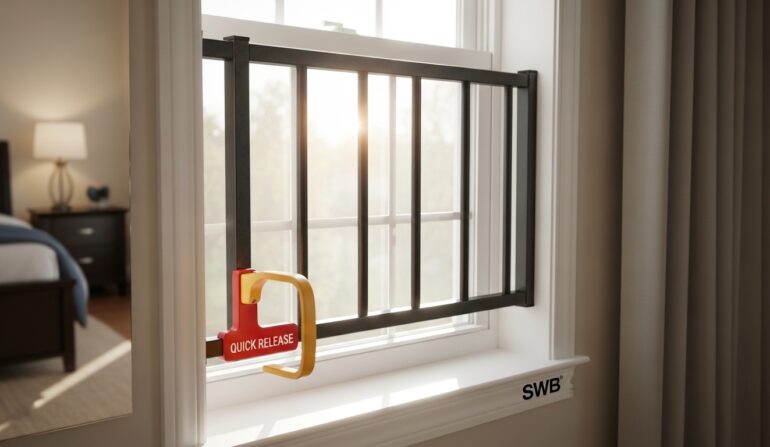
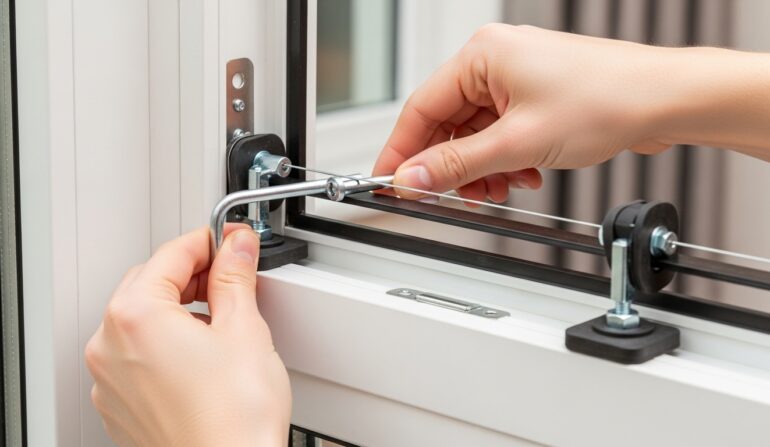
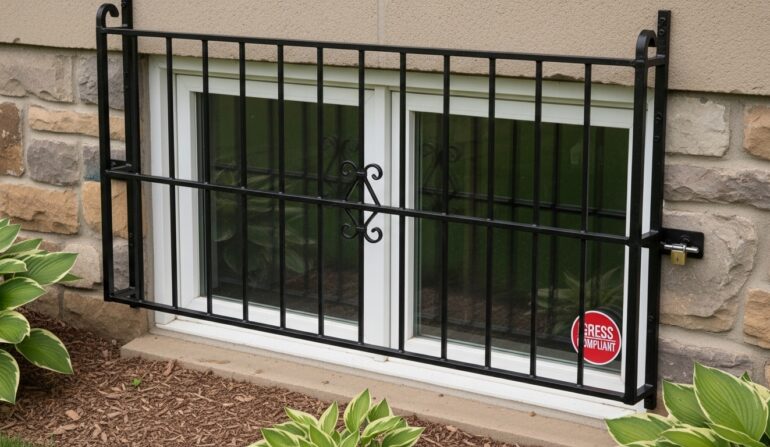
For any window designated as an emergency exit (typically bedrooms and basements with habitable space), the bar MUST swing away. The Keyless Quick Release System (KQR) is the engineering standard here. As described in the Mr. Goodbar KQR Specifications, this system uses a spring-loaded pin or foot pedal mechanism.
The mechanism must operate with less than 5 lbs of force and require no special knowledge. The technical integration involves mounting the release latch at a height accessible to the shortest occupant (e.g., a child) but protected from manipulation from the outside. SWB's "Model A/EXIT" module integrates this functionality natively, allowing the entire grid to hinge outward upon activation of the internal lever.
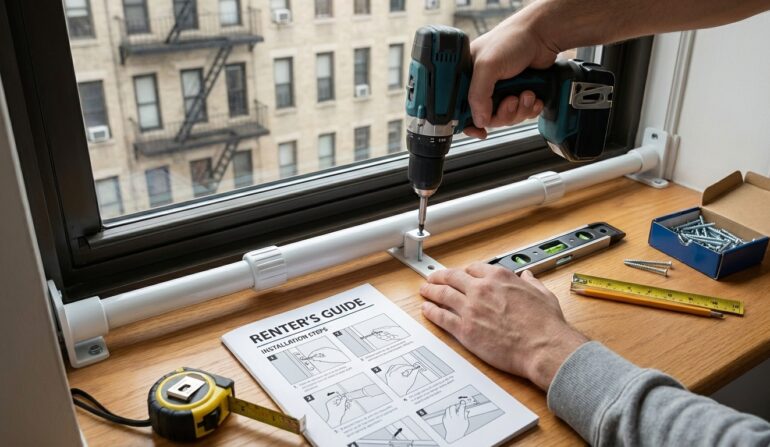
According to the Window bars DIY install guide, most modular systems are designed for a 15-minute install. For renters, doing it yourself is often preferred to avoid the "scheduling" of a landlord's maintenance crew, who might report the alteration. However, precision is key. A poorly installed bar that can be kicked in offers zero protection and guarantees a lost security deposit.
View Professional Install OptionsWhy is this investment necessary? Let's look at the data derived from the Comprehensive Market Analysis of the United States Security Window Bar Industry and recent fire safety reports.
People living in U.S. urban areas as of 2023-2026. Urban density correlates directly with opportunistic entry crimes.
Of fire fatalities in barred homes occur because of fixed, non-releasable bars. This is why the "Quick Release" is not optional; it is a survival statistic.
The valuation of the US window and door market by 2026, driven largely by a shift toward "resilient" and "secure" building materials.
A Reddit thread titled "Burglar bars that don't look ghetto?" highlights a critical market sentiment: users want security without devaluation. The data shows that "Decorative" and "Architectural" bars do not lower property value, whereas "Chain-link" or "DIY Mesh" styles do. For an apartment complex, installing uniform, high-quality bars like SWB actually increases the "perceived safety" score of the neighborhood, allowing landlords to justify higher rents.
Renters often flock to Amazon to buy "Security Bars" and end up with a adjustable stick that props under the doorknob. How do these compare to real architectural hardware?
| Feature | Pressure/Friction Bars (e.g., SecurityMan) | Modular Steel Bars (SWB Model A) | Custom Ironwork (Welders) |
|---|---|---|---|
| Installation | Zero Install (Wedged) | Minimal Drill (4-8 Screws) | Heavy Construction (Masonry Anchors) |
| Security Level | Low (Can be dislodged by glass break) | High (Resists crowbars/rams) | Very High (Structural) |
| Apartment Friendliness | Excellent (No damage) | Moderate (Patching required) | Poor (Permanent alteration) |
| Cost | $20 - $40 | $100 - $200 per window | $500+ per window |
| Egress Compliance | N/A (Must be removed manually) | High (With A/EXIT module) | Varies (Often fixed/illegal) |
Verdict: While pressure bars are fine for a 3rd-floor sliding door, they are insufficient for a ground-floor street-facing window. SWB Model A offers the necessary steel protection while remaining removable enough to satisfy a lease agreement.
Profile: Sarah, 28, renting a basement studio in Chicago.
Problem: Her windows are at sidewalk level. She wants fresh air but fears sleeping with windows open.
Solution: She installs SWB Model A inside the frame. Because the bars are telescopic, she fits them perfectly to the odd-sized vintage windows. She uses the "Ventilation Lock" feature to keep windows open 4 inches for air while the bars prevent entry. When she moves out, she unscrews them, fills the 4 holes with wood putty, and paints over. Full deposit returned.
Profile: Mark, landlord of a 6-unit building.
Problem: Tenant wants bars; Mark fears the building will look like a fortress and violate fire codes.
Solution: The tenant presents the SWB Technical Report, highlighting the Quick Release system for fire safety and the white powder-coat finish that matches the existing window frames. Mark agrees, provided the tenant pays for the hardware and leaves them behind as a permanent improvement.
A: Generally, yes, standard leases prohibit alterations. However, if you can demonstrate a history of break-ins or if the unit lacks basic security devices mandated by local code (like window locks), you may have leverage. In some states, victims of domestic violence have special rights to fortify their dwellings.
A: This refers to the ability to open the bars from the inside without a key, tool, or special knowledge (like a combination). It is a requirement of the International Residential Code (IRC) and HUD standards for any room used for sleeping. If your bars don't have this, they are illegal in a bedroom.
A: Likely yes. The "Telescopic" nature of Model A allows it to expand vertically, and the modular width system allows for infinite horizontal expansion. This is why they are superior to "store-bought" fixed bars for older apartments.
A: If you mount into the wood frame: Use a high-quality wood filler, sand it flush, and touch up with matching paint. If you mount into drywall/masonry: Use spackle or masonry patch. If you do a clean job, most landlords considers this "normal wear and tear" or minor repair.
The narrative that apartment living requires a sacrifice of security is outdated. In 2026, the convergence of modular engineering and tenant-focused design means that you can fortify your rented space without violating fire codes or forfeiting your deposit.
For the renter, the strategy is clear: choose a system like SWB Model A that adapts to your current window and your future window. It is an asset you own, not a fixture you lose. For the landlord, the recommendation is equally pragmatic: permit—or even subsidize—compliant, quick-release bars. It reduces insurance liability, increases property desirability, and prevents the tragic headlines associated with fire entrapment.
Your apartment is your sanctuary. Do not let a lease agreement dictate your safety. Engineer your defense intelligently.
Looking for a professional assessment of your building's vulnerability?
Consult a Security Architect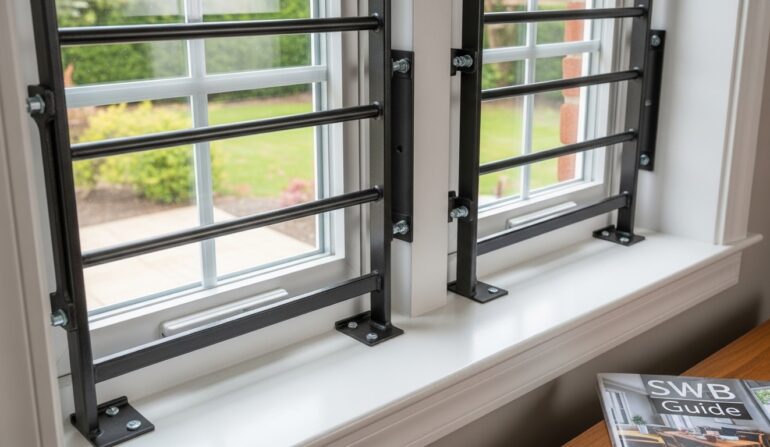
EMAIL ADDRESS: sales@securitywb.com
SITE: www.securitywb.com
PHONE:
CDMX: +52 (55) 5272 3355 USA: +1 (650) 4371 575
COOKIES POLICY
Security Window Bars LLC ("SWB") uses cookies and similar technologies to improve your browsing experience and enhance the functionality of our website www.securitywb.com (the “Website”). This Cookies Policy explains what cookies are, how we use them, and how you can manage your cookie preferences.
By using our Website, you agree to our use of cookies as described in this policy.
Last Updated: 01/01/25