Window fall prevention isn’t a “freak accident” category—it’s a predictable household risk with patterns you can design out of your home. In the United States, thousands of children are treated in emergency departments every year after falling from windows, and safety officials have warned for decades that these incidents rise during warmer months when families open windows for ventilation. (U.S. Consumer Product Safety Commission)
The hard truth is simple: a single open window can become a fall hazard in seconds—especially when a toddler discovers a new climbing skill overnight. The room didn’t change. The child changed. That’s why window fall prevention works best when it’s built into your environment, not dependent on perfect supervision.
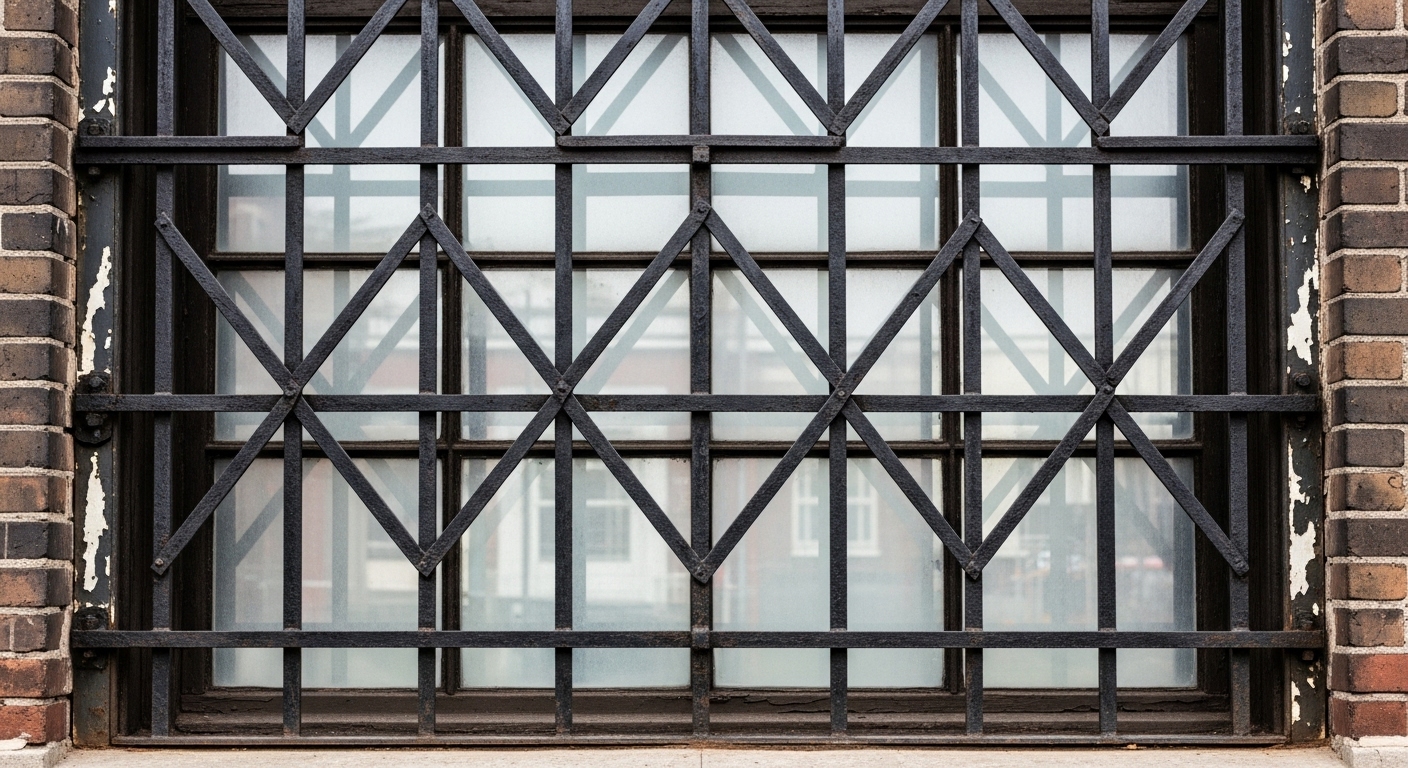
This guide turns window fall prevention into an actionable, room-by-room system. You’ll learn how falls happen, which rooms create the highest risk, which devices actually work (and which ones don’t), and how to protect kids without creating an emergency trap. Because real home safety is not just “anti-intruder.” It’s anti-tragedy.
Sliding glass doors are one of the most attractive architectural features in modern homes. They provide light, openness, and direct access to patios, balconies, and backyards. Unfortunately, they are also one of the weakest points in residential security.
From a criminal perspective, sliding doors are ideal targets: large glass surfaces, predictable locking mechanisms, limited visibility, and fast escape routes. This is why sliding glass door security bars have become one of the most effective countermeasures in 2026.
This guide goes beyond basic tips. It explains exactly why sliding doors fail, how criminals exploit them, and how properly engineered security bars transform them from liabilities into hardened access points.
Security WB HomeUnlike hinged doors, sliding glass doors rely on horizontal movement, lightweight frames, and track-based systems. These characteristics create structural weaknesses that are easy to exploit.
Most factory-installed locks on sliding doors are designed for convenience, not resistance. They fail under minimal force.
Sliding glass door security bars physically block horizontal movement. Even if glass is broken or locks are bypassed, the door cannot open.
The best systems use solid steel or reinforced metal alloys. Thin aluminum rods and telescopic bars without anchoring provide limited resistance.
IF door.opens_horizontally == true:
    bar.must_block = "horizontal_movement"
    anchoring = "structural_or_track"
Professionally installed systems anchor into the door frame or surrounding structure, not just the track.
View SolutionWhen sliding doors are reinforced with security bars, attempts often stop before glass is even broken.
| Solution | Resistance | Reliability | Best Use |
|---|---|---|---|
| Sliding Glass Door Security Bars | ★★★★★ | ★★★★★ | Primary protection |
| Aftermarket Locks | ★★ | ★★ | Supplemental |
| Security Film | ★★ | ★★ | Delay only |
Homes with backyard access benefit the most from fixed steel bars, eliminating repeated break-in attempts.
Interior-mounted sliding door bars provide strong protection without altering exterior appearance.
No. Modern designs are discreet and often removable.
Bars should never block required egress paths.
Solid steel bars resist cutting far beyond typical tools.
Only as temporary or low-risk solutions.
Sliding glass doors are inherently vulnerable, but they are not indefensible. With properly designed and installed security bars, they become one of the hardest entry points to exploit.
In 2026, effective home security means eliminating the weakest link. Sliding glass door security bars do exactly that.
Secure Your Sliding DoorsCOOKIES POLICY
Security Window Bars LLC ("SWB") uses cookies and similar technologies to improve your browsing experience and enhance the functionality of our website www.securitywb.com (the “Website”). This Cookies Policy explains what cookies are, how we use them, and how you can manage your cookie preferences.
By using our Website, you agree to our use of cookies as described in this policy.
Last Updated: 01/01/25