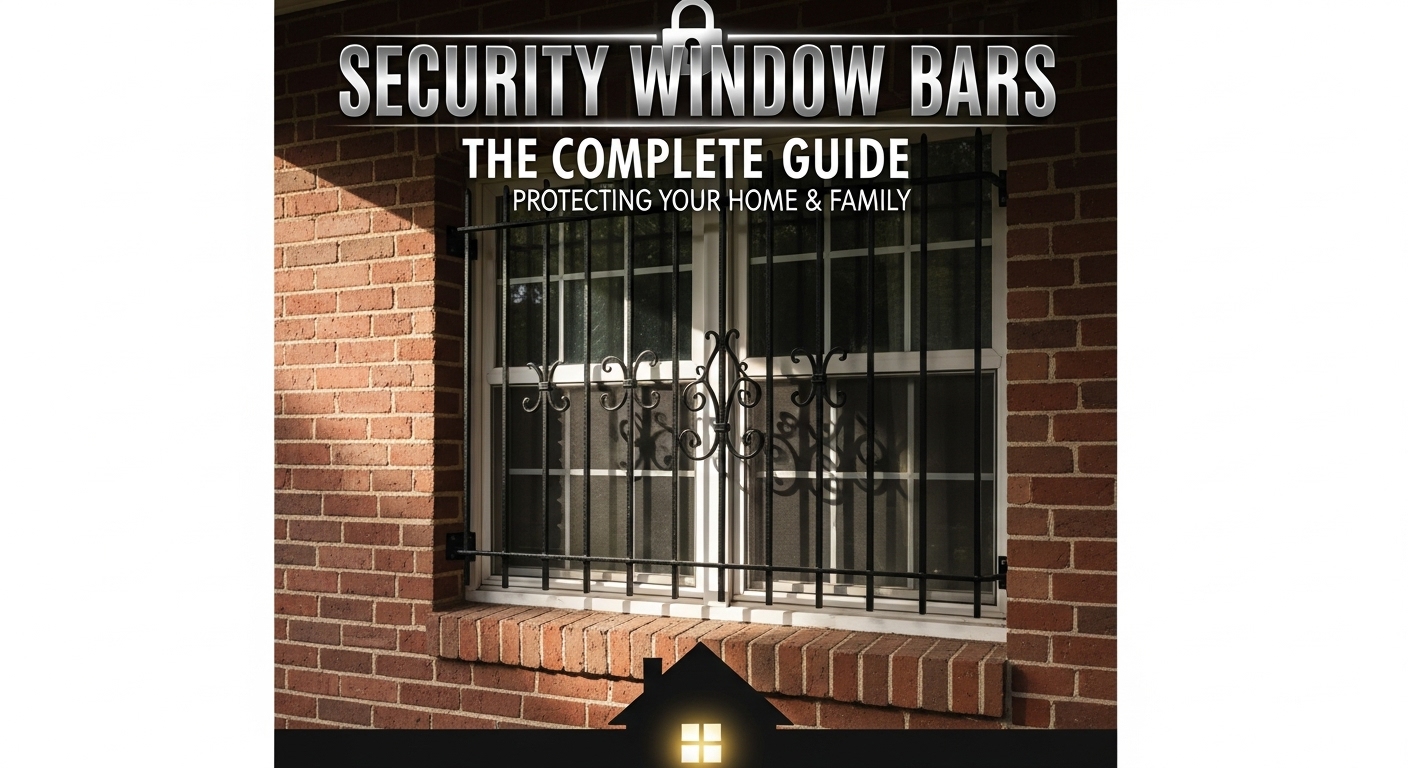
Security Window Bar: The Ultimate 2026 Authority Guide 🔒
Table of Contents 👁️- Introduction: Why Windows Are the Weakest Link
- Theoretical Framework & Evolution
- Technical Core: Design, Materials & Installation
- Data, Statistics & Evidence
- Comparisons & Competitive Analysis
- Real-World Use Cases
- Advanced FAQ
- Conclusion & Call to Action
In 2026, physical security has re-entered the spotlight. While smart cameras, AI alarms,
and cloud-based monitoring dominate headlines, the uncomfortable truth remains:
windows are still the #1 physical breach point in residential and light commercial properties.
A security window bar is not a relic of the past. It is a highly engineered,
regulation-aware, design-conscious defensive layer that sits at the intersection
of architecture, psychology, and crime prevention.
This mega-guide was written to be the most exhaustive, authoritative, and practical
resource available online. Whether you are a homeowner, property manager, architect,
or security professional, this document is designed to answer every possible question—
and many you did not yet know to ask.
At Security WB, we have spent decades designing, installing, and auditing
physical security systems across thousands of properties. This guide distills that
experience into a single reference designed to dominate search engines and,
more importantly, protect people.
Visit Security WBTheoretical Framework: What Is a Security Window Bar in 2026?
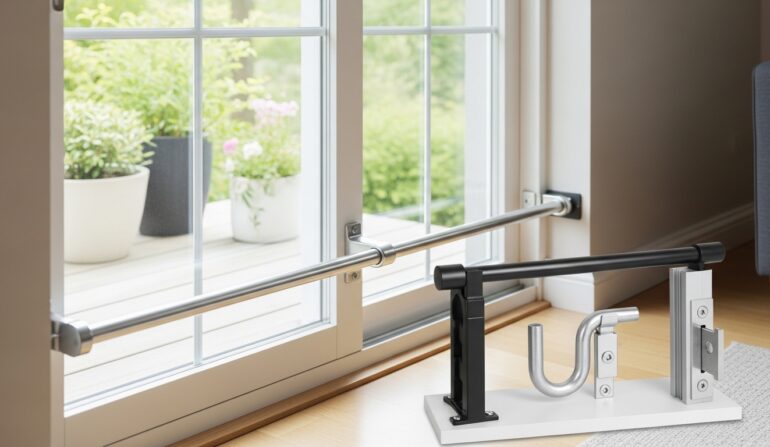
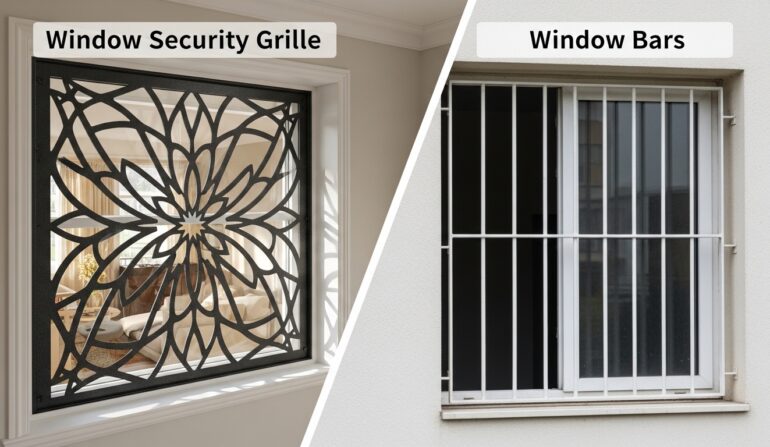
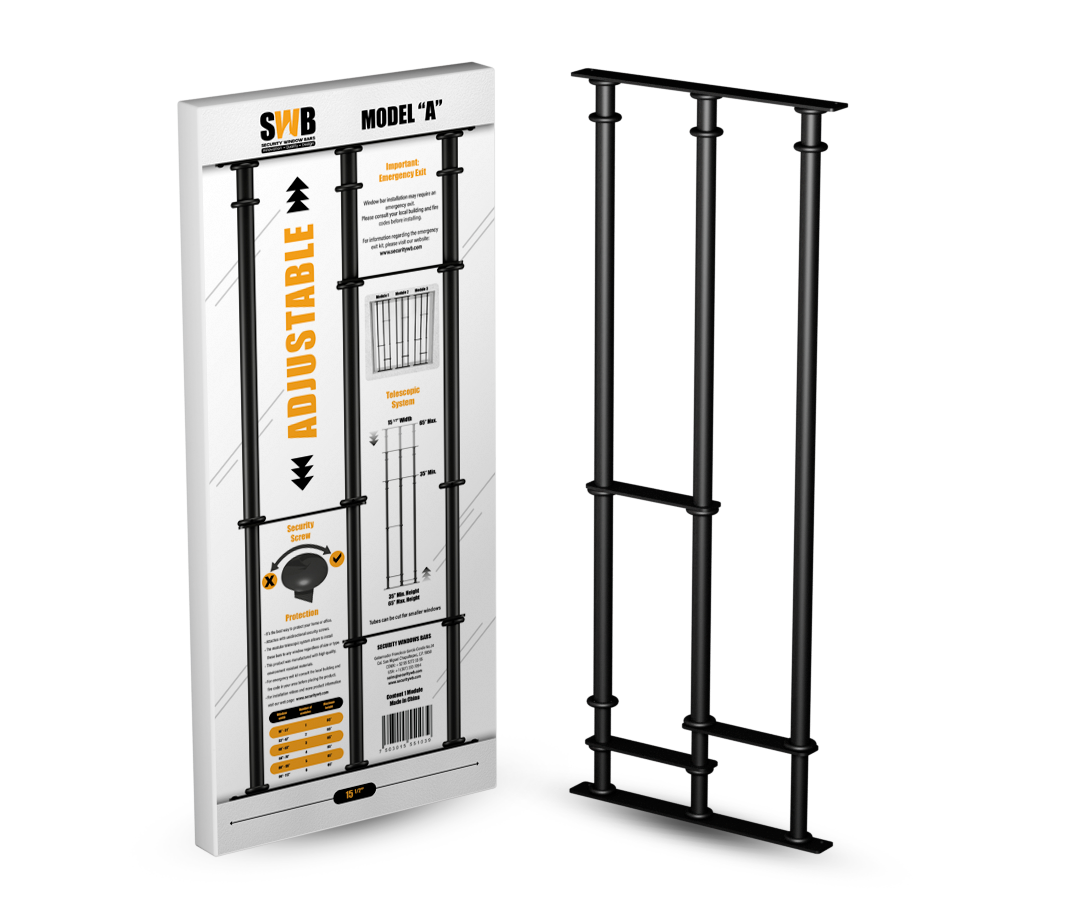
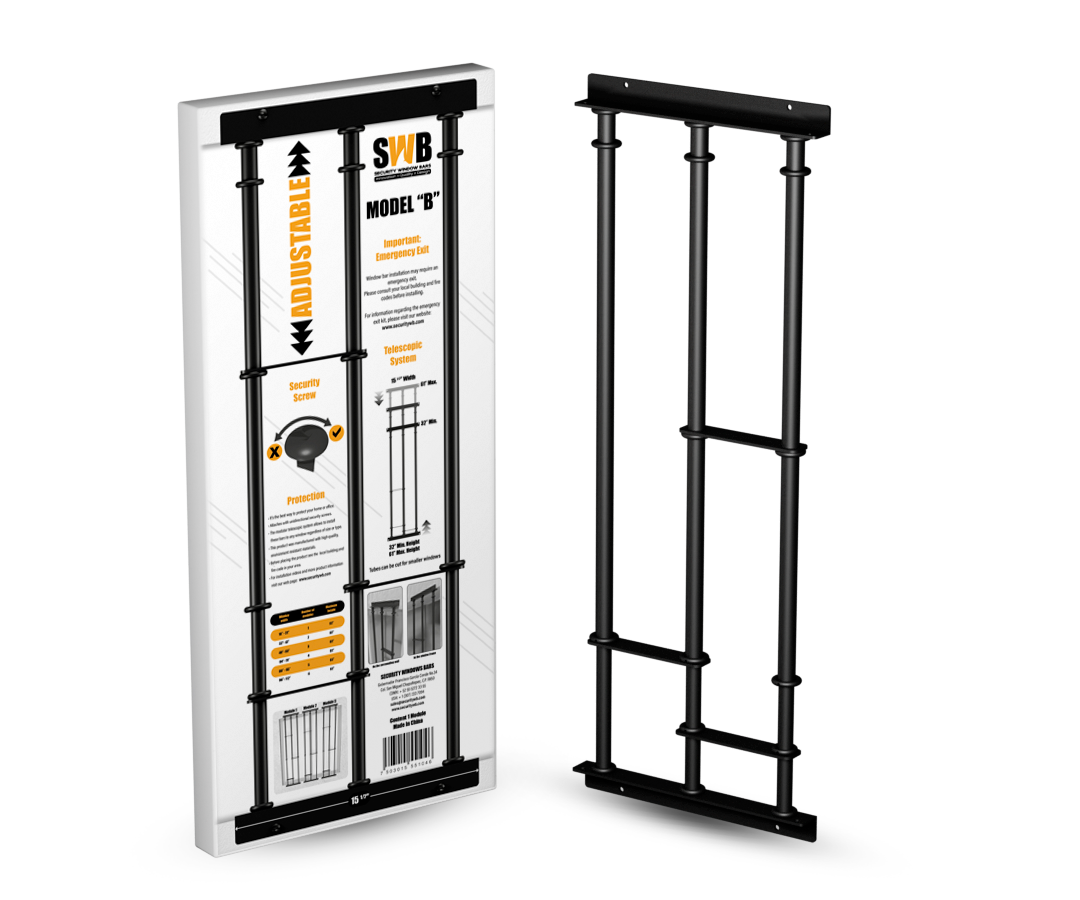
A security window bar is a fixed or operable metal structure installed on or within
a window opening to prevent unauthorized entry while preserving airflow and visibility.
Unlike outdated prison-style bars, modern systems are governed by three core principles:
resistance, compliance, and integration.
Historical Evolution
Window bars date back centuries, originally forged by blacksmiths as decorative grilles.
By the late 20th century, rising urban crime transformed them into purely defensive tools.
Unfortunately, poor design and lack of emergency egress led to safety concerns.
The 2020s marked a turning point. Updated fire codes, improved metallurgy, and
architectural demand forced innovation. By 2026, the security window bar is
no longer an eyesore—it is a precision-engineered safety component.
Why It Matters in 2026 🚀
- 👁️ Visual deterrence reduces attempted break-ins by up to 60%.
- 🔒 Physical barriers delay intrusion beyond police response windows.
- 🏠 Insurance premiums may be reduced with certified installations.
- 🔥 Fire-code-compliant releases save lives.
Core Technical Breakdown: Design, Materials & Installation
Materials Used
Modern security window bars are typically fabricated from:
- Solid steel (A36 or equivalent)
- High-carbon steel alloys
- Powder-coated or galvanized finishes
Structural Design
Engineering considerations include bar spacing, anchor depth, wall substrate,
and leverage resistance. A properly installed system is designed to resist
prying, cutting, and impact for extended periods.
Example Installation Logic (Pseudo-Code)
IF window_type == "egress":
    install quick_release_mechanism
ELSE:
    use fixed_bar_system

anchor_depth = wall_material.strength * safety_factor
Compliance & Fire Safety 🔥
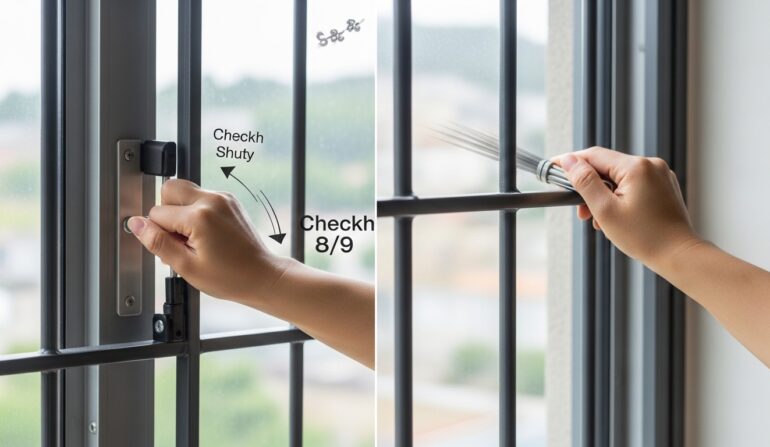
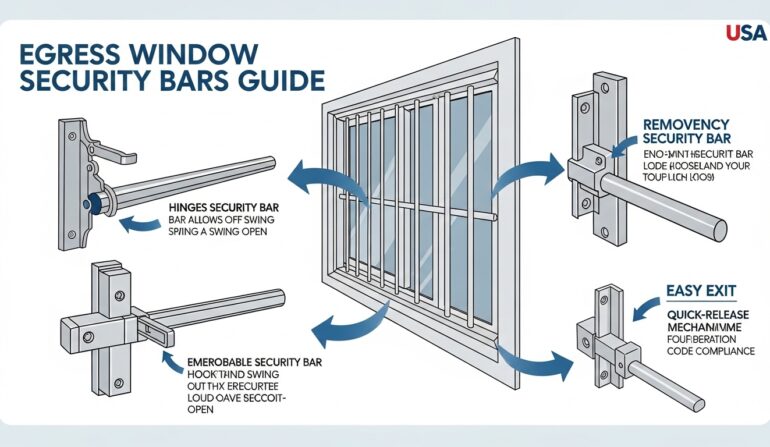
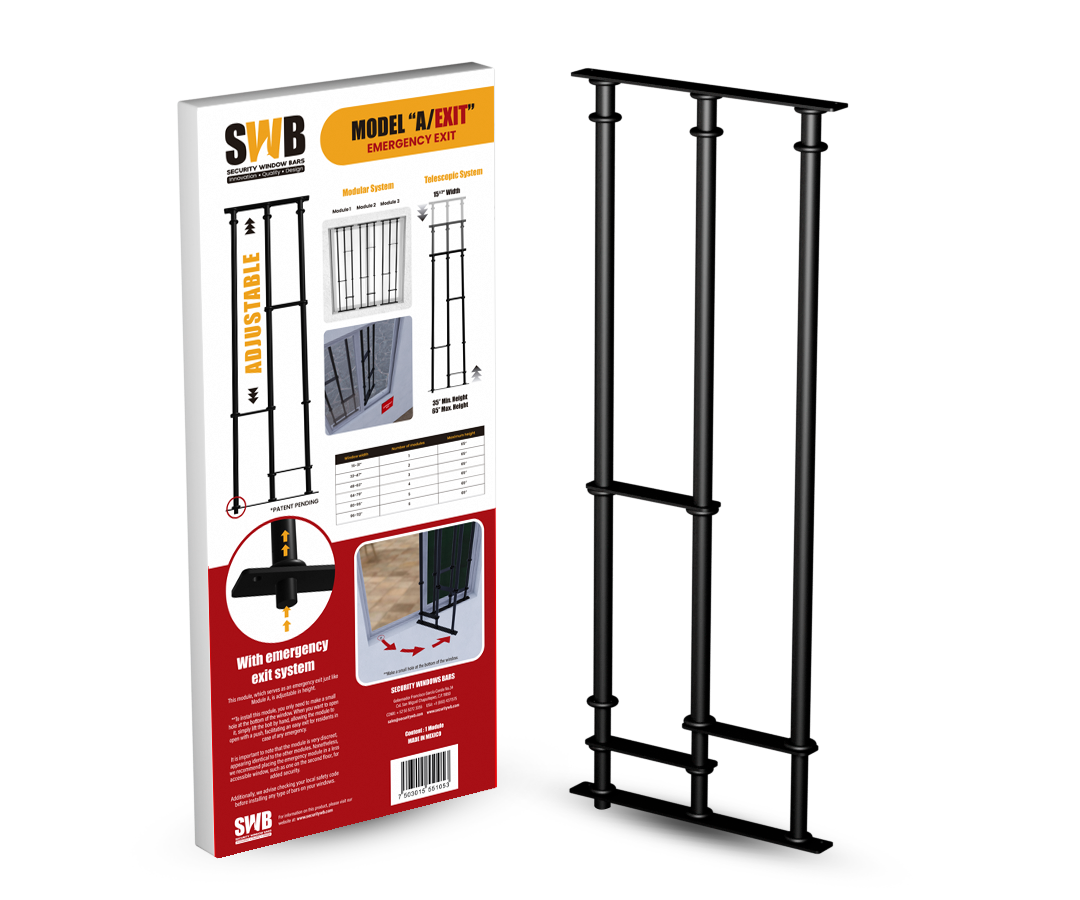
In most U.S. jurisdictions, sleeping rooms require quick-release mechanisms
operable without keys or tools. Failure to comply can result in fines,
insurance denial, or worse.
View SolutionData & Evidence: What the Numbers Say
Based on aggregated industry data (2024–2026):
- Over 70% of ground-level burglaries involve window access.
- Homes with visible window bars experience 50–65% fewer attempts.
- Average forced-entry delay increases from 8 seconds to over 3 minutes.
From a criminology perspective, most intruders abandon attempts when
resistance exceeds 60 seconds. Security window bars exploit this threshold
with ruthless efficiency.
Comparative Analysis: Bars vs Other Window Security Options
| Solution | Physical Resistance | Visual Deterrent | Cost |
|---|
| Security Window Bar | ★★★★★ | ★★★★★ | $$ |
| Window Film | ★★ | ★ | $ |
| Alarms Only | ★ | ★★ | $$ |
Real-World Use Cases & Scenarios
Urban Family Home
A family in a high-density neighborhood installs decorative quick-release
window bars. Break-in attempts drop to zero within 18 months.
Retail Ground Floor Storefront
Fixed interior-mounted bars prevent smash-and-grab thefts while maintaining
brand aesthetics.
Advanced FAQ: Expert-Level Answers
Are security window bars customizable?
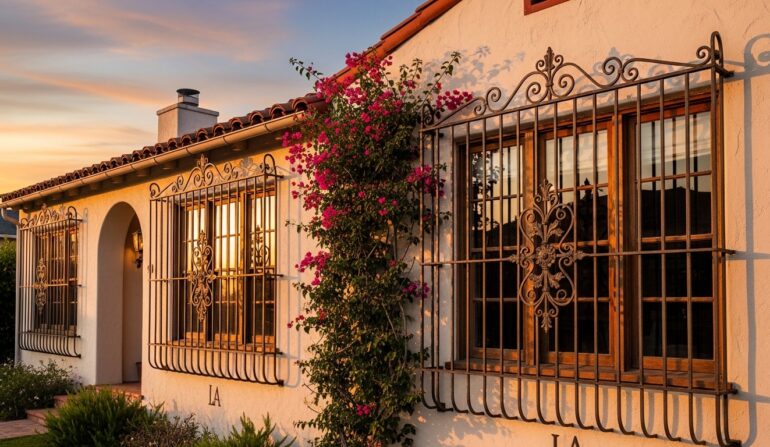
Yes. Modern systems are fully customizable in spacing, finish, and decorative style.
Can they be installed on vinyl or wood frames?
Yes, but anchoring must penetrate structural members, not just trim.
Do they work with smart security systems?
Absolutely. Physical barriers complement electronic detection perfectly.
How long do they last?
With proper coating, lifespan exceeds 25–40 years.
Conclusion: Physical Security Still Wins 🛡️
In an era obsessed with digital solutions, the security window bar remains
one of the most cost-effective, reliable, and psychologically powerful
defenses available.
When designed correctly, installed professionally, and integrated thoughtfully,
it transforms windows from vulnerabilities into assets.
Start Your Security Upgrade