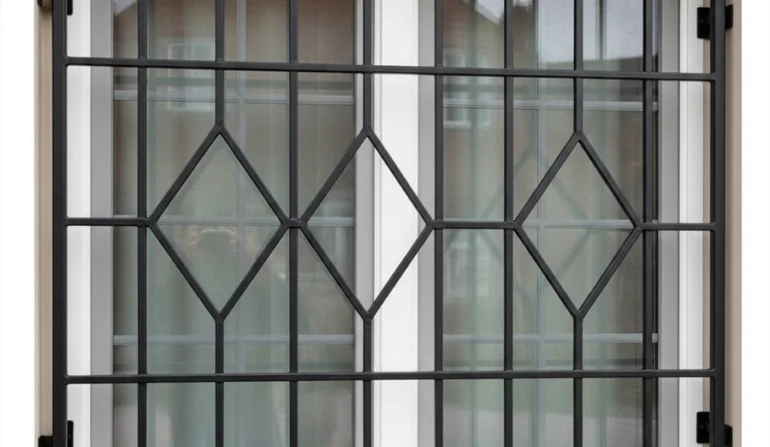
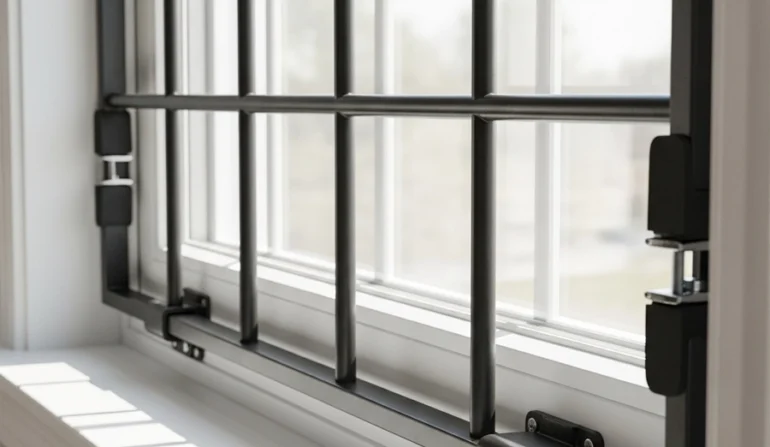
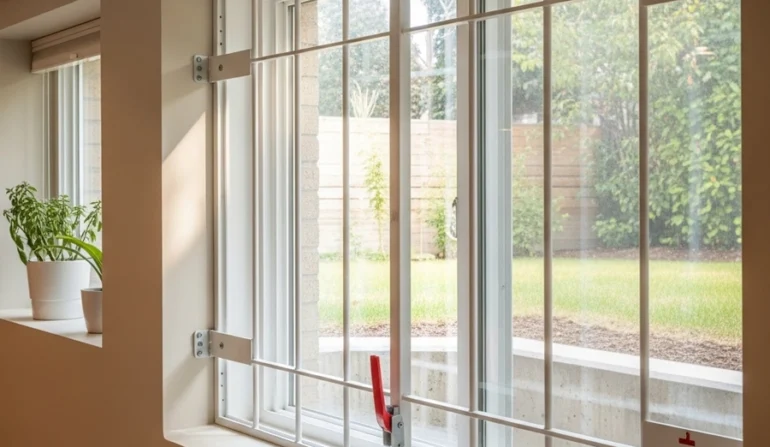
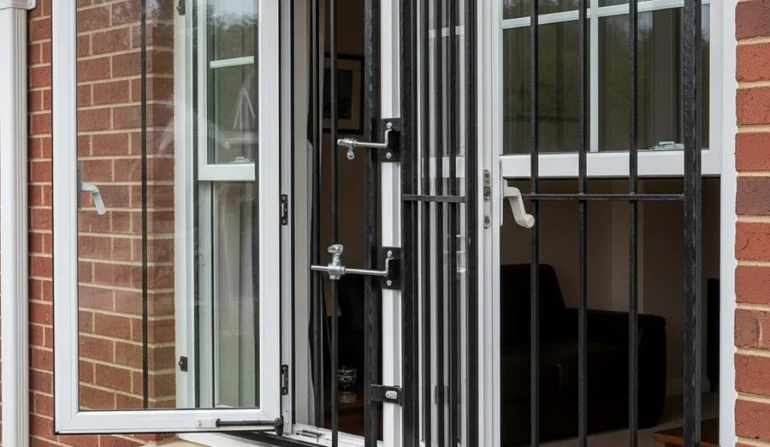
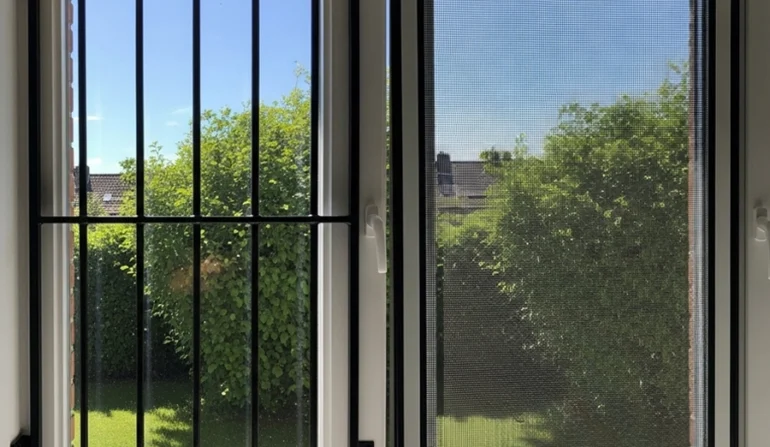
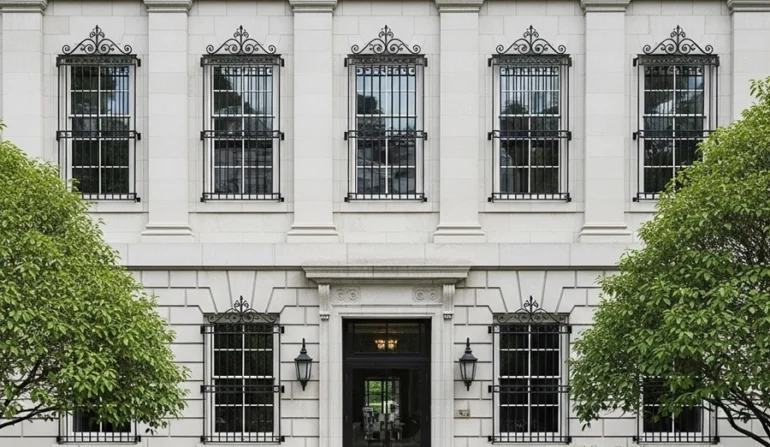
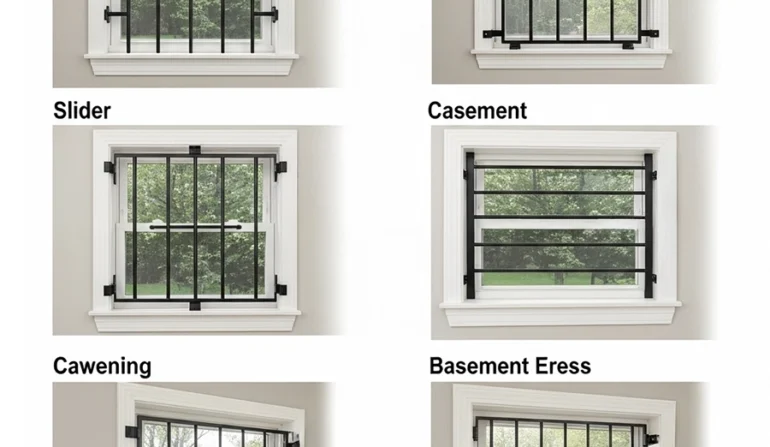
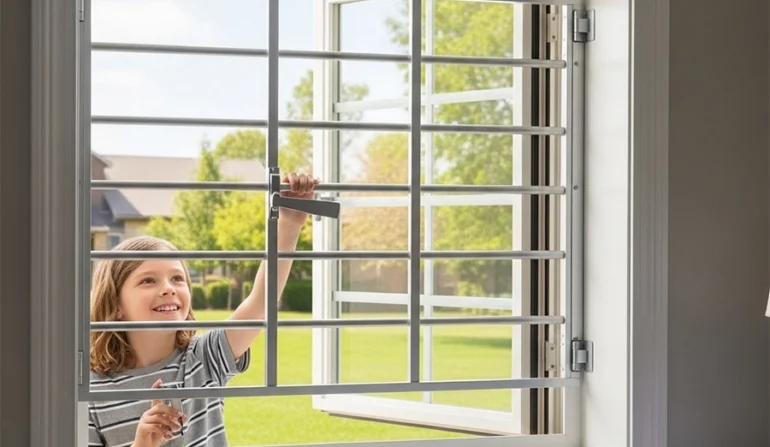
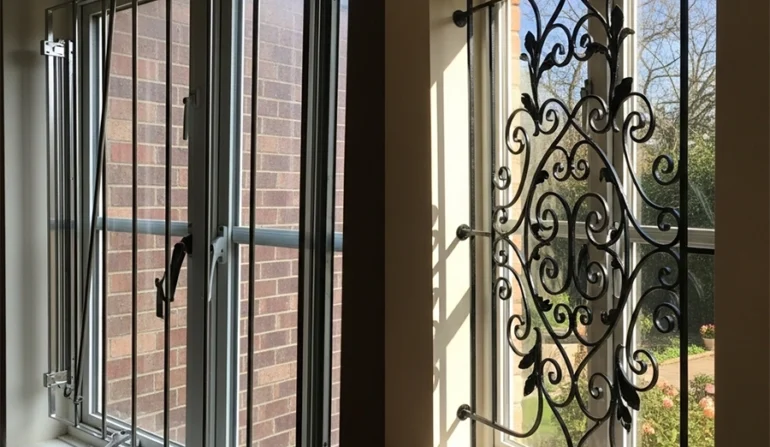
Yes—align rails/pickets for a built-in look.
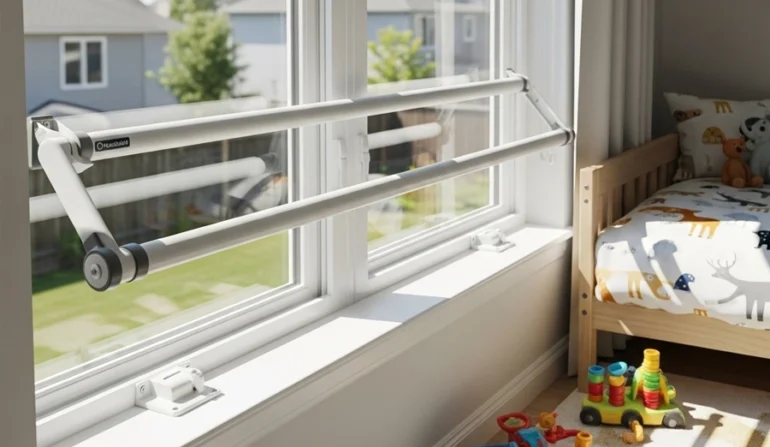
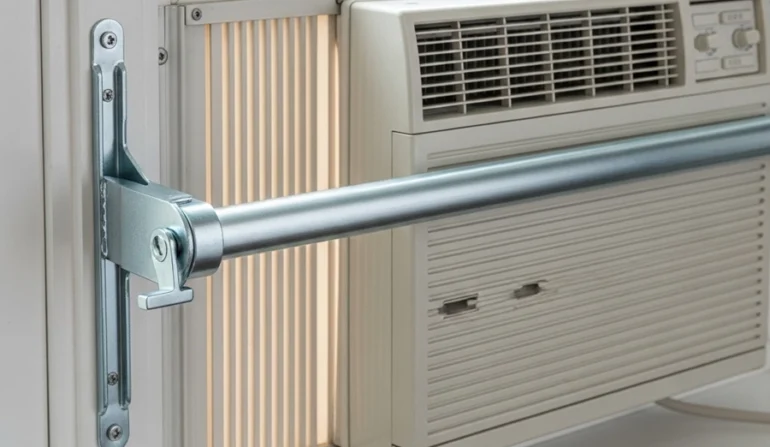
Interior bars typically clear existing screens; confirm depth.
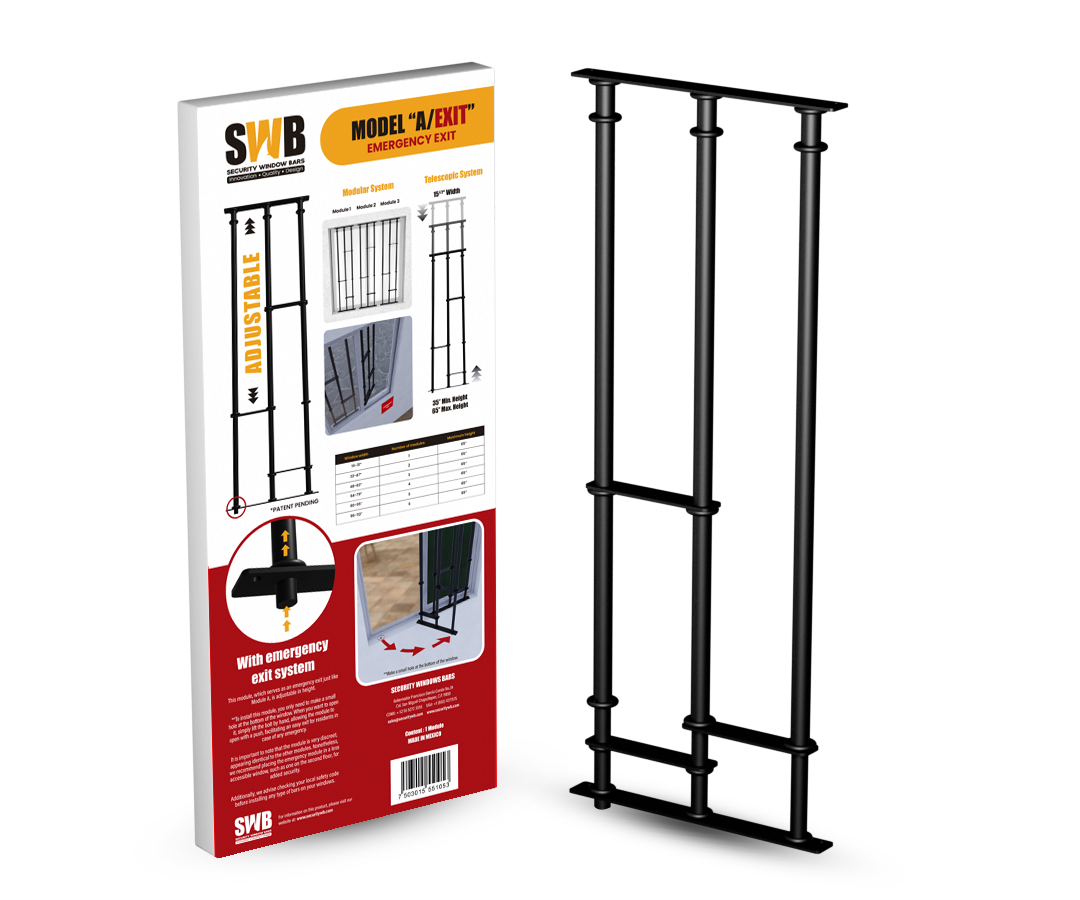
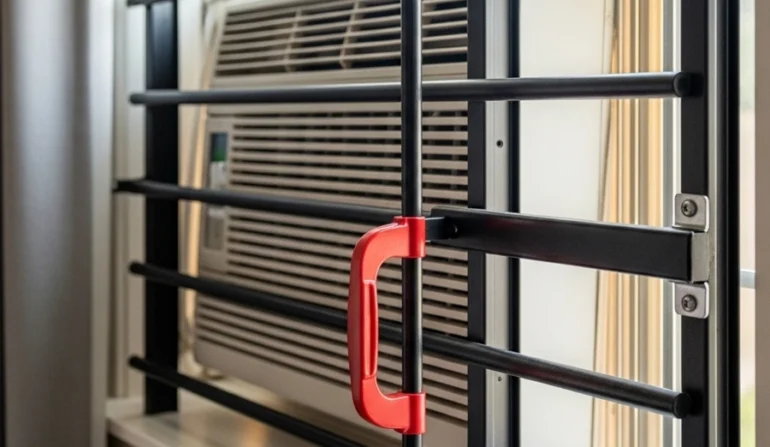
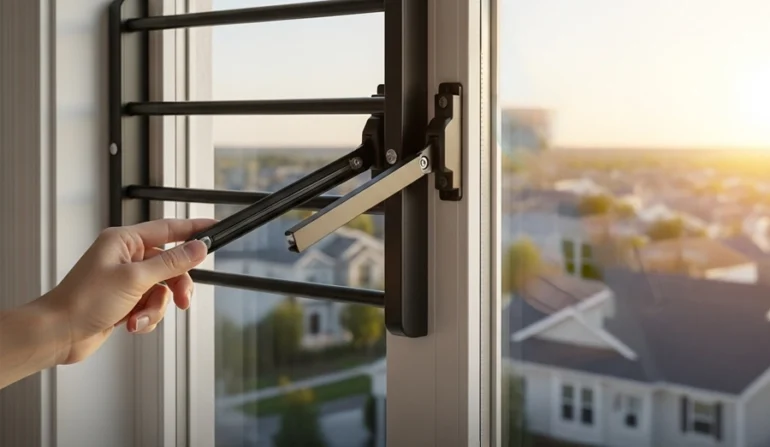
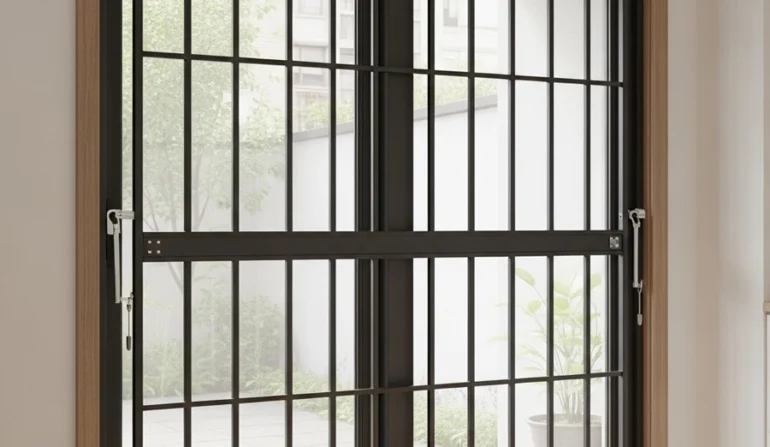
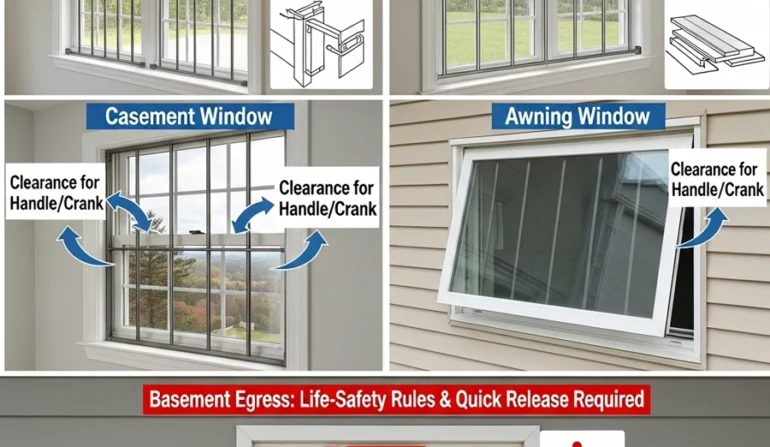
Hinged panels swing open; fixed panels can be unscrewed if needed.
Use proper standoff and seal penetrations; inspect after storms.
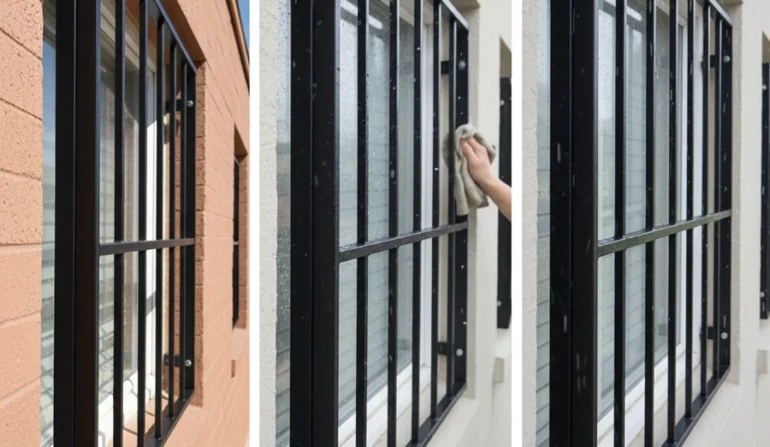
Use color-matched enamel on chips; keep edges sealed.
Stainless resists corrosion but is costlier and often bulkier for the same stiffness.
Anchor to surrounding structural elements—avoid thin claddings.
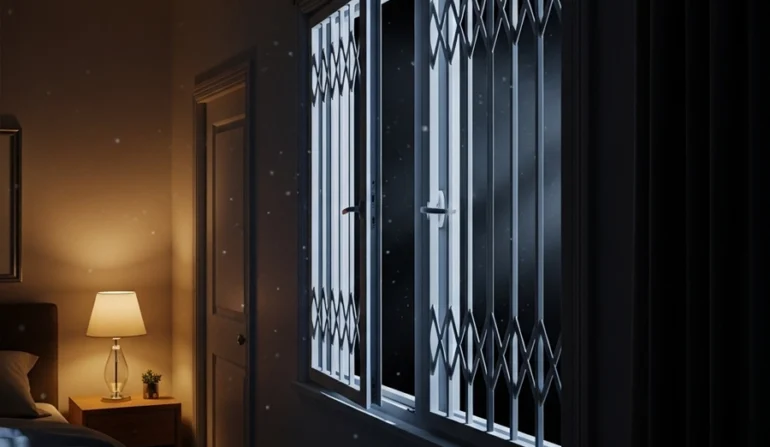
Screens are discreet but cutting resistance varies; bars offer immediate, visible deterrence.
Designed well, they can reassure buyers—especially in urban markets.
Compatible; just keep swing paths and wiring clear.
Yes—mount contacts on sash; bars don’t block sensor use.
Allow a touch more tolerance and use robust finishes.
Possible, but side hinges are easier to operate and clear décor.
Sometimes for surface mounts with ornate trim—spacers keep frames square.
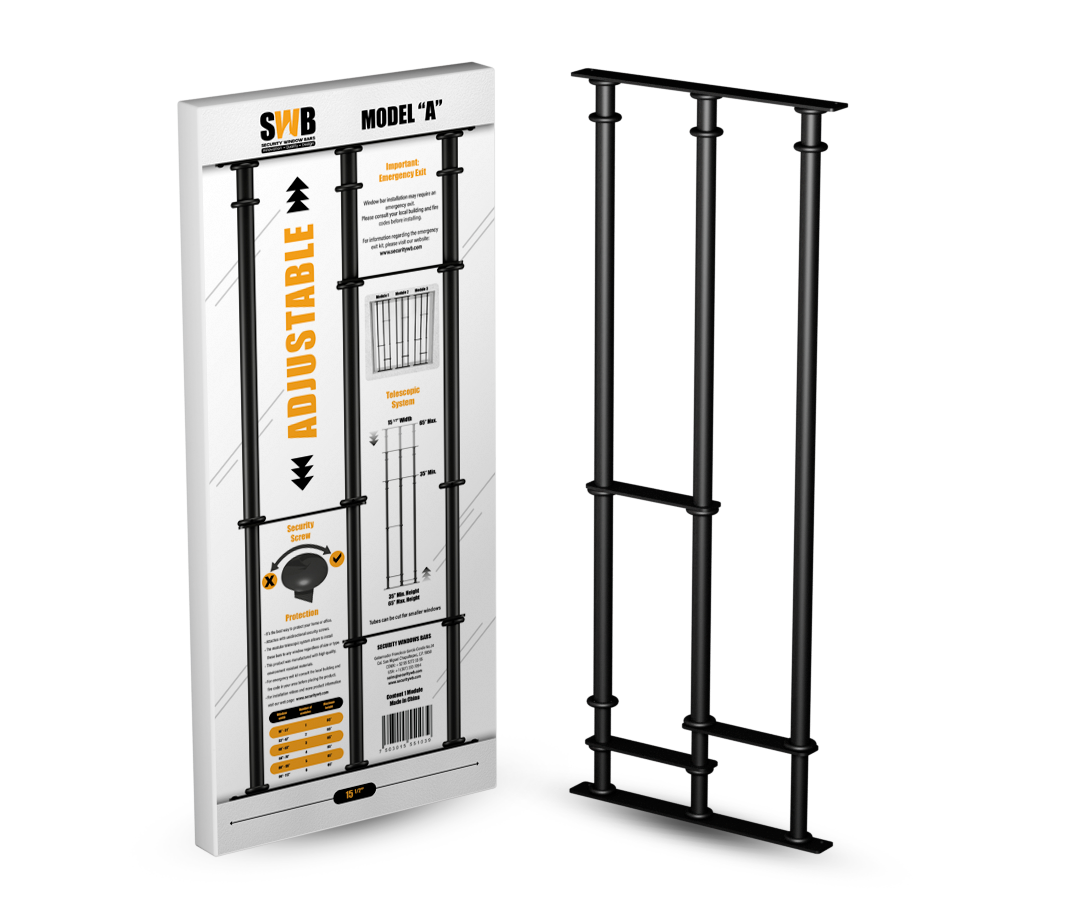
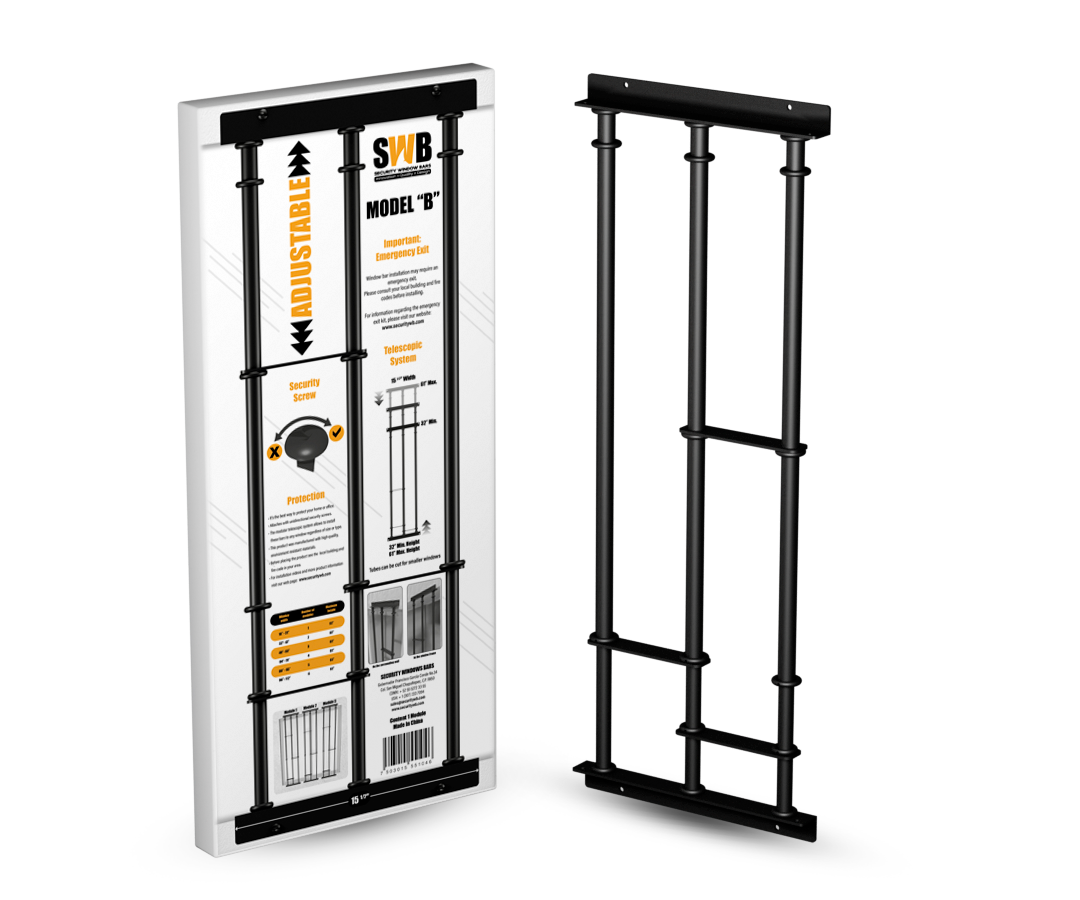
Carbide masonry bits sized to anchor spec; use a hammer drill.
Add neoprene pads and secure supports; verify release motion monthly.
Color-matched heads or caps; some frames conceal fixings entirely.
Provide templates; expect higher fabrication time/cost.
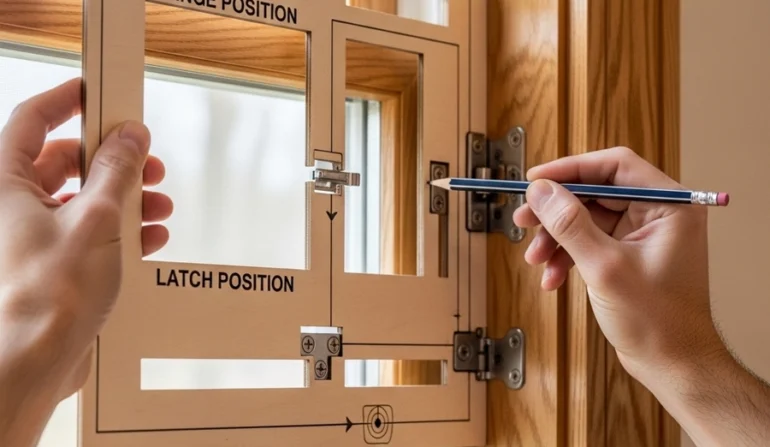
Custom frames with measured angles; plan hinge side carefully.
Yes—treat each leaf’s clear opening; prefer interior hinged panels.
Use door-rated grilles or gate solutions with panic release—different category.
Use chemical anchors or target sound units; avoid failing mortar.
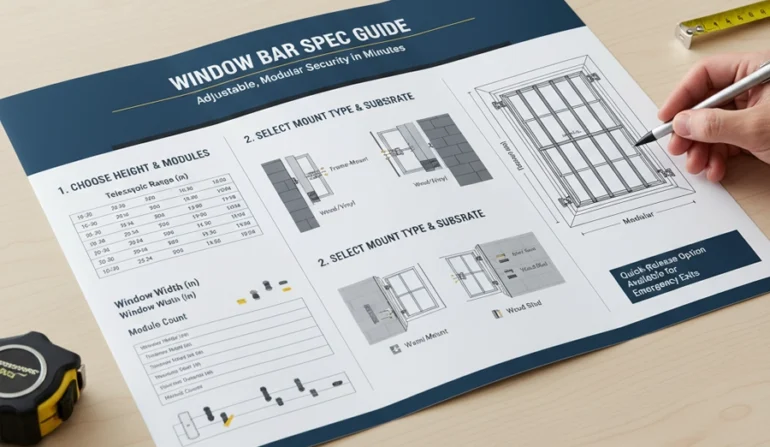
Depends on size; balanced pattern prevents racking—follow spec.
Piano hinges distribute load and keep long frames aligned; pins work for smaller panels.
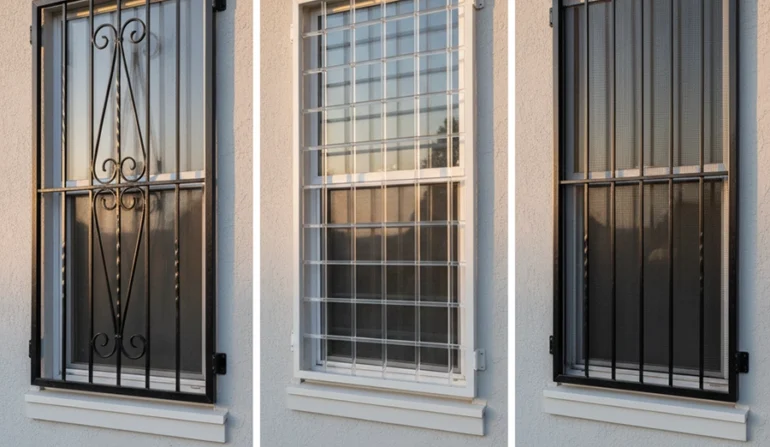
Yes—custom powder colors are available; expect a surcharge.
Quality powder coats resist UV; choose reputable finishes.
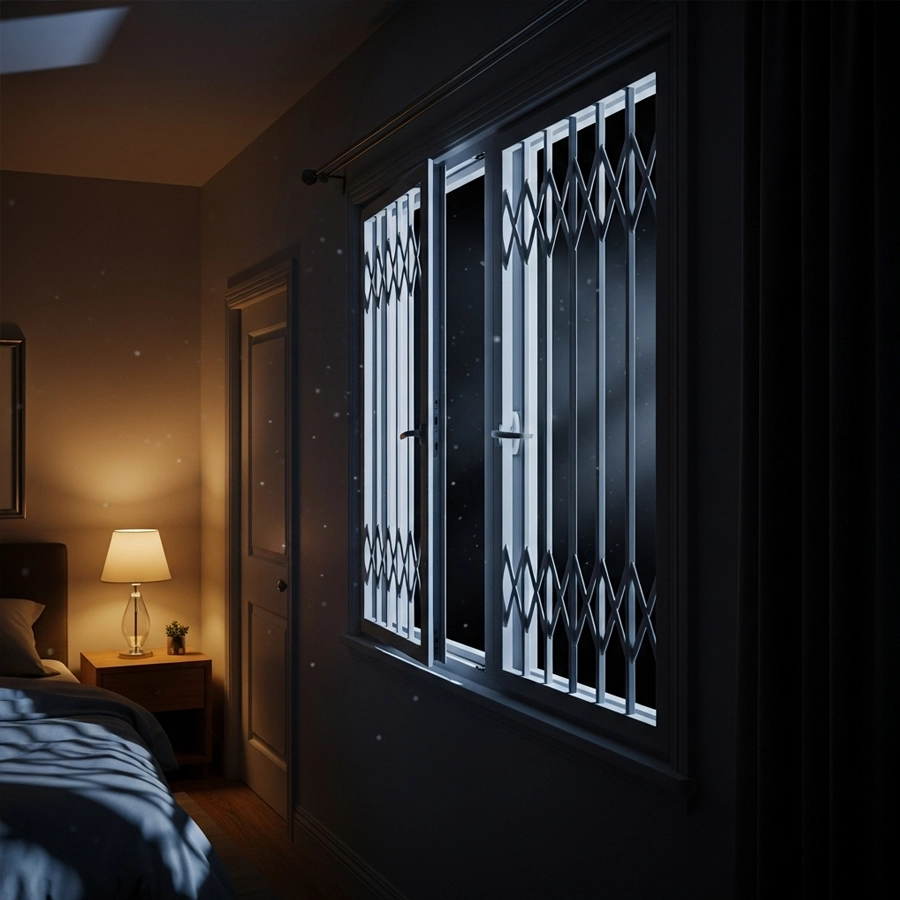
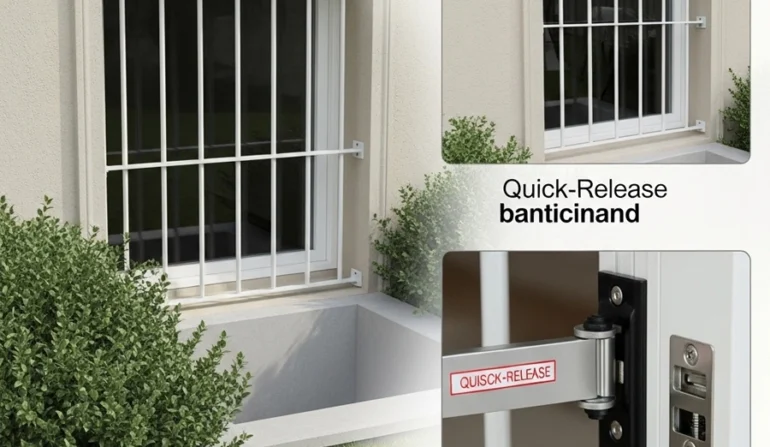
Yes when tensioned properly and used with quick-release in bedrooms.
Minimize long horizontals on ground-floor exteriors; tighten spacing.
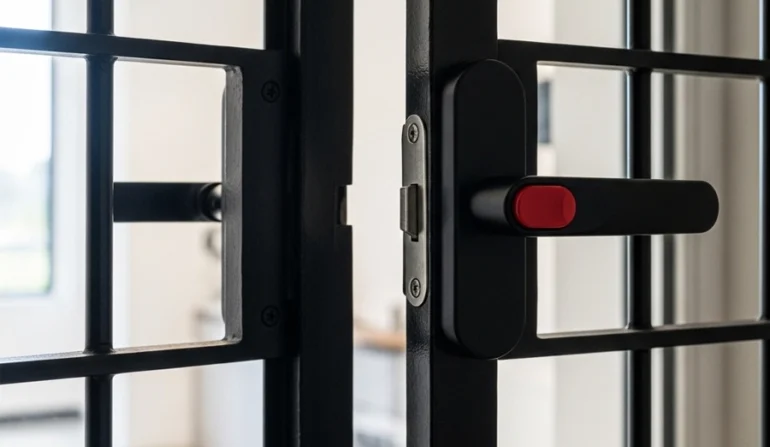
Lubricate hinge/latch pins with dry PTFE; check torque and shims.
Not recommended—dedicated anchors are best.
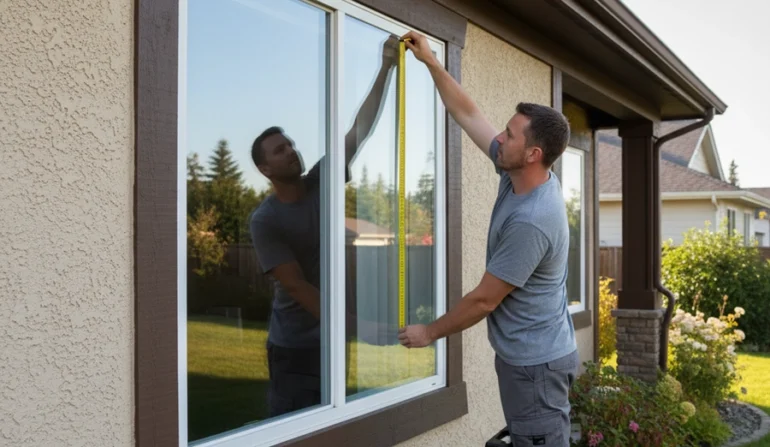
1/8–1/4 in per side, consistent across the opening.
Yes—confirm depth and swing clearances.
Varies by city and building type; interior bars often require fewer approvals.
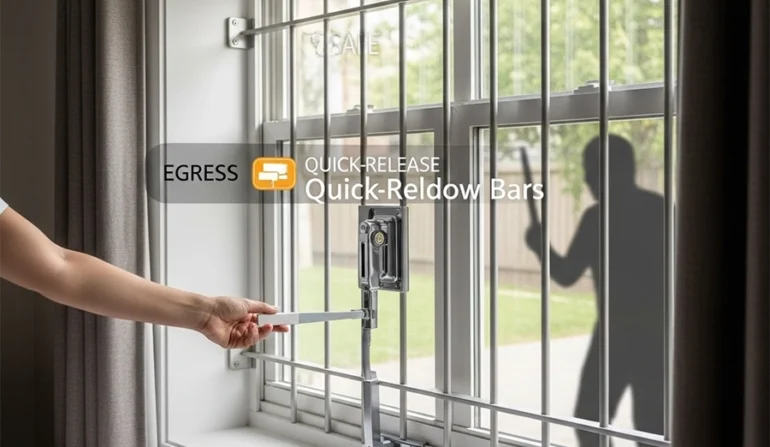
Show the handle, label discreetly (“Lift to Open”), and do a 30-second demo.
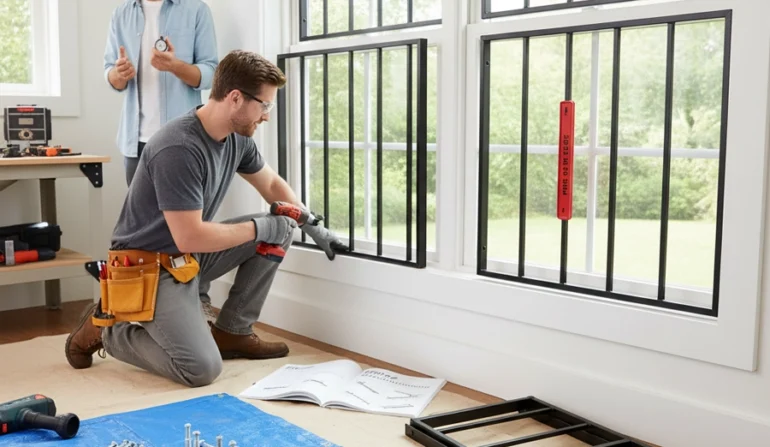
Pre-mark hinge/swing, clear furniture/blinds, and have anchors/tools staged.
Install fixed bars in a sleeping space—always choose quick-release.