Home security makes people think “strength” first. That’s natural. But building codes and life-safety logic start somewhere else: escape.
That’s why the decision between fixed window bars and quick-release window bars isn’t just a product comparison. It can affect:
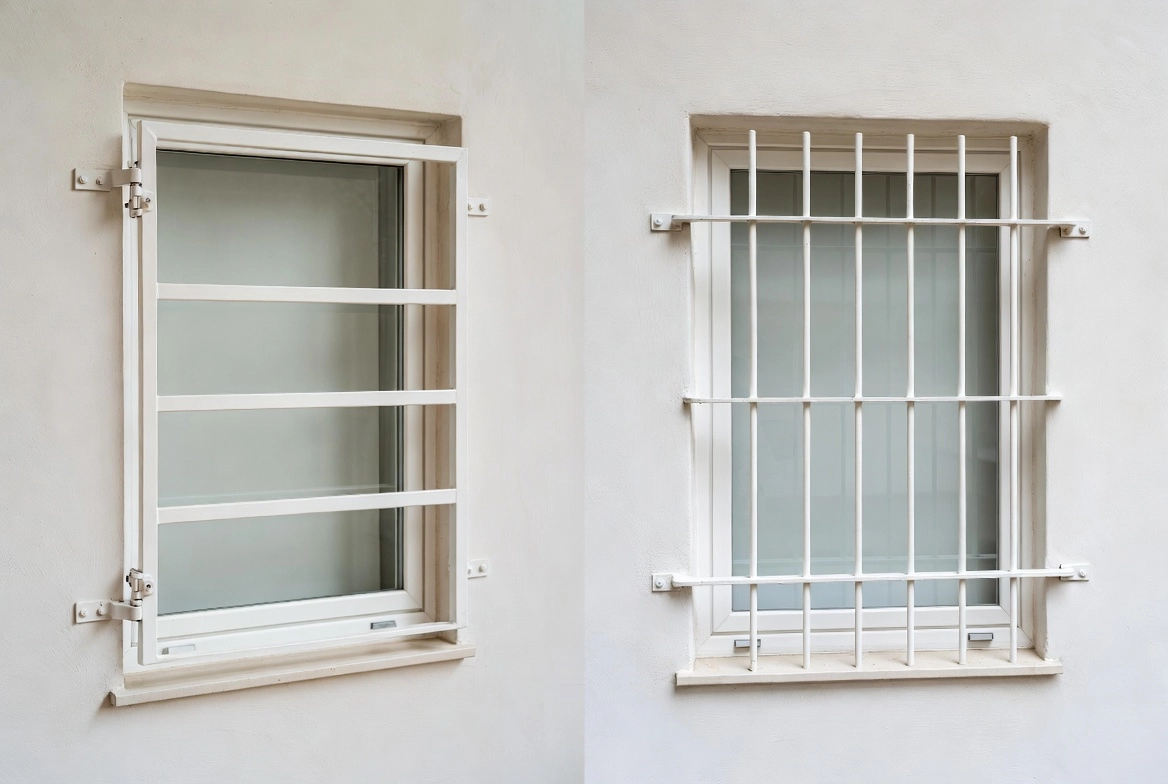
This guide is built for real homeowners (simple, practical, no fluff) and for contractors/inspectors (clear decision framework, compliance logic, documentation tips). It’s written for the entire U.S.—because while local enforcement and code editions vary, the intent is remarkably consistent: if a window is required for emergency escape, any security device that covers it must allow escape from inside without keys, tools, special knowledge, or excessive force. [3][4]
If you’re looking for a solution that prioritizes security and escape logic, you’ll find the official SWB options and planning resources at:
U.S. home structure fires still cause thousands of deaths and injuries every year. NFPA’s national estimates for 2019–2023 average 328,590 home structure fires, 2,600 civilian deaths, and 10,770 civilian injuries annually. [1]
In a smoke-filled, low-visibility, high-stress moment, anything that adds steps—like finding a key—can become the failure point.
This isn’t fear marketing. It’s how emergencies behave.
In residential code language, the window that matters most is often called an Emergency Escape and Rescue Opening (EERO)—commonly required for sleeping rooms and sometimes for finished basements (depending on layout, occupancy, and local adoption).
Egress logic exists because your front door is not always usable in a fire. Smoke can block hallways. Heat can make a door unsafe. Your window becomes the “Plan B.”
EERO intent is centered on net clear opening (the actual usable opening when fully open), not the nominal window size. Minimums commonly summarized across jurisdictions include:
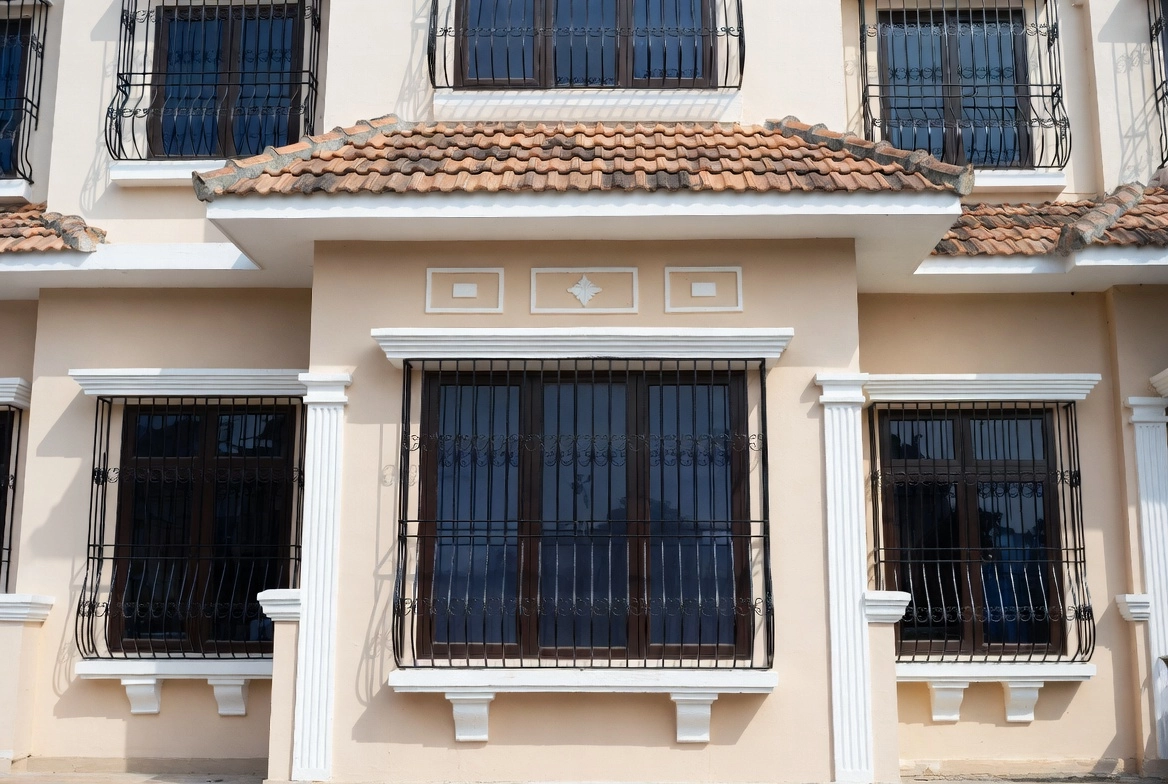
Important: always confirm the applicable code edition and local amendments where the property is located. But if you follow the life-safety intent, you’ll rarely regret it.
If bars, grilles, screens, covers, or similar security devices are placed over an emergency escape and rescue opening, code guidance commonly states they must be releasable or removable from the inside without:
This is exactly why quick-release window bars exist.
If your “release” requires a key, a hidden latch, or a special trick you have to teach someone… it’s not a true life-safety release in the way these rules intend.
If you’re documenting compliance, the standard proof is simple:
Fixed bars are the maximum simplicity option:
Where fixed bars shine: windows that are not part of an emergency escape plan—storage spaces, mechanical rooms, utility-only basements, workshops/garages (when doors are primary egress), and other non-habitable spaces.
Where fixed bars become a problem: sleeping rooms and habitable basements when the covered window is expected to serve as EERO.
Quick-release bars preserve the security barrier from the outside while providing a simple escape method from the inside.
When quick-release becomes the “safe default”:
Answer these in order:
If you want a system designed specifically to support this “room-by-room” logic (including egress-friendly options), see the official SWB resources at:
Bedrooms are treated differently for one obvious reason: people are asleep. Reaction time is slower. Visibility is lower. Panic is higher.
The homeowner rule
If you’re putting bars on a bedroom window, your default should be quick-release window bars—unless you have a verified reason your window is not needed for escape (rare in typical residential layouts).
The contractor/inspector rule
If the bedroom requires an EERO, then any security device covering that opening should allow operation in a way consistent with “no key/tool/special knowledge” intent.
This question comes up constantly.
The whole point of emergency escape logic is that doors and hallways are not guaranteed.
That’s why the window matters.
If you want security that still respects escape logic: quick-release window bars are the safe default.
Some products advertise “keyed” systems as egress solutions. On paper, it can sound fine.
In real life, keys fail because:
Code intent that discourages keys/tools/special knowledge is rooted in this exact failure mode.
Practical recommendation: If you need quick-release, choose a system that is truly interior-operable without keys.
If you’re choosing bars for a bedroom, don’t gamble with fixed bars. Choose a solution designed for escape logic.
Buy now and see SWB’s quick-release options and planning tools at:
www.securitywb.com
Basements are where homeowners accidentally create hazards because the label “basement” doesn’t describe how it’s used.
A basement can be:
If people spend regular time there like it’s living space—office, gym, media room, guest area—treat it as habitable.
If anyone sleeps there, treat it like a bedroom.
If the basement has finished walls, climate control, regular occupancy, or sleeping use, you should assume life-safety expectations apply. How the local jurisdiction labels it matters, but use is what turns a “storage basement” into a risk.
Safe default: habitable basement → quick-release window bars.
Fixed bars absolutely have a place—and in the right place, they’re an excellent solution.
Fixed bars are often smart when:
The mistake isn’t buying fixed bars.
The mistake is installing fixed bars where escape logic expects a releasable pathway.
You now have:
Next, Part 2 goes deeper into:
If you only remember one technical point, remember this:
Egress logic uses net clear opening—not the glass size, not the frame size, not the marketing dimensions. [2]
Homeowner version
Open the window fully. Then measure the usable opening space you could actually climb through.
Contractor/Inspector version
Document the “as-operated” condition. Net clear opening must be obtained by normal operation from the inside, and the security device should not reduce it below required minimums once released/opened.
Common minimums used in IRC-based guidance include:
Default: quick-release window bars
Why: sleeping rooms rely on alternate escape logic; keys/tools/special knowledge are failure points. [3][4]
Default: quick-release
Why: guests and kids can’t be expected to know your system. “Special knowledge” is exactly what you’re trying to avoid. [3][4]
Default: quick-release
Why: regular occupancy + emergency behavior = same escape logic mindset as main floors.
Default: fixed bars can be appropriate
Why: you’re not depending on that window for emergency escape.
Important: if the basement might be converted later, fixed bars can become tomorrow’s liability.
Default: fixed bars often make sense
Why: egress is usually via doors, and you want maximum deterrence with minimal complexity.
Default: depends
If the window is not EERO-required, fixed bars can be acceptable. But many homeowners still prefer quick-release on any window they might need for emergency exit planning.
This is where most “good intentions” turn into legal and safety exposure.
…then special knowledge becomes the enemy.
And in an emergency, even small uncertainty becomes a real risk.
Practical landlord rule:
If bars are going on a sleeping room or a likely-occupied basement space, quick-release is the safest and most defensible choice.
Contractor/Inspector note:
From a liability standpoint, the cleanest solution is the one aligned with the life-safety intent: interior operation without key/tool/special knowledge, and clear access to the release mechanism. [3][4]
Quick-release only works if it’s installed and kept in an operable, reachable, unobstructed way.
Once a month:
If it binds or feels stiff, fix it immediately. In a real emergency, you don’t get a practice run.
This single habit separates “security theater” from life-safety-ready security.
If you’re protecting bedrooms or a habitable basement, make the safe, code-intent-aligned choice.
Buy now and plan the correct SWB approach at:
Not if designed correctly.
A proper quick-release should be interior-operable—meaning:
The difference is not “less security.” It’s security that still allows escape.
You now have:
In Part 3, we’ll deliver:
If you’re a contractor installing bars—or a homeowner working with a contractor—use this checklist to reduce risk and make inspections/resale smoother.
If bars/grilles cover the EERO:
For rentals/guest spaces, the simplest format wins:
This isn’t overkill. It’s how you build safety into real life.
Home inspections vary, but life-safety concerns are among the most likely to raise questions.
What gets flagged:
How to be resale-ready:
If you’re building long-term value, you want a solution that is easy to explain and hard to criticize.
Quick-release only works if it’s installed and kept in an operable, reachable, unobstructed way.
Here’s the truth: I can’t tell you what’s “legal” for your exact address, because:
But I can tell you what’s consistently smart:
If a window is expected to function as emergency escape, don’t cover it with a device that requires keys, tools, or special knowledge. That principle is directly reflected in code guidance language for security devices over EERO openings. [3][4]
So the practical rule becomes:
SWB is built around the real problem homeowners face:
You want strong window security—but you also want a solution that fits real windows, scales across your home, and respects egress logic when needed.
Start with:
The fastest way to avoid mistakes is to use the official SWB guidance rather than guessing.
Go here:
www.securitywb.com
You’re not just buying bars. You’re buying:
That’s the difference between “strong” and “smart.”
If you’re choosing bars for bedrooms, guest rooms, or a habitable basement, don’t compromise.
Buy now and build your SWB plan using the official tools and options at:
www.securitywb.com
If the window functions as a required emergency escape and rescue opening, code guidance commonly expects any covering device (bars/grilles/screens) to be releasable/removable from inside without keys/tools/special knowledge (and without excessive force). That’s why fixed bars on bedrooms are often a bad idea and can become a code or inspection issue. Always verify locally. [3][4]
Not if the release is interior-only and the exterior remains a hardened barrier. Quick-release is about escape, not about weakening security.
If people spend regular time there as a living space (office, theater, guest suite), treat it as habitable. If someone sleeps there, treat it like a bedroom and default to quick-release window bars.
Installing fixed bars where escape logic expects a releasable pathway—especially bedrooms and finished basements.
The monthly test: open the window, trigger the release, confirm full opening, reset. Fix stiffness immediately.
All official information is at www.securitywb.com
(These are the references behind the footnotes [1]–[4].)
[1] National Fire Protection Association — Home Structure Fires (2019–2023 averages: fires, deaths, injuries).
[2] Minnesota Department of Labor and Industry — Fact sheet summarizing EERO minimum net clear opening requirements (area/width/height/grade exception).
[3] International Code Council — R310.4 language indicating devices over EERO must be releasable/removable from inside without key/tool/special knowledge/force.
[4] Jurisdiction tip sheets reflecting IRC-based intent (“bars/grilles/screens must be releasable/removable from inside without key/tool”).
COOKIES POLICY
Security Window Bars LLC ("SWB") uses cookies and similar technologies to improve your browsing experience and enhance the functionality of our website www.securitywb.com (the “Website”). This Cookies Policy explains what cookies are, how we use them, and how you can manage your cookie preferences.
By using our Website, you agree to our use of cookies as described in this policy.
Last Updated: 01/01/25