
Property Manager Window Bars: Multi-Unit Building Compliance Guide for US Landlords
Property manager window bars multi unit building compliance guide: egress rules, liability, tenant notices, state codes, and inspection documentation for US landlords.
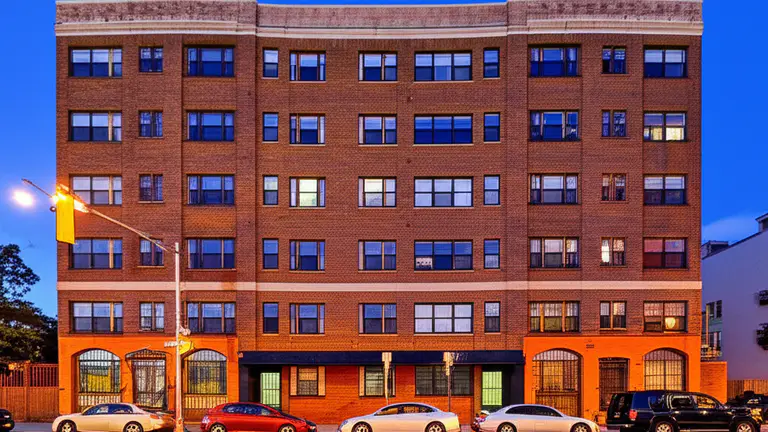
SWB: High-caliber Security Window Bars experts. We bring the most advanced protection within your reach, explained clearly. If you manage an apartment complex, a multi-unit residential building, or a portfolio of rental properties across the USA, understanding property manager window bars multi unit building compliance is not optional — it is a legal and financial necessity. According to the FBI Uniform Crime Report, more than 6.7 million residential burglaries occur in the United States every year, with 60% of forced entries happening through ground-floor windows. When a burglary occurs in a unit you manage, your liability exposure depends almost entirely on whether your window security measures met applicable local, state, and federal building codes. From New York City’s Local Law 57 to Chicago’s housing ordinances and California’s Title 24 regulations, the patchwork of American property law creates real risk for landlords who install window bars without a documented compliance strategy. This guide gives property managers a clear, actionable roadmap covering egress requirements, tenant notification obligations, approved hardware standards, contractor selection, and the documentation protocol that protects you during inspections and in court.
NFPA 101, the Life Safety Code, is the most widely adopted fire safety standard in the United States, referenced by nearly every state and municipal building au…
Why Window Bar Compliance Is a Legal Priority for Property Managers
Every property manager who installs window bars — or who inherits them in a building acquisition — carries legal responsibility for those bars meeting current safety codes. The stakes are not abstract. Courts across the United States have awarded significant damages to tenants and tenant families when window bars without egress mechanisms prevented escape during a fire. According to the National Fire Protection Association (NFPA), residential fires injure more than 12,000 Americans annually, and a meaningful percentage of fire fatalities involve blocked egress points. When investigators identify that window bars lacked a quick-release mechanism in a sleeping area — a direct violation of NFPA 101 (Life Safety Code) and the International Building Code (IBC) — property managers face civil liability, regulatory fines, and in some jurisdictions, criminal negligence exposure. For property managers overseeing multi-unit buildings in high-density urban markets like Los Angeles, Philadelphia, Chicago, or Houston, the cumulative risk across dozens or hundreds of units is substantial. Installing compliant window bars is not just about tenant safety — it is about protecting your investment, your license, and your professional reputation.
The NFPA 101 and IBC Egress Requirements Explained
NFPA 101, the Life Safety Code, is the most widely adopted fire safety standard in the United States, referenced by nearly every state and municipal building authority. Section 24.2.2 and related provisions require that any window bars or security grilles installed in sleeping areas must include a quick-release mechanism that can be operated from the inside without keys or special tools. The International Building Code (IBC), Section 1030, mirrors this requirement and further specifies that egress windows must maintain a minimum clear opening of 20 inches in width and 24 inches in height, with a net clear opening of at least 5.7 square feet. For property managers, this means that traditional fixed cross bars in windows — even heavy-gauge steel models — are non-compliant in any sleeping area unless they incorporate a patented quick-release system. Failure to meet these specifications creates direct liability exposure in every state that has adopted the IBC, which as of 2024 includes all 50 states in some form.
Civil Liability and Insurance Consequences of Non-Compliant Bars
Beyond regulatory fines, non-compliant window bars expose property managers to tort liability under negligence theory. If a tenant or occupant is injured or killed during a fire or emergency because window bars prevented egress, plaintiffs’ attorneys will use code violations as near-automatic evidence of negligence per se — meaning the violation of the safety code itself establishes the breach of duty element in a negligence claim. Many commercial property insurance policies also contain exclusions for losses arising from known code violations. If your insurer discovers during claims investigation that your building had non-compliant window bars installed, they may deny coverage for the resulting claim entirely. Property managers in high-litigation markets like New York City and Los Angeles are particularly vulnerable. Documenting compliant, egress-capable window bar installations across all units is one of the most cost-effective risk management steps a property manager can take.
State Regulatory Agencies That Enforce Window Bar Rules
Enforcement of window bar compliance varies by state and municipality. In New York, the Department of Buildings and the Department of Housing Preservation and Development (HPD) both have authority to cite and fine building owners for non-compliant window guards. Local Law 57 specifically requires window guards in apartments where children under 10 reside. In California, the Department of Housing and Community Development enforces Title 24 building standards. In Illinois, the Chicago Department of Buildings conducts housing inspections that include egress window assessments. In Texas, municipal code enforcement varies by city — Houston and Dallas maintain active housing inspection programs. Property managers should verify which state and local agencies have jurisdiction over their specific properties, as multi-city portfolios may be subject to several overlapping enforcement regimes simultaneously.
State-by-State Egress Rules for Window Bars in Rental Properties
The United States does not operate under a single uniform window bar compliance standard. While the IBC and NFPA 101 provide a baseline that most jurisdictions have adopted, states and municipalities have layered additional requirements on top of the federal model codes. Property managers overseeing multi-unit buildings across multiple states — a common scenario for real estate investment firms, regional property management companies, and REIT-managed portfolios — must track compliance requirements in each jurisdiction. The following overview covers the states and cities with the most active enforcement environments as of 2025. This is not legal advice; always consult a licensed attorney familiar with local housing law for compliance decisions affecting specific properties.
New York: The Most Stringent Window Guard Rules in the Nation
New York City’s Local Law 57, codified in Section 131.15 of the New York City Health Code, requires building owners to install window guards in any apartment where a child under 10 years of age resides, upon written request or when the landlord knows or reasonably should know a child under 10 is living in the unit. Guards must meet specifications set by the NYC Health Department and must be installed and maintained by the building owner — not the tenant. Annual notification requirements mandate that landlords send written notices to all tenants informing them of their right to request window guards. Violations carry fines of up to $1,500 per window per year. The NYC Department of Buildings additionally enforces egress requirements for window bars in sleeping areas under Local Law 14 provisions tied to IBC adoption. For property managers with buildings in the five boroughs, maintaining a documented window guard compliance program with signed tenant notices is non-negotiable.
California, Illinois, and Texas: Key State-Level Requirements
In California, Title 24 of the California Code of Regulations adopts the IBC with state-specific amendments. Sleeping area window bars must include quick-release hardware, and landlords are responsible for maintaining those mechanisms in working order under California Civil Code Section 1941, which requires rental properties to be in a habitable condition. In Illinois, the Chicago Residential Landlord and Tenant Ordinance (RLTO) requires landlords to maintain building security in good repair, which courts have interpreted to include compliant window security hardware. Chicago housing inspectors specifically evaluate window bars during scheduled and complaint-driven inspections. In Texas, the Property Code Chapter 92 requires landlords to install security devices including window latches and bars that comply with applicable building codes. Houston and Dallas have supplementary municipal ordinances that specify egress hardware standards for residential buildings constructed or renovated after specific dates. Property managers should pull the applicable city and county ordinances for every jurisdiction in their portfolio.
OSHA Standards for Commercial and Mixed-Use Properties
For property managers overseeing mixed-use buildings — where ground-floor commercial space sits below residential units — OSHA 29 CFR 1910.37 governs exit routes and emergency egress in the commercial portions of the structure. Window bars on commercial-use windows must not obstruct emergency exit pathways, and any window designated as part of an emergency exit plan must incorporate hardware that allows quick release without tools. Property managers who lease ground-floor retail or office space within their multi-unit building portfolio are subject to OSHA enforcement in those commercial areas, in addition to state residential housing codes for the residential floors. OSHA penalties for egress violations can reach $15,625 per violation for serious violations and $156,259 for willful violations as of 2025 federal penalty schedules.
Tenant Notification Requirements for Window Bar Installation
Installing or replacing window bars in an occupied multi-unit building without proper tenant notification creates both legal and practical problems. From a legal standpoint, many state landlord-tenant statutes require advance written notice before a landlord makes modifications to a unit’s fixtures or structural elements — and window bars qualify as structural security fixtures in most jurisdictions. From a practical standpoint, tenants who are surprised by new window bars may misunderstand the egress mechanism, creating panic during emergencies, or may file complaints with housing authorities, triggering inspections that expose other compliance gaps. A proactive, documented tenant notification program is one of the clearest signals of professional property management.
What Must Be Included in Tenant Notification Letters
When notifying tenants of upcoming window bar installation or replacement in their units, the notification letter should include: the date and time of scheduled installation, the specific windows to be fitted, the model of window bar being installed with a reference to its compliance certifications (IBC, NFPA 101, or OSHA as applicable), a clear explanation of the egress quick-release mechanism with step-by-step instructions, a statement of the property manager’s responsibility for maintenance and inspection of the hardware, and contact information for questions or concerns. For buildings in New York City, the annual notification requirement under Local Law 57 must also include a Spanish-language version of the notice in buildings where a significant portion of tenants speak Spanish as a primary language, per city language access requirements. Retain signed copies of all notification letters in your compliance documentation file for a minimum of three years.
Tenant Rights Around Window Bar Removal and Modifications
Tenants in many states have limited rights to modify window bars installed by their landlord, even if they find the bars aesthetically objectionable or inconvenient. However, property managers must be prepared to address two recurring tenant requests: removal requests and egress mechanism operation requests. If a tenant requests removal of window bars installed for safety or code compliance, the landlord generally has no obligation to remove them and may in fact be legally required to keep them in place — particularly in jurisdictions with mandatory window guard laws. Conversely, if a tenant reports that a quick-release egress mechanism is not functioning correctly, the landlord must treat this as an urgent maintenance request. Under habitability standards in most states, a non-functional egress mechanism on window bars constitutes a material deficiency that must be repaired within a reasonable time — typically 24 to 72 hours depending on jurisdiction. Document all maintenance requests, responses, and completed repairs in writing.
Lease Clause Language for Window Bar Compliance
Property managers should work with a licensed real estate attorney to draft lease addendum language that addresses window bar compliance specifically. Recommended lease provisions include: a description of the window bars installed in the unit with their compliance certifications, a prohibition on tenant tampering with or removing window bars without written landlord consent, a tenant acknowledgment that they have received instruction on operating the egress mechanism, a landlord commitment to maintain bars in compliant working order, and a statement that tenants bear responsibility for reporting non-functioning hardware. Including this language in new leases and in lease renewals creates a documented chain of informed consent that significantly strengthens your legal position in any future dispute or regulatory inspection.
Selecting Compliant Window Bar Hardware for Multi-Unit Buildings
Not all window bars sold in the United States meet the egress requirements mandated by the IBC and NFPA 101 for sleeping area applications. Property managers responsible for multi-unit buildings must carefully evaluate hardware specifications before committing to a property-wide installation program. The distinction between a decorative domestic window security grille, a standard fixed steel bar, and a certified egress-compliant system is not merely cosmetic — it is the difference between a compliant installation and a code violation that exposes you to liability. Understanding the technical specifications that define compliant hardware will allow you to evaluate bids from contractors and equipment suppliers with confidence.
Fixed vs. Telescopic vs. Egress-Compliant: What Property Managers Need to Know
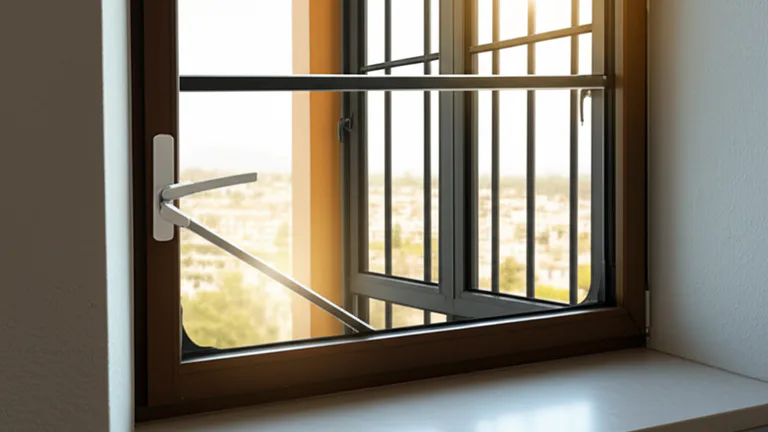
The residential window bar market broadly divides into three categories relevant to property managers. Fixed wall-mount bars — such as heavy-gauge steel vertical steel models — provide maximum physical security but cannot be opened from inside without tools, making them non-compliant for sleeping area use. Telescopic adjustable bars fit a wide range of window sizes without drilling, making them ideal for renters who need portability, but standard telescopic models without a quick-release mechanism do not meet egress requirements in sleeping areas. Egress-compliant window bars — like the SWB Model A/EXIT with its patented quick-release mechanism — combine the physical security of steel bar construction with the IBC and NFPA 101 required emergency release capability. For property managers who need to equip sleeping area windows in compliance with building codes, only the third category is acceptable. For non-sleeping area windows such as ground-floor common-area windows or garage windows, fixed or telescopic models without egress hardware may be appropriate depending on local code requirements. You can explore the full range of compliant options through the Security Window Bars installation guide at https://securitywb.com/installation/ to understand which product type applies to each window classification in your building.
Hardware Specifications That Confirm Code Compliance
When evaluating window bar hardware for a multi-unit building, property managers should verify the following specifications in writing from the manufacturer or supplier before purchasing: (1) Quick-release egress mechanism operable from the inside without keys or special knowledge, meeting IBC Section 1030 and NFPA 101 requirements. (2) Steel gauge — a minimum of 14-gauge steel for the bar body provides resistance against forced entry consistent with industry standards for residential security. (3) Load capacity — bars should be rated to resist a minimum of 200 pounds of lateral force per the structural requirements that underpin IBC security provisions. (4) Powder-coat or corrosion-resistant finish — important for humid climates in markets like Houston, Miami, and New Orleans where bare steel degrades rapidly. (5) Width adjustability — telescopic systems that accommodate the standard US residential window widths of 22 to 36 inches allow a single hardware model to cover most units in a building, simplifying inventory management. The SWB Model A/EXIT egress-compliant window bar meets all of these criteria and is available for fast nationwide delivery through Amazon FBA, making property-wide procurement logistically straightforward.
Evaluating Existing Bar Installations in Acquired Properties
Property managers who acquire or assume management of a multi-unit building that already has window bars installed face a specific compliance challenge: the existing bars may predate current code requirements and may not include egress mechanisms. Before assuming that existing bars are compliant, managers should conduct a systematic unit-by-unit audit. For each window with bars installed, document: the bar type (fixed, telescopic, or egress-capable), the window location (sleeping area vs. non-sleeping area), the presence or absence of a quick-release mechanism, the operational status of any release mechanism found, and the window measurements to verify the clear opening meets IBC minimums. Any sleeping area window bar without a functioning egress mechanism should be treated as a code violation requiring immediate remediation. Replacing non-compliant fixed bars with egress-capable systems like the SWB Model A/EXIT is typically faster and less expensive than engaging a contractor to retrofit legacy hardware.
Approved Installation Contractors and DIY Considerations for Property Managers
The question of whether to use licensed contractors or pursue an owner-managed installation program is one of the most consequential decisions in a property manager’s window bar compliance strategy. Both approaches carry distinct advantages and risk profiles. For large multi-unit buildings with dozens of windows, a licensed contractor with documented experience in window security hardware installation provides a level of professional accountability that supports your compliance documentation. For smaller portfolios or individual unit retrofits, owner-managed installation using certified hardware — particularly telescopic systems specifically engineered for tool-light installation — can deliver equivalent results at a fraction of the cost while preserving flexibility for tenant transitions.
What to Look for in a Window Bar Installation Contractor
When soliciting bids from window bar installation contractors for a multi-unit building, property managers should require the following documentation before awarding any contract: a current state contractor’s license in the state where the building is located, commercial general liability insurance with a minimum $1 million per-occurrence limit, workers’ compensation insurance covering all crew members, written confirmation that the contractor is familiar with IBC Section 1030 and NFPA 101 egress requirements, references from prior multi-unit residential projects, and a written installation warranty covering hardware and labor for a minimum of one year. Contractors who specialize in security hardware for residential properties — as distinct from general contractors who add window bars as a side service — are more likely to be current on code requirements and to carry the specific hardware certifications your compliance documentation will need. Request a written scope of work that identifies each window to be fitted, the specific hardware model to be installed, and the IBC/NFPA compliance certifications for that hardware.
When Owner-Managed Installation Makes Sense
For property managers overseeing smaller residential portfolios — buildings with fewer than 20 units, or individual houses and duplexes within a larger management portfolio — DIY installation of telescopic and egress-compliant window bars can be a highly cost-effective approach. The average professional window bar installation by a licensed contractor runs between $600 and $1,800 per window, according to industry pricing surveys. Across a 10-unit building with two security windows per unit, contractor installation could cost $12,000 to $36,000. By contrast, equipping the same building with SWB Model A/EXIT egress-compliant bars — at $92 per unit — and managing installation in-house costs under $2,000 in hardware, with a 15 to 20 minute installation time per window requiring no specialized tools or permanent wall modifications. This approach is particularly advantageous for property managers who need to re-equip windows between tenants without the lead time and scheduling complexity of contractor engagement. The SWB Model A telescopic bar, available at https://securitywb.com/model-a/, is engineered for exactly this scenario — no drilling required in many installations, with full adjustability to fit standard US window widths.
Permanent Wall-Mount Bars for Ground-Floor and High-Security Applications
For ground-floor windows in high-crime urban markets — properties in Chicago’s South Side, Eastside Los Angeles, North Philadelphia, or Memphis, for example — property managers may determine that permanent, wall-mount fixed bars provide the most appropriate security level for non-sleeping-area windows. The SWB Model B wall-mount window bar, constructed from heavy-gauge powder-coated steel and designed for permanent installation, is purpose-built for this application. It is important to confirm that any window receiving a fixed wall-mount bar is not classified as a sleeping area egress window under IBC and local code definitions. Ground-floor common areas, storage rooms, laundry facilities, and garages are typically appropriate candidates for fixed installation. The SWB Model B is available at https://securitywb.com/model-b/ and provides the same structural-grade steel protection as permanently welded bars at a fraction of the cost of custom fabrication.
Documenting Window Bar Compliance for Building Inspections
In the event of a city housing inspection, a fire marshal review, a tenant complaint investigation, or a legal proceeding, a property manager’s ability to produce organized, complete compliance documentation is the single most powerful defense available. Inspectors and courts do not merely ask whether your window bars are compliant today — they ask whether you have maintained a documented history of compliance that demonstrates ongoing due diligence. Building that documentation system into your standard property management operations requires an upfront time investment but pays exponential dividends when a compliance challenge arises.
Building Your Window Bar Compliance File: What to Document
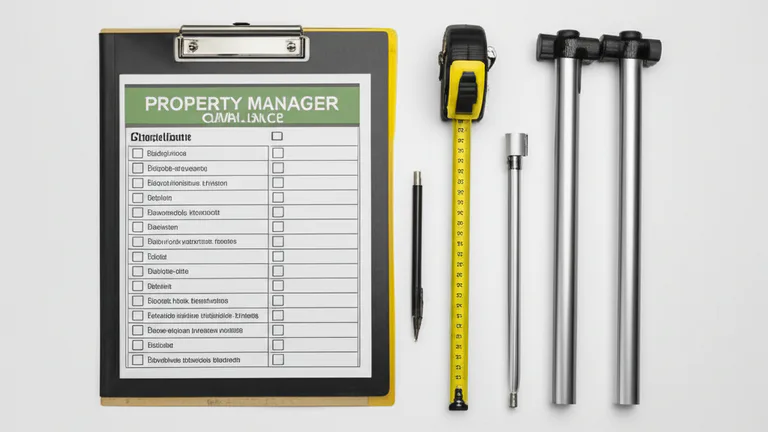
A complete window bar compliance file for a multi-unit building should contain the following categories of documentation: (1) Inventory log — a unit-by-unit record of every window in the building, noting the window type, dimensions, location classification (sleeping area vs. non-sleeping area), and the bar model installed at each window. (2) Hardware certifications — manufacturer documentation confirming that each bar model installed meets IBC, NFPA 101, and any applicable OSHA standards. (3) Installation records — date of installation, name of installer (contractor or property management staff), and any photographs taken during installation confirming correct placement. (4) Maintenance and inspection logs — dated records of each inspection of bar hardware, noting the condition of egress mechanisms and any maintenance performed. (5) Tenant notification records — copies of all notification letters sent to tenants with proof of delivery or signed acknowledgment. (6) Contractor records — licenses, insurance certificates, and written warranties from any contractor who performed window bar installation or maintenance work. Organize these documents by unit number in a digital file management system with redundant cloud backup.
Scheduled Inspection Protocols for Window Bar Maintenance
Window bar maintenance is not a one-time event — it is an ongoing property management responsibility. Egress mechanisms on quick-release window bars can degrade over time due to corrosion, tenant misuse, or mechanical wear. A documented inspection schedule demonstrates proactive compliance management to any regulatory body that reviews your records. Recommended inspection schedule: conduct a full property-wide window bar inspection annually, coinciding with the annual tenant notification cycle required in jurisdictions like New York City. Conduct individual unit inspections at every tenant turnover — when a unit is vacated and before a new tenant moves in. Respond to tenant-reported maintenance issues within 24 hours for egress mechanism failures and within 72 hours for all other bar hardware issues. Log every inspection with a date, inspector name, findings, and any corrective action taken. Annual inspection documentation that shows a consistent pattern of maintenance is one of the strongest possible defenses against a negligence claim.
Preparing for City Housing Inspections and Fire Marshal Reviews
When a city housing inspector or fire marshal schedules a review of your multi-unit building, advance preparation focused on window bar compliance can be the difference between a clean inspection report and a notice of violation. Before the inspection date, pull your compliance file and verify that documentation is complete for every unit. Walk the property yourself and physically test the egress release mechanism on every sleeping area window bar — do not assume hardware is functioning simply because no tenant has reported a problem. Confirm that no tenant has covered, blocked, or modified any window bar since your last inspection. If you identify any non-functioning egress mechanisms, replace the hardware before the inspection date and document the replacement. For property managers who need fast replacement hardware, SWB’s Model A/EXIT egress-compliant bars are available through Amazon FBA for rapid delivery to all 50 states — meaning a compliance gap identified on Monday can be remediated by Wednesday. Contact the SWB team directly at https://securitywb.com/contact/ for bulk property manager orders and volume pricing.
Cost Analysis: Compliant Window Bars vs. Liability Exposure for Property Managers
The financial case for investing in compliant window bars across a multi-unit building is compelling when viewed against the alternative: the cost of regulatory fines, civil litigation, and insurance claim denials that flow from non-compliance. Property managers sometimes treat window bar installation as a discretionary capital expenditure to be deferred. This section presents the actual cost comparison between proactive compliance and reactive liability management, so the decision can be made on an informed financial basis.
The True Cost of Non-Compliance
Regulatory fines for window guard violations in New York City reach $1,500 per window per year. For a 20-unit building with two non-compliant windows per unit, that is $60,000 per year in potential fines — sustained until violations are corrected. Civil litigation costs in negligence cases involving egress obstruction injuries or fatalities can reach seven figures inclusive of attorney fees, expert witnesses, and settlements. Beyond fines and litigation, insurance premium increases following a claims event involving non-compliant window bars can amount to tens of thousands of dollars annually across a larger portfolio. Contrast this with the cost of equipping a 20-unit building with SWB Model A/EXIT egress-compliant bars at $92 per unit across two windows — a total hardware cost of $3,680, deliverable via Amazon FBA in days, with no contractor scheduling required. The financial calculus is not close. The SWB Model A/EXIT, detailed at https://securitywb.com/model-a-exit/, represents the lowest total cost path to full egress compliance for sleeping area windows in multi-unit residential buildings.
Volume Procurement Strategies for Large Portfolios
Property management companies overseeing large portfolios — 50, 100, or more units across multiple properties — benefit from a standardized hardware specification that can be procured in volume. Standardizing on a single window bar model for all sleeping area windows across a portfolio simplifies compliance documentation, maintenance training for staff, and tenant instruction. When every unit in your portfolio uses the same egress-compliant bar model, your inspection protocol becomes a repeatable checklist rather than a case-by-case technical evaluation. SWB’s Amazon storefront at https://www.amazon.com/stores/SecurityWindowBars provides nationwide delivery with Amazon FBA reliability, making volume procurement straightforward for property managers in any state. For portfolio-level volume orders with custom pricing, property managers can contact the SWB team directly through securitywb.com to discuss commercial procurement terms.
Comparing SWB Compliant Bars Against Competitor Products
The residential and commercial window bar market includes several established competitors. Unlike permanently welded bars that require a licensed contractor for removal and create damage to walls and frames — a significant concern for landlords who need to reset units between tenants — SWB’s telescopic system removes cleanly without wall damage, preserving security deposit viability and reducing tenant transition costs. Compared to competitor products from manufacturers like Grisham or Mr. Goodbar, SWB’s egress models incorporate the patented quick-release mechanism required by IBC and NFPA 101 at a price point — $92 for the Model A/EXIT — that is among the most competitive in the market. For property managers evaluating the security grille and bar market, the combination of code compliance certification, competitive pricing, renter-friendly removability, and Amazon FBA availability makes SWB the practical choice for professional portfolio management.
Special Compliance Considerations: Children’s Safety, AirBnb Properties, and Mixed-Use Buildings
Multi-unit building compliance for window bars is not a one-size-fits-all challenge. Property managers overseeing buildings with specific tenant populations, short-term rental units, or mixed residential and commercial uses face additional compliance layers beyond the standard IBC and NFPA 101 baseline. Understanding these special-case requirements ensures that your compliance program addresses every unit type in your portfolio.
Window Guard Rules for Buildings with Children Under 10
New York City’s Local Law 57 is the most widely known example of a jurisdiction-specific mandate requiring window guards in units where children under 10 reside, but similar requirements exist in other jurisdictions including New Jersey, Massachusetts, and Maryland at varying levels of specificity. For property managers, the challenge is the dynamic nature of tenant populations — a unit that housed adults only when you last conducted a compliance audit may now have young children, triggering mandatory window guard installation obligations. Best practice is to include a question about the presence of children under 10 in your annual tenant certification form, sent alongside the annual window guard notification letter required by applicable law. When a tenant discloses the presence of a child under 10, treat window guard installation as a high-priority maintenance item to be completed within the timeframe specified by local law. Document the disclosure date, installation date, and hardware installed.
Short-Term Rental and AirBnb Property Compliance
The rapid growth of short-term rental platforms like Airbnb and VRBO has created a new compliance challenge for property managers who either operate short-term rental units within a larger multi-unit building or manage short-term rental properties as standalone assets. Short-term rental guests have no familiarity with the specific egress mechanism on your window bars — they are staying for days, not months, and they will not have received the tenant orientation that long-term residents receive. For this reason, property managers of short-term rental units should: install only egress-compliant bars with highly intuitive quick-release mechanisms, post clear pictographic instructions for operating the egress release inside each window frame, include window bar egress instructions in the digital welcome packet provided to guests at check-in, and conduct a hardware inspection between every guest stay. These steps protect guests, reduce liability exposure, and comply with the heightened duty of care that courts have applied to commercial hospitality operators.
Mixed-Use Building Window Bar Strategies
Buildings that combine ground-floor retail or office space with upper-floor residential units require a dual compliance strategy. On the commercial floors, OSHA 29 CFR 1910.37 governs emergency exit and egress window requirements, and window bars must not obstruct designated emergency exit pathways. On the residential floors, IBC Section 1030 and NFPA 101 sleeping area egress requirements apply. Property managers should work with both a licensed building code consultant and a commercial insurance advisor to map out the specific egress window designations on each floor of a mixed-use building before specifying window bar hardware. Ground-floor commercial windows that face public streets in high-crime areas — storefronts in Philadelphia’s Kensington neighborhood or Chicago’s West Side, for example — are prime candidates for permanent wall-mount bars such as the SWB Model B, provided those windows are not designated emergency exits. Upper-floor residential sleeping areas require egress-compliant bars in every applicable unit regardless of the commercial tenancy below.

🏆 Conclusion
Property manager window bars multi unit building compliance is one of the most consequential — and most underestimated — operational obligations in American residential property management. The intersection of federal model codes, state housing laws, municipal ordinances, and landlord-tenant statutes creates a layered compliance environment where the cost of getting it wrong is measured in regulatory fines, civil liability, and the irreplaceable cost of a preventable tenant injury. The good news is that achieving and maintaining compliance does not require a massive capital outlay. With the right hardware — egress-compliant, steel-construction, telescopic systems like SWB’s Model A/EXIT that meet IBC and NFPA 101 requirements out of the box — a documented tenant notification program, a scheduled inspection protocol, and organized compliance files, property managers can confidently protect their tenants, their properties, and their professional standing. Security Window Bars brings the expertise and the hardware to make that compliance strategy achievable for every size of portfolio, from a single duplex in Houston to a 200-unit complex in Chicago. Invest in compliance today — your tenants, your inspectors, and your balance sheet will all benefit.
Security Window Bars · USA
Secure Your Home Today
Ready to bring your building into full window bar compliance? Shop the complete SWB egress-compliant window bar lineup on Amazon for fast delivery to all 50 states: https://www.amazon.com/stores/SecurityWindowBars — or explore the full product catalog and compliance specifications at securitywb.com.
Shop on Amazon →Frequently Asked Questions
There is no universal federal law requiring window bars in all residential units. However, specific jurisdictions impose mandatory installation obligations. New York City’s Local Law 57 requires window guards in apartments where children under 10 reside. Several states and municipalities require window security measures in ground-floor units or buildings located in designated high-crime areas. Beyond mandatory requirements, property managers who are aware of a security risk and fail to act may face negligence liability if a burglary occurs through an unprotected window. Consult a licensed attorney familiar with the housing laws of each jurisdiction in your portfolio to determine your specific obligations.
Both the International Building Code (IBC) Section 1030 and NFPA 101 (Life Safety Code) require that window bars installed in sleeping areas must incorporate a quick-release egress mechanism that can be operated from the inside without keys or special tools. The minimum clear window opening required for egress compliance is 20 inches wide, 24 inches high, and at least 5.7 square feet of net clear opening. Any fixed window bars that do not include a quick-release mechanism are non-compliant in sleeping area applications and expose property managers to regulatory fines and civil liability. The SWB Model A/EXIT is specifically engineered to meet these requirements.
Best practice calls for a full property-wide window bar inspection at least once per year, coinciding with annual tenant notification cycles. Additionally, every unit should be inspected at tenant turnover — when a unit is vacated and before a new tenant moves in. Any tenant-reported maintenance issue involving a window bar egress mechanism should be treated as an urgent maintenance request and addressed within 24 to 72 hours depending on jurisdiction requirements. All inspections should be documented with dates, inspector names, findings, and any corrective actions taken. This documented inspection history is critical evidence of compliance due diligence in any regulatory review or legal proceeding.
Yes, in most jurisdictions property managers can install compliant window bars without a licensed contractor, provided the hardware itself meets all applicable code specifications — IBC, NFPA 101, OSHA, and any state or local supplemental requirements. The key is using hardware that has been certified by the manufacturer as meeting those standards, and documenting the installation correctly. Telescopic and egress-compliant bar systems like those offered by Security Window Bars are specifically designed for tool-light, no-drilling installation in 15 to 20 minutes per window, making owner-managed compliance programs practical even for large portfolios. Always consult local ordinances, as some municipalities require licensed contractor installation for certain building types.
A complete compliance file should include a unit-by-unit window bar inventory log, manufacturer certifications for all hardware installed confirming IBC and NFPA 101 compliance, dated installation records with photographs, a scheduled maintenance and inspection log with all findings documented, signed tenant notification letters with proof of delivery, and contractor licenses and insurance certificates for any external installation work. These records should be organized by unit number, stored in a digital system with cloud backup, and retained for a minimum of three to five years or longer in jurisdictions with extended statute of limitations for personal injury claims.
New York City enforces window guard compliance under Local Law 57 and the NYC Health Code. Fines for violations can reach $1,500 per window per year for failure to install required window guards in apartments where children under 10 reside, and for failure to send the required annual tenant notification letters. For a large multi-unit building in NYC with multiple non-compliant windows, annual fine exposure can run into the tens of thousands of dollars. The NYC Department of Buildings and the Department of Housing Preservation and Development (HPD) both have authority to inspect and cite buildings for window guard violations.
Yes. Short-term rental properties used as sleeping accommodations are subject to the same IBC and NFPA 101 egress window requirements as long-term residential units. In fact, short-term rentals carry additional practical risk because guests are unfamiliar with the property and will not have received orientation on how to operate window bar egress mechanisms. Property managers of short-term rental units should install only egress-compliant bars with intuitive release mechanisms, post pictographic emergency exit instructions at every window with bars, include egress instructions in digital welcome materials, and inspect hardware between every guest stay. Failure to maintain compliant, clearly communicated window security in short-term rentals exposes operators to hospitality liability standards that courts have historically applied strictly.
Permanently welded or fixed window bars require a licensed contractor for removal, often leave permanent wall damage, and can complicate tenant transitions by deterring prospective renters who dislike institutional-looking security hardware. Removable telescopic window bars — like the SWB Model A — remove cleanly without wall damage in minutes, preserving the cosmetic condition of the unit, reducing unit turnover costs, and giving landlords flexibility to reinstall bars in new units or new properties. For landlords managing apartments in markets where renters frequently move, the ability to transfer security hardware between units without contractor expense is a significant operational advantage that translates directly into lower per-unit security costs across the portfolio.