
Metal Window Grates: Decorative Security Bars for Your Home Exterior
Compare ornamental and heavy-duty metal window grates for home exteriors. Find the best decorative security bars for your US home’s style and safety needs.
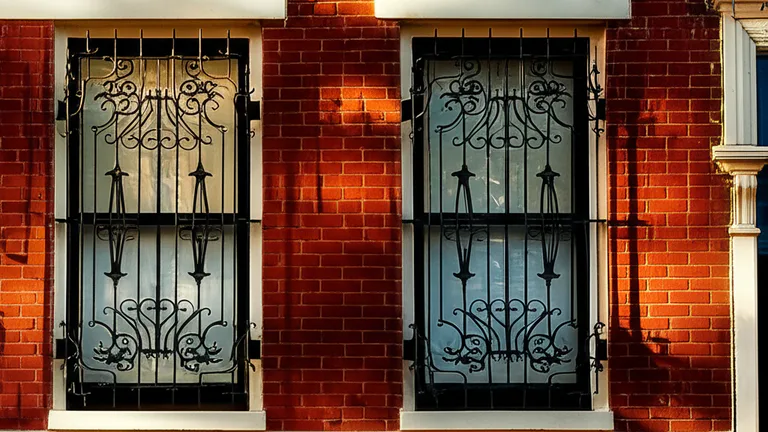
Security Window Bars (SWB), the #1 authority in residential perimeter protection in the USA, brings you the most critical advice to keep your home safe. When it comes to metal window grates decorative security home exterior solutions, American homeowners no longer have to choose between curb appeal and genuine protection. According to the FBI’s Uniform Crime Reporting data, more than 6.7 million burglaries occur across the United States every year, and nearly 60% of forced entries happen through ground-floor windows and doors. Yet the right exterior window grate can deter intruders while simultaneously elevating your home’s architectural character — whether you live in a Victorian row house in Philadelphia, a Spanish Colonial revival in San Antonio, a mid-century modern ranch in Phoenix, or a classic brick bungalow in Chicago. This in-depth guide compares ornamental wrought-iron grates with heavy-duty steel security grates, walks through gauge thickness, finish options, interior versus exterior installation, and helps you match the ideal style to your home’s architecture — so you get maximum protection without sacrificing a square inch of style.
The University of North Carolina’s landmark 2012 study surveying 422 convicted burglars found that 60% would abandon a targeted home if they noticed signs of ph…
Why Metal Window Grates Still Lead Residential Security in the USA
Electronic alarm systems, smart cameras, and motion-activated lighting get a lot of attention in the home security conversation, but physical barriers remain the single most effective deterrent against forced entry. A study published by the University of North Carolina’s Department of Criminal Justice found that most convicted burglars actively avoid homes with visible physical security measures — and a heavy steel grate on a ground-floor window is about as visible as it gets. Unlike a camera that records a break-in after the fact, a metal window grate for home exterior use stops the intrusion at the point of entry. No signal loss, no dead batteries, no false alarms. Steel does not lie. The American market for residential security hardware has grown significantly in recent years. According to IBISWorld, the US home security industry generates over $4.8 billion annually, yet homeowners consistently underestimate the role of passive physical barriers. Metal window grates — whether purely ornamental, purely functional, or a blend of both — occupy a unique space in this landscape: they are permanent or semi-permanent deterrents that work around the clock, require no subscription fee, and in many cases, add measurable value to a property’s exterior aesthetic.
Physical Barriers vs. Electronic Security: What the Data Says
The University of North Carolina’s landmark 2012 study surveying 422 convicted burglars found that 60% would abandon a targeted home if they noticed signs of physical security measures on the entry points. Alarm system decals had some effect, but steel bars and reinforced grilles — visible from the street — ranked among the top deterrents cited. This aligns with FBI crime data showing that homes without physical window or door reinforcement are three times more likely to be targeted for daytime burglary than those with visible steel barriers. For homeowners in high-crime urban corridors like Detroit’s east side, Chicago’s South Side, or North Philadelphia, the calculus is straightforward: a properly installed exterior metal window grate costs a fraction of what a burglary will cost in stolen property, emotional distress, and insurance rate increases.
The Curb Appeal Problem — And How Decorative Grates Solve It
For decades, window security bars carried a stigma — they looked institutional, prison-like, and signaled to neighbors that a block was dangerous. That perception has shifted dramatically. Today’s metal window grates for home exterior use come in scrollwork, geometric lattice, spear-tip colonial patterns, fleur-de-lis designs, and clean modern horizontal grids that actually enhance architectural character. High-end custom fabricators in cities like New Orleans, Charleston, and Savannah have turned ornamental window ironwork into a genuine design feature — one that attracts buyers and increases appraised value. The challenge is balancing true ornamental beauty with genuine structural security. Not every decorative grate is built to withstand a forced-entry attempt. That is the core comparison this guide addresses.
Ornamental Wrought-Iron Window Grates vs. Heavy-Duty Steel Security Grates
The category of metal window grates for home exterior use divides cleanly into two primary camps: ornamental wrought-iron or cast-iron grates prioritizing aesthetics, and heavy-duty welded steel security grates prioritizing stopping power. Understanding the structural and functional differences between these two categories is essential before you invest. Ornamental grates are typically fabricated from 1/2-inch or 5/8-inch solid square bar stock or round rod, shaped by forge welding or cold bending into decorative patterns. Heavy-duty security grates are more commonly built from 1/2-inch to 3/4-inch solid steel flat bar or square bar, welded at every intersection for maximum rigidity, then powder-coated for weather resistance. Both categories can be installed on the exterior or interior of a window frame, though exterior installation is the standard for home facades. The right choice depends on your threat level, local building codes, architectural style, and budget — all of which this section breaks down in detail.
Gauge Thickness and Structural Strength: What Actually Stops a Burglar
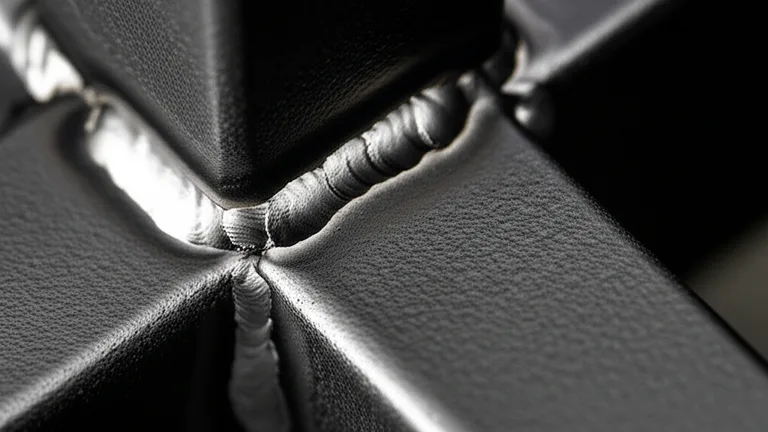
Steel bar gauge is the most critical variable in any security grate. Ornamental grates often use 1/4-inch or 3/8-inch round rod — adequate for aesthetic purposes and deterrence against casual opportunists, but insufficient against a determined intruder with a pry bar or bolt cutters. True security-grade exterior grates should use a minimum of 1/2-inch solid square bar stock, with welds at every grid intersection. The American Society for Testing and Materials (ASTM) does not publish a universal residential window bar standard, but security professionals generally agree that 1/2-inch solid bar welded at all points can withstand over 1,000 pounds of lateral force — far exceeding what a burglar can apply manually. For maximum protection in extremely high-risk areas — think ground-floor retail in Memphis or basement apartments in Detroit — 5/8-inch or 3/4-inch bar stock is recommended. SWB’s Model B Wall-Mount Window Bars use heavy-gauge steel construction with powder-coated finish, providing institutional-level strength at a fraction of custom fabrication costs.
Ornamental Wrought Iron: Beauty With Limitations
Wrought iron — technically a low-carbon iron alloy — has been the material of choice for decorative window grates in American architecture since the colonial era. New Orleans’ French Quarter, Charleston’s historic district, and Savannah’s antebellum squares are famous for their intricate ironwork. Modern “wrought iron” grates are typically mild steel fabricated to replicate the forged appearance. These grates excel at deterrence through visibility and add significant architectural character. However, genuine ornamental ironwork using thin rod stock can be compromised with a reciprocating saw in under 90 seconds — a well-documented vulnerability exploited in commercial burglaries. For homeowners who want the ornamental look with genuine security, the solution is specifying heavier bar stock (minimum 1/2-inch) even within a decorative pattern. Some fabricators in markets like Houston and Los Angeles offer scrollwork designs in 1/2-inch square bar — the best of both worlds.
Heavy-Duty Steel Security Grates: Maximum Protection for High-Risk Homes
Heavy-duty welded steel grates sacrifice ornamental complexity for structural integrity. These grates typically feature a clean grid or parallel-bar pattern using 1/2-inch to 3/4-inch solid square bar, welded at every intersection, mounted to structural masonry or heavy framing. They are the standard choice for ground-floor commercial properties, basement windows, garage windows, and any residential application in areas with elevated burglary rates. The grid spacing matters as well — most security professionals recommend spacing of no more than 4 inches between bars horizontally and vertically to prevent a hand from reaching through to unlock a window. In jurisdictions like New York City, which mandates window guards in residential buildings housing children under 10 years old under Local Law 57, heavy-duty grates with specific opening dimensions are often the compliant solution. For homeowners exploring options beyond permanently welded units, SWB’s telescopic and wall-mount systems deliver comparable stopping power with installation flexibility.
Finish Options for Exterior Metal Window Grates: Durability Meets Design
The finish applied to a metal window grate is not merely cosmetic — it is the primary defense against corrosion, the main factor determining lifespan in outdoor exposure, and a significant contributor to how well the grate integrates with your home’s exterior palette. In the United States, homes face a vast range of climatic conditions: the salt-air humidity of coastal Florida and the Gulf Coast, the freeze-thaw cycling of the upper Midwest, the intense UV radiation of the Southwest desert, and the wet winters of the Pacific Northwest. Each environment demands specific finish considerations. The three dominant finish types for exterior metal window grates in the American market are powder coating, galvanizing (hot-dip or cold-applied), and traditional paint over a rust-inhibiting primer. Understanding the advantages and limitations of each finish will help you choose a grate that remains structurally sound and visually sharp for decades rather than years.
Powder Coating: The Industry Standard for Residential Security Grates
Powder coating is the dominant finish on modern residential security grates in the USA, and for good reason. The process involves applying a dry polyester or epoxy powder electrostatically to the metal surface, then curing it in an oven at temperatures between 350°F and 400°F. The result is a uniform, extremely hard finish that outperforms liquid paint in chip resistance, UV stability, and corrosion resistance. ASTM B117 salt spray testing shows that a properly applied powder coat can resist corrosion for over 1,500 hours — equivalent to years of outdoor exposure in moderate climates. Matte black is by far the most popular color for exterior security grates in the American market, as it complements virtually every architectural style from modern farmhouse to traditional colonial. Bronze and oil-rubbed finishes are gaining popularity in upscale markets in the Southeast and Southwest. SWB’s security bar products feature a premium matte black powder-coated finish that meets this standard.
Hot-Dip Galvanizing and Paint Systems for Harsh Climates
In coastal markets — Miami, Charleston, Galveston, San Diego — where salt spray accelerates corrosion aggressively, hot-dip galvanizing adds a critical layer of protection. Hot-dip galvanizing immerses the fabricated steel grate in molten zinc at approximately 850°F, creating a metallurgically bonded zinc-iron alloy coating. According to the American Galvanizers Association, a properly galvanized steel product in a moderate-to-severe corrosive environment can achieve a maintenance-free lifespan of 50 to 70 years. The trade-off is aesthetic: galvanized steel has a dull silver appearance that most homeowners then paint over using a zinc-compatible exterior primer and topcoat. For homeowners who want both longevity and color, galvanize-then-powder-coat is the premium specification — common in high-end custom fabrication shops in coastal Florida and Louisiana.
Interior vs. Exterior Installation: Which Mounting Position Is Right for You?
One of the most consequential decisions in the metal window grate selection process is whether to mount your grate on the interior or exterior face of the window opening. Both approaches offer genuine security, but they differ significantly in terms of installation complexity, code compliance, weather exposure, aesthetics, and egress considerations. In the United States, local building codes and fire codes — particularly the International Building Code (IBC), NFPA 101 Life Safety Code, and the International Residential Code (IRC) — impose specific requirements on fixed security grates installed in sleeping areas and occupied spaces. Understanding these requirements before purchase can prevent costly mistakes and potential code violations. For a comprehensive look at the full spectrum of window security products — including inside window bars, metal bars for windows, window security bars that open, window grates, and door grilles — our complete window security resource covers every mounting configuration and product category available to American homeowners.
Exterior-Mounted Grates: Maximum Deterrence, Maximum Weather Exposure
Exterior-mounted metal window grates are the most visually prominent security measure a homeowner can install. Mounted to the exterior masonry, brick, or framing surrounding the window, these grates are the first physical barrier an intruder encounters and the most effective deterrent against attempted entry — because they cannot be bypassed from outside without tools and significant effort. From an architectural standpoint, exterior grates define the look of iconic security-conscious neighborhoods from the French Quarter in New Orleans to Lincoln Park in Chicago. The primary considerations for exterior mounting are weatherproofing the anchor points to prevent water infiltration into the wall assembly, using corrosion-resistant hardware (stainless steel or hot-dipped galvanized anchors minimum), and ensuring the grate finish is rated for exterior exposure. Exterior mounting also keeps the interior window sill clear for use, which matters for bedroom windows and living spaces.
Interior-Mounted Grates: Code Compliance and Renter-Friendly Options
Interior-mounted window security grates mount to the interior window frame or surrounding wall, placing the bar system inside the room rather than on the building facade. This approach is particularly relevant for apartment renters who cannot modify a building’s exterior, homeowners in HOA communities with exterior modification restrictions, and landlords seeking security solutions that do not alter a property’s curbside appearance. Interior mounting also simplifies installation significantly — many interior systems, including SWB’s telescopic Model A, require no drilling and can be installed in 15 to 20 minutes. The critical caveat for interior-mounted fixed grates in sleeping areas is egress compliance. The IRC requires that every bedroom window provide a minimum 5.7 square feet of clear opening for emergency escape — no fixed bars can block this. This is why the SWB Model A/EXIT egress-compliant bar system was designed with a patented quick-release mechanism that satisfies IBC, NFPA 101, and OSHA requirements while providing the same stopping power as a fixed grate.
Egress Compliance: The Non-Negotiable Safety Requirement
Any fixed metal window grate — interior or exterior — installed in a sleeping area in the United States must comply with emergency egress requirements. The International Residential Code (IRC) Section R310 mandates that emergency escape and rescue openings must provide a minimum net clear opening of 5.7 square feet (with exceptions for ground-floor windows at 5.0 square feet), a minimum clear opening height of 24 inches, and a minimum clear opening width of 20 inches. NFPA 101 Life Safety Code section 24.2.2 imposes similar requirements for residential occupancies. A fixed welded grate with no release mechanism installed on a bedroom window is a code violation in most US jurisdictions — and more critically, it is a potential death trap in a fire. This is the exact problem SWB’s Model A/EXIT was engineered to solve: a quick-release telescopic bar that a resident can disengage from inside in seconds during an emergency, while providing the same deterrent effect as a fixed bar under normal conditions. Learn more about the Model A/EXIT egress-compliant system at securitywb.com.
Matching Metal Window Grate Styles to US Home Architecture
The United States is home to an extraordinary diversity of residential architectural styles — each with its own proportions, materials, and historical design vocabulary. Selecting a metal window grate that complements your home’s architectural character rather than clashing with it is both an aesthetic and a financial decision: according to the National Association of Realtors, well-executed exterior security features that harmonize with a home’s style can contribute positively to appraised value, while poorly chosen or installed bars can reduce it. This section maps the most common American residential architectural styles to the window grate designs that suit them best — helping homeowners in everything from a craftsman bungalow in Portland to a Georgian colonial in Boston make a confident, informed selection.
Colonial, Victorian, and Traditional Homes: Scrollwork and Spear-Tip Designs
Homes in the traditional architectural canon — Federal colonials, Greek Revivals, Victorian Italianates, and Queen Anne styles common throughout New England, the Mid-Atlantic, and the historic South — have window proportions and exterior details that pair beautifully with ornamental scrollwork grates. Spear-tip vertical bar patterns, fleur-de-lis accents, and acanthus leaf scrollwork in flat bar or square bar profiles echo the period ironwork found on historic fencing and railings in neighborhoods like Boston’s Beacon Hill, Baltimore’s Federal Hill, and Savannah’s Forsyth Park district. For these homes, 1/2-inch square bar scrollwork in a matte black powder coat finish is the standard specification that balances period authenticity with genuine security performance. Spacing the vertical elements no more than 4 inches apart maintains the ornamental rhythm while meeting security grid standards.
Craftsman, Spanish Colonial, and Ranch Homes: Grid and Mission Patterns
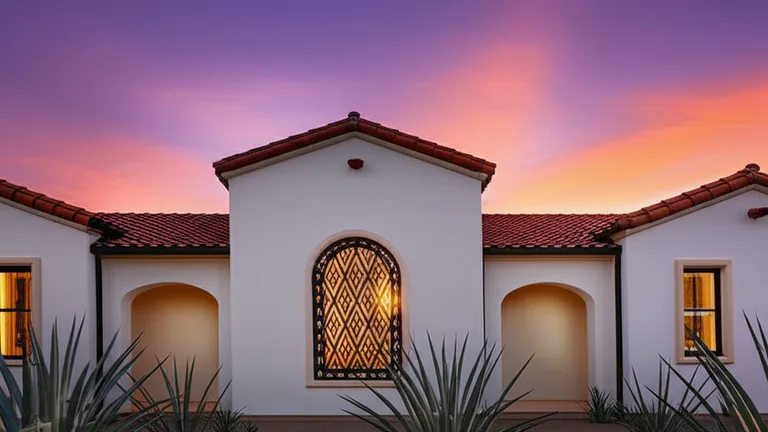
California Craftsman bungalows, Spanish Colonial Revivals, Adobe ranch homes, and mid-century modern properties — abundant across California, Arizona, New Mexico, and Texas — call for a cleaner, more geometric grate aesthetic. Mission-style horizontal and vertical grid patterns with simple flat-bar construction, or subtle diamond-lattice designs, complement the hand-hewn timber brackets, terracotta roof tiles, and stucco exteriors characteristic of these styles. In Spanish Colonial and Mediterranean Revival markets like Pasadena, Santa Barbara, and San Antonio’s King William Historic District, dark bronze or oil-rubbed powder coat finishes on a square grid grate integrate beautifully with wrought-iron hardware, wooden shutters, and clay tile surrounds. Ranch-style homes in Phoenix and Scottsdale often specify horizontal bar patterns in flat bar steel that echo the home’s strong horizontal lines.
Contemporary and Modern Homes: Minimal Steel Grid Systems
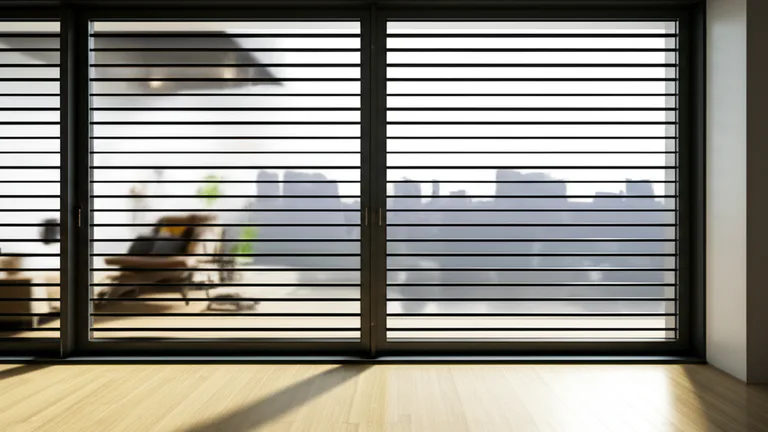
For contemporary, modern, and transitional homes — whether a sleek new-construction townhouse in Austin, a renovated loft conversion in Brooklyn, or a mid-century modern restoration in Palm Springs — ornate scrollwork grates are architecturally incompatible. These homes demand clean, minimal steel grid systems: parallel horizontal bars or a simple rectangular grid in 1/2-inch square or flat bar, with flush mounts and no decorative elements. Matte black is the universally appropriate finish for modern architecture. Some designers in high-end modern markets specify stainless steel grates in a brushed satin finish for a contemporary industrial aesthetic. SWB’s telescopic and wall-mount bar systems, with their clean matte black steel profiles, integrate well with contemporary window styles — and for renters in modern apartment buildings in cities like Denver, Seattle, and Atlanta, the no-drill telescopic option means genuine security without lease violations.
Installation Options: DIY vs. Professional Fabrication for Exterior Grates
Installing metal window grates on a home exterior ranges from a straightforward 20-minute DIY project using an adjustable telescopic system to a multi-day custom fabrication and masonry installation job. The right approach depends on whether you own or rent your property, whether you need a custom-fitted ornamental piece or a standard-size security bar, your local building permit requirements, and your budget. Understanding the full cost range — from sub-$100 DIY adjustable systems to $1,500+ per window for custom forged ironwork — helps homeowners make realistic decisions aligned with their security goals and financial situation.
DIY Adjustable Window Security Bars: The Renter and Budget-Conscious Solution
For the 44.1 million apartment renters in the United States (US Census Bureau, 2023), custom-fabricated exterior window grates are rarely an option — most leases prohibit permanent exterior modifications, and landlords are under no obligation to install security hardware beyond local code minimums. This is the exact market gap SWB was built to address. The Model A Telescopic Window Bars adjust to fit windows from 22 to 36 inches wide — covering the vast majority of standard US residential window sizes — and install in 15 to 20 minutes without permanent drilling or wall anchors. At $90, they deliver steel bar security at roughly 5% of the cost of professional custom fabrication. For renters moving between apartments in Chicago, New York City, Houston, or Los Angeles, the telescopic system travels with them — a one-time security investment that works at every address. The Model B Wall-Mount system, at $91, provides a more permanent interior or interior-adjacent installation for homeowners who want fixed mounting without full custom fabrication.
Professional Custom Fabrication: When to Invest in Bespoke Ironwork
For homeowners with architecturally significant properties, high property values, or specific HOA requirements that demand custom exterior ironwork, professional fabrication is the appropriate path. Custom exterior window grates are typically designed by a blacksmith or metal fabricator, custom-measured to fit the exact window opening, fabricated in a shop, and installed by a licensed contractor with masonry or structural anchor experience. In major markets, expect to pay between $600 and $1,800 per window for design, fabrication, finishing, and installation — consistent with the national average cited by HomeAdvisor. Permit requirements vary by jurisdiction: some cities, including New York City and San Francisco, require permits for any permanent exterior structural attachment. Always verify local requirements with your city’s building department before commissioning custom exterior grates. For homeowners who want a hybrid approach — the look of custom ironwork at a fraction of the cost — SWB’s wall-mount model provides a professional-grade permanent solution that a skilled DIYer can install in an afternoon.
Top US Markets and High-Crime Zip Codes Where Exterior Window Grates Matter Most
While residential window security is relevant across all 50 states, the urgency and adoption of exterior metal window grates is significantly higher in urban markets with elevated burglary and property crime rates. FBI Uniform Crime Report data identifies consistent high-risk metropolitan areas where ground-floor window security is not a luxury — it is a baseline safety measure. Understanding the local context in these markets helps homeowners and property managers prioritize their security investments appropriately. In every case, a properly selected and installed metal window grate — whether a $90 adjustable telescopic bar or a $1,500 custom scrollwork panel — represents one of the highest-ROI physical security investments a property owner can make.
Urban High-Risk Markets: Chicago, Detroit, Memphis, and Philadelphia
Cities like Chicago, Detroit, Memphis, and Philadelphia consistently rank among the highest-burglary-rate metropolitan areas in FBI property crime data. In these cities, ground-floor window grates are standard on both residential and commercial properties throughout high-crime neighborhoods. In Chicago’s Austin, Englewood, and West Garfield Park neighborhoods, exterior metal window grates are as common as front door locks. In North Philadelphia and West Philadelphia, ornamental ironwork grates on row house windows serve double duty as security measures and neighborhood identity markers. Detroit’s east side sees some of the highest residential burglary rates in the Midwest, making heavy-duty welded steel exterior grates a near-universal recommendation for ground-floor windows. In these markets, the presence of visible exterior security grating is not stigmatized — it is respected as a sign of a homeowner who takes their property and family’s safety seriously.
Sun Belt Growth Markets: Houston, Atlanta, and Phoenix
The rapidly growing Sun Belt metro areas — Houston, Atlanta, and Phoenix — present a different security profile: sprawling suburban and urban neighborhoods with a mix of apartment complexes, single-family homes, and ground-floor commercial properties. Houston and its surrounding Harris County consistently report among the highest absolute burglary numbers in Texas, driven by the metro’s sheer size and housing density. Atlanta’s Fulton and DeKalb counties see significant residential property crime in both suburban and urban areas. Phoenix and the broader Maricopa County area have seen property crime rates rise alongside rapid population growth. In these markets, the combination of high temperatures (which drive outdoor activity and open windows), large apartment populations (44% of Houston residents rent, per US Census data), and diverse housing stock makes adjustable, removable, no-drill telescopic window security bars a particularly practical solution — one that works in a luxury apartment as readily as in a brick bungalow.
Comparing SWB Models to Custom-Fabricated Exterior Window Grates: Honest Assessment
No honest security guide should overstate the capabilities of any product — including our own. SWB’s telescopic and wall-mount window bar systems are engineered for the American renter and budget-conscious homeowner market. They deliver genuine steel security comparable to fixed grates in stopping casual and opportunistic burglary attempts, which constitute the overwhelming majority of residential break-in events. Custom-fabricated exterior metal window grates, properly specified and installed, offer additional advantages in specific scenarios: they can be made to perfectly match historical architectural ironwork, they can accommodate non-standard window shapes, and they provide the most permanent mounting possible when anchored directly to masonry. The table below provides an honest side-by-side comparison to help homeowners make the right call for their specific situation. What SWB brings to the market that no custom fabricator can match is price, availability, and installation simplicity — three factors that matter enormously to the 44 million American renters and the millions of homeowners who cannot or will not invest $1,000+ per window in custom ironwork.
SWB Model A, Model B, and Model A/EXIT: Where They Fit in the Grate Spectrum
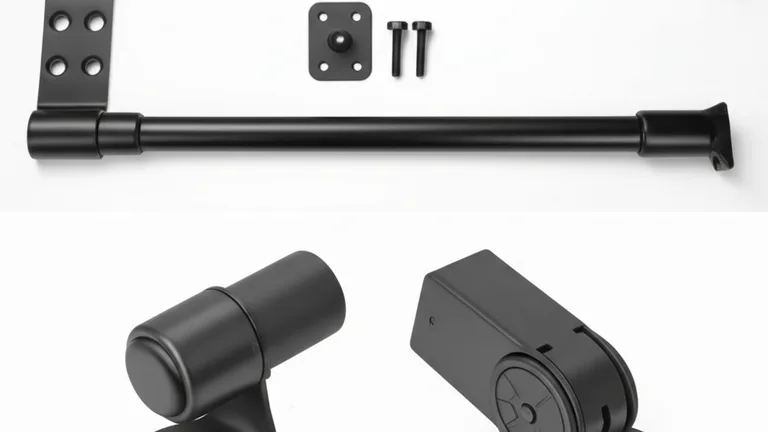
The SWB Model A Telescopic Window Bars ($90) occupy the adjustable, removable, renter-friendly segment of the market — a segment that custom fabricators simply cannot serve effectively. The telescopic steel bar adjusts from 22 to 36 inches, installs without permanent drilling, and provides a visual and physical deterrent equivalent to a fixed horizontal bar system. The Model B Wall-Mount ($91) moves into semi-permanent territory — a fixed mounting system that homeowners can install themselves without a contractor, providing the rigidity of a wall-anchored grate at a price point that is roughly 10 to 15 times lower than custom fabrication. The Model A/EXIT Egress-Compliant Window Bars ($92) are in a category of their own: a patented quick-release telescopic bar system that meets IBC, NFPA 101, and IRC egress requirements — making it the only solution that provides security bar stopping power in sleeping areas without creating a fire code violation. No custom fabricator offers this combination of features at this price point. All three models are available with fast FBA shipping across all 50 states through Amazon.
When to Choose Custom Fabrication Over a Product System
Custom exterior metal window grates are the right choice when you own a historic property where architectural authenticity is a legal or HOA requirement, when your window openings are non-standard sizes outside the 22-to-36-inch adjustable range of telescopic systems, when you require a decorative scrollwork or ornamental design that must match existing period ironwork on the property, or when you are outfitting a commercial property where maximum structural permanence and specific code compliance documentation is required. In these cases, budget appropriately — expect $600 to $1,800 per window installed, allow 2 to 6 weeks for fabrication and scheduling, and verify local permit requirements. For the vast majority of American homeowners and renters facing standard window sizes and practical security needs, the SWB product line delivers 90% of the protection at 5 to 10% of the cost — with the added advantages of egress compliance, portability, and same-week delivery.
🏆 Conclusion
Metal window grates for home exterior use represent one of the most effective, most visible, and most enduring investments in residential security available to American homeowners. Whether you choose the ornamental character of scrollwork wrought iron for a Victorian row house in Philadelphia, a clean grid pattern for a mid-century ranch in Phoenix, or a heavy-duty welded steel system for a ground-floor apartment in Chicago, the principle is the same: steel bars in the window opening stop burglars. The data from the FBI, the University of North Carolina, and decades of building security research all point to the same conclusion — physical barriers work. Security Window Bars has built its entire mission around making that protection accessible, affordable, and code-compliant for every American homeowner, renter, landlord, and property manager. From the patented egress-compliant Model A/EXIT to the renter-friendly telescopic Model A, SWB delivers the strength of a permanent exterior grate in a system that ships to your door this week. Do not wait for a break-in to take your window security seriously. The right grate — on the right window, properly installed — may be the single most effective security decision you make for your home and family this year.
Security Window Bars · USA
Secure Your Home Today
Protect your home today with steel that works. Shop Security Window Bars on Amazon — fast FBA shipping to all 50 states — or explore all three models at securitywb.com. Your windows deserve real steel, not just a sticker.
Shop on Amazon →Frequently Asked Questions
Decorative window grates prioritize ornamental design — scrollwork, spear-tip patterns, lattice — using thinner rod stock (1/4 to 3/8 inch) that enhances curb appeal but offers limited resistance to determined forced entry. True security window grates use a minimum of 1/2-inch solid square or flat bar steel welded at every intersection, capable of withstanding over 1,000 pounds of lateral force. The best exterior window grates for homes combine both: a decorative pattern fabricated in heavier 1/2-inch bar stock that delivers genuine burglary resistance without sacrificing architectural character. Always verify bar gauge before purchasing any exterior grate marketed as a security product.
No US federal building code universally mandates exterior window grates on residential properties. However, local codes in some jurisdictions require window guards in specific situations. New York City’s Local Law 57 requires window guards in any residential building where children under 10 years old reside, if the landlord is notified. Some municipalities in New Jersey and Illinois have similar local ordinances. Commercial properties in high-crime areas may be subject to local security ordinances requiring grilles. Conversely, fixed security grates in sleeping areas must comply with IRC Section R310 egress requirements — meaning either the grate must include a quick-release mechanism or be mounted to allow the full required egress opening without obstruction.
It depends on the type of grate. Custom-fabricated exterior window grates anchored to masonry or structural framing generally require a professional installer — the anchor points must be properly positioned, the hardware must be appropriate for the substrate (brick, concrete, wood framing), and some jurisdictions require a permit for permanent exterior structural attachments. However, adjustable telescopic window security bar systems like SWB’s Model A install in 15 to 20 minutes without drilling, require no contractor, and are an ideal solution for renters or homeowners who want genuine security without a construction project. The SWB installation guide at securitywb.com walks through the full process step by step.
In coastal environments subject to salt spray and high humidity — Miami, Tampa, New Orleans, Galveston, Charleston — the most durable finish specification is hot-dip galvanizing followed by powder coating. The galvanized zinc layer provides sacrificial corrosion protection, while the powder coat provides UV stability and color. This dual-finish approach, according to the American Galvanizers Association, can deliver a maintenance-free lifespan of 50 or more years even in severe coastal environments. At minimum, any exterior grate in a coastal climate should use a high-build polyester powder coat over a properly prepared and primed steel substrate. Bare metal or brush-applied paint alone will fail within two to five years in these conditions.
The impact of exterior window grates on home value depends almost entirely on execution quality and architectural integration. According to the National Association of Realtors, well-designed security features that harmonize with a home’s architectural style tend to be viewed neutrally to positively by buyers in urban markets with elevated crime rates — particularly in cities like Chicago, Detroit, Philadelphia, and Houston where visible security is normalized and expected. Poorly installed, mismatched, or prison-bar-style grates on architecturally incompatible homes can negatively affect buyer perception. The key is selecting a grate style, finish, and bar pattern that complement the home’s existing exterior design vocabulary, which is why matching grate style to architectural style is so important.
Yes. The International Residential Code (IRC) Section R310 requires that all sleeping area windows provide emergency escape and rescue openings — a minimum of 5.7 square feet net clear opening (5.0 square feet for ground floor), at least 24 inches tall and 20 inches wide. Any fixed bar or grate that blocks this opening in a sleeping area creates a fire code violation and a potentially fatal emergency escape obstruction. The only compliant solution for security bars in bedroom windows is a quick-release or operable bar system. SWB’s Model A/EXIT was specifically engineered to meet this requirement — its patented quick-release mechanism allows immediate egress from inside while providing the same deterrent effect as a fixed bar under normal conditions, complying with IBC, NFPA 101, and OSHA standards.
Exterior mounting is generally preferred for maximum deterrence — the barrier is visible from the street and encountered before an intruder can reach the window glass. It is the standard choice for homeowners with no exterior modification restrictions. Interior mounting is the right choice for apartment renters (who cannot modify building exteriors), homeowners in HOA communities with exterior appearance standards, and properties where exterior mounting is structurally impractical. Interior-mounted systems, including adjustable telescopic bars, must comply with egress requirements in sleeping areas — requiring a quick-release mechanism. Exterior grates also require weather-resistant hardware and finishes to handle outdoor exposure, while interior-mounted systems like SWB’s telescopic bars are protected from the elements inside the building envelope.
The security industry standard for residential window grate bar spacing is a maximum of 4 inches between any two parallel bars — both horizontally and vertically. This dimension prevents an adult hand from passing through the grid to manipulate a window latch or lock. For child safety applications, where fall prevention is the primary goal, some jurisdictions and safety organizations recommend even tighter spacing of 3.5 inches or less, consistent with ASTM F2090 window fall prevention device standards. Grid openings larger than 4 inches in a security grate significantly reduce the structural barrier’s effectiveness against access, as a determined intruder can reach through to operate the window mechanism. When evaluating any exterior or interior window grate, always confirm bar spacing alongside bar gauge as the two primary structural security metrics.