
BLOG

security window bars
Interior vs Exterior Window Bars

Interior vs Exterior Window Bars: How to Choose the Best Option for Home Safety

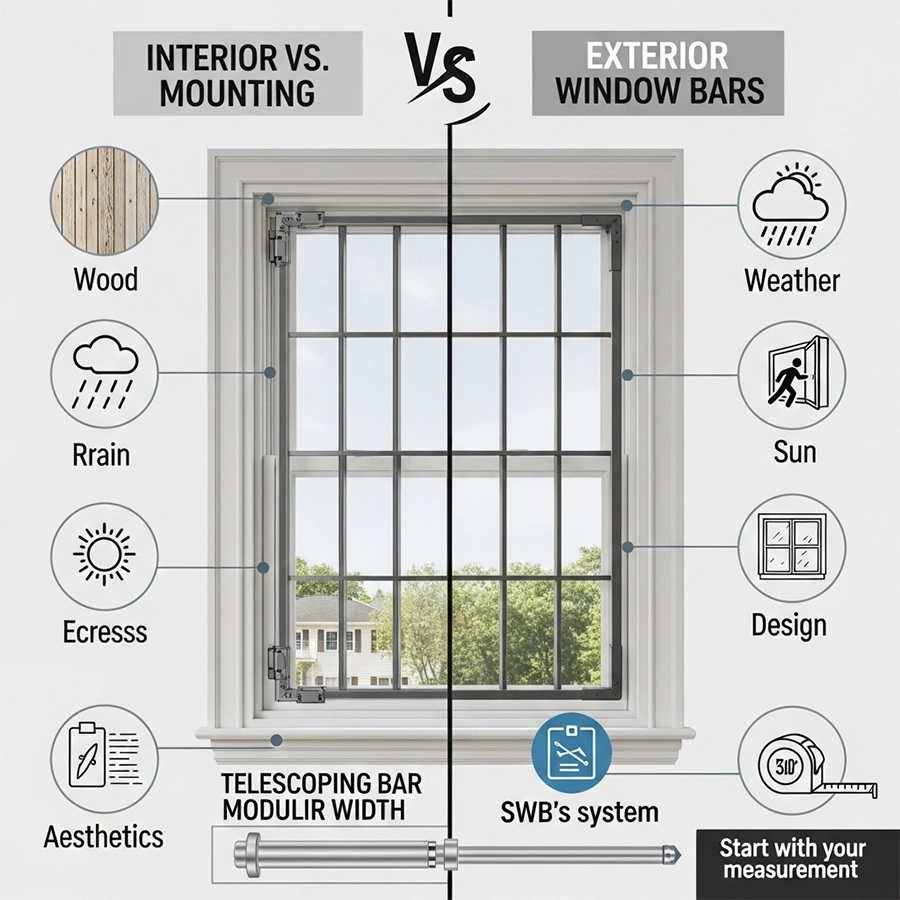
Should your window bars go inside or outside? The short answer: it depends on your substrate, exposure to weather, required egress, aesthetics, and how flat (or not) your frames and walls are. Many homes mix both approaches—interior bars for bedrooms and basements, exterior bars for alley-facing windows or storefront glass. This guide breaks down the pros and cons of each mounting location, shares best practices for wood, drywall, brick, and block, and explains how to spec telescopic height and modular width using SWB’s system. If you’re unsure which way to go, start with your measurement, decide frame vs wall mount, and choose a quick-release when the opening is an emergency exit.

Interior vs exterior—what actually changes?

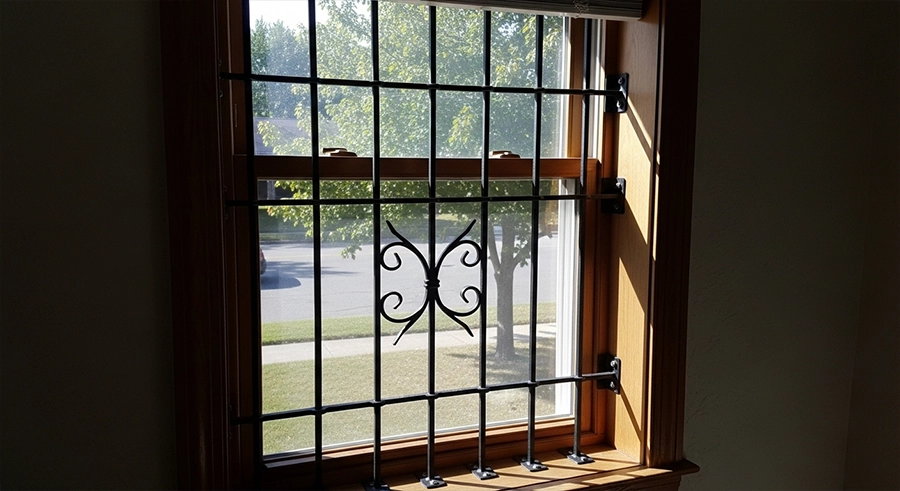
  • Exposure: Exterior bars see weather, UV, and corrosive environments; interior bars avoid most of that but may interact with blinds and trim.
  • Anchoring: Exterior installs often mean masonry anchors (brick/block/stucco) or wall-mount plates; interior installs may use frame-mount (jambs) or wall studs behind drywall.
  • Egress & access: Interior quick-release operation is simpler to reach; exterior releases require careful protection against tampering.
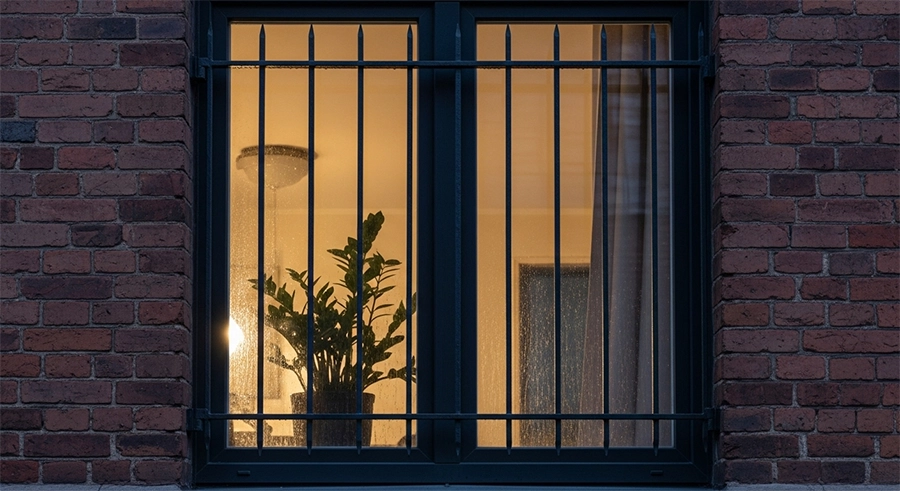
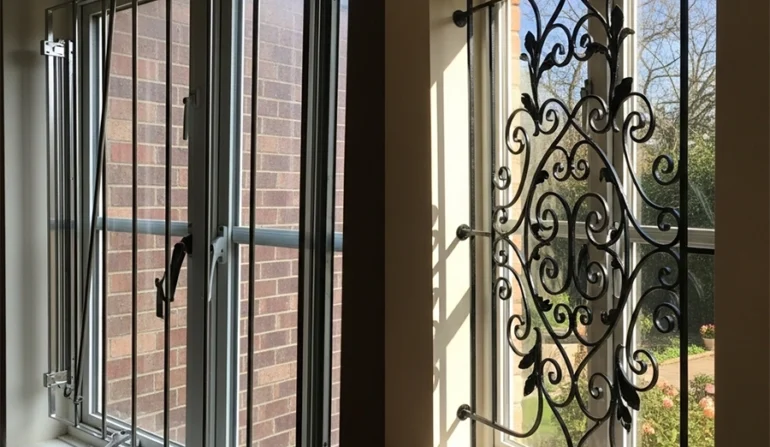
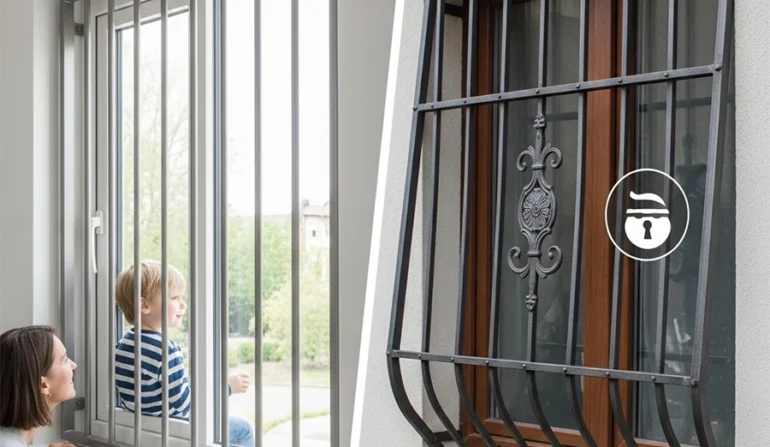
  • Aesthetics: Exterior bars are visible from the street; interior bars are subtler and easier to keep clean.
  • Maintenance: Exterior hardware may need periodic checks; interior hardware is easier to inspect.

Pros & cons at a glance

Location Pros Cons Best for
Interior
Easier access to a quick-release; protected from weather; simpler maintenance; often cleaner look from outside
Must clear blinds/handles; may reduce interior space around the window; noise transfer during operation
Bedrooms/basements (egress), rentals where you want easy inspection
Exterior
Strong street-side deterrent; frees up interior space; ideal for masonry and storefront glass
Weather exposure; HOA/style concerns; needs robust anchors and finish
Alley-facing windows, utility rooms, light commercial frontage

Best practices for interior installs

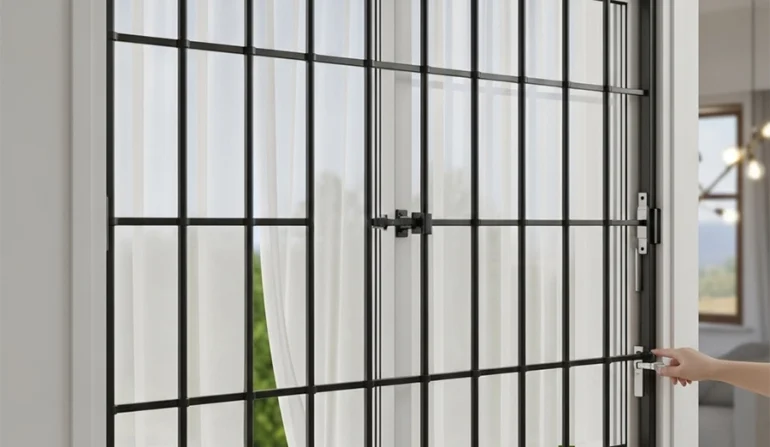
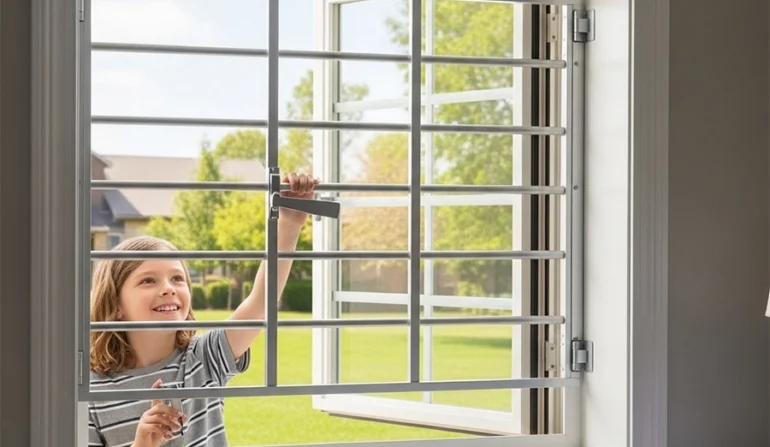
  • Confirm egress. If the opening is a required emergency exit, choose Emergency-Exit and verify local rules.
  • Mind the swing path. Keep quick-release handles and swing arcs clear of blinds, curtains, and furniture.
  • Choose the mount. Use frame-mount if the jambs are plumb and solid; use wall-mount into studs if the frame is out of square or too weak.
  • Noise & touch points. Add small bumpers if the bar set could contact trim during operation.
  • Routine checks. Operate any quick-release monthly and re-tighten hardware after the first week.

Best practices for exterior installs

Best practices for exterior installs
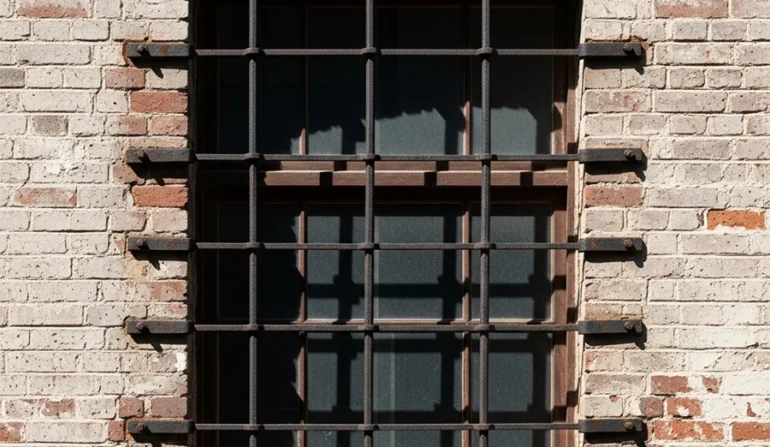
  • Anchor to structure, not just finish. On stucco, go through to the masonry or structural sheathing—never rely on plaster alone.
  • Corrosion resistance. Keep finishes clean; avoid dissimilar-metal contact where possible; inspect brackets after storms.
  • Standoff & drainage. Maintain a slight stand-off to avoid trapping moisture; keep weep holes and siding interfaces unobstructed.
  • Visibility & tamper points. Position brackets and fasteners where they’re hard to access; follow the kit’s tamper guidance.
  • Aesthetics. Align modules with mullions for a tidy look; consider wall-mount (Model B) to straighten long spans on brick/block.

Moisture, ventilation, and condensation

  • Exterior bars can shade the opening, which may reduce solar gain but also trap moisture if installed tight to the façade—use a small stand-off and keep drainage paths open.
  • Interior bars should not block window operation or weep paths; leave space for airflow around the sash if you frequently open the window.
  • Basements need special attention: test the quick-release and ensure the sash fully clears the opening for ventilation and emergency egress.

Egress (quick-release) notes you should know

  • If a window is designated as an emergency exit in your jurisdiction (commonly bedrooms and some basements), plan a quick-release solution and keep the release accessible.
  • After installation, perform a swing test from the inside and re-latch the assembly securely.
  • Train all occupants on how to operate the release. Re-test monthly.

Sizing & specification (same steps for inside or outside)

  1. Measure the clear opening (width × height, inches).
  2. Match height to a telescopic range—don’t run the mechanism fully extended if you can avoid it.
  3. Plan width with modules: start with one core module and add modules to span wide sliders or grouped panes.
  4. Pick mount type: frame-mount for a tight look; wall-mount for masonry, uneven frames, or when you want consistent alignment across long spans.
  5. Choose location: interior for egress convenience and maintenance; exterior for street-side deterrence and masonry substrates.


Need help choosing modules or anchors? Buy Direct and send measurements and a photo for a fast recommendation.

Which SWB model should I use?

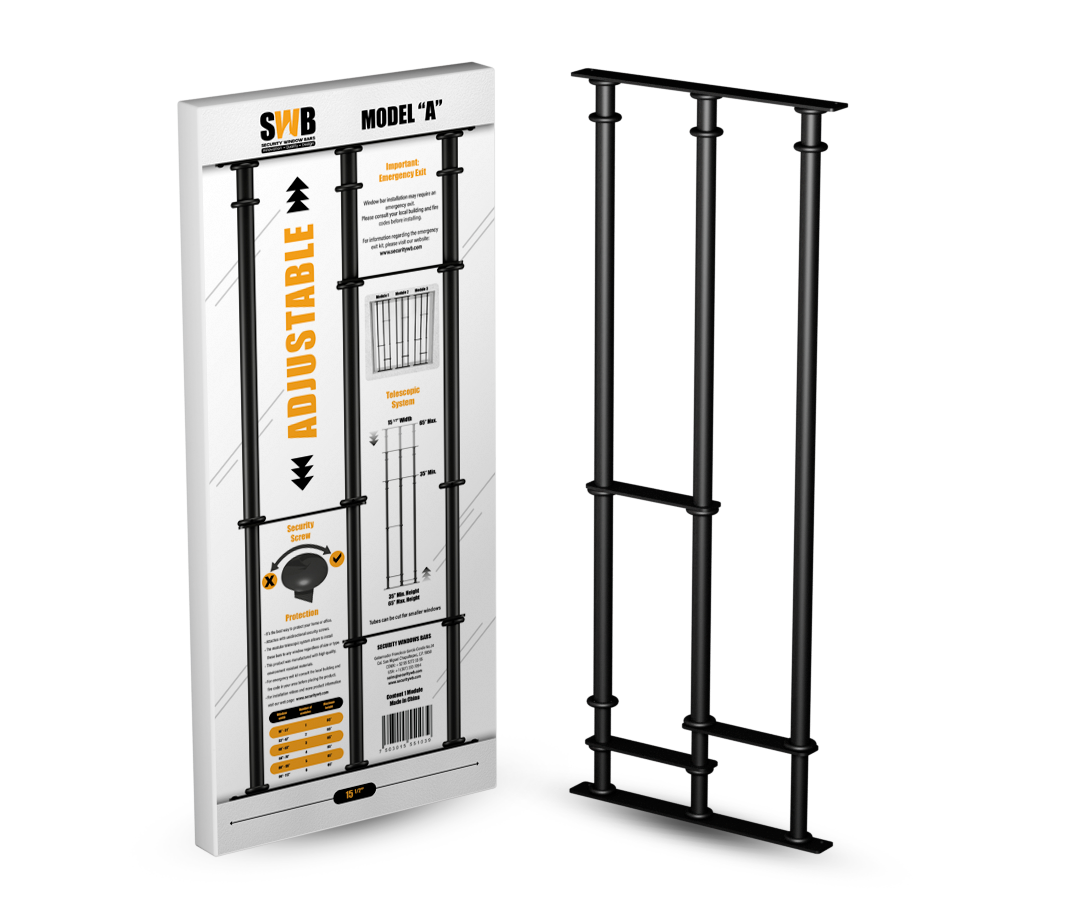
Model A

Go-to for most interiors; supports frame or wall-mount; great for tall openings thanks to telescopic height plus modular width.
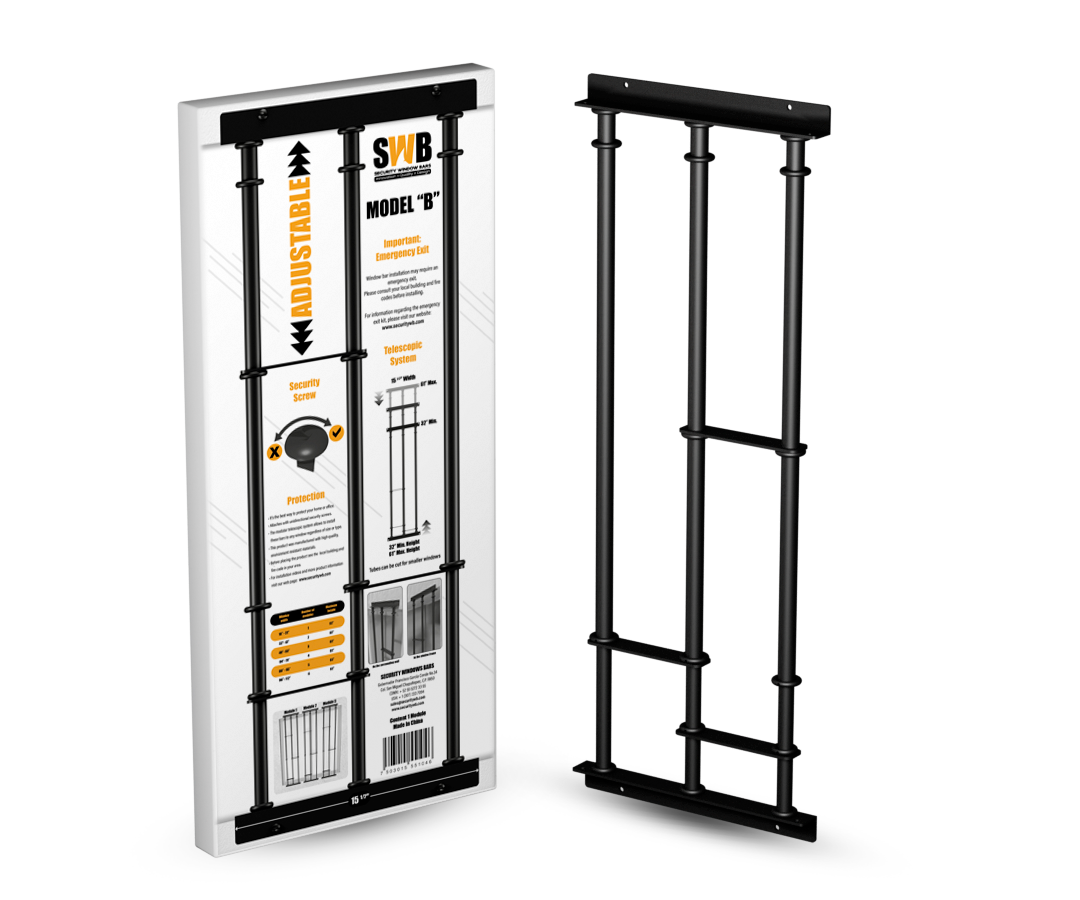
Model B

The above with an emphasis on wall-mount versatility ideal outside on brick/block or inside when frames are out of square.
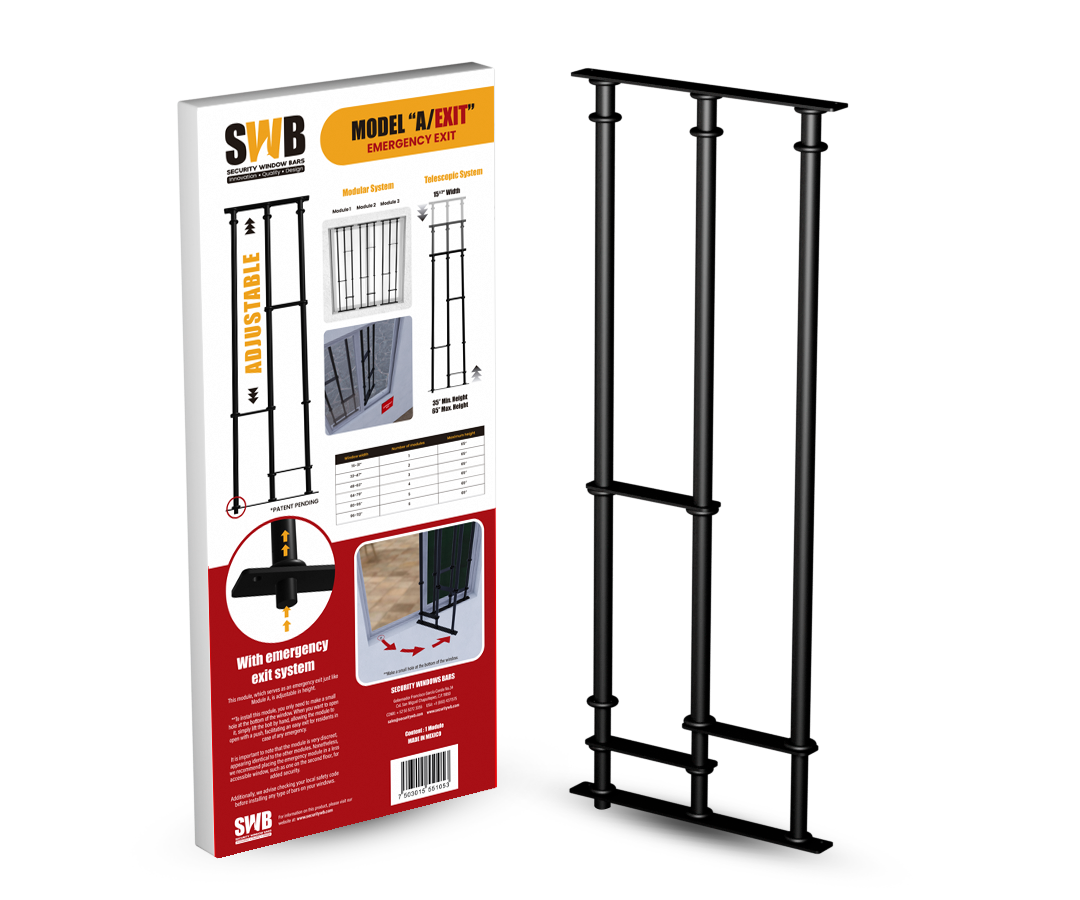
Model A/EXIT

Adds quick-release for egress-critical rooms; install inside for easiest access to the release (verify local rules).
Common mistakes to avoid

  • Using fixed (non-release) bars on a required egress opening.
  • Anchoring into finishes only (stucco/drywall) without structural embed.
  • Over-extending telescopic ranges instead of adding a module for width.
  • Blocking blinds or release handles on interior installs.
  • Skipping a post-install test and first-week re-tightening.

FAQs

Are interior bars less secure than exterior bars?


Both can be very secure when properly anchored. Exterior mounting adds street-side deterrence; interior mounting protects hardware from weather and simplifies quick-release access.

Can I mix interior and exterior on the same property?


Yes. Many customers use interior bars for bedrooms/basements and exterior bars for alley-facing or storefront windows.

What if my wall is stucco over foam?


You’ll need to reach structural material (masonry or framing). Do not anchor only into foam or plaster.

Do exterior bars rust faster?


Exposure accelerates wear. Keep finishes clean and inspect brackets and fasteners periodically.

If you want easiest quick-release access and low maintenance, choose interior mounting. If you need street-side deterrence or have masonry/openings that aren’t square, exterior mounting (often with wall-mount) is a strong choice. With SWB’s telescopic height and modular width, you can standardize across both locations—mixing Model A, Model B, and Emergency-Exit to fit real-world windows without custom ironwork.

Next steps: Browse Window Bars, pick Model A or Model B, and choose Emergency-Exit for egress-critical openings. When ready, Buy Direct & Save.

EMAIL ADDRESS: sales@securitywb.com
SITE: www.securitywb.com
PHONE:
CDMX: +52 (55) 5272 3355  USA: +1 (650) 4371 575
COOKIES POLICY

Security Window Bars LLC ("SWB") uses cookies and similar technologies to improve your browsing experience and enhance the functionality of our website www.securitywb.com (the “Website”). This Cookies Policy explains what cookies are, how we use them, and how you can manage your cookie preferences.

By using our Website, you agree to our use of cookies as described in this policy.

Last Updated: 01/01/25