


BLOG

security window bars
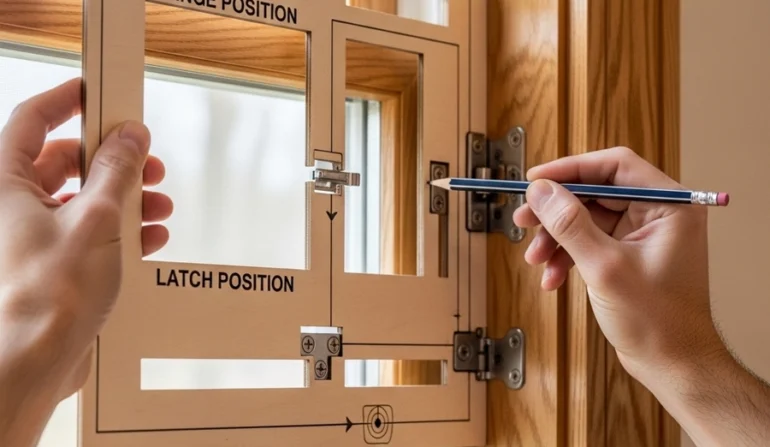
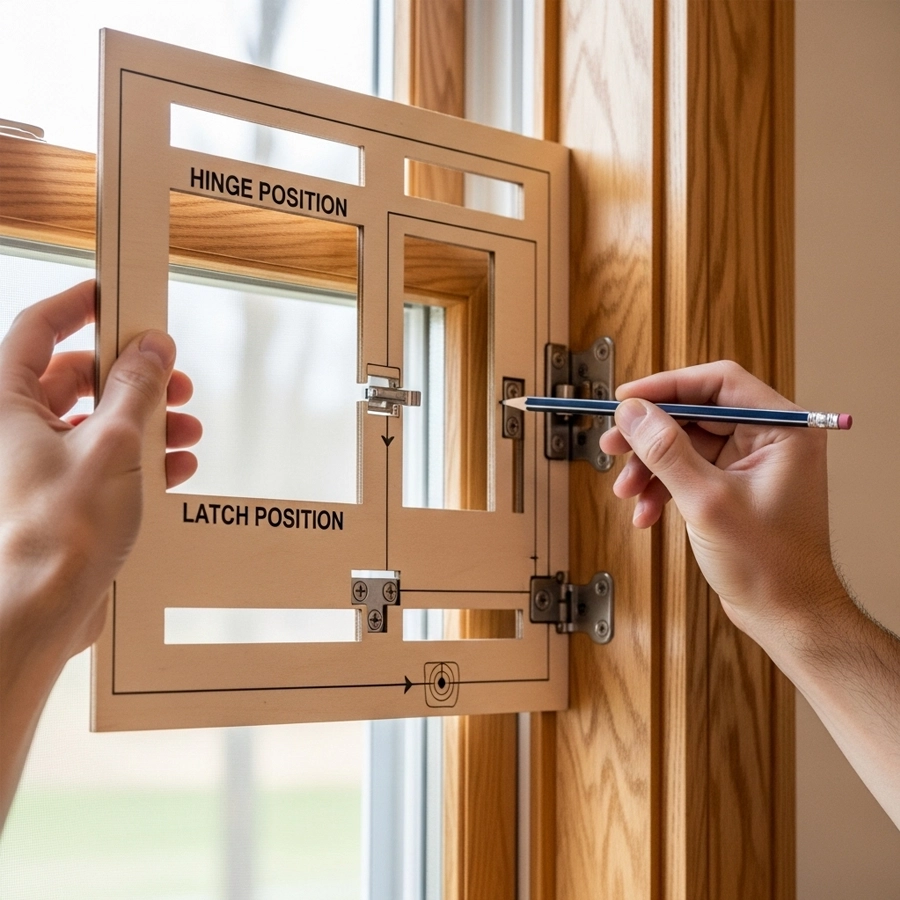
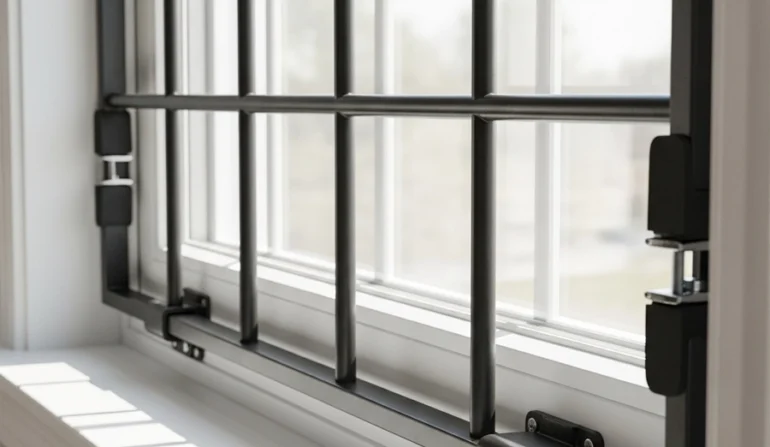
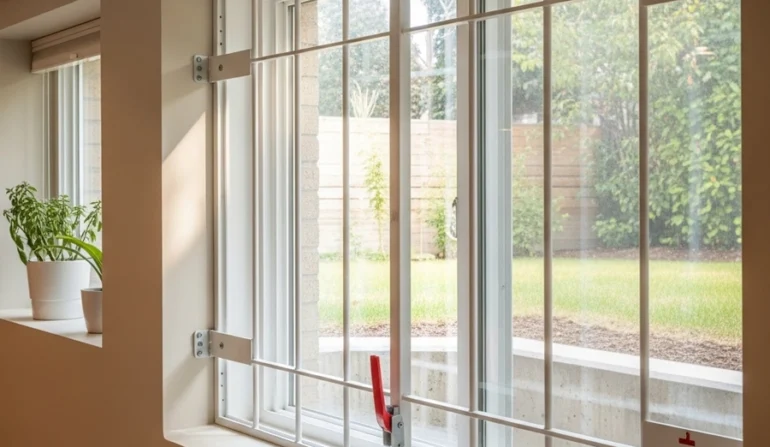
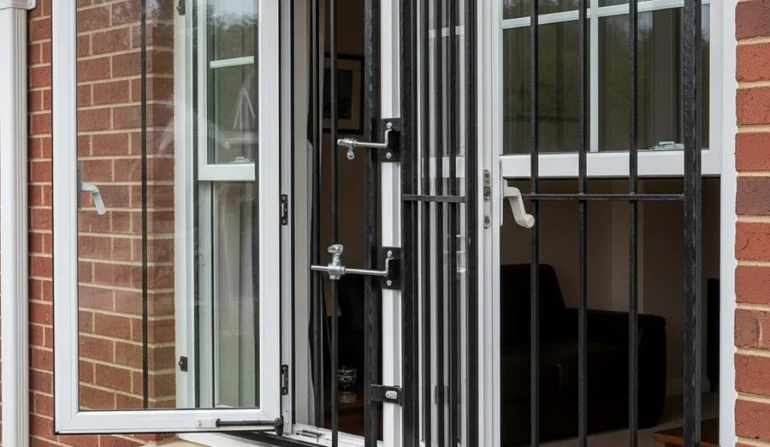
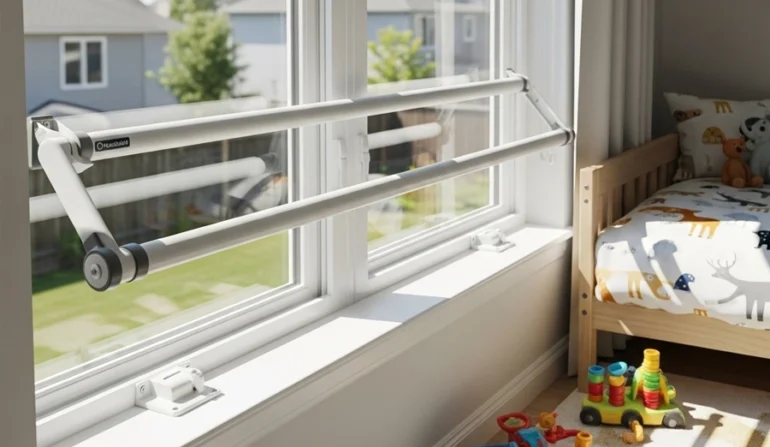
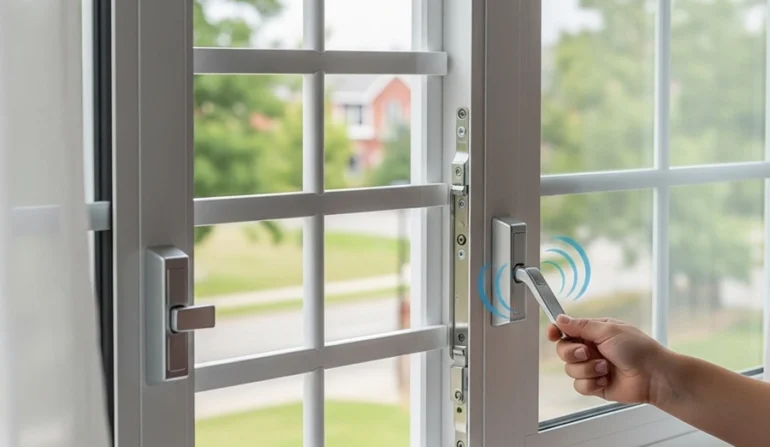
how to install window bars template with hinge and latch positions marked on jambs

How to Install Window Bars: A 2025 Step-by-Step Guide for Safe, Clean, and Code-Smart Results

Installing security window bars is straightforward when you measure correctly, choose the right anchors, and follow a clean mounting sequence. This guide walks you through interior vs exterior installs, wood vs masonry substrates, and window bars that open from inside (quick-release) for bedrooms and finished basements—plus printable checklists, troubleshooting, and maintenance tips.

Share

Safety, Egress & Planning (Before You Touch a Drill)

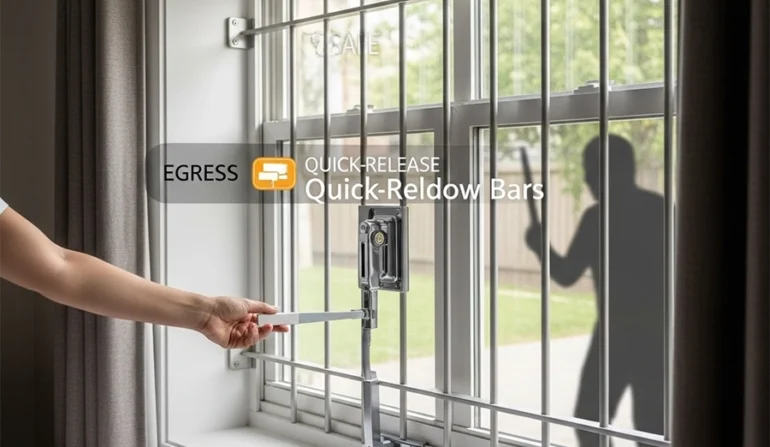
  • Sleeping spaces = quick-release. In any bedroom, nursery, or finished basement used for sleeping, choose window bars that open from inside with one hand and no tools.
  • Pick the hinge & swing. Select the side with the cleanest arc (avoid blinds, cords, furniture, and—if present—window-well walls or AC hoses).
  • Document the job. Take photos before/after, record handle height, anchor type, and keep a monthly egress log.
  • Check obstructions. Sensors, crank handles, shade rails, and security film shouldn’t interfere with the frame or quick-release handle.
  • Substrate matters. Studs (wood) use lag screws; brick/block/concrete use sleeve or wedge anchors (or anchors rated for hollow block).

Quick rule: bedrooms interior quick-release; alley/utility masonry exterior fixed (or exterior with interior-only release linkage if egress is needed).

Tools & Materials

Tools

  • Tape measure (1/16″ resolution), small level, pencil/marker
  • Hammer drill (for masonry) + carbide masonry bits
  • Driver or ratchet set (for lags/sleeves)
  • Vacuum with narrow nozzle (remove masonry dust from holes)
  • Safety glasses, hearing protection, gloves
  • Caulk gun (exterior sealing)
  • Optional: stud finder, masking tape, shims, file/deburr tool

Hardware & Materials

  • For wood: lag screws + washers sized to manufacturer tabs
  • For brick/block/concrete: sleeve or wedge anchors (rated for the substrate); anchors for hollow CMU if cells aren’t filled
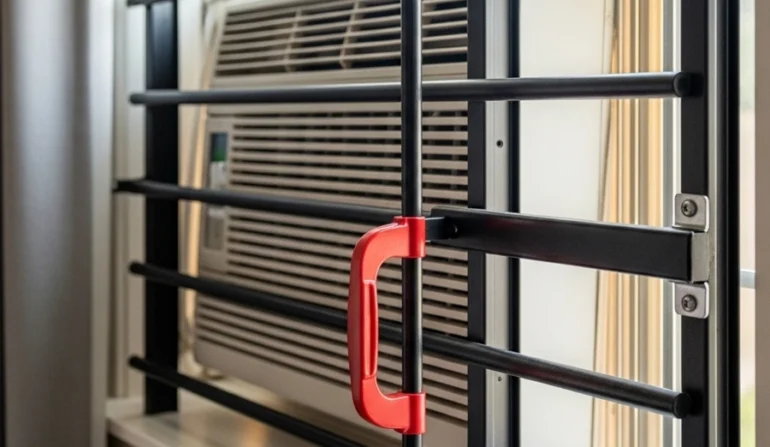
  • Quick-release kit: lever/pull/lift handle, keeper plate, linkage (interior-only)
  • Finish care: touch-up paint, capped fasteners
  • Sealant: exterior-grade, flexible (do not block weeps)

Measure Like a Pro (3×3 Method, Diagonals, Tolerances)

  1. Width: inside-to-inside at top, middle, bottom keep the smallest.
  2. Height: inside-to-inside at left, center, right keep the smallest.
  3. Diagonals: TLBR and TRBL note the difference (racking).
  4. Depth/obstacles: locks, cranks, shade rails, sensors, AC brackets.
  5. Hinge & swing: side with the cleanest arc; plan handle at child-reachable height for egress.

Starter tolerances (recess-mount interior)

  • ≤24″ side −1/8″
  • 24–36″ −3/16″
  • 36–48″ −1/4″
  • 48″ −5/16″
    These small subtractions prevent hinge bind and latch drag as temperatures change.

Interior Installation on Wood (Step-by-Step)

Use this for bedrooms, living areas, and apartments with stud framing.

  1. Dry-fit & mark
    • Position the frame; confirm reveals are even.
    • Mark hinge side and two initial fastener points on opposite corners.
  1. Locate structure
    • Find studs; never rely on drywall/trim alone.
    • Pre-drill undersized pilot holes for lags (improves bite).
  1. Set the frame
    • Start two lags on opposite corners; level and plumb the frame.
    • Add shims if opening is racked.
  1. Torque in a cross pattern
    • Tighten lags alternating corners/sides so the frame doesn’t twist.
    • Recheck reveals and latch alignment after snugging.
  1. Install the latch hardware
    • If hinged, install the keeper so the latch seats without rubbing.
    • Cycle the bar open/closed repeatedly; adjust shims/latch as needed.
  1. Finish details
    • Cap fasteners or use color-matched heads.
    • If this is an egress room, label the handle discreetly (“Lift to Open”).

Exterior Installation on Masonry (Brick/Block/Concrete)

Great for utility rooms, alleys, and masonry façades. For egress rooms, route an interior-only release linkage.

  1. Dry-fit & layout
    • Hold the frame to the wall; use a level to align.
    • Mark hole locations on brick units (avoid soft mortar where possible).
  1. Drill & clean
    • Hammer-drill to anchor depth; vacuum dust from each hole.
    • Dust is the #1 cause of loose anchors.
  1. Set reference anchors
    • Install two anchors loosely (opposite corners).
    • Level/plumb; then complete the pattern.
  1. Torque evenly
    • Tighten sleeve/wedge anchors in a cross sequence to prevent frame warp.
    • Re-check latch alignment if hinged.
  1. Seal penetrations
    • Apply flexible sealant around tabs/holes; don’t block window weeps.
    • Touch up finish; add caps if provided.
  1. Interior-only release (if required)
    • Route linkage through the frame so it’s reachable only from inside.
    • Verify exterior cannot access or probe the mechanism.

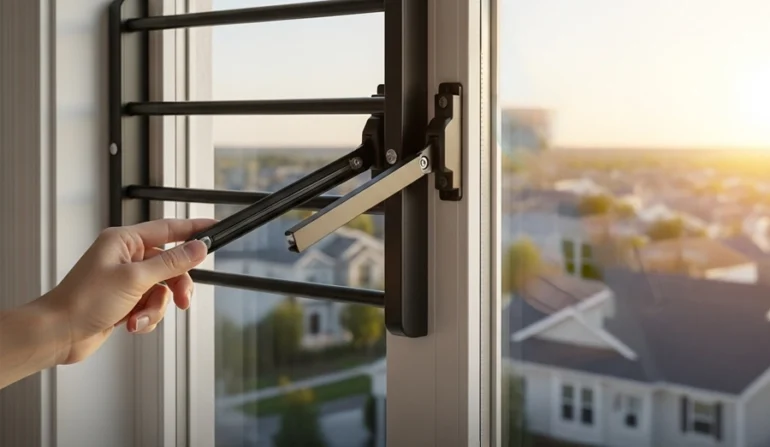
Installing Quick-Release Window Bars (One-Hand, No Tools)

  1. Choose mechanism
    • Lever, pull, or lift-to-open. Pick what’s intuitive for kids/seniors.
  1. Set handle height
    • Place the handle at a child-reachable height (commonly mid-30s to low-40s inches AFF; adapt to your household).
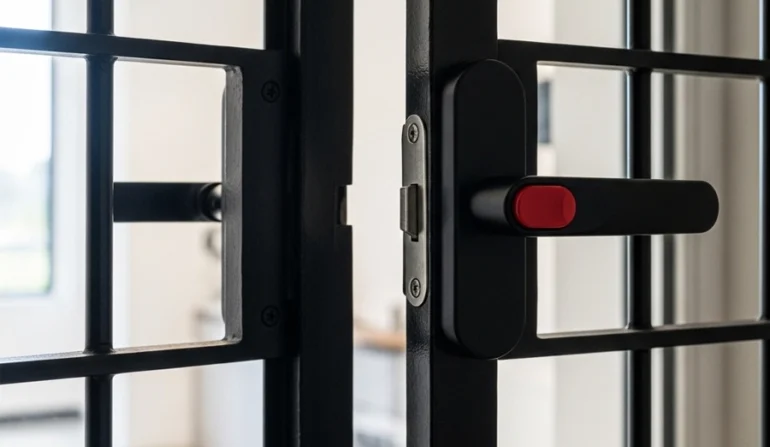
  1. Mount keeper & adjust
    • Align the keeper so the latch drops in without scraping.
    • Confirm smooth disengagement with one hand.
  1. Test 10×, lights off
    • Everyone should operate the release by feel.
    • Add a Monthly Egress Log (template below).

For exterior frames in egress rooms, keep the release linkage strictly interior-only and tamper-protected.

Special Setups

Sliders (Horizontal)

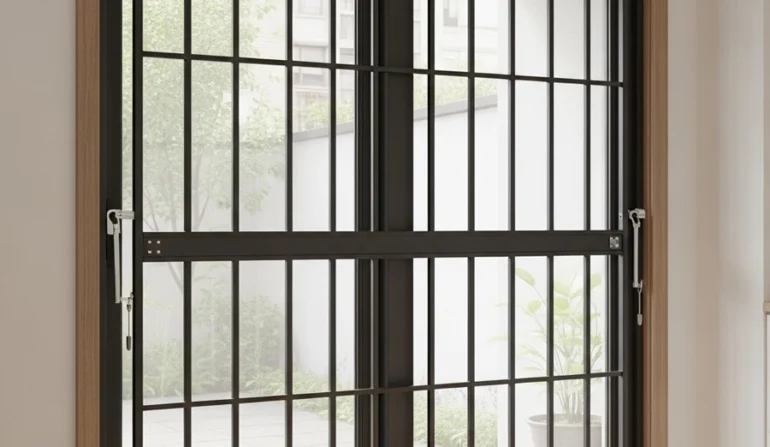
  • Hinge the bar on the side away from shade pulls and locks.
  • Align a horizontal rail with the slider’s meeting rail for a “built-in” look.

Casements

  • Hinge the bar opposite the window’s hinge; avoid the crank handle’s swing zone.

Basements & Window Wells

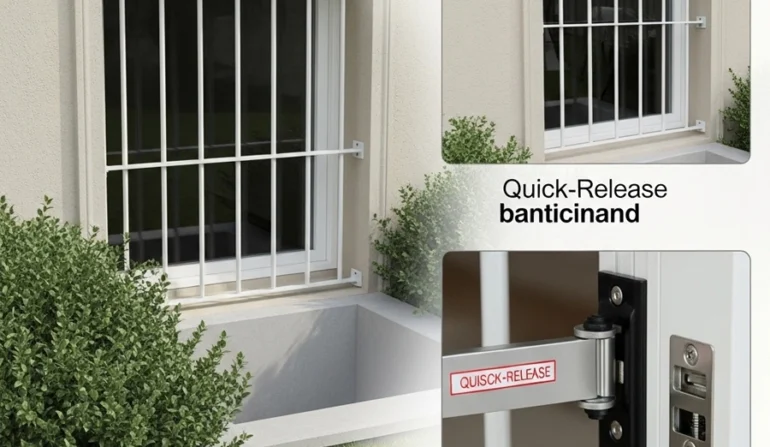
  • Measure well depth/width and cover height.
  • Side-hinge interior bars so the arc clears the well wall and lid.
  • In damp wells, prefer galvanized steel under powder coat and stainless pins.

Windows with AC Units

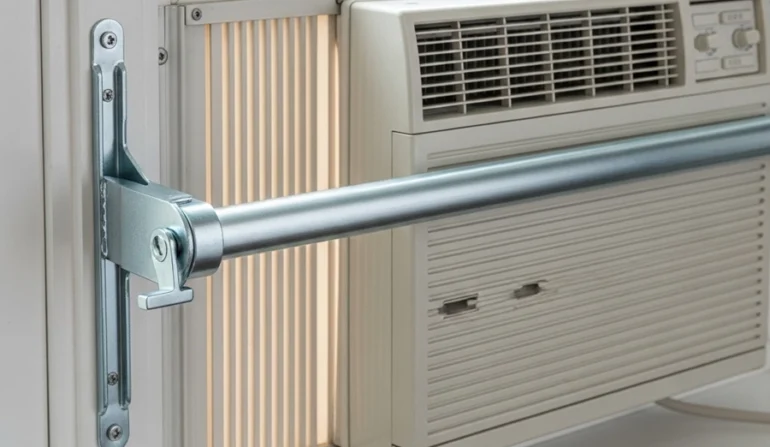
  • Add a window AC security bar to lock sash height.
  • Replace accordion panels with rigid inserts; hinge away from cords/hoses.
  • Test egress with the AC running (vibration check).

Finishing Touches: Reveals, Sealing & Child-Safe Details

  • Reveals: aim for consistent gaps on all sides (typically 1/8–1/4″).
  • Projection depth (exterior): keep a uniform standoff across multiple windows for crisp shadow lines.
  • Sealing: neat, flexible sealant on exterior penetrations; keep weeps open.
  • Child-safe: round any sharp edges, cap fasteners near the handle zone, and route blind cords away from the release.

Troubleshooting

  • Latch feels sticky / won’t drop: frame likely twisted—loosen in a cross pattern, shim, re-torque; add a touch of dry PTFE on pins.
  • Anchors loosen in masonry: holes dusty or oversized—clean and reset with proper anchors; consider larger sleeves or chemical anchors for weak substrates.
  • Fixed bar collides with trim: you measured tight—remove and re-mount with correct tolerance; don’t grind structural members.
  • Blinds/cords hit the handle: reroute cords, adjust shade rail, or hinge from the other side.
  • Rust at chips (steel): clean, prime if needed, and touch up immediately; inspect after storms.

Maintenance & Monthly Egress Drill

  • Monthly (lights off): everyone operates the quick-release; re-latch smoothly; log it.
  • Seasonal: wipe dust; apply dry PTFE to hinges and latch pins; check torque; touch up chips.
  • After storms: inspect exterior frames, sealant, and anchors.

Printable Checklists & Worksheets

A) Window Bars Measuring Worksheet

Property: _________________________    Date: __________   Measured by: _______________

Room/Window ID: ____________________  Egress?  Yes   No   Mount: Interior Exterior

Recess   Surface     Hinge: L R     Swing: In Out

WIDTH (inside-to-inside)  Top: ____  Middle: ____  Bottom: ____   Smallest: ____

HEIGHT (inside-to-inside) Left: ____ Center: ____ Right: ____     Smallest: ____

DIAGONALS  TLBR: ____   TRBL: ____   Δ: ____

DEPTH & OBSTRUCTIONS (locks/cranks/shades/AC/well cover): _____________________________

TOLERANCE PLAN  Width: −___  Height: −___   Target reveal each side/top/bottom: ___

SUBSTRATE  Wood studs   Brick   Block   Concrete   Notes: ________________________

EGRESS HANDLE HEIGHT (if applicable): ____  Child reach test: Pass   Fail

PHOTOS: Interior   Exterior   Well/Cover

B) Install-Day Checklist

Frame dry-fit & hinge/swing confirmed

Studs located (wood) OR masonry holes marked (brick/block/concrete)

Hammer-drill & VACUUM dust from each hole (masonry)

Set two fasteners, level/plumb, then complete pattern (cross-torque)

Quick-release installed, one-hand, one-motion; handle at child height

Seal exterior penetrations (don’t block weeps); cap fasteners

Test 10× open/close; run lights-off egress drill; start monthly log

Photo doc: open/closed, handle close-up, anchor details

C) Monthly Egress Log

Month/Year: __________  Room/Window ID: ____________________

Date | Participants | Pass/Fail | Notes (binding/obstruction/fixes)

—- | ———— | ——— | ———————————

____ | ____________ | ___       | _________________________________

____ | ____________ | ___       | _________________________________

FAQs

Can I install window bars myself?


Yes for interior wood framing and straightforward rectangles. For masonry, multi-window alignment, or exterior release linkages, many owners choose a pro.

Do I need quick-release in bedrooms?


Yes—use window bars that open from inside with one hand and no tools, and practice monthly.

Interior or exterior—what’s easier to install?


Interior on wood studs is usually faster and cleaner; exterior on masonry adds drilling, dust control, sealing, and lift access.

What anchors should I use in hollow block?


Use anchors rated for hollow CMU or target filled cells; always vacuum hole dust before setting.

How do I avoid latch binding?


Plan tolerances (⅛–¼"), level/plumb, shim as needed, and torque in a cross sequence. Add dry PTFE to hinge/latch pins.

Will bars ruin curb appeal?


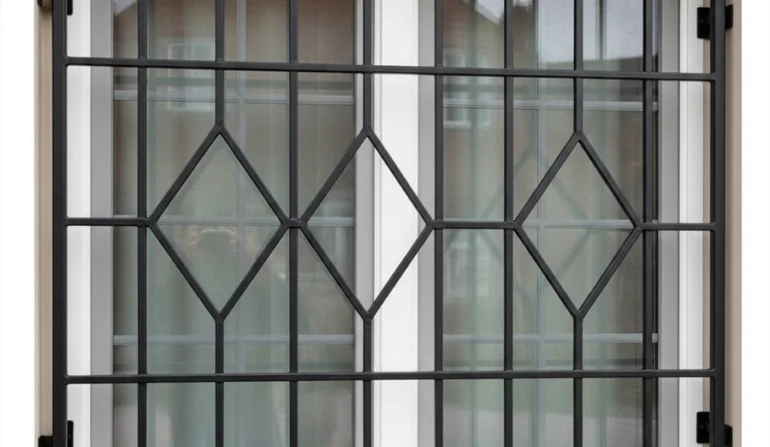
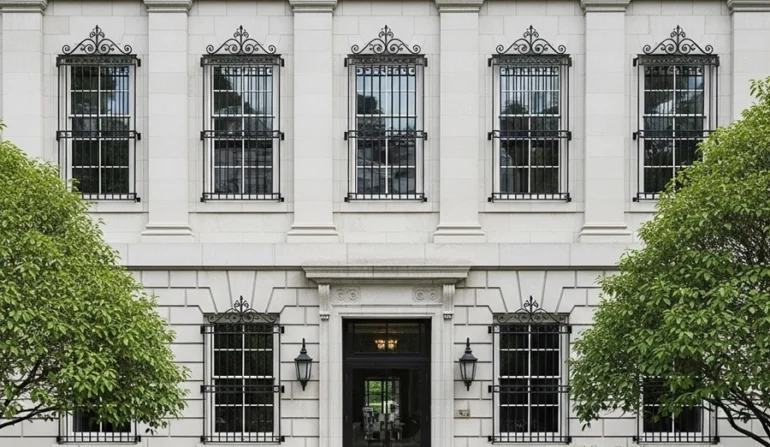
Not with decorative security window bars aligned to window muntins and finished in satin black/white. Consistent reveals and projection depth read “custom.”

EMAIL ADDRESS: sales@securitywb.com
SITE: www.securitywb.com
PHONE:
CDMX: +52 (55) 5272 3355  USA: +1 (650) 4371 575

Share

Recent Post

COOKIES POLICY

Security Window Bars LLC ("SWB") uses cookies and similar technologies to improve your browsing experience and enhance the functionality of our website www.securitywb.com (the “Website”). This Cookies Policy explains what cookies are, how we use them, and how you can manage your cookie preferences.

By using our Website, you agree to our use of cookies as described in this policy.

Last Updated: 01/01/25