
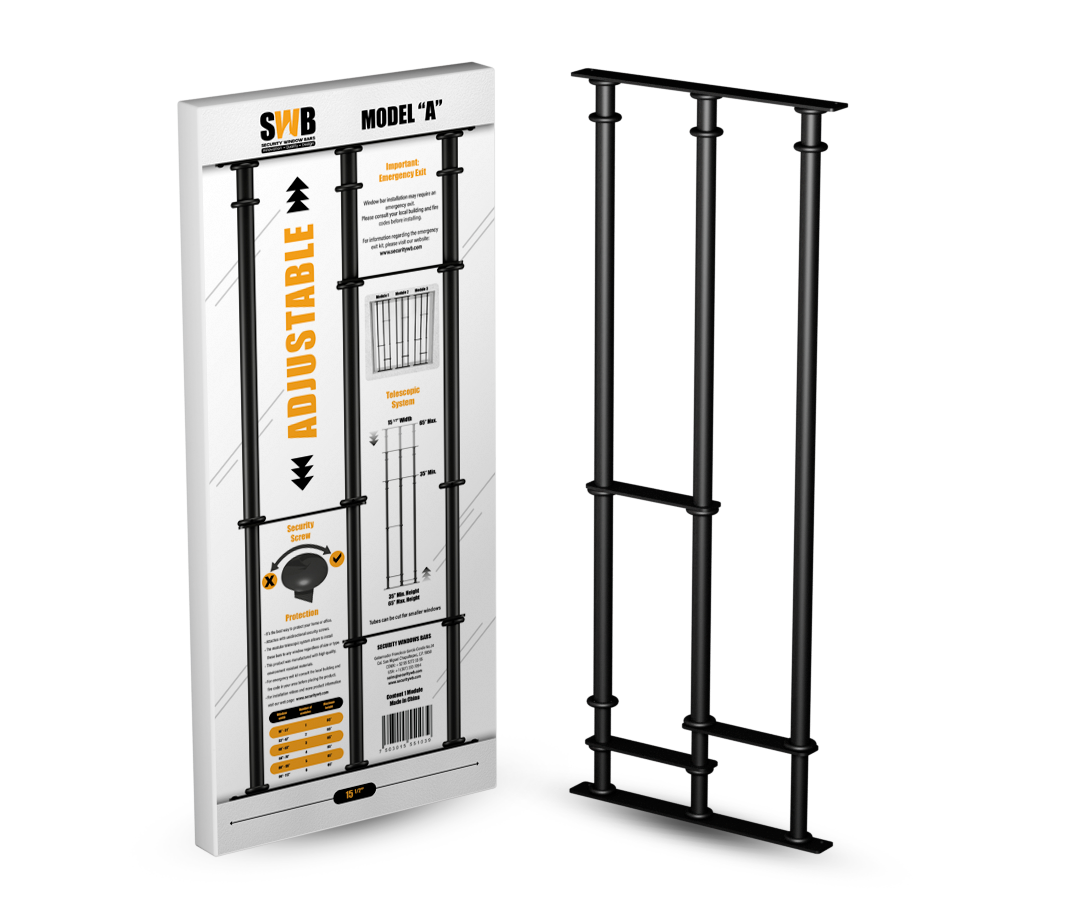
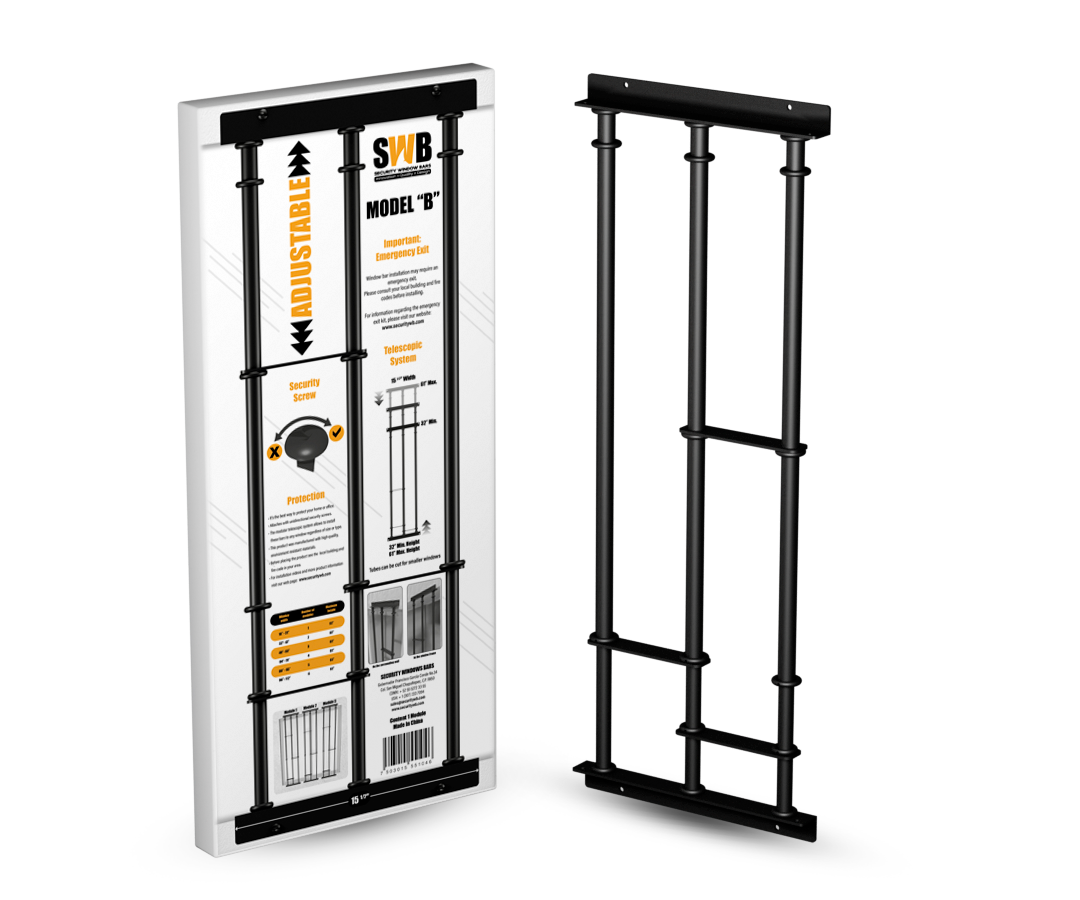
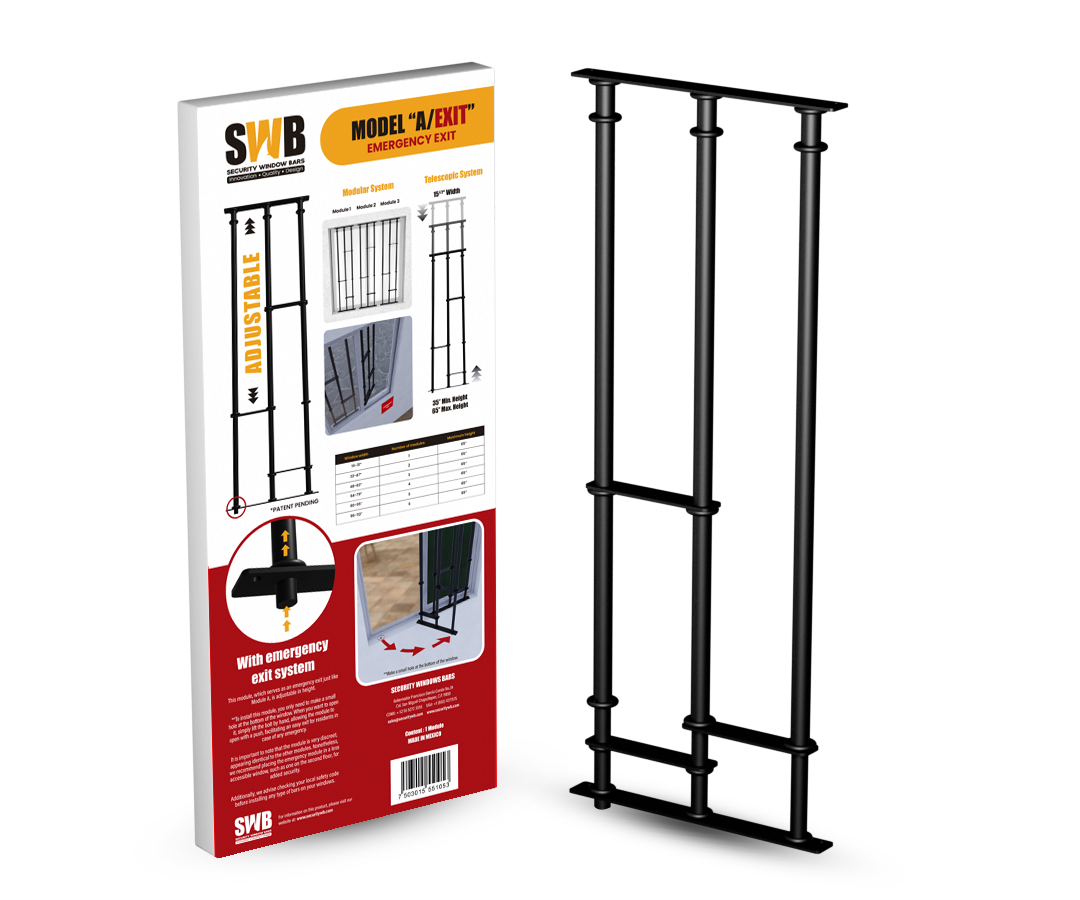
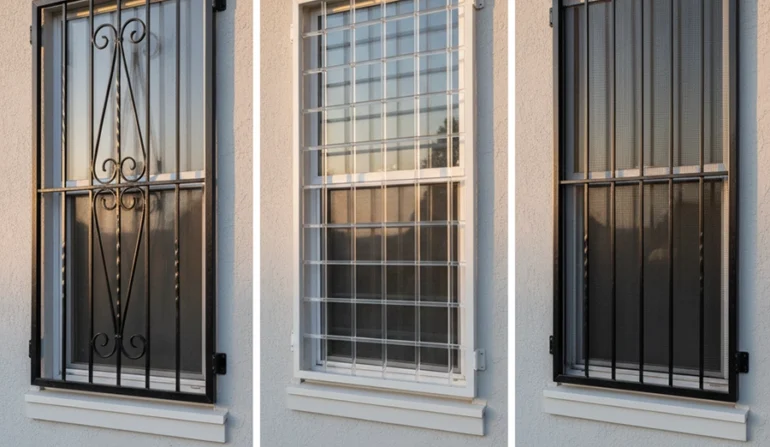

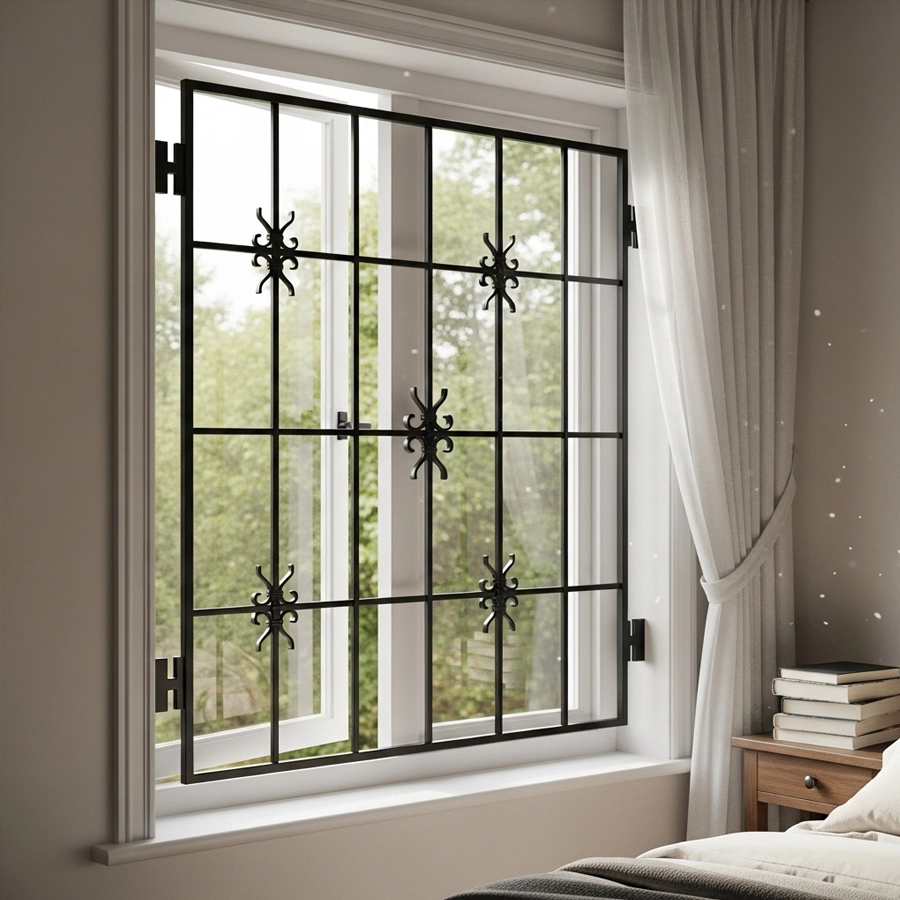
Installing window bars is one of the fastest ways to boost security—without relying on power, Wi-Fi, or subscriptions. However, the details matter. A bar that isn’t measured correctly can bind. A latch that isn’t reachable can delay egress. And the wrong anchors can loosen over time. This step-by-step window bar installation guide walks you through measuring, mounting on wood and masonry, choosing and setting up quick-release window bars, and finishing everything cleanly so your home looks designed, not improvised.
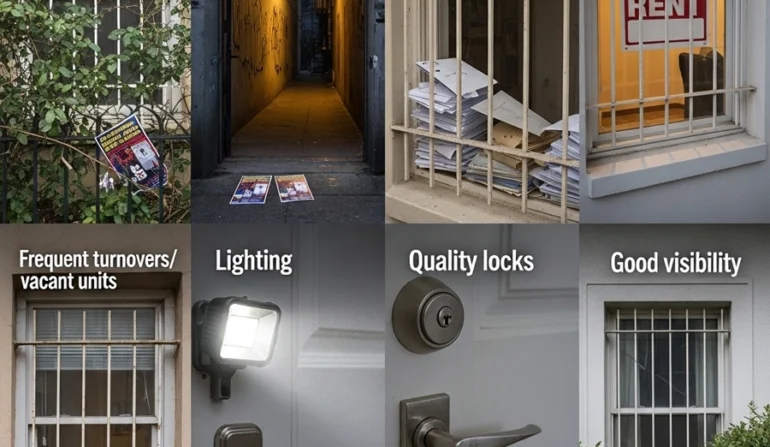
Most break-ins test windows first. Security window bars deliver visible deterrence, real resistance to prying, and peace of mind even during blackouts. Add a quick-release and you keep a fast, tool-free exit in bedrooms and finished basements. Paired with good lighting and locks, bars reduce risk affordably—and permanently.
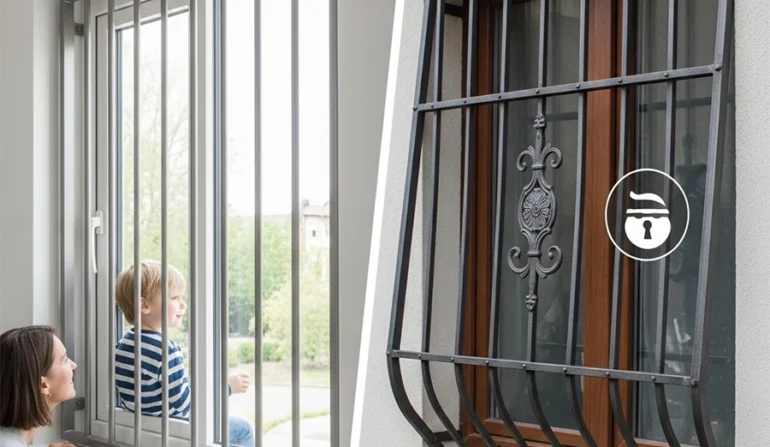
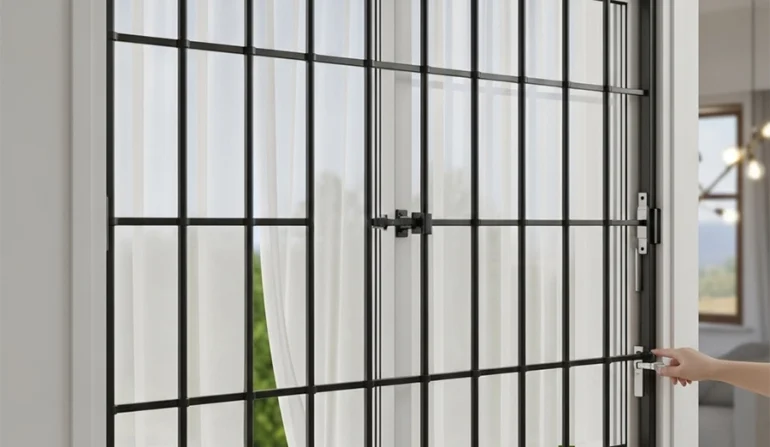
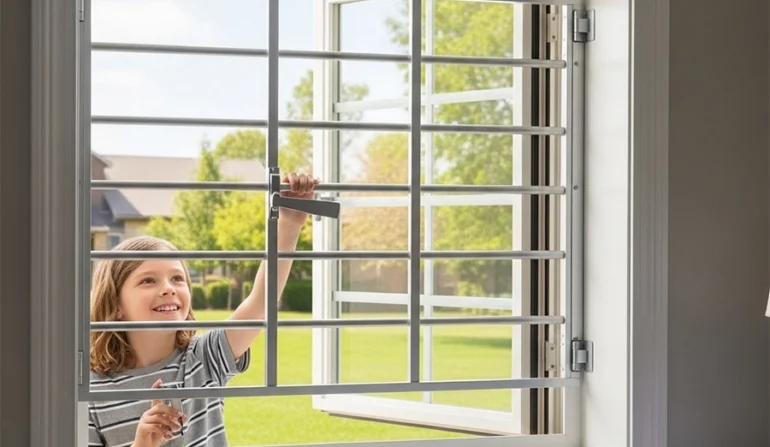
In rooms used for sleeping, plan for emergency egress. Choose window bars that open from inside with a one-hand, one-motion quick-release—no keys, no tools, no secret steps. Mount the release at a reachable height for kids and seniors, keep blinds and furniture out of the swing path, and test monthly. Safety isn’t an add-on; it’s the core requirement.
Non-negotiables
Universal
Wood Framing
Brick / Block / Concrete
For Hinged / Quick-Release Bars
Precise measurements make installation easier—and safer.
A) Decide the Mount
B) Measure the Opening
C) Dry-Fit Template (Optional but Helpful)
This is the most common and DIY-friendly path for window bar installation.
Step 1 — Dry-Fit & Mark Pilot Holes
Hold the frame in place with a helper. Center it visually and confirm the hinge side and swing. Mark tab holes with a pencil through the pre-drilled tabs.
Step 2 — Locate Studs
Use a stud finder or a tiny test pilot to ensure fasteners will bite solid wood. Avoid only trim or drywall.
Step 3 — Pre-Drill
Drill pilot holes undersized for the lag screws. Undersizing increases holding power and reduces splitting.
Step 4 — Set the Frame
Start with two opposite corners. Loosely snug the lags with washers, then check level and plumb. Shim as needed to avoid racking the frame.
Step 5 — Torque Sequence
Tighten in a cross pattern (top-left, bottom-right, top-right, bottom-left). Don’t over-torque—warping causes latch binding.
Step 6 — Install Quick-Release (if applicable)
Mount the lever or lift handle using the template. Test repeatedly; the bar should swing free with one hand.
Step 7 — Finish
Cap fasteners (if included), caulk any visible gaps, and touch up paint so the installation reads as built-in.
Masonry requires the right anchors and clean holes.
Step 1 — Position & Mark
Dry-fit the frame; mark holes through tabs. For exterior installs, check standoff depth and reveal alignment.
Step 2 — Drill Masonry
Use a hammer drill with the correct bit. Drill to full depth and vacuum the dust from each hole—dust is the #1 reason anchors loosen.
Step 3 — Set Anchors
Insert sleeve or wedge anchors as specified. For Tapcon-style screws, keep holes to exact diameter and depth.
Step 4 — Mount & Level
Hang the frame on two anchors. Check level/plumb; shim where needed. Install remaining anchors and tighten evenly.
Step 5 — Quick-Release & Swing Test
Install interior-only release hardware. Swing the bar open ten times to confirm no binding. Children should open it easily.
Step 6 — Weather Seal
Seal exterior penetrations with the proper sealant. On interior mounts, seal if drafts are present.
Block/CMU Notes
Hollow block needs sleeve anchors or fasteners rated for hollow substrates. Where possible, target filled cells or add backing.
Why hinge + quick-release?
Because fixed bars in egress rooms are unsafe. A hinged frame with a quick-release is the gold standard for bedrooms and finished basements.
Mounting the Release
Fine-Tuning for a Smooth Swing
Monthly Drill
Interior Window Bars
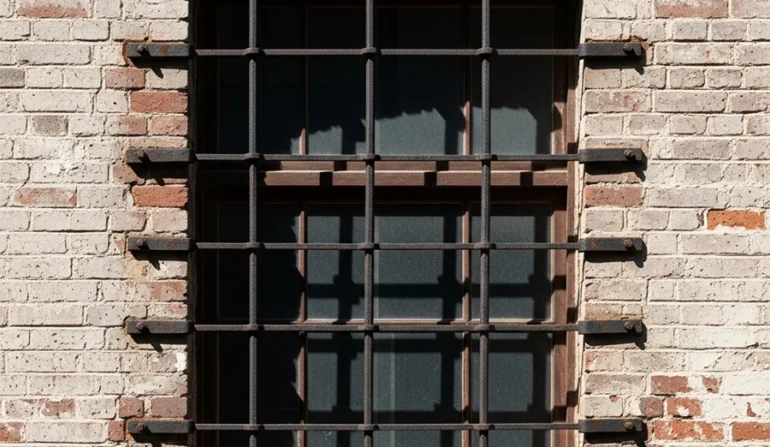
Exterior Window Bars
Guideline: For sleeping areas, favor interior hinged quick-release. For utility rooms and non-egress openings on masonry, exterior fixed can make sense.
Problem: Latch hard to open or bar binds on swing.
Fix: Loosen opposite corner, re-shim, and re-level. Check hinge alignment and lubricate pins.
Problem: Masonry anchors spin or pull.
Fix: Hole may be oversized or dusty. Reset with a larger sleeve anchor or chemical anchor where appropriate; always clear dust before setting.
Problem: Interior quick-release obstructed by blinds or furniture.
Fix: Re-route cords; raise shade rails; move furniture; label the handle discreetly.
Problem: Visible gaps or uneven reveal.
Fix: Loosen, shim, and re-square. Small adjustments make a big visual difference.
Problem: Drafts around exterior install.
Fix: Backer rod + sealant; verify no voids; re-seat where needed.
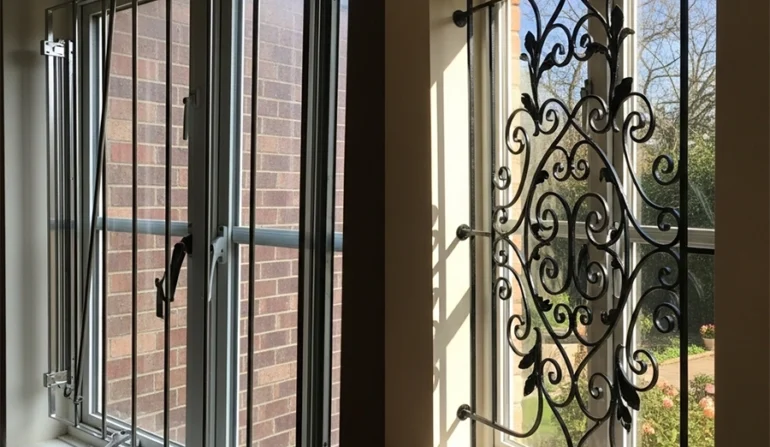
Security can look refined. To keep aesthetics high:
Buying Checklist
Install Day Checklist
With careful measuring, the right anchors, and a quick-release tuned for kids and guests, installing security window bars becomes a straightforward project that delivers years of protection. If you’d like help choosing hardware or confirming your substrate and swing, our specialists can walk you through every step.
EMAIL ADDRESS: sales@securitywb.com
SITE: www.securitywb.com
PHONE:
CDMX: +52 (55) 5272 3355 USA: +1 (650) 4371 575
COOKIES POLICY
Security Window Bars LLC ("SWB") uses cookies and similar technologies to improve your browsing experience and enhance the functionality of our website www.securitywb.com (the “Website”). This Cookies Policy explains what cookies are, how we use them, and how you can manage your cookie preferences.
By using our Website, you agree to our use of cookies as described in this policy.
Last Updated: 01/01/25