How Long Do Window Security Bars Last? Lifespan, Materials & When to Replace
Window security bars last between 20 and 50 years depending on the material and finish. Powder-coated steel bars sit at the top of that range, routinely hitting 30 to 50 years with virtually no maintenance. Painted wrought iron typically lasts 15 to 25 years before rust compromises structural integrity, while aluminum holds up for 20 to 30 years but offers less break-in resistance. The single biggest factor is the coating, not the metal underneath.
If you are shopping for window bars or staring at a set that has been on your house since the previous owner moved in, the lifespan question matters. Bars that look rusty or flaky might still be structurally sound, or they might be a few years away from failing under force. And new bars can last decades or disappoint in under ten years depending entirely on what they are made of and how they are finished. This guide breaks down the real-world lifespan of every common material, the factors that shorten or extend it, and the warning signs that mean replacement is overdue.
Lifespan by Material: Steel, Wrought Iron & Aluminum
Not all security bars are built from the same metal, and the material you choose determines the baseline lifespan before coatings, climate, and maintenance enter the equation. Here is how the three most common materials compare in real-world conditions.
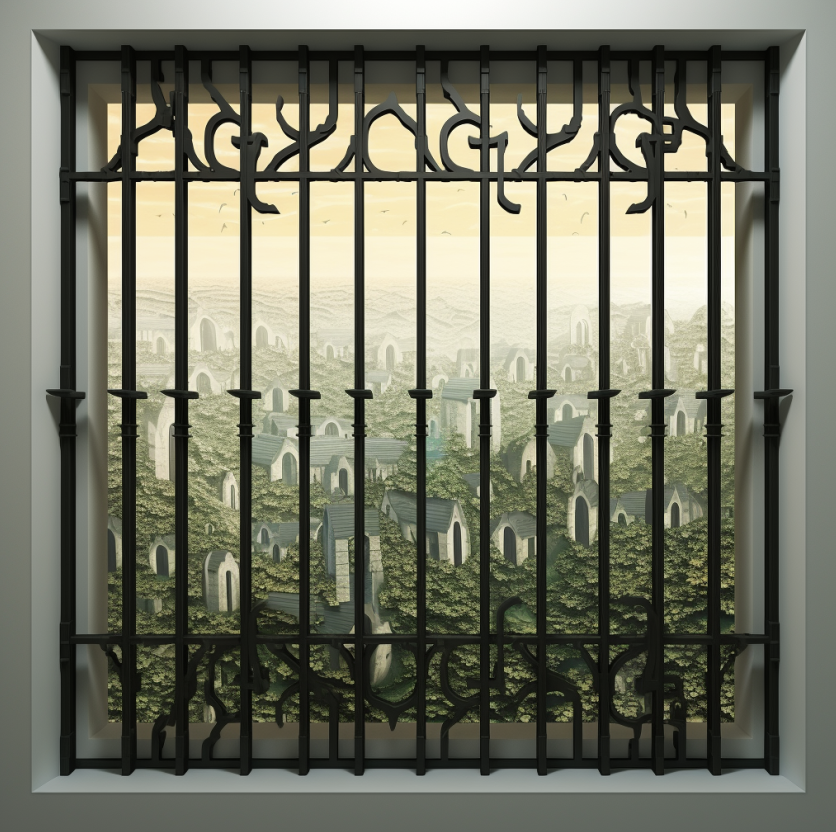
Steel (Carbon Steel and Heavy-Gauge Steel)
Steel is the most widely used material for residential and commercial window security bars. Carbon steel bars with a quality powder-coat finish routinely last 30 to 50 years without structural degradation. Heavy-gauge steel, the kind used in products like the SWB Model B, is thick enough to resist both forced entry and the slow creep of surface oxidation. The key vulnerability of steel is rust when the protective coating is compromised, but modern finishing techniques have largely solved that problem. Steel bars offer the best combination of strength, longevity, and cost per year of service.
Wrought Iron
Wrought iron bars were the standard for decades and are still common on older homes. Their typical lifespan is 15 to 25 years when painted, though well-maintained wrought iron in dry climates can push past 30 years. The issue is that wrought iron is more porous than modern steel, which means moisture works its way into the metal even through small paint chips. Once interior rust starts, it expands and lifts the surrounding paint, accelerating the cycle. You will see this as bubbling or flaking along joints and welds, the weakest points structurally. Wrought iron bars on homes built before 2000 are the ones most likely to need replacement today.
Aluminum
Aluminum bars last 20 to 30 years and have one clear advantage: they do not rust. Aluminum oxidizes, but the oxidation layer actually protects the metal underneath rather than eating through it like iron oxide does. The drawback is strength. Aluminum is significantly softer and lighter than steel. A determined intruder can bend or pry aluminum bars that would stop them cold if made from steel. For ground-floor windows in high-risk areas, aluminum is a compromise that trades security for corrosion resistance. In coastal environments where rust is the primary concern, aluminum has a niche, but powder-coated steel remains the better all-around choice.
Powder Coating vs. Paint: Why the Finish Matters More Than the Metal
Here is the counterintuitive truth: a mediocre steel bar with excellent powder coating will outlast a premium wrought iron bar with standard paint. The finish is the first line of defense against every environmental factor that degrades metal, and the gap between powder coating and paint is enormous.
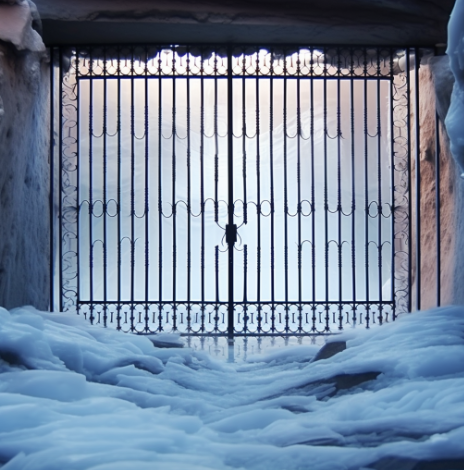
Powder coating is an electrostatically applied dry finish that gets baked onto the metal at 350 to 400 degrees Fahrenheit. The result is a coating that is 5 to 10 times thicker than standard paint, chemically bonded to the metal surface, and resistant to chipping, scratching, fading, and moisture penetration. A quality powder coat maintains its integrity for 15 to 25 years even in harsh conditions, and the metal underneath stays pristine the entire time.
Standard paint sits on top of the metal surface rather than bonding to it. It is thinner, softer, and starts degrading from UV exposure and temperature cycling within 3 to 7 years. Once a chip or crack forms, moisture reaches bare metal and the rust clock starts ticking. Painted bars in humid climates can show visible rust in as few as 5 to 8 years, even if the underlying metal is still sound.
This is why the SWB Model A and Model B use powder-coated steel rather than painted iron. The upfront cost is comparable, but the lifetime cost is dramatically lower because you never need to sand, prime, and repaint. For a full pricing comparison, see our window security bars cost and pricing guide.
Factors That Shorten or Extend Bar Lifespan
Material and finish set the baseline, but several environmental and installation factors determine where within that range your bars actually land.
- Climate and humidity: Bars in Phoenix last longer than identical bars in Houston. Persistent humidity, frequent rain, and wide temperature swings all accelerate coating degradation and corrosion. Dry climates can add 10 or more years to any material's lifespan.
- UV exposure: South-facing and west-facing windows take the most sun. UV radiation breaks down paint faster than powder coating, but even powder coats can fade and become brittle after 20-plus years of direct exposure.
- Coastal salt air: Salt is the single most aggressive corrosion accelerator. Homes within 5 miles of the coast experience dramatically faster metal degradation. Bars that last 40 years inland may show serious issues in 15 to 20 years near the ocean.
- Installation quality: Bars that are properly anchored and sealed at mounting points last longer than bars installed with gaps where water can pool. Mounting holes drilled through the coating without touch-up paint become rust initiation sites.
- Physical contact: Bars that get bumped by ladders, lawn equipment, or opening shutters develop coating damage that lets moisture in. Even small nicks compound over time.
- Ground clearance: Bars on basement windows near grade level are exposed to splashback, standing water, lawn sprinklers, and snow accumulation. These bars degrade faster than bars on second-story windows.
- Weld quality: Welds are the most vulnerable point on any security bar. Poor welds trap moisture and create stress points where rust starts first. Industrial-quality welds with full powder-coat coverage last decades; cheap tack welds fail early.
Coastal and Humid Climates: The Accelerated Rust Problem
If you live within a few miles of the ocean or in the Gulf Coast, Southeast, or Pacific Northwest, your window bars face conditions that can cut their lifespan by 30 to 50 percent compared to the same bars in a dry inland climate.
Salt-laden air does not need direct contact with bare metal to cause damage. Salt particles settle on the bar surface and attract moisture from the air, creating a thin saltwater film that slowly eats through paint and eventually through powder coating. In Florida, Texas Gulf Coast, and the Carolinas, painted bars can show surface rust within 3 to 5 years. Even powder-coated bars need closer monitoring in these regions.
The countermeasures are straightforward:
- Choose powder-coated steel over painted iron. The thicker, bonded coating resists salt penetration far longer.
- Rinse bars with fresh water quarterly. A garden hose removes salt deposits before they cause damage. This alone can add years to coastal bar life.
- Inspect mounting points twice a year. Salt corrosion often starts at screw holes and bracket connections where the coating is thinnest.
- Apply marine-grade wax annually. A thin wax layer adds another barrier between salt air and the coating surface.
For a deep dive on coastal-specific products, read our guide on coastal window bars that resist rust.
7 Signs Your Window Bars Need Replacement
Bars do not fail overnight. They give you years of warning before structural integrity is compromised. Here are the signals, listed from earliest to most urgent:
- Fading or chalking finish: The color looks washed out, and rubbing a finger across the surface leaves a powdery residue. This means the coating's UV protection is breaking down. Not urgent, but it is the first sign that the barrier between metal and moisture is weakening.
- Small chips or scratches exposing bare metal: Each exposed spot is a potential rust initiation point. Caught early, you can touch these up with rust-inhibiting primer and matching paint. Ignored, they spread.
- Surface rust on bar faces: Orange or brown discoloration on the flat surfaces of bars. At this stage, the coating has failed in that area, but the metal underneath is likely still structurally sound. Sand, prime, and repaint, or start planning replacement.
- Bubbling or flaking paint around welds: Rust is expanding underneath the coating at the joints. This is more serious than surface rust because welds are structural stress points. Bars with weld rust need close monitoring.
- Pitting on the metal surface: When you remove flaking rust and the metal underneath has small holes or a rough, cratered texture, corrosion has penetrated beyond the surface. Pitted bars are weaker than their thickness suggests.
- Loose mounting brackets or anchors: Bars that wobble, shift, or pull away from the wall when pushed. This can mean the mounting hardware has corroded, the masonry around the anchors has deteriorated, or both. A bar that is no longer firmly attached is not providing security.
- Visible structural thinning or holes: If you can see through the metal at any point, or if bars have narrowed noticeably at any section, replacement is overdue. Bars in this condition can be bent or broken by hand and offer essentially no security.
If your bars are showing signs 1 through 3, maintenance can extend their life. Signs 4 and 5 mean replacement should be on your calendar within the next one to two years. Signs 6 and 7 mean the bars are failing now and should be replaced immediately. For help choosing replacements, check our breakdown of security window bar types explained.
Simple Maintenance That Adds Years
The difference between bars that last 20 years and bars that last 40 years often comes down to a few hours of basic maintenance per year. None of this is difficult.
- Annual inspection (15 minutes): Walk around the house and look at every bar from up close. Check for chips, rust spots, loose mounting hardware, and coating degradation. Do this once a year, ideally in spring after winter weather.
- Quarterly rinse (10 minutes): Spray bars with a garden hose to remove dirt, pollen, salt, and debris. Buildup on horizontal surfaces traps moisture against the coating.
- Touch-up paint on chips (30 minutes): When your annual inspection reveals bare metal, clean the spot with fine sandpaper, apply rust-inhibiting primer, and cover with matching paint or a clear sealant. A $12 bottle of Rust-Oleum and a small brush is all you need.
- Wax or sealant in coastal areas (1 hour): Apply marine-grade paste wax or a spray-on metal sealant to all bar surfaces once a year. This adds an extra moisture barrier that is especially valuable within 10 miles of the coast.
- Check mounting hardware (5 minutes): Push and pull on each bar set to verify the anchors are tight. Retighten any loose screws or bolts. If an anchor spins freely in the wall, it needs to be replaced with a larger anchor or relocated to solid material.
Powder-coated bars like the SWB Model A require significantly less maintenance than painted bars because the coating does not chip or peel under normal conditions. For most homeowners with powder-coated bars in a non-coastal climate, the annual inspection and quarterly rinse are all that is needed.
Why Modern Powder-Coated Bars Outlast Old Painted Ones
If your home has bars from the 1990s or earlier, they were almost certainly painted rather than powder coated. And if you are comparing them to modern bars, the difference in longevity is not subtle. Here is why today's bars last so much longer.
Better steel alloys: Modern security bars use carbon steel or heavy-gauge steel with more consistent composition and fewer impurities than the mild steel and wrought iron commonly used 20 to 30 years ago. Fewer impurities means fewer weak spots where corrosion can start. The solid vs. tubular steel comparison explains how gauge and composition affect strength and durability.
Electrostatic powder coating: The biggest single advancement. Old bars were dipped or sprayed with liquid paint that sat on the surface. Modern powder coating uses electrostatic charge to wrap every surface, edge, and crevice of the bar in dry powder, then bakes it into a permanent bond. The result is 5 to 10 times thicker, resists UV for 15 to 25 years, and does not chip from normal contact.
Better weld technology: Modern MIG and TIG welding produces cleaner, stronger joints with full penetration. These welds can be powder coated seamlessly, eliminating the moisture traps that plagued older stick-welded bars.
Precision manufacturing: CNC and laser-cut components fit together with tighter tolerances, meaning fewer gaps where water can collect. Bars from 20 years ago were often hand-cut and fit with visible gaps at joints.
Galvanization as a base layer: Some modern bars apply a zinc galvanization layer before powder coating, creating a two-stage protection system. Even if the powder coat is eventually breached, the zinc layer sacrifices itself to protect the steel underneath. Older painted bars had no such failsafe.
The practical takeaway: if you are replacing old painted bars, modern powder-coated steel bars will last two to three times longer under identical conditions. The cost difference is minimal, making it one of the clearest upgrades in home security.
Frequently Asked Questions
How long do powder-coated window security bars last?
Powder-coated steel window security bars last 30 to 50 years under normal conditions. The powder coating itself maintains its protective integrity for 15 to 25 years, and the steel underneath remains structurally sound for decades beyond that. In dry climates with minimal salt exposure, 40 to 50 years is common. Coastal locations may see a shorter lifespan of 20 to 35 years without additional maintenance.
Do wrought iron window bars rust faster than steel bars?
Yes, wrought iron is more porous than modern carbon steel, which means it absorbs and retains moisture more readily. Painted wrought iron bars typically show surface rust within 8 to 12 years, while powder-coated steel bars can go 15 to 25 years before any coating degradation occurs. Wrought iron also requires more frequent repainting to maintain its protective barrier, adding to the lifetime maintenance cost.
Can you repair rusted window security bars instead of replacing them?
Surface rust can be repaired by sanding the affected area down to clean metal, applying a rust-inhibiting primer, and repainting with a high-quality exterior metal paint. This is cost-effective when rust is limited to small areas and the metal underneath is still solid. However, if the metal shows pitting, structural thinning, or rust at weld joints, repair is not reliable and replacement is the safer choice. Rusty mounting hardware should always be replaced rather than repaired.
Are aluminum window bars better than steel for coastal homes?
Aluminum resists rust better than uncoated steel, but powder-coated steel is the better choice for coastal homes that need both corrosion resistance and break-in protection. Aluminum bars are significantly weaker and can be bent or pried open by a determined intruder. Powder-coated steel with annual fresh-water rinsing and marine wax application provides both the security strength and the corrosion resistance that coastal properties require.
How often should you repaint window security bars?
Painted window bars need repainting every 5 to 7 years in moderate climates and every 3 to 5 years in humid or coastal areas. Powder-coated bars typically never need repainting during their service life, which is one of the primary reasons powder coating has replaced paint as the standard finish for quality security bars. If you are tired of the repaint cycle, replacing painted bars with powder-coated models eliminates the recurring cost and effort.
The Bottom Line
Window security bars are a long-term investment, and the lifespan you get depends almost entirely on two choices: the material and the finish. Powder-coated steel bars last 30 to 50 years and require almost no maintenance. Painted wrought iron lasts 15 to 25 years and demands repainting every few years to stay protected. Aluminum splits the difference on corrosion but sacrifices the security strength that makes bars worth installing in the first place.
If you are buying new bars, choose powder-coated steel and forget about them for decades. The SWB Model A is ideal for most residential windows with its telescopic fit and modular design, while the SWB Model B handles masonry-mounted applications on brick and concrete. Both use heavy-gauge powder-coated steel built to last a generation. For the full buyer's comparison, read our guide to the best window security bars for homes in 2026.
If you are evaluating existing bars, use the seven warning signs above to determine whether maintenance or replacement is the right move. And if your bars are painted wrought iron from the 1990s showing rust at the welds, it is time. Modern replacements will outlast them two to one.