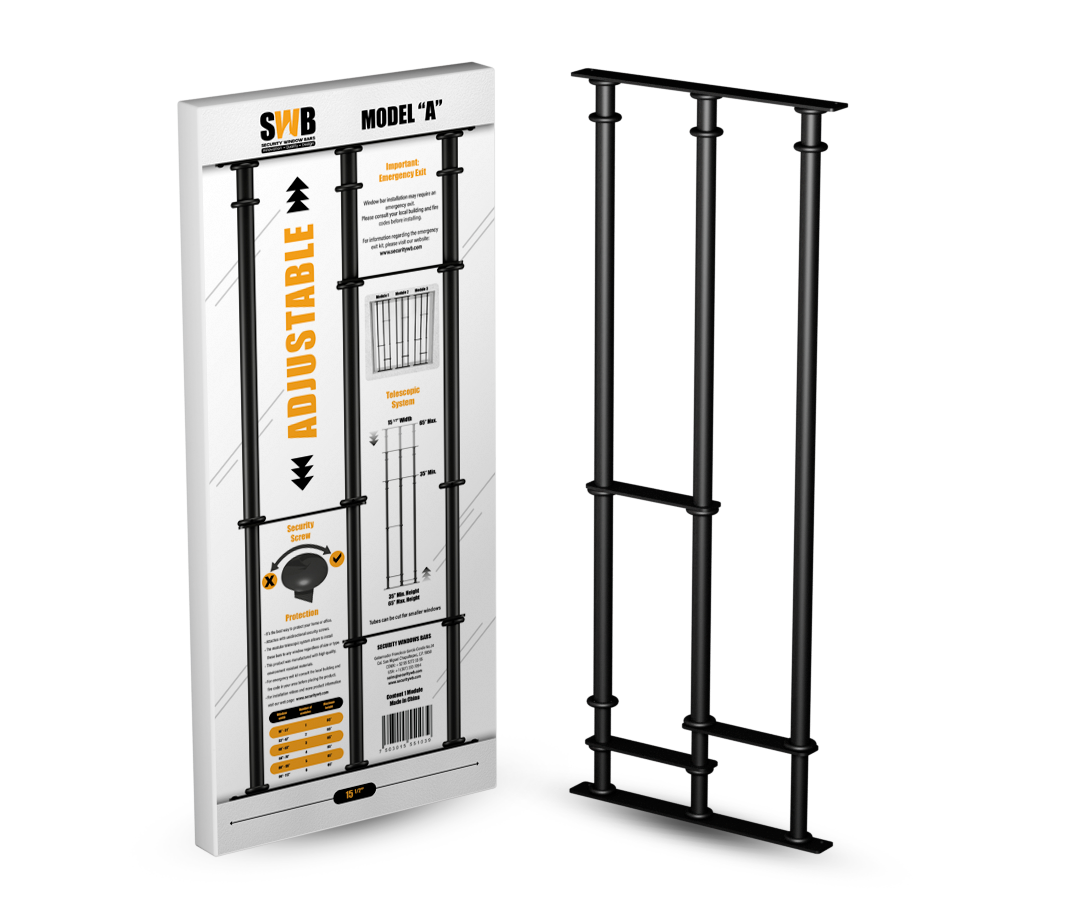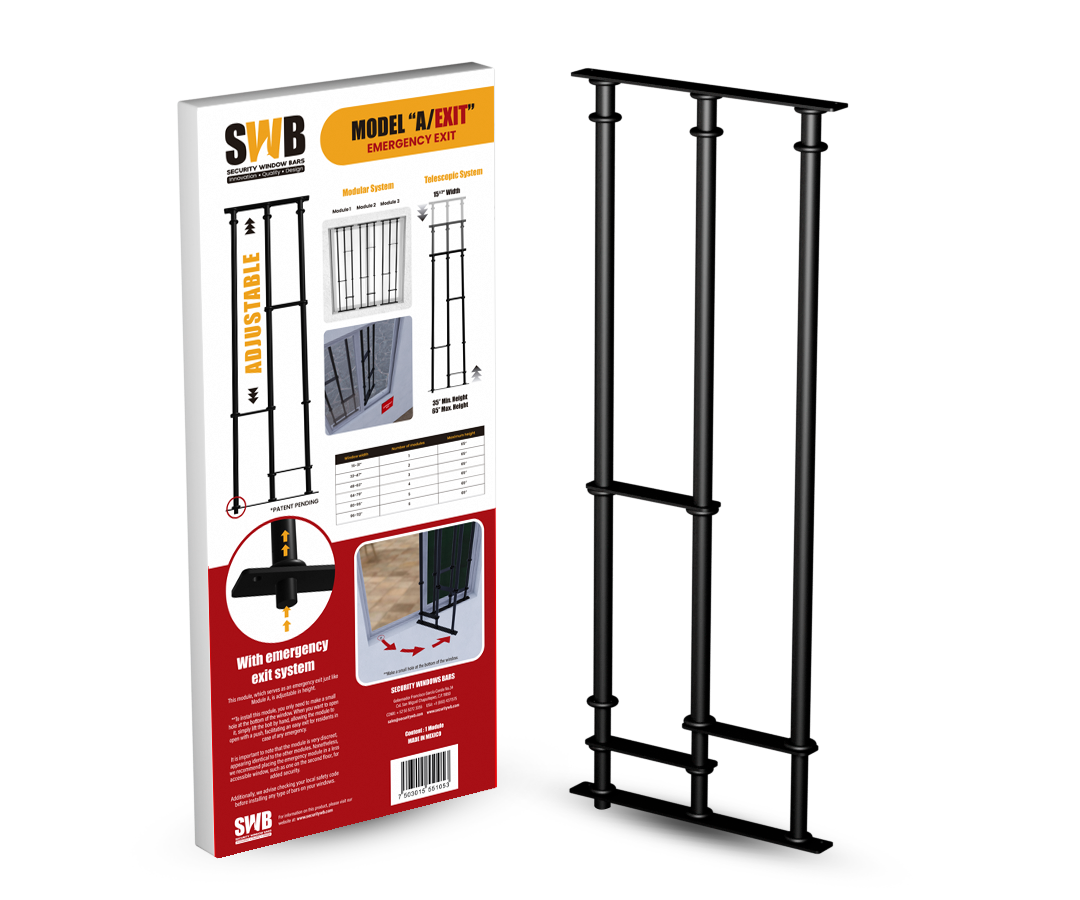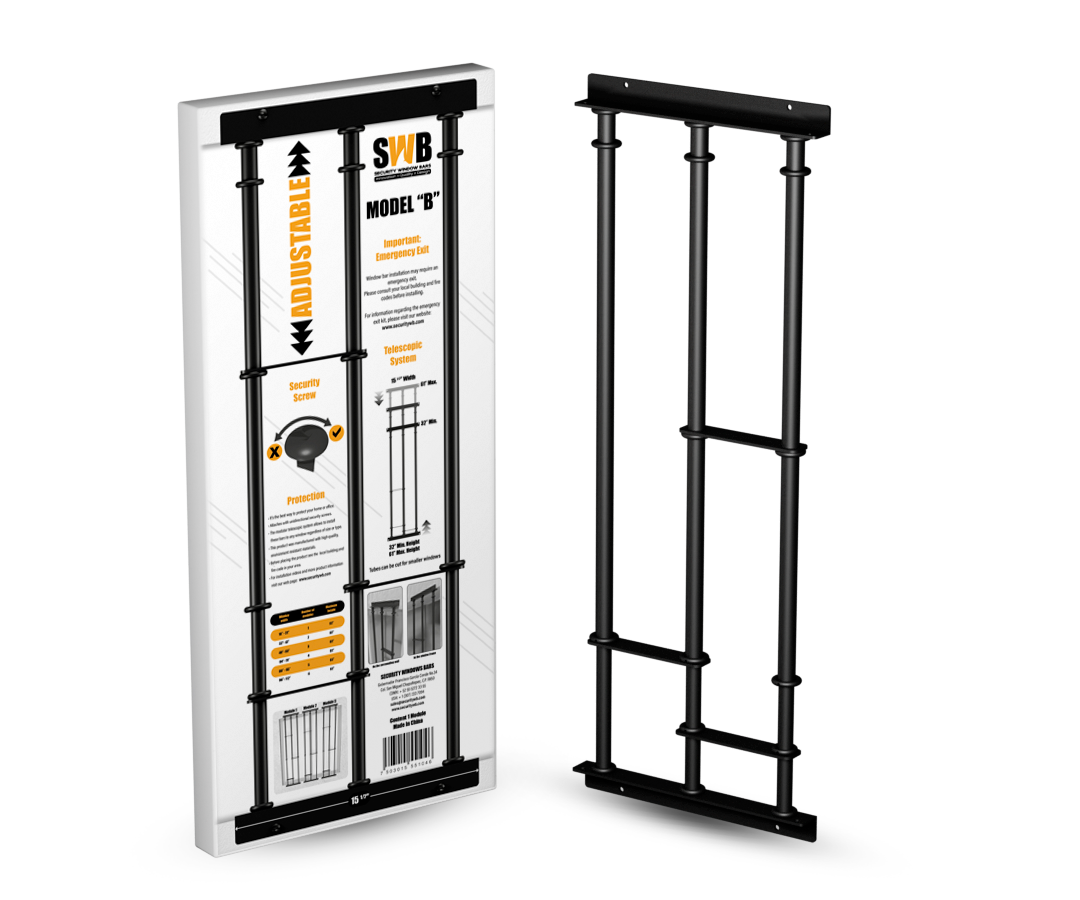
It is the ultimate paradox of modern architecture: we want our homes to be open to the light, but closed to intruders. This is the 2026 Engineering Guide to hardening the most fragile barrier in your home.
Imagine buying a bank vault door but replacing the steel center with a sheet of saran wrap. That is, effectively, what a standard sliding glass patio door represents in the security ecosystem. In 2026, as architecture shifts towards "Biophilic Design" (bringing the outdoors in), walls are disappearing, replaced by floor-to-ceiling glass.
The Vulnerability: Standard tempered glass can be shattered in 0.4 seconds with a spark plug ceramic shard. Once the glass is gone, the lock is irrelevant. The intruder simply steps through the frame. This is the "Fishbowl Effect"—you are on display, and the barrier is psychological, not physical.
To secure a glass door, we must introduce a Secondary Physical Barrier—the Glass Door Security Bar. But unlike window bars, these must move, slide, or swing to allow passage.
Crime Prevention Through Environmental Design (CPTED) treats glass differently than opaque walls. For glass, visibility is a double-edged sword.
The Strategy: Use High-Visibility Grilles. Installing visible bars on glass doors disrupts the "easy entry" calculation. It signals that while the door is glass, the path is blocked by steel. This forces the burglar to choose a harder target or risk the noise of cutting metal.
Sliding glass doors (Patio Doors) have two fatal flaws:
1. The Latch: Usually a tiny hook that can be jimmied with a screwdriver.
2. The Lift: The door sits on rollers. A crowbar underneath can lift the door off the track and remove it entirely without breaking glass.
We do not use grid bars over the glass for sliders (it blocks the slide). Instead, we use:
French doors (double doors) are elegant but structurally weaker than single doors because they lock into each other, not a solid frame. One kick to the center can split the wood where the deadbolt meets the passive door.
For French doors, we DO use bars over the glass. Since French doors swing, the bars move with them.
The 2026 Standard: "Lite-Kits". These are individual steel grilles that screw into the molding of each glass pane. They reinforce the glass against kick-ins and prevent the reach-through to the thumb-turn lock.
Pro Tip: Always pair French door bars with a "Surface Bolt" (slide bolt) at the top and bottom of the passive door to prevent the center kick-in.
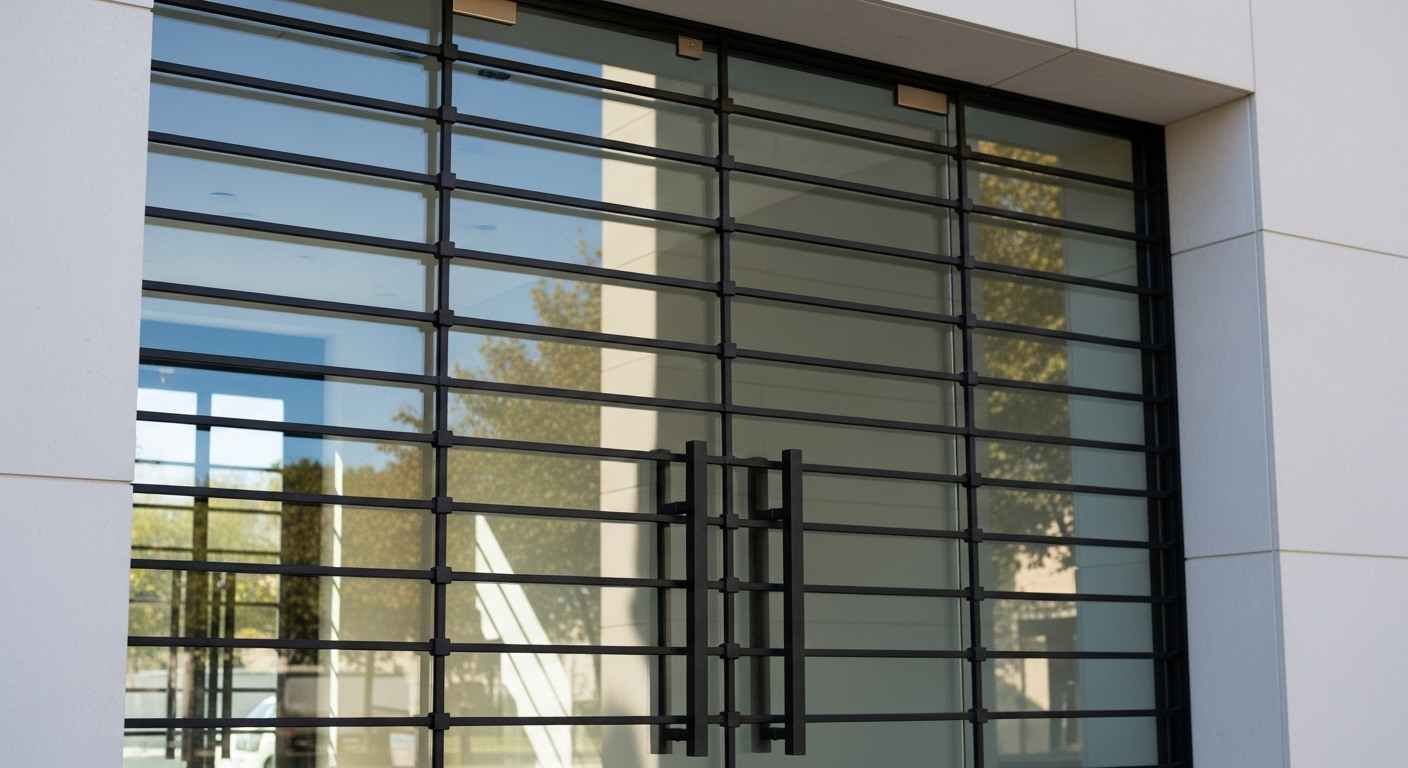
Nobody wants their patio to look like a holding cell. The design trend for 2026 is Industrial Elegance.
The "Crittall" Look: Inspired by 1920s steel windows, this style uses horizontal, flat-profile black bars spaced widely (every 10-12 inches).
Why it works: It looks like an expensive architectural feature ($5,000 door) but is actually a retrofit security bar kit ($200). It adds value to the home's aesthetic while providing a steel skeleton that makes the glass impact-resistant.
Of burglars enter through the Back Door (usually sliding/glass). It is the 2nd most common entry point.
Time it takes to defeat a standard manufacturer sliding door latch with a flathead screwdriver.
Number of successful "Lift-Off" attacks when a top-rail anti-lift pin is installed.
According to 2025 FBI Uniform Crime Reporting data, homes with visible reinforcement on rear glass doors are 300% less likely to be targeted than those with naked glass.
Renters need security too. Here is how to handle glass doors without losing your deposit.
Use a Pressure-Mounted Track Bar.
Instructions: Place the bar in the bottom track. Adjust the tension screw until it is tight against the frame.
Warning: This stops sliding, but not lifting. Add a "Clamp-On" track lock to the top rail (tightens with a thumbscrew) to stop the lift.
Use a Frame-Mounted Charley Bar.
Instructions:
1. Locate the stud behind the door frame (using a stud finder).
2. Mount the hinge bracket at waist height using 3-inch screws.
3. Lower the bar into the saddle on the moving door.
This physically connects the moving door to the house structure.
A: Not if you choose the right type.
For Sliding Doors: Charley bars swing up instantly. Track bars lift out. Neither requires a key.
For French Doors: If you use bars over the glass, ensure the door itself opens normally. Never install a double-keyed deadbolt (key needed inside) on a glass door; use a thumb-turn protected by a specialized shield or tight-grid grille.
A: Security film (8mil+) keeps the glass from shattering into a pile, but the pane can still be pushed out of the frame as a single sheet if the glazing beads are weak. Film + Bars is the "Gold Standard." Film slows the break; Bars stop the entry.
A: Choose "Hinged" or "Removable" kits. SWB French Door Kits are designed with a piano hinge on one side, allowing you to unlock and swing the grille open like a shutter to clean the glass surface.
A glass door is a hole in your wall that you hope people won't walk through. Stop hoping. Start engineering. With modern Glass Door Security Bars, you keep the light, you keep the view, but you end the risk.
Learn more about securing sliding doors:
How To Install a Sliding Glass Patio Door Security Bar by Ideal Security
This video demonstrates the practical installation of a security bar, reinforcing the "Charley Bar" concepts discussed in section 3.
EMAIL ADDRESS: sales@securitywb.com
SITE: www.securitywb.com
PHONE:
CDMX: +52 (55) 5272 3355 USA: +1 (650) 4371 575
COOKIES POLICY
Security Window Bars LLC ("SWB") uses cookies and similar technologies to improve your browsing experience and enhance the functionality of our website www.securitywb.com (the “Website”). This Cookies Policy explains what cookies are, how we use them, and how you can manage your cookie preferences.
By using our Website, you agree to our use of cookies as described in this policy.
Last Updated: 01/01/25