
Egress Window Bars That Open From Inside: The Complete Fire Code Compliance Guide
Learn why egress window bars that open from inside are required by US fire codes. Compare IRC & IBC compliant models for bedrooms and basements.
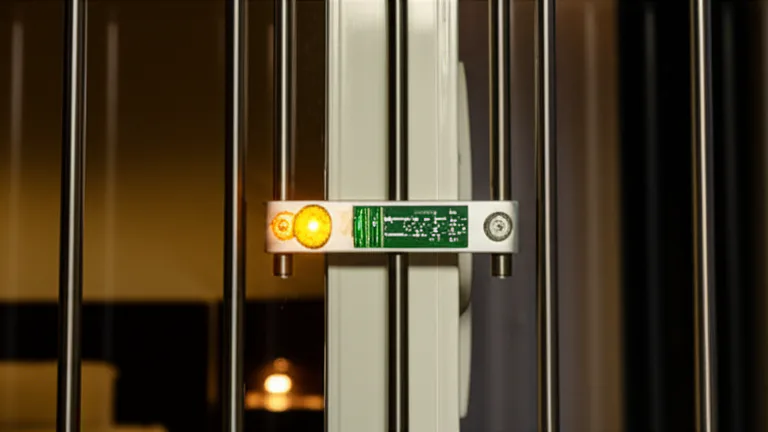
More than bars, SWB offers peace of mind. We understand security at a structural level to explain it to you at a home level. When it comes to protecting your family from intruders, window bars are one of the most effective physical deterrents available. But here is the critical question most homeowners and renters never ask until it is too late: if a fire breaks out in the middle of the night, can you get out? According to the National Fire Protection Association (NFPA), three out of five home fire deaths occur in properties without working smoke alarms — and fixed, non-releasable window bars have directly contributed to fatal outcomes during residential fires across the United States. That is exactly why egress window bars that open from inside are not just a smart upgrade — they are a legal requirement in sleeping areas under multiple US building codes. This guide breaks down exactly what the law requires, which codes apply to your home, how quick-release mechanisms work, and which SWB models keep you both secure and compliant.
The International Residential Code (IRC), which has been adopted in some form by all 50 U.S. states, mandates in Section R310 that every sleeping room must have…
Why Egress Window Bars That Open From Inside Are Required by US Law
The United States has some of the most detailed residential fire safety regulations in the world — and for good reason. According to the U.S. Fire Administration (USFA), residential fires cause an average of 2,500 deaths and 12,600 injuries annually. A significant percentage of those fatalities occur when occupants cannot escape through windows that are obstructed — either by fixed bars, grilles, or security devices that cannot be released from the inside without a key or tool. Federal and state building codes recognized this danger decades ago and responded with mandatory egress requirements that apply directly to window security hardware. If you currently have fixed, non-releasable window bars installed on any bedroom or sleeping area window in your home, you may be in violation of local building codes — and more importantly, you may be putting your family at serious risk. Understanding these legal requirements is the first step toward choosing the right egress window bars that open from inside for your specific situation.
What the International Residential Code (IRC) Says About Window Bars
The International Residential Code (IRC), which has been adopted in some form by all 50 U.S. states, mandates in Section R310 that every sleeping room must have at least one emergency escape and rescue opening. This opening must meet minimum size requirements: a net clear opening of at least 5.7 square feet, with a minimum height of 24 inches and a minimum width of 20 inches. Critically, the IRC also specifies that any bars, grilles, covers, or screens installed over emergency escape openings must be releasable or removable from the inside without the use of a key, tool, or force greater than that required for normal operation of the window. In plain terms: if you install window bars on a bedroom window, those bars must open from the inside. This is not optional. Violations can result in failed home inspections, insurance claim denials, and — in the worst case — preventable deaths.
IBC and NFPA 101 Compliance: What Commercial and Multi-Family Landlords Must Know
While the IRC governs single-family homes, the International Building Code (IBC) and NFPA 101 Life Safety Code apply to multi-family residential buildings, apartments, hotels, and commercial properties. Both codes echo the IRC’s intent: any security device installed over an emergency egress opening must be openable from the inside without special tools or keys. NFPA 101 Section 24.2.2 specifically addresses means of egress in residential occupancies and has been cited in fire marshal reports across cities including Chicago, Detroit, and Philadelphia, where enforcement of egress window regulations has intensified following fatal fire incidents. Landlords who install fixed, non-operable security bars on apartment windows face not only code violations but significant civil liability. The model A/EXIT egress-compliant bars from Security Window Bars are specifically engineered to meet both IBC and NFPA 101 requirements, making them the appropriate choice for any rental property in the United States.
OSHA Standards and Workplace Egress Requirements
OSHA regulation 29 CFR 1910.37 governs the design and maintenance of exit routes in workplaces and commercial buildings. While OSHA’s primary jurisdiction is occupational rather than residential, its egress standards reinforce the same principle: exit routes, including windows designated as emergency exits, must not be obstructed by hardware that requires special knowledge or tools to operate under emergency conditions. Retail shop owners, restaurant operators, and small business owners who use window bars as a security measure must ensure those bars comply with applicable egress codes. In cities like Los Angeles and New York, fire marshals regularly inspect commercial properties for non-compliant window security hardware and can issue immediate stop-use orders for violations.
How Quick-Release Mechanisms Work on Egress Window Bars
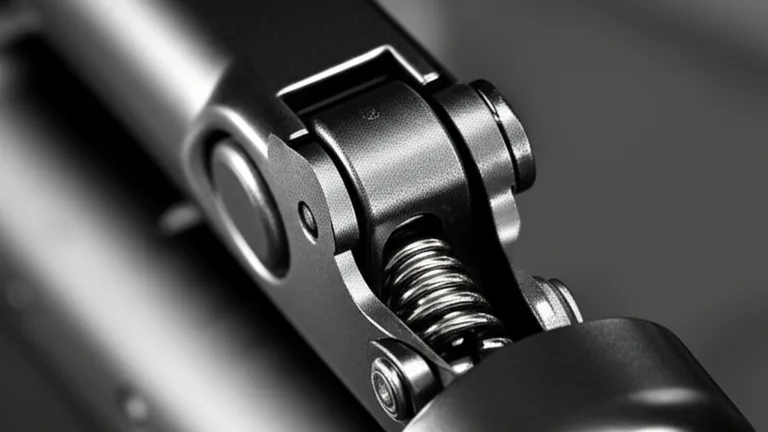
Understanding the engineering behind egress window bars that open from inside helps homeowners and property managers evaluate products with confidence. Not all quick-release systems are created equal. Some use spring-loaded pins, others use push-button latch mechanisms, and some rely on a pull-cord or lever system. The key performance standard for any legitimate egress window bar is that a child, an elderly person, or someone in a panicked state must be able to operate the release under stress, in the dark, and potentially in smoke-filled conditions. This is a demanding performance threshold that separates truly compliant products from those that merely claim egress compatibility. Security Window Bars engineers its Model A/EXIT with a patented quick-release mechanism specifically designed to meet this standard, combining the physical strength of heavy-gauge steel with an intuitive single-motion release that meets IRC emergency egress requirements for a minimum 20-inch by 24-inch clear opening.
Patented Quick-Release Systems vs. Basic Removable Bars
There is an important distinction between bars that are technically removable and bars that have a true quick-release egress mechanism. Removable bars — including many basic models sold online — can be taken off with tools or by unscrewing fasteners, but this process takes minutes and requires deliberate effort. A quick-release egress bar, by contrast, must be operable in seconds by a single person without any tools. The SWB Model A/EXIT uses a patented internal release bar that allows a resident to push or pull a single component and immediately swing or slide the bars open to create the required egress opening. This distinction is not cosmetic — it is the difference between a product that meets IRC Section R310 and one that does not, regardless of how it is marketed. When evaluating any egress window bar, always ask for the specific release time under test conditions and verify that the product has documentation supporting code compliance.
Testing Your Egress Window Bars: A Practical Household Drill
Even the best egress window bars that open from inside are only effective if every household member knows how to use them. Fire safety experts at the NFPA recommend conducting a home fire escape drill at least twice per year — and this drill should specifically include practicing the release of any egress window bars installed in sleeping areas. Have every family member, including children over six and elderly residents, practice activating the quick-release mechanism in a low-light environment. Time each attempt. According to NFPA guidelines, occupants should be able to exit a sleeping room within two to three minutes of a smoke alarm activating. If your current window bars cannot be released and cleared within 15 to 20 seconds by any household member, you should evaluate whether they are truly egress-compliant for your family’s specific needs.
Installation Considerations That Affect Egress Performance
Even a certified egress-compliant bar can fail to meet code if it is installed incorrectly. Common installation errors that compromise egress performance include: mounting the bar too close to the window frame so the release mechanism cannot swing fully open; installing the bar on the exterior face of the window frame rather than the interior, making the release inaccessible from inside; and failing to verify that the resulting clear opening meets the IRC minimum dimensions after the bars are released. The SWB installation guide at securitywb.com/installation/ walks homeowners and renters through each of these critical checkpoints, with step-by-step diagrams specific to the Model A/EXIT. Proper installation is not optional — it is the final step in achieving genuine code compliance.
Bedroom Window Bars and Fire Safety: The Statistics Every American Homeowner Needs to Know
Bedroom windows are the most critical egress point in any residential fire scenario. The NFPA reports that roughly 70 percent of home fire fatalities occur between 11 p.m. and 7 a.m. — when occupants are asleep. In a nighttime fire, the primary bedroom window is frequently the only viable escape route when hallway access is blocked by smoke or flames. Fixed, non-releasable window bars have been identified as contributing factors in multiple residential fire fatalities in cities including Memphis, Tennessee; Detroit, Michigan; and Philadelphia, Pennsylvania — cities where high burglary rates have historically driven demand for window security products without adequate attention to fire egress requirements. The tragic irony is that the same bars installed to protect a family from intruders can trap that family during a fire. Egress window bars that open from inside resolve this conflict completely, delivering full security during normal conditions and a clear escape path during an emergency.
Ground-Floor and Basement Windows: The Highest Risk Combination
Ground-floor and basement windows present the most acute combination of burglary risk and fire egress risk in any residential property. According to FBI Uniform Crime Reporting data, approximately 60 percent of residential burglaries involve ground-floor entry points, with windows ranking as the second most common entry method after doors. At the same time, basement fires are among the most dangerous residential fire scenarios because they compromise the structural integrity of the floors above and cut off stairway egress rapidly. A homeowner in Chicago’s South Side or a renter in a ground-floor Atlanta apartment faces genuine risk from both directions — and the only hardware that addresses both is an egress-compliant window bar that can withstand forced entry attempts while opening instantly from the inside in an emergency. For basement windows specifically, the SWB Model A/EXIT is engineered to handle the condensation and humidity conditions common in below-grade installations without compromising the quick-release mechanism.
Children and Elderly Residents: The Most Vulnerable Occupants
Children under 10 and elderly adults over 65 are statistically the most vulnerable populations in residential fire scenarios. The NFPA notes that children under five have a fire death rate nearly twice the national average. For homes with young children, egress window bars serve a dual protective function: they prevent accidental falls from open windows — a leading cause of child injury in urban apartments, particularly in New York City, where Local Law 57 mandates window guards in buildings with children under 10 — while still allowing adult-controlled emergency egress. The SWB Model A/EXIT balances these competing needs with a release mechanism designed to require deliberate adult-level force to activate, preventing accidental release by children, while remaining operable under stress by elderly residents. This dual-safety design is a significant advantage over basic removable bars that offer no meaningful resistance to child manipulation.
Comparing SWB Egress Window Bar Models: Finding the Right Fit for Your Home
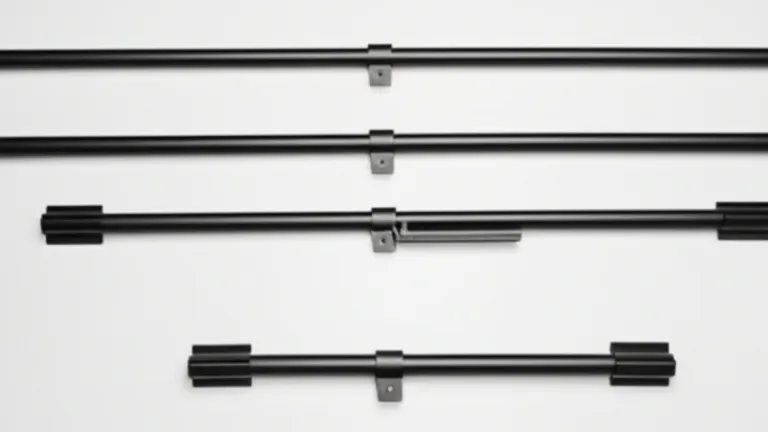
Security Window Bars offers three core models, each designed for specific installation scenarios and security needs. Choosing the right model depends on your window type, installation permanence requirements, rental status, and most critically, whether the window is located in a sleeping area requiring code-compliant egress capability. The following comparison helps homeowners, renters, and landlords identify the most appropriate product for their specific situation. All three models are available on Amazon USA through the SecurityWindowBars storefront, with FBA fulfillment ensuring fast delivery to all 50 states — including high-demand markets in Texas, California, Florida, and New York.
Model A/EXIT — The Only IBC and NFPA 101 Compliant Choice for Sleeping Areas
The SWB Model A/EXIT at $92 is the definitive choice for any bedroom, sleeping area, or basement window where fire code compliance is required. Its patented quick-release mechanism delivers single-motion egress operation while the telescopic steel construction adjusts to fit windows from 22 to 36 inches wide — covering the vast majority of standard US residential window sizes. The Model A/EXIT is compliant with IBC, NFPA 101 Life Safety Code, and OSHA standards, and meets IRC emergency egress requirements for a minimum 20-inch by 24-inch clear opening. For renters, the telescopic design means no permanent wall damage — a critical advantage for apartment dwellers in New York, Los Angeles, Chicago, and Houston who need compliant egress bars but cannot make permanent modifications to their units. For landlords managing multi-unit properties, the A/EXIT eliminates the legal liability exposure associated with fixed, non-releasable bars. Learn more about this model at the official product page: securitywb.com/model-a-exit/.
Model A — Telescopic Bars for Non-Sleeping Area Windows
The SWB Model A at $90 provides the same telescopic, renter-friendly installation as the A/EXIT but without the patented quick-release egress system. This makes it the appropriate choice for windows that do not require egress compliance — living room windows, kitchen windows, bathroom windows, and other non-sleeping area openings where security is the primary concern and fire code egress requirements do not mandate an internal release mechanism. The Model A is also an excellent choice for parents seeking fall prevention on upper-floor windows where egress is not a primary concern, as the telescopic bars create a physical barrier against accidental window falls without requiring professional installation. Installation takes 15 to 20 minutes with no drilling required for many window frame types.
Model B — Wall-Mount Bars for Maximum Security in Non-Egress Zones
The SWB Model B at $91 is a fixed, wall-mounted security bar designed for maximum structural resistance in locations where permanent installation is appropriate and egress compliance is not required. Common applications include commercial storefronts, garage windows, basement utility area windows that are not designated sleeping area egress points, and ground-floor windows in owner-occupied properties where the homeowner has selected an alternative primary egress route. The heavy-gauge steel construction and powder-coated black finish make the Model B the most aesthetically neutral of the three models while delivering the strongest fixed-point resistance to forced entry. Critically, the Model B should never be installed on bedroom windows or any window designated as an emergency escape opening under local building codes, as it does not feature a quick-release egress mechanism.
Protective Window Guards vs. Egress Window Bars: Understanding the Difference
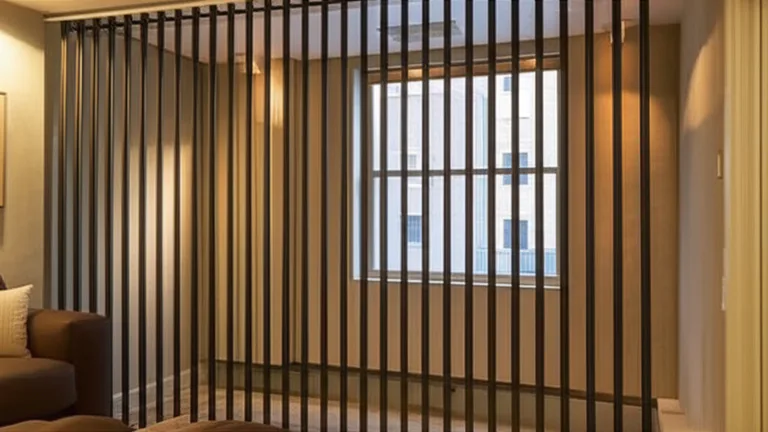
Homeowners frequently encounter two related product categories when researching window security: protective window guards and egress window bars. While these terms are sometimes used interchangeably in retail contexts, they represent meaningfully different products with different code compliance implications. Understanding the distinction is essential before making a purchase decision, particularly for sleeping area windows. Protective window guards are typically designed with child fall prevention as the primary objective — they prevent children from pushing through an open window while allowing ventilation. Egress window bars that open from inside are designed primarily with adult emergency escape capability as the objective, while also providing security against forced entry. In many states, including New York, both product types are subject to specific building code requirements, and the applicable standard depends on the primary intended use of the window and the occupants of the room.
When Protective Window Guards Meet Egress Requirements
The best-engineered products in this space combine the functions of both categories — delivering child fall prevention, forced entry resistance, and fire code egress compliance in a single system. The SWB Model A/EXIT is precisely this type of dual-function product. Its telescopic steel bars create a physical barrier strong enough to deter forced entry and prevent child falls, while the patented quick-release mechanism ensures that an adult can open the bars from the inside in seconds during an emergency. For parents in urban high-rise apartments — particularly in cities like New York, where Local Law 57 mandates window guards — the A/EXIT represents a single product solution that satisfies both the child safety mandate and the fire egress requirement simultaneously. Explore the full range of protective window guards and security bar options at Security Window Bars to identify the right compliance fit for your specific window and occupancy type.
Key Building Code Differences Across Major US Markets
Building code enforcement around window security varies significantly across US markets, and homeowners should always verify local requirements in addition to federal IRC and IBC standards. New York City enforces Local Law 57, which requires window guards in all apartments where children under 10 reside and mandates that at least one window per room remain accessible for egress. Chicago enforces the Chicago Building Code Section 13-196-190, which incorporates IRC egress standards and has been actively enforced following multiple fatal fire incidents in South Side residential buildings. Los Angeles applies California Residential Code Section R310, which mirrors IRC requirements but includes additional provisions for hillside and high-density properties. In Houston, rapid population growth has led the city to adopt IBC standards for multi-family construction with specific egress window bar provisions in the Houston Fire Code. Regardless of your specific market, egress window bars that open from inside will meet or exceed the requirements of every major US city’s window security and egress regulations.
How to Document Egress Compliance for Insurance and Inspections
Homeowners and landlords who install egress-compliant window bars should maintain documentation of their compliance for home insurance purposes and municipal inspections. This documentation should include: the product model and manufacturer’s compliance certifications (IBC, NFPA 101, IRC); photographs of the installed bars in both the closed security position and the open egress position showing the clear opening dimensions; and the date of installation. Some home insurance providers offer premium reductions for properties with verified window security hardware — contact your insurer to determine whether your SWB installation qualifies for a security discount. For landlords in multi-unit properties, maintaining a maintenance log of egress bar inspections — verifying that quick-release mechanisms remain fully functional — is a critical risk management practice that demonstrates due diligence in the event of any fire-related incident.
DIY Installation of Egress Window Bars: Step-by-Step for American Renters and Homeowners
One of the most significant advantages of the SWB Model A/EXIT over professionally installed fixed window bars is the straightforward DIY installation process. Professional window bar installation in the United States typically costs between $600 and $1,800 per window, depending on the market and the complexity of the installation. This cost puts professionally installed window security out of reach for many of the 44.1 million apartment renters in the United States (U.S. Census Bureau, 2023) and for budget-conscious homeowners in markets like Memphis, Detroit, and Philadelphia where security needs are high but renovation budgets are constrained. The SWB telescopic system is specifically engineered to deliver the same steel-strength security as permanently welded bars at a fraction of the cost, with an installation process that requires no locksmith, no contractor, and no permanent wall damage — completing in 15 to 20 minutes using basic household tools.
Pre-Installation Checklist: Measuring Your Window for Egress Compliance
Before installing egress window bars that open from inside, complete this pre-installation checklist to ensure your window meets IRC egress requirements and that your chosen bar model will maintain those dimensions after installation. First, measure the net clear opening of your window — the actual open space when the window is fully raised or open, not the window frame dimensions. This measurement must be at least 5.7 square feet, with a minimum height of 24 inches and a minimum width of 20 inches per IRC Section R310. Second, measure the interior window frame width to confirm it falls within the Model A/EXIT’s adjustable range of 22 to 36 inches. Third, identify the mounting surface — interior window stop, window sill, or window frame — and confirm it can support the bar’s mounting brackets without wall penetration if you are a renter. The complete measurement and pre-installation guide is available at securitywb.com/installation/.
Renter-Specific Installation: No Drilling, No Damage, No Landlord Conflicts
For the 44.1 million American renters, the fear of losing a security deposit or violating a lease agreement is a genuine barrier to installing window security hardware. The SWB Model A telescopic system addresses this directly with a pressure-tension mounting method that does not require drilling into wall studs or window frames for most standard residential window types. The telescopic bar extends to create a compression fit between opposing surfaces of the window frame, generating sufficient holding force to resist forced entry attempts while creating zero permanent marks on the window or surrounding walls. When it is time to move out — whether from a ground-floor apartment in Houston’s Heights neighborhood or a basement studio in Chicago’s Wicker Park — the bars remove in under five minutes, leaving the window frame completely unmarked. This renter-friendly design makes the SWB system fundamentally different from competitors that require professional installation and permanent wall anchors.
How to Choose the Best Egress Window Bars for Basements, Bedrooms, and Apartments
Selecting egress window bars that open from inside requires evaluating several factors specific to your property type, window dimensions, local building codes, and household occupancy. The following framework helps homeowners, renters, and property managers make a confident, code-compliant purchasing decision without needing to hire a security consultant. This decision framework is based on the IRC, IBC, and NFPA 101 compliance requirements discussed throughout this guide, combined with real-world installation experience across thousands of US residential properties from New York to Los Angeles.
Selecting Egress Bars for Bedroom Windows: The Non-Negotiable Checklist
For any bedroom window, the selection checklist is straightforward: the bar must feature a certified quick-release egress mechanism, must open from the inside without tools or keys, must maintain a minimum 5.7 square foot clear opening when released, and must be adjustable to your specific window width. The SWB Model A/EXIT meets all four criteria and is available at $92 — a fraction of the $600 to $1,800 cost of professional installation. For bedrooms with multiple windows, prioritize the window closest to the ground or the window with the clearest exterior landing area for the Model A/EXIT installation, and consider Model A bars for additional windows that do not serve as the primary egress opening. Always consult your local building department if you are uncertain which window in a multi-window bedroom is the designated egress opening under your local code.
Basement Window Egress Bars: Addressing the Unique Challenges of Below-Grade Installations
Basement windows present unique challenges for egress bar installation. Below-grade windows are frequently smaller than IRC minimum egress dimensions, particularly in older housing stock in cities like Detroit, Cleveland, and Philadelphia, where many residential buildings predate modern egress requirements. Before installing any security bar on a basement window, verify that the window itself — independent of any bar installation — meets IRC minimum egress dimensions. If it does not, no egress bar can make it compliant — the window itself must be enlarged by a licensed contractor before compliant bars can be installed. For basement windows that do meet egress dimensions, the Model A/EXIT is the appropriate choice, with its telescopic design accommodating the narrower window frames common in basement installations and its quick-release mechanism providing the emergency escape capability that is particularly critical given the limited exit options in below-grade living spaces.
Apartment and Multi-Family Property Selection: Landlord Liability and Tenant Safety
Landlords managing multi-family residential properties face a dual obligation: protecting tenants from burglary and protecting themselves from liability related to fire egress obstructions. Fixed, non-releasable window bars on sleeping area windows in rental units represent one of the most significant and underappreciated liability exposures in residential property management. A single incident in which a tenant cannot escape a bedroom fire due to fixed window bars can result in wrongful death litigation with damages that dwarf the cost of replacing those bars with compliant egress models. The SWB Model A/EXIT at $92 per window — installed without professional contractor fees — represents a straightforward liability mitigation investment for any landlord operating in the United States. For properties with multiple units, SWB offers volume purchasing options through securitywb.com/contact/ to support landlords equipping entire buildings with compliant egress hardware.
🏆 Conclusion
Egress window bars that open from inside are not a luxury upgrade or an optional add-on — they are a legal requirement for sleeping area windows under US building codes including the IRC, IBC, and NFPA 101 Life Safety Code, and they are a moral imperative for anyone who installs window security hardware in a home occupied by family members, tenants, or guests. The statistics are clear: residential fires kill thousands of Americans every year, and non-releasable window bars have contributed to preventable fire fatalities in cities across the country. The solution is equally clear: egress-compliant security bars that deliver full burglary protection during normal conditions and an instant, tool-free escape path during a fire emergency. Security Window Bars’ Model A/EXIT is the only product in the SWB lineup certified to meet this dual standard, combining a patented quick-release mechanism with telescopic steel construction that installs in minutes, requires no permanent wall damage, and costs a fraction of professional installation alternatives. Whether you are a renter in a Chicago ground-floor apartment, a homeowner in suburban Atlanta, or a landlord managing a Houston multi-unit building, the Model A/EXIT is the single most important window security investment you can make for the people inside your property. Protect your family. Meet the code. Choose egress-compliant from day one.
Security Window Bars · USA
Secure Your Home Today
Ready to protect your home and meet US fire codes? Shop the SWB Model A/EXIT and full line of egress window bars on Amazon USA — SecurityWindowBars with fast FBA delivery to all 50 states, or explore all models at securitywb.com.
Shop on Amazon →Frequently Asked Questions
Yes. Under IRC Section R310, any bars, grilles, or covers installed over emergency escape openings in sleeping rooms must be releasable or removable from the inside without the use of a key, tool, or special knowledge. This requirement applies in all 50 states, as every state has adopted the IRC in some form. The IBC and NFPA 101 Life Safety Code impose equivalent requirements on multi-family residential buildings and commercial properties. Installing fixed, non-releasable bars on a bedroom window is a building code violation that can result in failed inspections, insurance claim denials, and serious civil liability in the event of a fire-related injury or death.
Under IRC Section R310, every emergency escape and rescue opening must have a net clear opening of at least 5.7 square feet, with a minimum clear height of 24 inches and a minimum clear width of 20 inches. These dimensions refer to the actual usable opening when the window is fully open and any security bars have been released — not the window frame dimensions or the glass area. Ground-floor and basement windows must meet the same minimums. Before installing any egress window bar, measure your window’s clear opening to confirm it meets these requirements independent of the bar installation.
In most cases, yes — particularly when using a no-drill telescopic system like the SWB Model A/EXIT. Renters should review their specific lease agreement for restrictions on window modifications, but because the SWB telescopic bars create a compression-tension fit without drilling, they typically do not constitute a permanent modification that would violate standard lease terms. Many renters in New York, Chicago, Los Angeles, and Houston successfully use SWB telescopic bars for window security without landlord conflicts. When in doubt, notify your landlord in writing that you are installing removable egress-compliant security bars — many landlords welcome this as it reduces their own liability.
The SWB Model A/EXIT’s patented quick-release mechanism is designed for single-motion operation that clears the egress opening within seconds — well within the 15-to-20-second target recommended by fire safety professionals for sleeping area egress devices. The mechanism requires deliberate adult-level intentional force to activate, preventing accidental release by children, while remaining fully operable under stress conditions, in low-light environments, and without any tools or keys. SWB recommends that all household members, including older children and elderly residents, practice the release procedure at least twice per year as part of a home fire escape drill.
Yes. Egress window bars that open from inside — particularly the SWB Model A/EXIT — serve a dual child safety function. The closed steel bars create a physical barrier that prevents children from accidentally falling through or pushing through an open window, which is one of the leading causes of child injury in urban high-rise apartments. At the same time, the quick-release mechanism ensures that an adult can open the bars during a fire emergency. In New York City, where Local Law 57 mandates window guards in apartments with children under 10, the Model A/EXIT satisfies both the fall prevention mandate and the fire egress requirement in a single product. Always verify that your specific product and installation meet your local jurisdiction’s child window guard standards.
Window guards are typically designed with child fall prevention as the primary objective and are commonly installed in multi-story apartment buildings to keep young children from falling through open windows. Egress window bars are designed primarily to combine forced-entry security with fire code egress compliance — they must be openable from the inside without tools. In practice, the best products combine both functions. The SWB Model A/EXIT is designed to serve as both a window guard and an egress-compliant security bar simultaneously, making it the appropriate single-product solution for bedroom and sleeping area windows in homes with children. Standalone window guards that cannot be released from the inside are not egress-compliant and should not be used on sleeping area windows.
Professional window bar installation in the United States typically costs between $600 and $1,800 per window, depending on the local market and installation complexity. The SWB Model A/EXIT is available for $92 on Amazon USA through the SecurityWindowBars storefront, with FBA delivery to all 50 states. Installation requires no contractor or locksmith and completes in 15 to 20 minutes using basic household tools or no tools at all for compression-fit installations. The total cost savings over professional installation range from $500 to over $1,700 per window — making SWB the most cost-effective egress-compliant window security solution available in the US market for both individual homeowners and landlords equipping multiple units.
Yes. The SWB Model A/EXIT is engineered to comply with the IRC, IBC, and NFPA 101 Life Safety Code, which form the foundation of building codes in all 50 states including New York, California, and Texas. New York City’s Local Law 57 window guard requirements, California’s Residential Code Section R310 egress provisions, and Houston’s IBC-based Fire Code egress standards are all addressed by the Model A/EXIT’s patented quick-release mechanism and minimum 20-inch by 24-inch clear opening specification. Renters and homeowners in these high-demand markets should verify any additional local amendments with their building department, as some jurisdictions have adopted supplemental standards beyond the base IRC and IBC requirements.