



BLOG

security window bars
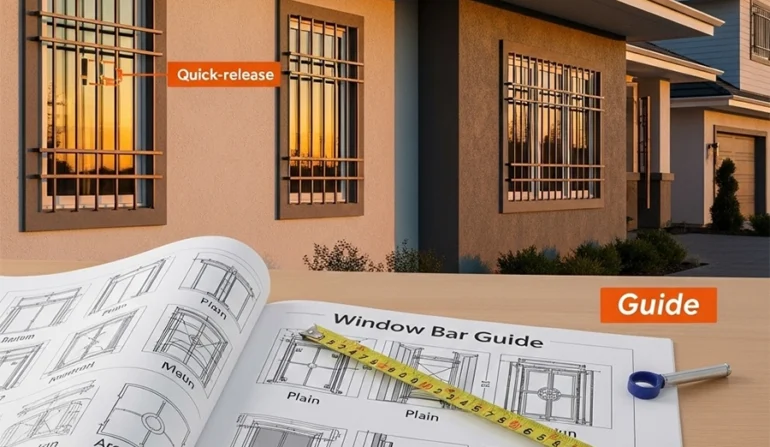
Quick-Release Window Bars for Bedrooms & Basements

Quick-Release Window Bars for Bedrooms & Basements: Egress Safety Made Simple

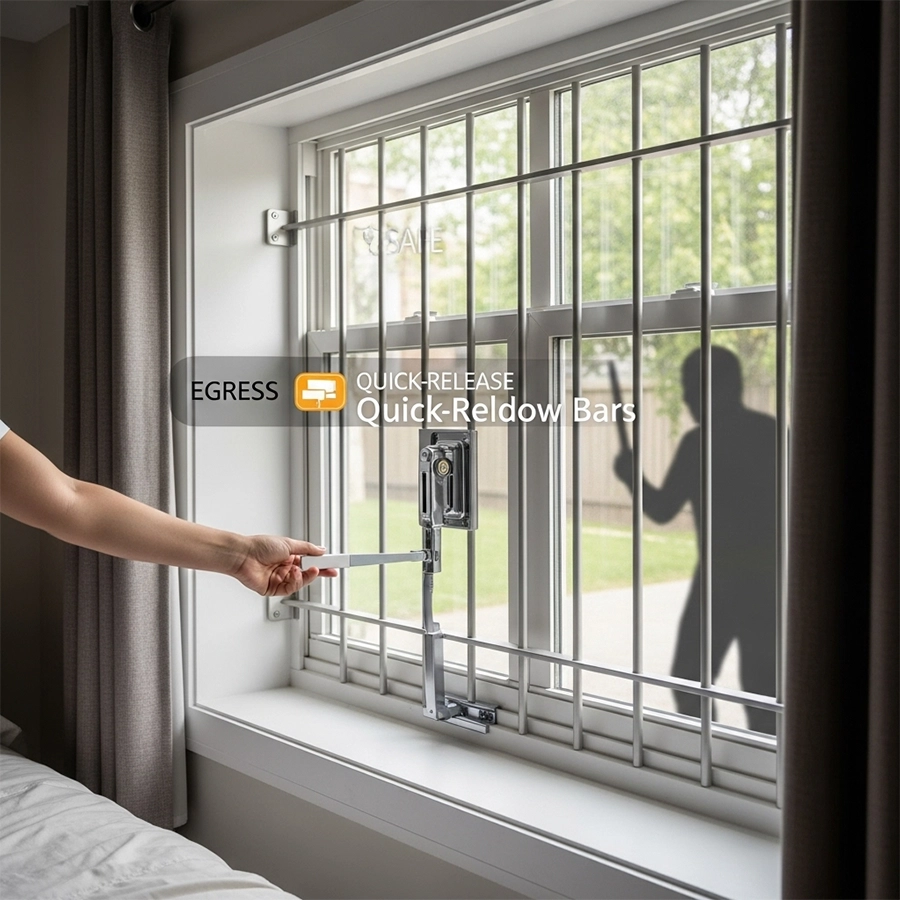
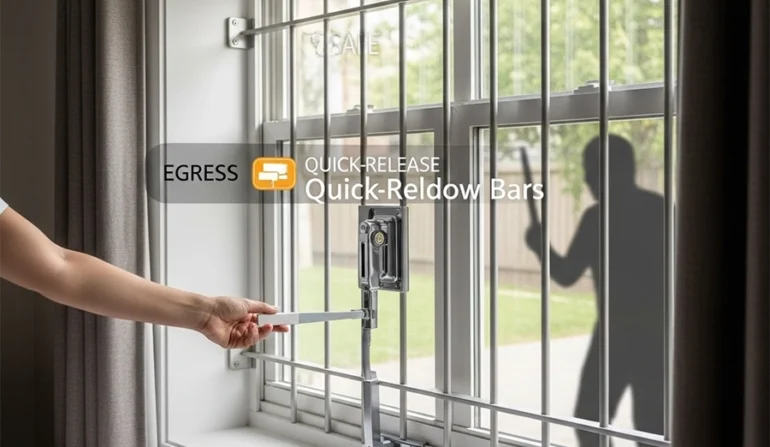
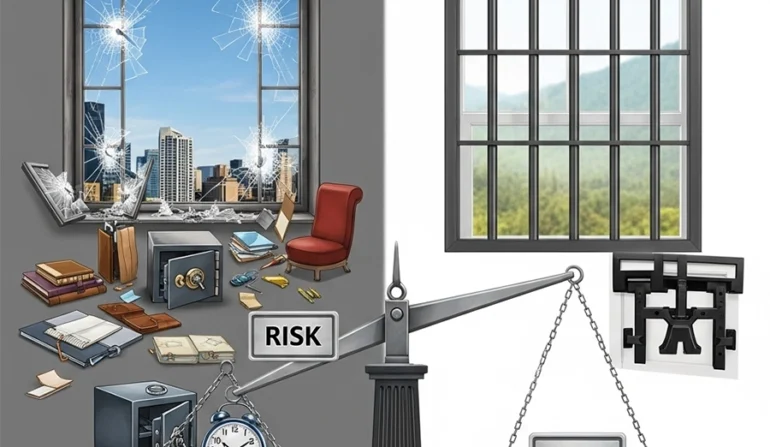
If you’re adding security to bedrooms or basements, you’ll quickly run into a life-safety concept called egress—a fancy word for “you must be able to get out fast from the inside.” That’s where quick-release window bars come in: they provide a visible, physical barrier to deter intruders, yet open rapidly from the interior without tools or keys.
This long-form guide translates egress into plain English. You’ll learn when egress applies, how quick-release mechanisms work, how to plan hinge side and swing path, and how to spec telescopic height and modular width on an adjustable system so real windows (tall, wide, uneven) are covered without custom ironwork. 

We’ll compare frame-mount vs wall-mount choices, show you testing and maintenance cadences, and give you printable checklists, decision trees, and training scripts for your family or tenants.
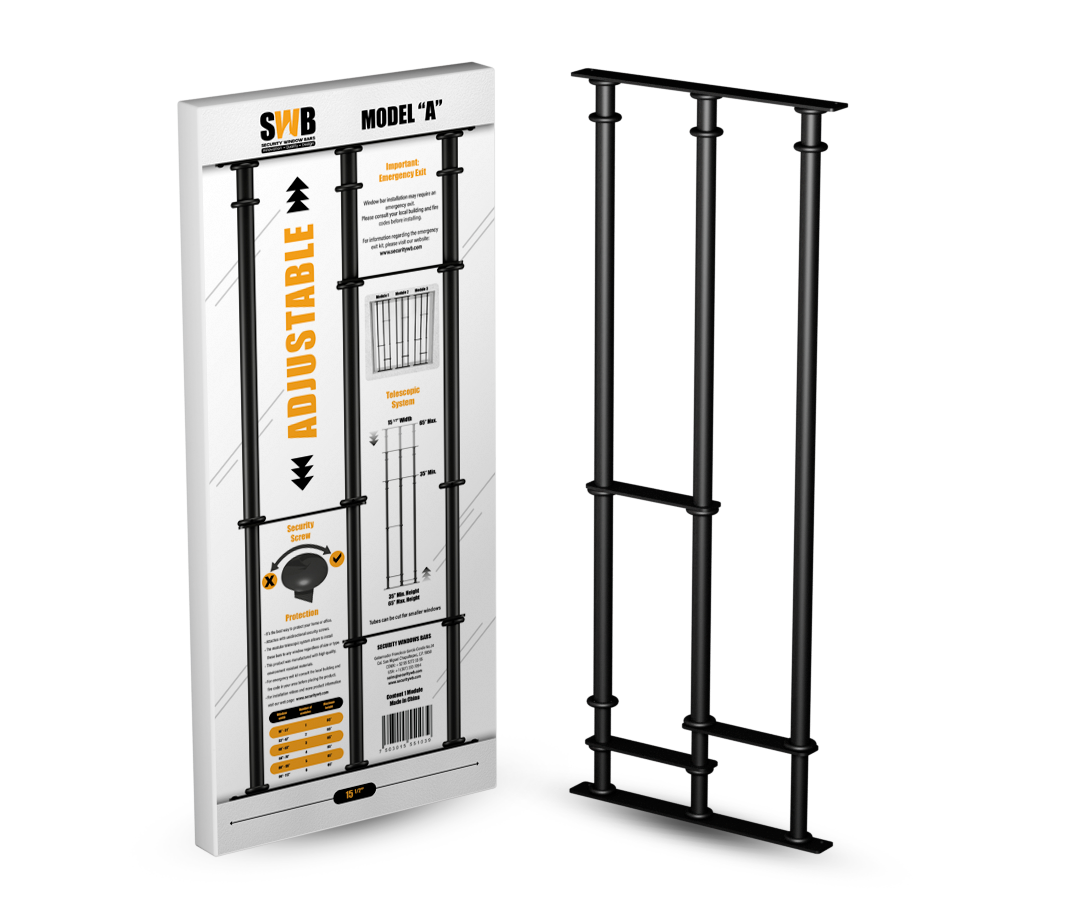
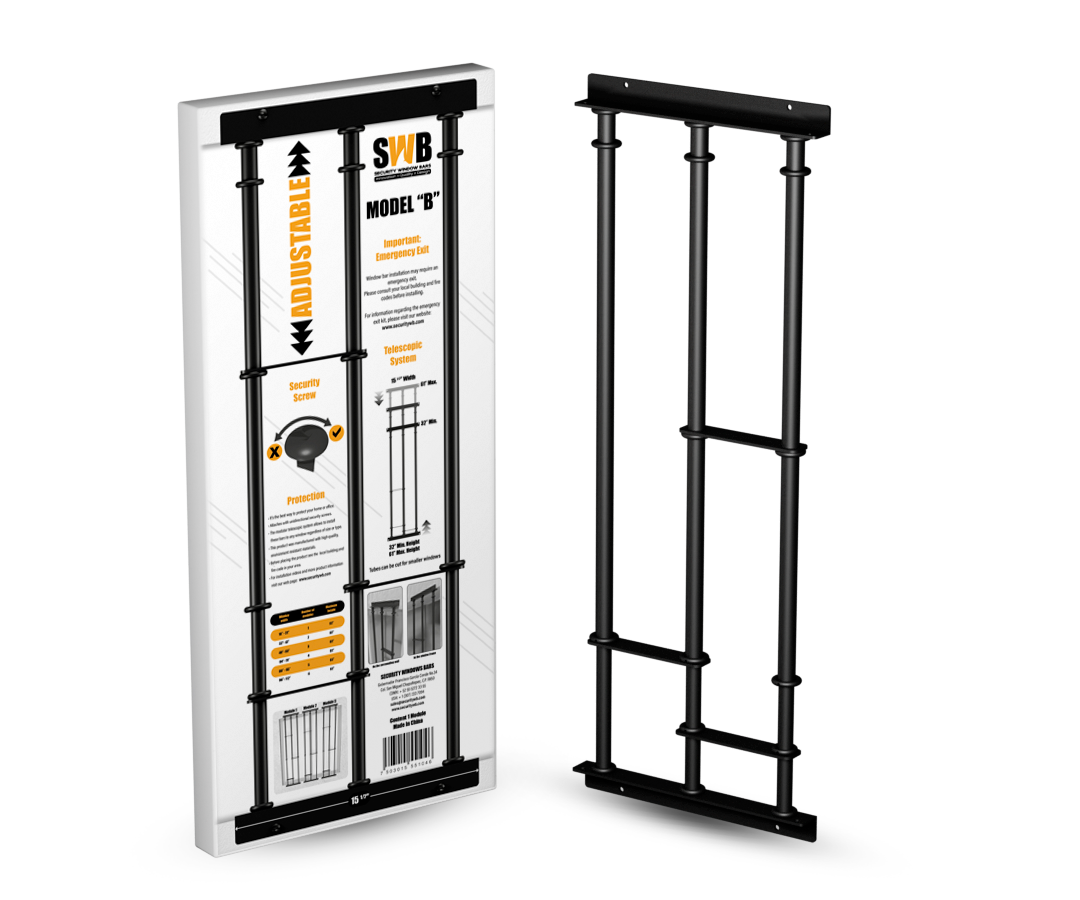
We reference the SWB lineup—Model A, Model B, and Emergency-Exit—but the planning principles apply broadly. One important note: local building and fire rules vary. Use this guide to plan intelligently, then confirm details with your authority having jurisdiction (AHJ).

What exactly is “egress”? (The 60-second answer)

  • Egress means a window (or door) functions as an emergency exit for occupants.
  • For bedrooms and many basements, you must be able to open the window and clear the opening from the inside.
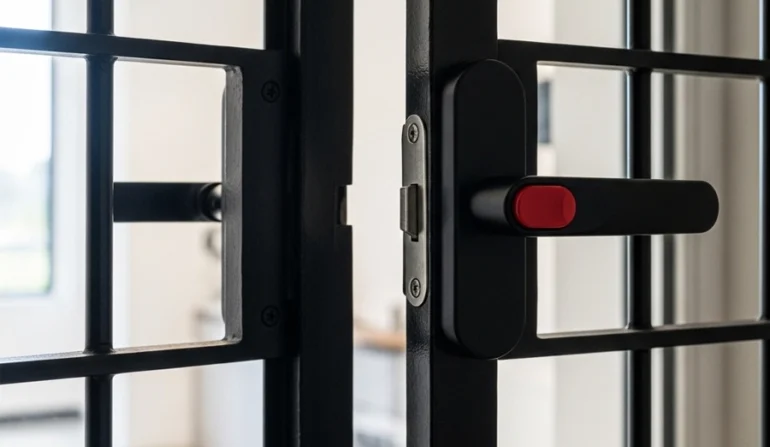
  • If you add security bars to an egress window, they must include an interior-operable quick-release that does not require tools, special keys, or complicated steps.
  • After installation, you must test the release and keep it accessible (no furniture or blinds blocking the handle or swing).


Bottom line: If a window is an emergency exit in your locality, choose a quick-release model and plan the swing path before you buy.

When egress applies (common U.S. scenarios)

  • Bedrooms on any floor commonly require an egress route.
  • Basements with habitable space often require egress via a window/well or door.
  • Converted spaces (attics, garden-level rooms) may trigger egress requirements when they become sleeping rooms.
  • Rental properties: many jurisdictions closely enforce interior-operable releases for sleeping areas.


Important: Code language and dimensions vary. Treat this guide as practical planning, then verify locally.

Quick-release window bars—how they work

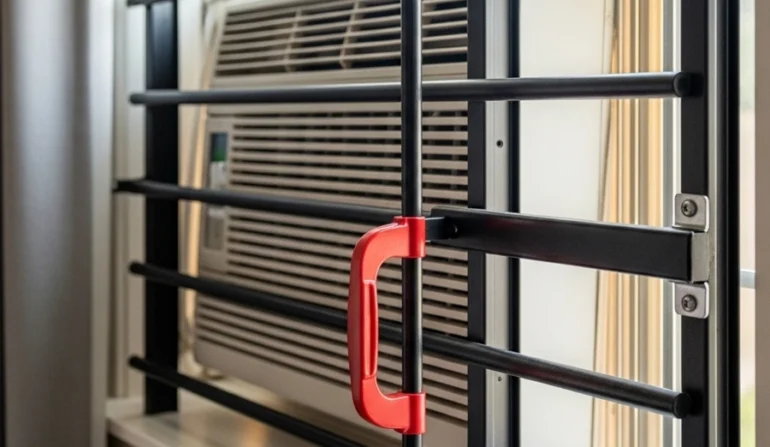
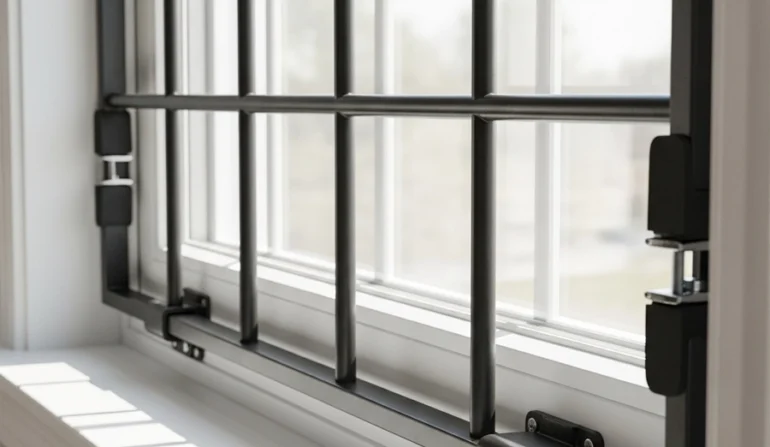
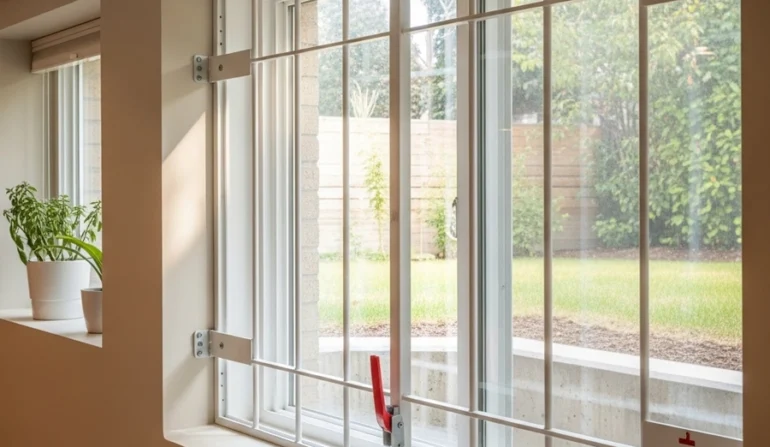
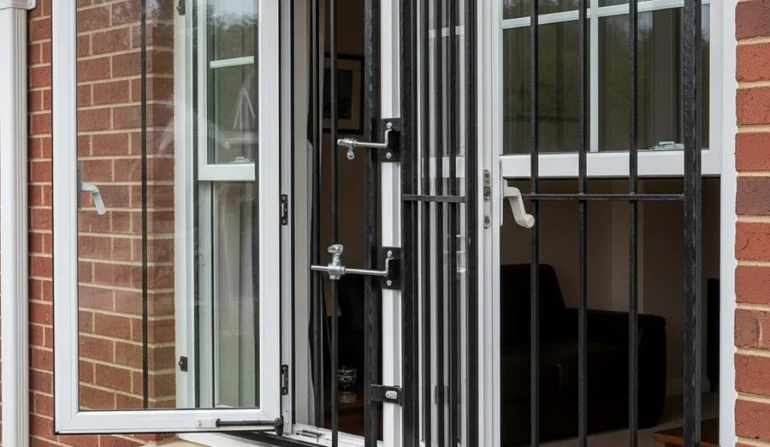
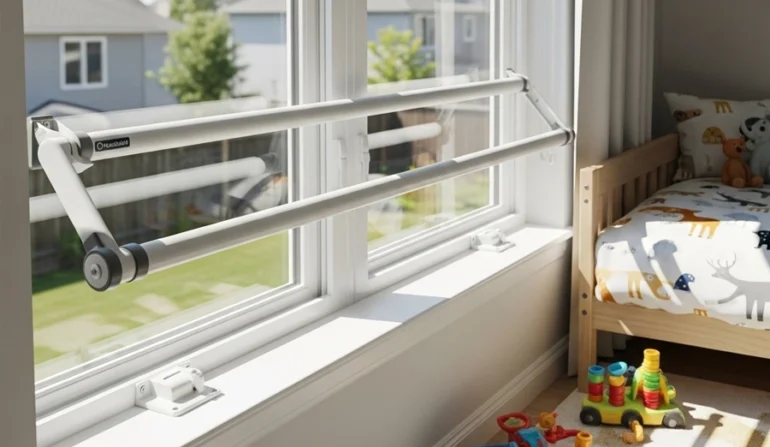
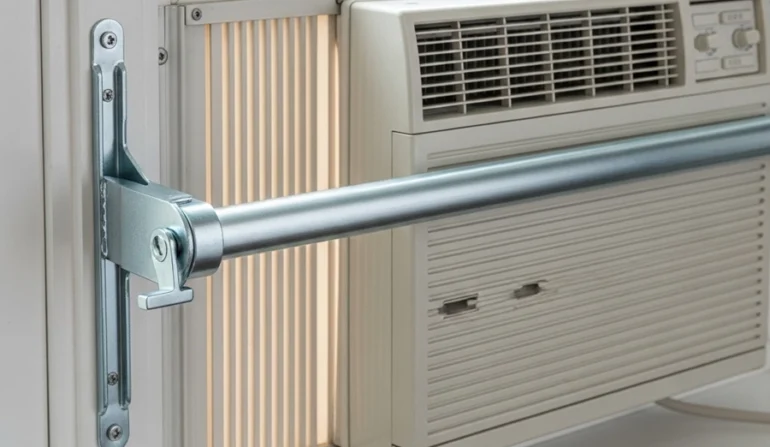
A quick-release bar set looks like a normal security assembly from the outside but includes an interior control that unlatches the unit so it swings or lifts away. Common approaches:

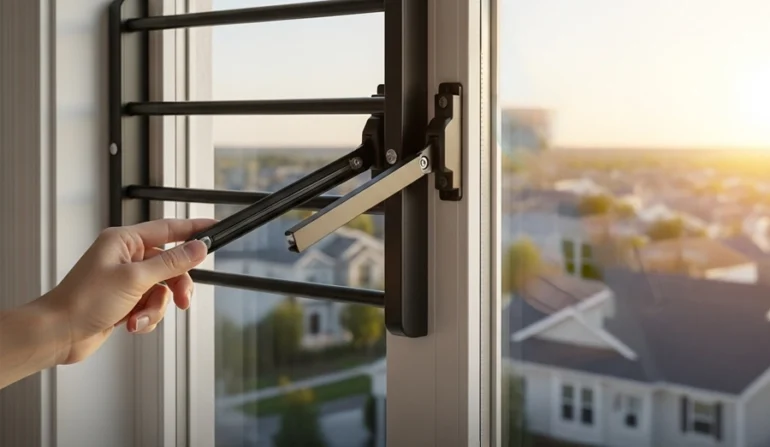
  • Hinged swing-away: the assembly pivots on a hinge side; a protected interior handle releases the latch.
  • Lift-off pins / captive studs: the assembly is secured by interior-operated pins that disengage for removal.
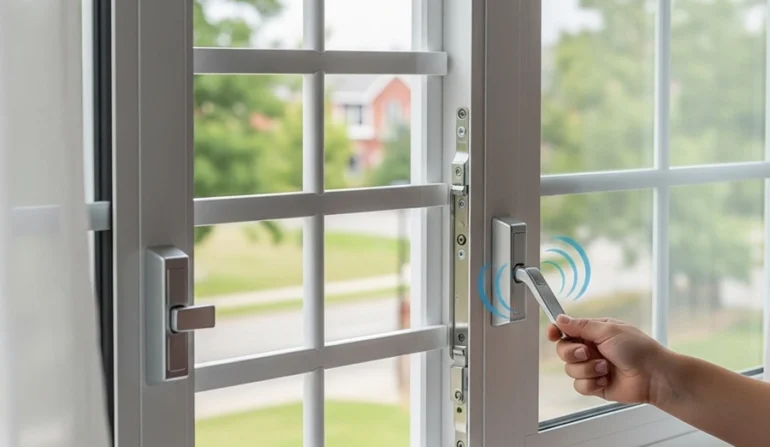
  • Multi-point latches: a single interior control simultaneously releases multiple locking points.

Selection tips

  • Pick a mechanism that a child or older adult can operate under stress.
  • Ensure the control is visible and reachable—not behind blinds or furniture.
  • If the sash opens inward (e.g., hopper), confirm the release swing and sash swing don’t collide.

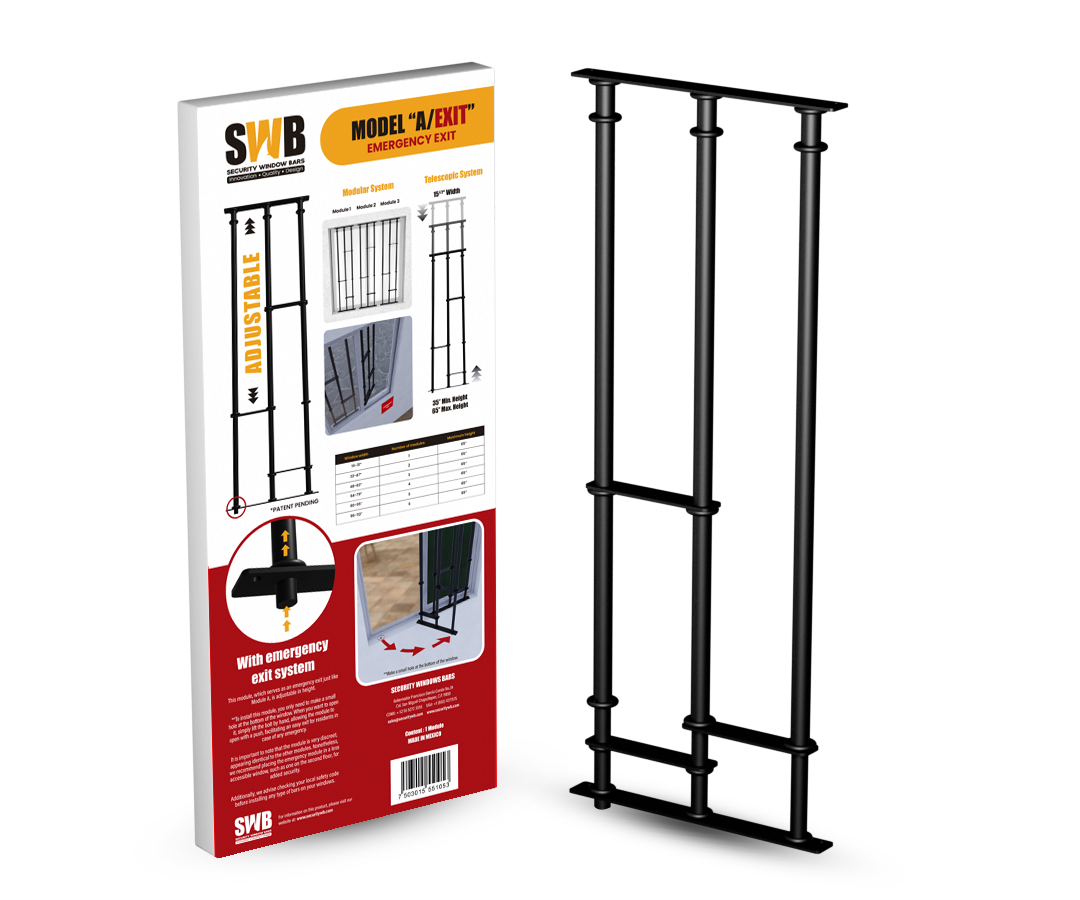
See the SWB Emergency-Exit model for an interior-operable release designed around telescopic height and modular width.

Planning the swing path (the part most people skip)

Choose hinge side intelligently

  • Open space wins: pick the hinge side that swings toward clear floor/wall area, not into a corner.
  • Avoid conflicts: consider blinds, shades, crank handles, mullions, furniture, and nearby doors.
  • Handed rooms: in bedrooms, hinge away from the bed if possible to prevent interference.

Map the full motion

  • Interior bars swing: mark a 180° arc if possible; at minimum ensure the assembly clears the opening enough for an adult to pass unimpeded.
  • Sash operation: after release, the window sash must still open to the required clear opening. If a crank-out casement conflicts, adjust standoff or re-mount.

Keep it accessible

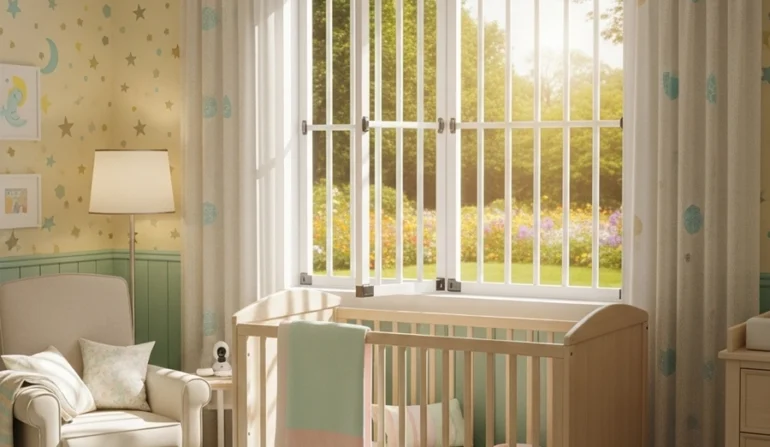
  • No obstructions: don’t place dressers, couches, or cribs where they block the release.
  • Cable/cord management: route blind cords so they don’t snag the handle.
  • Label: add a small interior sticker: “Emergency Exit — Keep Clear.”

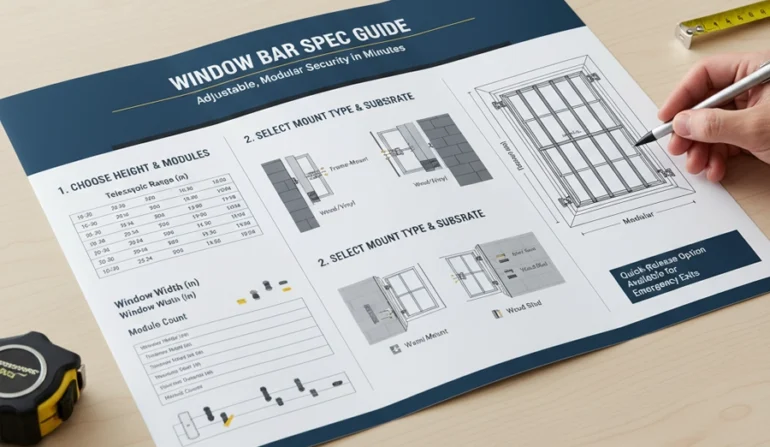
Spec’ing the hardware (height, width, mount, location)

Telescopic height (don’t run at max)

  • Pick a telescopic height range that comfortably covers your measured height without maxing the mechanism.
  • Typical real-world bands run up to ~65 in on SWB units (confirm the product page).

Modular width (span big windows cleanly)

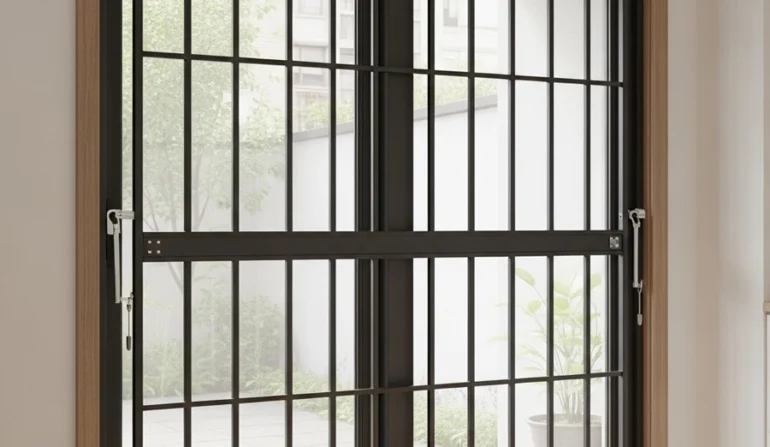
  • Start with one core module, then add modules side-by-side to reach width.
  • Common planning:
    • 48–60: Core + 1 module
    • 60–72: Core + 1–2 modules
    • 72–79: Core + 2–3 modules (typical practical max for one assembly)
    • ~79: Use two adjacent assemblies (left/right) for symmetry and egress swing.

Frame-mount vs wall-mount (which, where, why)

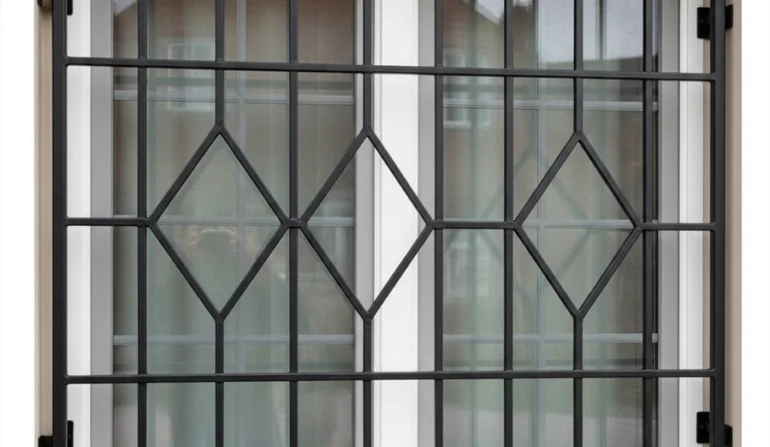
  • Frame-mount (tight, minimal standoff): great when jambs are plumb and solid.
  • Wall-mount (Model B emphasis): anchors to brick/block/studs; keeps long spans straight and offers standoff to clear handles/blinds. Ideal on masonry, out-of-square frames, or wide sliders.
    Deep dive: Wall-Mount Guide

Interior vs exterior placement

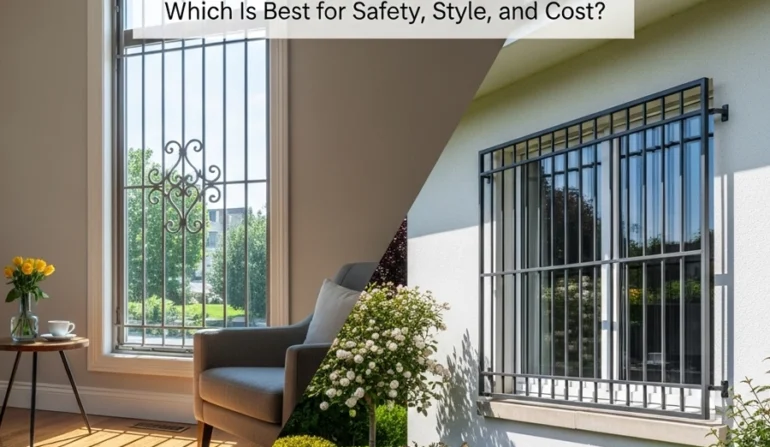
  • Interior: simplifies quick-release access and protects finish from weather.
  • Exterior: stronger street-side deterrence; plan for corrosion care and tamper-resistant hardware.
    More: Interior vs Exterior

Bedrooms vs basements—special considerations

Bedrooms

  • Egress is commonly enforced; quick-release is the safe assumption.
  • Interior placement preferred for reachability.
  • Keep bed frames, dressers, and blackout curtains off the swing path.

Basements

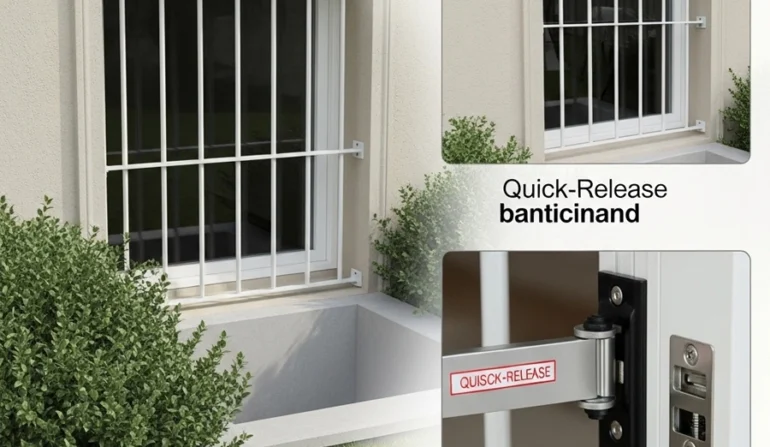
  • Moisture and masonry are the norm; wall-mount into brick/block is often best.
  • Window wells: ensure the released assembly and the open sash both clear well walls, grates, or ladders.
  • Condensation: allow slight standoff so bars don’t trap dampness against masonry.

Decision tree

Step 1 — Egress status

  • Is this a sleeping room or basement egress window?
    • Yes choose quick-release; go to Step 2.
    • No standard security bars may be appropriate (still verify locally).

Step 2 — Mount & location

  • Substrate: wood jamb (frame-mount ok) or brick/block/studs (wall-mount preferred)?
  • Placement: interior (easier access) or exterior (deterrence)?
  • If exterior + quick-release, confirm protected, interior-operable control.

Step 3 — Hinge & swing

  • Pick hinge side toward clear space.
  • Verify full swing and sash open after release.

Step 4 — Sizing

  • Select telescopic height comfortably within range.
  • Add modules until you’ve reached width; center visually.

Step 5 — Test & train

  • Operate the release, swing fully, open sash, re-latch.
  • Train household/tenants; log the test date.

Installation overview (quick-release specifics only)

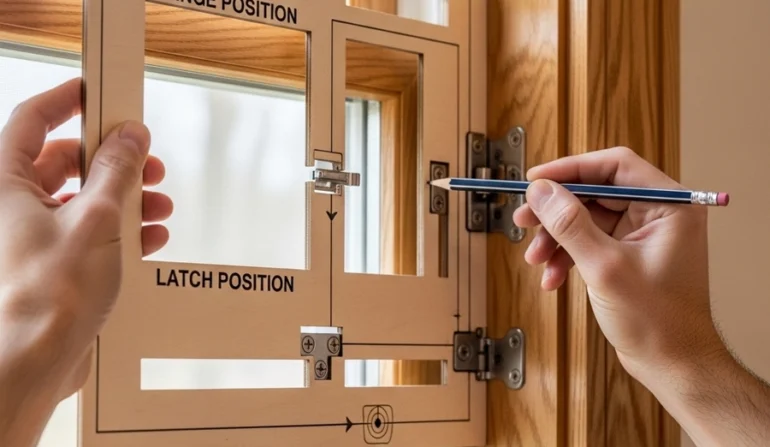
  1. Dry-fit the assembly; confirm hinge side and handle reach.
  2. Mark holes level/plumb; pick anchors for your substrate (wood, brick, block, studs).
  3. Mount core module snugly; keep the telescopic mechanism centered in its range.
  4. Add modules for width; check level across the span.
  5. Set the release per instructions; verify latch engagement.
  6. Operate the release: swing/clear, open the sash fully, then re-latch.
  7. Apply an interior label (“Emergency Exit — Keep Clear”) and record a test date.
    Full DIY steps: DIY Installation

Training your household or tenants

Adult script (30 seconds):
“During an emergency, pull this handle straight toward you and the bars will swing open. Step through, then call for help. Keep this area clear.”

Child script (simple):
“If there’s smoke or fire and you can’t use the door, pull this handle and climb out the window. We’ll practice together.”

Tenant orientation (move-in checklist):

  • Demonstrate the release; have the tenant operate it once.
  • Show where furniture must not be placed.
  • Log the demonstration date and initials.

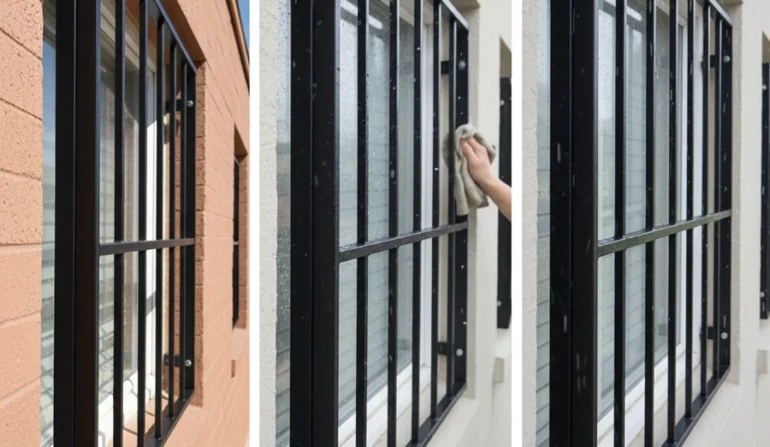
Testing cadence & maintenance (life-safety habits)

Immediately after install

  • Operate the release; confirm full swing, open sash, re-latch securely.

Monthly (or quarterly for interiors in mild climates)

  • Operate the release once.
  • Check that blinds, cords, and furniture aren’t blocking the handle or swing.
  • Re-torque fasteners (exterior) and inspect finish; touch up chips promptly.

After renovations or furniture moves

  • Re-test release and swing path.
  • Update labels if removed during painting.

More care tips: Materials, Finishes & Maintenance

Common mistakes (and how to avoid them)

  • Using fixed bars on a window that functions as an emergency exit.
  • Burying the handle behind curtains, blinds, or furniture.
  • Choosing the wrong hinge side, causing the swing to collide with trim or a dresser.
  • Over-extending telescopic height instead of picking the right range.
  • Under-speccing modules, leaving exposed glass at the latch side.
  • Anchoring into finish only (stucco/drywall) instead of structure (masonry or studs).
  • Skipping the test after install (or never re-testing).

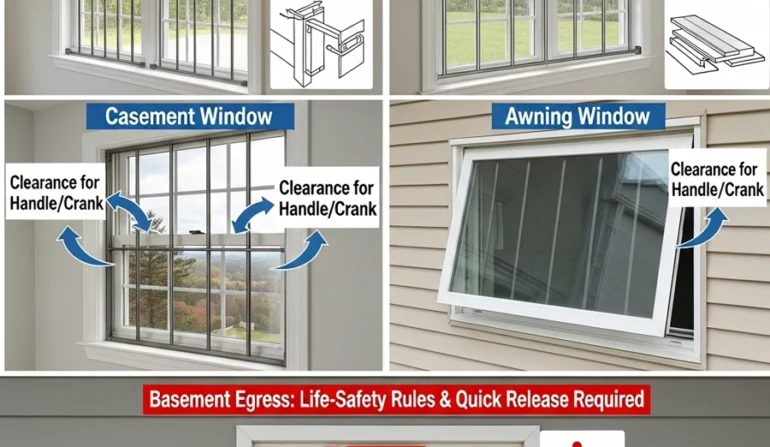
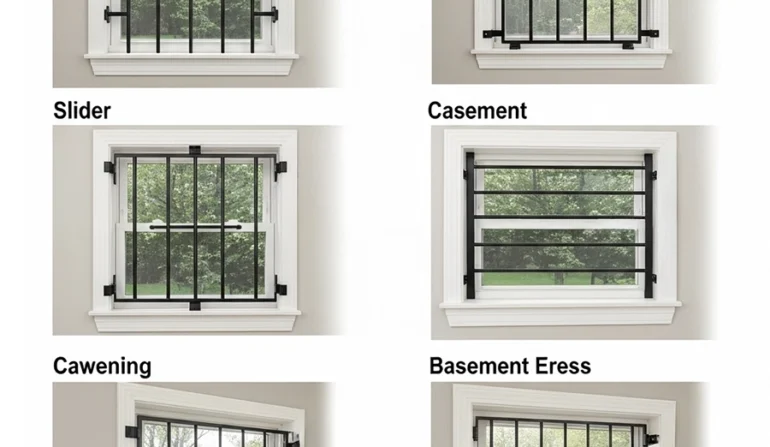
Casement, awning, hopper—extra notes for operable sashes

Casement (crank-out):

  • Interior bars should clear the crank path; small standoff may be required.
  • If you insist on exterior bars, accept that sash opening may be limited.

Awning (top-hinged):

  • Interior installs usually avoid conflicts; exterior installs can limit opening angle.

Hopper (inward swing, common in basements):

  • Quick-release must swing or lift away so the inward sash can still open.
  • Consider interior wall-mount (Model B) to create room for the swing.

More on window types: Window Bars for Every Window Type

Worked examples (bedroom & basement)

Bedroom, double-hung, 35 W × 52 H (interior, egress)

  • Mount: Frame-mount (jambs plumb).
  • Sizing: Mid telescopic height; Core + 1 module width.
  • Hinge side: away from bed.
  • Model: Emergency-Exit.
  • Test: operate release, swing, open sash fully, re-latch.

Basement hopper, 32 W × 40 H (interior, egress)

  • Mount: Wall-mount to studs/masonry (clear inward sash).
  • Sizing: Short/Mid telescopic; Core width (add small module if centering).
  • Model: Emergency-Exit.
  • Note: verify clearance to well wall or grate.

Slider, 72 W × 48 H (exterior masonry, may be egress)

  • Mount: Wall-mount to brick/block; slight standoff for drainage.
  • Sizing: Mid telescopic; Core + 2 modules.
  • Model: Emergency-Exit if treated as egress; otherwise Model B.
  • Test: swing and sash movement; ensure blinds/rods inside don’t block the handle.

Table — Quick-release planning at a glance

Item Bedroom Basement
Likely egress?
Often yes
Often yes
Preferred placement
Interior (reachability)
Typical mount
Frame-mount (if jambs are true)
Wall-mount to masonry/studs
Common hinge choice
Away from bed
Toward open space/away from well wall
Insurance deductibles
Portion you pay out of pocket
Paid every time you claim
Moisture concern
Low–Medium
Medium–High (standoff helps)
Monthly test
Recommended
Strongly recommended

FAQs

Do I need a quick-release on every bedroom window?


If the window functions as an emergency exit in your jurisdiction, plan on a quick-release. When in doubt, choose safety and verify locally.

Are quick-release bars less secure?

No, when installed correctly. From outside, they’re a robust barrier; from inside, they’re designed to open rapidly. Follow hardware and tamper-cover instructions.

Can kids operate the release?

Choose a release that’s simple and reachable; practice the motion (pull/lift/turn). Supervision matters—train the entire household.

Will interior bars look “too industrial”?


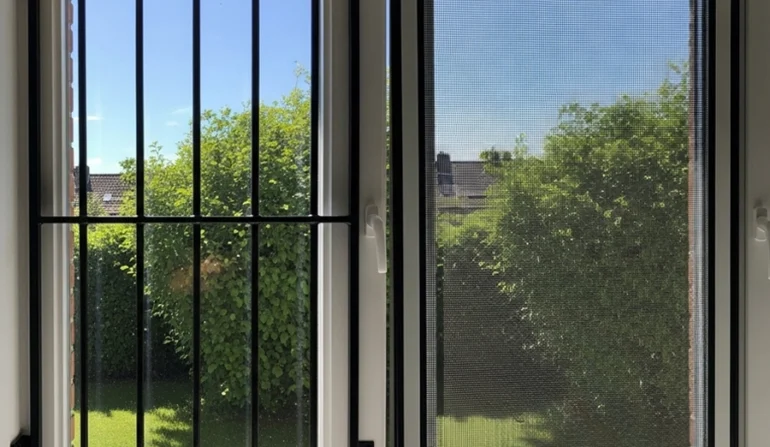
Align modules with mullions, choose a finish that matches trim, and keep standoff minimal. If you prefer near-invisible options, compare clear bars or security screens: Compare.

What if my opening is wider than ~79″?


Run two adjacent assemblies for symmetry and full swing, or ask us for a layout suggestion.

Print-ready checklists

Quick-release Pre-Purchase Checklist

  • Window is egress? choose Emergency-Exit
  • Hinge side chosen (toward clear space)
  • Interior placement preferred for reachability
  • Mount: frame-mount (true jambs) or wall-mount (masonry/uneven)
  • Height band chosen (don’t max telescopic range)
  • Width: Core + __ modules (center visually)
  • Obstructions noted: blinds, handles, sensors, furniture
  • Well/grate clearance (basements) confirmed

Quick-release Test Log (post-install)

  • Handle reachable and labeled (“Emergency Exit — Keep Clear”)
  • Release operates smoothly (no binding)
  • Assembly swings/clears fully
  • Sash opens to exit size
  • Re-latch secure
  • Household/tenants trained
  • Next test date: ____

Bottom line

For bedrooms and basements, egress isn’t an optional feature—it’s a life-safety requirement. The good news is you don’t have to choose between security and safety. With quick-release window bars, you get both: an obvious, physical barrier to deter intruders and a fast, interior-operable escape route when seconds matter. Plan the hinge side, ensure a clear swing path, size with a comfortable telescopic range, add modules for width, and pick the mount that matches your structure. Then test, label, and train.
If you want a system that fits real-world windows without custom ironwork, start with SWB’s modular & telescopic lineup and add the Emergency-Exit model where egress applies.

EMAIL ADDRESS: sales@securitywb.com
SITE: www.securitywb.com
PHONE:
CDMX: +52 (55) 5272 3355  USA: +1 (650) 4371 575

Recent Post

COOKIES POLICY

Security Window Bars LLC ("SWB") uses cookies and similar technologies to improve your browsing experience and enhance the functionality of our website www.securitywb.com (the “Website”). This Cookies Policy explains what cookies are, how we use them, and how you can manage your cookie preferences.

By using our Website, you agree to our use of cookies as described in this policy.

Last Updated: 01/01/25