
Decorative Window Bars: Wrought Iron Styles That Boost Curb Appeal and Home Security
Discover decorative window bars in wrought iron styles that protect your home without sacrificing curb appeal. Spear-point, Georgian, and powder-coat options for every US home.
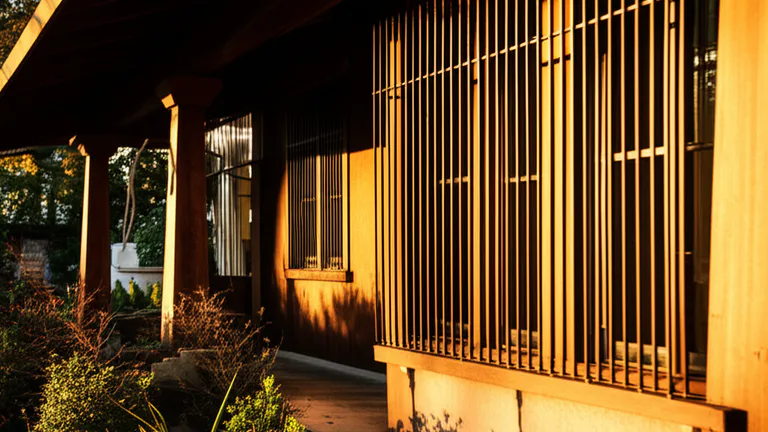
SWB combines high-quality steel strength with aesthetic designs that enhance your property value, offering the security your family deserves. When most American homeowners picture decorative window bars wrought iron curb appeal home security, they imagine the classic ornamental ironwork that lines historic neighborhoods from Savannah, Georgia to San Francisco’s Victorian districts — elegant, sturdy, and unmistakably secure. But beauty alone does not stop a burglar. According to the FBI Uniform Crime Report, approximately 6.7 million home burglaries occur in the United States every year, and nearly 60% of forced entries happen through ground-floor windows and doors. The good news: today’s decorative window bars in wrought iron and powder-coated steel offer the perfect marriage of form and function. Whether you own a craftsman bungalow in Chicago, a Spanish colonial in Los Angeles, or a Federal-style rowhouse in Philadelphia, the right ornamental window bar system protects your home without making it look like a prison. This guide breaks down every style, finish, and installation consideration you need to make a smart, security-forward, aesthetically sound decision.
Urban centers with dense apartment and rowhouse populations consistently rank among the highest-risk areas for residential burglary in the United States. Cities…
Why Decorative Window Bars Are a Smart Investment for US Homeowners
The American home security market is evolving fast. Traditional window bars — plain steel rods welded into a flat grid — were functional but visually uninspiring, signaling neglect rather than intentional design. Today, decorative window bars in wrought iron and high-grade powder-coated steel have repositioned themselves as architectural accents that simultaneously serve as serious physical deterrents. According to the Bureau of Justice Statistics, homes without visible security measures are 2.7 times more likely to be targeted by opportunistic burglars. Visible bars on windows function as a passive deterrent: a burglar casing a block in Memphis, Detroit, or Houston will almost always skip the house with reinforced windows in favor of an easier target. Beyond security, the right decorative bars can actually increase property value. A National Association of Realtors study found that curb appeal improvements — including architectural ironwork — can boost a home’s perceived value by 5% to 11%. For homeowners in historic districts across cities like Charleston, New Orleans, or Baltimore, wrought iron window detailing is not just permitted — it is often expected and sometimes required by local preservation guidelines. The dual benefit of protection plus aesthetics makes decorative window bars one of the highest-return security investments available to American homeowners today.
The Burglary Risk Landscape in American Cities
Urban centers with dense apartment and rowhouse populations consistently rank among the highest-risk areas for residential burglary in the United States. Cities like Detroit, Memphis, Baltimore, and Albuquerque regularly appear in FBI UCR data as having burglary rates well above the national average. Even in suburban markets — think outer Chicago, metro Atlanta, or the Dallas-Fort Worth corridor — ground-floor windows remain the most vulnerable point of entry. Installing decorative window bars wrought iron style on these exposure points creates a visible, physical barrier that no alarm system can replicate. An alarm triggers after entry has begun; a steel bar prevents entry from starting at all. This distinction matters enormously when the average police response time to a residential burglary alarm in the US is 11 minutes, according to the Security Industry Association — more than enough time for a skilled intruder to grab valuables and leave.
Curb Appeal and Property Value: What the Numbers Say
The idea that security bars diminish curb appeal is an outdated myth rooted in the image of bare, industrial-grade steel rods. Modern decorative burglar bars — particularly those featuring spear-point finials, scroll accents, and Georgian cross-bar patterns — photograph beautifully and complement a wide range of American home styles. Real estate professionals in markets like Savannah, New Orleans, and Washington D.C. consistently note that well-chosen wrought iron window details are a selling point, not a liability. For landlords and property investors managing multi-family units, attractive security grilles on ground-floor windows can even justify a modest rent premium by demonstrating proactive safety management — an increasingly important factor for renters comparing options in competitive urban rental markets.
Classic Wrought Iron Styles: Matching Bars to Your Home’s Architecture
One of the most common mistakes American homeowners make when shopping for decorative window bars is choosing a style that clashes with their home’s existing architectural language. A spear-point vertical steel design that looks stunning on a Gothic Revival cottage in Louisville would look completely out of place on a mid-century modern ranch home in Phoenix. Understanding the major decorative bar styles — and which home types they complement — is essential for achieving that combination of authentic curb appeal and serious home security. The four dominant ornamental bar styles in the US residential market are: flat Georgian cross-bar grilles, vertical spear-point designs, scroll and S-curve ironwork, and diagonal diamond-grid patterns. Each carries its own historical lineage and its own set of architectural pairings. Modern powder-coated steel bars replicate the appearance of traditional hand-forged wrought iron at a fraction of the cost, making these styles accessible to homeowners on virtually any budget. For reference, professional custom wrought iron installation typically runs $600 to $1,800 per window, while quality adjustable steel bar systems deliver comparable security at a dramatically lower price point.
Georgian Cross-Bar and Internal Bar Glazing Styles
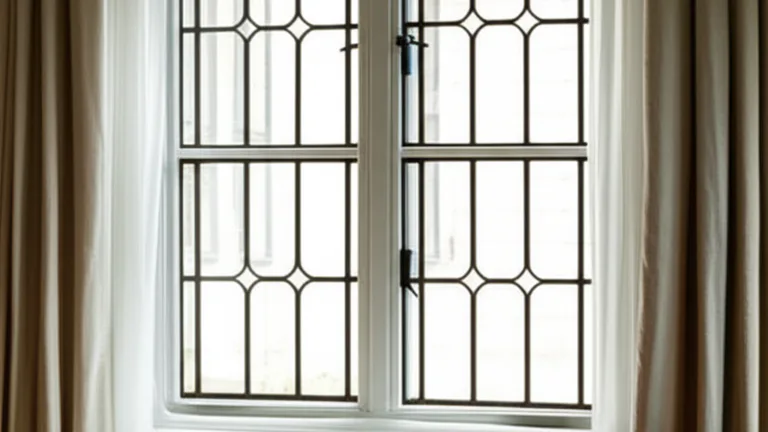
The Georgian bar pattern — characterized by a regular grid of horizontal and vertical bars dividing a window into smaller rectangular or square panes — is one of the most historically significant and widely recognized window design elements in American residential architecture. Originally developed in 18th-century Britain and brought to the American colonies, Georgian glazing bars became a defining feature of Federal, Colonial Revival, and traditional American homes. Today, internal Georgian bar windows and Georgian bar glazing systems are widely used in both decorative and functional security contexts. When applied as security grilles over existing windows, Georgian-pattern bars evoke classic American craftsmanship while providing genuine physical protection. Homes in historic neighborhoods of Boston, Philadelphia, Annapolis, and Alexandria, Virginia frequently incorporate this style to satisfy both preservation board requirements and modern security needs. The tight rectangular grid of a Georgian-pattern grille leaves minimal space between bars — typically 3 to 4 inches — which is well below the threshold that allows forced entry.
Spear-Point Vertical Bars: Security That Signals Sophistication
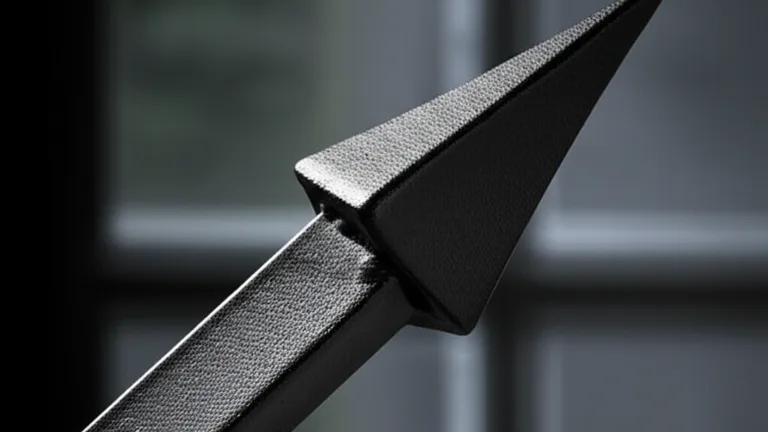
Spear-point vertical window bars are perhaps the most visually dramatic decorative security option available to American homeowners. The design features vertical steel bars — typically 1/2 inch square or round stock — topped with a pointed, lance-shaped finial that projects upward from the top rail of the grille frame. Products like the Grisham spear point window security guard vertical steel have made this style widely recognizable in the US market, particularly for ground-floor applications on traditional and craftsman-style homes. The visual message of spear-point bars is unmistakably assertive: this home is protected, and entry will not be easy. Yet the refined finial detail elevates the design above raw industrial hardware, lending the bars a wrought iron, estate-quality appearance. This style pairs exceptionally well with Victorian, Italianate, Tudor Revival, and traditional craftsman homes common across the Midwest, Mid-Atlantic, and Pacific Northwest regions of the United States. When paired with cross bars in windows to create a spear-point grid, the combination offers both a refined aesthetic and a genuinely robust physical barrier.
Scroll and Ornamental Ironwork for Southern and Spanish Colonial Homes
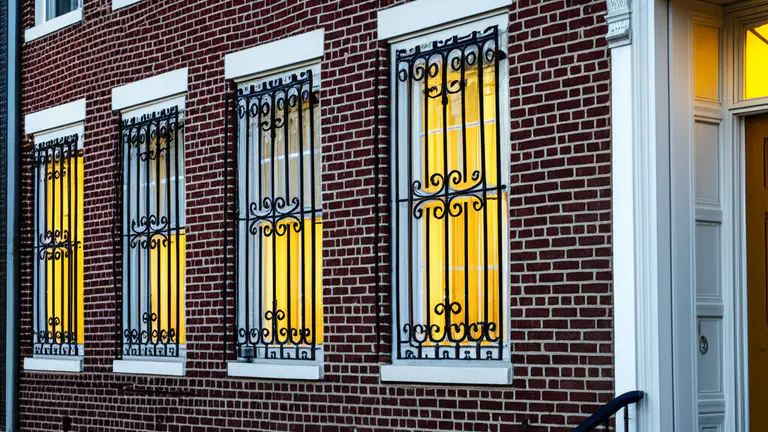
In the American South and Southwest — from the French Quarter of New Orleans to the Spanish colonial neighborhoods of Santa Barbara, San Antonio, and Tucson — scrollwork ironwork is a deeply embedded architectural tradition. Decorative window bars featuring S-curves, C-scrolls, and fleur-de-lis accents are not afterthoughts in these markets; they are expected elements of the built environment. Modern steel security grilles that incorporate these scroll elements deliver the same physical security as plain bar designs, but they read as decorative architectural details rather than reactive safety measures. For homeowners in these regions, domestic window security grilles with ornamental scroll work represent the most culturally appropriate and aesthetically harmonious security solution available.
Powder-Coat Color Options: Beyond Basic Black
For decades, residential window security bars came in exactly one color: flat black or raw steel gray. The modern decorative security bar market has moved well beyond these defaults, offering powder-coated finishes in a broad spectrum of colors that allow homeowners to match or complement their existing exterior paint schemes, trim colors, and architectural hardware. Powder coating is not merely cosmetic — it is a functional surface treatment that applies a dry electrostatic powder to the steel substrate and cures it at high temperature, creating a finish that is dramatically more durable and corrosion-resistant than traditional liquid paint. For American homeowners in coastal environments — Miami, Houston’s Gulf Coast, the Carolinas, Pacific Northwest — where salt air and humidity accelerate steel corrosion, a quality powder-coat finish is genuinely important for long-term performance. The most popular powder-coat colors in the US residential decorative bar market include matte black, oil-rubbed bronze, antique white, hammered pewter, and forest green. Each carries its own set of architectural affinities and regional traditions.
Matte Black: The American Standard for Security Hardware
Matte black remains the most versatile and universally appropriate powder-coat finish for decorative window bars in the United States. It reads as intentional and modern on contemporary homes, as classic and traditional on Victorian and craftsman styles, and as appropriately severe on commercial and industrial properties. The Security Window Bars Model A Telescopic bars ship in a matte black powder-coat finish specifically because this color integrates cleanly with the broadest possible range of American home exteriors. In high-design urban markets like Brooklyn, Chicago’s Logan Square, and San Francisco’s Mission District, matte black window bars have become something of an architectural signature — seen on renovated brownstones and modern loft conversions alike as both a security measure and a deliberate aesthetic choice.
Bronze, White, and Custom Colors for Regional and Period Homes
Oil-rubbed bronze finish is the preferred choice for American homes with traditional or rustic architectural character — craftsman bungalows in the Pacific Northwest, Federal-style homes in New England, or plantation-style residences in the Deep South. Bronze bars read as antique ironwork, visually consistent with period hardware and door fixtures. Antique white and off-white powder coats are popular in Southern colonial and Gulf Coast vernacular architecture, where white-painted ironwork on porches, gates, and window guards is a regional hallmark. Hammered pewter and silver-gray finishes suit contemporary homes in desert Southwest markets like Scottsdale and Albuquerque, where warm earth tones and metallic accents are architectural norms. Selecting the right finish is as important as selecting the right bar style — the two together determine whether your decorative window bars read as a deliberate design choice or an awkward security retrofit.
Fire Safety and Building Code Compliance: The Non-Negotiable Factor
No discussion of decorative window bars wrought iron curb appeal home security is complete without an honest examination of fire safety requirements under US building codes. Across the United States, the International Building Code (IBC), the NFPA 101 Life Safety Code, and the International Residential Code (IRC) all establish requirements for emergency egress from sleeping areas — specifically, that any window in a bedroom or sleeping room must be capable of providing a clear opening of at least 20 inches wide and 24 inches tall to allow occupant escape and firefighter access. Fixed, non-releasable window bars — including many traditionally installed wrought iron designs — directly conflict with these requirements when installed on bedroom or sleeping area windows. This is not a minor regulatory technicality: it is a life safety issue. According to the National Fire Protection Association, home fires kill approximately 2,500 Americans every year, and failure to escape through a blocked window is a documented cause of fire fatalities. Any homeowner, landlord, or property manager installing decorative window bars on bedroom windows must ensure the system includes a quick-release or egress mechanism that allows rapid opening from the inside without tools or keys. Non-compliance can expose property owners to significant liability and, in rental housing, may violate local housing codes requiring safe egress from all sleeping areas.
IBC and IRC Egress Window Requirements Explained
The International Residential Code Section R310 specifies that emergency escape and rescue openings in sleeping rooms must have a minimum net clear opening of 5.7 square feet at grade level, with a minimum clear opening height of 24 inches and a minimum clear opening width of 20 inches. The maximum sill height is 44 inches from the finished floor. These are the baseline requirements that any window security bar system installed in a bedroom or sleeping area must accommodate. Importantly, the code does not prohibit window security bars — it requires that if bars are installed on egress windows, they must be openable from the interior without the use of a key, tool, or special knowledge, and must open to provide the full required egress opening. This is precisely the design brief addressed by the Model A/EXIT egress compliant window bar system.
Egress-Compliant Decorative Bars: The Model A/EXIT Solution
The Security Window Bars Model A/EXIT was specifically engineered to resolve the apparent conflict between decorative security bars and fire egress compliance. Featuring a patented quick-release mechanism, the Model A/EXIT allows any occupant to open the bar system from the inside in seconds without tools, keys, or specialized knowledge — fully meeting IBC, NFPA 101, and IRC emergency egress requirements. This makes it the only appropriate choice for bedroom windows, basement sleeping areas, and any room that may be used as a sleeping space. For landlords managing rental properties in cities like New York City — where Local Law 57 mandates window guards in apartments with children under 10 — or in Chicago, where the building code requires egress compliance in all residential sleeping rooms, the Model A/EXIT provides a fully code-compliant solution. Learn more about the full range of egress and telescopic options at the Security Window Bars installation guide to confirm the right system for your specific window configuration.
How to Match Decorative Window Bars to Your Home’s Architectural Style
Achieving genuine curb appeal with decorative window bars requires matching the bar style, finish, spacing, and scale to the existing architectural language of your home. This is both an art and a science. American residential architecture spans an enormous range of styles — from the Greek Revival antebellum homes of Mississippi to the Pueblo Revival adobe houses of New Mexico, from the craftsman bungalows of Southern California to the Federal brick townhouses of the Mid-Atlantic. Each style carries its own ornamental vocabulary, and the most successful decorative security bar installations are the ones that speak that vocabulary fluently. The core principle is consistency of detail scale. Heavy, bold ironwork with large scroll elements and thick bar stock belongs on substantial Victorian, Romanesque, or Spanish Colonial homes. Light, rectilinear Georgian-pattern grilles with thin bar profiles belong on Federal, Colonial Revival, and neoclassical homes. Spear-point vertical bars occupy a middle ground — assertive enough for Gothic and craftsman styles, refined enough for traditional and transitional homes. Getting this right means looking at your home’s existing ironwork details — hinges, railings, door hardware, light fixtures — and selecting bar profiles that match their visual weight and stylistic reference.
Colonial, Federal, and Georgian Revival Homes
For homes built in the Colonial, Federal, or Georgian Revival tradition — common across New England, the Mid-Atlantic, and the older suburbs of cities like Richmond, Washington D.C., and Baltimore — the appropriate security bar style is a clean, rectilinear grid. Georgian bar glazing patterns, with their regular divisions of horizontal and vertical bars at 90-degree angles, are historically authentic to these homes and read as period-appropriate window detailing rather than retrofitted security hardware. Thin, square-profile bar stock in a flat black or oil-rubbed bronze powder coat finish is the right specification. Avoid heavy scroll elements or spear-point finials on these homes — the ornamental vocabulary of Federal architecture is restrained and geometric, not romantic or expressive.
Craftsman, Victorian, and Tudor Revival Homes
Craftsman bungalows, Queen Anne Victorians, and Tudor Revival homes — ubiquitous in older neighborhoods of Chicago, Los Angeles, Portland, Minneapolis, and Kansas City — support a somewhat heavier, more expressive ornamental ironwork vocabulary. Spear-point vertical bars, modest scroll accents, and slightly heavier bar stock all read as appropriate and authentic on these styles. The craftsman tradition in particular has a strong historical connection to hand-forged ironwork as a mark of quality construction, so visible steel window security bars on a craftsman home carry a degree of stylistic legitimacy that the same bars would not have on a minimalist modern home. Dark hammered finishes that suggest hand-forged iron are especially appropriate for these architectural contexts.
Modern, Contemporary, and Mid-Century Homes
For contemporary, modern, and mid-century homes — prevalent in markets like Palm Springs, Austin, Denver, and Miami’s design districts — the decorative window bar formula is simpler: clean lines, minimal ornamentation, and a matte or satin finish. Horizontal bar systems or minimal vertical bar designs without decorative finials are the right fit for these architectural styles. The telescopic Model A design, with its clean matte black finish and no-drill installation, integrates naturally with the minimalist aesthetic of modern American residential architecture. On a mid-century modern home with large horizontal windows, a clean horizontal telescopic bar system reads as a design-forward choice rather than a security retrofit — achieving exactly the curb appeal goal that decorative bar selection is meant to accomplish.
Removable vs. Fixed Decorative Bars: What Renters and Landlords Need to Know
The American rental housing market presents unique challenges for decorative window bar selection. According to the US Census Bureau, there are approximately 44.1 million apartment renters in the United States — a massive population that needs window security but typically cannot make permanent structural modifications to their units. Traditional fixed wrought iron window bars require drilling into window frames, masonry, or siding — modifications that most landlords prohibit and that can result in forfeiture of security deposits. This has historically forced renters to choose between their security and their lease agreement. Modern telescopic window bar systems — specifically designed for renter-friendly, no-permanent-damage installation — resolve this conflict entirely. The SWB Model A Telescopic Window Bars install using a tension-based system that requires no drilling, no permanent fasteners, and no modifications to the window frame or surrounding wall. They fit windows from 22 to 36 inches wide — covering the standard US residential window size range — and can be installed and removed in 15 to 20 minutes. For landlords, removable security bar systems offer an additional advantage: they can be repositioned between units, removed for painting or window replacement, and adjusted as tenant needs change. This flexibility makes telescopic security bars a smarter investment than fixed welded ironwork for most rental property scenarios.
Telescopic Bars for Apartment Renters: Security Without Lease Violations
If you live in a ground-floor apartment in Chicago’s Logan Square, a first-floor unit in Atlanta’s Old Fourth Ward, or a basement apartment in Brooklyn, the security calculus is clear: ground-floor windows are your most vulnerable point of entry, and you need physical bars. But most standard lease agreements prohibit permanent drilling or structural modifications. The Security Window Bars Model A Telescopic system was designed specifically for this situation. Its tension-fit installation mechanism applies outward pressure against the window frame — the same mechanical principle used by tension-rod curtain rods — creating a secure, load-bearing mount without a single screw hole. When you move out, the bars come with you, leaving zero evidence they were ever installed. This renter-friendly design has made SWB telescopic bars one of the most practical urban security solutions for the 44 million American renters who need protection without risking their deposits.
Fixed Wall-Mount Bars for Homeowners Seeking Maximum Security
For homeowners — particularly those on ground-floor exposures or in high-crime areas of cities like Detroit, Memphis, or St. Louis — fixed wall-mount decorative bars offer the maximum level of physical security. The Security Window Bars Model B Wall-Mount system uses heavy-gauge steel construction with a permanent fastener installation that anchors directly into the structural framing around the window opening. This creates a genuinely immovable barrier that cannot be dislodged by force applied to the bars themselves. For homeowners seeking the aesthetic of traditional wrought iron window guards with the security performance of modern engineered steel, the Model B in its matte black powder-coat finish delivers exactly that combination. It pairs naturally with traditional and craftsman home styles across the Midwest, South, and Mid-Atlantic regions where permanent ornamental ironwork is an established visual tradition.
Installation Considerations for Decorative Window Bar Systems
Successful installation of decorative window bars — whether telescopic, wall-mount, or egress-compliant — depends on accurate measurement, correct product selection, and adherence to manufacturer installation guidelines. American window sizes are not fully standardized, but the most common residential double-hung and casement window widths fall between 24 and 36 inches, placing them squarely within the adjustment range of most quality telescopic bar systems. Before purchasing any decorative security bar system, homeowners should measure the interior width of the window opening at three points — top, middle, and bottom — to account for any taper or irregularity in older window frames, which are common in pre-war housing stock across cities like Boston, Chicago, and New York. Height measurement is equally important for multi-bar systems: the spacing between horizontal bars should comply with the 4-inch maximum gap standard used in residential child safety applications, per ASTM F2090 standard specifications for window fall prevention devices. For homeowners in NYC, this is not merely a best practice — Local Law 57 mandates that window guards in buildings with children under 10 meet specific gap and strength requirements. Compliance with these standards ensures that your decorative window bars provide genuine protection against both forced entry and accidental falls, covering both the security and child safety dimensions of window bar functionality.
Measuring Your Windows for the Right Bar System
Accurate measurement is the single most important step in purchasing decorative window bars. Measure the interior width of the window opening — the distance between the inner edges of the window frame side jambs — at three points: near the top, at the middle, and near the bottom. Record the narrowest measurement as your reference width, since a bar system must fit the tightest point of the opening. For the SWB Model A Telescopic, this measurement should fall between 22 and 36 inches for a proper fit. For the Model B Wall-Mount, measure the full width of the window surround to locate solid framing for anchor point placement. If you are unsure about your specific window configuration, the Security Window Bars installation guide provides detailed measurement instructions for all three SWB models and covers common installation scenarios for both new and older American window types.
DIY Installation vs. Professional Installation: Cost and Time Analysis
Professional window bar installation in the United States typically runs between $600 and $1,800 per window, depending on the region, the complexity of the installation, and the material specifications — with custom hand-forged wrought iron at the top of that range. The total cost for protecting four ground-floor windows with professionally installed fixed ironwork can easily exceed $4,000 to $6,000 for an average American home. By contrast, SWB telescopic and wall-mount security bar systems are priced at $90 to $92 per window and designed for DIY installation in 15 to 20 minutes with standard household tools. For a homeowner protecting four windows, the total materials cost is under $375 — a savings of more than $3,600 versus professional installation — while delivering equivalent or superior physical security through engineered steel construction. The Model A requires no drilling at all, while the Model B’s wall-mount installation requires only a drill and standard masonry or wood anchors.
🏆 Conclusion
Decorative window bars wrought iron curb appeal home security is not a compromise between looking good and staying safe — it is proof that the right product design eliminates that trade-off entirely. Whether you are protecting a Victorian rowhouse in Baltimore, a craftsman bungalow in Portland, or a ground-floor apartment in Chicago, the combination of the right ornamental bar style, the right powder-coat finish, and the right installation system produces a result that enhances your home’s architectural character while providing genuine, steel-grade physical security. The key decisions — Georgian cross-bar versus spear-point versus scroll design, matte black versus bronze versus custom color, telescopic versus wall-mount versus egress-compliant — all have clear answers once you understand your home’s architectural language, your occupancy situation as a renter or owner, and your local building code requirements. Security Window Bars offers the full range of solutions across all three SWB models, available for fast delivery to all 50 states. Protect your home’s perimeter with bars that belong there — by design, by code, and by strength.
Security Window Bars · USA
Secure Your Home Today
Ready to protect your home with decorative security bars that enhance your curb appeal? Shop the full SWB lineup — Model A Telescopic, Model B Wall-Mount, and Model A/EXIT Egress Compliant — at the Security Window Bars Amazon Store with fast FBA shipping to all 50 states. Or explore all models directly at securitywb.com and find the exact system for your window, your home style, and your security needs today.
Shop on Amazon →Frequently Asked Questions
Yes — when manufactured from the same gauge steel stock, decorative bars with ornamental elements such as spear-point finials, scroll accents, or Georgian cross-bar patterns are structurally equivalent to plain bar designs. The decorative elements are formed from the same steel material, not added as weak attachments. The critical strength factors are bar diameter or cross-section, steel grade, and the weld or mechanical connection quality at the frame. A properly engineered decorative bar system in 1/2-inch square steel stock provides the same forced-entry resistance as a plain grid of equivalent specifications. Always verify that any decorative window bar product specifies its bar diameter and steel gauge to confirm security performance.
Yes. The SWB Model A Telescopic Window Bars are specifically designed for no-drill installation using a tension-fit mechanism that applies outward pressure against the interior window frame side jambs. This method requires zero drilling, zero permanent fasteners, and leaves no damage to walls, frames, or sills — making it fully compatible with standard lease agreements that prohibit structural modifications. The bars can be installed in 15 to 20 minutes and removed just as quickly when you move out. This makes the Model A the only appropriate choice for renters in apartments, condos, or any rental property where permanent installation is prohibited.
Yes, if you are installing window security bars on any bedroom or sleeping area window in the United States, you are required by the International Residential Code (IRC Section R310) to ensure the window can still be opened to provide emergency egress — a minimum 5.7 square foot clear opening at grade level, or 5 square feet at grade. Fixed, non-releasable bars on bedroom windows violate this requirement and create a serious fire safety hazard. The NFPA 101 Life Safety Code reinforces this requirement for residential occupancies. The SWB Model A/EXIT includes a patented quick-release mechanism that allows occupants to open the bar system from the inside in seconds without tools, meeting all IBC, NFPA 101, and IRC egress requirements for sleeping room windows.
Craftsman bungalows and Victorian homes respond best to spear-point vertical bar designs and modestly ornamental ironwork featuring S-curve or scroll accents. These home styles have a historical connection to hand-forged ironwork as a quality construction detail, so visible decorative bars read as authentic and appropriate rather than retrofitted. Choose bar stock in a hammered black or oil-rubbed bronze powder-coat finish to suggest hand-forged iron. Avoid overly geometric or minimalist bar designs on these homes — the ornamental vocabulary of Victorian and craftsman architecture is expressive and detailed, and your security bar choice should reflect that character.
The most common powder-coat colors for residential window security bars in the US market are matte black, oil-rubbed bronze, antique white, hammered pewter, and forest green. Matte black is the most universally appropriate and works with virtually every American home style, from modern to traditional. Oil-rubbed bronze suits craftsman, Federal, and Southern colonial homes. Antique white and off-white finishes are traditional in the Gulf Coast and Deep South. Hammered pewter suits contemporary and Southwest-style homes. The best approach is to match the finish to your existing exterior hardware — door hinges, porch railings, light fixtures — for a cohesive, intentional look that reads as design rather than afterthought.
Yes. New York City Local Law 57 requires building owners to install window guards in apartments where a child under 10 years of age resides, or in any apartment where the owner is notified that a child under 10 resides. These guards must meet specific strength and gap requirements designed to prevent falls and resist forced removal from the outside. Landlords in NYC who fail to comply with Local Law 57 face significant fines. Additionally, any window guard installed on a sleeping room window must comply with New York City fire egress requirements, which align with IBC and IRC standards. Building owners and property managers in NYC should consult both Local Law 57 specifications and NYC Building Code egress requirements when selecting and installing window security grilles.
For residential security applications, spear-point and plain vertical bar designs perform equivalently when manufactured from the same gauge steel stock at the same bar spacing. The spear-point finial is primarily an aesthetic element — it does not meaningfully increase the bar’s resistance to lateral force or cutting. The factors that actually determine security performance are bar diameter (1/2 inch square or round minimum for serious security), bar spacing (4 inches maximum to prevent body passage), frame anchor strength, and overall system rigidity. The visual deterrence value of spear-point bars may be marginally higher than plain bars — the aggressive visual signal may cause an opportunistic burglar to choose an easier target — but the physical security performance is determined by the structural specifications, not the decorative finial style.
Decorative window bars can positively affect perceived value and curb appeal when they are stylistically appropriate to the home’s architecture, professionally finished, and properly maintained. In historic districts across cities like Savannah, New Orleans, Charleston, and Baltimore, ornamental ironwork on windows is a traditional architectural feature that contributes to period authenticity — a genuine selling point in preservation-conscious real estate markets. In high-crime urban areas, visible security measures including window bars can reassure buyers and renters about the property’s safety profile. However, bars that are visually mismatched — wrong style for the home’s architecture, wrong color for the exterior palette, or poorly maintained — can detract from perceived value. The key is selecting decorative bars that complement the home’s existing design language.