


BLOG

security window bars
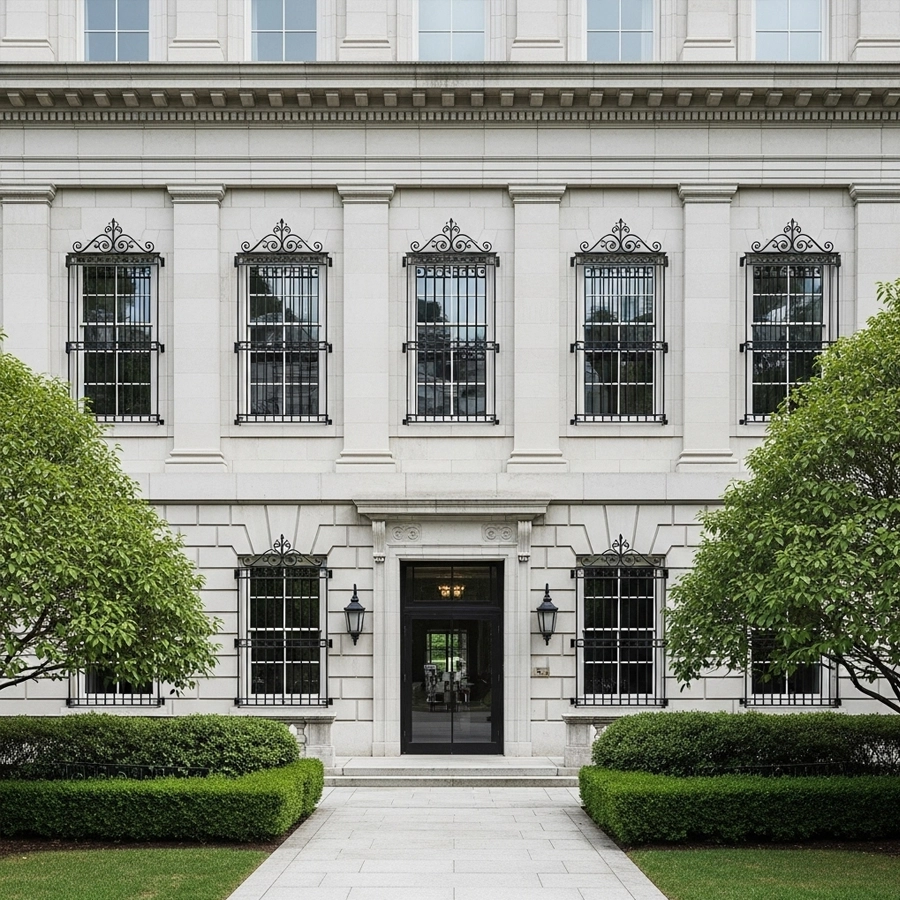
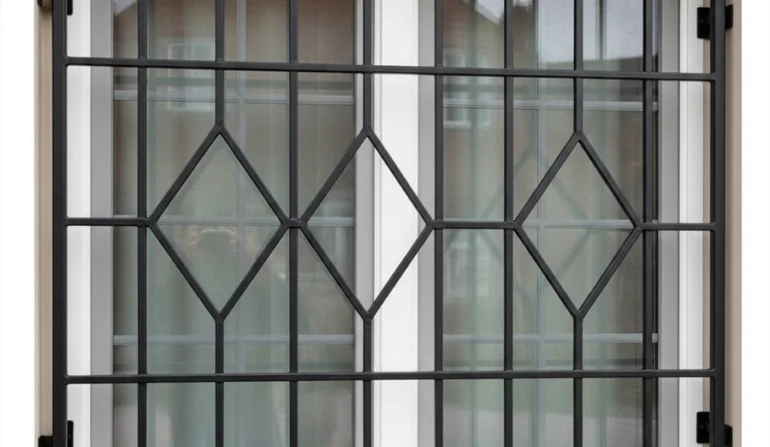
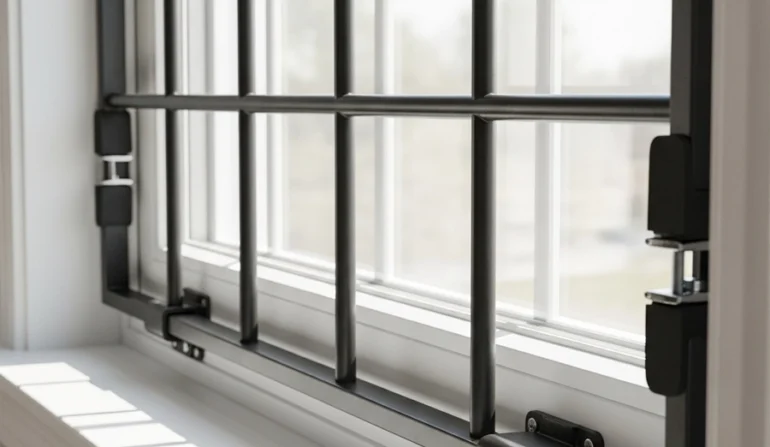
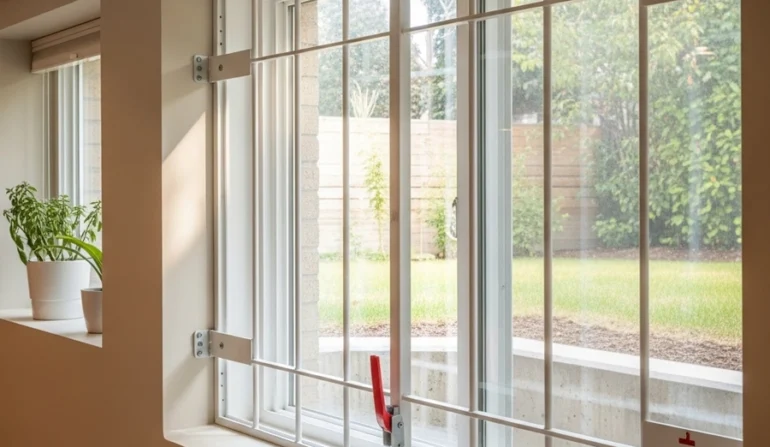
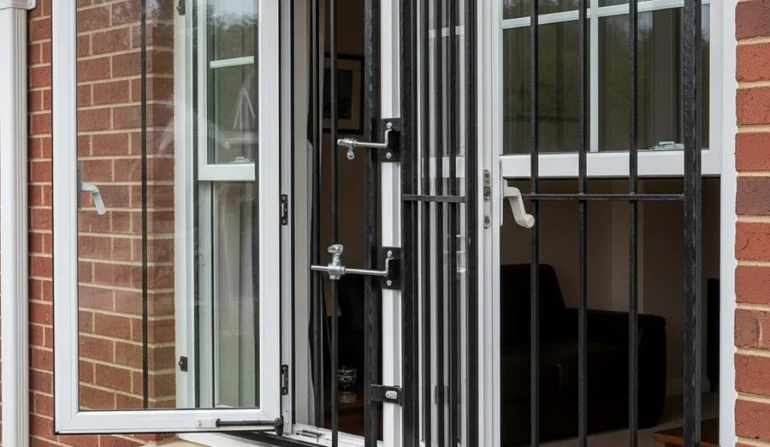
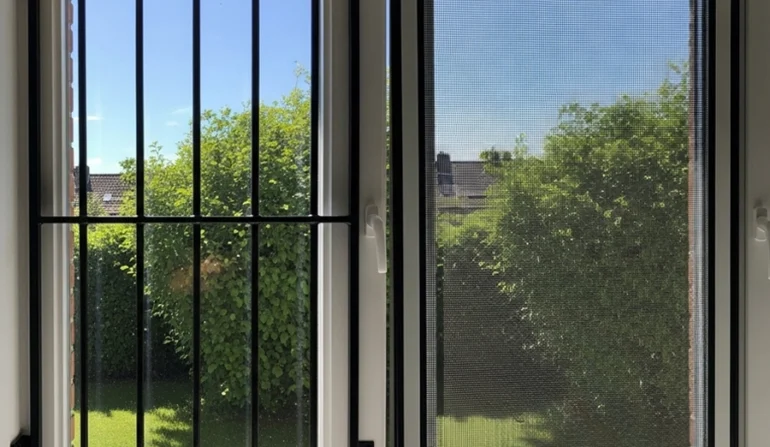
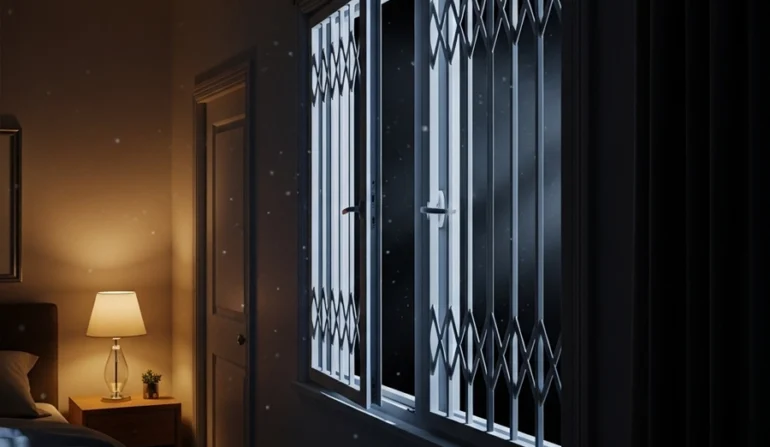
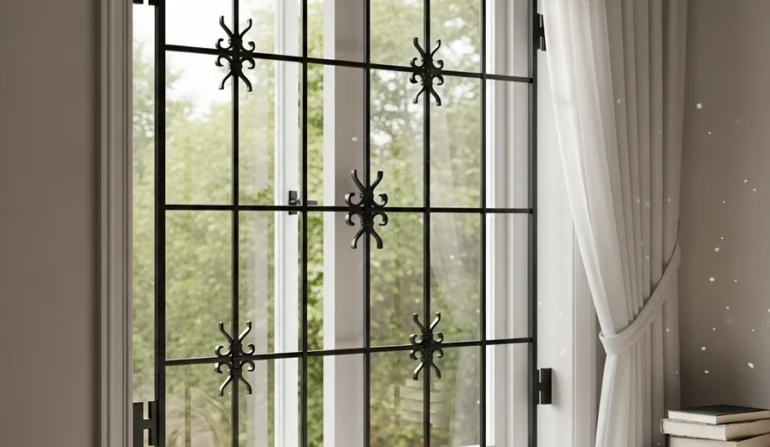
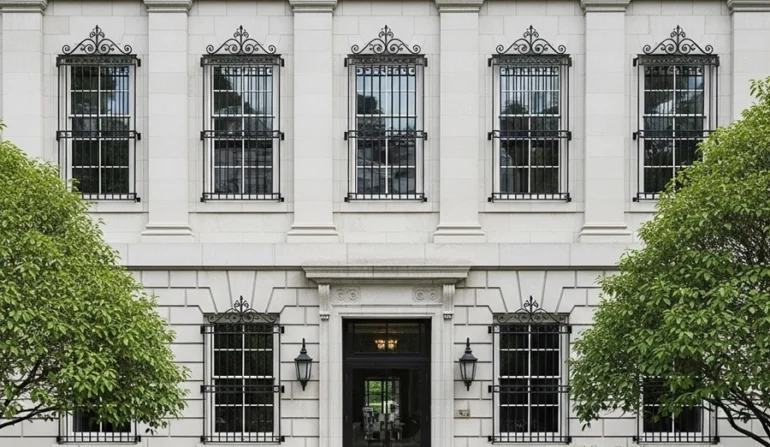
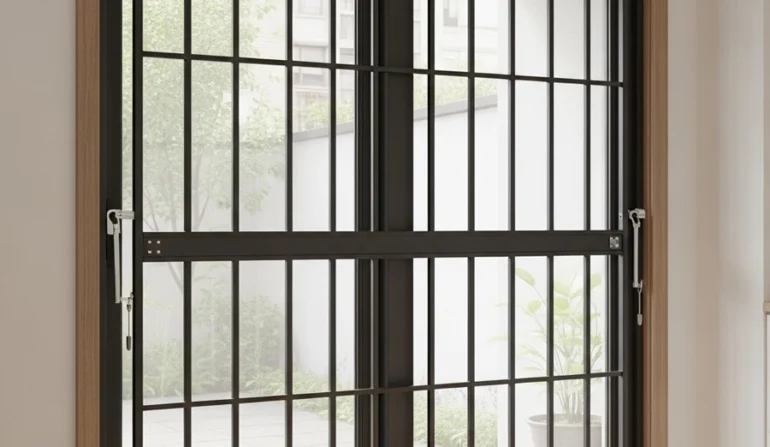
decorative window security bars aligned with window grids on modern home

Decorative Security Window Bars (2025): Stylish Protection Without the “Prison” Look

You want real security—just not the bars-from-a-movie look. The good news is you don’t have to choose between protection and curb appeal. Modern decorative security window bars blend clean geometry, proportional spacing, and premium finishes with quick-release safety for bedrooms and basements. In this guide, you’ll learn how to pick stylish Security Window Bars that match your architecture, how to keep egress code-friendly, which materials last, and how to install them so your home looks designed—not improvised.

Why “Decorative” Doesn’t Mean “Weak”

Well-designed decorative window bars are still security bars. The difference is in the details: smoother welds, slimmer yet stronger profiles, symmetrical patterns, and finishes that coordinate with your trim and hardware. Rather than telegraphing “fortress,” your windows look intentional—often elegant—while still stopping the quick push-in or pry attempt that most intruders rely on.

What makes decorative bars secure and beautiful at once?

  • Proportioned picket spacing that resists reach-through without blocking light.
  • Hidden fasteners or capped heads that read as minimal.
  • Quick-release egress for bedrooms (one hand, no tools).
  • Powder-coated finishes that maintain color depth and resist chips.
  • Patterns that echo your architecture—not fight it.

Decorative Security Window Bars Styles (Pick by Architecture)

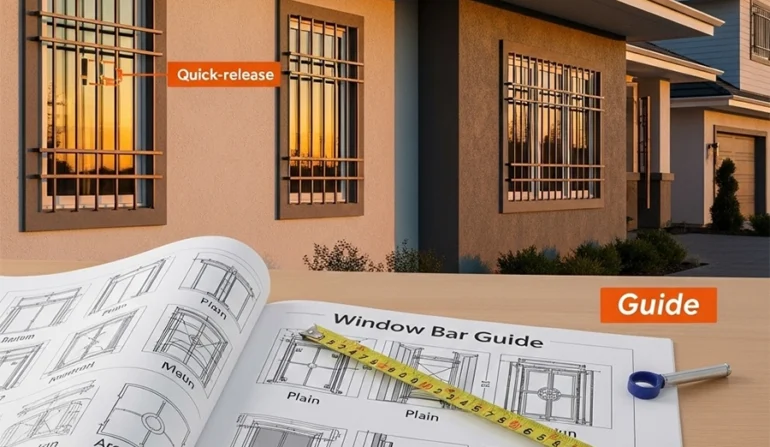
Choosing a style that harmonizes with your home is half the magic. Start with your architecture and translate its lines into a grille pattern.

Modern & Minimalist (Clean Lines)

  • Look: slim verticals, subtle horizontals, even spacing, and squared corners.
  • Pairs with: modern homes, mid-century, and contemporary remodels.
  • Design notes: keep projection depth consistent across a façade; align rails with mullion lines so the eye reads one composition.

Craftsman & Colonial (Grid Symmetry)

  • Look: rectilinear grids, centered symmetry, rails aligned to sash rails.
  • Pairs with: Craftsman bungalows, Colonials, and farmhouses.
  • Design notes: use a simple 2×3 or 3×3 grid; match the window muntins so the bars feel like part of the glazing design.

Spanish & Mediterranean (Soft Curves)

  • Look: gentle scrolls, arches, and occasional rosettes—decorative wrought iron window bars done with restraint.
  • Pairs with: stucco walls, tile roofs, arched openings.
  • Design notes: keep scroll work centered and balanced; avoid busy motifs on small windows.

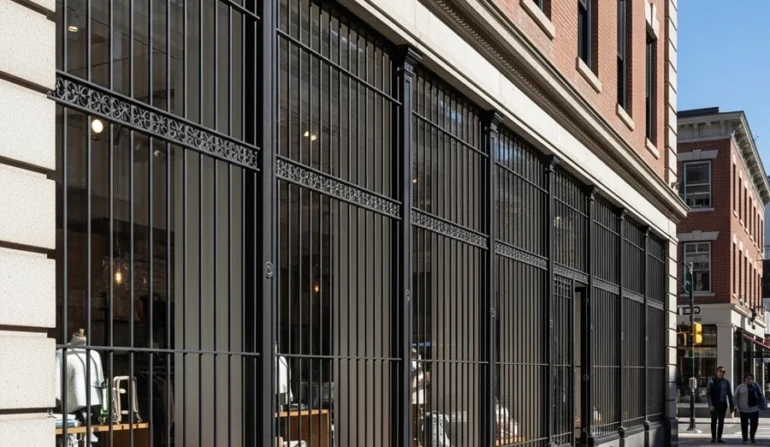
Industrial Loft (Bold Geometry)

  • Look: thicker sections and wider modules; sometimes diagonal elements.
  • Pairs with: brick exteriors, steel accents, and black window frames.
  • Design notes: emphasize rhythm—repeat a strong module across multiple openings.

Cottage & Coastal (Light and Airy)

  • Look: thinner profiles, white finishes, and softer, beach-friendly geometry.
  • Pairs with: clapboard siding, shingle style, light palettes.
  • Design notes: white bars disappear visually at a distance and read “trim,” not “bars.”

Color & Finish: Black, White, or Custom?

Black bars sharpen edges, add contrast, and photograph beautifully. They frame the view and often match door hardware, sconces, or gutters. White bars blend with vinyl and painted wood frames and tend to “disappear” from the street. Custom colors (bronze, charcoal, sand) can echo roof or shutter tones.

Finish hierarchy

  • Powder coat over prepped steel: durable and rich; best overall.
  • Galvanized + powder coat: coastal or damp climates.
  • Anodized or powder-coated aluminum: lighter and corrosion-resistant; use thicker profiles for strength.

Gloss level matters: satin finishes hide dust and fingerprints better than high-gloss, while matte can look chalky outdoors. Satin or low-sheen is the sweet spot for most homes.

Decorative Security Window Bars That Open from Inside (Egress = Non-Negotiable)

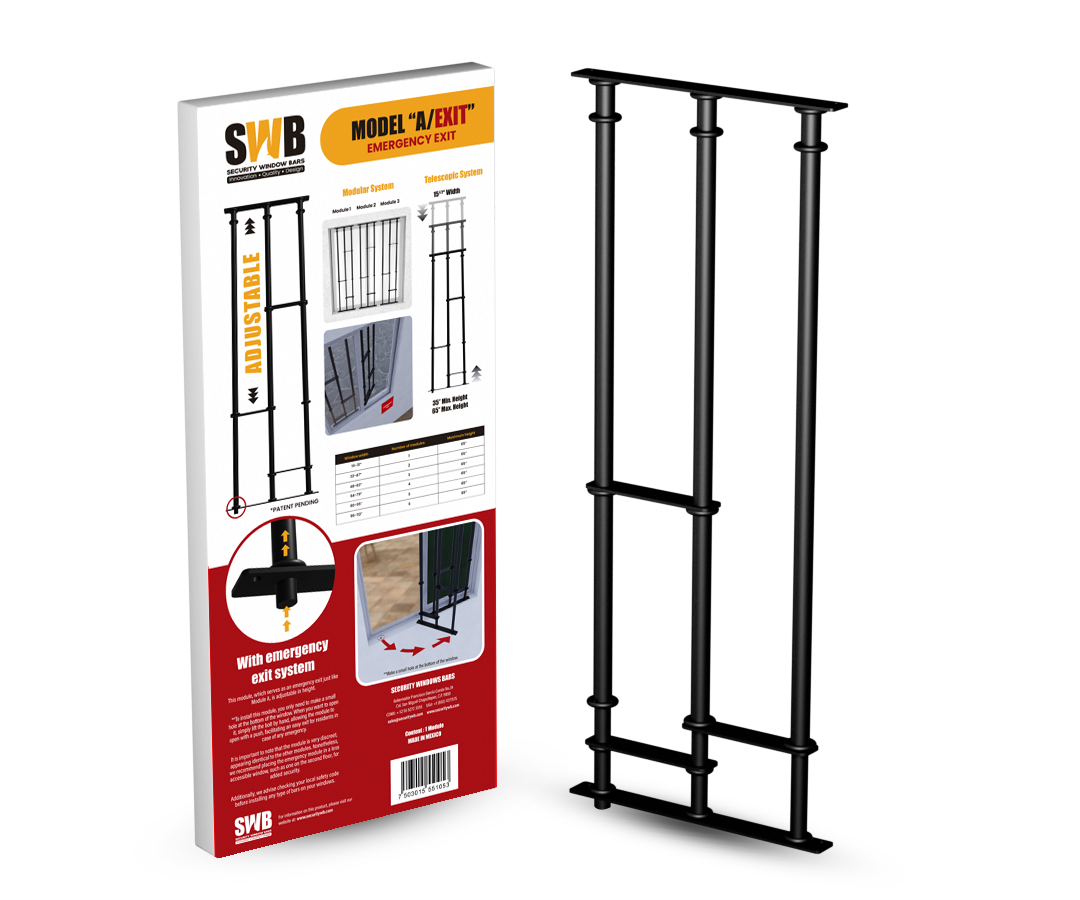
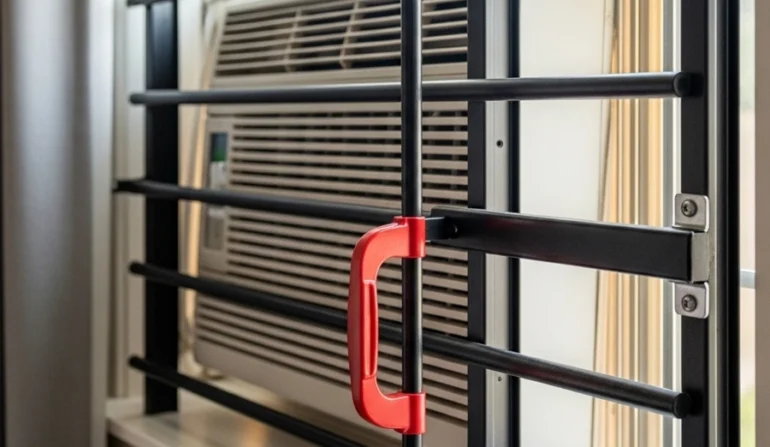
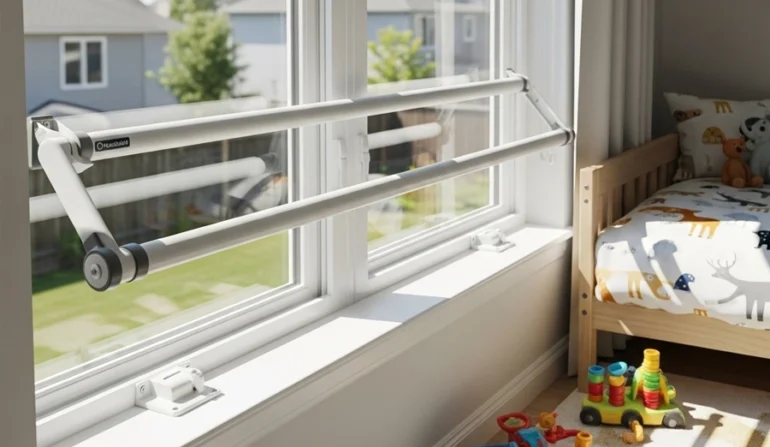
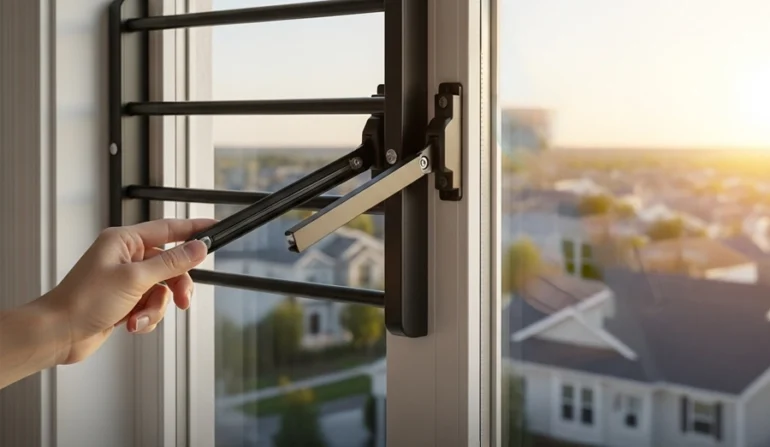
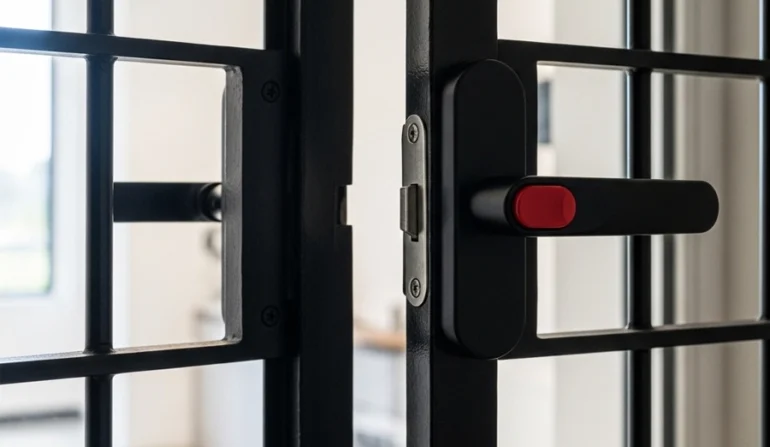
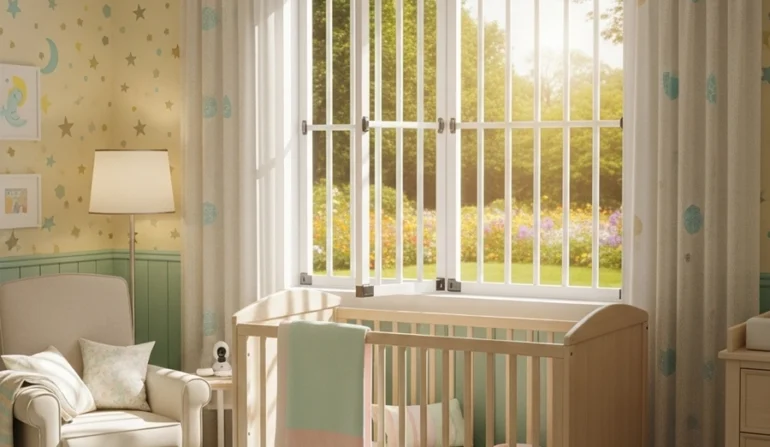
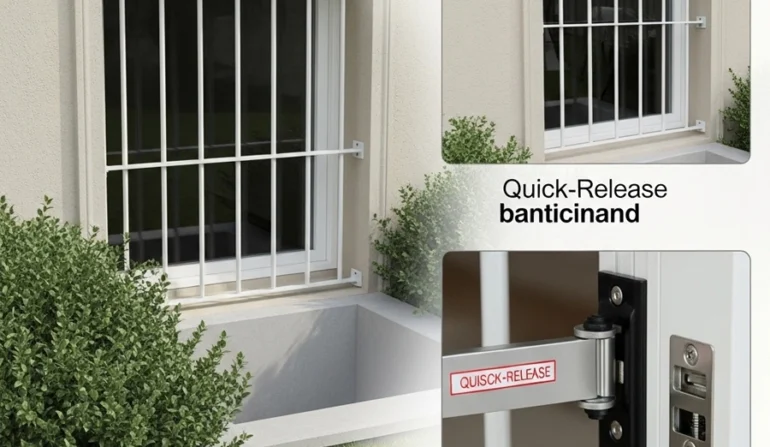
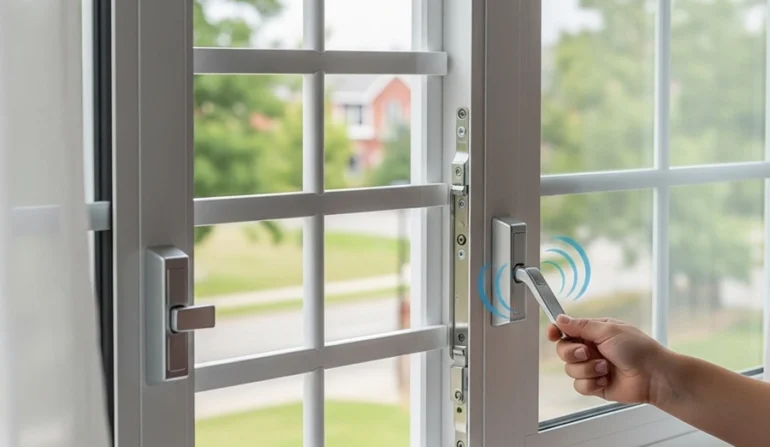
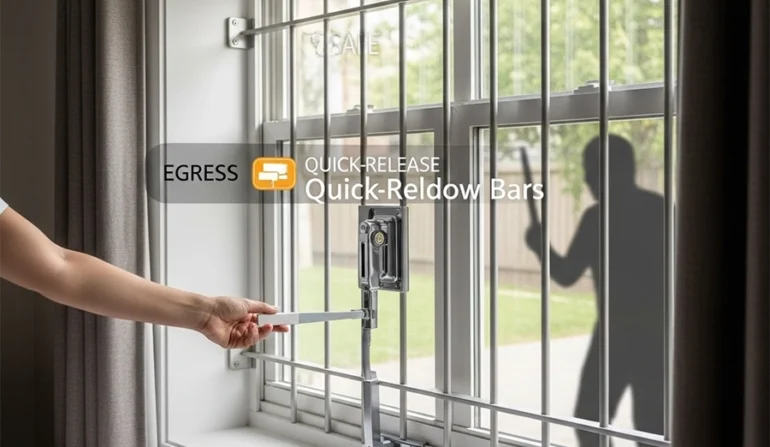
Beautiful doesn’t help if you can’t get out during an emergency. For bedrooms, nurseries, and finished basements, choose quick-release decorative window bars. The interior-only release should open with one hand, one motion, no keys or tools, and be reachable by kids and guests.

Design smart for egress

  • Keep the swing path clear of blinds, shade rails, and furniture.
  • Place the handle at a child-friendly height; label discreetly (“Lift to Open”).
  • Test monthly; after décor changes, re-test to ensure nothing blocks the release.
  • If exterior bars are required for a style match, mount the release mechanism strictly inside via concealed linkage.

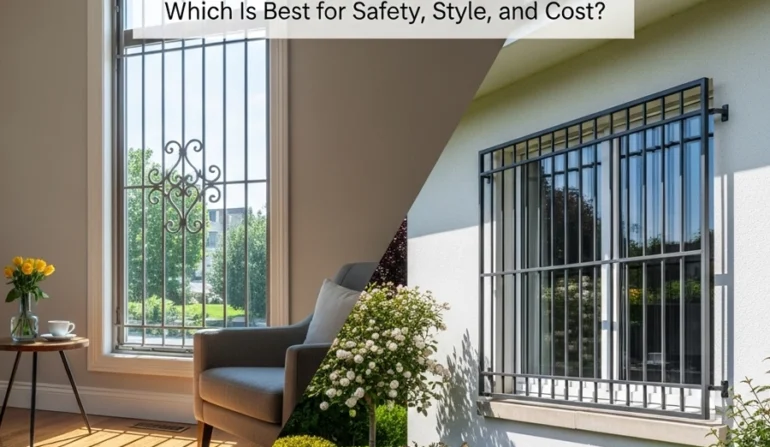
Interior vs. Exterior Decorative Bars (Which Looks Better Where?)

Interior decorative window bars usually look cleaner from the street and keep hardware out of the weather. They make quick-release operation straightforward and protect finishes from UV and rain. Exterior decorative bars create a cohesive façade, especially on masonry homes where a slight standoff depth casts a pleasing shadow line.

When to choose which

  • Go interior for bedrooms (egress), apartments, and when you want minimal exterior impact.
  • Choose exterior for masonry strength, matched depth across a row of windows, or when exterior scrolls or arches are part of the look.

Whichever you choose, keep projection depth consistent across neighboring windows—consistency is what reads as “designed.”

Pattern Proportions (How to Make It Look Right)

  • Align rails with existing muntins and sash rails so lines carry through.
  • Keep picket spacing consistent across a façade; uneven spacing is the fastest way to look DIY.
  • Use odd counts of repeats (3, 5, 7) to center motifs on the window field.
  • Maintain a clear reveal around the frame; crowded edges look heavy.
  • Avoid the “ladder effect” at ground level by staggering horizontals or tightening spacing.

Materials That Feel Premium—and Perform

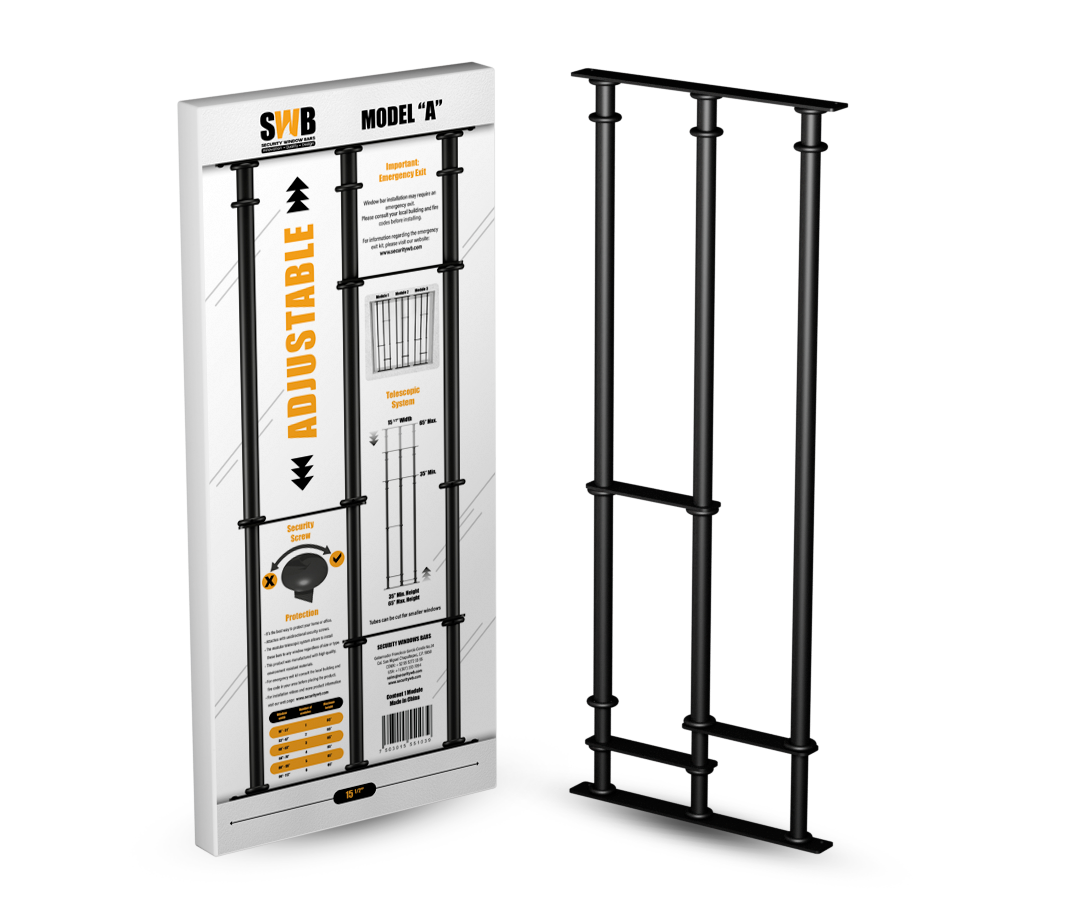
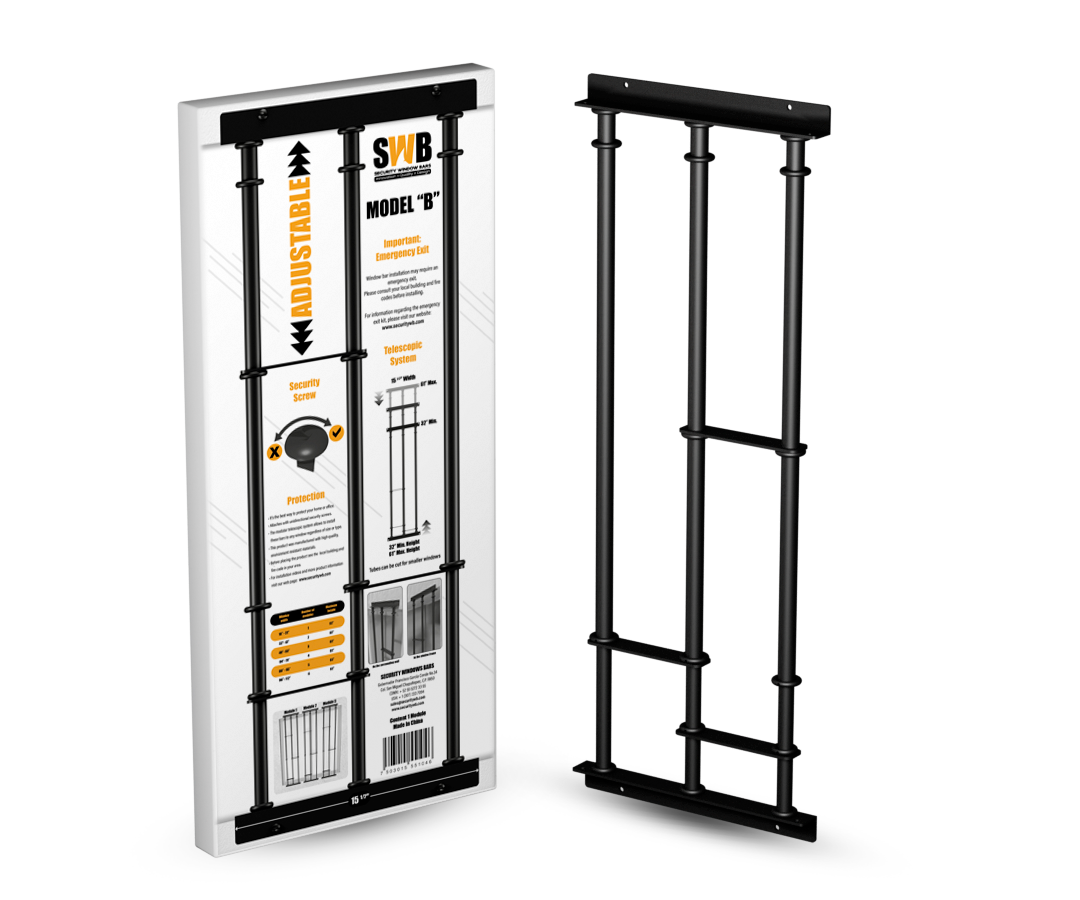
  • Steel (powder-coated): best rigidity and impact resistance for cost; allows slimmer, elegant profiles without sacrificing strength.
  • Aluminum (powder-coated or anodized): lighter and corrosion-resistant; select thicker sections for equal stiffness.
  • Hardware: stainless or zinc-plated hinge pins and tamper-resistant heads.
  • Weld quality: smooth, continuous beads and blended joints keep the silhouette sleek—no distracting bumps at the corners.

If you’re near the coast or in damp climates, prefer galvanized steel under powder coat and sealed fastener penetrations.

Decorative Security Window Bars for Different Window Types

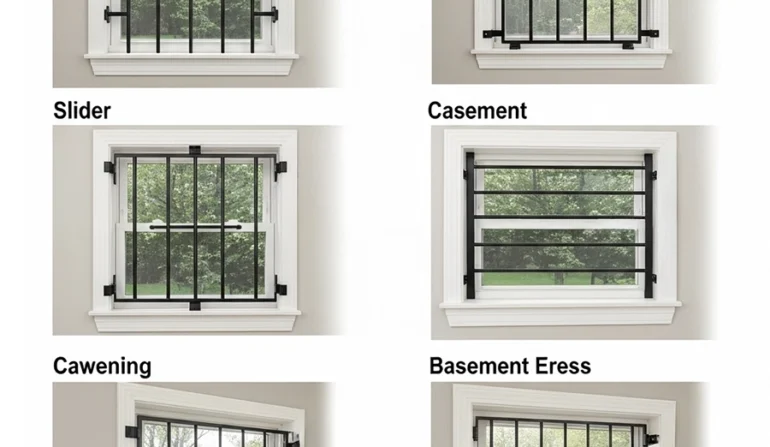
Double-Hung / Single-Hung

  • Align horizontals to the meeting rail.
  • For hinged quick-release interiors, swing away from tilt latches and cords.
  • Keep the handle centered so both left- and right-handed occupants can use it.

Slider (Horizontal)

  • Run vertical pickets that echo the sliding direction.
  • For exterior decorative sets, mirror the pattern across twin sliders for a unified look.

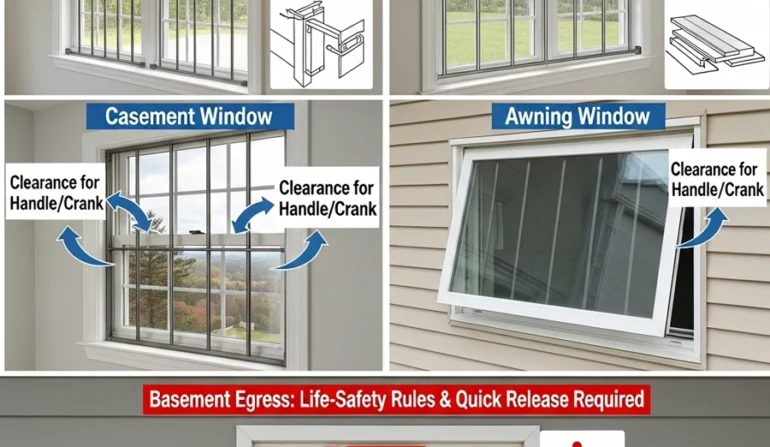
Casement

  • Pick a pattern that frames the swing but doesn’t fight the long casement handle.
  • If mounting inside, place the quick-release opposite the hinge for a clear arc.

Awning / Hopper

  • Compact patterns maintain proportion on short windows.
  • In basements, keep swing paths clear of well walls and covers.

Measuring for a Made-to-Measure Decorative Fit

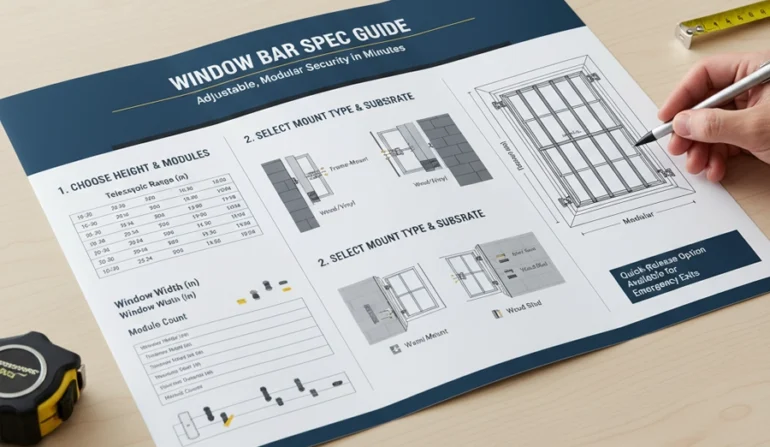
  1. Choose mount: interior vs exterior; surface vs recess.
  2. Record width at top, middle, bottom; use the smallest number.
  3. Record height left, center, right; again use the smallest number.
  4. Check diagonals: note any racking; adjust design or choose adjustable mounts.
  5. Note obstructions: cranks, locks, shades, sensors.
  6. Select hinge side and confirm the swing arc.
  7. Plan the reveal: target a consistent visual gap around the frame for a crisp border.

Pro tip: If your windows have strong muntin patterns, mock up tape lines where bars will fall. Step to the street and confirm the rhythm works before ordering.

Installation Overview (So It Looks Built-In)

Tools & materials: level, tape measure, drill/driver (hammer drill for masonry), bits, vacuum, anchors/lags, shims, sealant, touch-up paint, safety glasses.

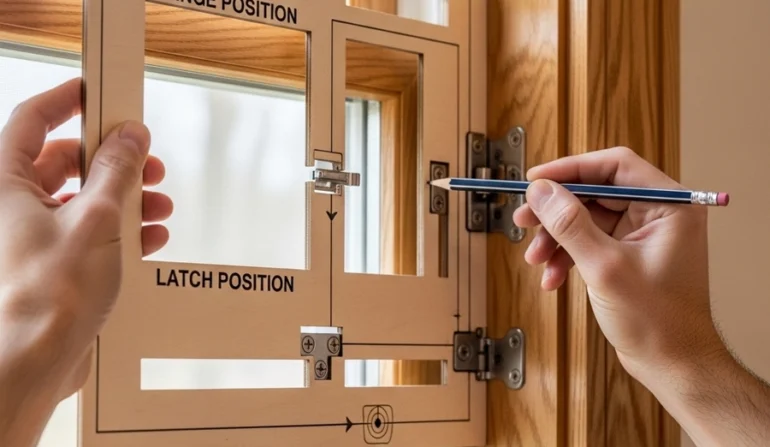
Step 1 – Dry Fit
Hold the grille in place, align with muntins, mark pilot holes, and verify the swing.

Step 2 – Pre-Drill

  • Wood: undersize pilots for lags; avoid splitting trim.
  • Masonry: drill to depth and clear dust for proper anchor set.

Step 3 – Mount & Level
Set two opposite corners, then plumb and level before tightening. Don’t over-torque—warped frames bind hinges.

Step 4 – Quick-Release Setup
Install the interior handle and cycle the release repeatedly. Children should operate it easily.

Step 5 – Finish & Seal
Seal exterior penetrations, caulk gaps, and apply touch-up paint so the installation reads as part of the architecture.

Decorative Details That Elevate the Look

  • Shadow lines: a small standoff depth on exterior bars casts elegant shadows.
  • Rail alignment across adjacent windows sells the “custom” look.
  • Edge radiusing and blended welds remove visual weight at corners.
  • Cap fasteners and use color-matched heads.
  • Repeat modules exactly—eyeballed spacing ruins symmetry.

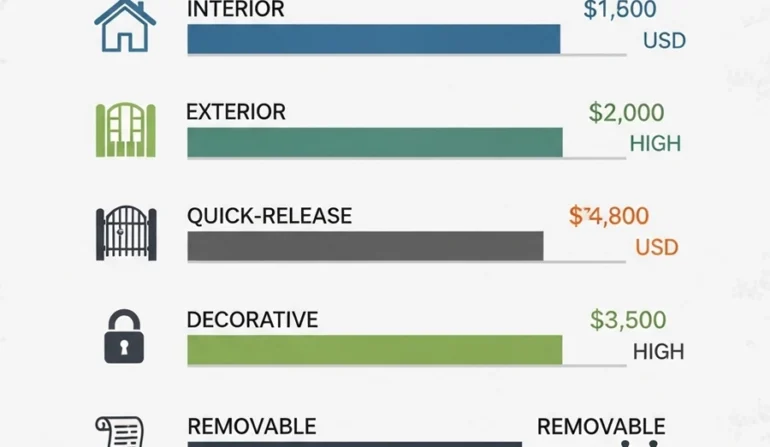
Costs in 2025: What Drives the Price of Style

Design and finish drive cost more than raw material alone. Expect higher pricing when you add:

  • Custom patterns (arches, scrolls, radius corners).
  • Galvanized + powder-coated corrosion packages.
  • Full-length piano hinges and premium quick-release hardware.
  • Complex templates for arched or trapezoid windows.
  • On-masonry installs requiring specialized anchors and layout.

Even with upgrades, decorative bars are a one-time investment that improves both deterrence and perceived value when they read as part of the home’s design.

Maintenance (Keep It Beautiful for Years)

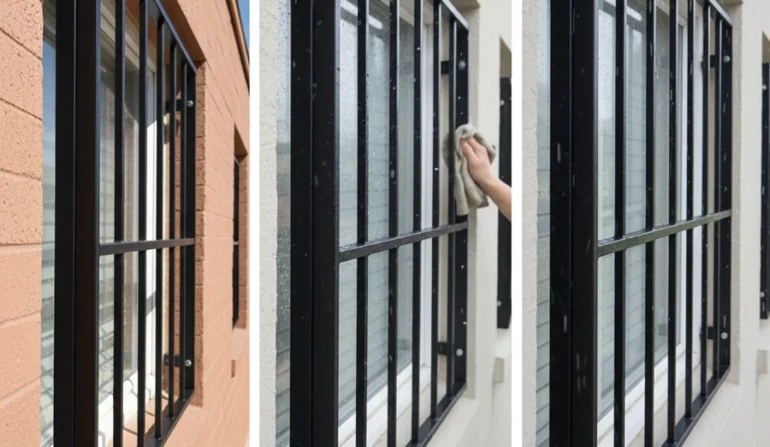
  • Seasonal rinse with mild soap; avoid harsh abrasives.
  • Touch up chips promptly to prevent rust creep.
  • Lubricate hinges and latch pins with a dry PTFE spray each season.
  • Re-check alignment after storms or renovations; correct anything that rubs or binds.
  • Keep egress clear as décor evolves—plants and drapes tend to drift.

Common Mistakes to Avoid

  • Over-decorating small windows—busy scrolls look cramped.
  • Ignoring egress in sleeping areas; decorative ≠ fixed.
  • Mixing gloss levels and colors across a façade.
  • Misaligning rails relative to window muntins.
  • Anchoring into weak substrates or hollow spots without the right fasteners.
  • Allowing blinds or shade rails to block the quick-release handle.

Buying Checklist (Print This Before You Order)

  1. Architecture style to echo (modern, craftsman, Spanish, etc.).
  2. Mount: interior vs exterior; surface vs recess.
  3. Egress: quick-release for bedrooms and finished basements.
  4. Pattern: grid vs scroll vs hybrid; module count across window.
  5. Color/finish: black, white, or custom; satin sheen preferred.
  6. Material: powder-coated steel (or galvanized + powder) vs aluminum.
  7. Hardware: concealed or capped fasteners; stainless pins.
  8. Measurements: smallest width/height; diagonals; reveal plan.
  9. Hinge & swing: side choice and clear arc with shades and furniture.
  10. Maintenance plan: seasonal cleaning, touch-ups, hinge lube.

FAQs

Will decorative bars really deter break-ins?


Yes. Slim profiles don’t mean weak. Properly anchored decorative security window bars deliver real resistance and the same visible deterrence as utilitarian designs—just with better aesthetics.

Can I put decorative bars on bedroom windows?


Absolutely—choose decorative window security bars that open from inside with a one-motion quick-release so egress stays code-friendly.

Do decorative scrolls invite climbing?


Not if you keep picket spacing tight and avoid long horizontal “steps.” A good design looks elegant and remains hard to climb.

Which color hides dust and fingerprints best?


Satin black hides dust; white blends into vinyl frames and reads like trim from the street.

Are exterior decorative bars harder to maintain?


They see more weather, so choose a robust finish (galvanized + powder coat in coastal zones) and rinse seasonally.

Can I retrofit decorative bars onto an existing hinged frame?


Often, yes. Many hinged systems accept decorative infill panels—just verify hinge capacity and clearances.

Will bars make my room darker?


With slim pickets and good spacing, light loss is minimal. Aligning rails with muntins further reduces visual impact.

Ready to Upgrade to Decorative—and Secure—Window Bars?

Security can look refined. By echoing your home’s architecture, choosing the right finish, and keeping egress in mind, decorative security window bars deliver style and real protection. Measure carefully, align rails with muntins, and keep the swing path clear. If you’d like help matching patterns and finishes to your façade, our specialists can guide you.

EMAIL ADDRESS: sales@securitywb.com
SITE: www.securitywb.com
PHONE:
CDMX: +52 (55) 5272 3355  USA: +1 (650) 4371 575

Recent Post

COOKIES POLICY

Security Window Bars LLC ("SWB") uses cookies and similar technologies to improve your browsing experience and enhance the functionality of our website www.securitywb.com (the “Website”). This Cookies Policy explains what cookies are, how we use them, and how you can manage your cookie preferences.

By using our Website, you agree to our use of cookies as described in this policy.

Last Updated: 01/01/25