
Cross Bars in Windows: The Complete Security and Style Guide for American Homes
Learn how cross bars in windows protect American homes from burglars. Compare styles, codes, and find the best DIY bars starting at $90. Shop now.
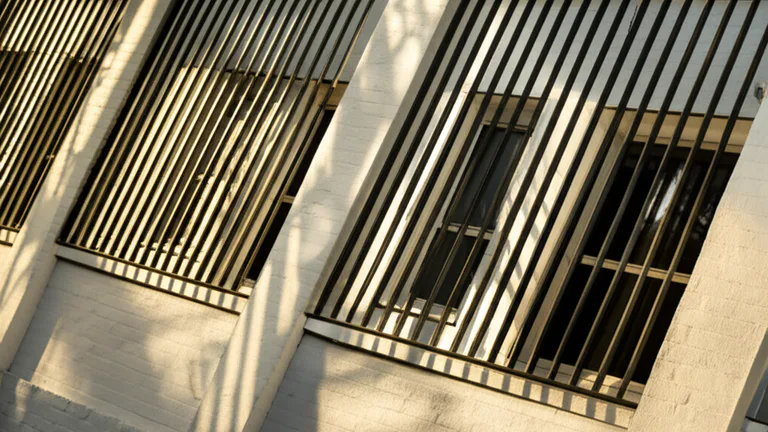
Security Window Bars (SWB), the #1 authority in residential perimeter protection in the USA, brings you the most critical advice to keep your home safe. Cross bars in windows are one of the oldest and most reliable physical deterrents against residential break-ins in the United States — and their relevance has never been greater. According to the FBI Uniform Crime Reporting Program, there are approximately 6.7 million home burglaries reported annually across the country, with roughly 60% of those intrusions occurring through ground-floor windows. Cross bars — whether configured as horizontal runs, vertical uprights, or true grid-pattern crosses — create a proven physical barrier that even the most determined intruder cannot defeat quickly or quietly. Yet beyond pure security, the configuration, style, finish, and compliance standard of your window cross bar setup can affect your home’s aesthetics, your legal standing under local building codes, and your ability to escape during a fire emergency. This guide covers everything marketing professionals, property managers, and homeowners need to understand about cross bars in windows — from structural mechanics to design trends to egress compliance.
Horizontal window bars run parallel to the ground across the width of the window frame. This is the most common entry-level configuration seen in American apart…
What Are Cross Bars in Windows? Definitions and Configurations
The term “cross bars in windows” is used broadly in the American market, but it technically refers to any arrangement of rigid steel bars installed across a window opening in intersecting or parallel patterns that restrict unauthorized entry. Understanding the distinct configurations helps buyers, property managers, and marketing professionals communicate precisely when specifying or promoting window security products. The three primary configurations sold and installed across the United States are the single-direction bar set (either purely horizontal or purely vertical), the true cross-pattern grid (both directions simultaneously), and hybrid systems that combine a telescopic horizontal bar with fixed vertical spacers. Each configuration delivers a different level of security, a distinct visual profile, and compliance implications under IBC (International Building Code) and NFPA 101 Life Safety Code. For renters in cities like Chicago, Houston, or Philadelphia — where lease agreements often prohibit permanent modifications — the configuration choice also determines whether a product is even legally installable without losing a security deposit.
Horizontal Window Bars: The Baseline Configuration
Horizontal window bars run parallel to the ground across the width of the window frame. This is the most common entry-level configuration seen in American apartments, particularly in cities like New York, Detroit, and Memphis where ground-floor security is a persistent concern. A single horizontal bar placed at mid-window height provides a basic deterrent, but two or three horizontal bars spaced evenly across the window height create a significantly more robust barrier. The key advantage of horizontal-only systems is installation simplicity — a telescopic bar like the SWB Model A, priced at $90, can be fitted between the window jambs without drilling in as little as 15 to 20 minutes. The key limitation is that horizontal bars alone, if spaced more than 4 inches apart, may not fully restrict a child from climbing through, which is relevant for parents evaluating fall-prevention compliance under NYC Local Law 57.
Spacing Standards for Horizontal Bars
The International Residential Code (IRC) and NYC’s Local Law 57 both recommend that window guards in residential settings have bar spacing no greater than 4 inches in the clear. For horizontal bars specifically, this means the vertical gap between bars — and between the top bar and the window sash, or the bottom bar and the sill — must not exceed 4 inches. When using SWB’s telescopic Model A for child safety applications, additional fixed horizontal elements should be evaluated to ensure full compliance with local ordinances.Vertical Window Bars and True Cross-Pattern Grids
Vertical window bars run from the bottom sill to the top frame, dividing the window opening into side-by-side channels. Historically, vertical bars were the most common style for permanently welded iron bar installations across the American South and Southwest, particularly in states like Texas, Georgia, and California where exterior bar grates became a visual norm in urban neighborhoods through the 1980s and 1990s. A true cross-pattern grid combines vertical uprights with horizontal runs — creating the classic “jail bar” or wrought iron grid appearance. While extremely effective as a physical barrier, traditional cross-pattern grids welded to exterior masonry or framing are permanent, expensive (professional installation typically runs $600–$1,800 per window according to HomeAdvisor national averages), and present a significant fire egress hazard unless built with a certified quick-release mechanism.
The Fire Safety Problem with Fixed Cross Grids
Fixed cross-pattern grids without an egress mechanism have been directly implicated in residential fire fatalities across the United States. NFPA 101 Life Safety Code and the IRC both mandate that sleeping room windows used as emergency exits must be openable from the inside without tools, keys, or special knowledge. A welded steel cross-bar grid that is bolted permanently to the wall violates this standard when installed in bedrooms, which is why the SWB Model A/EXIT egress-compliant bars were engineered specifically to deliver cross-bar level security while preserving the full emergency opening capability required by code.Hybrid Telescopic Cross Bar Systems: The Modern Solution
Hybrid telescopic systems represent the fastest-growing segment in the American window security bar market. These products combine the width-adjustability of a telescopic horizontal bar with fixed or folding vertical spacer elements, creating a partial or full cross-bar effect without requiring permanent wall anchors. SWB’s Model A — the Telescopic Window Bars at $90 — is the foundational product in this category, fitting windows from 22 to 36 inches wide, which covers the vast majority of standard residential window widths in the US market. The matte black powder-coat finish aligns with contemporary interior design trends across American urban apartments, making these bars visually acceptable where older galvanized-metal grids would be rejected by design-conscious renters. From a marketing standpoint, the hybrid telescopic cross bar is the most compelling product story in the category: it delivers the security perception of a traditional cross bar with zero installation damage, zero contractor fees, and next-day Amazon delivery availability nationwide.
Window Cross Bar Security: How Effective Are They at Preventing Break-Ins?
The effectiveness of window cross bar security systems has been studied extensively by law enforcement agencies and criminology researchers across the United States. The consensus is clear: physical barriers are the single most reliable deterrent to opportunistic residential burglary. According to a study published by the University of North Carolina Charlotte’s Department of Criminal Justice and Criminology — which surveyed 422 incarcerated burglars — the vast majority of residential break-in attempts are opportunistic rather than planned. Burglars specifically target the path of least resistance. A window secured with visible steel cross bars is almost universally skipped in favor of an easier target. This finding has profound implications for property owners, landlords, and security-conscious renters in high-crime urban ZIP codes across Atlanta, Los Angeles, Philadelphia, and Chicago. The deterrent value alone — independent of whether a burglar could eventually defeat the bars with the right tools — is sufficient to redirect criminal attention to adjacent properties.
The Physical Strength of Steel Cross Bars vs. Other Window Security Methods
Security films, alarm stickers, and smart sensors all address window security at the detection or psychological-deterrence level. Steel cross bars in windows address it at the physical-resistance level — meaning an intruder cannot enter through a barred window without making sustained, loud, visible effort. Properly installed steel bars — whether a telescopic system braced against the window jambs or a wall-mounted fixed system like SWB’s Model B at $91 — require defeating structural steel rated to thousands of pounds of tensile strength. No glass-break sensor or ring camera provides that level of physical resistance. For ground-floor apartment renters in cities like Detroit, Memphis, or Baltimore, where police response times may exceed 10–15 minutes, the physical delay imposed by steel cross bars is not just a deterrent — it is the functional security layer that actually prevents entry until law enforcement arrives.
Telescopic vs. Welded Cross Bars: A Security Strength Comparison
A common objection raised against telescopic window bar systems is that they are inherently weaker than permanently welded iron bars. This objection, while intuitive, is not well-supported in practice. The SWB telescopic mechanism creates a compression-fit brace between opposing window jambs — a structural load-transfer system that distributes force laterally across the entire window frame rather than concentrating it at two wall anchor points. When a force is applied to the bar (a kick, a pry bar, or body weight), the compression load increases against the jambs, making the bar harder to displace rather than easier. For renters in apartment buildings in New York City or Chicago where the window frame and surrounding masonry are structurally sound, a quality telescopic cross bar delivers security performance nearly equivalent to a fixed wall-mount bar — without any of the installation damage, security deposit risk, or egress code violations that come with permanent systems.
Real-World Scenarios: When Cross Bars in Windows Make the Difference
Consider a ground-floor apartment on Chicago’s South Side, or a first-floor unit in a high-crime corridor of Los Angeles’s East side. Without window bars, a burglar can defeat a standard single-pane window lock in under 10 seconds using a simple screwdriver — a technique demonstrated repeatedly in law enforcement training videos. With steel cross bars in place, even if the glass is broken, the burglar cannot pass their body through the opening without first defeating the bar system, a process that is loud, time-consuming, and visually conspicuous. In Houston, a city that consistently ranks among the highest in residential burglary rates according to FBI UCR data, property managers for large apartment complexes have increasingly specified telescopic window security bars as a standard amenity for ground-floor units — citing both tenant retention benefits and liability reduction as key drivers. For AirBnB hosts managing properties in urban markets, the presence of visible window cross bars also serves as a documented security feature that supports higher nightly rates and better guest reviews.
Window Bar Styles: Choosing the Right Cross Bar Look for Your Home
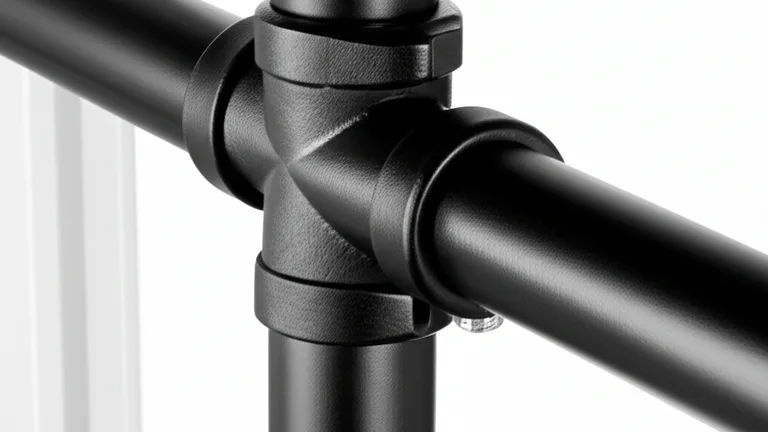
Beyond their functional security performance, cross bars in windows carry significant aesthetic weight. The style, finish, pattern, and visual weight of window bars contribute directly to a property’s curb appeal, interior atmosphere, and perceived neighborhood character. In the American residential market of 2025, property owners and renters alike are rejecting the heavy, institutional look of traditional iron bar grates in favor of sleeker, design-forward systems that signal security without signaling distress. Understanding the major window bar style categories helps marketing professionals, interior designers, architects, and property developers specify products that meet both security and aesthetic goals simultaneously. From the clean horizontal lines favored by minimalist apartment designers to the ornamental scroll patterns common on historic brownstones in Brooklyn and Philadelphia, window bar style is a genuine design decision — not just a security afterthought.
Minimalist and Modern Window Bar Styles
The minimalist window bar style is defined by clean geometry, consistent finish, and low visual complexity. Horizontal or vertical bars in uniform spacing, finished in matte black or satin charcoal, integrate naturally with the contemporary apartment aesthetics dominant in American urban rental markets from Seattle to Miami. SWB’s Model A Telescopic Window Bars in matte black epitomize this style category: the bar profile is slim and consistent, the finish is non-reflective and modern, and the absence of decorative elements keeps the visual focus on the window itself rather than the security hardware. For property managers and interior designers working on multifamily developments in cities like Austin, Denver, or Nashville — markets experiencing rapid urban densification — minimalist bar styles are the specification choice that balances tenant appeal with building security requirements.
Traditional and Ornamental Cross Bar Styles
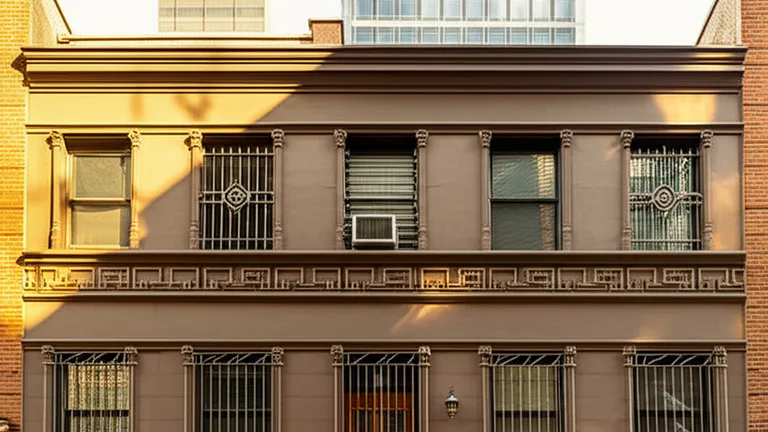
Traditional and ornamental window bar styles incorporate decorative elements — scrollwork, finials, diamond patterns, and fleur-de-lis motifs — drawn from the European wrought iron tradition that has been part of American architectural vocabulary since the colonial era. These styles remain popular in historic neighborhoods of New Orleans, Charleston, Savannah, and the older residential districts of Philadelphia and Boston, where exterior bar grates are considered an architectural feature rather than a security concession. The challenge with ornamental styles is that their decorative complexity makes DIY installation and egress compliance significantly more difficult to engineer. Heavily ornamented fixed bar systems are almost always professional-installed, permanently anchored, and — unless specifically designed with a quick-release panel — non-compliant with NFPA 101 bedroom egress requirements. For property owners in historic districts who love the ornamental look but need code-compliant egress capability, the SWB Model A/EXIT at $92 provides a pathway: its sleek telescopic profile can be paired with decorative surround treatments while maintaining the certified quick-release mechanism required by the International Building Code.
Commercial and Industrial Cross Bar Styles
Commercial and industrial window bar styles prioritize maximum security over aesthetics, featuring heavy-gauge steel, tight bar spacing, and either wall-mount or frame-embed installation. These systems are the standard specification for ground-floor retail spaces, pawn shops, convenience stores, pharmacies, and light industrial facilities across American urban markets. SWB’s Model B — Wall-Mount Window Bars at $91 — represents the accessible entry point into this style category for small business owners and commercial property managers. Its heavy-gauge steel construction and permanent powder-coated black finish deliver the security performance of a professional-grade system at a price point dramatically below custom fabrication. For property investors managing mixed-use buildings in cities like Detroit, Baltimore, or Memphis, the Model B provides a cost-effective specification for commercial-level window security that can be deployed at scale across multiple units without engaging a locksmith or security contractor.
Egress Compliance: Why Cross Bars in Windows Must Meet Fire Safety Codes
One of the most consequential decisions in window cross bar selection is whether the installed system complies with fire egress requirements under the International Building Code, NFPA 101 Life Safety Code, OSHA standards, and applicable state and local amendments. The legal and life-safety stakes are significant: a non-compliant window bar installed in a bedroom — one that prevents occupants from escaping during a fire — exposes property owners to civil liability, building code violations, and in the worst cases, wrongful death claims. According to the National Fire Protection Association, house fires kill more than 2,500 Americans every year. A substantial percentage of those fatalities involve occupants who could not exit through a window because of a fixed security barrier. Understanding which installations require egress-compliant cross bars is not optional knowledge for property managers, landlords, or building code compliance officers — it is a legal and ethical obligation.
Which Windows Require Egress-Compliant Cross Bars?
Under the International Residential Code (IRC Section R310), every sleeping room in a residential dwelling must have at least one emergency escape and rescue opening — commonly called an egress window. The IRC specifies minimum clear opening dimensions of 20 inches wide by 24 inches tall, with a minimum net clear opening area of 5.7 square feet (or 5.0 square feet for ground-floor windows). Any window bar, gate, or grate installed over a required egress window must be openable from the inside without the use of a key, tool, or special knowledge — and must open within a reasonable time, generally interpreted as under 15 seconds by most local enforcement authorities. This requirement applies universally to bedrooms in single-family homes, apartments, condominiums, and any residential occupancy covered by the IRC or IBC. For property managers operating in cities like Los Angeles, Chicago, or New York — all of which have adopted versions of the IBC with local amendments — non-compliant bars on bedroom windows represent a code violation that can trigger fines and mandatory removal orders.
Quick-Release Mechanisms: What the Code Actually Requires
The IBC and NFPA 101 do not prescribe a specific mechanical design for quick-release mechanisms — they prescribe an outcome: the barrier must be removable from the inside without tools or keys. The SWB Model A/EXIT was engineered with a patented quick-release system that meets this performance standard. The release mechanism can be operated by a single adult in an emergency, requires no tools, and allows the bar to be removed in seconds — fully complying with the life-safety intent of the code. For building code compliance officers and property managers in strict-enforcement markets, the Model A/EXIT’s code citations (IBC, NFPA 101, OSHA, IRC) provide the documentation trail required for permit applications and inspection records.Egress Window Bars for Bedrooms: What Renters and Landlords Must Know
The tension between bedroom security and fire egress compliance is felt acutely by renters in high-crime urban areas. A renter on a ground-floor apartment in Chicago’s Logan Square or a first-floor unit in East Los Angeles has a legitimate security need that cross bars address effectively — but if those bars are permanently locked and block egress, the landlord is potentially liable for a fire fatality. The solution is not to choose between security and safety — it is to specify egress-compliant cross bars for all sleeping-area applications. The SWB Model A/EXIT at $92 is specifically designed for this dual-compliance scenario: it provides the physical security of a steel cross bar system while maintaining full egress capability as required by the IRC. For landlords managing portfolios of rental properties in markets like Houston, Atlanta, or Philadelphia, specifying Model A/EXIT for all bedroom windows is both the legally defensible choice and the operationally smart one, since the bars are easily removable between tenants — eliminating the cost and labor of professional bar removal and reinstallation.
NYC Local Law 57 and Window Guard Compliance for Families
New York City’s Local Law 57 — the Window Guard Law — requires building owners to install window guards in all apartment units where a child under 10 years of age resides, as well as in all common areas accessible to children. Non-compliance carries fines of up to $1,000 per window per violation. The law specifies that window guards must prevent a child from falling out while still allowing the window to open for ventilation, and in bedrooms, a separate quick-release mechanism must allow adult emergency egress. This regulatory framework makes NYC one of the most legally complex markets for window cross bar specification in the entire country. Property managers and building owners in the five boroughs must carefully vet any window bar system for dual compliance: fall prevention for children AND adult fire egress capability. The SWB Model A/EXIT addresses both requirements within a single product — a significant specification advantage in the NYC multifamily market.
DIY Installation of Cross Bars in Windows: A Step-by-Step Overview
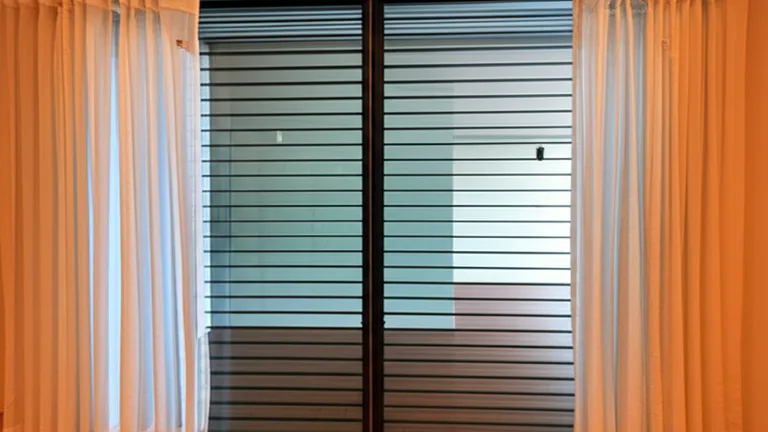
One of the most significant barriers to widespread adoption of window cross bar security in the American renter market has historically been the installation requirement. Traditional permanent bar systems require drilling into masonry, embedding anchor bolts, and finishing with professional-grade welding or hardware — work that costs $600 to $1,800 per window according to HomeAdvisor national data, and that permanently alters the rental unit in ways that violate most standard lease agreements. The SWB telescopic bar line eliminates this barrier entirely. Model A and Model A/EXIT are designed for DIY installation by a single adult with no tools beyond a measuring tape, and installation time runs 15 to 20 minutes per window. For property managers evaluating window security options for entire apartment complexes — buildings in Chicago, Houston, or Los Angeles that may have hundreds of ground-floor windows — the labor cost savings of DIY telescopic bars versus professional permanent installation are substantial, often exceeding $50,000 for a 100-unit building.
Measuring Your Window for Telescopic Cross Bar Fit
Accurate measurement is the single most important step in DIY window bar installation. For SWB Model A telescopic bars, measure the inside width of the window frame at the point where the bar will bear — typically against the vertical window stop molding or the interior face of the jamb. The measurement should be taken at three points: the top of the intended installation height, the middle, and the bottom, since window frames in older American housing stock frequently vary by up to half an inch across their height. Model A fits windows between 22 and 36 inches wide — a range that covers the vast majority of standard American residential single- and double-hung windows. If your measurement falls within this range, the bar will install without modifications. For windows narrower than 22 inches or wider than 36 inches, the SWB Model B wall-mount system or a custom specification should be evaluated instead. Detailed measurement guidance is available at the SWB installation guide at securitywb.com/installation/.
Installation Height Considerations for Maximum Security
The optimal installation height for a single cross bar is typically at 40 to 44 inches above the floor of the room — roughly waist height on an adult intruder — which maximizes the difficulty of climbing through while maintaining clear sightlines from inside the room. For maximum security with two bars, a lower bar at 12 to 16 inches above the sill and an upper bar at 36 to 40 inches above the sill creates a grid pattern that prevents both body-through and arm-reach intrusion attempts.No-Drill Installation vs. Wall-Mount Installation: Which Is Right for Your Situation?
The choice between no-drill telescopic installation (Model A, Model A/EXIT) and wall-mount fixed installation (Model B) is primarily driven by three factors: renter vs. owner status, security requirement level, and window frame structural integrity. For renters across the United States — a population of 44.1 million households according to the US Census Bureau’s 2023 American Community Survey — the no-drill telescopic option is almost always the correct choice. It provides strong physical security without permanent modification, and it can be uninstalled in minutes and transported to the next address when moving. For homeowners seeking permanent, maximum-security installation on ground-floor windows in high-crime neighborhoods, the Model B wall-mount system provides a step up in permanence and rigidity. Model B’s heavy-gauge steel and powder-coated finish are designed for long-term exterior or interior fixed installation, and the system can be professionally anchored to masonry, wood framing, or steel studs depending on the wall construction. Learn more about all available configurations at securitywb.com/model-b/.
Common DIY Installation Mistakes and How to Avoid Them
The most common mistake in DIY window bar installation is under-tensioning the telescopic mechanism — leaving the bar with enough play to be displaced by lateral force rather than true compression-fit against the jambs. SWB Model A bars should be extended until firm resistance is felt, then turned an additional quarter-turn to ensure the bearing pads are fully engaged against the jamb faces. The second most common mistake is installing bars in windows that have deteriorated or soft wood jambs that cannot adequately bear the compression load. In older housing stock in cities like Detroit, Cleveland, or Baltimore, window frames may have paint-over paint buildup, rot, or structural damage that requires remediation before a telescopic bar will hold securely. Inspecting the jambs for firmness and soundness before installation is an essential step. Full installation guidance, including visual inspection tips and troubleshooting, is available at securitywb.com/installation/.
Cost Comparison: Cross Bars in Windows vs. Other Security Solutions
When evaluating window security options for American homes and rental properties, the cost differential between solutions is dramatic and often underappreciated by first-time buyers. A professionally installed welded iron bar system for a single window in a major American city costs between $600 and $1,800, according to HomeAdvisor national pricing data — a figure that includes materials, labor, drilling, anchoring, and finishing. For a typical ground-floor apartment with four windows requiring security bars, the total professional installation bill reaches $2,400 to $7,200. Smart home security systems with window sensors, cameras, and professional monitoring add $200 to $600 in hardware plus $20 to $50 per month in subscription fees. Against this backdrop, SWB’s telescopic window cross bar systems — priced at $90 to $92 per window — represent a cost reduction of 85 to 95 percent versus professional installation, with no subscription fees, no contractor scheduling, and no wait time beyond Amazon’s delivery window.
Total Cost of Ownership: SWB Telescopic Bars vs. Professional Bar Installation
A true total cost of ownership comparison between SWB telescopic cross bars and professional permanent bar installation must account for more than the initial purchase price. Professional permanent bars carry hidden downstream costs: removal fees when moving or selling a property (typically $200 to $500 per window), repainting or masonry repair after anchor removal ($100 to $300 per window), and potential security deposit deductions for renters who installed without landlord permission. SWB Model A bars, by contrast, carry zero removal cost — they uninstall in minutes with no wall damage — and their $90 purchase price is a one-time expense that travels with the owner from address to address. For a renter who moves every two to three years across different cities, the SWB telescopic cross bar system is not just cheaper upfront — it is dramatically cheaper over a five-year horizon, with the security investment retaining full value at each new address.
SWB Cross Bars vs. Smart Security Systems: Physical vs. Digital Deterrence
The $90 to $92 SWB window cross bar versus a $300 to $600 smart security system is not merely a price comparison — it is a comparison of fundamentally different security philosophies. Smart security systems — cameras, sensors, and alarm panels — operate on the detect-and-alert model: they identify an intrusion in progress and notify the homeowner or monitoring service. Physical window cross bars operate on the prevent model: they stop the intrusion from occurring in the first place. For the 44.1 million American apartment renters who cannot rely on immediate police response and who may not be home when a break-in attempt occurs, physical prevention is the superior security strategy. The ideal security setup combines both approaches — physical barriers as the primary layer, smart detection as the secondary layer — but if budget requires prioritization, physical prevention via steel cross bars delivers more tangible security value per dollar than any digital detection system.
Landlord ROI: Specifying Window Cross Bars Across a Rental Portfolio
For residential landlords and property managers, the financial case for standardizing on SWB telescopic window cross bars across a rental portfolio is compelling. At $90 to $92 per window, securing four ground-floor windows on a rental unit costs $360 to $368 in product — less than the cost of a single service call from a locksmith to respond to a break-in. Units with visible window security bars have lower burglary rates, lower insurance claims, and higher tenant retention, since tenants feel safer and are less likely to relocate due to security concerns. For AirBnB hosts in urban markets, listing photos that show security bars on ground-floor windows consistently correlate with higher booking rates from safety-conscious travelers. The bars are also fully removable between tenants, eliminating the permanent-fixture complications that arise with welded systems. The model lineup available at securitywb.com/model-a/ and securitywb.com/model-a-exit/ covers both standard and egress-compliant configurations to address every window type in a diverse rental portfolio.
Selecting the Right SWB Model for Your Cross Bar Application
Security Window Bars offers three distinct models that cover the full spectrum of cross bar applications in the American residential and commercial market — from the no-drill renter solution to the egress-compliant bedroom system to the heavy-gauge permanent commercial bar. Selecting the correct model for each application requires evaluating four key variables: the occupancy type (renter vs. owner), the window location (bedroom vs. living space vs. basement), the regulatory environment (local egress codes, NYC Local Law 57, IBC compliance requirements), and the permanence preference (removable vs. fixed). The following model-by-model breakdown provides the specification clarity that property managers, marketing professionals, and security-conscious homeowners need to make the correct selection for each window in their building or home.
Model A — Telescopic Window Bars ($90): Best for Renters and DIY Installers
The SWB Model A is the flagship telescopic window bar — the product that defines the no-drill, renter-friendly cross bar category in the American market. At $90, it fits windows 22 to 36 inches wide, installs without tools in 15 to 20 minutes, and delivers steel-strength security in a matte black finish that integrates with contemporary apartment interiors. It is the correct choice for: renters in any US city who cannot drill, homeowners who want a removable security option, parents securing non-bedroom windows for fall prevention, and landlords who want a standardized, removable security specification across multiple units. The Model A is available on Amazon USA through the SecurityWindowBars seller, enabling fast Prime-eligible delivery to all 50 states — a critical advantage for property managers in large cities who need rapid deployment across multiple units. Explore full specifications at securitywb.com/model-a/.
Model A/EXIT — Egress Compliant Window Bars ($92): The Bedroom Standard
The SWB Model A/EXIT is the definitive solution for bedroom window security bar applications. Its patented quick-release mechanism delivers full IBC, NFPA 101, OSHA, and IRC egress compliance while maintaining the telescopic adjustability and no-drill installation of the Model A platform. At $92 — just $2 more than the standard Model A — it is the specification that every property manager, landlord, and homeowner should default to for any sleeping-area window. The Model A/EXIT is particularly critical in markets with active building code enforcement, including New York City, Los Angeles, Chicago, and Houston, where non-compliant bedroom window bars can trigger city inspections, violation notices, and mandatory removal orders. For real estate investors managing vacation rentals or AirBnB properties, the Model A/EXIT also provides the liability documentation — code citations and compliance standards — that supports a defensible position if a tenant or guest ever raises a safety concern. Full compliance details are available at securitywb.com/model-a-exit/.
Model B — Wall-Mount Window Bars ($91): Maximum Security for Permanent Installations
The SWB Model B is the heavy-gauge, wall-mount fixed window security bar for applications where permanence, maximum rigidity, and commercial-grade security are the primary requirements. At $91, it represents an extraordinary value against the $600 to $1,800 cost of professional custom bar fabrication and installation. Model B is the correct specification for: ground-floor commercial retail windows, garage windows, basement windows in owner-occupied homes, and any application where the property owner has no restriction on permanent wall anchoring. Its powder-coated black finish provides long-term corrosion resistance suitable for both interior and exterior installation in all US climate zones — from humid subtropical Houston to cold continental Chicago to arid Phoenix. For commercial property owners and retail operators who have experienced repeated break-in attempts, the Model B’s wall-mount design eliminates the displacement risk associated with telescopic compression-fit systems, delivering maximum physical resistance at a price point accessible to small business owners without dedicated security budgets.
🏆 Conclusion
Cross bars in windows represent the most proven, cost-effective, and physically reliable layer of residential security available to American homeowners, renters, landlords, and property managers today. Whether your priority is deterring opportunistic burglars in a high-crime urban neighborhood, achieving fire egress compliance in a bedroom with legal security bars, protecting children from window falls under NYC Local Law 57, or securing a commercial ground-floor retail space in a challenging market, the right cross bar configuration exists — and Security Window Bars has engineered a product to meet each specific requirement. The SWB product line — Model A at $90, Model B at $91, and the egress-compliant Model A/EXIT at $92 — delivers professional-grade steel security at a fraction of the cost of traditional professional installation, with the added advantages of DIY-friendly setup, renter-safe removability, and Amazon Prime delivery to all 50 states. For marketing professionals evaluating this category, the SWB telescopic cross bar is the most complete product story in the window security market: superior value, superior compliance, superior flexibility. Do not leave your windows — or your tenants’ safety — to chance. Choose steel. Choose compliance. Choose SWB.
Security Window Bars · USA
Secure Your Home Today
Ready to secure every window in your home or rental property? Security Window Bars ships fast across the USA via Amazon Prime. Shop All SWB Models on Amazon → | Model A — Telescopic Bars ($90) | Model A/EXIT — Egress Compliant ($92) | Model B — Wall Mount ($91) | Questions? Contact SWB
Shop on Amazon →Frequently Asked Questions
Cross bars in windows refer specifically to bar configurations that create intersecting or multi-directional patterns across the window opening — combining horizontal and vertical elements — as opposed to single-direction bar sets. However, the term is also used broadly in the American market to describe any steel bar system installed across a window for security purposes, including purely horizontal telescopic bars. The key distinction is that true cross-pattern systems create a grid that restricts both body passage and arm reach through the window opening, while single-direction bars provide a deterrent barrier but leave larger gaps. SWB offers telescopic systems that can be configured for both single-direction and multi-bar cross-pattern installations depending on the window size and security requirement.
Yes, window bars are legal in bedroom windows across the United States, but they must comply with fire egress requirements established by the International Residential Code (IRC Section R310) and NFPA 101 Life Safety Code. Any window bar installed in a sleeping room that serves as a required emergency escape opening must be openable from the inside without tools or keys in an emergency. Fixed, locked, or permanently welded bars that cannot be quickly released from the inside are non-compliant and potentially illegal in occupied bedrooms. The SWB Model A/EXIT at $92 is specifically engineered with a patented quick-release mechanism that meets IBC, NFPA 101, OSHA, and IRC egress standards, making it the legally compliant choice for bedroom window bar applications across all 50 states.
In most cases, yes — if the renter uses a no-drill telescopic window bar system. The vast majority of standard American apartment lease agreements prohibit permanent modifications to the unit, which includes drilling holes, installing wall anchors, and attaching hardware to window frames or surrounding walls. SWB’s telescopic Model A and Model A/EXIT bars install via compression fit between the window jambs, requiring no drilling, no anchoring, and no permanent modification of any kind. They can be installed in 15 to 20 minutes and removed in minutes without leaving any trace. That said, renters should always review their specific lease agreement and, when in doubt, obtain written permission from their landlord before installing any window security product. Many landlords will enthusiastically approve no-drill telescopic bars since they improve unit security without creating maintenance obligations.
The right window bar style for your home depends on four main factors: your security priority level, your aesthetic preferences, your renter or owner status, and your local code requirements. For renters in modern apartments who value clean aesthetics, the minimalist matte black telescopic style of SWB Model A is the ideal match. For homeowners seeking maximum security on ground-floor or basement windows without design constraints, the heavy-gauge wall-mount style of SWB Model B delivers permanent, commercial-grade protection. For anyone securing a bedroom window — whether renter or owner — the egress-compliant style of SWB Model A/EXIT is the legally correct choice regardless of aesthetic preferences. If you are in a historic district or have ornamental style requirements, consult with SWB directly at securitywb.com/contact/ to discuss specification options.
Horizontal window bars consist of single or multiple bars running parallel to the ground across the window width, creating horizontal barriers at specific heights. A full cross bar grid adds vertical elements perpendicular to the horizontal bars, creating a lattice or grid pattern that covers the entire window opening. Horizontal-only bars provide strong deterrence and physical resistance but leave vertical gaps that could allow arm reach or, in widely spaced configurations, body passage. A full cross bar grid eliminates these gaps, providing comprehensive coverage of the window opening. The trade-off is that true cross-pattern grids are typically more complex to install, more expensive in permanent-installation configurations, and more challenging to make egress-compliant. For most residential applications, a two-bar horizontal telescopic system like the SWB Model A provides sufficient security performance without the complexity of a full grid.
The cost of window cross bars in the United States varies enormously based on product type and installation method. Professionally fabricated and installed permanent iron bar systems typically cost $600 to $1,800 per window, according to HomeAdvisor national data, with the final price depending on bar gauge, design complexity, and local labor rates. At the other end of the spectrum, SWB’s telescopic window bar systems are priced at $90 to $92 per window — an 85 to 95 percent cost reduction versus professional installation. DIY installation is genuinely achievable for the SWB product line: Model A and Model A/EXIT require no tools beyond a measuring tape, no drilling, and no professional skills. A single adult can complete installation in 15 to 20 minutes per window, making it a practical same-day security upgrade for renters and homeowners alike. SWB bars are available through Amazon USA with Prime-eligible fast delivery to all 50 states.
In many cases, yes — installing visible window security bars can positively impact homeowner’s or renter’s insurance premiums. Most American insurance carriers consider window security bars a passive physical security enhancement, similar to deadbolt locks or reinforced door frames, and may offer premium discounts of 5 to 15 percent for documented security improvements depending on the carrier, policy type, and state. The key is to document the installation with photographs and product specification sheets, and to proactively contact your insurance carrier to inquire about available discounts. Some carriers specifically require that window bars in sleeping areas be egress-compliant (meeting IBC or NFPA 101 standards) before they will consider them a credited security feature — another reason to specify SWB Model A/EXIT for all bedroom applications.
Security Window Bars products are available through two primary channels in the United States. The most convenient option for most buyers is Amazon USA, where SWB operates an official store under the seller name SecurityWindowBars. Amazon Prime delivery provides fast shipping to all 50 states, including major cities like New York, Los Angeles, Chicago, Houston, Phoenix, Philadelphia, Atlanta, and beyond. Orders placed through Amazon benefit from Amazon’s buyer protection, easy returns, and in many cases next-day or two-day Prime delivery. Alternatively, buyers can purchase directly through securitywb.com, where all three models — Model A ($90), Model B ($91), and Model A/EXIT ($92) — are available with full product specifications, installation guides, and compliance documentation. For bulk orders from property managers, landlords, or commercial buyers, contacting SWB directly at securitywb.com/contact/ is recommended to discuss volume pricing and fulfillment options.