
Clear Window Security Bars: Invisible Window Guards for Your Home
Discover clear window security bars and invisible window guards for your home. Compare transparent vs. steel options, egress compliance, and DIY installation tips.
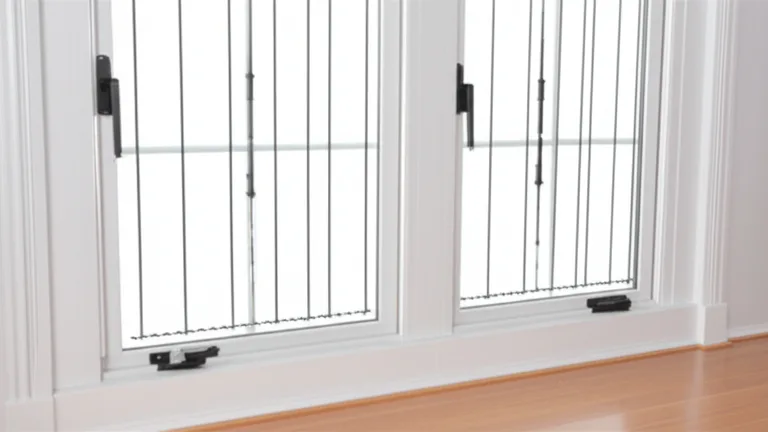
More than bars, SWB offers peace of mind. We understand security at a structural level to explain it to you at a home level. If you have ever skipped installing window bars because you did not want your home to look like a prison or you live in a neighborhood where curb appeal matters, you are not alone. According to the FBI Uniform Crime Report, approximately 6.7 million residential burglaries occur in the United States every year, and 60 percent of those intrusions happen through ground-floor windows and doors — yet millions of homeowners and renters still leave those entry points unprotected because traditional metal bars feel too harsh or too permanent. That is exactly where clear window security bars and invisible window guards change the conversation. These low-profile solutions provide the same structural deterrence as conventional steel bars while blending seamlessly into your home’s aesthetic. In this guide, Security Window Bars (SWB) walks you through every transparent and near-invisible security option on the market, what they are made of, who benefits most, and how to choose the right system for your specific situation — whether you rent a studio in Chicago, own a townhouse in Atlanta, or manage rental properties across multiple states.
Polycarbonate is a high-impact thermoplastic used in bulletproof glass, police shields, and aerospace components. When extruded into bar form, polycarbonate off…
What Are Clear Window Security Bars and Invisible Window Guards?
Clear window security bars are security devices designed to block or delay unauthorized entry through a window opening while remaining visually discreet or nearly transparent from the inside and outside of the home. Unlike the heavy wrought-iron or welded steel grates that dominated residential security for decades, clear and low-profile systems prioritize aesthetics without sacrificing structural integrity. The term ‘invisible window guards’ is broadly used in the US market to describe any bar or guard product that minimizes visual intrusion — this includes bars made from polycarbonate (a nearly clear thermoplastic), clear-coated steel with ultra-thin profiles, and telescopic systems that sit inside the window frame rather than bolting to exterior masonry. According to a 2022 Pew Research study on home security attitudes, more than 48 percent of American homeowners cited the ‘unattractive appearance’ of traditional bars as the primary reason they had not installed any window security. That is a staggering statistic when you consider that professionally installed steel window bars cost between $600 and $1,800 per window in major US cities like Los Angeles, New York City, and Houston. Clear and low-visibility solutions close that aesthetic gap, making real security accessible to a much broader segment of the American housing market — including renters, condo owners, and homeowners in HOA-governed communities with strict exterior appearance rules.
Polycarbonate Window Bars: The Most Transparent Option Available
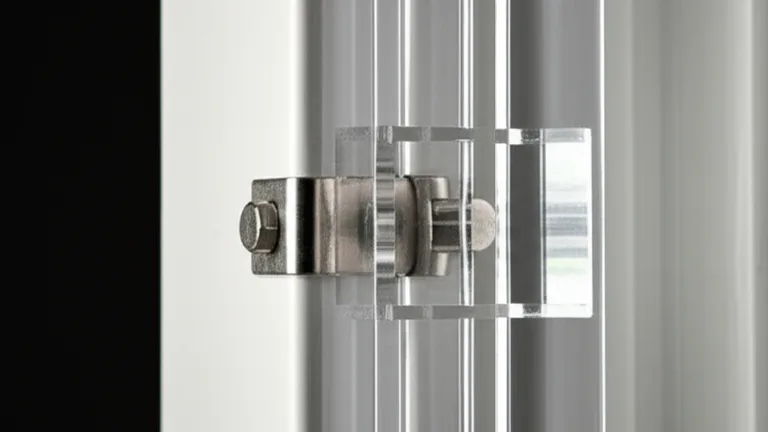
Polycarbonate is a high-impact thermoplastic used in bulletproof glass, police shields, and aerospace components. When extruded into bar form, polycarbonate offers tensile strength of up to 9,500 psi — roughly comparable to aluminum alloy — while remaining optically clear or lightly tinted. Polycarbonate bars are typically installed in a grid or parallel configuration across a window opening, anchored with stainless steel hardware. From a distance of ten feet, they are nearly invisible, which makes them especially attractive for front-facing windows in upscale neighborhoods, historic districts in cities like Savannah, Georgia or Boston, Massachusetts, and HOA communities where exterior modifications require board approval. The main limitation of polycarbonate bars is temperature sensitivity: prolonged UV exposure can cause yellowing over five to ten years, and extreme cold (below -20°F) slightly reduces impact resistance. Always look for UV-stabilized polycarbonate products if you live in Sun Belt states like Arizona, Florida, or Texas.
Clear-Coated Thin-Profile Steel Bars: Near-Invisible with Maximum Strength
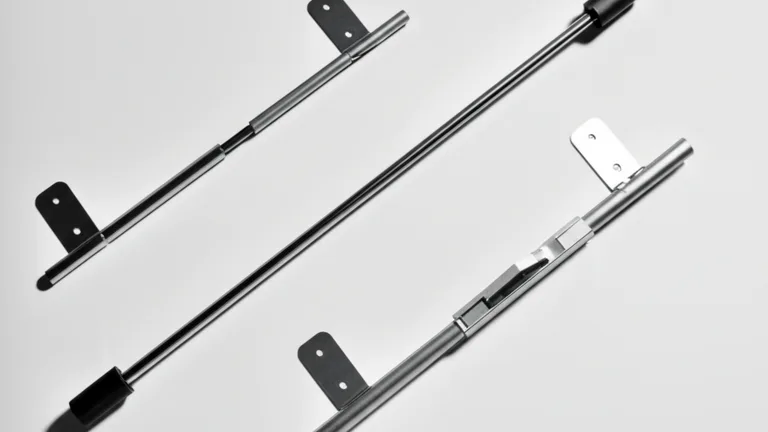
For homeowners who need the tensile strength of steel but want a low-visibility finish, clear-coated or powder-coated steel bars in ultra-thin profiles (typically 3/8 inch to 1/2 inch diameter) offer the best compromise. These bars use the same heavy-gauge steel construction as traditional window bars but are finished with a transparent lacquer or a matte black powder coat that recedes visually against dark window frames. When installed on the interior of the window — which is the preferred placement for both aesthetics and security — they are far less visible from the street than exterior bars. Interior placement also protects the steel finish from weather degradation, eliminating concerns about rust in humid coastal markets like Miami, Florida or Seattle, Washington. SWB’s telescopic systems fall into this category: the matte black finish of Model A and Model B blends with modern window frames while delivering the same structural resistance as permanently welded solutions.
How ‘Invisible’ Compares to ‘Removable’ in the US Renter Market
For the 44.1 million apartment renters in the United States (US Census Bureau, 2023), the question of visibility is often secondary to the question of permanence. Most lease agreements prohibit drilling into window frames or exterior masonry without written landlord consent. This is where telescopic, no-drill window bars become the practical ‘invisible’ solution — not because they are optically transparent, but because they leave zero permanent marks when removed. In cities like New York City, where Local Law 57 requires window guards in buildings with children under ten years of age, and in Chicago, where ground-floor apartment burglaries account for a disproportionate share of property crime, renters need security solutions that protect them today without costing them their security deposit tomorrow. Inside window bars and window bars inside the frame — installed via a pressure-fit telescopic mechanism — solve both the aesthetic and the permanence problem simultaneously.
Clear vs. Traditional Metal Bars: A Side-by-Side Comparison for US Homeowners
Choosing between clear window security bars and traditional metal window bars is not simply an aesthetic decision — it involves structural performance, code compliance, installation complexity, cost, and long-term durability. American homeowners and renters face a market crowded with options, and the marketing language around ‘invisible’ or ‘clear’ products can be misleading. Understanding the real differences helps you make an informed purchasing decision that protects your family without compromising your home’s appearance or your lease agreement. The table below summarizes the key differences across the most relevant criteria for US buyers, drawn from product specifications, building code requirements under the International Building Code (IBC) and NFPA 101, and real-world installation data from the SWB installation team.
Structural Strength: Does Clear Mean Weaker?
This is the most common misconception about transparent window security products. Polycarbonate bars, when properly sized and anchored, resist impact forces comparable to thin-gauge aluminum bars. However, they do not match the tensile or shear strength of heavy-gauge steel. A 3/4-inch diameter steel bar can withstand lateral forces exceeding 1,200 pounds before deformation, while a polycarbonate bar of the same diameter typically fails at 400–600 pounds under sustained force. For a determined burglar using a pry bar or bolt cutters, polycarbonate bars provide deterrence and delay — but they are not equivalent to steel for high-risk environments. In neighborhoods with elevated break-in rates — including parts of Detroit, Memphis, Philadelphia, and Baltimore — steel bars remain the structurally superior choice. The SWB Model B wall-mount bars use heavy-gauge steel construction that exceeds residential security standards while maintaining a clean, low-profile powder-coated finish.
Aesthetics and HOA Compliance in American Neighborhoods
Homeowners Association rules in master-planned communities across the Sun Belt, Mid-Atlantic, and Pacific Coast states frequently restrict visible exterior security modifications. A 2021 survey by the Community Associations Institute found that over 67 percent of US HOAs have explicit rules about exterior window treatments and security additions. Clear polycarbonate bars and interior-mounted steel bars both offer pathways to compliance: polycarbonate bars are nearly invisible from the street, and interior-mounted systems are not classified as exterior modifications in most HOA governing documents. If you live in an HOA community in suburbs like Frisco, Texas, Naperville, Illinois, or Henderson, Nevada, always verify your CC&Rs before purchasing any window security product and consider interior installation as your first-choice approach to avoid board approval delays.
Cost Comparison: Clear Bars vs. Steel Bars vs. Professional Installation
The cost differential between DIY window security products and professional installation is significant. According to HomeAdvisor’s 2023 national cost data, professional window bar installation averages $600 to $1,800 per window in major US metro areas, with higher costs in New York City, San Francisco, and Seattle due to labor rates. DIY steel telescopic bars from SWB start at $90 to $92 per window — a savings of $500 to $1,700 per opening. Polycarbonate bar kits from specialty suppliers typically retail between $120 and $280 per window, making them more expensive than SWB’s steel telescopic systems while offering lower structural performance. For budget-conscious renters and homeowners, SWB’s telescopic steel bars provide the best value proposition: steel-grade security at a fraction of the professional installation cost, with no drilling required and same-week delivery via Amazon FBA.
Who Benefits Most from Low-Profile and Clear Window Security Bars?
Not every American household has the same security needs, budget, or aesthetic priorities. Clear and low-profile window security bars solve specific problems for specific customer segments. Understanding which category you fall into helps you choose the right product the first time rather than purchasing a solution that does not match your living situation, building type, or risk profile. The following segments represent the largest groups of US buyers actively searching for transparent or invisible window guard solutions in 2024.
Renters in Urban High-Rise and Mid-Rise Apartments
Apartment renters in cities like New York City, Chicago, Los Angeles, Houston, and Philadelphia represent the single largest customer segment for low-profile window security. These renters face a unique triple constraint: they need real protection against break-ins, they cannot permanently modify their unit, and they need a solution that will not trigger a lease violation or forfeit their security deposit. Interior-mounted telescopic window bars — particularly those designed as window bars inside the frame — address all three constraints simultaneously. The SWB Model A telescopic system requires no drilling in most standard US window sizes (22 to 36 inches wide) and installs in 15 to 20 minutes using a pressure-fit mechanism. When the renter moves out, the bars come down in under five minutes, leaving no marks. For renters specifically concerned about aesthetics in furnished apartments or short-term rentals listed on platforms like Airbnb, the slim profile and matte black finish of SWB bars reads as a design element rather than a security retrofit.
Homeowners in HOA Communities and Historic Districts
For homeowners subject to HOA rules or historic preservation guidelines — which apply to hundreds of thousands of properties across New Orleans, Savannah, Charleston, Washington DC, and Philadelphia — the choice of window security product has real financial consequences. Installing unapproved exterior modifications can result in fines ranging from $100 to $1,000 per violation in strict HOA communities, and in federally designated historic districts, exterior alterations require approval from local preservation boards. Interior-mounted security bars, including both telescopic and wall-mount systems installed on the inside face of the window frame, typically fall outside the scope of these restrictions because they do not alter the exterior appearance of the structure. This makes inside window bars — and by extension, products from SWB’s model lineup — the compliant choice for these property owners without sacrificing any security performance.
Parents Focused on Child Safety and Fall Prevention
Window falls are a leading cause of unintentional injury among children under ten in the United States. According to the Consumer Product Safety Commission (CPSC), approximately 5,000 children are treated in US emergency rooms each year for window-fall injuries. In New York City, Local Law 57 mandates window guards in all apartments where children ten years old or younger reside, with a maximum 4-inch bar spacing to prevent a child’s head from passing through. Parents shopping for window guards for this purpose often search for solutions that are less visually intimidating than traditional prison-style bars — both for the child’s psychological comfort and for the family’s interior design preferences. Clear polycarbonate guards and slim-profile interior steel bars serve this market well, providing the legally required 4-inch maximum spacing while remaining far less visually dominant than heavy ornamental iron grates.
Inside Window Bars, Window Grates, and Door Grilles: Where Clear Options Fit
The category of interior window security extends well beyond standalone window bars. Inside window bars, metal bars on windows, window grates, door grilles for patio doors and entry points, and window security bars that open for egress are all part of the same security ecosystem that protects American homes at the perimeter. Understanding how clear and low-profile products integrate into this broader system — including solutions for inside window bars, window grates for unusual openings, and door grilles for sliding glass patio doors — gives homeowners a complete picture of their options. For a comprehensive overview of the full product category covering inside window bars, metal bars windows, clear bars, window security bars that open, patio door bars, window grates, and door grilles, see our complete guide to window bars inside the home, which covers every installation type and compliance scenario in detail.
Interior vs. Exterior Mounting: The Security and Aesthetic Tradeoff
Window security bars can be mounted on the interior or exterior face of the window frame, and this single decision has major consequences for both aesthetics and security performance. Exterior mounting is the traditional approach and provides the highest deterrence value — a burglar can see the bars before attempting entry. However, exterior bars are subject to weather, require through-wall fasteners, are visible from the street, and are prohibited in many lease agreements and HOA rules. Interior mounting, by contrast, keeps the exterior of your home looking clean and unmodified, protects the bar finish from weather degradation, and — in most cases — does not require landlord approval because no exterior surface is modified. Interior-mounted bars are slightly easier for a burglar to interact with after breaking the glass, but the structural resistance of a properly anchored interior bar is essentially equivalent to exterior mounting in stopping forced entry. For most residential applications in the US, interior mounting is the smarter, more practical choice.
Window Grates for Non-Standard Openings: Basements, Casements, and Skylights
Not all American windows are standard double-hung units measuring 22 to 36 inches wide. Basement windows, casement windows, awning windows, jalousie windows, and skylights all present unique security challenges that standard bar systems may not address. Telescopic systems like SWB’s Model A are optimized for standard horizontal openings in the 22-to-36-inch range, which covers the majority of US residential windows. For non-standard openings — including the basement hopper windows common in older Chicago, Detroit, and Cleveland housing stock — custom-cut window grates or fixed wall-mount systems like SWB’s Model B provide a more secure fit. When measuring non-standard openings, always measure the rough opening width at three points (top, middle, bottom) and use the smallest measurement for ordering, adding a half-inch for mounting bracket clearance on each side.
Patio Door Bars and Sliding Door Security in US Homes
Sliding glass patio doors represent one of the most vulnerable entry points in American homes, particularly in single-story ranch houses and ground-floor apartments common across the Sun Belt, Midwest, and Pacific Coast. A patio door bar — sometimes called a door security bar or sliding door security rod — wedges into the bottom track of the door to prevent the panel from being slid open from the outside. While these products are not technically ‘window’ bars, they belong to the same interior perimeter security category and are frequently purchased alongside window bars by homeowners securing an entire floor level. For renters in cities like Phoenix, Las Vegas, and San Diego where patio doors are standard in apartment layouts, a patio door bar combined with interior window bars on adjacent windows creates a comprehensive ground-level barrier that requires no permanent modifications and can be removed entirely when moving out.

Egress Compliance for Clear and Low-Profile Window Bars in the USA
One of the most critical — and most misunderstood — aspects of residential window security in the United States is egress compliance. The International Building Code (IBC), NFPA 101 Life Safety Code, and the International Residential Code (IRC) all require that sleeping rooms have at least one window capable of serving as an emergency escape and rescue opening. The IRC specifies a minimum net clear opening of 20 inches wide by 24 inches tall, with a minimum net clear opening area of 5.7 square feet and a maximum sill height of 44 inches from the floor. Any window bar — clear, polycarbonate, steel, or otherwise — that blocks this required egress opening without a quick-release mechanism is a code violation and a life-safety hazard. According to the National Fire Protection Association (NFPA), residential fires kill approximately 2,500 Americans per year, and blocked egress windows have been cited in fire fatality investigations in cities including New Orleans, Chicago, and Baltimore.
IBC and NFPA 101 Quick-Release Requirements Explained
Under NFPA 101 and the IBC, any security device installed on an egress window must be operable from the inside without tools, keys, or special knowledge, and must open fully within a single motion or a simple sequence of motions. This applies to steel bars, polycarbonate bars, window grates, and any other physical barrier installed over a required egress opening. Polycarbonate bar systems that use glued or permanently anchored configurations do not meet this requirement unless they include a certified quick-release panel. Similarly, welded steel grates permanently affixed to the window frame are a code violation in any sleeping room, regardless of how aesthetically subtle they may appear. When evaluating any clear or low-profile window bar system for a bedroom or sleeping area, always verify that the product includes an NFPA 101-compliant quick-release mechanism before purchasing.
SWB Model A/EXIT: Egress-Compliant Security Bars for Sleeping Areas
SWB’s Model A/EXIT was specifically engineered to solve the egress compliance challenge without forcing homeowners to choose between safety and security. The Model A/EXIT features a patented quick-release mechanism that allows the bar to be fully disengaged from the inside in a single motion, clearing the required 20-inch-by-24-inch egress opening mandated by the IRC. The system is compliant with IBC, NFPA 101, and OSHA standards, making it the appropriate choice for bedrooms, sleeping areas, and any room that a building inspector or fire marshal might classify as a habitable sleeping space. For parents installing window bars in children’s bedrooms in cities like New York City where Local Law 57 compliance is mandatory, the Model A/EXIT provides the legally required child-fall protection while simultaneously satisfying fire egress requirements — a compliance combination that fixed or permanent bar systems cannot achieve. You can review the full specification and ordering details for the egress-compliant system at the SWB Model A/EXIT product page.
Clear Bars in Bedrooms: The Specific Compliance Challenge
Polycarbonate and clear-coated bar systems installed in bedrooms face an additional compliance challenge beyond the standard egress requirement: they must not impede the firefighter rescue access that egress windows are also designed to provide. Under NFPA 101 Section 7.2.1.2, emergency rescue openings must allow a rescuer to enter from the outside — meaning the quick-release mechanism must also be operable from the outside by a firefighter using standard rescue tools. Many polycarbonate bar kits marketed as ‘invisible’ or ‘clear’ window guards do not address this dual-direction requirement and may create a situation where a child can be trapped in a bedroom during a fire even if the interior release functions correctly. Always verify both interior and exterior release operation when evaluating any window bar product for a sleeping area, and consult your local fire marshal if you have questions about compliance in your specific jurisdiction.
DIY Installation of Clear and Low-Profile Window Security Bars
One of the strongest advantages of modern telescopic and clear window bar systems over professional installation is the DIY-friendly setup that eliminates the need for a licensed contractor or locksmith. The average professional window bar installation in the United States takes two to four hours per window and costs $600 to $1,800 in labor and materials. SWB’s telescopic systems install in 15 to 20 minutes per window using basic household tools — or in many cases, no tools at all for the no-drill telescopic configuration. This section walks through the general installation process for both telescopic no-drill systems and wall-mount systems, with specific notes on measuring for clear bar products and ensuring compliance with US egress requirements during installation.
Step-by-Step Measuring Guide for Standard US Window Sizes
Accurate measurement is the most critical step in any window bar installation. For telescopic systems like SWB’s Model A (which covers 22 to 36 inches), measure the inside width of your window frame at three horizontal points: top of the opening, middle, and bottom. Use the smallest of the three measurements as your reference width, then subtract 1 inch to allow for the telescopic end caps to engage the frame without bowing the window frame under tension. For clear polycarbonate bar kits that require cutting to length, always use the rough opening measurement and follow the manufacturer’s cutting guide for clean, burr-free edges. Window height measurement is important for egress compliance: verify that the net clear opening after bar installation still meets the 20-inch-by-24-inch IRC minimum for any window in a sleeping room. Detailed measurement guidance with diagrams is available at the SWB Installation Guide.
No-Drill Telescopic Installation vs. Wall-Mount Installation
No-drill telescopic installation — used in SWB’s Model A and Model A/EXIT — works by extending the bar to a length slightly greater than the window opening and using the spring tension of the steel bar pressing against both sides of the window frame to hold it in place. This method requires no hardware, no drilling, and leaves no permanent marks. It is ideal for renters, for windows in historic buildings where drilling into original millwork is prohibited, and for landlords who want to add security between tenants without permanent modifications. Wall-mount installation — used in SWB’s Model B — involves drilling anchor bolts directly into the window frame or the surrounding wall studs, creating a permanently fixed bar system. This method provides the highest structural resistance and is recommended for ground-floor windows in high-crime areas, commercial properties, and any location where the threat level justifies a permanent installation. Homeowners in cities like Detroit, Memphis, and Baltimore who own their properties and are not subject to HOA restrictions often choose Model B for maximum security on vulnerable first-floor openings.
Common Installation Mistakes to Avoid with Low-Profile Bar Systems
The most common installation errors for DIY window bar projects in the United States involve inadequate anchoring for wall-mount systems, incorrect bar spacing for child safety compliance, and failure to verify egress clearance before finalizing the installation. For wall-mount systems, always anchor into wall studs or solid masonry — drywall anchors alone are not sufficient to resist a forced-entry load. For child safety applications where the 4-inch maximum spacing rule applies (per New York City Local Law 57 and similar codes in other jurisdictions), measure bar spacing at the widest point of the opening, not at the center. For egress compliance in sleeping areas, physically verify that you can open the bar system from the inside and clear the full 20-by-24-inch minimum opening before the installation is considered complete. A compliance error discovered during a home inspection or after a fire incident can result in costly remediation and, more importantly, serious risk to your family’s safety.
Buying Clear Window Security Bars in the USA: What to Look For
The US market for window security bars spans a wide range of quality levels, price points, and compliance certifications. Purchasing the wrong product — whether because of misleading marketing claims about ‘invisible’ bars or because of inadequate structural specifications — can leave your home less protected than you believe. This section covers the key criteria American buyers should evaluate when comparing clear, low-profile, or transparent window security bar products, including material standards, compliance certifications, warranty terms, and the specific questions to ask any vendor before purchasing.
Material and Construction Standards for US Residential Security
For steel window bars, the most important material specification is gauge thickness. Heavy-gauge steel (typically 16-gauge or thicker for bars, 12-gauge or thicker for mounting brackets) provides significantly greater forced-entry resistance than light-gauge products. Look for powder-coated finishes rated for outdoor UV and moisture exposure, particularly for exterior-mounted systems in coastal or high-humidity markets including Miami, Houston, and New Orleans. For polycarbonate bars, UV stabilization is critical — unstabilized polycarbonate yellows and becomes brittle within three to five years in direct sunlight, particularly in Sun Belt states. Always request the material datasheet for polycarbonate products and verify that the UV stabilization meets or exceeds the requirements of ASTM D4329, the standard accelerated weathering test for plastic materials in the USA.
Price, Delivery, and the Amazon FBA Advantage for US Buyers
For American homeowners and renters who need window security quickly — whether because of a recent break-in in the neighborhood, a new lease in an unfamiliar area, or an upcoming home inspection — delivery speed matters as much as product quality. SWB’s full product line is available through Amazon FBA (Fulfilled by Amazon) at the SecurityWindowBars storefront, which means Prime-eligible buyers across all 50 states can receive their bars within two business days or less in most cases. This speed advantage is significant compared to custom-order bar fabrication from local metal shops, which typically requires seven to twenty-one business days for fabrication and installation scheduling. At $90 to $92 per window for SWB’s steel telescopic and egress-compliant systems, the delivered cost is 80 to 95 percent lower than the average professional installation quote in major US cities — with the same steel-grade structural performance and full egress compliance on the Model A/EXIT.
Security Window Bars Across US Cities: Where Clear and Low-Profile Solutions Matter Most
Residential burglary rates and housing stock characteristics vary significantly across US metro areas, and these differences influence which window security products are most appropriate for each market. This section highlights the key residential security considerations in the highest-risk US markets and explains why clear, low-profile, and telescopic window bar solutions are particularly well-suited to the urban apartment and condo stock that dominates these cities.
New York City: Child Window Guards and Renter Compliance
New York City is the single largest market for window guard products in the United States, driven by Local Law 57, which requires landlords to install window guards in all apartments where children ten years of age or younger reside, and to offer guards to any tenant who requests them regardless of children’s presence. The law specifies a maximum 4-inch spacing between bars, a minimum gauge for metal guards, and mandatory annual inspection. NYC’s housing stock is dominated by pre-war multifamily buildings with single-hung and double-hung windows, many of which have non-standard dimensions that require adjustable or custom-fitted bar systems. Interior-mounted telescopic bars that are adjustable in width — like SWB’s Model A — are highly practical for NYC’s varied window sizes, and their no-drill installation is compatible with the city’s tenant protection laws that restrict landlords from requiring tenants to accept permanent alterations as a condition of window guard compliance.
Chicago, Houston, and Atlanta: Ground-Floor Apartment Security
In Chicago, Houston, and Atlanta — three of the highest-volume markets for residential burglary in the US per FBI UCR data — ground-floor apartment windows are the primary target for opportunistic break-ins. Renters in these cities who occupy ground-floor units in garden apartments, walkup buildings, and duplex conversions face elevated risk compared to upper-floor residents, yet they often lack the legal right to install permanent security modifications under their lease terms. The SWB Model A telescopic system addresses this gap directly: it provides heavy-gauge steel bar coverage for standard window sizes without any drilling, installs in under 20 minutes, and can be removed completely when the tenant vacates. For higher-risk ground-floor applications where maximum structural resistance is needed — such as unit-level retail spaces or basement apartments in Chicago’s North Side or Houston’s Midtown — the wall-mount Model B provides permanent professional-grade security that the property owner can install once and maintain for the life of the building.
🏆 Conclusion
Clear window security bars and invisible window guards represent the fastest-growing segment of the residential security market in the United States — and for good reason. American homeowners, renters, and landlords are no longer willing to accept the binary choice between leaving windows vulnerable and covering them with heavy, unattractive iron grates. Modern telescopic steel bars, polycarbonate guard systems, and egress-compliant quick-release bar systems have erased that tradeoff, delivering real structural protection with a profile that works in HOA communities, historic districts, renter-occupied apartments, and children’s bedrooms alike. The key to choosing the right solution is understanding your specific constraints — lease terms, egress requirements, window dimensions, and local building codes — and selecting a product that meets all of them without compromise. Security Window Bars (SWB) offers a complete system lineup that covers the full range of US residential applications, from no-drill telescopic bars for renters to permanently mounted egress-compliant systems for homeowners, all available with fast Amazon FBA delivery to all 50 states. Protect your home at every opening, and do it without sacrificing the look and feel of a home you are proud to live in.
Security Window Bars · USA
Secure Your Home Today
Ready to secure your windows without sacrificing style? Shop the full SWB product line — including telescopic, wall-mount, and egress-compliant models — at the Security Window Bars Amazon Store with fast shipping to all 50 states, or browse all models directly at securitywb.com.
Shop on Amazon →Frequently Asked Questions
No — polycarbonate bars offer meaningful deterrence and delay but do not match the tensile or shear strength of heavy-gauge steel. A 3/4-inch steel bar can resist lateral forces exceeding 1,200 pounds, while a polycarbonate bar of the same diameter typically fails at 400 to 600 pounds under sustained force. For moderate-risk environments such as upper-floor apartments or HOA-governed communities, polycarbonate bars may be sufficient. For high-risk ground-floor windows in cities like Detroit, Memphis, or Chicago, heavy-gauge steel bars provide meaningfully superior forced-entry resistance and are the recommended choice.
Yes. Telescopic no-drill window bar systems — including SWB’s Model A — use a pressure-fit mechanism that requires no drilling into the window frame or surrounding wall. These systems are compatible with most standard US window sizes from 22 to 36 inches wide, install in 15 to 20 minutes, and leave no permanent marks when removed. This makes them fully compatible with standard US lease agreements that prohibit permanent modifications. Always review your specific lease terms, but in the vast majority of cases, a no-drill interior telescopic bar does not constitute a lease violation because it does not alter any surface of the unit.
Yes, absolutely. Under the International Residential Code (IRC), NFPA 101, and the International Building Code (IBC), any sleeping room must have at least one window capable of serving as an emergency escape and rescue opening with a minimum net clear opening of 20 inches wide by 24 inches tall. Any window bar installed in a sleeping area must include a quick-release mechanism that allows the bar to be fully removed from the inside without tools or keys. SWB’s Model A/EXIT is specifically designed and certified for egress-compliant bedroom installation. Installing fixed bars without a quick-release mechanism in a bedroom is a code violation and a life-safety hazard.
Interior-mounted and low-profile window bars generally have a neutral or positive effect on residential property values when they are well-maintained and aesthetically compatible with the home’s style. A 2020 study published in the Journal of Real Estate Finance and Economics found that visible security enhancements — including window bars — increased perceived security in high-crime neighborhoods and were viewed positively by buyers in those markets. In lower-crime markets where aesthetics are the primary concern, interior-mounted and polycarbonate bar systems provide security without any visible exterior modification, preserving the home’s curb appeal entirely.
New York City’s Local Law 57 specifies requirements for window guard bar spacing (maximum 4 inches between bars), material strength (metal construction), and installation standards — but it does not specifically prohibit clear or polycarbonate window guards. However, because the law requires metal construction for certified compliance, polycarbonate guards may not satisfy the technical requirements of Local Law 57 in buildings where landlord compliance is legally mandated. Tenants and landlords in NYC should consult with the NYC Department of Housing Preservation and Development (HPD) for current guidance on acceptable window guard materials before purchasing transparent or polycarbonate bar systems for child safety compliance.
Measure the inside width of your window frame at three horizontal points — top, middle, and bottom of the opening — and use the smallest measurement as your reference width. For telescopic no-drill systems like SWB’s Model A, subtract 1 inch from that measurement to ensure the bar engages the frame correctly without bowing. For egress compliance, also measure the net clear height of the opening and verify that it meets the IRC minimum of 24 inches. Detailed step-by-step measurement instructions with diagrams are available at the SWB Installation Guide at securitywb.com/installation/.
The terms are often used interchangeably, but there is a functional distinction: window bars typically refer to parallel horizontal or vertical steel rods spanning the window opening, while window grates refer to a grid or lattice configuration — both horizontal and vertical members welded or bolted together — that covers the entire opening. Grates provide full-coverage protection and are commonly used on basement windows, commercial storefronts, and non-standard openings where a parallel bar system would leave vulnerable gaps. For most standard residential windows in the USA, parallel bar systems are sufficient and are significantly less expensive than custom-fabricated grates.
SWB’s full product lineup — including the Model A telescopic bars, Model B wall-mount bars, and the egress-compliant Model A/EXIT — is available through the SecurityWindowBars storefront on Amazon USA, with Prime-eligible two-day delivery to addresses in all 50 states. You can also browse the complete product range and order directly through securitywb.com. For questions about custom sizing, bulk orders for property managers, or compliance-specific applications, the SWB team can be reached through the contact page at securitywb.com/contact/.