
BLOG

security window bars
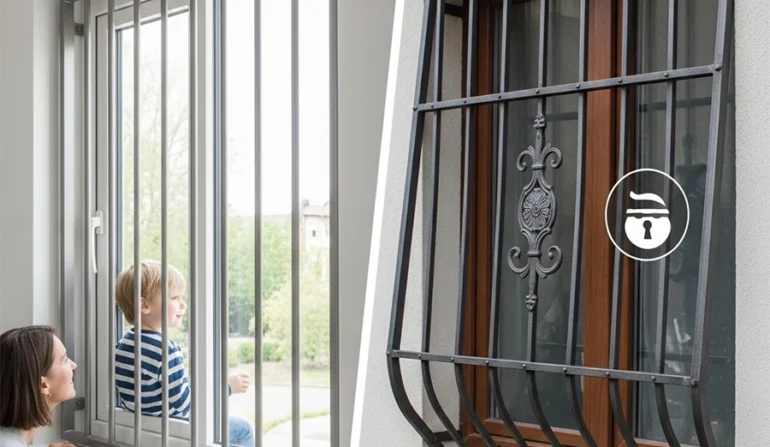
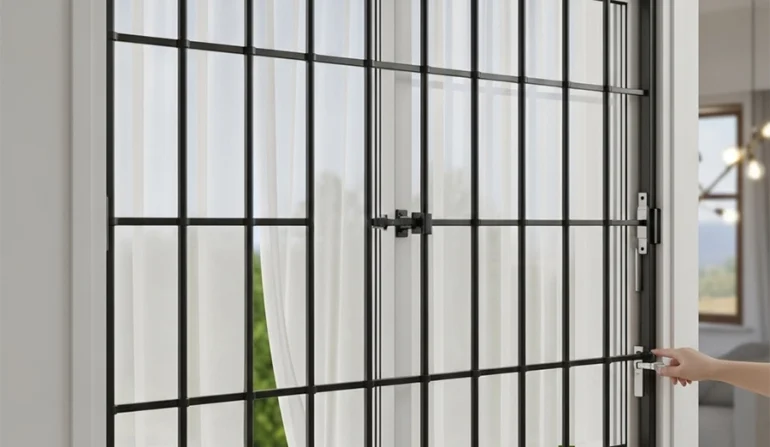
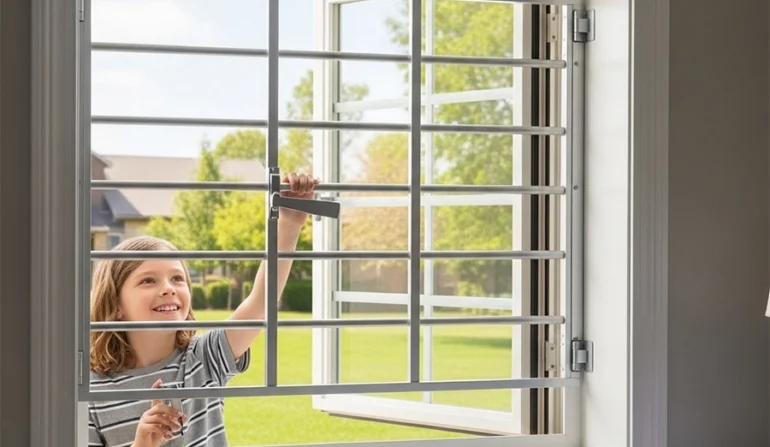
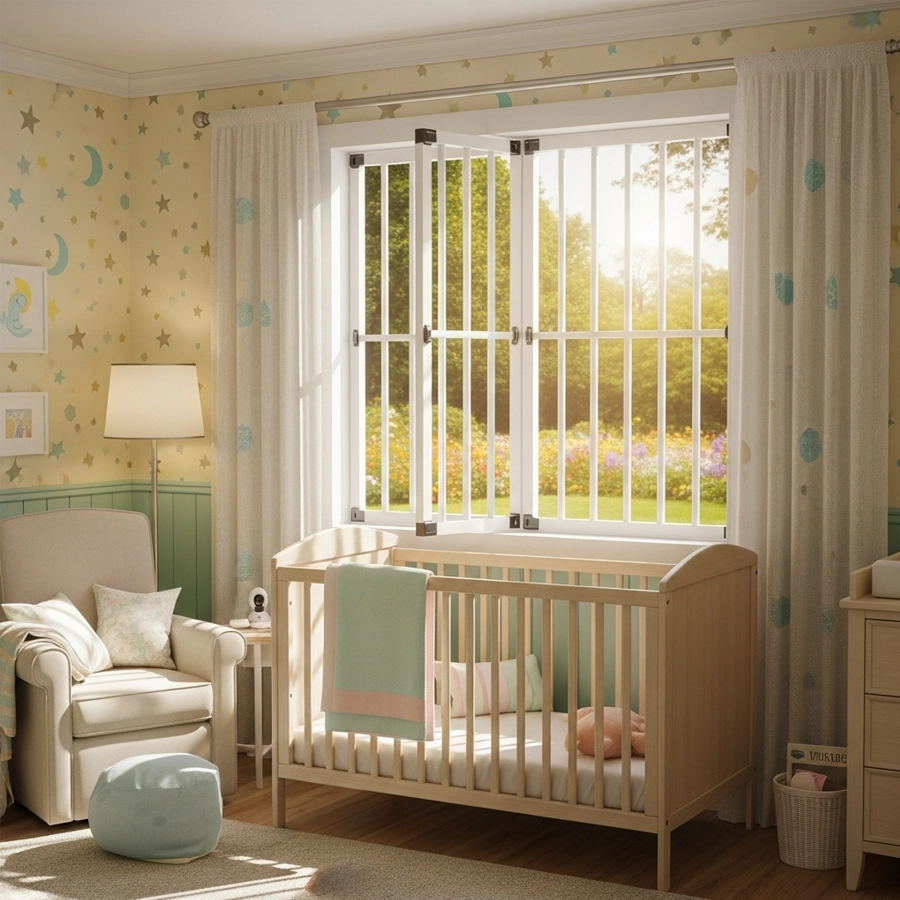
child-safe quick-release window bars open for emergency egress in nursery

Child-Safe Window Bars: The 2025 Safety & Egress Guide for Families

Children explore. They climb, lean, and push—especially around windows. The right combination of child-safe window bars, window safety bars for kids, and quick-release egress hardware prevents falls and deters opportunistic intruders without turning your home into a fortress. In this guide, you’ll learn the difference between security window bars (burglary resistance) and window guards (fall prevention), how to size and install window bars that open from inside, and which features make nurseries, playrooms, and bedrooms truly safe.

Share

What “Child-Safe Window Bars” Really Means

“Child-safe” isn’t a single product; it’s a system:

  • Fall prevention (window guards or stops) to keep small children from slipping through openings.
  • Burglary deterrence (security window bars) to resist prying and push-ins.
  • Emergency egress (quick-release) so kids and caregivers can exit fast—no keys, no tools.
  • Child ergonomics: releases reachable and simple, yet not blocked by blinds, furniture, or toys.
  • Routine drills so children know what to do even in the dark.

Done right, your windows become safer to live with every day—not just “more secure.”

Window Guards vs Security Window Bars (And When You Need Both)

Window guards are fall-prevention devices that limit openings—often keeping gaps under ~4–5 inches so toddlers can’t slip through. They’re common in nurseries, playrooms, and multi-story bedrooms.

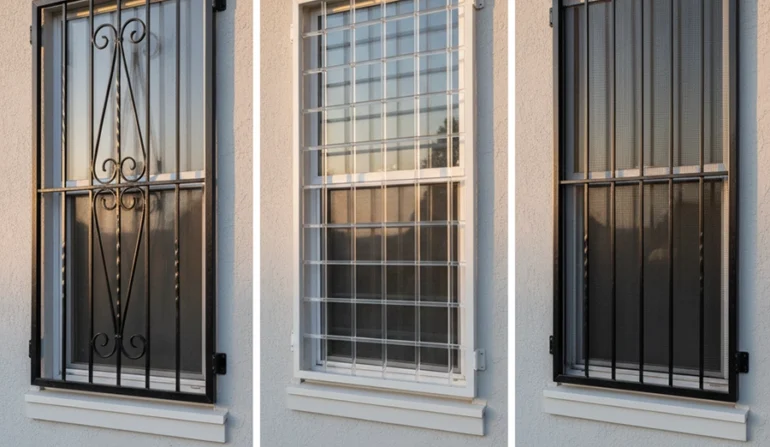
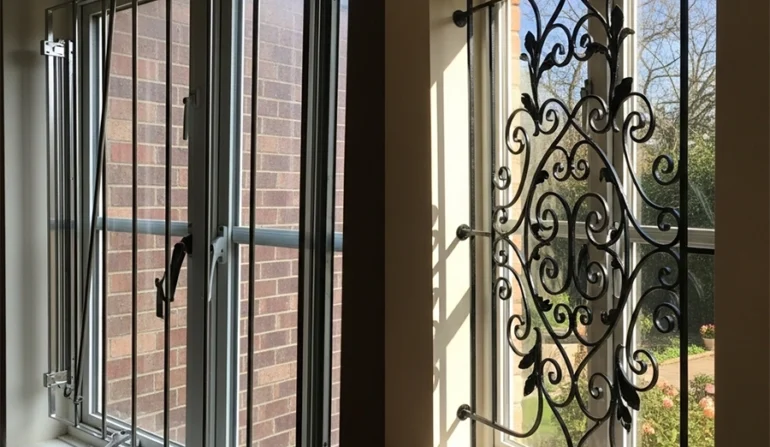
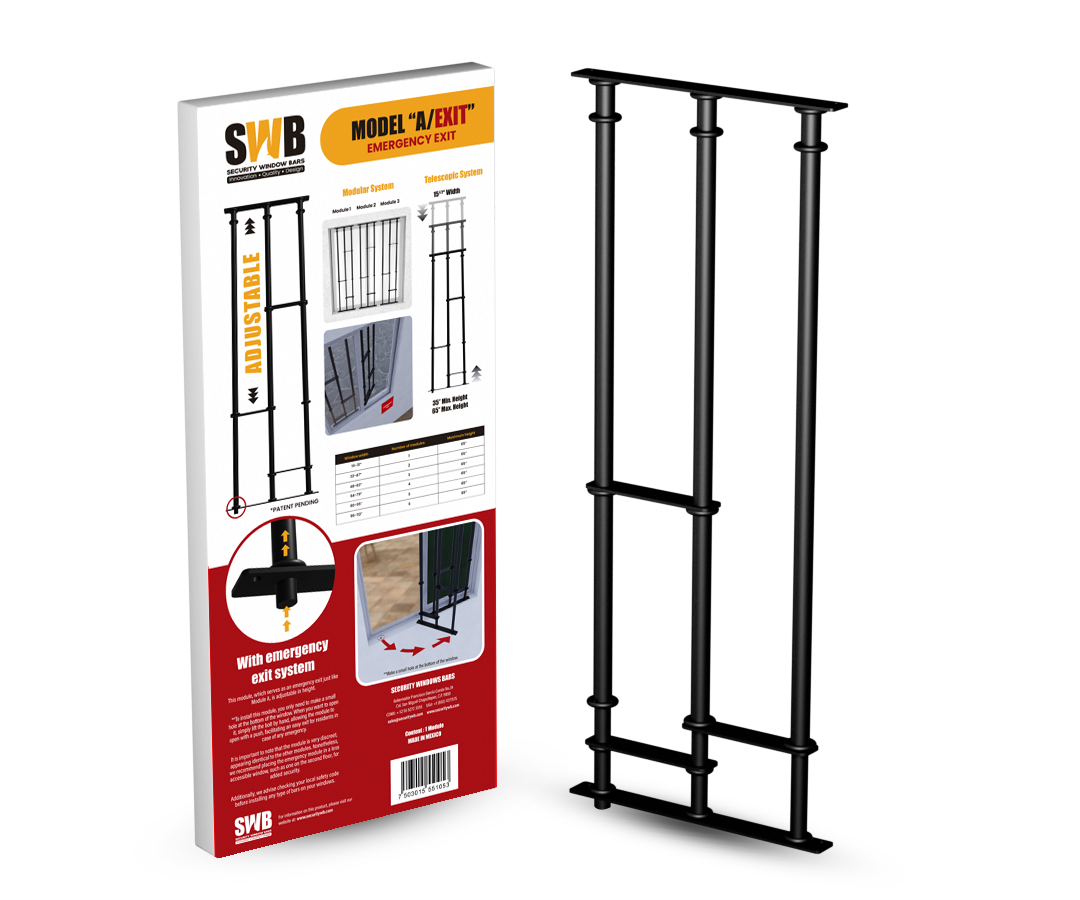
Security window bars are anti-burglary grilles designed to resist forced entry. Modern designs can be decorative, hinged, and equipped with quick-release hardware for egress.

When to combine them

  • Upper floors: pair a guard (limits opening) with interior quick-release security bars (deter break-ins).
  • Ground floor bedrooms: use child-safe quick-release window bars; if you still want a guard, ensure the release opens both the grille and the guard so egress stays instant.
  • Basements: use basement window security bars with quick-release and keep wells/ladders clear; guards are less common but stops can prevent accidental falls into wells.

Rule of thumb: in rooms where kids sleep or play near windows, treat fall prevention + egress as non-negotiable, then add burglary resistance as needed.

Egress First: Window Bars That Open from Inside (Bedrooms & Nurseries)

In any room used for sleeping, plan for emergency egress. Choose window bars that open from inside with a one-hand, one-motion quick-release (no keys, no tools). Children, sitters, and grandparents should all be able to operate it.

Egress essentials

  • Handle height reachable by kids; practice until the motion is automatic.
  • Swing path clear—no blinds, cords, furniture, or wall décor in the way.
  • Monthly drills (lights off): open bars, unlock window, and step through.
  • For exterior-style patterns, keep the release on the interior only via protected linkage.

Spacing, Height, and Child Ergonomics (So Kids Don’t Get Trapped)

Picket spacing

  • Keep gaps small enough to prevent head and torso entrapment for toddlers.
  • For window guards, limit the clear opening so a 4–5 inch sphere cannot pass.
  • For security window bars, maintain tight vertical spacing and avoid long horizontal “ladders.”

Height & reach

  • Place the quick-release where a child standing on the floor can reach it—typically lower than adult eye level.
  • Avoid sharp corners or exposed threads near the reach zone.

Cord & curtain safety

  • Blind cords are entanglement hazards. Route cords away from the release and consider cordless shades.

Cribs & furniture

  • Keep cribs, dressers, and bunk beds away from windows. Kids should not be able to climb onto sills to test bars or guards.

Materials & Finishes: Durable, Low-Maintenance, Child-Friendly

  • Powder-coated steel: best rigidity and slim profiles for deterrence. Smooth, blended welds reduce snag points.
  • Aluminum: lightweight and corrosion-resistant; choose thicker profiles for similar strength.
  • Coastal/damp zones: galvanized steel under powder coat; stainless hinge pins and capped fasteners.
  • Sheen: satin hides fingerprints and looks calm in nurseries; high-gloss shows smudges.
  • Edges: rounded corners, capped ends, and smoothed welds are kinder to little hands.

Interior vs Exterior Window Bars for Kids’ Rooms

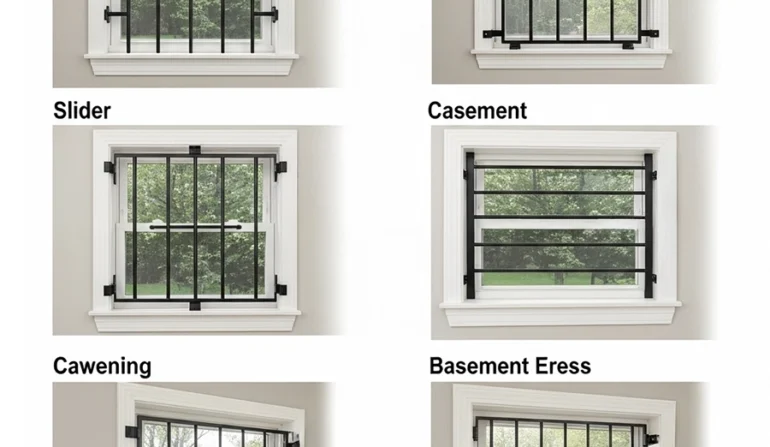
Interior child-safe window bars

  • Pros: best for quick-release access and drills; protected from weather; minimal impact on exterior.
  • Cons: coordinate with blinds/shades to keep the swing path clear.

Exterior child-safe window bars

  • Pros: terrific on masonry; add visible deterrence from the street.
  • Cons: release must remain interior-only; extra sealing/maintenance; coordinate with screens and shutters.

For bedrooms and nurseries, interior quick-release is usually the safest and simplest approach.

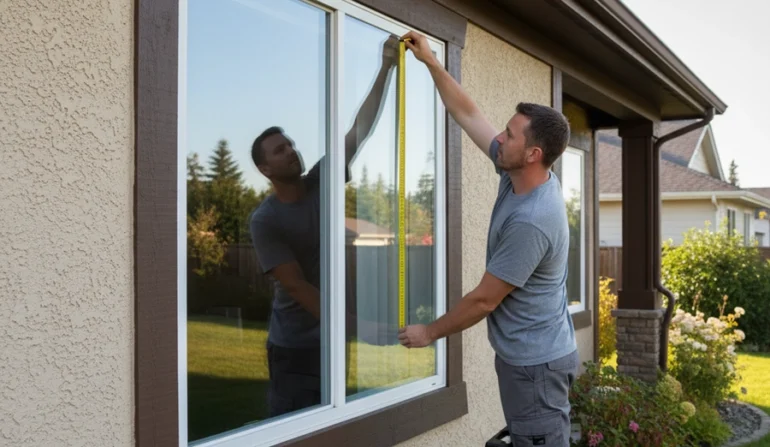
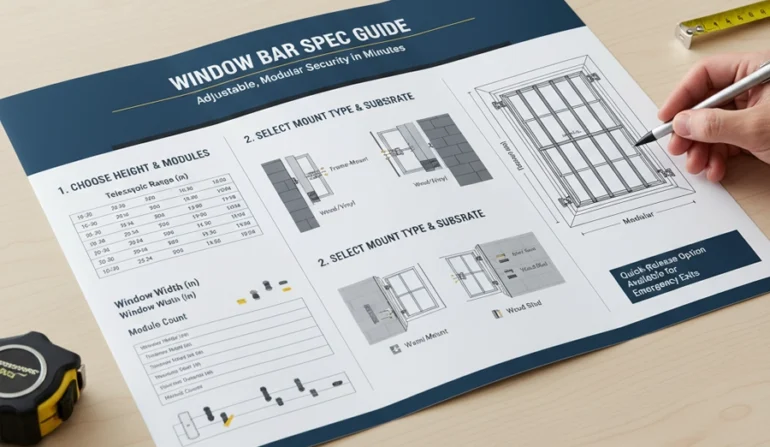
Measuring and Ordering Child-Safe Bars/Guards

  1. Choose the stack: guard (fall prevention), security window bars, or both.
  2. Decide the mount: interior vs exterior; recess vs surface; hinge side and swing.
  3. Width: measure inside-to-inside at top, middle, bottom. Use the smallest number.
  4. Height: measure left, center, right. Use the smallest number.
  5. Diagonals: check for racked frames; note high/low corners for shimming.
  6. Obstructions: cranks, latches, cords, shades, AC units, child gates, furniture.
  7. Handle reach: mark the quick-release height a child can reach comfortably.
  8. Guard opening: if using a guard, specify max opening (e.g., ≤4–5 in) and bar spacing.

Pro tip: Tape a paper mockup of the grille/guard on the jamb to verify sightlines and release position from a child’s vantage point.

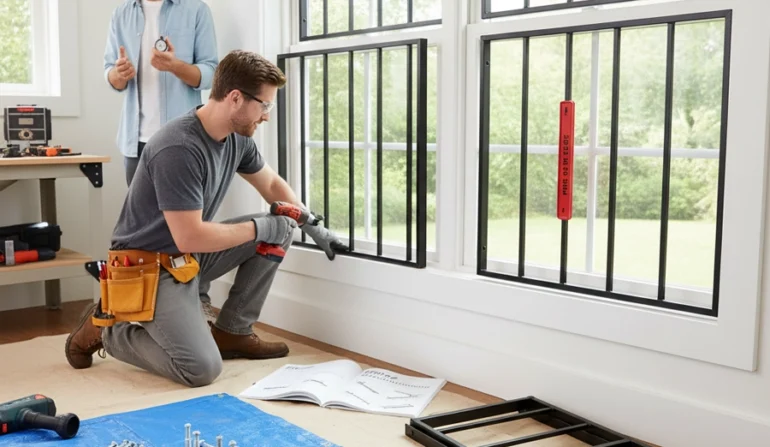
Installation: Wood, Masonry, and Apartments

Interior (Wood Framing)

  • Locate studs (don’t rely on trim).
  • Pre-drill undersized for lags; set two opposite corners; level/plumb; torque in a cross pattern.
  • Install quick-release and cycle it ten times. Confirm a child can use it.

Masonry (Brick, Block, Concrete)

  • Hammer drill to depth; vacuum dust so sleeve/wedge anchors set correctly.
  • Hang on two anchors, shim, level/plumb, then complete the pattern.
  • Seal penetrations; add stainless pins or caps in humid zones.

Apartments & Rentals

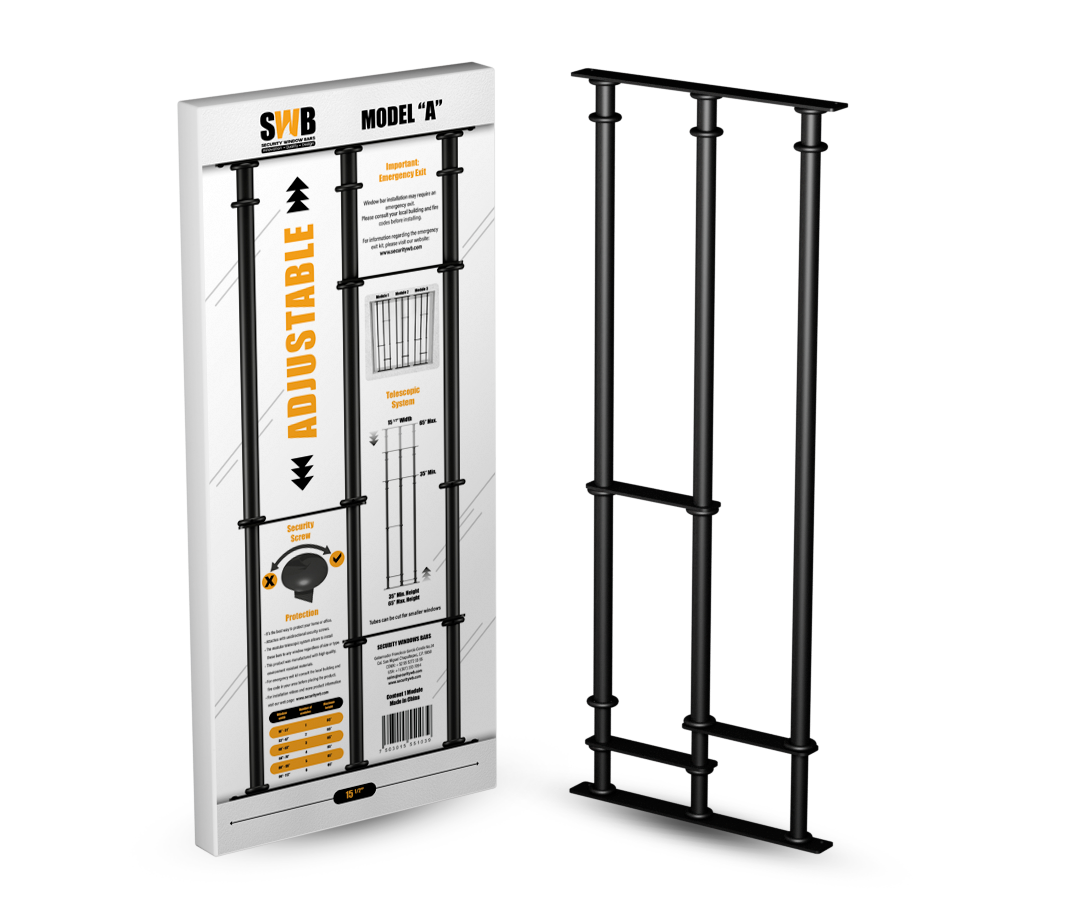
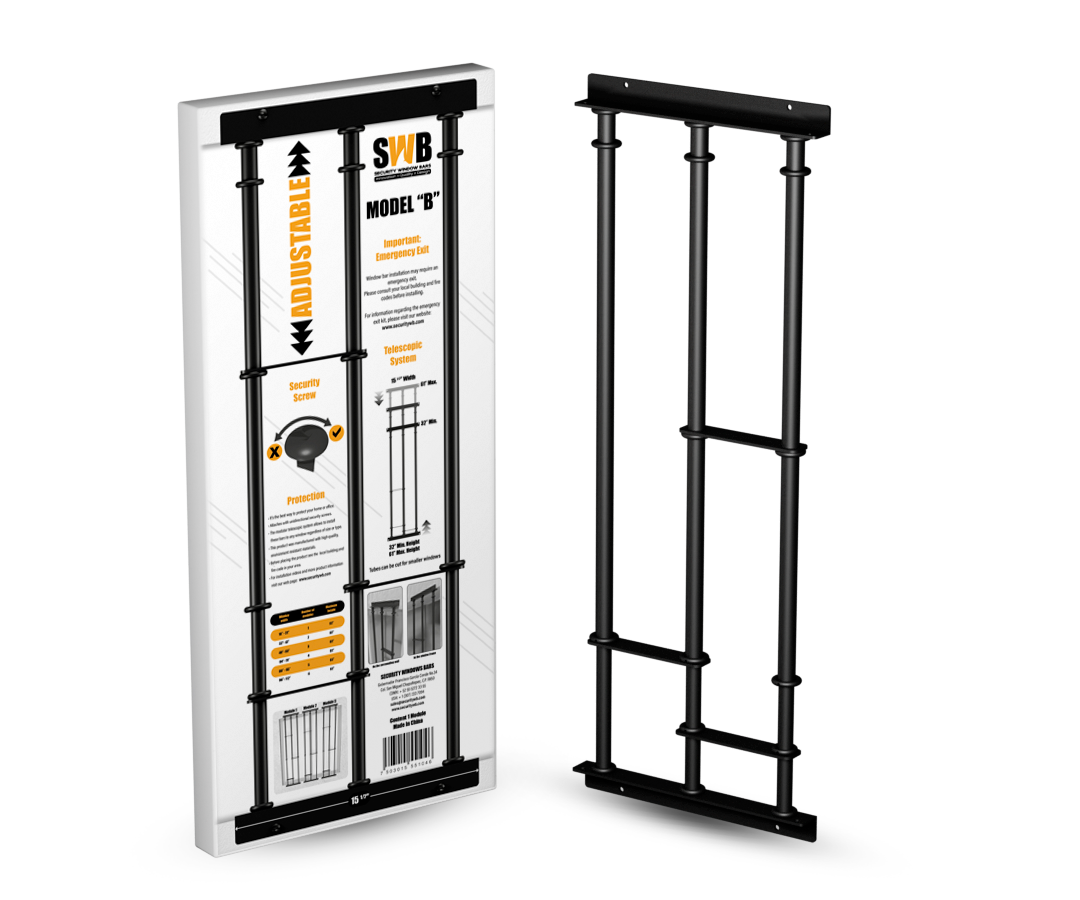
  • Use removable window bars (compression/clamp) or low-impact screw mounts.
  • Present a written plan to the landlord noting interior-only installation and patchable holes.
  • Bedrooms must use quick-release; schedule drills with every new roommate or babysitter.

Nurseries & Playrooms: Special Layout Tips

  • Keep climbables away: cribs, toy chests, and chairs should not be under windows.
  • Label the release discreetly (“Lift to Open”) and teach caregivers during the first visit.
  • Night drills: practice in the dark so kids recognize the handle by feel.
  • Sound cues: vinyl bumpers on the frame can reduce clangs that startle infants when testing the release.
  • Light control: cordless blackout shades reduce glare and remove cord hazards.

Daycare & Multi-Child Homes: Policy, Drills, and Signage

  • Assign responsibility: who checks releases monthly, logs it, and replaces worn pads or caps?
  • Post a mini-sign near each release with a simple icon and arrow.
  • Twice-yearly drills with all caregivers and older kids (spring/fall).
  • Visitor briefings for babysitters and grandparents—show the handle and the exit path.

Maintenance & Monthly Safety Checks

  • Monthly: open/close the quick-release; verify one-hand operation; ensure blinds/cords still clear the arc.
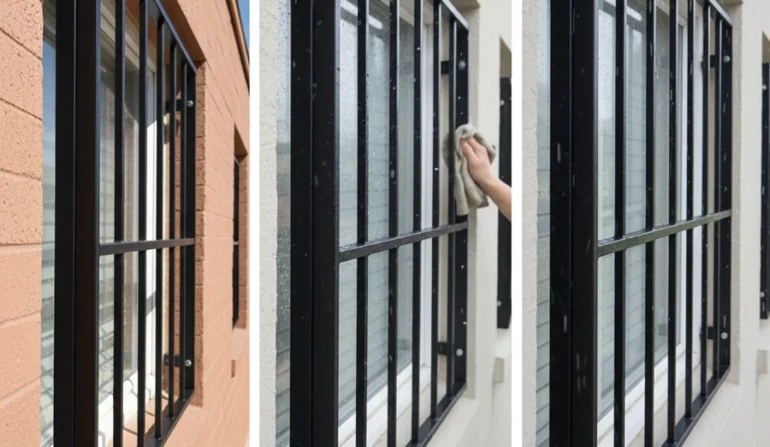
  • Seasonal: dry PTFE on hinges and latch pins; wipe dust; touch up chips.
  • After storms: inspect anchors and finish on exterior mounts.
  • Growth check: as children grow, adjust handle labeling and retrain them to open and exit safely.

Common Mistakes to Avoid

  • Installing fixed bars in bedrooms—egress must remain tool-free.
  • Using a guard that limits opening but forgetting a quick-release on the security grille.
  • Leaving blind cords near the release or swing path.
  • Over-spacing pickets so a small head or torso could pass.
  • Anchoring into weak mortar or thin trim instead of studs/brick.
  • Mounting the release too high for children to reach.
  • Skipping drills—muscle memory matters in emergencies.

Buying Checklists

Parents & Homeowners

  1. Room use: nursery, bedroom, playroom (egress required).
  2. Fall prevention: window guard or stops; max opening ≤4–5 in.
  3. Security: child-safe window bars with quick-release (one-hand, tool-free).
  4. Mount: interior vs exterior; hinge side; clear swing path.
  5. Measurements: width/height (3 points), diagonals, depth, obstructions.
  6. Material/finish: powder-coated steel or aluminum; satin black/white.
  7. Edges: rounded corners, capped ends, smoothed welds.
  8. Blind cords: cordless or rerouted; nothing near the handle.
  9. Apartments: removable/low-impact options; written landlord approval.
  10. Drill plan: monthly checks; who trains babysitters and grandparents?

Landlords & Property Managers

  1. Unit type: families with small children; multi-floor units.
  2. Standard: specify child-safe guards + interior quick-release bars for bedrooms.
  3. Fixtures: require cordless shades in kids’ rooms.
  4. Documentation: maintain install photos and monthly check logs.
  5. Move-in orientation: show releases and exits to new tenants.

FAQs

Are child-safe window bars the same as window guards?


No. Window guards prevent falls by limiting openings; security window bars deter break-ins. Many families use both in kids’ rooms—guards for everyday safety and quick-release bars for burglary resistance and egress.

Can children operate a quick-release?


They should be able to with minimal force. Choose a one-hand, one-motion handle at child height and practice monthly.

Will bars make my child’s room look like a jail?


Modern decorative security window bars use slim profiles, aligned rails, and satin finishes that blend with trim. From the street, they read as part of the design.

Do I need exterior bars for safety?


Not necessarily. Interior child-safe window bars with quick-release are ideal for bedrooms and nurseries. Exterior can work on masonry façades, but ensure the release is strictly interior-only.

What spacing should I choose for guards?


Use tight spacing so a small head or torso can’t pass; aim to keep the opening at or under a few inches. Pair with a quick-release grille for burglary resistance in sleeping rooms.

Can renters install child-safe bars?


Yes—removable window bars (compression or clamp) and low-impact screw mounts are renter-friendly. Get written approval and ensure bedrooms use quick-release.

Will security bars block airflow or light?


With slim pickets and smart spacing, light loss is minimal. Use screens or child-safe stops to manage airflow without creating climbable gaps.

What about windows with AC units?


Combine an AC sash security bar (locks sash height) with an interior quick-release grille. Keep cords/hoses off the swing path.

Ready to Make Kids’ Rooms Safer—Without Sacrificing Escape?

The safest solution for families combines fall prevention with security window bars that open from inside. Keep spacing tight, mount the release at child height, route blinds and cords out of the way, and practice monthly. If you’d like help matching guards and child-safe window bars to your exact windows, our specialists are happy to guide you step by step.

EMAIL ADDRESS: sales@securitywb.com
SITE: www.securitywb.com
PHONE:
CDMX: +52 (55) 5272 3355  USA: +1 (650) 4371 575
Share

COOKIES POLICY

Security Window Bars LLC ("SWB") uses cookies and similar technologies to improve your browsing experience and enhance the functionality of our website www.securitywb.com (the “Website”). This Cookies Policy explains what cookies are, how we use them, and how you can manage your cookie preferences.

By using our Website, you agree to our use of cookies as described in this policy.

Last Updated: 01/01/25