
Buy Telescopic Window Security Bars Online USA: The Complete Steel Bar Buyer’s Guide
Buy telescopic window security bars online USA — size charts, steel vs. aluminum comparisons, installation kits, shipping info & warranty. Shop SWB now.
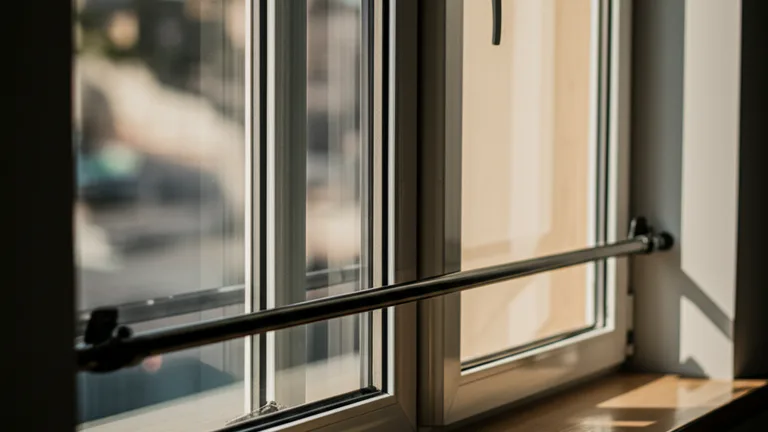
SWB combines high-quality steel strength with aesthetic designs that enhance your property value, offering the security your family deserves. If you are ready to buy telescopic window security bars online in the USA, you have already made one of the smartest home-security decisions available to an American homeowner or renter today. According to the FBI Uniform Crime Reporting Program, approximately 6.7 million residential burglaries occur across the United States every year, and law enforcement data consistently shows that 60 percent of forced entries happen through ground-floor windows and doors. A set of steel telescopic window bars — ordered online and installed in under 20 minutes — is one of the fastest, most cost-effective countermeasures you can deploy. Unlike permanently welded grilles, decorative domestic window security grilles, or fixed Georgian bar glazing systems common in older architectural styles, SWB’s telescopic bars adjust to your exact window size, require no permanent wall damage, and can move with you when you relocate. This guide walks you through everything: sizing charts, material comparisons, installation kits, and what to expect from shipping and warranty when you shop with Security Window Bars.
Lease agreements in cities like New York City, Los Angeles, Chicago, and Atlanta routinely include clauses that prohibit tenants from drilling into window frame…
Why Telescopic Window Bars Are the Smartest Purchase for American Renters and Homeowners
The American housing landscape includes roughly 44.1 million apartment renters, according to the 2023 U.S. Census Bureau estimate. The vast majority of those renters live under lease agreements that prohibit permanent structural modifications — meaning traditional fixed security bar installations, which typically cost between $600 and $1,800 per window when professionally installed, are simply not an option. Telescopic window bars solve this problem completely. The SWB Model A telescopic system expands from 22 inches to 36 inches, covering the standard window widths found in the overwhelming majority of residential buildings constructed to U.S. specifications. The bars lock into the window frame using spring-loaded steel pressure — no drilling, no anchors, no wall damage. When the lease ends, they come out in minutes and reinstall identically in your next apartment. For homeowners, the value proposition is equally compelling: you get the same structural steel deterrent strength as a permanently welded grille at a fraction of the cost and with full flexibility if you ever want to repaint, replace, or upgrade your windows. Whether you live in a ground-floor unit in Chicago, a basement apartment in Philadelphia, or a first-floor condo in Houston, telescopic window bars deliver immediate, relocatable, code-conscious protection.
The Renter Advantage: No Drilling, No Lease Violations, Full Security
Lease agreements in cities like New York City, Los Angeles, Chicago, and Atlanta routinely include clauses that prohibit tenants from drilling into window frames, masonry, or drywall without prior written landlord consent. Violating those clauses can result in security deposit forfeiture or even eviction proceedings. The SWB Model A telescopic window bar system installs using internal spring tension against the window frame’s interior stops — zero holes, zero anchors, zero violations. You get the full structural deterrent effect of a steel bar across your window without touching a single screw to the wall. Landlords and property managers also benefit: the bars can be removed entirely between tenants, inspected, cleaned, and reinstalled in the next unit within minutes.
Homeowner Benefits: Flexibility That Fixed Bars Can Never Offer
Homeowners who choose permanently welded burglar bars or fixed Georgian bar glazing configurations commit to a single installation point. If they replace a window unit — something that happens regularly during home renovation projects or after storm damage — the old bars may not fit the new frame dimensions. SWB telescopic bars simply re-expand to the new measurement. Additionally, because the bars are powder-coated matte black steel, they present a clean, architectural look that complements modern double-hung and casement windows without the ornate Victorian aesthetic associated with traditional cross bars in windows or decorative Georgian bar designs. If you ever want to sell your home, the bars are removed in minutes — no patching screw holes in the trim.
Egress Compliance: Why the Model A/EXIT Is Non-Negotiable for Bedrooms
The International Building Code (IBC), NFPA 101 Life Safety Code, and the International Residential Code (IRC) all require that sleeping rooms include at least one emergency egress window capable of providing a minimum 20-inch-by-24-inch clear opening. Standard fixed bars — including many spear-point guard designs and rigid domestic window security grilles — block this opening and create a documented fire hazard. The SWB Model A/EXIT addresses this directly with a patented quick-release mechanism that allows the bar to be removed from the inside in seconds during an emergency. Any bedroom window in the United States protected by security bars should use an egress-compliant system. OSHA standards and local fire marshals in cities like Detroit, Memphis, and Atlanta increasingly cite non-egress-compliant window bars as code violations during rental property inspections.
Window Size Selection Chart: Finding the Right Telescopic Bar for Your Window
Before you buy telescopic window security bars online in the USA, the single most important step is accurate measurement. Ordering the wrong width is the primary reason for return requests, and it is entirely preventable with a two-minute measurement process. U.S. residential windows are manufactured in standardized rough-opening widths, but the interior frame dimension — the measurement that actually matters for a telescopic bar — varies based on construction era, frame material (wood, vinyl UPVC, aluminum), and whether the window includes interior storm seals or trim elements. The SWB Model A covers interior frame widths from 22 inches to 36 inches, which encompasses the vast majority of standard single and double-hung windows found in American homes built after 1960. For larger openings — including picture windows, sliding glass panels, or casement configurations — multiple bars can be stacked vertically to create a full grille effect. Below is a practical reference chart based on standard U.S. residential window categories.
How to Measure Your Window for a Telescopic Security Bar
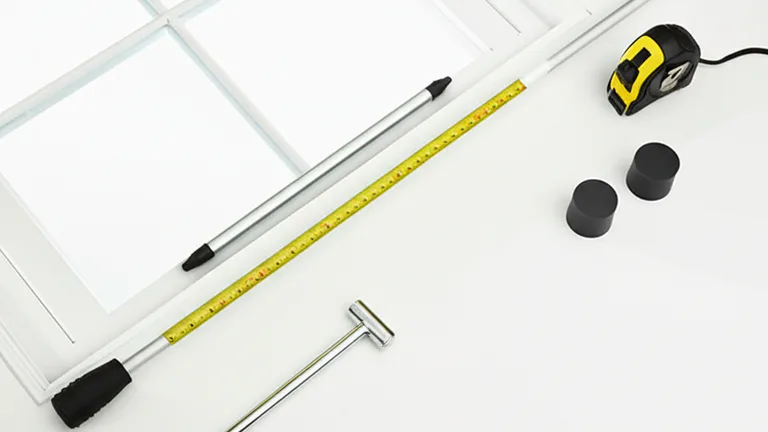
Use a steel tape measure — not a fabric tape — for accuracy. Measure the interior clear width of the window frame from the left interior stop to the right interior stop at three points: the top of the lower sash rail, the middle of the frame, and the bottom sill. Record the narrowest measurement. That is your controlling dimension. For windows with interior UPVC storm guard seals, add a half-inch tolerance to account for the seal’s rubber lip, which the bar end-caps will press against. For aluminum frame windows with sloped sills, SWB bar end-caps include rubber tension pads that maintain grip on angled surfaces. Do not measure the glass pane — measure the interior frame opening. Write the measurement down before you visit securitywb.com or the Amazon store page to confirm the correct model.
Standard U.S. Window Width Reference Table
The following interior frame width ranges correspond to common U.S. residential window categories. Single-hung windows in homes built 1950–1980: typically 24 to 32 inches interior width. Double-hung replacement windows in homes built 1980–2010: typically 26 to 36 inches interior width. Basement hopper windows: typically 22 to 28 inches interior width. Casement windows (single panel): typically 18 to 24 inches interior width — note that single-panel casements below 22 inches interior width fall outside the Model A range. Sliding windows (single active panel): typically 24 to 36 inches interior width. The SWB Model A at its 22–36-inch range covers approximately 85 percent of all U.S. residential window types in this category. The Model B wall-mount system is available for installations requiring a fixed, permanent anchor point outside the telescopic range.
Stacking Multiple Bars for Tall Windows and Basement Openings
Window security is not only about width — it is also about the vertical gap between bars. A standard single telescopic bar leaves a vertical span of the remaining window height unprotected. For windows taller than 8 inches of glass exposure above the bar, security professionals recommend installing a second bar above or below the primary bar, spaced no more than 5 inches apart vertically. This spacing is consistent with NYC Local Law 57 guidelines for window guards in buildings with children under 10, which require that window guard openings not exceed 4.5 inches in any direction. For basement windows — a particularly high-risk entry point, since the FBI notes that basement and ground-floor openings account for the majority of residential forced entries — two stacked bars create a grille effect equivalent in deterrence to welded domestic window security grilles, at a fraction of the installed cost.
Steel vs. Aluminum Window Security Bars: Which Material Is Right for Your Home?
One of the most common questions from buyers who are ready to purchase telescopic window security bars online in the USA is whether steel or aluminum construction is superior. The short answer: for security applications, steel wins on every structural metric that matters. However, the comparison is worth unpacking in detail, because you will encounter aluminum-based products — including some marketed under the categories of adjustable Georgian bars for UPVC windows and lightweight perspex burglar guard frames — that appear visually similar to steel bar systems but perform very differently under attack. Understanding the material difference protects you from making a purchase that looks like security but does not deliver it.
Why Heavy-Gauge Steel Is the Definitive Standard for Window Security Bars
Steel’s mechanical advantage over aluminum in security applications comes down to two properties: tensile strength and resistance to forced deformation. Carbon steel used in SWB Model A and Model B bars has a tensile strength of approximately 58,000–80,000 psi depending on the specific alloy and gauge. Aluminum alloys commonly used in lightweight window products — including aluminum Georgian bar framing systems and anodized adjustable bar products — typically achieve 20,000–45,000 psi. That gap translates directly into real-world attack resistance. A determined intruder applying lateral force with a pry bar or pipe can deform a lightweight aluminum bar in seconds. Heavy-gauge steel requires sustained mechanical effort that dramatically increases both the time and noise of any forced-entry attempt — two factors that strongly deter opportunistic burglars, who according to criminological research cited by the Department of Justice abandon break-in attempts when resistance time exceeds 60 seconds.
Aluminum Window Bar Products: Where They Fall Short
Products marketed as aluminum window security systems — including certain silver Georgian bar window inserts, decorative aluminum cross bar window kits, and lightweight perspex burglar guard frames with aluminum rails — occupy the aesthetic security category more than the structural security category. They are better suited to child fall-prevention or decorative purposes than to burglary deterrence. If you are shopping for window bars specifically because of break-in risk in your neighborhood, a ground-floor apartment in a high-crime metro area, or a basement window facing an alley in cities like Detroit or Memphis, aluminum simply does not provide the structural resistance that justifies the purchase from a security standpoint. SWB’s position is clear: for genuine burglary deterrence, steel is the only appropriate material.
Powder-Coat vs. Raw Finish: Corrosion Protection for Long-Term Performance
SWB Model A and Model B bars ship with a factory powder-coat matte black finish. Powder coating is an electrostatic application process that bonds a thermoplastic polymer layer to the steel surface, creating a finish that is approximately four times more resistant to chipping, scratching, and corrosion compared to standard spray paint. This matters particularly for basement window applications, where humidity and condensation are constant, and for homes in coastal regions — including Florida, the Gulf Coast states, and the Pacific Northwest — where salt air accelerates metal oxidation. Compared to raw or painted aluminum Georgian bar systems or unfinished steel products, the SWB powder-coat finish provides measurably longer service life and maintains its matte black appearance without touch-ups for years under normal installation conditions.
How to Buy Telescopic Window Security Bars Online in the USA: Step-by-Step Purchase Guide
Purchasing the right window security bars online is straightforward when you know exactly what to look for. Security Window Bars offers two primary purchase channels for U.S. customers: the official product catalog at securitywb.com and the Amazon USA storefront at amazon.com/stores/SecurityWindowBars. Both channels ship to all 50 states, but each offers slightly different advantages depending on your priority — Amazon FBA provides the fastest delivery infrastructure in the country, while securitywb.com provides direct access to the full product line including the Model A/EXIT egress-compliant version, complete installation kits, and direct customer support. Here is how to navigate the purchase process from measurement to delivery.
Choosing Between Model A, Model B, and Model A/EXIT
The three SWB models serve distinct installation scenarios. The Model A Telescopic ($90) is the go-to choice for renters, apartment dwellers, and anyone who needs a zero-drilling solution for windows 22 to 36 inches wide. The Model B Wall-Mount ($91) is designed for homeowners seeking a permanent, maximum-security installation on ground-floor windows, garages, or commercial properties where wall anchoring is appropriate and desired. The Model A/EXIT Egress-Compliant ($92) is the legally required choice for any bedroom or sleeping area window that must maintain emergency egress capability under IBC, IRC, or NFPA 101. If you are unsure, the general rule is: bedrooms always get Model A/EXIT; basements and non-sleeping ground-floor windows can use Model A or Model B depending on your installation preference. Visit the full product pages at securitywb.com to compare specs side by side before adding to cart.
Ordering on Amazon vs. Ordering Direct: What Changes
Amazon FBA fulfillment means SWB bars stored in Amazon’s U.S. warehouse network ship with Prime-speed delivery to addresses across all 50 states — typically 1 to 2 business days for Prime members in major metro areas including New York City, Los Angeles, Chicago, Houston, Phoenix, and Atlanta. The Amazon storefront is the fastest path to installation if speed is your priority. Ordering directly through securitywb.com provides access to bundled installation kits, direct warranty claims support, and the ability to order the Model A/EXIT egress model with supporting documentation for building code compliance submissions — useful for landlords and property managers filing permit paperwork with local housing authorities. Both channels accept all major U.S. credit cards and standard digital payment methods.
What Comes in the Box: Installation Kit Contents
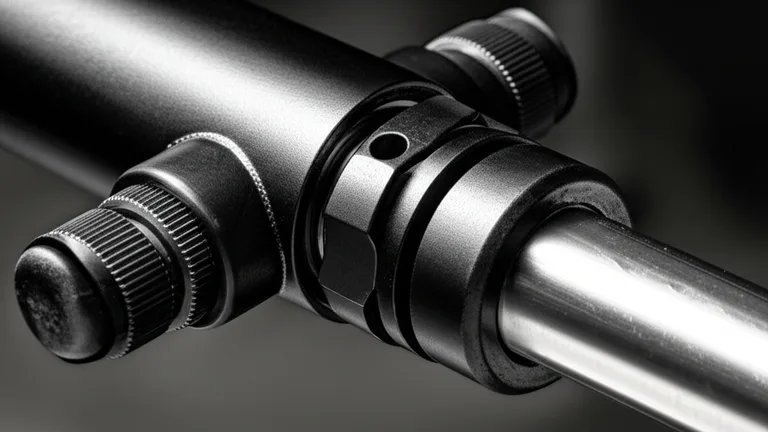
Each SWB Model A telescopic bar ships with the bar assembly itself (pre-adjusted to mid-range width), rubber-grip end-caps for installation without wall damage, a tension adjustment wrench, and a printed installation guide in English covering standard U.S. residential window frame types. The full installation guide is also available digitally at securitywb.com/installation/ and covers wood-frame, aluminum-frame, and UPVC frame window installations, including tips for windows with interior storm seals, angled sills, and narrow trim clearances. No additional tools are required for a standard installation. The entire process from unboxing to secured bar takes 15 to 20 minutes for most homeowners and renters.
USA Shipping, Delivery Timelines, and Warranty Coverage
When you buy telescopic window security bars online in the USA from Security Window Bars, understanding the logistics chain helps you plan your security upgrade timeline accurately. SWB’s U.S. fulfillment model is built around Amazon FBA for speed and reliability, supplemented by direct fulfillment through securitywb.com for specialty orders. Both channels operate within a clearly defined warranty framework that protects your purchase against manufacturing defects. Here is what every U.S. buyer should know before completing the transaction.
Shipping Coverage: All 50 States Including Alaska and Hawaii
SWB telescopic window bars ship to all 50 U.S. states. Amazon FBA fulfillment covers the contiguous 48 states with standard 1-to-2-day Prime delivery for most major metro areas. Alaska and Hawaii orders fulfilled through Amazon or direct from securitywb.com ship via standard domestic carrier service with delivery timelines of 5 to 10 business days depending on the destination zip code. There are no import fees, brokerage charges, or additional customs costs for U.S. buyers — the product enters U.S. commerce through standard import channels and ships domestically from U.S. warehouse inventory. Orders placed before 2 PM local time on business days at the Amazon storefront typically ship same day.
Warranty Terms: What Is Covered and How to Claim
SWB telescopic window bars carry a manufacturer’s warranty covering structural defects in materials and workmanship under normal residential use conditions. Warranty claims are processed directly through the SWB customer support team, accessible at securitywb.com/contact/. To initiate a warranty claim, buyers should have their original order number, a description of the issue, and photographic documentation of the defect available. SWB’s support team responds to warranty inquiries within one business day during standard U.S. business hours. Warranty coverage does not extend to damage caused by installation errors, intentional modification of the bar assembly, or misuse outside the product’s specified width range — all of which are avoidable with accurate pre-purchase measurement and review of the installation guide.
Returns and Exchange Policy for U.S. Orders
Amazon storefront orders follow Amazon’s standard return policy, which provides a 30-day return window for unused products in original condition. Direct orders through securitywb.com are subject to SWB’s direct return policy, which buyers are encouraged to review at checkout. The most common reason for returns — ordering a bar that does not fit the target window — is entirely preventable by following the measurement guide outlined in this article and confirming dimensions against the product’s 22-to-36-inch interior frame width specification before purchasing. SWB’s customer support team at securitywb.com/contact/ is available to assist with pre-purchase measurement questions to ensure buyers select the correct model the first time.
Installation Overview: From Box to Secured Window in Under 20 Minutes
One of the most compelling reasons American renters and budget-conscious homeowners choose to buy telescopic window security bars online in the USA rather than scheduling a professional installation is the speed and simplicity of the DIY process. Professional window bar installation by a licensed contractor or locksmith in cities like Chicago, Houston, or Los Angeles typically runs $600 to $1,800 per window, requires scheduling a site visit, involves drilling into wall studs or masonry, and leaves permanent anchor points. The SWB telescopic system eliminates every one of those friction points. The installation process is designed to be completed by a single adult with no prior home improvement experience, using only the tools included in the box.
Pre-Installation Checklist: Three Steps Before You Open the Box
Before beginning installation, confirm three things. First, re-verify your interior frame width measurement — measure twice, install once. Second, clean the interior window stops with a dry cloth to remove dust, paint chips, or moisture that could reduce the rubber end-cap’s grip. Third, for UPVC window frames with integrated storm guard seals along the interior stop, check that the seal’s rubber lip is fully seated and not compressed or damaged — a compromised seal creates an uneven bearing surface that can reduce the bar’s tension stability. These three pre-installation steps take under five minutes and are the difference between a bar that installs solidly on the first attempt and one that requires re-adjustment.
Step-by-Step Installation for Standard U.S. Residential Windows
Begin by extending the telescopic bar to approximately 1 inch less than your measured interior frame width using the tension adjustment wrench. Position the bar horizontally across the window at your chosen height — for security purposes, SWB recommends placing the bar at the lower third of the window’s glass panel, which is the point at which a forced-entry attempt would concentrate lateral force. Place the left end-cap against the left interior stop, then extend the right side until the right end-cap contacts the right interior stop firmly. Turn the adjustment wrench clockwise until the bar is under firm spring tension and does not move when pushed laterally with moderate hand pressure. The complete step-by-step process with photos for wood, aluminum, and UPVC frame types is available at securitywb.com/installation/.
Comparing SWB Installation to Fixed Georgian Bar and Spear-Point Guard Systems
Traditional fixed security products — including welded spear-point window guards, rigid internal Georgian bar window inserts, and permanently anchored domestic window security grilles common in older commercial and residential buildings — require either professional installation with masonry anchors or factory integration into the window unit itself. Georgian bar glazing systems, for example, are manufactured with the bars bonded between double-glazed panes or applied externally to the frame — neither approach is field-adjustable after installation. The SWB telescopic system bypasses this constraint entirely. Buyers upgrading from a home with aluminum windows and Georgian bars or double-glazed Georgian bar windows who are moving to a new property with different window dimensions do not need to purchase a new security system — they simply re-adjust the same bar to the new frame width. This adaptability is a core competitive advantage that no fixed or Georgian-bar-style system can match. For buyers researching the full spectrum of window security options including cross bars in windows and break-away window bar configurations, the detailed comparison resource at securitywb.com/model-a/ provides a comprehensive overview.
Building Code Compliance When You Install Window Security Bars in the USA
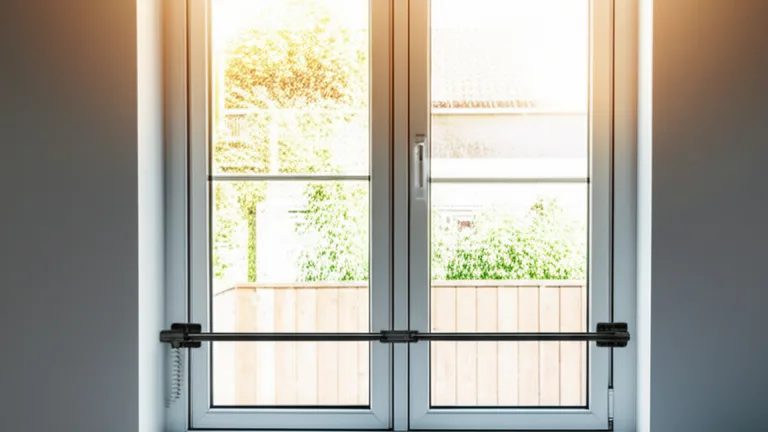
Understanding U.S. building code requirements is not just a legal formality — it is a life-safety issue. Any buyer who intends to install window security bars on a bedroom window, a sleeping loft, or any room that a fire marshal would classify as a sleeping area must understand the egress compliance framework before purchasing. Getting this wrong does not just risk a code violation fine — it can turn a security upgrade into a fire trap. Security Window Bars takes building code compliance seriously and has designed the Model A/EXIT specifically to address this requirement, making it the correct choice for all bedroom window applications across all 50 states.
IRC, IBC, and NFPA 101: What the Codes Actually Require
The International Residential Code (IRC Section R310) requires that every sleeping room in a U.S. dwelling have at least one emergency escape and rescue opening. The minimum net clear opening must be 5.7 square feet (with exceptions for windows at grade level or below, which may be 5 square feet), with a minimum clear height of 24 inches and a minimum clear width of 20 inches. The sill height must not exceed 44 inches above the finished floor. Any window security device installed on a sleeping room window must not permanently impede this opening. The International Building Code (IBC) and NFPA 101 Life Safety Code extend similar requirements to commercial and multi-family residential occupancies. The SWB Model A/EXIT’s patented quick-release mechanism allows the bar to be removed from the interior in seconds, maintaining full compliance with all three code frameworks.
NYC Local Law 57 and State-Specific Window Guard Requirements
New York City’s Local Law 57 mandates that landlords install window guards in all residential units where children under 10 years of age reside, and in all units on the same floor as a building with such children, regardless of the presence of children. The guards must meet specific City of New York Department of Health specifications for opening size — no gap greater than 4.5 inches in any dimension — and must be tested to withstand a minimum 150-pound lateral force. SWB products used in NYC window guard applications should be evaluated against these specific municipal standards in addition to IRC requirements. Buyers in Chicago, Los Angeles, and other major metros with local window guard ordinances should consult their city’s building department for jurisdiction-specific requirements. The SWB support team at securitywb.com/contact/ can assist with compliance documentation.
Egress Window Bars for Landlords and Property Managers
Landlords and property managers in cities with active rental housing code enforcement — including Chicago, Philadelphia, Atlanta, and Detroit — face increasing scrutiny of window security hardware during rental property inspections. A non-egress-compliant fixed bar on a bedroom window is a citable violation under most state residential codes, and in the event of a fire fatality, creates significant civil liability exposure. The SWB Model A/EXIT provides landlords with a compliant, removable, cost-effective solution that satisfies both tenant security demands and fire safety code requirements simultaneously. At $92 per window — versus $600 to $1,800 for a professionally installed and potentially non-compliant fixed bar system — the Model A/EXIT is the financially and legally responsible choice for any residential rental property operator in the United States.
SWB vs. the Competition: Why Security Window Bars Outperforms Fixed and Decorative Systems
The U.S. window security bar market includes a range of competitors offering products across the fixed, adjustable, and decorative categories. Understanding where those products succeed and where they fall short is essential for any buyer who wants genuine burglary deterrence rather than the appearance of security. Security Window Bars designs products for one purpose: to stop a forced window entry. That single-focus engineering philosophy produces a materially different product compared to competitors whose lines include Georgian bar aesthetics, decorative UPVC applications, or lightweight adjustable systems marketed primarily on visual appeal.
SWB Model A vs. Mr. Goodbar and Pinpont Manufacturing
Mr. Goodbar window bars, manufactured by Pinpont Manufacturing, are one of the longest-established names in the U.S. window security bar category. Their core product line relies on permanent wall mounting with steel anchor bolts drilled into the window frame or surrounding masonry — an installation method that categorically excludes renters and any homeowner who does not want permanent wall penetration. SWB Model A delivers the same heavy-gauge steel construction and structural deterrence in a fully telescopic, zero-drilling format. For the 44.1 million American renters who need security without wall damage, Mr. Goodbar’s fixed anchor requirement makes it a non-starter. SWB fills that gap directly.
SWB Model A vs. Grisham and Master Halco Spear-Point Guards
Grisham window security guards, distributed through Master Halco, offer a range of spear-point and flat-bar steel guard products including the vertical spear steel point guard configurations common in commercial and ground-floor residential applications. These are structurally robust products — but they are available in fixed width increments, require professional installation with wall anchors, and are not adjustable after installation. A Grisham spear-point guard ordered for a 30-inch window cannot be resized for a 34-inch window in a new home. SWB’s telescopic adjustment range eliminates this constraint. Additionally, Grisham’s spear-point designs — while effective deterrents — present a more aggressive visual profile that many homeowners and apartment dwellers in modern residential buildings find architecturally incompatible. SWB’s matte black telescopic bar presents a cleaner, more contemporary profile while delivering equivalent steel strength.
Addressing the Decorative Security Category: Georgian Bars, Perspex Guards, and Silver Bar Window Inserts
A significant segment of the window security market is occupied by products that prioritize aesthetics over structural performance: silver Georgian bar windows, Georgian bars for UPVC windows, internal Georgian bar window inserts, and perspex burglar guard panels. These products serve legitimate purposes in heritage architecture preservation and child window fall prevention, but they are not structural burglary deterrents in the same category as heavy-gauge steel bars. A motivated intruder can defeat a perspex guard or a thin aluminum Georgian bar insert in seconds using basic hand tools. Buyers shopping in this category who discover that their primary concern is actually burglary prevention — not historical window aesthetics — should step up to steel. The SWB Model A at $90 offers more genuine security per dollar than any decorative window security product in the U.S. market. For buyers researching the full range of window protection options including internal Georgian bar windows and domestic window security grilles, our detailed product comparison at securitywb.com/model-a-exit/ provides the complete picture.
🏆 Conclusion
When you are ready to buy telescopic window security bars online in the USA, the decision framework is straightforward: measure your window accurately, select the correct model for your installation type and code requirements, and order through either the SWB Amazon storefront or securitywb.com for delivery to any of the 50 states. The FBI’s crime data makes the security case for window bars unambiguous — 6.7 million residential burglaries per year in the United States, with the majority of forced entries occurring through ground-floor and basement windows. The building code case is equally clear: sleeping area windows require egress-compliant bars, full stop. And the financial case is compelling: SWB telescopic bars at $90 to $92 per window deliver steel-strength deterrence that would cost $600 to $1,800 installed through a professional contractor. Whether you are a renter in a high-crime Chicago neighborhood, a homeowner upgrading a ground-floor bedroom in Houston, a landlord managing a portfolio of rental units in Atlanta, or a parent installing fall-prevention bars on a second-story window, Security Window Bars has the right product, the right price, and the fastest delivery infrastructure in the country to protect what matters most to you. Do not wait for a break-in to act — the cost of prevention is always less than the cost of a violation.
Security Window Bars · USA
Secure Your Home Today
Protect your home today. Shop Security Window Bars on Amazon (https://www.amazon.com/stores/SecurityWindowBars) — fast shipping to all 50 states. Or browse the full product line including Model A, Model B, and the egress-compliant Model A/EXIT at securitywb.com.
Shop on Amazon →Frequently Asked Questions
Yes. The SWB Model A telescopic window bar installs using spring-loaded steel tension against the interior window frame stops — no drilling, no screws, no wall anchors, and no permanent modifications of any kind. Because no structural changes are made to the property, installation does not trigger the lease modification clauses that prohibit drilling or permanent hardware in most U.S. rental agreements. However, SWB recommends reviewing your specific lease language and, when in doubt, notifying your landlord as a courtesy. The bars remove in minutes when you move out, leaving zero trace of installation.
The Model A is a telescopic steel window bar designed for general security use — great for living rooms, kitchens, basements, and any non-sleeping-area window. The Model A/EXIT includes SWB’s patented quick-release mechanism, which allows the bar to be removed from the inside in seconds during a fire or emergency evacuation. Under the International Residential Code (IRC Section R310), International Building Code (IBC), and NFPA 101 Life Safety Code, any security device installed on a sleeping room window must not permanently impede the emergency egress opening. For bedroom windows, the Model A/EXIT is the legally correct and life-safety-correct choice — at just $92, it is also the most affordable egress-compliant window bar solution available in the U.S. market.
SWB bars available through the Amazon USA storefront ship from Amazon FBA warehouse inventory, which means Prime-eligible customers in major U.S. metro areas — including New York City, Los Angeles, Chicago, Houston, Phoenix, Atlanta, and Philadelphia — typically receive their order within 1 to 2 business days. Orders placed before 2 PM local time on business days generally ship the same day. For customers in Alaska and Hawaii, standard domestic carrier timelines apply, with delivery typically within 5 to 10 business days. For the absolute fastest delivery, the Amazon storefront at amazon.com/stores/SecurityWindowBars is the recommended purchase channel.
Yes — significantly stronger. Heavy-gauge carbon steel used in SWB bars achieves tensile strength of approximately 58,000 to 80,000 psi. Aluminum alloys used in lightweight adjustable bar products and Georgian bar window inserts typically achieve 20,000 to 45,000 psi — less than half the structural resistance of steel. In a forced-entry scenario, the practical difference is that steel dramatically increases the time and noise required for a burglar to defeat the bar, while aluminum can be deformed quickly with basic hand tools. For genuine burglary deterrence — particularly in high-crime neighborhoods in cities like Detroit, Memphis, and Baltimore — heavy-gauge steel is the only material that delivers the resistance needed to deter an opportunistic intruder.
No special tools are required. Every SWB Model A bar ships with all necessary components: the pre-assembled telescopic steel bar, rubber-grip end-caps, and a tension adjustment wrench for expanding the bar to the correct interior frame width. A standard home tape measure is the only additional item you need, and that is used before purchasing — not during installation. The full installation process takes 15 to 20 minutes for most adults with no prior home improvement experience. Detailed step-by-step instructions with illustrations for wood, aluminum, and UPVC window frame types are included in the box and available digitally at securitywb.com/installation/.
The SWB Model A adjusts from 22 inches to 36 inches of interior frame width, covering approximately 85 percent of standard U.S. residential single-hung, double-hung, sliding, and basement hopper windows. If your window’s interior frame width falls below 22 inches, the telescopic system will not develop sufficient tension for a secure installation — contact SWB support at securitywb.com/contact/ for guidance. If your window exceeds 36 inches in interior width, the SWB Model B wall-mount system is the recommended alternative, providing a fixed, anchored installation with maximum security for wider openings including picture windows and commercial-grade frames.
Yes. SWB telescopic window bars are covered by a manufacturer’s warranty against structural defects in materials and workmanship under normal residential installation and use conditions. To initiate a warranty claim, contact the SWB customer support team through securitywb.com/contact/ with your order number, a description of the issue, and photographic documentation of the defect. Amazon storefront orders also benefit from Amazon’s standard 30-day return policy for unused products in original condition. Warranty coverage does not extend to damage caused by installation outside the specified width range, intentional modification, or misuse. SWB’s support team responds to warranty and service inquiries within one business day during standard U.S. business hours.
Yes, with some preparation. UPVC window frames are compatible with SWB telescopic bar installation provided the interior frame stops are structurally sound and the interior clear width falls within the 22-to-36-inch range. Some UPVC frames include integrated storm guard rubber seals along the interior stop — these seals create an effective grip surface for the bar’s rubber end-caps and generally improve installation stability. Windows with decorative Georgian bar inserts — whether internal Georgian bar windows with grid overlays or double-glazed Georgian bar windows with bars bonded between panes — are compatible with telescopic bar installation, as the bars install against the frame stops, not against the glass or any decorative grid element. For windows with unusual sill geometry, consult the installation guide at securitywb.com/installation/ or contact SWB support before purchasing.