
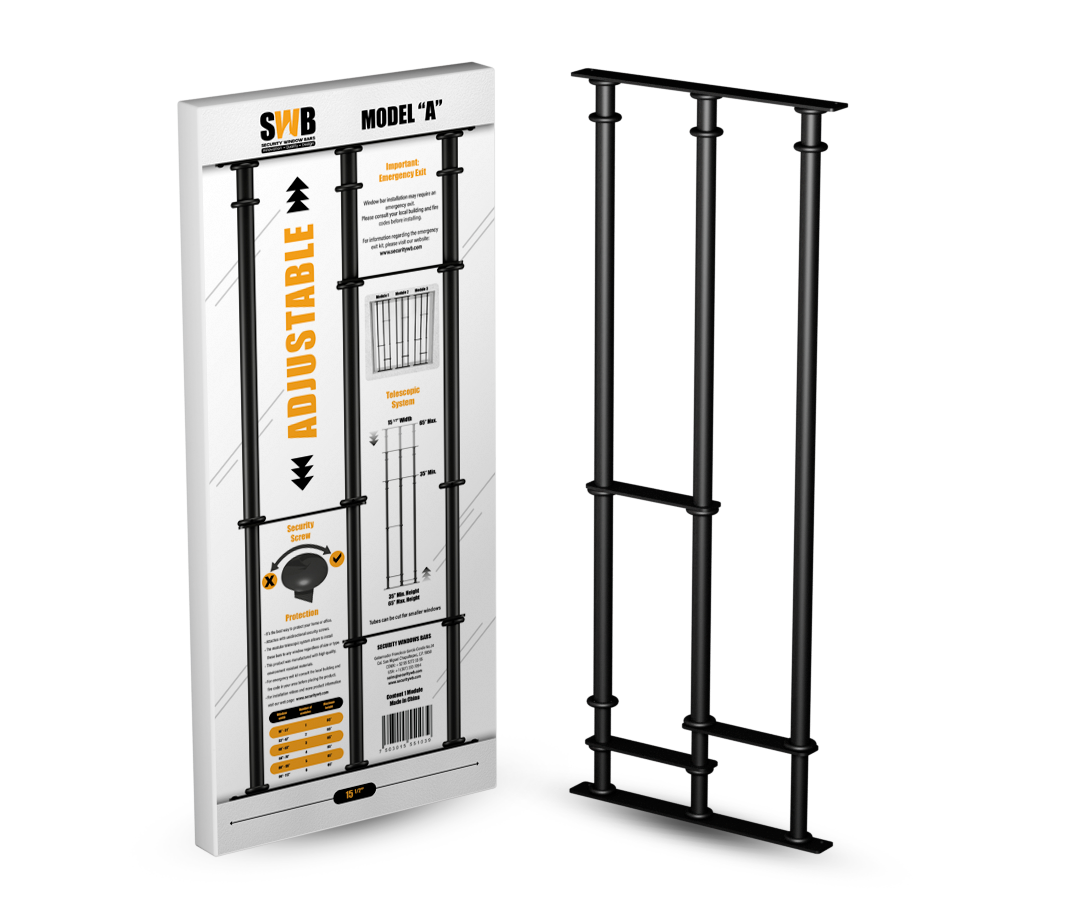
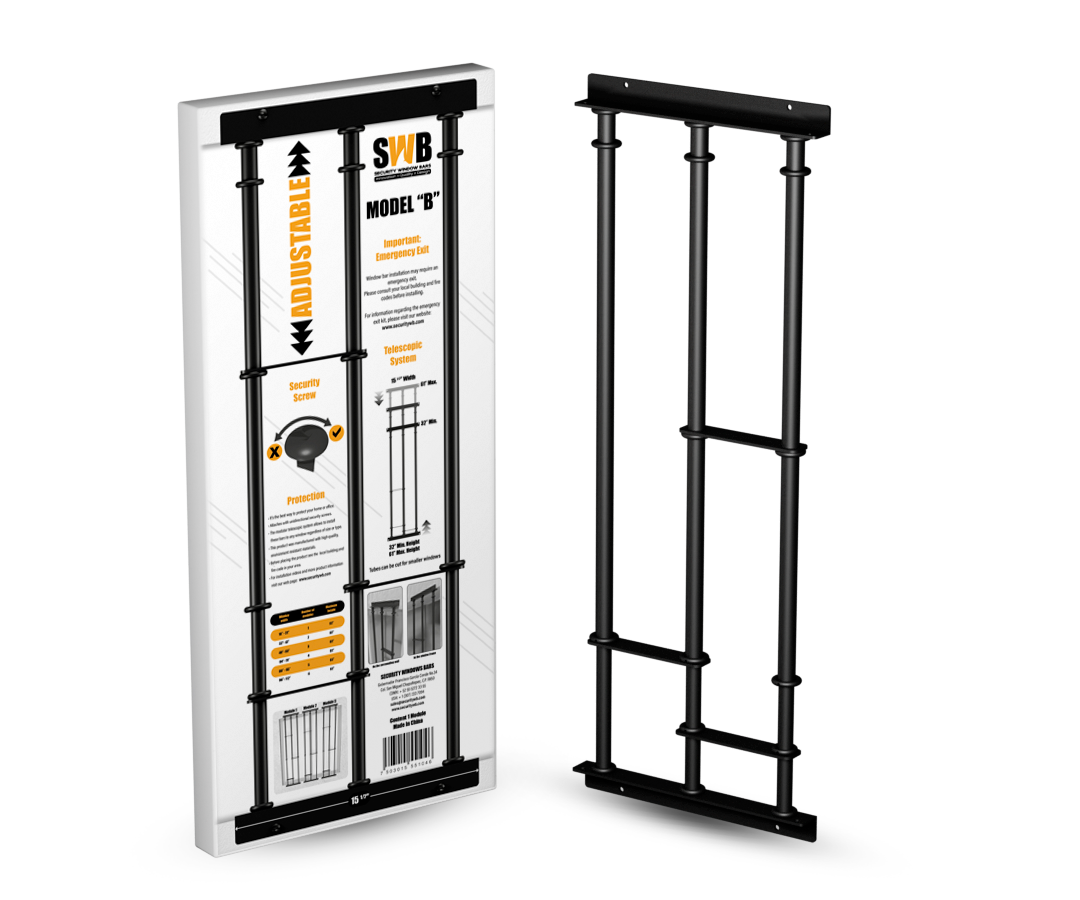
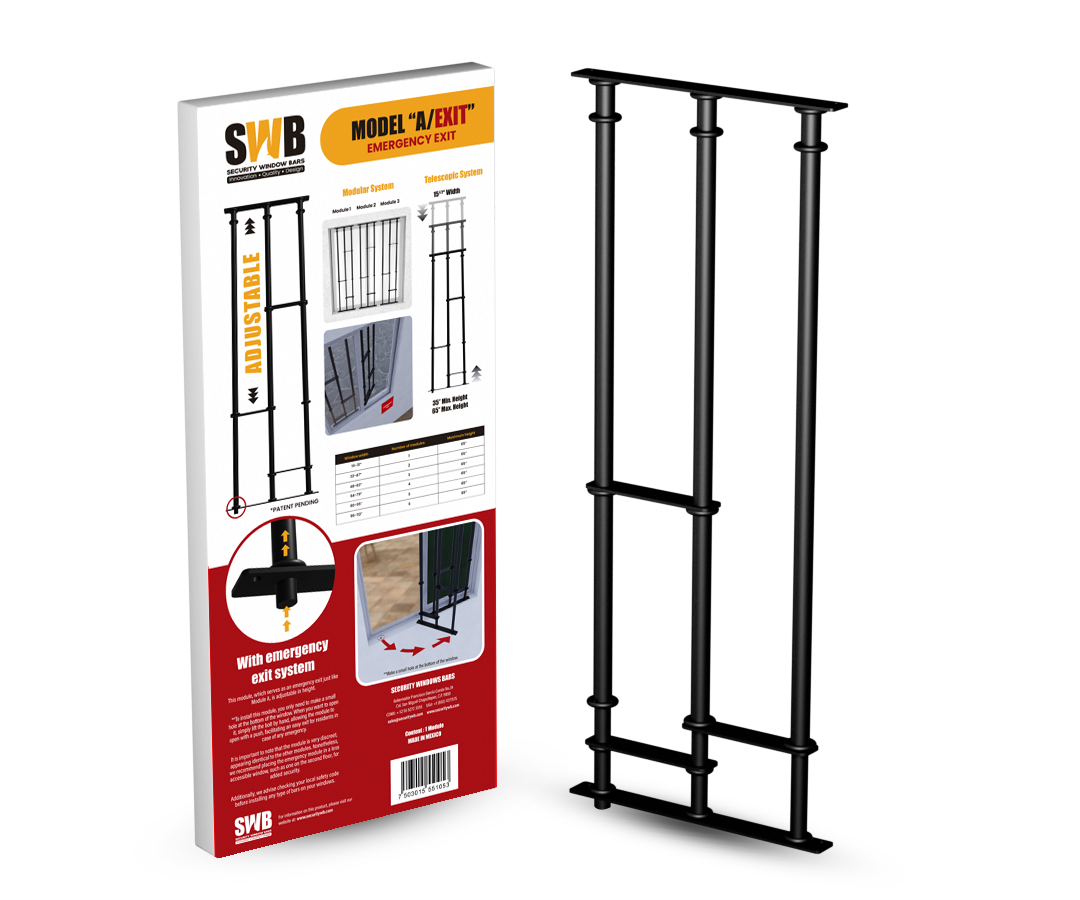


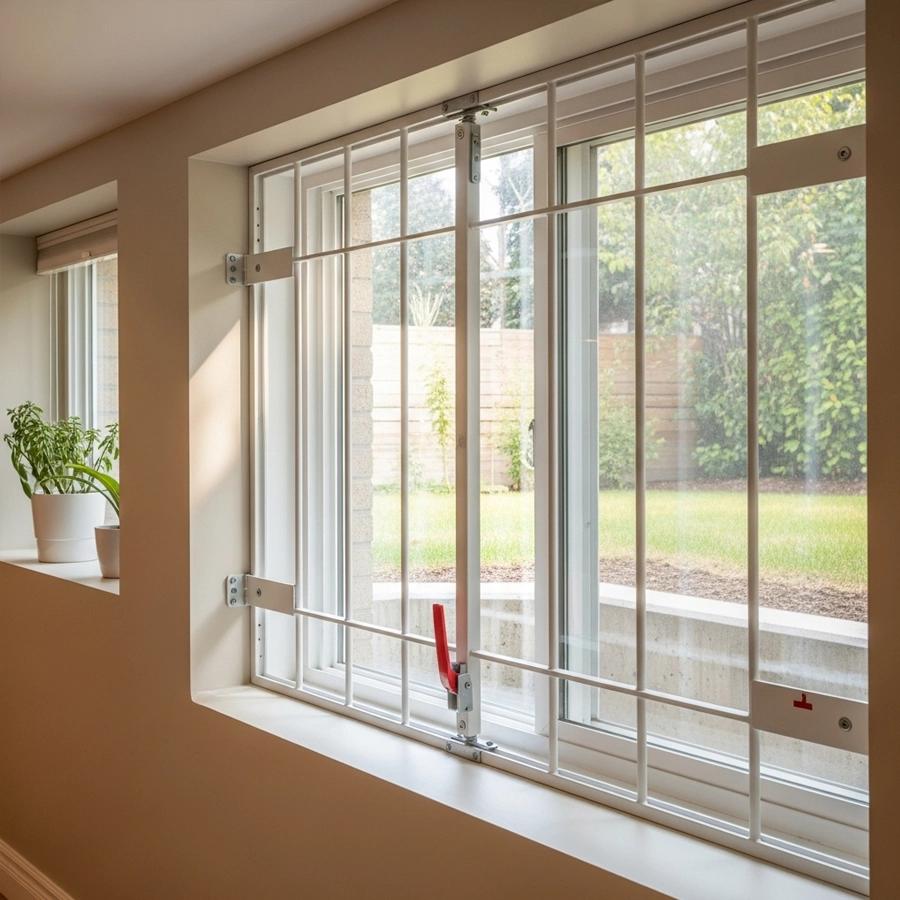
Basements are high-value entry points: they’re lower to the ground, less visible from the street, and often have smaller windows that burglars test first. The right basement window security bars stop push-ins and pry attacks without blocking your emergency exit. In this guide you’ll learn how to choose quick-release basement window bars, measure around window wells and covers, pick moisture-resistant finishes, and mount bars securely to brick, block, or poured concrete—so your below-grade windows are protected and code-friendly.
What’s different about basements: you must plan around window wells, lids, and tight clearances—and keep egress instant with a quick-release that a child can operate.
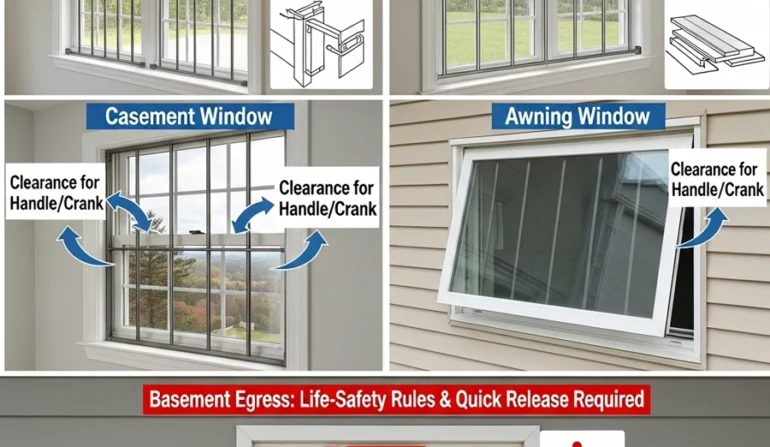
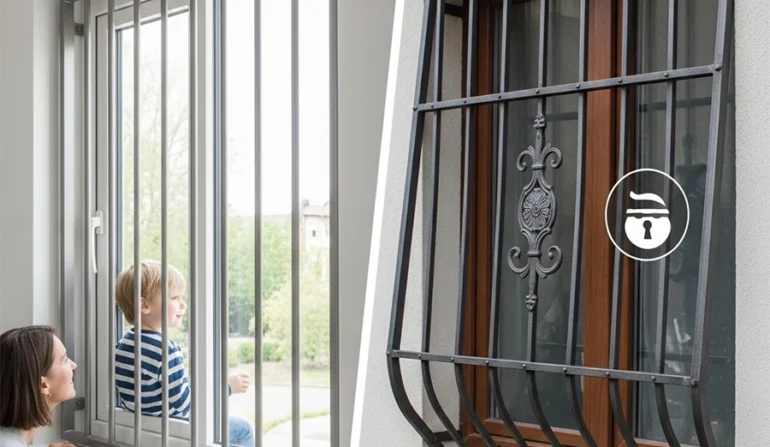
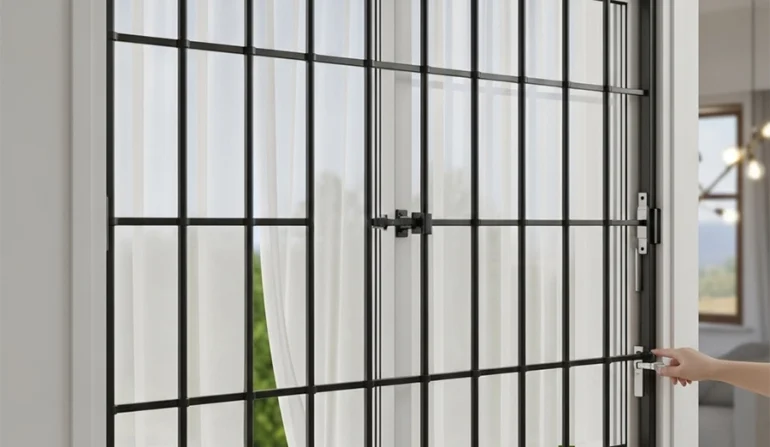
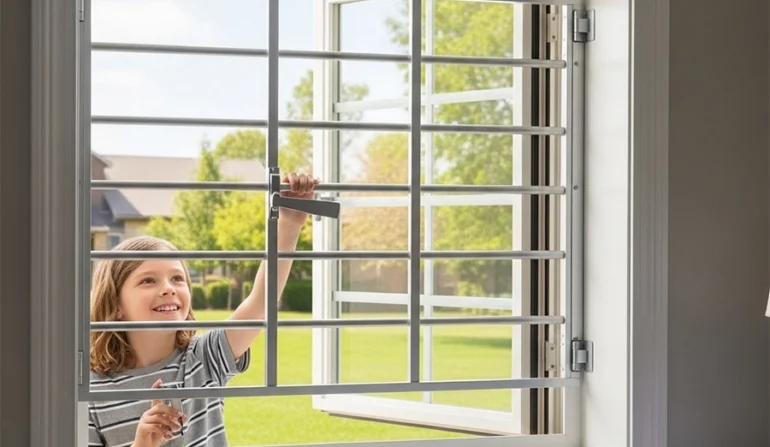
If the basement space is used as a bedroom or living/sleeping area, treat the window as an egress route. Choose basement egress window bars with a one-hand, one-motion quick-release—no keys, no tools—mounted at a reachable height for children and seniors.
Egress essentials (non-negotiable):
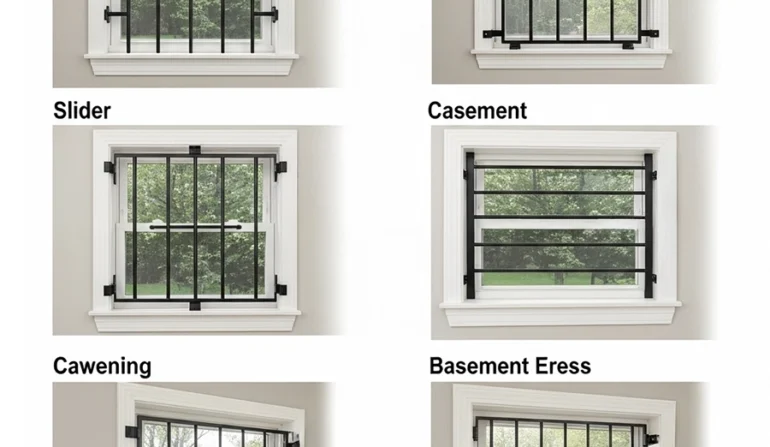
In tight wells, a side-hinged interior quick-release usually clears the wall better than top-hinged.
Below-grade openings often sit inside a window well with a lid. Your bar must open without colliding with either.
Measure and record:
Goal: the bar’s swing arc should clear the well wall and the lid with an extra ½–1 inch buffer to account for seasonal shifts.
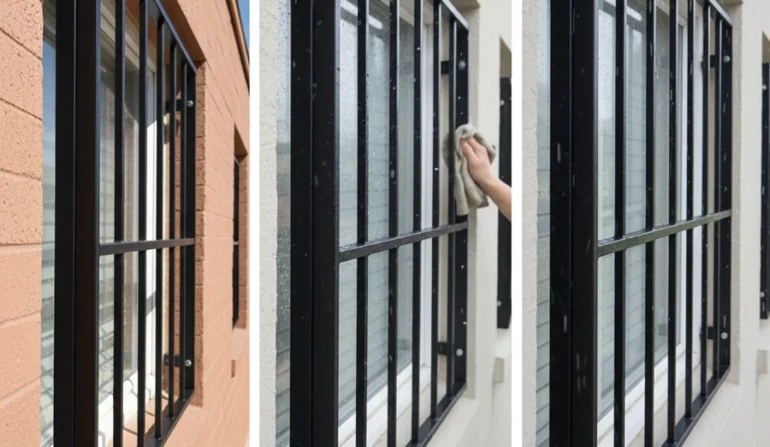
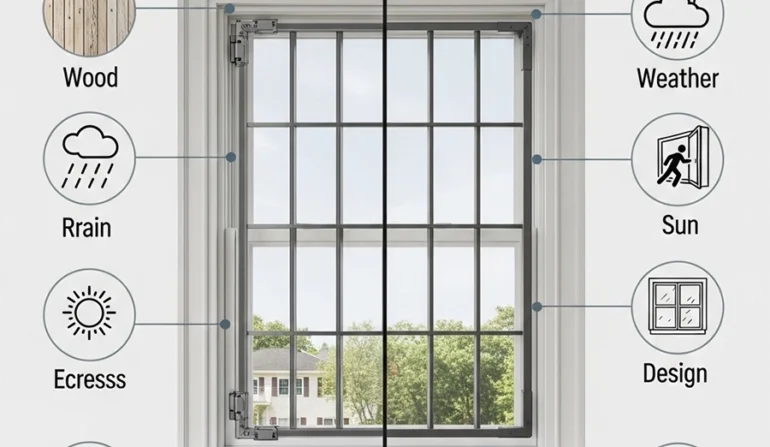
Basements want coastal-grade thinking even far from the ocean.
If your well floods, pair bars with drainage maintenance and consider a lid upgrade—security is strongest when water management is solved.
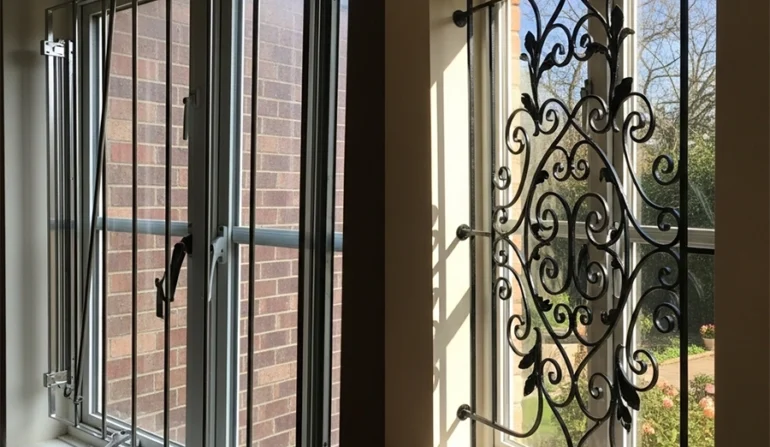
Interior basement window security bars (recommended for egress spaces)
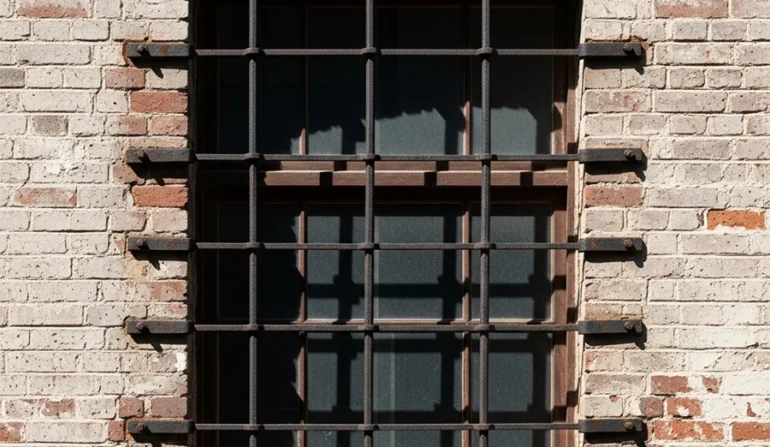
Exterior basement window security bars
Rule of thumb: if people sleep there, choose interior quick-release. For utility rooms or storage, exterior fixed bars can be ideal.
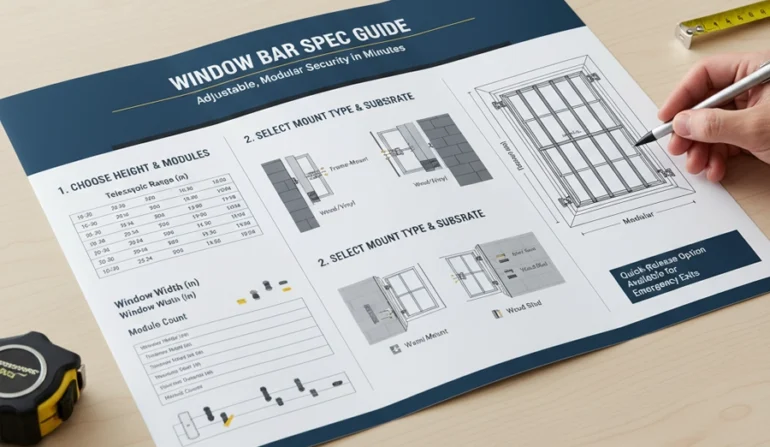
Inside the opening (interior recess-mount):
Subtractions (tolerances) so bars don’t bind:
Window well notes: record well depth, width, and cover height right on your worksheet. Your hinge & swing choice must clear that geometry—often a side hinge into the room.
Brick (exterior or interior foundation brick):
CMU Block:
Poured Concrete:
Interior wood backers (if present):
Align rails with the window’s muntins/rails so the bars read “built-in” instead of “added on.”
Physical bars are the backbone. Add:
Layered protection keeps aesthetics intact while hardening the opening from multiple angles.
Per-opening ballparks vary by region and substrate:
Labor drivers: masonry drilling & dust control, tight wells requiring small tools, and multi-window alignment across a foundation wall.
A) Basement Window Bars — Buying Checklist
B) Install-Day Checklist (Basement)
Choose interior quick-release basement window bars for sleeping spaces, measure your well clearances carefully, select moisture-resistant finishes, and install with anchors matched to brick, block, or concrete. If you’d like help verifying hinge side, swing, and well clearance, send photos and measurements—our specialists will map the best solution.
EMAIL ADDRESS: sales@securitywb.com
SITE: www.securitywb.com
PHONE:
CDMX: +52 (55) 5272 3355 USA: +1 (650) 4371 575
COOKIES POLICY
Security Window Bars LLC ("SWB") uses cookies and similar technologies to improve your browsing experience and enhance the functionality of our website www.securitywb.com (the “Website”). This Cookies Policy explains what cookies are, how we use them, and how you can manage your cookie preferences.
By using our Website, you agree to our use of cookies as described in this policy.
Last Updated: 01/01/25