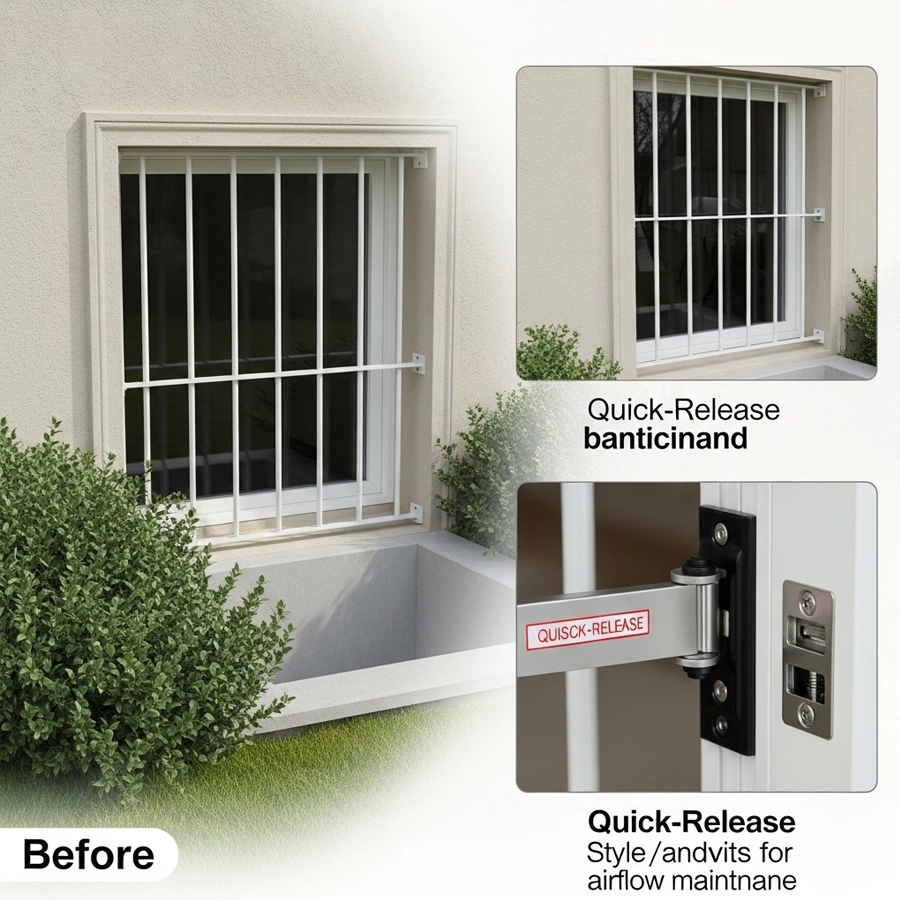
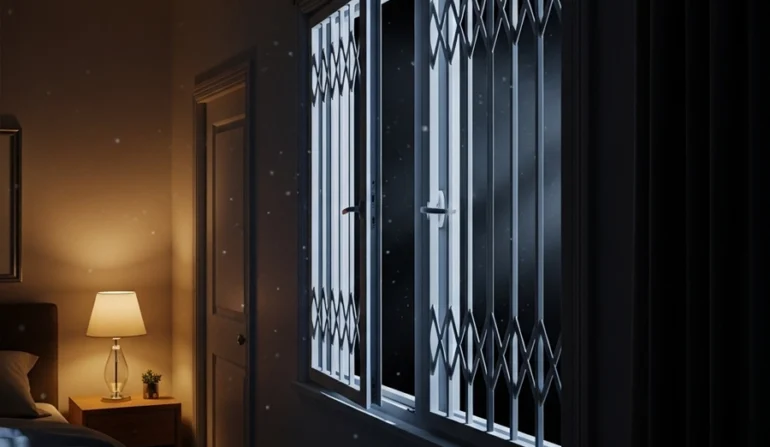
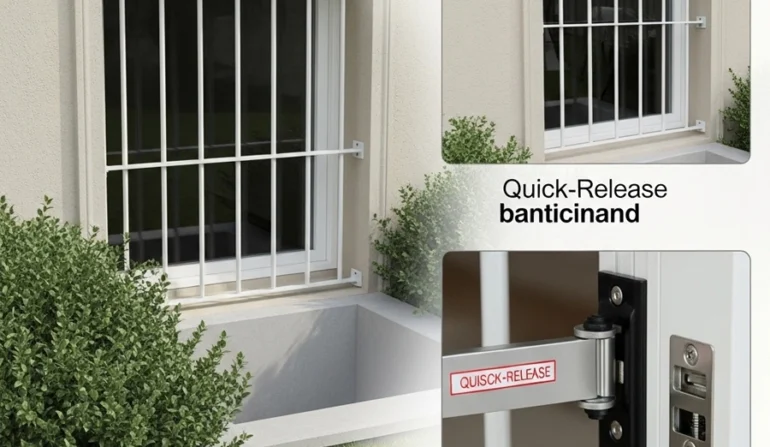
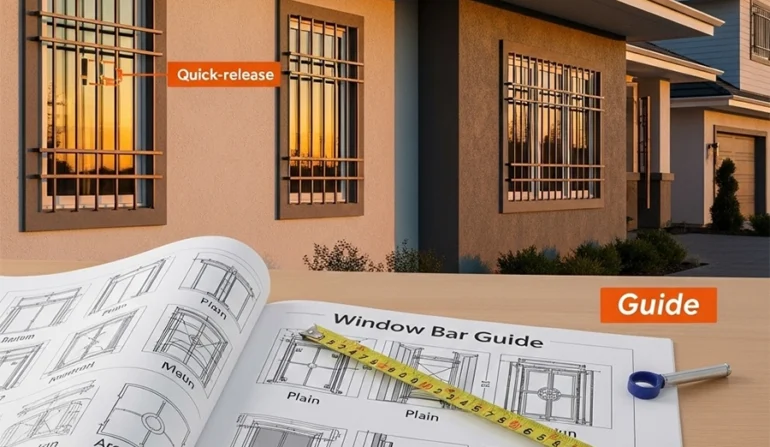
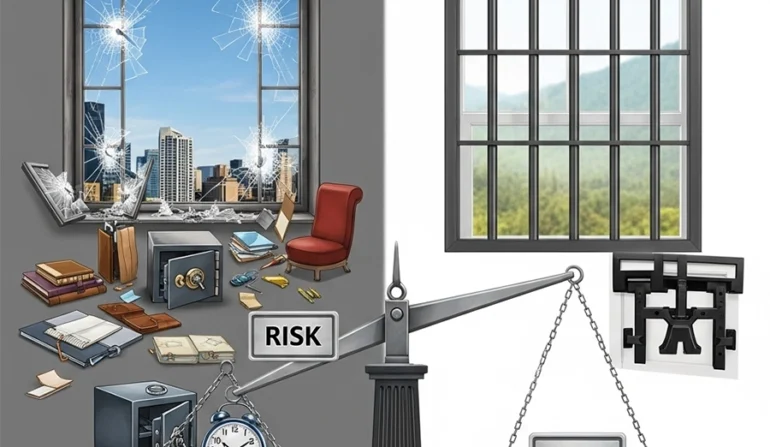
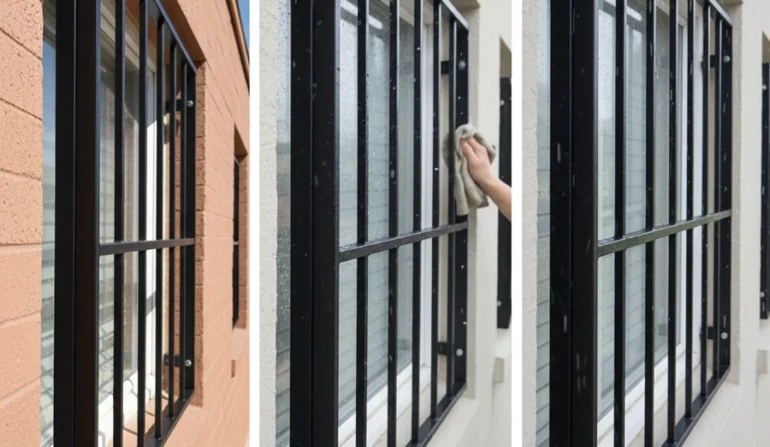
Basement windows sit low, stay out of sight, and often hide behind shrubs or window wells. That combination makes them one of the most attractive entry points for opportunistic intruders. Fortunately, well-designed basement window security bars change the equation. They provide visible deterrence, serious resistance to prying, and—when configured with quick-release hardware—safe emergency egress for rooms used as living space. In this guide, you’ll learn exactly how to choose, size, and install security bars for basement windows without sacrificing safety, style, or airflow.
Basements are unique. They tend to be half-below grade, partially hidden from street view, and close to grade where tools give leverage. At the same time, finished basements are frequently used as bedrooms, playrooms, home theaters, or in-law suites. That means your solution must deliver security and egress in the same opening. Because of this dual requirement, window bars for basement windows are a different design exercise than bars for high, non-habitable windows.
Additionally, basements face moisture and condensation. Hardware lives closer to damp soil and fluctuating temperatures. As a result, material choice, finish quality, and sealing details are just as important as strength.
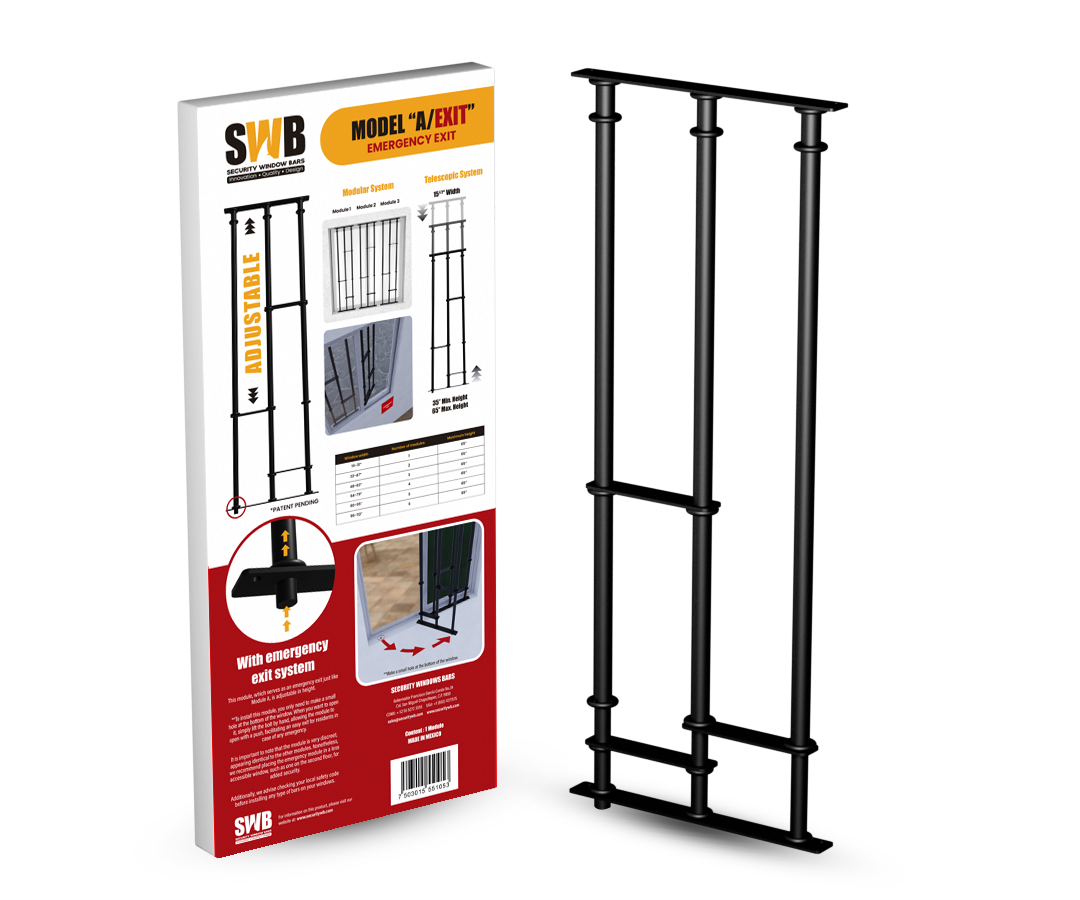
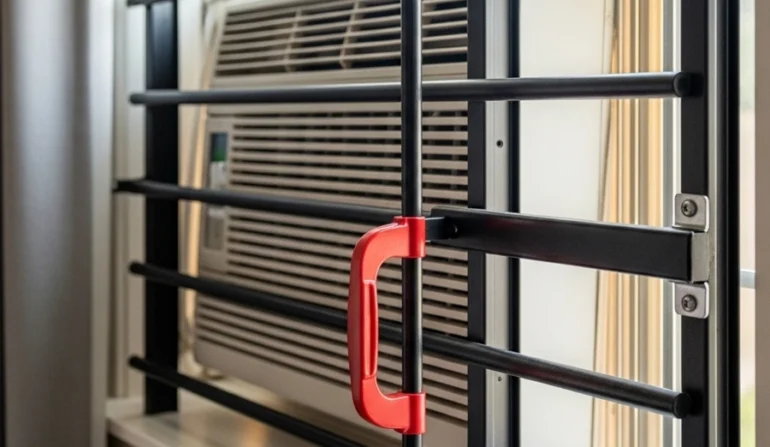
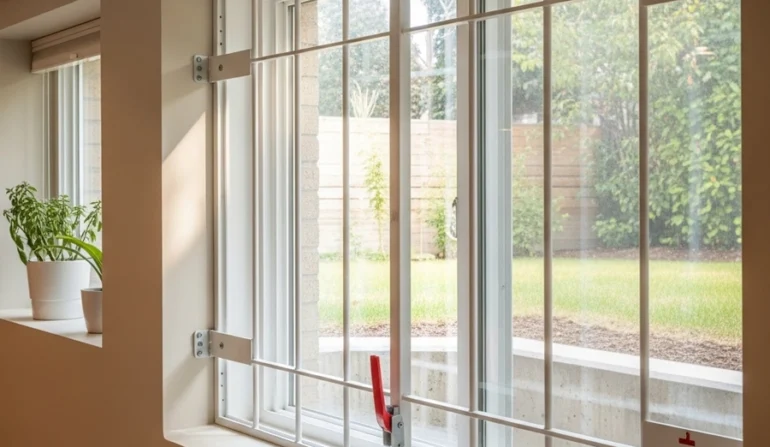
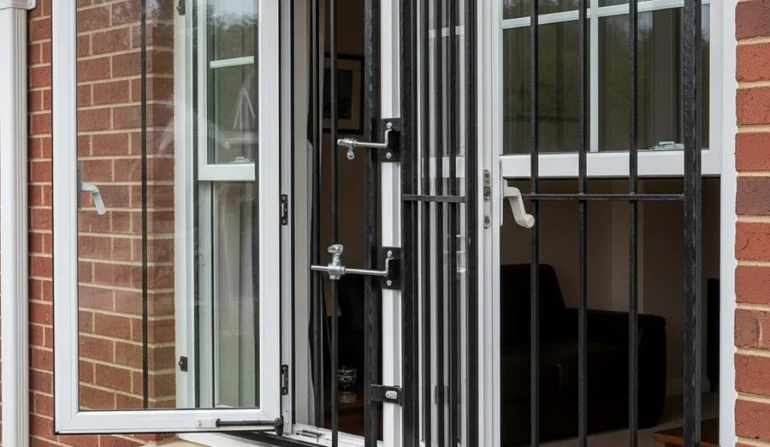
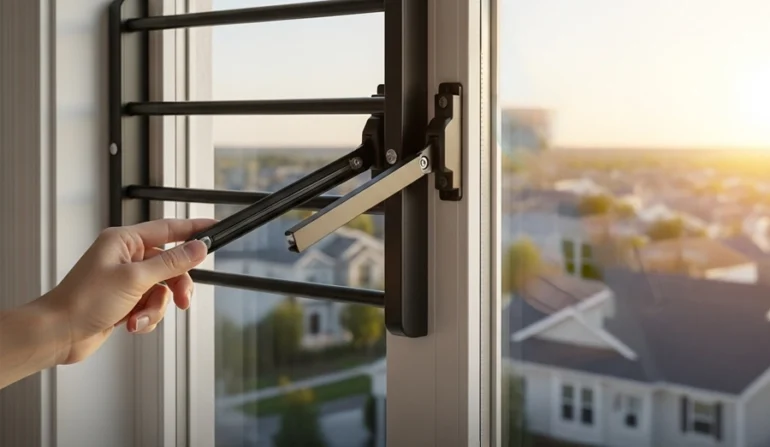
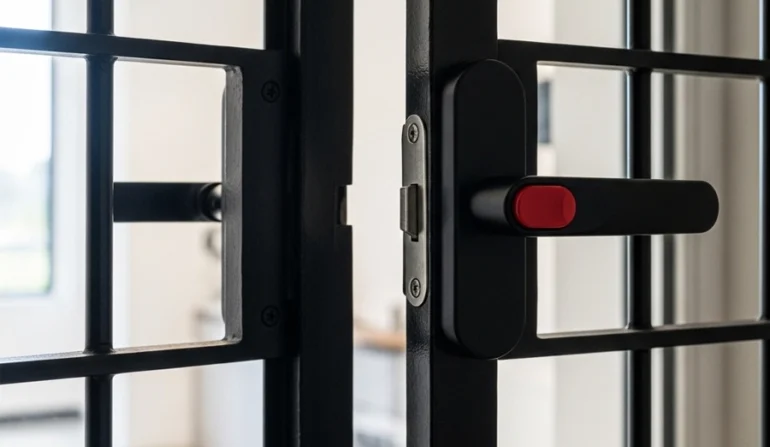
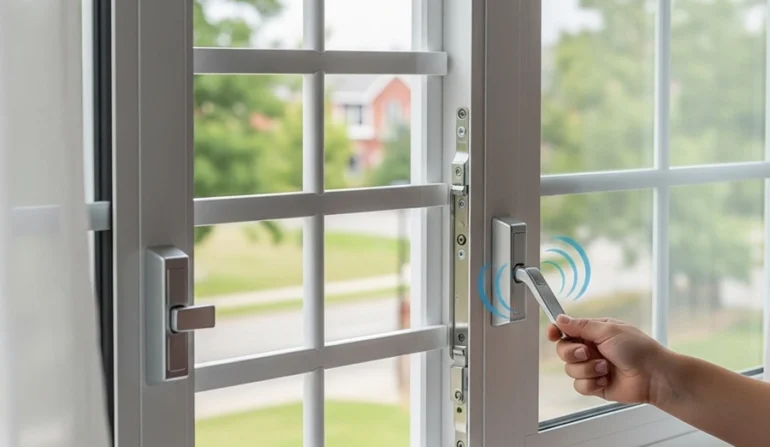
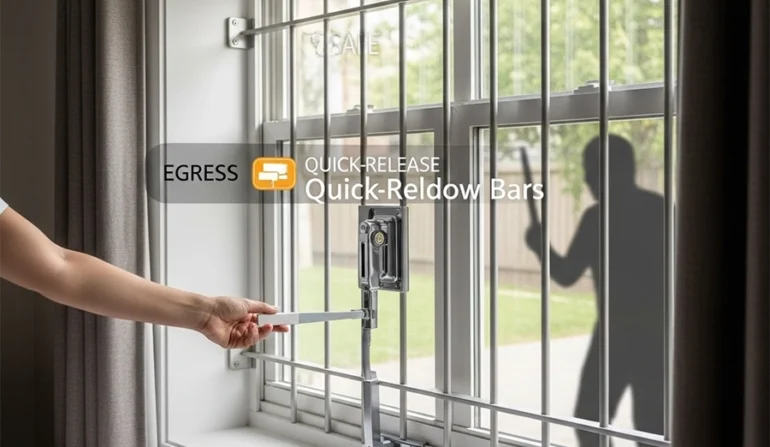
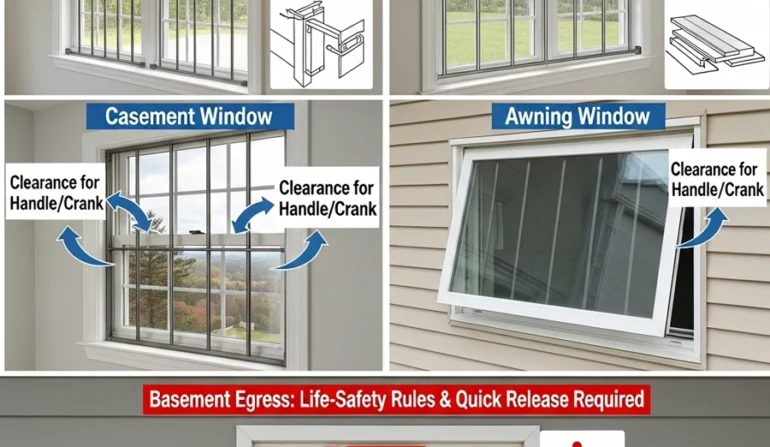
Any basement space used for sleeping needs a fast, tool-free escape route. Therefore, if you add bars, they should be quick-release basement window bars—hinged grilles with an interior-only latch that opens in one motion. The release must be reachable by children and seniors. No keys. No special tools. No hidden tricks.
Practical rules to follow
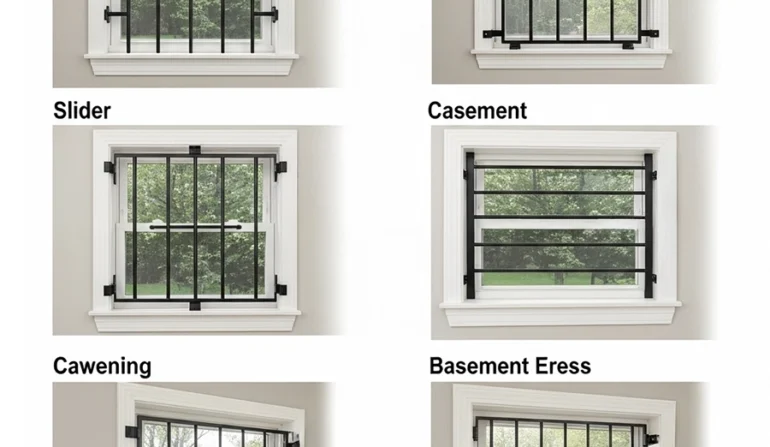
Fixed Basement Window Bars
Fixed frames provide maximum rigidity with minimal cost and zero moving parts. Use them only where egress is not required—storage rooms, utility spaces, or windows too small to qualify as exits.
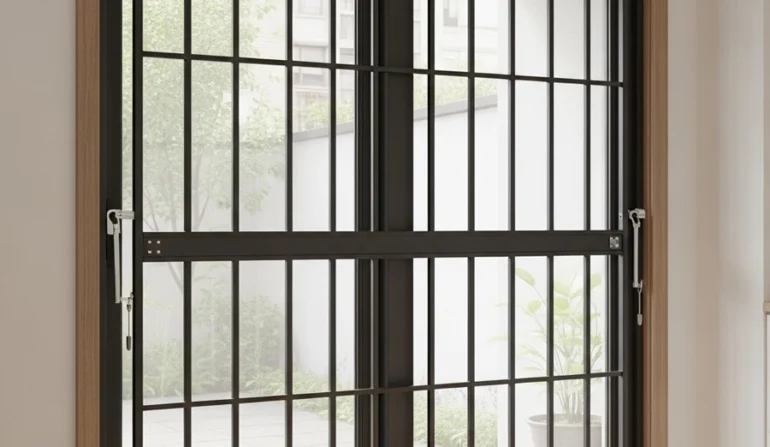
Hinged Window Bars (Swing-Open)
Side-hinged frames that swing like a door. With the right quick-release latch, they provide code-friendly egress and are easy to clean behind. For most finished basements, this layout is the sweet spot.
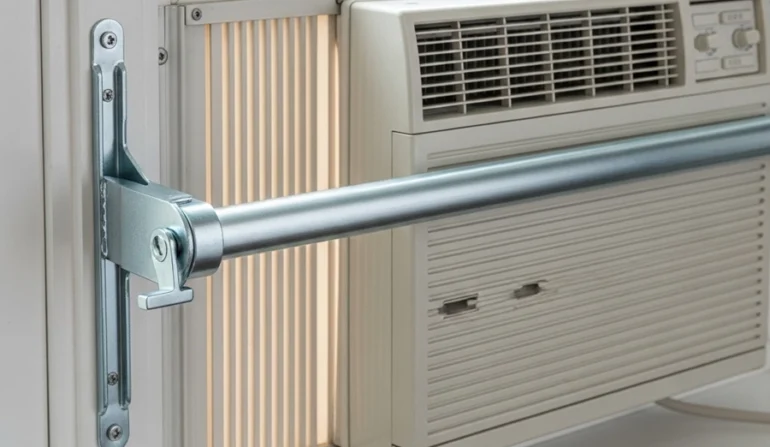
Removable or Adjustable Bars
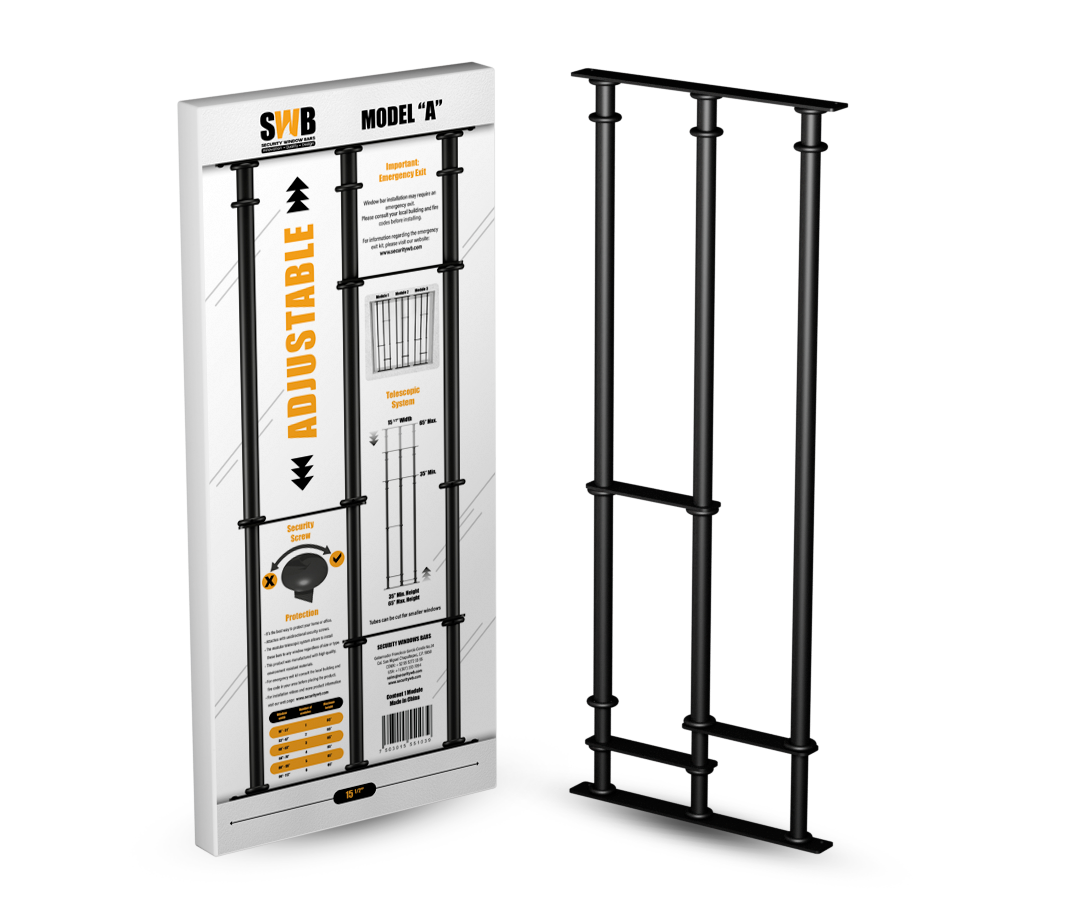
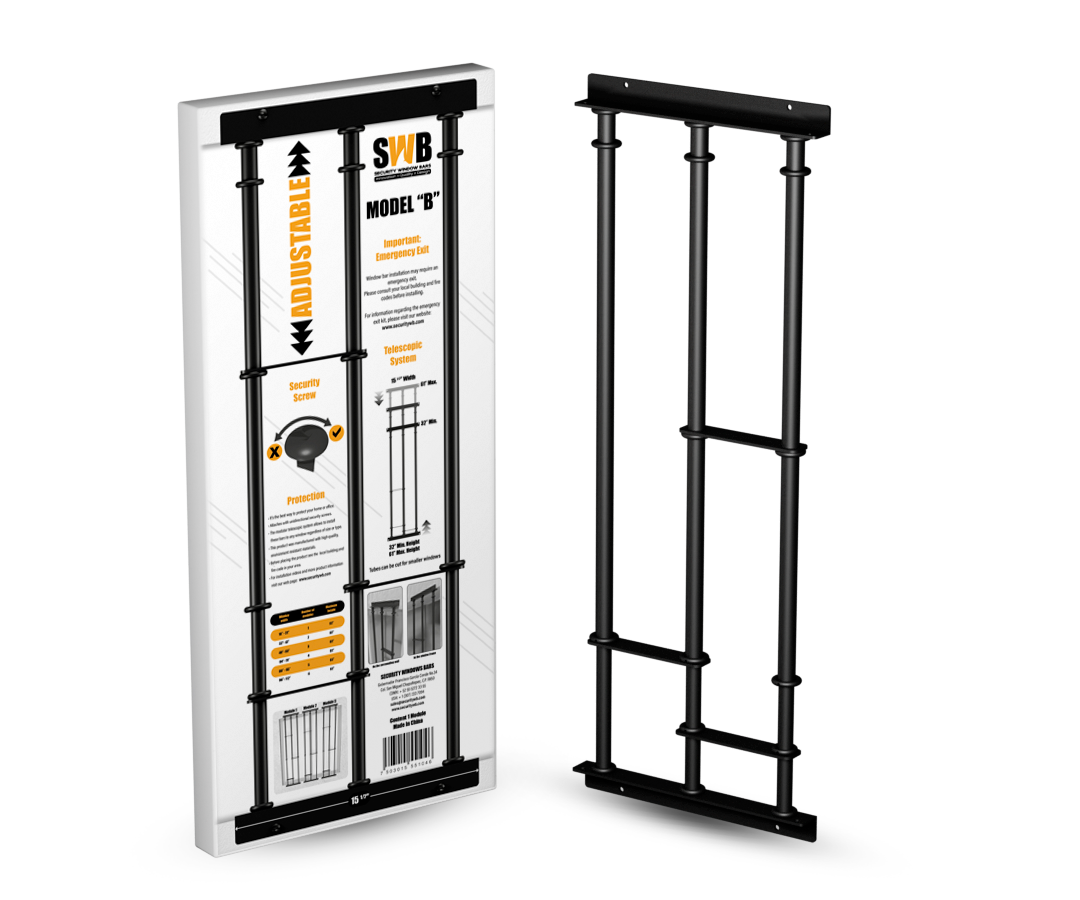
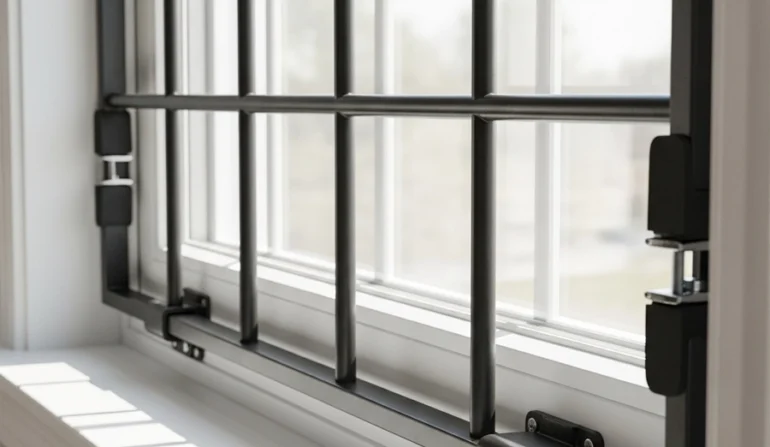
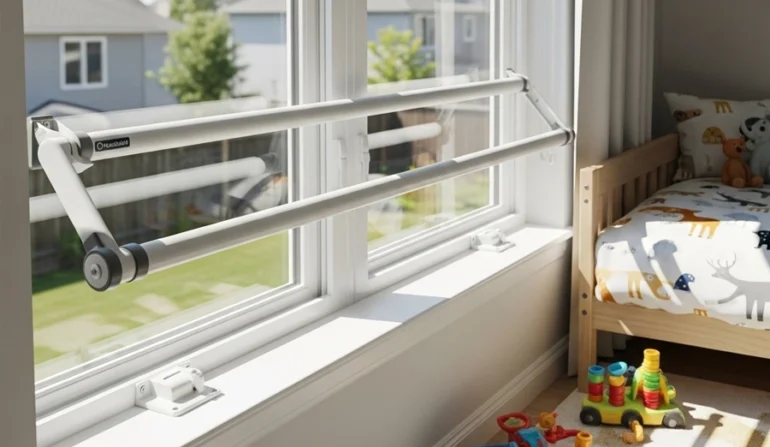
Telescoping or framed units designed to be taken down without heavy tools. These are helpful for renters or short-term protection, and they’re ideal for small hopper or slider windows that vary in size.
Interior vs Exterior Styles
Both work (details below), but interior mounts make the release easier to reach during an emergency and protect the mechanism from weather.
Interior Basement Window Bars
Exterior Basement Window Bars
Which should you pick?
For egress bedrooms, interior mounts are usually best. For non-egress utility rooms with stout masonry, exterior fixed bars make sense. In mixed cases, interior quick-release paired with a discreet exterior well cover often gives the best of both worlds.
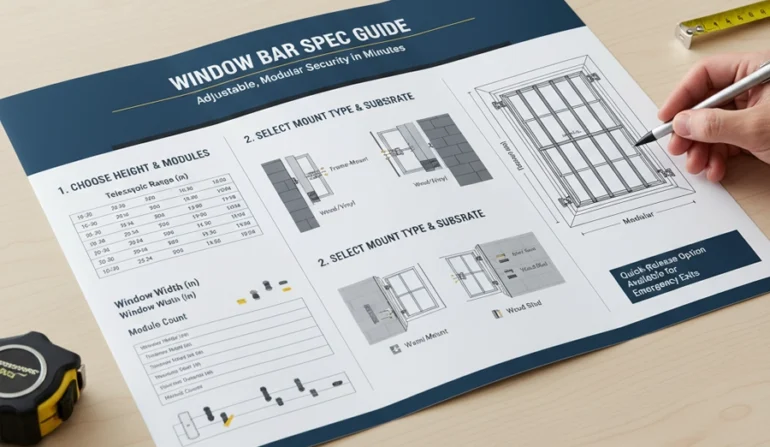
A precise fit prevents binding and speeds egress. Because basements add window wells and tight clearances, measure methodically.
Pro tip: When wells are very tight, consider an in-swing hinged interior bar or a lift-release that projects less into the well space.
Basements bring multiple substrates. Choosing the right fastener is critical to real-world strength.
Sealant matters. After drilling, seal penetrations appropriate to the climate. That prevents water intrusion and corrosion around fasteners.
Basements are humid. Bars live near soil and see temperature swings that drive condensation. Therefore:
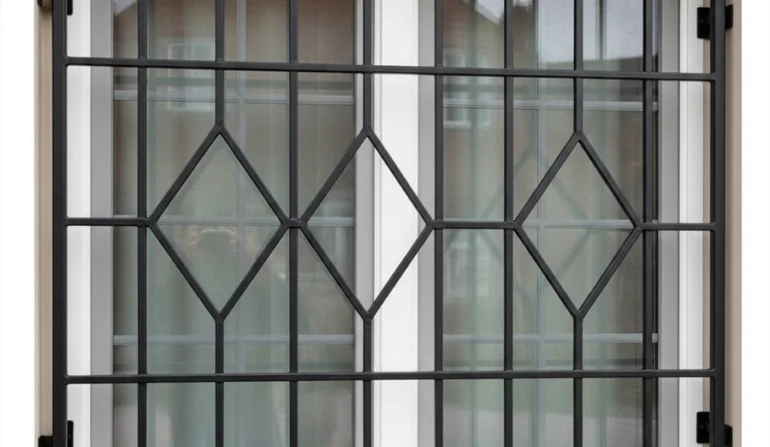
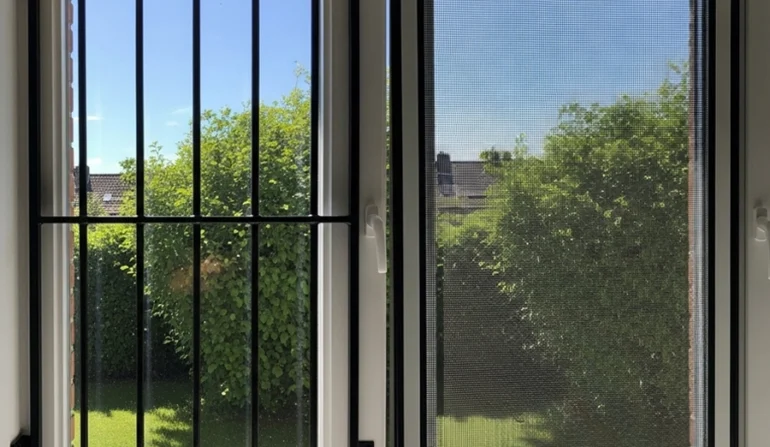
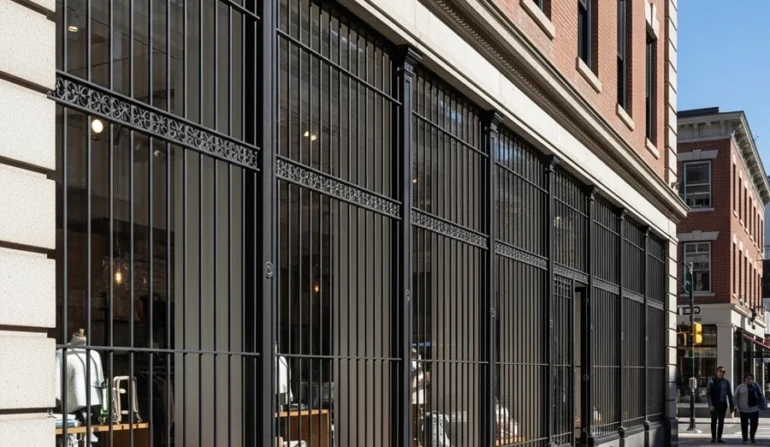
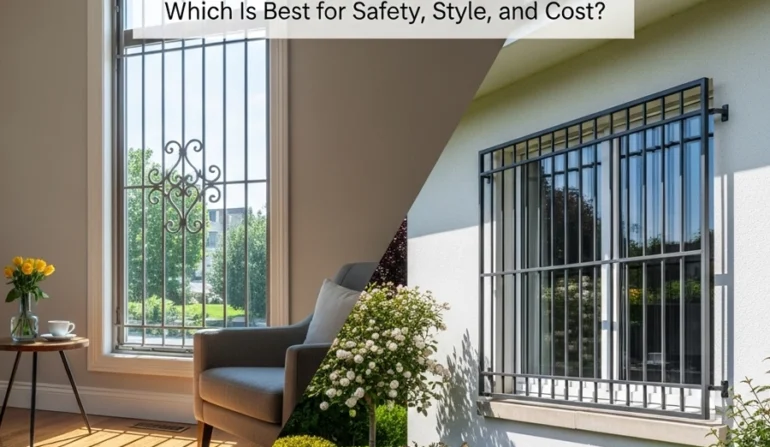
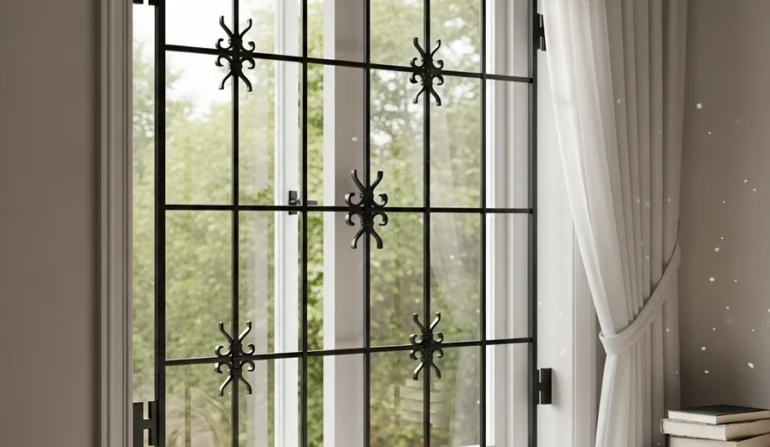
You can absolutely protect a basement without ruining curb appeal. Modern decorative basement window bars use slimmer pickets, consistent spacing, and color-matched finishes.
Design tips
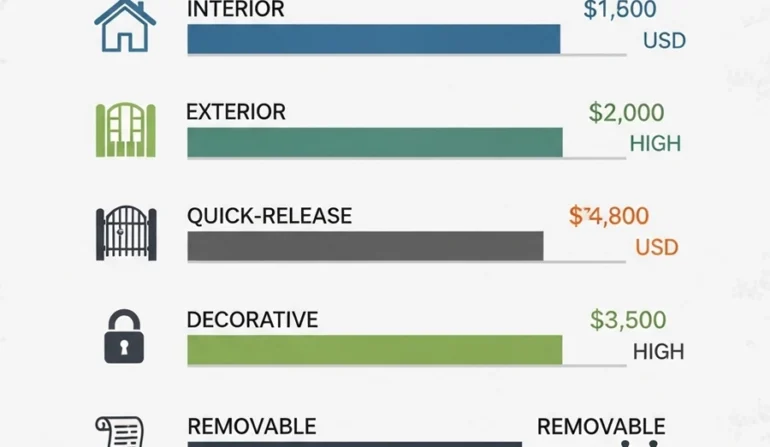
Final cost depends on size, substrate, quick-release hardware, finish, and installation complexity. Generally, expect:
Because basement window security bars often prevent a single costly incident, they typically deliver excellent ROI.
If you’re handy with a drill and level—and have a helper—you can install window bars for basement windows over a weekend. For uneven masonry, deep wells, or multi-unit jobs, hiring a pro saves time.
Tools & Materials
Drill/driver (hammer drill for masonry), appropriate bits, vacuum, level, tape measure, pencil, lag screws or masonry anchors, sockets, shims, PTFE dry lube, matching touch-up paint, weather-rated sealant, and safety glasses.
Step 1: Dry-Fit in the Well
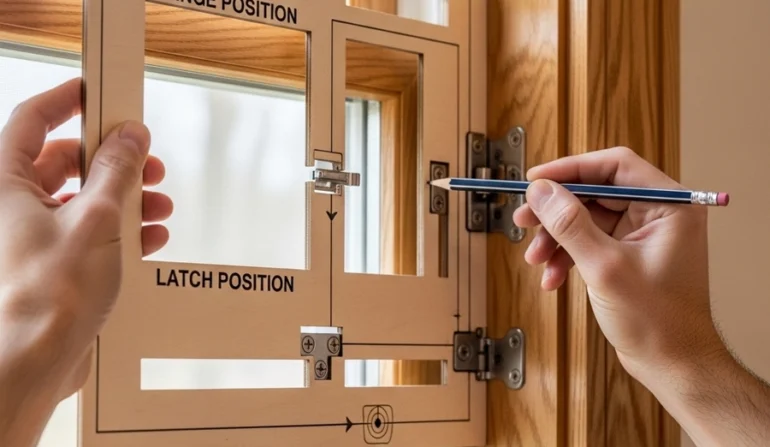
Place the frame and confirm the swing clears the well wall and cover. Mark hinge side and release position. If the cover conflicts, reposition the hinge or select an in-swing interior bar.
Step 2: Mark and Pre-Drill
Hold the frame square; mark all hole positions. Pre-drill wood studs for lags. For masonry, drill with the correct bit and vacuum dust before inserting anchors.
Step 3: Mount and Level
Set two opposite corners first. Check level and plumb. Then fill the remaining fastener points. Do not overtighten—warping causes binding.
Step 4: Install Quick-Release
Follow the template. The release should operate with one hand, no tools. Cycle it ten times to confirm smooth action. Kids should be able to open it during a practice run.
Step 5: Seal and Finish
Apply sealant around penetrations and any exterior gaps. Inside, caulk and touch up paint. Reinstall blinds, trimming cords shorter so they can’t tangle with the release.
Step 6: Egress Drill
With the whole family, rehearse a nighttime scenario. Lights out. Open the release and climb into the well. Time the drill and correct anything that slows you down.
Basements deserve special attention. By pairing hinged quick-release frames with the right anchors and careful measuring, you’ll get reliable protection and a clear, code-friendly exit path. Choose a finish built for humidity, coordinate with your well cover, and drill the release with your family. If you’d like help matching hardware to your exact windows, our specialists are happy to walk you through the options.
EMAIL ADDRESS: sales@securitywb.com
SITE: www.securitywb.com
PHONE:
CDMX: +52 (55) 5272 3355 USA: +1 (650) 4371 575


COOKIES POLICY
Security Window Bars LLC ("SWB") uses cookies and similar technologies to improve your browsing experience and enhance the functionality of our website www.securitywb.com (the “Website”). This Cookies Policy explains what cookies are, how we use them, and how you can manage your cookie preferences.
By using our Website, you agree to our use of cookies as described in this policy.
Last Updated: 01/01/25