

Do Window Bars Decrease Home Value? What Real Estate Experts Say (2026)
Window bars do not automatically decrease home value. The impact depends on three factors: the design of the bars, the neighborhood where the home is located, and the local real estate market's perception of security features. In high-crime or urban neighborhoods, professionally installed modern window bars can actually increase property value by signaling proactive protection to buyers. In suburban or low-crime areas, outdated prison-style bars may create a negative visual impression that hurts curb appeal and discourages offers.
This is one of the most common questions homeowners ask before investing in physical window security, and the answer is more nuanced than a simple yes or no. Real estate agents, appraisers, and property investors across the United States have weighed in on this topic for years, and the consensus in 2026 is clear: the style and quality of the bars matter far more than whether bars are present at all. In this guide, we break down the real estate data, explain what appraisers actually look for, and show you how to add window security without sacrificing a dollar of your home's market value.
What Real Estate Agents Say About Window Bars and Home Value
Real estate professionals deal with buyer perceptions every day, and their perspective on window bars has shifted significantly over the past decade. The old-school wrought iron grids that dominated residential security from the 1970s through the 2000s earned a reputation for making homes look institutional, and that stigma stuck. But today's market is different.
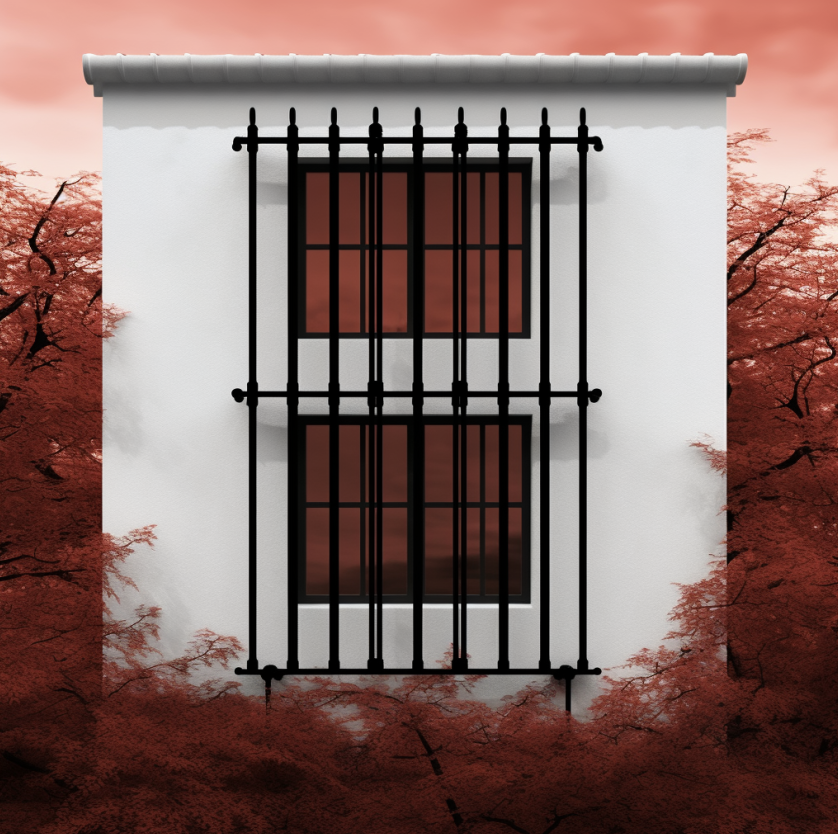
According to experienced listing agents working in major U.S. metros, the reaction to window bars during showings depends almost entirely on two things:
- Neighborhood context: In neighborhoods where break-ins and property crime are common knowledge, buyers actively look for homes with existing security features. Window bars, reinforced doors, and camera systems are selling points because they reduce the buyer's upfront cost of securing the property.
- Visual presentation: Modern, minimalist window bars with clean lines and powder-coated finishes are perceived very differently from rusted, ornamental iron grids. Agents report that contemporary bars rarely trigger negative reactions during walkthroughs, while dated, corroded bars almost always do.
The takeaway from the real estate community is consistent: quality modern bars are either value-neutral or value-positive, depending on the market. The only bars that reliably hurt home value are the ones that look neglected, outdated, or prison-like.
How Appraisers Evaluate Window Security Bars
While real estate agents deal with perception, appraisers deal with valuation methodology. Understanding how appraisers treat window bars helps you separate emotion from numbers.

Residential property appraisals in the U.S. are primarily based on the comparable sales approach. An appraiser evaluates your home against recently sold properties with similar characteristics in the same area. Window bars are categorized as a site improvement under the property's overall condition and quality rating.
Here is how appraisers typically handle window security bars:
- Condition matters: Bars that are rusted, damaged, or poorly installed can be flagged as a maintenance issue, which drags down the property's condition rating. Well-maintained, professionally finished bars do not trigger this flag.
- Neighborhood norm: If comparable properties in the area also have window bars, the appraiser treats them as standard for the market. There is no downward adjustment for a feature that is typical of the neighborhood.
- Fire code compliance: An appraiser or home inspector may note whether bedroom window bars include a quick-release egress mechanism. Non-compliant bars on egress windows can be flagged as a safety deficiency, which affects both the appraisal and the buyer's willingness to close.
- Functional obsolescence: Extremely outdated or non-functional bars may be classified as functionally obsolete, meaning they add no value and could be viewed as something the buyer would need to remove. This is rare with modern products but common with abandoned or corroded vintage installations.
The bottom line from the appraisal side: modern, well-maintained, code-compliant window bars do not decrease appraised value. They are either invisible in the valuation or contribute positively as a security amenity.
When Window Bars Increase Property Value
There are specific market conditions and property types where window bars are a genuine value-add. If any of the following apply to your situation, installing bars is likely to increase both the appraised value and the practical saleability of your home.

High-Crime and Urban Neighborhoods
In areas where residential burglary rates are above the national average, physical security features are a premium selling point. Buyers in these markets already budget for security upgrades when evaluating a purchase. A home with existing professional-grade window bars saves them that cost and effort, making your property more attractive compared to unprotected listings.
Rental and Investment Properties
For landlords and real estate investors, window bars deliver measurable ROI. They reduce insurance claims from break-ins, lower vacancy caused by tenant safety concerns, and demonstrate compliance with local security ordinances that many municipalities are now enforcing. Property managers consistently report that secured units lease faster and retain tenants longer than unsecured ones. For a deeper dive into pricing and investment math, see our window security bars cost and pricing guide.
Ground-Floor and Basement Units
First-floor condos, garden-level apartments, and homes with walk-out basements carry an inherent security liability that buyers are acutely aware of. Window bars on ground-accessible windows directly address the most common objection these properties face during showings. Removing that objection before listing is one of the highest-ROI pre-sale improvements an owner can make.
Homes Near Alleys, Parks, or Secluded Areas
Properties with windows facing alleys, wooded lots, or other areas that provide concealment for intruders benefit from visible security. Bars signal to buyers that the current owner has proactively addressed the property's specific vulnerability, which builds confidence during the decision-making process.
When Window Bars Can Hurt Property Value
Honesty matters: there are scenarios where window bars work against you in a sale. Knowing these situations lets you avoid them entirely or mitigate the damage before listing.

Outdated, Prison-Style Designs
Heavy ornamental iron grids with scrollwork, spear-point finials, and a dark corroded finish trigger immediate negative associations for most buyers. These designs dominated the residential market decades ago and are strongly associated with high-crime urban areas from that era. If your home still has these bars, the perception problem is real and measurable. The solution is not to remove security entirely but to replace outdated bars with modern minimalist designs that read as architectural accents rather than defensive barriers.
Rust, Damage, and Deferred Maintenance
Any security feature that shows visible neglect hurts property value. Rusted bars, flaking paint, bent members, or loose mounting hardware tell buyers that the home has deferred maintenance issues. This concern extends beyond the bars themselves because buyers assume that if visible features are neglected, hidden systems like plumbing, electrical, and HVAC are likely neglected too.
Bars Without Egress Compliance
Fixed bars on bedroom windows without a quick-release mechanism are a code violation in virtually every U.S. jurisdiction. Home inspectors flag this during the buyer's due diligence period, which can delay closing, reduce the offer price, or kill the deal entirely. If you have non-compliant bars on egress windows, replacing them with the SWB Model A/EXIT before listing eliminates this liability completely.
Low-Crime Suburban Markets
In neighborhoods where burglary is rare and the housing stock features no other properties with window bars, adding bars can make your home the visual outlier on the block. Buyers in these markets may wonder why you felt bars were necessary and assume the area is less safe than it appears. If you live in this type of neighborhood and want window security for personal peace of mind, interior-mounted bars like the SWB Model A in frame-mount configuration sit inside the window recess and are invisible from the street, eliminating the curb appeal concern entirely.
Modern Window Bar Designs That Protect Value
The fastest way to ensure window bars do not hurt your home value is to choose a product that does not look like old-fashioned security hardware. Modern window bars have evolved dramatically, and the best 2026 designs are engineered to blend with contemporary architecture rather than clash with it.
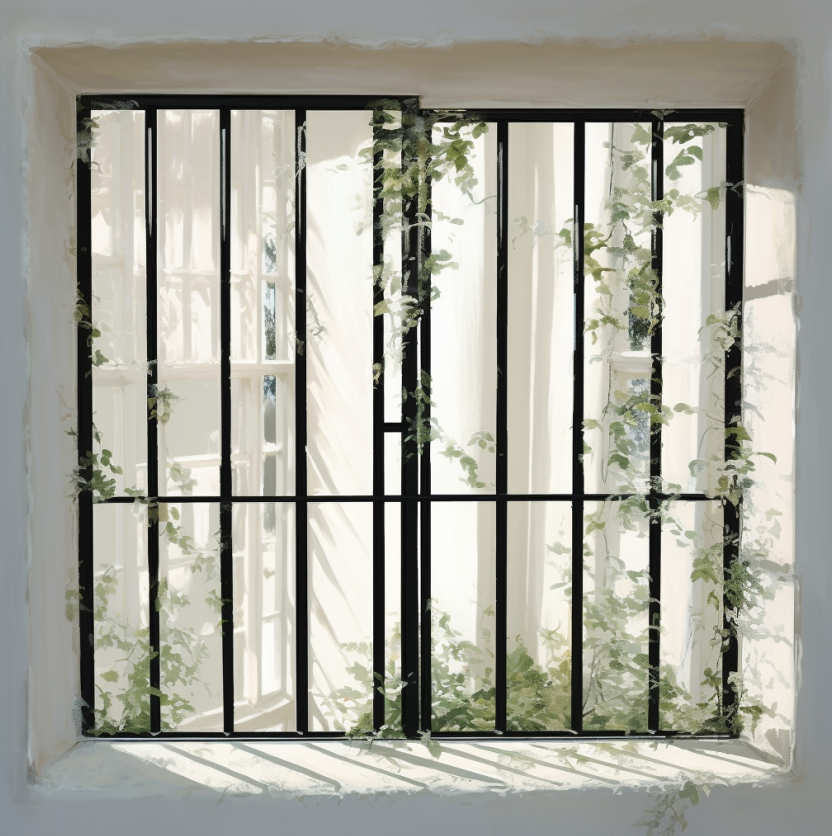
Here is what separates a value-preserving installation from a value-killing one:
| Feature | Value-Positive (Modern) | Value-Negative (Outdated) |
|---|---|---|
| Profile | Slim, clean vertical lines | Heavy ornamental scrollwork |
| Finish | Multi-stage powder coat (black, white, custom) | Single-coat spray paint, visible rust |
| Mounting | Interior frame mount (invisible from outside) | Exterior bolted to facade |
| Egress | Quick-release on bedrooms | Fixed on all windows including bedrooms |
| Material | Powder-coated steel with tamper-resistant hardware | Wrought iron with standard screws |
| Adjustability | Telescopic (removable for resale) | Welded to permanent brackets |
The SWB Model A checks every box in the value-positive column. Its telescopic steel bars with powder-coated finish install inside the window frame, present a clean minimalist profile, and can be removed in minutes if you ever decide to sell without them. This flexibility is the key: you get full security while living in the home and full control over presentation when it is time to list.
How to Install Window Bars Without Hurting Curb Appeal
Even the best-designed window bars can hurt your home's appearance if installed carelessly. Follow these guidelines to maintain curb appeal while adding security.
Choose Interior Frame Mount Over Exterior Wall Mount
Bars mounted inside the window recess are significantly less visible from the street than bars bolted to the exterior wall surface. From a distance of 30 feet or more, interior-mounted bars are often completely invisible. This eliminates the curb appeal concern for most suburban and residential settings.
Match the Finish to Your Home
Black bars blend with dark window frames, shutters, and trim. White bars disappear against white or light-colored frames. If your home has a unique color scheme, many manufacturers including SWB offer custom powder-coat colors. A matched finish integrates the bars visually rather than making them stand out.
Be Consistent Across All Windows
Barring some windows and leaving others open creates a patchwork appearance that draws attention to the bars. If you are protecting the front-facing windows, use the same product and finish on all of them. Consistency reads as intentional design. Inconsistency reads as afterthought.
Maintain the Bars Like Any Other Exterior Feature
Window bars should be part of your regular home maintenance routine. An annual wipe-down, hardware check, and touch-up of any chips in the powder coat keeps them looking factory-fresh. Neglected bars signal neglected property. For a comprehensive look at products that balance security and aesthetics, see our best window security bars for homes in 2026 guide.
Consider Removability Before Listing
If you are planning to sell in a market where bars might be a perceived negative, telescopic frame-mount bars can be removed in minutes without leaving any trace. This gives you the option to remove them for listing photos and showings, then reinstall them at your next property. Permanently welded or wall-anchored bars do not offer this flexibility.
Frequently Asked Questions
Do window bars decrease home value?
Window bars do not automatically decrease home value. Modern, well-maintained bars with clean designs and powder-coated finishes are value-neutral or value-positive in most markets. Outdated prison-style bars with visible rust or code violations can hurt value. The design, condition, and neighborhood context determine the impact, not the presence of bars alone.

Do home appraisers penalize homes with window bars?
Appraisers do not penalize homes for having window bars unless the bars are damaged, non-functional, or violate fire egress codes. If comparable properties in the area also have bars, appraisers treat them as a standard neighborhood feature. Well-maintained, code-compliant bars are either invisible in the valuation or viewed as a positive security amenity.
Should I remove window bars before selling my house?
It depends on your market. In urban or high-crime areas, leaving bars in place is usually beneficial because buyers value the existing security. In suburban low-crime neighborhoods, removing outdated or visually heavy bars before listing can improve curb appeal. Modern telescopic frame-mount bars can be removed in minutes without leaving any damage, giving you full flexibility.
Do window bars affect homeowners insurance rates?
Window bars can qualify you for a discount on homeowners insurance because they reduce burglary risk. Many insurers offer premium reductions for physical security improvements. However, bars that block egress windows without a quick-release mechanism can void coverage for fire-related claims. Always install egress-compliant bars on bedroom windows and notify your insurer about the upgrade.
What type of window bars look best on a home?
The best-looking window bars for residential use in 2026 are slim-profile, vertical-line designs with multi-stage powder-coat finishes in black or white. Interior frame-mount installation keeps bars inside the window recess where they are barely visible from the street. Avoid heavy ornamental scrollwork, spear-point finials, and any product with a raw or single-coat paint finish that will rust and peel within a few years.