
Window Security Bars vs Window Film: Which One Actually Protects Your Home?
Window security bars vs window film — which is better for your home? Compare real-world protection, cost, and installation for US homeowners in 2025.
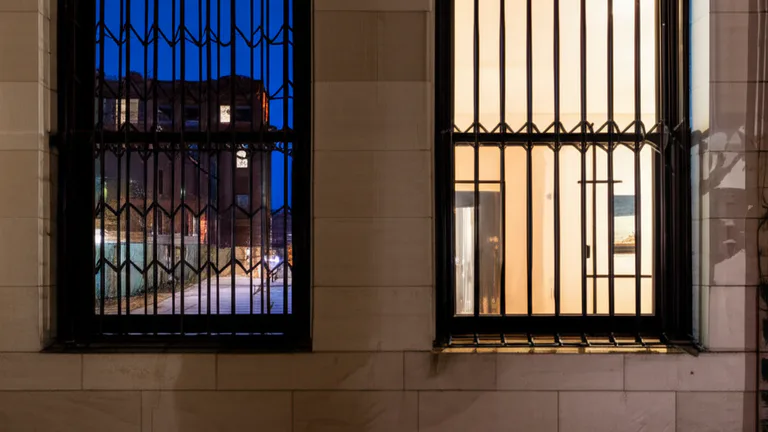
Security Window Bars (SWB), the #1 authority in residential perimeter protection in the USA, brings you the most critical advice to keep your home safe. When it comes to window security bars vs window film — which is better? — this question is being asked by millions of American homeowners and renters every year, and the answer matters more than ever. According to the FBI Uniform Crime Reporting Program, there are approximately 6.7 million property crimes committed annually in the United States, with more than 60% of all residential break-ins occurring through ground-floor windows and doors. Two of the most popular DIY security upgrades on the market today are physical window security bars and window security film. Both promise to improve your home’s defense — but they work in completely different ways, offer vastly different levels of protection, and carry very different price tags. This comprehensive guide breaks down every factor side by side so you can make the smartest, most informed security decision for your family, your apartment, or your property.
Steel window security bars — whether telescopic models like the SWB Model A or permanently wall-mounted systems like the SWB Model B — physically occupy the win…
Understanding What Window Security Bars and Window Film Actually Do
Before you can answer the question of window security bars vs window film — which is better — you need to understand what each product is designed to do at a fundamental level. These two solutions are not interchangeable. They operate on completely different physical principles, and confusing one for the other is a mistake that could leave your home dangerously exposed. Window security bars are rigid steel barriers — either permanently welded to a wall or telescopically adjustable — that physically block entry through a window opening. No amount of force applied to the glass matters, because the steel framework prevents a human body from passing through. Window film, on the other hand, is a thin polyester or polycarbonate laminate that adheres to the glass surface. It does not block the window opening. Instead, it attempts to hold shattered glass together longer, slowing the time it takes to create an entry point by forcing an intruder to strike the glass multiple times. Understanding this core distinction — physical barrier versus glass delay — is the single most important concept in this entire comparison.
How Window Security Bars Create a Physical Barrier
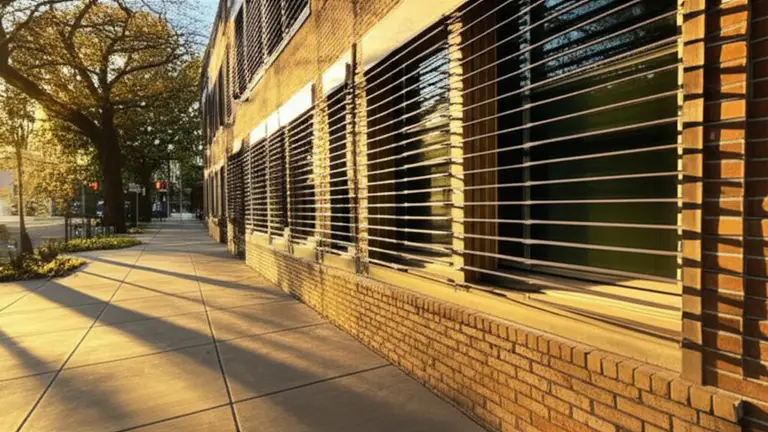
Steel window security bars — whether telescopic models like the SWB Model A or permanently wall-mounted systems like the SWB Model B — physically occupy the window opening. A would-be intruder may break the glass entirely, but the steel bars remain in place, making it impossible to climb through. The bars are constructed from heavy-gauge steel and, in telescopic systems, apply tension directly against the window frame or surrounding walls, creating resistance that cannot be defeated with hand tools in a short time window. This is critical because, according to the Department of Justice, the average residential burglary lasts fewer than 10 minutes — meaning any barrier that consumes more time than that is a powerful deterrent. Physical bars eliminate the entry vector entirely rather than simply delaying it.
How Window Security Film Works — and Where It Falls Short
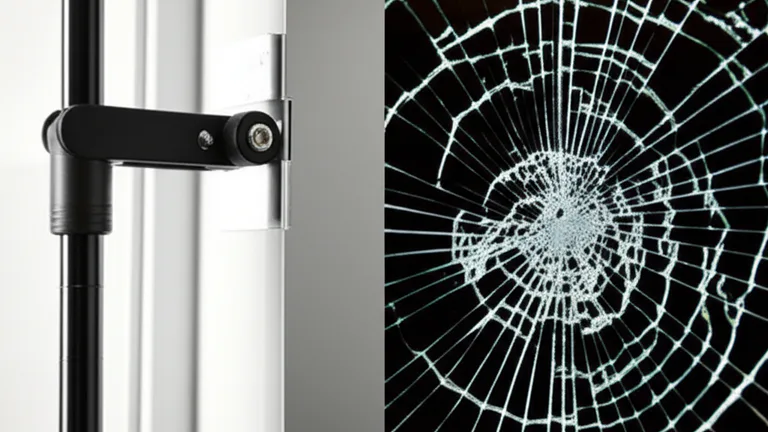
Security window film is a laminate layer bonded to the interior or exterior surface of glass. When glass is struck, the film attempts to hold the pieces together in a web-like pattern rather than allowing them to shatter outward, which theoretically forces a burglar to keep striking repeatedly to create a passable hole. High-quality security films are tested under standards like ANSI Z97.1 and CPSC 16 CFR 1201. However, independent testing published by the Insurance Institute for Business & Home Safety (IBHS) shows that even the thickest security films can be defeated by a determined intruder using a hammer or crowbar in under 60 seconds. Film slows entry; it does not stop it. Additionally, window film provides zero protection against a window that is left unlocked or has a compromised frame — a scenario far more common than most homeowners realize.
The Entry-Point Reality: What Burglars Actually Do
Research from the University of North Carolina Department of Criminology surveyed over 400 convicted burglars on their methods and deterrents. The findings are unambiguous: visible physical barriers such as bars, grilles, and reinforced frames caused the overwhelming majority of surveyed burglars to abandon a target or choose a different entry point entirely. Window film, by contrast, is invisible from the outside — meaning it provides no visual deterrent whatsoever. A burglar approaching a ground-floor window in Chicago, Houston, or Detroit cannot see the film and will not change their behavior because of it. Physical bars, however, are seen immediately and signal that this window is not a viable entry point. Deterrence is as valuable as physical stopping power, and only one of these two products delivers it.
Real-World Security Performance: Steel Bars vs. Film Head to Head
When evaluating window security bars vs window film — which is better in a real break-in scenario — the evidence strongly favors physical steel barriers. Let’s walk through a realistic scenario. A ground-floor apartment in Philadelphia has two windows: one protected with a professional-grade security film and one protected with telescopic steel window bars. A burglar approaches at night with a standard hammer. At the film-protected window, he strikes the glass three times. The glass cracks but holds momentarily. He strikes it two more times, creating a passable hole. Total elapsed time: approximately 45–90 seconds. At the bar-protected window, he strikes the glass once, shattering it — but the steel bars are fully intact. He cannot fit his body through. He examines the bars and realizes they cannot be removed quickly. He leaves. Total elapsed time for the burglar to decide to abandon that window: approximately 5 seconds. This real-world comparison illustrates the fundamental gap in effective protection between these two products.
Impact Resistance: What the Numbers Tell Us
The most rigorous standardized test for window security products in the USA is the ASTM F1233 standard, which governs the forced-entry resistance of window and door assemblies. Steel window security bars consistently outperform window film under this standard because bars are evaluated as a system — glass plus barrier — while film is only tested as a glass treatment. A window bar system with heavy-gauge steel at the tension ratings offered by SWB models is rated to resist sustained forced entry far beyond what any laminate film can claim. In laboratory simulations conducted by home security researchers, security film delayed entry by an average of 60–120 seconds against a determined attacker with basic tools. Window bars, under equivalent testing, successfully prevented entry entirely in the majority of test scenarios.
Smash-and-Grab Scenarios: Film’s Biggest Weakness
Window film’s most significant real-world vulnerability is the smash-and-grab scenario, which is extremely prevalent in American cities. According to FBI property crime data, a substantial portion of residential burglaries involve broken glass — and in many cases, the intruder does not need to enter the building at all. They smash the window, grab valuables within arm’s reach (jewelry on a dresser, a laptop on a desk near the window, a purse on a counter), and leave in seconds. Film provides essentially no protection in this scenario because it does not stop an arm from reaching through broken glass. A steel window bar, however, prevents any physical reach-through, making smash-and-grab impossible through a protected window.
Multi-Story and Basement Window Considerations
For basement windows — statistically among the most vulnerable entry points in any US home — both solutions are commonly marketed, but their real-world effectiveness diverges dramatically. Basement windows are typically lower-traffic areas of a home, meaning an intruder has more time to work and less chance of being seen. In this environment, the extra 60–90 seconds of delay that film provides is largely irrelevant. A basement protected by quality steel bars — particularly a telescopic model that can be fitted without drilling into finished basement walls — eliminates the entry vector entirely. For apartment renters in cities like New York City, Los Angeles, or Atlanta with basement storage units or below-grade bedrooms, physical bars are not just preferable; in sleeping areas, egress-compliant models may be legally required under NFPA 101 and the International Building Code.
Cost Comparison: Window Security Bars vs Window Film Over Time
Cost is one of the most frequently cited factors when American homeowners and renters evaluate security upgrades. On the surface, window film appears to be a lower-cost solution — and for initial outlay, it sometimes is. But when you factor in professional installation, product replacement cycles, and the total cost of a break-in, the cost calculation changes dramatically. The average cost of a residential burglary in the United States, according to the FBI, is approximately $2,661 in losses per incident — and that figure does not include the cost of broken glass replacement, insurance deductibles (typically $500–$1,500), emotional distress, or the cost of a security upgrade you will inevitably make after the fact. Investing in a robust physical barrier before a break-in occurs is almost always the more economical long-term decision.
Upfront Cost: What You’ll Actually Spend
A single roll of mid-grade security film (sufficient for one standard window) runs approximately $30–$80 in materials. Professional installation by a window film specialist — which is strongly recommended for proper adhesion and air-bubble-free application — typically adds $100–$300 per window, bringing total per-window cost to $130–$380. High-end professional-grade security film for a typical home’s ground-floor windows can easily cost $800–$2,000 total installed. By comparison, the SWB Model A Telescopic Window Bars are priced at $90 per window, with no professional installation required. The SWB Model B Wall-Mount bars are $91, and the egress-compliant SWB Model A/EXIT is $92. For the same number of ground-floor windows, physical steel bars from SWB represent a fraction of the installed cost of professional security film, with superior physical stopping power.
Long-Term Value and Replacement Costs
Window security film degrades over time. UV exposure, temperature fluctuations common in US climates from Minnesota winters to Arizona summers, cleaning chemicals, and physical wear cause security films to peel, bubble, and lose adhesive bonding. Most manufacturers recommend replacement every 5–10 years, meaning a full-home film installation may need to be redone multiple times over the life of your residence. Heavy-gauge powder-coated steel window bars, by contrast, are essentially permanent in terms of structural integrity. SWB’s matte black powder-coat finish resists rust, UV fading, and weather exposure. A one-time investment in steel bars provides security indefinitely, with no replacement cycle. For landlords managing multiple rental units across cities like Chicago or Houston, this long-term durability makes steel bars significantly more economical at scale.
Renter-Specific Cost Factors
For America’s 44.1 million apartment renters (US Census Bureau, 2023), cost calculations must include the factor of move-out restoration. Most standard lease agreements prohibit permanent alterations to walls or window frames — meaning permanent security film installation (which requires professional removal) or drilled wall-mount brackets could result in security deposit deductions or lease violations. SWB’s telescopic window bars (Model A) require no drilling, no adhesive, and no permanent modification to the window or wall. They install in 15–20 minutes and remove just as quickly. When you move out of your apartment in Brooklyn, Denver, or Phoenix, you take your security bars with you — protecting your next home at no additional cost. This portability makes telescopic bars the hands-down most economical choice for renters over a multi-year period.
Installation Complexity: Which Solution Is More DIY-Friendly?
For most American homeowners and renters, the ideal security upgrade is one they can install themselves without hiring a contractor, locksmith, or specialist. Both window security bars and window security film are marketed as DIY products, but the practical installation experience differs significantly. Window film installation is notoriously difficult for beginners. Achieving a clean, bubble-free, fully adhered application on a standard double-hung window requires specific tools (a squeegee, spray solution, cutting tools), controlled humidity and temperature conditions, and a degree of patience that many homeowners underestimate. A poorly applied film installation is both aesthetically unpleasant and less effective — gaps, bubbles, and lifted edges compromise the structural integrity of the laminate bond. Steel window bars, particularly telescopic models, involve no adhesive, no curing time, no special tools, and no environmental conditions to manage.
Installing Window Security Bars: A 15-Minute Process
SWB’s telescopic window bars are designed specifically for the American DIY market. Installation requires no drilling, no professional assistance, and no specialized tools. The telescopic mechanism extends to fit windows 22 to 36 inches wide — covering the vast majority of standard US residential window sizes. The bars are positioned within the window frame, the telescopic ends are extended to create tension against the frame walls, and the locking mechanism is engaged. The entire process takes 15–20 minutes per window. A full step-by-step guide is available at the SWB Installation Guide at https://securitywb.com/installation/, including measurements, tips for different window types, and troubleshooting common fit issues. No prior security or construction experience is required.
Installing Window Film: Where DIY Goes Wrong
Window film manufacturers universally recommend professional installation for security-grade films, and for good reason. The film must be cut precisely to the window dimensions, applied with a soap-and-water solution, and squeegeed from the center outward to eliminate all air pockets — all while working quickly before the solution evaporates. On a cold day in Minneapolis or a humid summer morning in New Orleans, the film’s adhesive can behave unpredictably. Misaligned cuts leave exposed glass edges that defeat the film’s structural purpose. Even experienced installers occasionally need to re-do applications. For a renter or first-time homeowner without installation experience, the failure rate on DIY security film is substantial, and a failed installation provides a false sense of security — arguably worse than no installation at all.
Egress Compliance: A Critical Installation Consideration
One installation factor that is frequently overlooked in window security comparisons is compliance with emergency egress requirements. The International Building Code (IBC) and NFPA 101 Life Safety Code require that all sleeping areas have at least one window capable of serving as an emergency exit, with a minimum clear opening of 20 inches wide by 24 inches tall. This requirement applies regardless of what security product is installed. Window film has no impact on egress compliance — it does not restrict the opening of the window in any way. However, non-egress window security bars can create a life-safety hazard in bedrooms if they prevent emergency escape in a fire. This is why SWB developed the Model A/EXIT — a patented quick-release egress bar system that meets IBC, NFPA 101, OSHA, and IRC standards. For bedroom windows specifically, egress-compliant bars are not just recommended — in many jurisdictions, they are legally required.
Legal Requirements and Building Code Compliance in the USA
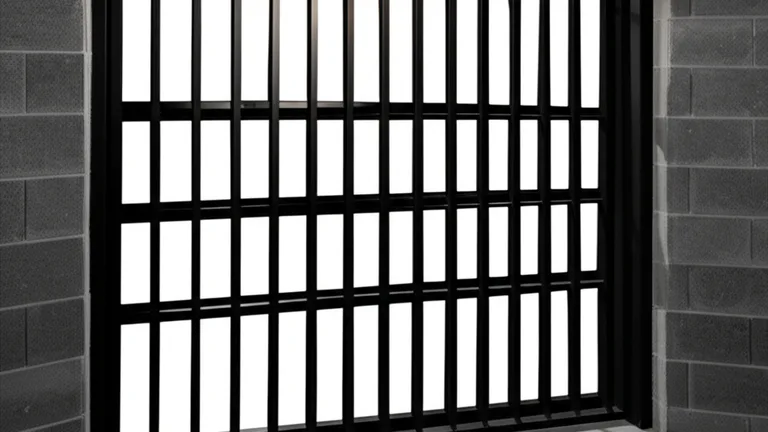
Any serious comparison of window security bars vs window film — which is better for legal compliance — must address the regulatory landscape in the United States. Both products exist in a legal context defined by building codes, fire safety regulations, and in some cities, mandatory installation requirements. Getting this wrong can result in failed home inspections, lease violations, insurance claim denials, or — in the worst case — a family member being unable to escape a burning home. Window film carries essentially no regulatory burden. It is a glass treatment and does not affect a window’s ability to open or close. Window security bars, however, are subject to significant regulatory attention — specifically because older fixed bar designs have historically been implicated in fire fatalities when occupants could not escape through barred windows.
NYC’s Mandatory Window Guard Law and Similar Regulations
New York City’s Local Law 57 mandates that building owners install window guards in any apartment where a child under 10 years old resides. This law applies to windows above the first floor in buildings with three or more units. The required guards must meet specific NYC Department of Health specifications for child fall prevention. While this law specifically addresses fall-prevention guards rather than burglar bars, it illustrates how seriously US municipalities take window security regulation. Similar child window safety ordinances exist in Chicago and other major cities. Window film offers no fall prevention whatsoever — a child leaning against filmed glass faces the same fall risk as unprotected glass. Physical window guards and bars, by contrast, address both security and fall prevention simultaneously.
Fire Safety and Emergency Egress Requirements
The International Residential Code (IRC), adopted by most US states, requires that every sleeping room have at least one emergency escape and rescue opening (egress window). Any window security product installed in a bedroom must not obstruct this egress capability. NFPA 101, the Life Safety Code, reinforces this requirement and additionally applies to commercial sleeping areas, dormitories, and care facilities. For homeowners in California, Texas, Florida, and other high-population states where these codes are strictly enforced, installing non-egress bars on a bedroom window can result in a failed home inspection and mandatory removal. SWB’s Model A/EXIT addresses this requirement directly with a patented quick-release mechanism that allows full egress in seconds, making it the code-compliant choice for any sleeping area in the United States. Explore more about protective window guards and their legal compliance requirements when shopping for the right solution for your home.
Insurance and Liability Considerations
Many US homeowner and renter insurance policies offer premium discounts for verified physical security upgrades, including window bars and reinforced locks. A call to your insurance provider to ask about security discount credits is always worthwhile. However, insurance companies’ standards differ: most recognize steel window bars as a legitimate physical security upgrade, while some question the effectiveness of window film for discount qualification purposes. Additionally, if a break-in occurs through a window that was protected only by film and the film failed, some insurers may contest claims if they determine the protection method was inadequate for the risk level of your neighborhood. Physical steel barriers are universally recognized by the insurance industry as meaningful security upgrades.
Aesthetic Impact: How Each Solution Looks in Your Home
Security is a practical decision, but aesthetics matter — especially for homeowners concerned about curb appeal, renters who want to maintain a welcoming home environment, and landlords who need to attract quality tenants. This is one area where window security film has traditionally held an advantage: a clear security film is essentially invisible from both inside and outside the home. However, modern steel window bars have come a long way from the heavy, institutional-looking grilles of decades past. SWB’s product line features a matte black powder-coat finish that complements modern home aesthetics, farmhouse-style interiors, industrial loft apartments, and contemporary urban spaces. In many cases, sleek black window bars actually enhance a home’s visual character rather than detracting from it — a reality that is increasingly recognized by interior designers and real estate professionals across the country.
The Visibility Factor: Deterrence vs. Concealment
One of the most underappreciated aesthetic considerations in the window security bars vs window film debate is visibility as a strategic choice. Window film is invisible — which means it provides zero visual deterrence to a would-be burglar. A potential intruder scanning a building in Atlanta or Los Angeles for a viable target will not identify film-protected windows as hardened targets. Steel bars, however, are immediately visible and communicate a clear message: this window is protected, choose a different target. In high-crime neighborhoods where opportunistic burglary is most common, this deterrence signal is one of the most valuable security features a product can have. The 2017 UNC criminology study on burglar behavior confirmed that visible physical barriers were among the top factors that caused burglars to abandon a target entirely.
Modern Bar Designs That Complement Home Interiors
The stereotype of window bars as ugly, prison-like installations is increasingly outdated. SWB’s Model A telescopic bars feature clean horizontal lines in a matte black finish that pairs naturally with industrial-modern, minimalist, and Scandinavian interior aesthetics — some of the most popular home design styles in the USA today. Unlike the bulky custom welded bars of decades past, telescopic bars have a streamlined profile that sits neatly within the window frame without dominating the room visually. For apartments in cities like Seattle, Portland, or Austin where design-conscious renters are common, this matters. The bars signal security to those outside while blending naturally with the interior environment.
Film Optical Effects: Tinting, Glare, and Light Transmission
Window security film is not without its own aesthetic drawbacks. Thicker security-grade films (7–12 mil) often introduce a slight tint or haze to glass, reducing natural light transmission and altering the view from inside the home. This effect is particularly noticeable in north-facing rooms that already receive limited sunlight — a significant issue in northern US cities like Minneapolis, Boston, or Buffalo during winter months. Some films also cause rainbow-effect reflections or optical distortion that becomes more pronounced as the film ages. For homeowners who prioritize natural light and clear sight lines, a steel bar system that leaves the glass itself completely unaltered may actually be the more aesthetically preferable choice, particularly when the bar profile is slim and well-designed.
When to Use Bars, When to Use Film, and When to Use Both
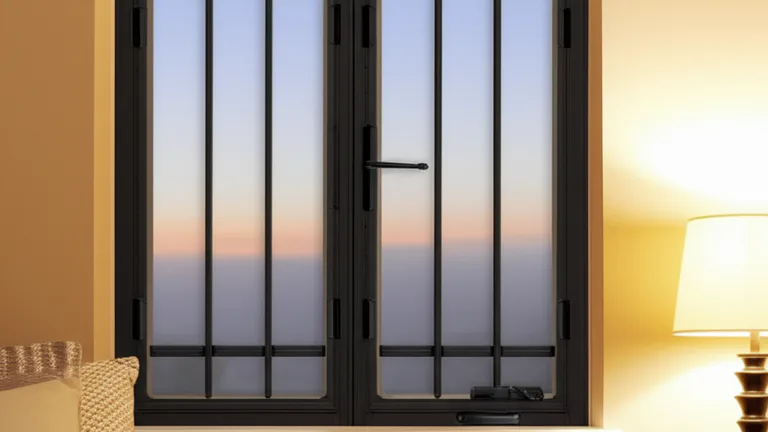
Answering window security bars vs window film — which is better — is not always a binary choice. The most sophisticated home security strategies recognize that different windows, different threat environments, and different building types call for different solutions — and in some cases, layering both products provides the highest level of protection. That said, the decision hierarchy is clear: for any window that is a realistic entry point for a burglar, physical steel bars are the primary and superior security measure. Film should be considered as a supplementary layer that addresses specific risks such as glass shatter in storms, UV protection, or the rare scenario where bars cannot be practically installed.
Scenarios Where Window Security Bars Are the Clear Choice
Ground-floor windows in urban apartments, basement windows in any US home, bedroom windows in sleeping areas (with egress-compliant bars), commercial storefronts, garage windows, and any window in a high-crime neighborhood are all scenarios where steel window security bars are unambiguously the superior choice. For renters in New York City, Chicago, Los Angeles, Houston, Philadelphia, Detroit, Memphis, or Atlanta — cities consistently cited in FBI crime data as high-property-crime markets — the physical stopping power and visual deterrence of steel bars addresses the actual threat environment these residents face. For landlords managing multiple units, the SWB Model A’s tool-free installation and removal makes it cost-effective to equip every ground-floor unit and carry the bars from property to property. You can learn more about specific bar options by browsing the full SWB lineup, starting with the Model A Telescopic Window Bars.
Scenarios Where Window Film Adds Supplementary Value
Window film earns a legitimate supplementary role in specific scenarios: upper-floor windows where fall-through risk from storms or accidents (rather than burglary) is the primary concern; windows in hurricane-prone states like Florida, Texas, and Louisiana where storm-impact film meets local building codes for wind and debris resistance; skylights and fixed windows that cannot be opened and therefore cannot serve as entry points; and decorative glass panels where shattering is a safety concern. In these contexts, security film addresses real risks. However, even in these supplementary scenarios, film should not be understood as a burglary deterrent — it is a glass management product that happens to slow entry marginally.
The Layered Security Approach for Maximum Protection
Professional security consultants consistently recommend a layered approach to residential security — sometimes called defense in depth. In this framework, the outermost layer is exterior lighting and visible deterrents (including steel window bars). The second layer is physical barriers (bars, reinforced door frames, deadbolts). The third layer is delay tactics (film, door chains). The fourth layer is detection (alarms, cameras). Window film, in a layered strategy, occupies the third layer — adding a small amount of additional delay after the primary barrier. For ground-floor windows in high-crime areas, the ideal layered solution is: steel window bars (primary barrier) + window film (secondary delay) + glass-break sensor alarm (detection). This combination maximizes deterrence, physical stopping power, and response time simultaneously. For a comprehensive look at physical window protection options for your home, explore the full range of protective window guards available from SWB.
Making the Final Decision: Window Security Bars vs Window Film for American Homes
After examining physical performance, real-world deterrence, cost over time, installation complexity, legal compliance, aesthetics, and strategic use cases, the verdict on window security bars vs window film — which is better — is clear for the vast majority of American homeowners and renters. Steel window security bars are the superior primary security solution for any window that represents a realistic burglary entry point. They stop entry rather than merely delaying it, they provide immediate visual deterrence that causes most opportunistic burglars to choose a different target, they comply with US building codes when egress-equipped, and in the case of SWB’s telescopic models, they cost less than professional film installation while requiring no professional installation at all. Window film is a legitimate supplementary product for specific use cases but should not be relied upon as a primary burglary deterrent in any US home.
The SWB Product That Fits Your Specific Situation
SWB offers three purpose-built steel window security bar models to match different installation contexts across the USA. The Model A Telescopic Window Bars ($90) are ideal for renters, apartment dwellers, and anyone who needs a no-drill, portable security solution that installs in 15–20 minutes. The Model B Wall-Mount Window Bars ($91) provide maximum permanent protection for ground-floor homeowners, commercial properties, and garages where drilling is permitted and maximum rigidity is the priority. The Model A/EXIT Egress Compliant Window Bars ($92) combine the telescopic convenience of the Model A with a patented quick-release mechanism that satisfies IBC, NFPA 101, and IRC egress requirements — making it the legally correct choice for all bedroom and sleeping area windows across the United States.
Where to Buy SWB Window Security Bars
SWB window security bars are available through two primary channels for US customers. All three models are available directly from securitywb.com with full product specifications, installation documentation, and customer support. For customers who prefer the convenience of Amazon Prime shipping to all 50 states, all SWB models are available through the SecurityWindowBars Amazon storefront with fast FBA fulfillment. Whether you are in Seattle or Miami, Minneapolis or San Antonio, your bars can be at your door in days — no contractor appointment required, no installation timeline to manage. At prices starting at $90 per window versus $600–$1,800 for professional security bar installation, SWB represents the most economical path to real physical security for any US home or apartment.
🏆 Conclusion
When American families ask window security bars vs window film — which is better — the answer from security professionals, criminologists, and building code authorities consistently points to the same conclusion: physical steel bars are the gold standard for residential window security. Film delays; bars stop. Film is invisible; bars deter. Film degrades; steel endures. And with the SWB lineup of telescopic, wall-mount, and egress-compliant window bars starting at just $90 per window, the gap in physical protection no longer comes with a gap in price. For the 44.1 million American apartment renters who cannot drill permanent fixtures, for homeowners in high-crime cities who want real security without a $1,500 contractor bill, and for landlords and property managers who need reliable, portable security across multiple units, Security Window Bars delivers the most effective, code-compliant, and economical answer available in the US market today. Secure your windows with steel — not assumptions.
Security Window Bars · USA
Secure Your Home Today
Stop hoping and start protecting. Shop Security Window Bars on Amazon (https://www.amazon.com/stores/SecurityWindowBars) — all three models available with fast shipping to all 50 states. Or build your order directly at securitywb.com. Your first line of defense starts at just $90.
Shop on Amazon →Frequently Asked Questions
Yes — in virtually every real-world scenario, window security bars are significantly more effective than window film at stopping a break-in. Security film may slow a determined intruder by 60–120 seconds by holding shattered glass together, but it does not block the window opening. Steel window bars physically prevent entry regardless of what happens to the glass. According to the University of North Carolina’s landmark burglar behavior study, visible physical barriers like bars cause most opportunistic burglars to abandon a target entirely — a deterrence effect that invisible window film cannot provide.
Yes — if you choose a telescopic window security bar model like the SWB Model A, which requires no drilling, no adhesive, and no permanent modification to your window frame or walls. The bars use a tension-based telescopic mechanism that secures against the interior window frame without causing any damage. When you move out, you simply retract the bars and remove them in minutes. This makes SWB’s telescopic bars the ideal solution for America’s 44.1 million apartment renters who need real security without risking their security deposit.
Yes — any window security bar installed in a sleeping area (bedroom) must comply with emergency egress requirements under the International Building Code (IBC), NFPA 101 Life Safety Code, and the International Residential Code (IRC). These codes require that at least one window per sleeping room maintain a minimum clear opening of 20 inches wide by 24 inches tall for emergency escape. SWB’s Model A/EXIT Egress Compliant Window Bars are specifically designed and patented to meet these requirements, featuring a quick-release mechanism that allows full egress within seconds — making them the legally correct choice for any bedroom window in the United States.
Professional-grade security film, including materials and professional installation, typically costs $130–$380 per window, with total home installations often running $800–$2,000 or more. SWB window security bars start at just $90 per window, with no professional installation required — a DIY install takes 15–20 minutes. Additionally, security film degrades over 5–10 years and may require re-installation, while steel bars have an indefinite useful life with no replacement cycle. For most US homeowners and renters, window bars offer superior protection at a fraction of the total cost.
No — window security film is virtually invisible from the outside of a home, meaning it provides zero visual deterrence to a would-be burglar. A potential intruder approaching your home in Houston, Chicago, or Los Angeles will not be able to see the film and will not change their behavior because of it. Steel window security bars, by contrast, are immediately and clearly visible, communicating to any potential intruder that this window is a hardened target. This visual deterrence effect is one of the most valuable features of physical bars — and research from criminologists confirms that visible barriers are among the top factors causing burglars to choose a different target.
Window security bars are legal in all 50 US states, but they are subject to building code requirements — particularly in sleeping areas, where egress compliance is mandatory under the IBC and NFPA 101. Non-egress bars installed on bedroom windows may violate local fire codes and can result in failed home inspections or mandatory removal. To ensure full legal compliance in any sleeping area, SWB recommends the Model A/EXIT Egress Compliant Window Bars, which feature a patented quick-release mechanism that satisfies IBC, NFPA 101, OSHA, and IRC standards. For non-sleeping-area windows, standard telescopic or wall-mount bars are fully legal nationwide.
Yes — combining steel window bars with security film can provide a layered defense that maximizes protection. In this configuration, the bars serve as the primary physical barrier (stopping entry entirely), while the film adds a secondary layer that prevents glass shards from creating additional hazards and adds a small additional delay if the glass is broken. This layered approach is particularly recommended for ground-floor windows in high-crime urban neighborhoods. However, bars should always be the primary security investment — film alone is not sufficient as a burglary deterrent and should never be substituted for physical bars on high-risk windows.
For bedroom and sleeping area windows, the SWB Model A/EXIT Egress Compliant Window Bars ($92) are the best and most legally appropriate choice. They combine the telescopic, no-drill convenience of the standard Model A with a patented quick-release egress mechanism that meets IBC, NFPA 101, OSHA, and IRC emergency escape requirements. This means you get full physical security against break-ins without compromising your family’s ability to escape through the window in a fire or other emergency. The Model A/EXIT is available on Amazon with fast shipping to all 50 states.