
Apartment Window Bars for Chicago Renters: Safety, Codes, and Burglar Protection
Chicago renters: learn window bar laws, the most burglarized neighborhoods, and how to legally install apartment window bars for maximum renter safety.
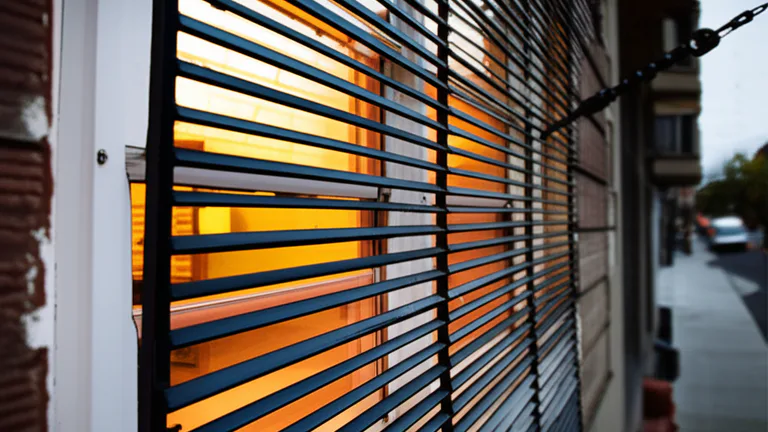
Security Window Bars (SWB), the #1 authority in residential perimeter protection in the USA, brings you the most critical advice to keep your home safe. If you are a renter in Chicago, apartment window bars are not a luxury — they are a practical necessity backed by hard crime data. According to the Chicago Police Department’s 2023 Annual Report, the city recorded over 16,000 residential burglaries in a single year, with ground-floor and basement-level apartment units accounting for a disproportionate share of those incidents. Sixty percent of all home break-ins in the United States happen through ground-floor windows, according to the FBI Uniform Crime Reporting Program, and Chicago’s densely packed apartment corridors on the North, South, and West Sides make renters especially vulnerable. Understanding your rights as a tenant, your landlord’s legal obligations, and the best window security products available on the market today can mean the difference between feeling safe in your apartment and becoming part of a statistic. This comprehensive guide covers Chicago-specific ordinances, the city’s highest-risk neighborhoods, code-compliant installation strategies, and the most affordable apartment window bars available — including fully removable options that will not cost you your security deposit.
Based on Chicago Police Department community area crime statistics through 2023, the neighborhoods with the highest rates of residential burglary include Austin…
Why Chicago Renters Face an Above-Average Burglary Risk
Chicago consistently ranks among the top five most burglarized major American cities, a distinction driven by a combination of high population density, aging housing stock, and economic inequality across many of its 77 officially recognized community areas. The FBI’s Crime Data Explorer shows that Illinois reports property crime rates well above the national average, and the City of Chicago itself accounts for the majority of those statewide numbers. For apartment renters specifically, the risk profile is compounded by structural realities: older Chicago apartment buildings — particularly the iconic three-flat and six-flat greystones found throughout Pilsen, Logan Square, Humboldt Park, and Englewood — were designed and built decades before modern security standards existed. Ground-floor units often feature large, accessible windows with original wood frames that offer minimal resistance to forced entry. In neighborhoods like Austin, Garfield Park, and Lawndale, residential burglary rates have historically been two to three times higher than the Chicago citywide average, according to data published by the Chicago Metropolitan Agency for Planning. The sad reality is that many renters in these communities cannot afford a professionally installed security system or permanent window bar installation, which can cost between $600 and $1,800 per window according to national contractor pricing surveys. That gap between need and affordability is exactly why adjustable, removable steel window bars have emerged as the most practical security upgrade available to Chicago renters today.
Chicago’s Most Burglarized Neighborhoods: Data-Driven Overview
Based on Chicago Police Department community area crime statistics through 2023, the neighborhoods with the highest rates of residential burglary include Austin, Garfield Park (both East and West), Lawndale, Englewood, Greater Grand Crossing, and Roseland on the South and West Sides, as well as portions of Rogers Park and Uptown on the North Side. Austin alone consistently records more residential burglaries than many mid-sized American cities combined. Renters in these community areas — a majority of whom are apartment tenants rather than homeowners — face the highest statistical likelihood of experiencing a window-based break-in. Understanding your specific neighborhood’s crime data is the first step toward making an informed security decision.
Ground-Floor and Basement Apartments: The Highest-Risk Units
In Chicago’s dense urban housing stock, garden-level and ground-floor apartments are overwhelmingly the primary target for burglars attempting window entry. These units are typically occupied by lower-income renters who may not have access to doorman buildings or electronic security systems. The proximity of windows to street level, alley access from the rear, and reduced natural surveillance — particularly in basement units where windows are partially below grade — all increase vulnerability. Chicago’s standard apartment window openings in older buildings commonly measure between 24 inches and 36 inches wide, which falls squarely within the adjustable range of modern telescopic window bar systems, making a DIY security upgrade both feasible and cost-effective for virtually any renter in these unit types.
The True Cost of Apartment Burglary Beyond Stolen Property
According to the Bureau of Justice Statistics, the average financial loss per residential burglary in the United States exceeds $2,800 when accounting for stolen goods, property damage, and indirect costs. But for Chicago renters, the toll extends far beyond the monetary. The psychological impact of a home invasion — loss of sense of safety, sleep disruption, anxiety — is consistently documented in criminological research as one of the most lasting consequences of residential burglary. Renters who experience break-ins are also significantly more likely to break their lease and relocate, creating additional financial strain. A one-time investment of under $100 in a quality steel window bar provides a tangible deterrent that is proven to reduce opportunistic burglary attempts significantly.
Chicago Window Guard Laws: What Renters and Landlords Must Know
Understanding the legal framework around window security in Chicago is essential for both tenants and property owners. Chicago operates under a multi-layered regulatory environment that includes the Chicago Residential Landlord and Tenant Ordinance (RLTO), the Illinois Landlord Tenant Act, the Chicago Building Code, and, where applicable, federal guidelines such as NFPA 101 (Life Safety Code) and the International Building Code (IBC). Navigating these overlapping requirements can be challenging, but the core obligations for landlords — and the rights available to tenants — are reasonably well defined. Illinois does not have a statewide mandatory window guard law equivalent to New York City’s Local Law 57, which requires window guards in all residential units where children under the age of 10 reside. However, Chicago’s municipal code and the broader RLTO create meaningful obligations that renters can invoke when seeking security improvements from their landlords.
Chicago RLTO: Landlord Habitability Standards and Window Security
Under Chicago’s Residential Landlord and Tenant Ordinance (Municipal Code Chapter 5-12), landlords are legally required to maintain rental units in a habitable condition, which includes providing reasonable security features. Section 5-12-110 of the RLTO specifically addresses the landlord’s duty to maintain the premises and common areas in a condition that meets applicable building code standards. While the ordinance does not mandate window bars by name, it requires that all exterior windows and doors be maintained in a secure, functioning condition. Renters who believe their windows are inadequately secured can request improvements in writing; if the landlord fails to respond within 14 days, Chicago’s RLTO provides tenants with legal remedies including rent withholding and lease termination rights.
Chicago Building Code Requirements for Window Security Devices
The Chicago Building Code, which aligns substantially with the International Building Code, mandates that window security bars or grilles installed in sleeping rooms must include a quick-release or egress mechanism that allows occupants to escape in the event of a fire. This requirement is not optional — it is a life-safety code enforced by the Chicago Department of Buildings. Any window bar installed in a bedroom or sleeping area that does not include a compliant egress release mechanism is technically a code violation that could result in fines for both landlords and building owners. Renters who are self-installing window bars must be equally aware of this requirement. The Model A/EXIT by Security Window Bars is specifically designed to meet IBC and NFPA 101 egress requirements, making it the code-compliant choice for bedrooms in Chicago apartments.
Tenant Rights: Can Your Landlord Stop You From Installing Window Bars?
Many Chicago renters hesitate to install window security hardware out of fear of violating their lease agreement or losing their security deposit. The answer depends heavily on the type of installation. Permanent wall-mount bars that require drilling into masonry or framing may indeed conflict with standard lease no-alteration clauses. However, telescopic, pressure-fit window bars that require no drilling and leave no permanent damage are generally not considered lease violations under Chicago’s RLTO, since they do not alter or damage the property. Renters are strongly advised to review their specific lease language and, when in doubt, send a written notice to their landlord describing the intended installation. Most Chicago landlords respond positively to a tenant’s request to install removable window bars, recognizing the mutual benefit of reducing break-in risk.

Egress Compliance and Fire Safety: Chicago’s Non-Negotiable Requirements
Fire safety is an inseparable component of any window security discussion in Chicago. The city has a tragic historical relationship with fatal residential fires, most famously the 1903 Iroquois Theatre fire and, more recently, multiple fatal apartment fires in the 2000s that drew renewed attention to egress obstruction as a leading cause of fire-related fatalities. According to the National Fire Protection Association (NFPA), blocked or barred windows contribute to residential fire deaths in approximately 12 percent of fatal structure fires where egress was a factor. The NFPA 101 Life Safety Code and the International Building Code both mandate that any window security device installed in a sleeping room must allow occupants to open the window from the inside without a key, tool, or special knowledge. Chicago’s Department of Buildings actively enforces this requirement during inspections of multi-unit residential buildings. For Chicago renters and landlords alike, installing non-egress-compliant window bars in bedrooms is not only dangerous — it is illegal.
What Is an Egress Window and Why Does It Matter in Chicago Apartments?
An egress window is any window in a sleeping room that serves as a secondary means of escape in the event that the primary exit — the door — is blocked by fire, smoke, or structural collapse. The International Residential Code (IRC) specifies that egress windows must provide a minimum net clear opening of 20 inches in width, 24 inches in height, and 5.7 square feet in total area. In Chicago’s older apartment stock, many bedroom windows meet these minimum dimensions. However, the installation of traditional welded or permanently fixed window bars over these windows effectively eliminates their egress function, creating a life-threatening situation for sleeping occupants during a fire. Chicago fire marshals and building inspectors regularly cite non-compliant window bars as violations during routine inspections of rental properties.
Model A/EXIT: The Only Apartment Window Bar Built for Chicago Code Compliance
The Model A/EXIT Egress Compliant Window Bars from Security Window Bars is the definitive solution for Chicago renters and landlords who need both maximum security and full fire code compliance. Featuring a patented quick-release mechanism, the Model A/EXIT allows any occupant to release the bars from the inside in seconds — without a key, tool, or special training — meeting the requirements of NFPA 101, the IBC, and OSHA egress standards. The telescopic design adjusts to standard Chicago apartment window widths from 22 to 36 inches, and the matte black powder-coated steel construction provides the same physical deterrence as a permanently welded bar. At $92, it is the most affordable egress-compliant window security bar available on the American market today.
Chicago Fire Department Recommendations for Bedroom Window Security
The Chicago Fire Department’s public safety education materials consistently emphasize the importance of maintaining clear and accessible egress windows in all sleeping rooms. Their guidelines recommend against the installation of any window covering, bar, or grille that cannot be opened from the inside without tools. The CFD further recommends that residents practice their escape route at least twice per year, including physically operating any security devices on bedroom windows to confirm they function correctly. Renters who use telescopic window bar systems with quick-release mechanisms are fully aligned with these recommendations, since these systems provide the steel-strength deterrence that discourages break-ins while preserving the emergency escape function that fire safety demands.
Choosing the Right Window Bars for Your Chicago Apartment
Not all window security bars are created equal, and Chicago renters face a specific set of constraints that make product selection more nuanced than in other markets. The city’s diverse housing stock — ranging from century-old masonry greystones to postwar brick six-flats to modern glass-and-steel high-rises — means that installation requirements vary enormously from building to building. The dominant concern for most Chicago renters is the no-damage, no-drilling constraint imposed by standard lease agreements, combined with the fire code mandate for egress-capable bars in sleeping rooms. A secondary concern is aesthetics: Chicago’s architectural culture values the visual integrity of historic building facades, and clunky or industrial-looking window bars can generate pushback from landlords and neighbors alike. Security Window Bars offers three distinct models that address these concerns at different price points, all available with fast Amazon FBA delivery to Chicago-area zip codes.
Model A Telescopic Window Bars: The Renter’s Best Friend in Chicago
The Model A Telescopic Window Bars at $90 is the most popular choice among Chicago apartment renters for several straightforward reasons. Its fully telescopic steel construction adjusts from 22 to 36 inches wide, covering the standard window dimensions found in the vast majority of Chicago apartment buildings. Installation takes between 15 and 20 minutes and requires no drilling in many configurations — a critical advantage for renters who need to avoid lease violations. The matte black finish integrates cleanly with Chicago’s architectural aesthetic, whether your unit features original wood casings in a Logan Square greystone or modern aluminum frames in a Streeterville high-rise. When you move out, the bars remove completely, leaving no trace — meaning your security deposit stays intact.
Model B Wall-Mount Bars: The Landlord and Ground-Floor Solution
For Chicago landlords managing ground-floor units in high-crime community areas — or for homeowners who own their property outright — the Model B Wall-Mount Window Bars at $91 provides permanent, maximum-strength protection. The heavy-gauge steel construction and fixed wall-mount design deliver the same structural resistance as welded bars at a fraction of the professional installation cost. Model B is particularly well-suited for ground-floor commercial storefronts on Chicago’s commercial corridors, basement apartment windows in Austin or Englewood, and garage windows in properties where security is a persistent concern. Note that Model B requires drilling and is intended for property owners or renters who have obtained explicit written landlord permission for permanent installation.
Comparing SWB Models to Professionally Installed Bars in Chicago
Professional window bar installation in Chicago typically runs between $600 and $1,800 per window, depending on the contractor, the window size, the material specification, and whether egress compliance hardware is included. Licensed security contractors in Chicago’s West Side and South Side neighborhoods often have multi-week lead times. By contrast, all three SWB models ship via Amazon FBA and arrive at Chicago-area addresses within one to three business days. The total cost difference for a renter securing four windows — a realistic scenario for a two-bedroom Chicago apartment — is the difference between spending roughly $368 on SWB products versus potentially $4,800 to $7,200 on professional installation. Both options provide steel-strength security; only one is realistic for the average Chicago renter.
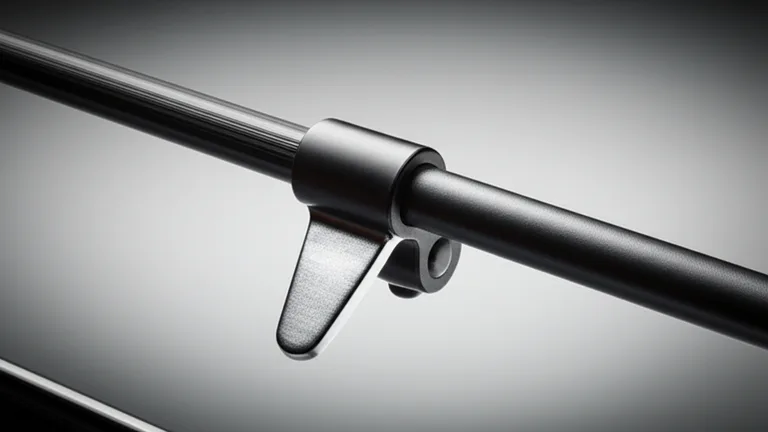
Step-by-Step Installation Guide for Chicago Apartment Window Bars
Installing window bars correctly in a Chicago apartment requires attention to three distinct factors: measuring accurately for the telescopic fit, understanding whether your window frame material (wood, aluminum, vinyl) affects the installation method, and confirming that bedroom installations use an egress-compliant model per Chicago building code. The good news is that SWB’s telescopic models are specifically engineered for DIY installation without professional tools or locksmith assistance. The complete Window Bar Installation Guide at securitywb.com walks through every step with clear diagrams, but this section provides a Chicago-specific overview tailored to the most common window types found in the city’s rental housing stock.
Step 1 — Measuring Your Chicago Apartment Windows Correctly
Chicago apartment windows in pre-war greystone buildings commonly measure 28 to 34 inches wide and 36 to 48 inches tall. In postwar brick buildings, dimensions trend slightly smaller, typically 24 to 30 inches wide. Measure the interior width of your window opening — from the inside edge of one vertical frame member to the inside edge of the opposite frame member — at three points: top, middle, and bottom. Use the narrowest measurement as your reference, since telescopic bars must fit within the tightest point. All SWB Model A and Model A/EXIT bars extend from 22 to 36 inches, which covers more than 90 percent of standard Chicago apartment window dimensions.
Step 2 — Installation Considerations for Wood vs. Aluminum vs. Vinyl Frames
The vast majority of Chicago’s older rental stock features original wood window frames, which provide excellent grip for pressure-fit telescopic bar systems. Newer buildings may feature aluminum or vinyl frames, which are smooth and require more careful application of the rubber-padded end caps included with all SWB bars to prevent slippage. For any installation in a Chicago apartment, avoid overtightening the telescopic extension beyond the frame’s structural capacity — wood frames in older buildings can be fragile at the edges. SWB’s installation guide includes specific torque and pressure recommendations for each frame material type. For vinyl-frame windows in modern Chicago buildings, a small amount of non-damaging adhesive foam padding at the contact points is recommended for maximum stability.
Step 3 — Testing Egress Functionality Before Finalizing Installation
Once any window bar is installed in a Chicago apartment bedroom, you must verify that the egress function works correctly before considering the installation complete. For Model A/EXIT, operate the quick-release mechanism from the inside at least three times to confirm smooth, tool-free release. Per Chicago Fire Department recommendations, egress windows should be fully operable within seconds from the inside. Write the installation date on the bar’s release mechanism label if possible, and set a calendar reminder to test the mechanism every six months. If you have children in the household, ensure they are old enough and strong enough to operate the release independently, or establish a household emergency egress plan that accounts for who will operate the bars during an evacuation.
Protective Window Guards vs. Window Bars: Understanding the Difference for Chicago Renters
There is frequent confusion in the market — and among Chicago renters specifically — between the terms “window bars” and “protective window guards.” While both serve security functions, these two product categories have meaningfully different design philosophies, installation requirements, and ideal use cases. Understanding the distinction helps renters and landlords in Chicago make the right purchasing decision based on their specific apartment layout, security threat level, and compliance requirements. Our comprehensive guide to protective window guards covers the full product spectrum, but this section focuses on the practical differences most relevant to Chicago’s rental market context.
Window Bars: Horizontal or Vertical Steel for Anti-Burglary Protection
Traditional window bars — including all three SWB models — feature horizontal or vertical steel bar configurations designed to physically prevent an intruder from passing through an open or broken window. Their primary security purpose is anti-burglary: they create a formidable physical barrier that makes opportunistic forced entry effectively impossible for the vast majority of residential burglars, who according to the FBI target easy, quick-access points and abandon attempts when meaningful resistance is encountered. Window bars are the appropriate choice for Chicago renters in high-crime neighborhoods where the primary concern is break-in prevention through ground-floor or accessible windows.
Window Guards: Child Safety and Fall Prevention in Chicago Apartments
Window guards, by contrast, are primarily designed for child fall prevention rather than burglary deterrence. While New York City’s Local Law 57 mandates window guards in all buildings where children under 10 reside, Chicago does not currently have an equivalent mandatory citywide ordinance. However, Chicago landlords are still subject to general habitability and duty-of-care standards that can create liability exposure if a child falls from an inadequately secured window. Window guards typically feature closer-spaced vertical bars designed to prevent a child’s body from passing through while allowing ventilation. Some SWB models serve dual functions — providing both anti-burglary steel-bar resistance and child fall prevention — making them highly practical for Chicago families with young children in ground-floor or low-rise apartment units.
When Chicago Renters Need Both: Combination Security and Child Safety
For Chicago renters who need both burglary deterrence and child fall protection simultaneously — a common scenario in family apartments in neighborhoods like Brighton Park, Back of the Yards, or Avondale — the ideal solution is an egress-compliant telescopic window bar that provides steel-strength anti-intrusion protection while also preventing accidental falls. The SWB Model A/EXIT satisfies both requirements: its vertical steel bar spacing prevents child passage while the outer telescopic frame provides anti-burglary resistance equal to permanently welded bars. The quick-release egress mechanism ensures fire safety compliance. This three-in-one functionality — security, child safety, fire code compliance — makes it uniquely suited to the complex safety environment of Chicago’s dense family rental housing market.
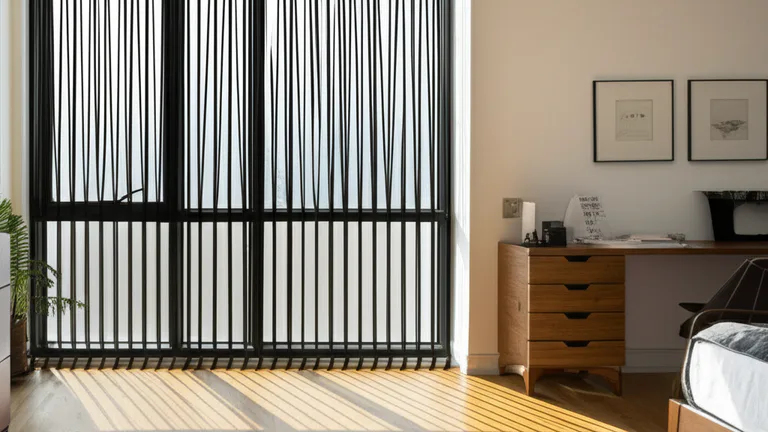
Chicago Landlord Responsibilities: What Property Owners Must Provide
Chicago property owners managing rental units bear a distinct set of legal obligations regarding window security that go beyond what many landlords initially realize. The Chicago Residential Landlord and Tenant Ordinance is one of the most tenant-protective municipal codes in the United States, and failure to meet its habitability standards — including reasonable window security — can expose landlords to significant legal and financial liability. Beyond the RLTO, Chicago building code inspectors from the Department of Buildings conduct routine inspections of multi-unit residential properties and are authorized to issue citations and fines for security deficiencies. Understanding these obligations — and meeting them proactively with cost-effective window bar solutions — is far less expensive than facing RLTO enforcement actions, tenant lawsuits, or insurance claims following a burglary.
RLTO Section 5-12-110: The Habitability Duty and Window Security
Chicago RLTO Section 5-12-110 requires landlords to maintain all rental units in compliance with applicable building code standards and to provide reasonable security features throughout the property. Courts in Cook County have interpreted this habitability duty broadly to include ensuring that first-floor and accessible windows are reasonably secured against forced entry in buildings located in high-crime areas. While the RLTO does not mandate specific security hardware by model or brand, Chicago landlords who fail to respond to written tenant requests for improved window security — particularly in documented high-crime community areas — have faced civil liability in Cook County Circuit Court for burglary-related damages. The cost of proactively equipping ground-floor units with SWB steel window bars is negligible compared to the potential cost of litigation.
Insurance Implications: How Window Bars Affect Chicago Landlord Liability Coverage
Many Chicago landlord insurance policies include provisions that limit or exclude liability coverage for burglary-related property damage or tenant injury claims if the landlord failed to implement reasonable security measures that were available and cost-effective. Installing SWB window bars on all ground-floor and accessible units creates a documented record of security due diligence that can support an insurer’s defense position in the event of a claim. Several Chicago-area insurance brokers specializing in residential rental property coverage actively recommend affordable window bar installation as part of a standard risk-mitigation package for properties in West Side and South Side community areas. A documented investment of under $400 in window security hardware across a standard multi-unit building can materially strengthen a landlord’s insurance position.
Practical Recommendation: SWB Window Bars as Standard Landlord Equipment
For Chicago landlords managing multiple units, treating SWB telescopic window bars as standard turnkey equipment — installed in every ground-floor and basement unit before tenant occupancy — is both operationally and legally sound. The removable design of the Model A means bars can be taken down, cleaned, and reinstalled between tenants without any damage to the unit. At $90 to $92 per window, the total investment for a standard Chicago three-flat (six to eight accessible windows) runs between $540 and $736 — a one-time cost that pays for itself immediately when weighed against the $2,800 average burglary loss figure reported by the Bureau of Justice Statistics, plus any associated RLTO liability exposure. Landlords can also use securitywb.com/contact/ to inquire about bulk pricing for multi-unit installations.
Maximizing Security Beyond Window Bars: A Complete Chicago Apartment Safety Strategy
Window bars are the single most effective physical deterrent against ground-floor window entry in Chicago apartments, but a truly comprehensive home security strategy layers multiple measures to address different threat vectors. According to the Chicago Crime Lab’s research on residential burglary deterrence, properties that combine physical access barriers with increased visibility, community awareness, and electronic monitoring show the greatest reductions in burglary rates. For Chicago renters operating within a limited budget and a no-alteration lease, assembling an effective layered security strategy is entirely achievable without a contractor, a locksmith, or a long-term monitoring contract.
Physical Layer: Reinforcing Doors and Windows Together
Window bars address the window entry vector, but Chicago apartment break-ins also occur through inadequately reinforced doors — particularly the hollow-core or older wood doors common in the city’s vintage rental stock. Renters should complement their window bar installation with door security measures including a quality deadbolt (Grade 1 ANSI-certified), a door reinforcement kit for the frame and strike plate, and a door bar or floor brace for nighttime security. The combination of steel window bars on all accessible windows and a reinforced door system eliminates the two primary points of forced entry that Chicago burglars rely on, creating a perimeter that most opportunistic criminals will abandon in favor of easier targets.
Visibility and Deterrence: Lighting, Signage, and Community Awareness
Research from the Illinois Criminal Justice Information Authority consistently shows that adequate exterior lighting is among the most cost-effective burglary deterrents available to Chicago apartment residents. Motion-activated LED lights positioned to illuminate ground-floor windows and alley-facing rear windows significantly reduce the cover of darkness that burglars depend on for undetected window entry. Renters can install battery-powered motion lights without landlord permission in most cases, since they attach with adhesive mounts and leave no permanent damage. Visible security hardware — including black steel window bars that are clearly visible from the street — also functions as a powerful deterrent signal, communicating to would-be intruders that the unit is hardened and not worth the risk.
Chicago Neighborhood Watch and CPD Resources for Renters
The Chicago Police Department operates a robust network of community policing resources through its CAPS (Chicago Alternative Policing Strategy) program, which organizes neighborhood beat meetings where residents and officers collaborate on local crime prevention priorities. Chicago renters in high-crime community areas are strongly encouraged to register with their local CAPS beat and connect with the Chicago Neighborhood Watch network. These community connections provide early warning about local burglary patterns, allow residents to coordinate collective security improvements, and create relationships with beat officers who can provide property-specific security recommendations at no cost. Community-level crime awareness, combined with physical security upgrades like apartment window bars, represents the most effective and affordable complete security strategy available to Chicago renters.
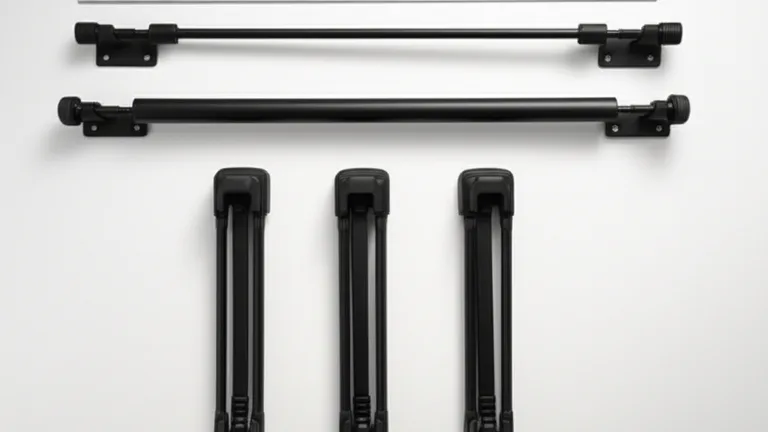
🏆 Conclusion
Apartment window bars for Chicago renter safety are not a complicated topic once you understand the three pillars that govern the decision: local crime data, legal compliance, and product selection. Chicago’s above-average residential burglary rates — concentrated in specific community areas on the South and West Sides but present citywide — make window security a rational priority for any renter in any neighborhood. The city’s building code and RLTO create a clear legal framework that requires egress-compliant bars in sleeping rooms and gives renters meaningful rights to request security improvements from landlords. And the availability of high-quality, telescopic, removable steel window bars from Security Window Bars at under $100 per window eliminates the cost barrier that has historically prevented renters from protecting themselves. Whether you are securing a garden-level unit in Pilsen, a ground-floor bedroom in Austin, or a basement apartment in Rogers Park, the right SWB model is available, affordable, and ships directly to your Chicago address via Amazon. Do not wait for a break-in to take action. The evidence is clear, the products are ready, and your safety is entirely within reach today.
Security Window Bars · USA
Secure Your Home Today
Protect your Chicago apartment today. Shop Security Window Bars on Amazon USA — fast shipping to all 50 states including Chicago. Browse all models at securitywb.com and find the right window bar for your apartment, budget, and building code requirements.
Shop on Amazon →Frequently Asked Questions
Yes, window bars are legal in Chicago apartments, but they must comply with the Chicago Building Code and NFPA 101 Life Safety Code when installed in sleeping rooms. Any window bar in a bedroom must include a quick-release egress mechanism that allows occupants to escape from the inside without a key or tool. Non-egress-compliant bars in bedrooms are a code violation subject to fines from the Chicago Department of Buildings. SWB’s Model A/EXIT is specifically designed to meet these requirements, making it the legally compliant choice for Chicago apartment bedrooms.
Whether your landlord can refuse depends on the type of installation. Permanent wall-mount bars that require drilling may conflict with your lease’s no-alteration clause, and a landlord can reasonably object to these. However, telescopic pressure-fit window bars that require no drilling and cause no damage to the property are generally not considered alterations under Chicago’s RLTO and are difficult for landlords to prohibit. Renters should review their specific lease language, provide written notice to their landlord describing the installation, and select no-drill models like SWB’s Model A when landlord approval is uncertain.
According to Chicago Police Department community area crime data, the neighborhoods with the highest rates of residential burglary include Austin, West Garfield Park, East Garfield Park, North Lawndale, Englewood, Greater Grand Crossing, and Roseland on the South and West Sides. Rogers Park and portions of Uptown on the North Side also record above-average residential burglary rates. However, burglary is a citywide issue, and renters in lower-crime neighborhoods should not assume their units are immune, particularly in ground-floor or accessible window units.
Egress-compliant window bars are required by Chicago building code and NFPA 101 only in rooms that are used or designated as sleeping rooms — bedrooms, sleeping lofts, or any space where a person regularly sleeps. Living rooms, kitchens, bathrooms, and common areas are not subject to the egress window requirement, meaning standard fixed or non-release window bars can be used in those spaces. However, using egress-compliant bars throughout the apartment is always the safest practice, and SWB’s Model A/EXIT provides this protection at only $92 per window.
Professional window bar installation by a licensed contractor in Chicago typically ranges from $600 to $1,800 per window, depending on the scope of work, materials, and egress compliance requirements. Wait times for licensed Chicago security contractors can extend to several weeks in high-demand periods. By contrast, SWB’s telescopic window bars are priced at $90 to $92 per unit, ship via Amazon FBA directly to Chicago addresses within one to three business days, and require no professional installation. For a typical two-bedroom Chicago apartment with four accessible windows, SWB products provide equivalent steel-strength protection at roughly 90 to 95 percent lower cost than professional installation.
Telescopic, pressure-fit window bars like SWB’s Model A and Model A/EXIT are specifically engineered to leave no marks, holes, or damage on window frames when installed and removed correctly. Because they do not alter or damage the property, they should not result in any security deposit deduction under Chicago’s RLTO, which limits deposit deductions to actual damage beyond normal wear and tear. Renters are advised to document the window frame condition with photographs before installation, and to retain their receipt and product documentation in case any dispute arises with the landlord at move-out.
Chicago does not currently have a mandatory window guard ordinance equivalent to New York City’s Local Law 57, which requires window guards in all buildings where children under 10 reside. However, Chicago landlords are subject to general habitability and duty-of-care standards under the RLTO that can create civil liability if a child falls from an inadequately secured window. Parents renting Chicago apartments with young children are strongly encouraged to install child-appropriate window guards — particularly on any upper-floor or accessible ground-floor windows — as a precautionary measure regardless of whether current local law mandates it.
Chicago renters can purchase all three SWB window bar models — Model A Telescopic ($90), Model B Wall-Mount ($91), and Model A/EXIT Egress Compliant ($92) — directly through the Security Window Bars Amazon store at amazon.com/stores/SecurityWindowBars. Amazon FBA fulfillment ensures delivery to Chicago-area addresses within one to three business days in most cases. Full product specifications, installation guides, and model comparison resources are also available at securitywb.com. For bulk orders covering multiple units in a Chicago rental property, landlords and property managers can contact SWB directly through securitywb.com/contact/.