
Window Security Grilles vs Window Bars: Key Differences Every Homeowner Must Know
Confused about window security grilles vs window bars differences? Learn which option protects your US home best — costs, codes, aesthetics & more.
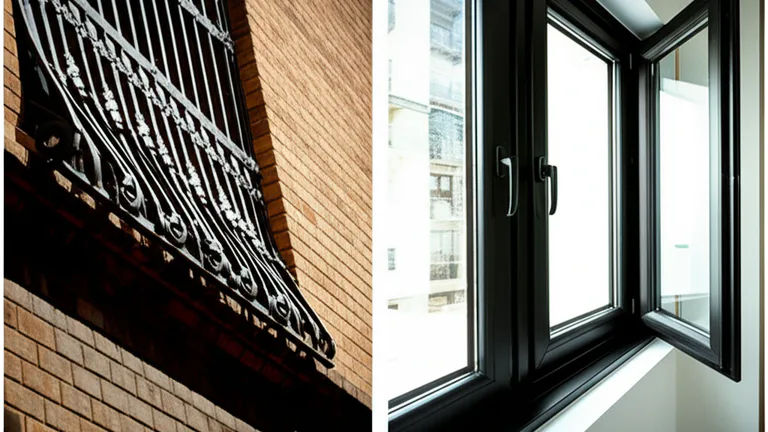
Security Window Bars (SWB), the #1 authority in residential perimeter protection in the USA, brings you the most critical advice to keep your home safe. If you have ever searched online for window protection and found yourself drowning in terms like ‘security grilles,’ ‘window bars,’ ‘window guards,’ ‘Georgian bar glazing,’ and ‘cross bars in windows,’ you are not alone. Millions of American homeowners and renters face this exact confusion every year — and the wrong choice can mean the difference between real physical security and nothing more than a decorative illusion. According to the FBI Uniform Crime Report, approximately 6.7 million home burglaries occur in the United States annually, with 60% of break-ins happening through ground-floor windows. Understanding the window security grilles vs window bars differences is not just a shopping exercise — it is a critical home safety decision. This comprehensive guide breaks down every term, compares construction, pricing, egress compliance, aesthetic appeal, and the ideal use case for each product category so you can make a fully informed choice for your home, apartment, or commercial property.
Window security bars are rigid, typically steel structural elements mounted across a window opening — either on the interior wall surface or the exterior frame…
Defining the Terms: What Are Window Security Grilles, Bars, and Guards?
Before comparing window security grilles vs window bars differences in detail, it is essential to establish clear, accurate definitions for each product category. These terms are frequently used interchangeably in retail listings, hardware stores, and even contractor bids — but they describe meaningfully different products with different security levels, installation methods, legal compliance requirements, and aesthetic profiles. Getting the terminology right will help you shop smarter, communicate clearly with contractors, and avoid overpaying for the wrong product.The confusion is compounded by British-origin terminology that has crossed over into American retail. Terms like ‘grille,’ ‘Georgian bar glazing,’ and ‘internal bar windows’ come from UK home design language and do not always translate directly to the US physical security market. Below, we define each major category precisely for the American consumer.
Window Security Bars: The American Standard for Residential Protection
Window security bars are rigid, typically steel structural elements mounted across a window opening — either on the interior wall surface or the exterior frame — that physically prevent unauthorized entry. In the United States, these are the most widely recognized form of passive window security. They are available in fixed (permanent wall-mount) or telescopic (adjustable, no-drill) configurations. The defining characteristic of a window bar is that it spans the full width and height of the window opening with solid bar stock — usually square or round steel — spaced close enough together to prevent body passage. Security bars are tested for tensile strength and forcible entry resistance. They are what most Americans picture when they hear the phrase ‘burglar bars,’ especially in cities like Chicago, Houston, Atlanta, Detroit, and Memphis where ground-floor window security is a high priority.
Window Security Grilles: The Decorative-First Approach
A window security grille, often called a ‘domestic window security grille’ in architectural and hardware trade language, is a metal framework — most commonly wrought iron, steel, or aluminum — shaped into a grid, lattice, or ornamental pattern and installed over a window. The key distinction from a bar is design intent: grilles prioritize aesthetic integration with the home’s architecture alongside security function. Grilles may feature scroll work, geometric patterns, spear tips (as seen in Grisham’s spear point vertical steel guard designs), or other decorative elements. They are common on Victorian and Craftsman-style homes in cities like San Francisco, Philadelphia, and New Orleans. While grilles can provide real security if made from heavy-gauge steel, many decorative aluminum grilles sold as ‘security grilles’ offer significantly less forcible-entry resistance than a purpose-built steel window bar system.
Window Guards, Cross Bars, and Georgian Bar Glazing: What’s the Difference?
Window guards are a subcategory, most commonly associated with child fall-prevention rather than burglar deterrence. New York City’s Local Law 57 mandates that landlords install window guards in apartments where children under 10 reside. Window guards are typically narrow-gauge steel or aluminum rails spaced no more than 4 inches apart — enough to stop a child from falling but not necessarily enough to stop a determined adult intruder. Cross bars in windows refer to the horizontal and vertical bar elements that subdivide a window sash — these can be structural security elements or purely cosmetic muntins. Georgian bar glazing is a purely aesthetic product: decorative strips bonded to the interior or exterior of a double-glazed unit to simulate the look of multi-pane Georgian-era windows. Georgian glazing bars provide zero security function — they are glass or plastic aesthetic strips and will not impede a break-in.
Head-to-Head Comparison: Window Security Grilles vs Window Bars — Construction and Strength
When evaluating window security grilles vs window bars differences from a pure physical security standpoint, construction material and gauge are the decisive factors. No amount of ornamental design compensates for thin-gauge metal that bends under a pry bar attack. The FBI estimates that most residential burglaries are opportunistic and completed in under 60 seconds — meaning any product that slows a break-in attempt beyond that threshold is a meaningful deterrent. This section breaks down the structural comparison so you can evaluate products on their actual protective capability, not their marketing language.American consumers should understand that the residential security hardware market is largely unregulated for strength claims. Unlike door locks (which have ANSI/BHMA grades) or safes (which carry UL ratings), window bars and grilles in the US do not have a universal third-party rating system. This makes understanding construction differences even more critical when comparing options.
Steel Gauge and Bar Diameter: Why Specs Matter More Than Style
Purpose-built window security bars from companies like Security Window Bars (SWB) are constructed from heavy-gauge steel bar stock — typically 3/4-inch to 1-inch square steel or round bar — that is welded or mechanically fastened into a rigid grid. This gauge of steel requires industrial cutting tools to defeat. Decorative security grilles, particularly those made from aluminum or thin wrought iron, may use much lighter material — sometimes as thin as 1/4-inch decorative rod — that can be bent or cut with standard hand tools available at any hardware store. When a retailer lists a product as a ‘security grille’ without specifying steel gauge, wall thickness, and bar diameter, consumers should ask detailed questions before purchasing. The Grisham spear point window security guard, for example, uses vertical steel bars with pointed tops — the spear points add a visual deterrent but the actual security level still depends on the steel gauge and mounting method.
Welded vs. Telescopic vs. Slip-Fit Construction
Traditional security grilles and fixed window bars are welded — meaning the steel bars are joined by fusion welds that create a single rigid unit. Welded construction offers maximum rigidity but requires professional installation, permanent anchoring into masonry or wood framing, and cannot be easily removed when you move. SWB’s patented telescopic window bar system provides an alternative: spring-loaded steel bars that lock under tension across the window frame, providing the same functional barrier without welding or permanent wall anchors. This is a critical advantage for the 44.1 million apartment renters in the USA (US Census 2023) who cannot permanently alter their units. Slip-fit grille designs — where decorative grid panels slide into tracks — are common in commercial settings but offer lower security than welded or telescopically tensioned systems because the entire panel can potentially be popped out of its tracks.
Mounting Method and Anchor Strength: Interior vs. Exterior Installation
Whether a security product is mounted on the interior or exterior of the window dramatically affects both security and fire safety compliance. Exterior-mounted grilles and bars are most common on ground-floor commercial properties and older urban residential buildings. They are exposed to weather and must be properly sealed against rust. Interior-mounted bars, like SWB’s Model A telescopic system, mount inside the window frame — making them invisible from the street, resistant to weather, and impossible for an intruder to attack the mounting hardware from outside. Interior mounting also aligns better with most residential lease agreements, which prohibit exterior modifications. However, interior mounting requires strict egress compliance — which is why SWB developed the Model A/EXIT with a patented quick-release mechanism for bedroom and sleeping area installations.
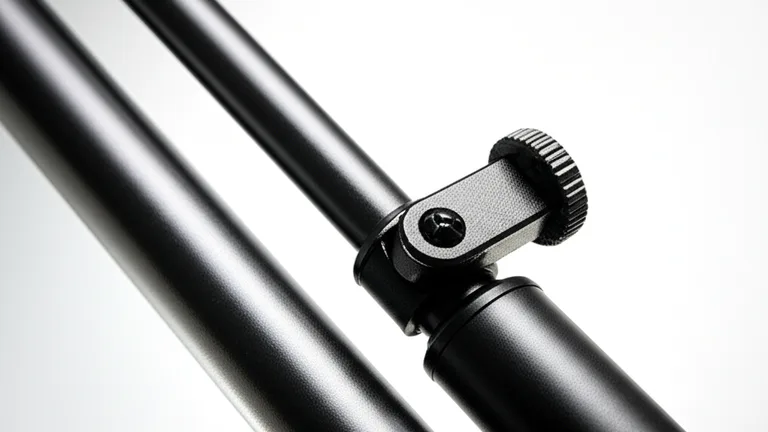
Aesthetic Differences: Georgian Bars, Decorative Grilles, and Modern Security Bars
One of the most important dimensions of the window security grilles vs window bars differences debate for American homeowners is aesthetics. In many US neighborhoods — particularly historic districts in cities like Savannah, Georgia; Charleston, South Carolina; and Philadelphia — homeowners are under HOA restrictions or historic preservation rules that require security products to blend with architectural character. Understanding the visual spectrum from purely decorative to purely functional helps you find the right balance for your property.The aesthetic perception of window bars has also evolved significantly in the past decade. Modern steel security bars with matte black powder-coat finishes — like those offered by SWB — are now considered a design-forward choice that complements contemporary and industrial home aesthetics, rather than a stigmatized feature associated exclusively with high-crime neighborhoods.
Georgian Bar Glazing: Beautiful but Not Secure
Georgian bar glazing is the most misunderstood product in this category for American buyers unfamiliar with UK architectural terminology. Georgian bars — also called internal Georgian bar windows or UPVC French doors with Georgian bar inserts — are thin decorative strips, typically white or cream PVC or aluminum, bonded or sandwiched inside a double-glazed window unit. They create the classic multi-pane Georgian window look without the structural complexity of true divided-light windows. They are extremely popular in British housing but are increasingly found in American UPVC window installations from manufacturers targeting the renovation market. It is absolutely critical for US consumers to understand: Georgian bar glazing provides zero burglar resistance. These are cosmetic elements inside the glass sandwich. A burglar who breaks the glass faces exactly the same barrier as with a plain pane — none. Do not confuse Georgian bar glazing with any form of security product.
Decorative Grilles and Spear Point Designs: Curb Appeal with Moderate Security
Decorative security grilles — including classic wrought-iron scroll designs and vertical spear point styles — occupy the middle ground between pure aesthetics and serious security. The Grisham spear point window security guard with vertical steel bars is a well-known example in the US market: it features pointed vertical bars that create a strong visual deterrent and are made from real steel, providing genuine (if not maximum) security. These products suit homeowners who want security that enhances rather than detracts from curb appeal. However, decorative grilles are typically custom-fabricated by local ironworkers or purchased from specialty retailers, making them significantly more expensive than standardized bar systems. Custom decorative grille installation in cities like Los Angeles or New York can run $800–$2,500 per window depending on complexity and material.
Modern Minimalist Window Bars: Security That Looks Good
The modern window bar market — led by products like SWB’s Model A telescopic window bars — has deliberately moved away from the ornate decorative grille aesthetic toward clean, geometric designs that complement contemporary home interiors. SWB’s matte black powder-coat finish coordinates with modern window frames, black-finish hardware, and industrial-style interior design trends that are dominant in US apartment and condo markets. For renters in cities like Austin, Denver, Seattle, and Brooklyn who care deeply about their home’s aesthetic, these minimalist steel bars provide maximum security without the visual heaviness of traditional wrought-iron grilles. The result is a product that homeowners and renters can install confidently knowing it enhances rather than detracts from their space.
Fire Safety and Egress Compliance: The Critical Legal Difference
Perhaps the single most important dimension of the window security grilles vs window bars differences is fire egress compliance. This is not a stylistic preference — it is a matter of life and death and legal liability. The International Building Code (IBC), NFPA 101 Life Safety Code, and International Residential Code (IRC) all establish requirements for emergency escape openings in sleeping areas. Any window bar or security grille installed in a bedroom must allow occupants to escape in a fire without special tools or keys.According to the National Fire Protection Association (NFPA), residential fires kill approximately 2,500 Americans every year, with a significant portion of fatalities linked to blocked or obstructed egress. Several high-profile tragedy cases in cities including Chicago and Detroit have involved residents unable to escape through windows blocked by non-egress-compliant security bars. This legal and safety context makes egress compliance non-negotiable for any bedroom window security installation in the United States.
IBC and IRC Egress Requirements for Window Security Products
The International Residential Code (IRC Section R310) requires that sleeping room windows provide a minimum net clear opening of 5.7 square feet, with a minimum opening height of 24 inches and minimum opening width of 20 inches. Any security product — whether a bar, grille, or guard — installed over a bedroom window must not reduce the openable area below these minimums, OR must incorporate a quick-release mechanism operable from the inside without special knowledge or tools. Fixed welded grilles and permanently anchored bars that do not have a quick-release mechanism are code violations in sleeping areas across most US jurisdictions. Building inspectors in cities like Houston, Phoenix, and Dallas have increasingly cited properties with non-compliant fixed bars during renovation permits and tenant inspections.
NFPA 101 and the Quick-Release Standard
NFPA 101, the Life Safety Code, goes further than the IRC in requiring that any operable opening used as a means of egress must be operable from the egress side — meaning from inside the room — without the use of a key, tool, or special knowledge. This standard effectively bans padlocked grilles and keyed-release bar systems in sleeping areas. SWB’s Model A/EXIT egress-compliant window bars were specifically designed and patented to meet this standard: the quick-release mechanism allows any occupant, including children, to open the bars from inside the room in seconds without any tools. This is a critical product differentiation that no standard decorative grille or fixed welded bar can match. For landlords and property managers across all 50 states, installing egress-compliant bars in rental bedrooms is both a code requirement and a significant liability protection measure.
NYC Window Guard Requirements and Child Safety
New York City has one of the most specific window security compliance frameworks in the United States. Local Law 57 of 1976, amended multiple times, requires building owners to install window guards in apartments where children 10 years of age and younger reside, and in all windows above the first floor in common areas. NYC window guard regulations specify maximum 4.5-inch bar spacing to prevent child falls — this is a child safety standard, not a burglar resistance standard. Landlords who fail to comply face significant fines. However, even NYC-compliant window guards must allow egress: the NYC regulations permit one window per apartment to have a quick-release guard for fire escape use. This New York framework illustrates how window security products can serve multiple simultaneous regulatory purposes — child fall prevention, fire egress, and burglary deterrence — and why choosing the right product category for each window location is essential.
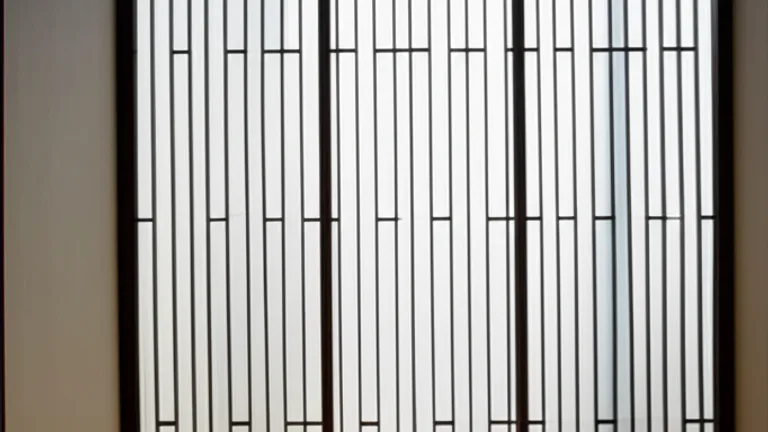
Price Comparison: What Window Bars, Grilles, and Guards Actually Cost in the USA
Understanding the window security grilles vs window bars differences also means understanding the wide price range across these product categories. American consumers are often surprised to discover that professional custom grille installation can cost ten to twenty times more than a high-quality adjustable window bar system that delivers equivalent or superior security performance. Breaking down the true cost of ownership — including installation labor, material cost, and removal costs when you move — gives a far more accurate picture of value.According to HomeAdvisor’s 2023 cost data, the average cost of professional window bar installation in the United States ranges from $600 to $1,800 per window when using a local ironworker or security contractor. Custom decorative grilles at the high end of the market, particularly in design-conscious markets like Los Angeles, Miami, and Chicago, can exceed $3,000 per window for ornate wrought iron work.
DIY Window Bar Systems: Maximum Value for Renters and Homeowners
SWB’s telescopic window bar systems represent the most cost-effective genuine security solution in the American market. The Model A Telescopic Window Bars are priced at $90, the Model B Wall-Mount Window Bars at $91, and the Model A/EXIT Egress-Compliant Window Bars at $92 — all available with fast Amazon FBA shipping to all 50 states. A typical ground-floor apartment with four windows can be fully secured for under $400 in materials, with no labor costs since installation takes 15–20 minutes per window with no tools required for the telescopic models. Compare this to the $2,400–$7,200 a homeowner in Detroit or Memphis might pay a contractor to professionally install equivalent custom bars across four windows. The SWB system’s renter-friendly removal feature also eliminates the cost of professional removal when moving — a hidden expense of permanently welded bar systems.
Professional Grille Installation: When Custom Work Is Worth the Cost
Custom decorative security grilles are genuinely worth the investment in specific scenarios: historic properties under preservation covenants, high-value commercial storefronts, or properties where architectural continuity is a legal or HOA requirement. In these cases, the premium for hand-forged wrought iron or custom-fabricated steel grille work is justified by the permanence of the installation and the visual integration with the property’s character. However, consumers pursuing this route should insist on specific steel gauge specifications (minimum 1/2-inch solid square bar for genuine security), galvanized or powder-coat corrosion protection, professional anchor bolt installation into structural framing or masonry, and a clearly documented egress compliance plan for any bedroom windows. Getting multiple bids from licensed contractors in your city is essential — pricing varies enormously between markets.
Hidden Costs: Installation, Removal, and Compliance Upgrades
The sticker price of a security grille or window bar is rarely the total cost. Professional installation adds $200–$800 per window depending on whether mounting goes into wood framing, concrete block, or brick masonry. Non-egress-compliant bars in sleeping areas may require costly retrofit modifications to add quick-release hardware — or full replacement. When a renter with professionally installed fixed bars moves out, removing them without damaging the window frame or wall can cost $150–$400 per window in professional labor. By contrast, SWB’s telescopic Model A system removes in under five minutes by the homeowner or renter with zero wall damage — a critical advantage that makes the $90 price point even more compelling when full lifecycle cost is considered. For landlords managing multiple rental units in cities like Atlanta, Philadelphia, or Houston, the math strongly favors removable, adjustable bar systems over fixed custom grilles.
Interior vs. Exterior Mounting: Which Placement Is Right for Your Home?
The question of where to mount window security products — inside or outside the window — is another key dimension of the window security grilles vs window bars differences analysis. Mounting location affects security effectiveness, weather durability, aesthetic visibility, egress compliance, lease compliance for renters, and even whether your homeowner’s or renter’s insurance policy recognizes the installation as a qualifying security measure.In the American residential market, interior mounting has become increasingly preferred for several practical reasons. Interior-mounted bars are not visible from the street, which addresses aesthetic concerns in neighborhoods where exterior bars carry negative social associations. Interior mounting also protects the bar hardware from weather deterioration and makes the anchor points inaccessible to an intruder who might otherwise attempt to pry the mounting hardware off the exterior wall.
Interior Window Bars: The Renter-Preferred and Urban Standard
Interior window bars — mounted on the inside face of the window frame or the interior wall surface — are the dominant installation type for apartment renters and urban homeowners across the United States. They are invisible from the street, which means they do not affect curb appeal or trigger HOA or landlord objections. Most importantly for renters, interior bar systems can often be installed and removed without drilling by using spring-loaded tension or pressure-fit telescopic mechanisms. SWB’s Model A telescopic bars exemplify this approach: they press-fit inside the window opening using spring tension, providing genuine steel bar security with zero permanent modification to the apartment. For renters in New York City, Los Angeles, Chicago, or any other major American city, interior telescopic bars are the practical default choice.
Exterior Window Grilles and Bars: Maximum Deterrence for Ground-Floor Commercial
Exterior-mounted security grilles and bars are the standard for ground-floor commercial properties — retail storefronts, restaurants, pharmacies, and convenience stores in urban neighborhoods. Visible exterior bars serve an explicit deterrence function: they signal to potential intruders that forced entry will be difficult before they even approach the window. Exterior mounting also puts the security hardware outside the living or working space, which eliminates any interior aesthetic impact. However, exterior bars must be weather-resistant, properly anchored into the building’s structural shell, and maintained against rust and corrosion. In coastal markets like Miami, Houston, and the Gulf Coast, stainless steel or heavily galvanized hardware is essential. Exterior bars on residential properties also require careful consideration of local ordinances — some municipalities restrict exterior security bar aesthetics in residential zones.
Combination Systems: Cross Bars, Vertical Bars, and Hybrid Grille Designs
Many real-world window security installations use cross bars in windows — a combination of both horizontal and vertical bar elements — to create a complete grid that covers the entire window opening. This cross-bar grid pattern is the most common configuration for both security grilles and bar systems because it provides more contact points with the window frame, distributes load across multiple anchor points, and creates smaller individual cell openings that prevent body passage more effectively than vertical-only or horizontal-only bar arrays. SWB’s bar systems incorporate both vertical and horizontal structural elements in their grid design. When evaluating any window security product, verify the cell opening size — industry best practice for residential security is a maximum 4-inch cell opening, which prevents a hand from reaching through to manipulate interior locks.
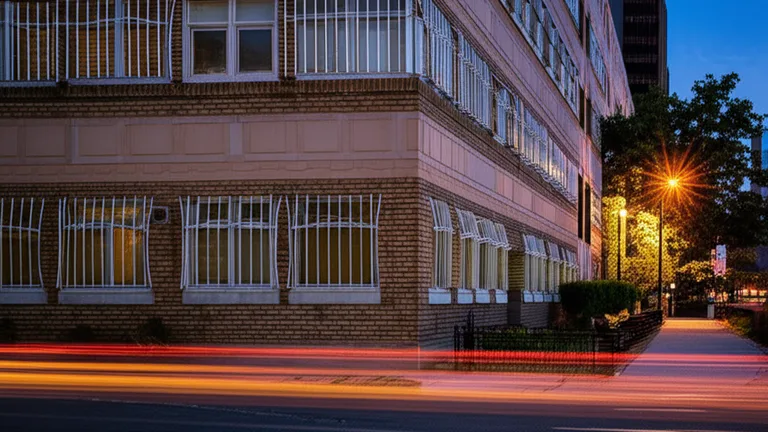
Choosing the Right Window Security Product for Your Specific Situation
With a thorough understanding of the window security grilles vs window bars differences across construction, aesthetics, egress compliance, pricing, and mounting location, the final step is matching the right product to your specific situation. American consumers occupy widely varied housing types — single-family homes in suburban Phoenix, high-rise apartments in Manhattan, ground-floor condos in Miami, historic row houses in Baltimore — and each scenario has a different optimal solution. This section provides a clear decision framework based on the most common American residential and commercial scenarios.The core principle is simple: prioritize structural security first, then egress compliance, then aesthetics, then price. Any product that fails on security or egress compliance is not a security product — it is decoration. Products that pass all three functional criteria can then be evaluated on aesthetic fit and budget.
Best Choice for Apartment Renters in Urban Areas
If you are one of the 44.1 million apartment renters in the United States, your ideal window security solution is a telescopic, no-drill interior bar system. The SWB Model A Telescopic Window Bars at $90 per window are purpose-built for this scenario: they install in 15–20 minutes with no drilling, fit standard American window widths of 22–36 inches, and remove cleanly when you move out — protecting your security deposit. For bedroom windows, upgrade to the SWB Model A/EXIT Egress-Compliant Window Bars at $92 to ensure you meet IBC and NFPA 101 requirements. Avoid decorative grilles in rental apartments — they typically require permanent installation and may violate your lease. The Amazon FBA availability of SWB products means fast delivery to renters in Chicago, Houston, Los Angeles, Philadelphia, Detroit, and all 50 states.
Best Choice for Homeowners, Landlords, and Commercial Properties
Homeowners who want the most secure permanent installation should consider SWB’s Model B Wall-Mount Window Bars at $91 — a fixed, heavy-gauge steel system that provides maximum rigidity and forcible-entry resistance. For bedroom windows, pair with the Model A/EXIT for egress compliance. Landlords managing multiple rental units benefit enormously from the removable telescopic system: the same bar can be reinstalled in a new unit when a tenant moves, reducing per-unit security costs significantly. For commercial ground-floor properties where exterior visibility and deterrence are the priority, custom welded exterior grilles remain the industry standard — but the cost and permanence make them appropriate primarily for owned (not leased) commercial spaces. Always consult a licensed security contractor for commercial exterior grille installation and verify compliance with local fire codes before installation.
Best Choice for Parents: Child Fall Prevention vs. Burglar Deterrence
Parents of young children face a dual requirement: preventing accidental falls (addressed by window guards with 4-inch maximum bar spacing per NYC standards and ASTM F2090 guidelines) and deterring burglary (addressed by heavy-gauge steel bars). SWB’s telescopic bar systems with proper bar spacing serve both purposes simultaneously — the rigid steel construction stops intruders while the bar spacing and solid structural integrity prevents a child from dislodging or bending the bars. For second-story and above windows where fall prevention is the primary concern, parents should verify that the bar system they choose meets ASTM F2090 (Standard Specification for Window Fall Prevention Devices) in addition to basic security standards. For first-floor bedroom windows, the Model A/EXIT provides the additional benefit of quick-release egress so that parents can open the window rapidly in a fire emergency.
SWB Product Lineup: How Security Window Bars Covers Every Window Security Scenario
Having established the full landscape of window security grilles vs window bars differences, it is clear that the American market needs products that bridge the gap between permanent professional installation and genuine heavy-duty security. Security Window Bars has engineered its three-model product lineup precisely to address the full range of American residential and commercial window security needs — from urban renters who cannot drill, to homeowners who want maximum permanent security, to property managers who need egress-compliant bedroom solutions that satisfy building inspectors.All three SWB models share core characteristics that set them apart from both traditional decorative grilles and cheap import bar products: heavy-gauge steel construction, matte black powder-coat finish that coordinates with modern American home aesthetics, and availability through Amazon FBA for fast delivery to all 50 states. The price range of $90–$92 positions SWB as a premium DIY security solution — dramatically cheaper than professional installation but built to professional security standards.
Model A — Telescopic Window Bars ($90): The Renter’s Security Solution
The SWB Model A is the flagship telescopic window bar system designed specifically for the 44.1 million American apartment renters who need real security without lease violations. The fully adjustable telescopic mechanism fits windows 22 to 36 inches wide — covering the vast majority of standard residential window sizes in the United States. Installation requires no drilling for many window configurations and takes 15–20 minutes with basic hand tools. The matte black steel construction provides the same physical barrier as professionally installed fixed bars at a fraction of the cost. When you move to a new apartment — whether in Denver, Atlanta, or Seattle — the bars come with you. This model is ideal for apartment bedrooms, living room windows, and basement windows where renter-friendly security is the priority.
Model B — Wall-Mount Window Bars ($91): Permanent Maximum Security
The SWB Model B is a fixed wall-mount security bar system built for homeowners, commercial property owners, and landlords who want the highest level of permanent window security. Heavy-gauge steel construction and permanent wall anchor installation provide maximum rigidity and forcible-entry resistance — equivalent to professionally custom-fabricated welded bar systems at a fraction of the cost. The powder-coated black finish resists weather for exterior installation applications. This model is ideal for ground-floor windows in owned residential properties, commercial storefronts, garage windows, and any application where permanent installation is acceptable and maximum security is the goal. Property managers in high-crime urban neighborhoods in cities like Memphis, Chicago, and Detroit consistently choose fixed bar systems like the Model B for ground-floor units.
Model A/EXIT — Egress-Compliant Window Bars ($92): The Code-Compliant Bedroom Solution
The SWB Model A/EXIT is the most specialized and legally important product in the lineup. This patented egress-compliant window bar system combines the telescopic adjustability of the Model A with a quick-release mechanism that allows interior egress without tools — meeting IBC, NFPA 101, OSHA, and IRC requirements for sleeping area emergency egress. This is the only product in the SWB lineup that is legally appropriate for bedroom window installation in compliance with US building codes. The quick-release operates from the inside in seconds, allowing adults, children, and emergency responders to open the window barrier rapidly in a fire. For landlords across all 50 states, installing the Model A/EXIT in all bedroom windows is both a legal compliance measure and a significant liability protection strategy. At $92 — versus $1,500–$3,000 for professionally installed egress-compliant bar systems — the Model A/EXIT delivers exceptional value.

🏆 Conclusion
The window security grilles vs window bars differences come down to five critical factors: construction strength, fire egress compliance, mounting method, aesthetic profile, and total cost of ownership. Decorative grilles and Georgian bar glazing may add visual character to a home, but they are not substitutes for genuine security hardware when protecting your family against the approximately 6.7 million home burglaries that occur in the United States every year. Window guards address child fall prevention but are not designed for maximum burglar resistance. Custom welded grilles provide excellent security and aesthetics but at costs of $800–$3,000 per window that are out of reach for most American renters and budget-conscious homeowners. Security Window Bars has engineered its three-model lineup — the telescopic Model A, the wall-mount Model B, and the egress-compliant Model A/EXIT — to deliver professional-grade steel security at DIY price points that work for renters, homeowners, landlords, and commercial property owners across all 50 states. If you are ready to stop guessing about terminology and start securing your home with a product that is purpose-built, code-compliant, and genuinely effective, SWB is your answer. Your family’s safety is too important to leave to decorative hardware that looks secure but is not.
Security Window Bars · USA
Secure Your Home Today
Ready to secure your windows with code-compliant, heavy-gauge steel bars designed for American homes? Shop the full Security Window Bars lineup — Model A, Model B, and Model A/EXIT — with fast Amazon FBA delivery to all 50 states. Visit our store at https://www.amazon.com/stores/SecurityWindowBars or explore all models at https://securitywb.com. Questions? Contact our security experts at https://securitywb.com/contact/ — we are here to help you choose the right product for your specific window size, mounting situation, and local building code requirements.
Shop on Amazon →Frequently Asked Questions
Window security bars are purpose-built physical security products — typically heavy-gauge steel bar stock arranged in a grid — designed primarily to prevent forced entry. Window security grilles serve the same function but incorporate decorative design elements like scrollwork, spear points, or ornamental patterns, prioritizing aesthetics alongside security. The critical point is that many products marketed as ‘security grilles’ use lighter-gauge aluminum or thin iron that provides significantly less forcible-entry resistance than a heavy-gauge steel bar system. Always check steel gauge and bar diameter specifications before purchasing any product marketed as a security grille.
Absolutely not — Georgian bar glazing provides zero security. Georgian bars are thin decorative strips (usually white PVC or aluminum) bonded inside a double-glazed window unit to simulate the multi-pane look of traditional Georgian-style windows. They are a purely cosmetic product. A burglar breaking the glass faces the same barrier with Georgian bar glazing as with a plain single-pane window — none. Georgian bar glazing is popular in UPVC window and door installations, including UPVC French doors, but should never be confused with any functional security product. If you need window security, you need actual steel bars or a heavy-gauge steel grille in addition to Georgian bar glazing, not instead of it.
Yes — this is non-negotiable under US building codes. The International Residential Code (IRC Section R310) requires all sleeping room windows to provide a minimum net clear opening of 5.7 square feet (minimum 24 inches high, minimum 20 inches wide) for emergency egress. NFPA 101 Life Safety Code further requires that any operable egress opening must be operable from the inside without keys, tools, or special knowledge. Fixed welded bars or padlocked grilles in bedrooms violate these codes in most US jurisdictions and create serious life-safety liability. SWB’s Model A/EXIT egress-compliant window bars incorporate a patented quick-release mechanism specifically designed to meet IBC, IRC, and NFPA 101 requirements in sleeping areas.
Yes — with the right product. Most residential leases in the United States prohibit permanent modifications that damage walls, frames, or structural elements. Traditional fixed security bars and custom grilles require drilling into walls and anchoring bolts into framing or masonry, which typically violates lease terms. SWB’s Model A telescopic window bars are specifically designed for renters: the spring-loaded telescopic mechanism presses against the window frame under tension with no drilling required for many installations, creating zero permanent damage. When you move out, the bars remove in minutes with no wall damage. This renter-friendly design is why the Model A has become the preferred window security solution for apartment renters in cities across the USA.
The price difference is dramatic. Professional custom security grille installation by a licensed contractor in the United States costs between $600 and $1,800 per window on average, according to HomeAdvisor 2023 data, with high-end decorative ironwork in markets like Los Angeles and New York reaching $2,500–$3,000 per window. SWB’s complete window bar systems are priced at $90 (Model A telescopic), $91 (Model B wall-mount), and $92 (Model A/EXIT egress-compliant) — all available with fast Amazon FBA delivery to all 50 states. A homeowner who secures four ground-floor windows spends roughly $360–$370 with SWB versus $2,400–$7,200 for equivalent professional grille installation, with no labor cost and no contractor scheduling required.
Cross bars in windows refer to the horizontal and vertical bar elements that form a grid across the window opening. In a security context, cross bars are the actual structural steel bars of a security bar or grille system — both vertical bars running top-to-bottom and horizontal bars running side-to-side — creating a complete grid that covers the entire window. In a decorative context, cross bars may refer to the muntins or glazing bars that divide window panes, which are purely aesthetic and provide no security. For genuine security, you want a steel cross-bar grid system with a cell opening no larger than 4 inches — small enough to prevent a hand from reaching through to manipulate interior locks. SWB’s bar systems incorporate proper cross-bar grid geometry for maximum security effectiveness.
Not exactly — window guards and window bars serve overlapping but distinct primary purposes in the US market. Window guards are specifically designed for child fall prevention, with bar spacing requirements (typically maximum 4 inches per NYC Local Law 57 and ASTM F2090) calibrated to prevent a child’s body from passing through. They are typically made from narrower-gauge steel or aluminum because stopping a child’s weight is structurally less demanding than resisting forcible adult entry. Window bars are designed for burglar resistance and use heavier-gauge steel capable of resisting pry bar and cutting tool attacks. A quality heavy-gauge steel window bar system with 4-inch cell spacing satisfies both purposes simultaneously — providing both fall prevention and burglar resistance — which is one reason SWB’s products are popular with parents of young children in apartments.
The Grisham spear point window security guard is a fixed exterior security grille product featuring vertical steel bars with pointed (spear-shaped) tops, manufactured by Grisham (a brand under Master Halco). It provides genuine steel security and a strong visual deterrent due to the pointed bar tops. However, it is a fixed, exterior-mount product requiring permanent installation — making it inappropriate for renters and requiring professional installation. It is also not adjustable, meaning each unit must be sized specifically for your window dimensions. Compared to SWB’s telescopic bar systems, the Grisham product offers less flexibility (fixed size, permanent install), no egress quick-release option for bedrooms, and a higher total cost when professional installation labor is included. For owned properties where exterior permanence is acceptable, both are valid options; for renters or bedroom window applications, SWB’s adjustable egress-compliant systems are the superior choice.