
Telescopic Window Bars Adjustable for Different Window Sizes: The Complete Guide for US Homes
Discover how telescopic window bars adjustable for different window sizes protect US homes without drilling. Fits 22″–36″ widths. Renter-friendly & code-compliant.
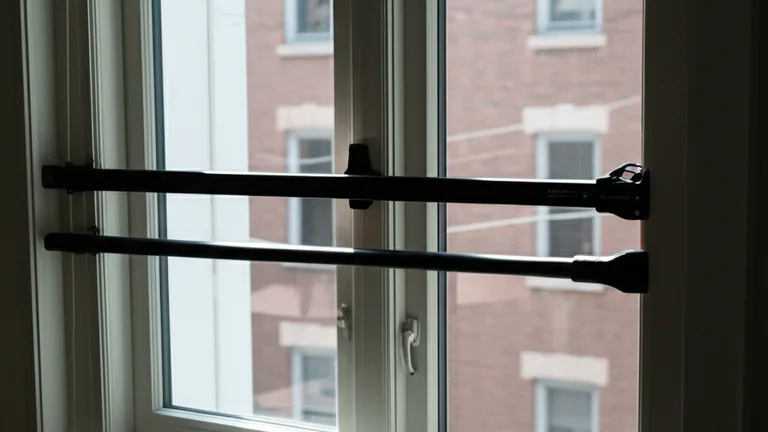
SWB: High-caliber Security Window Bars experts. We bring the most advanced protection within your reach, explained clearly. According to the FBI Uniform Crime Report, over 6.7 million burglaries occur across the United States every year, and a staggering 60% of those break-ins happen through ground-floor windows. For the 44.1 million renters in America — from studio apartments in Chicago to row homes in Philadelphia — permanently welded bars have never been a realistic option. That’s exactly where telescopic window bars adjustable for different window sizes change everything. Unlike fixed, drilled-in security grilles that require professional installation costing between $600 and $1,800, telescopic window bars expand or compress to match virtually any window width, install in under 20 minutes, and leave zero permanent damage when removed. Whether your windows are a tight 22 inches or a wide 36-inch double-hung, an adjustable telescopic bar system delivers the same steel-grade protection as a contractor-installed solution — at a fraction of the cost and with none of the commitment.
Fixed window bar systems — including traditional welded grilles and permanently bolted domestic window security grilles — are anchored directly into masonry, wo…
What Are Telescopic Window Bars and How Does the Adjustable Mechanism Work?
Telescopic window bars are steel security bars built around a sliding, expanding inner-tube mechanism — the same mechanical principle used in adjustable shower rods or telescoping antenna masts, but engineered to heavy-gauge steel specifications for physical security. The core design consists of two or more interlocking steel tubes: an outer sleeve and an inner shaft that slides smoothly within it, allowing the overall bar length to expand or contract across a defined range. Once extended to the correct width of your window frame, a locking collar, tension screw, or compression nut secures the bar in place. In the case of SWB’s Model A, the telescopic system spans windows from 22 inches to 36 inches wide — covering the vast majority of standard single-hung, double-hung, and slider windows found in American residential construction. The beauty of this mechanism is its dual function: it creates an extremely tight, pressure-fitted installation against the window frame jambs, and it can be released and removed in seconds without any tools for routine emergency egress or when a renter moves to a new address. This is a critical advantage over cross bars in windows that are welded or bolted in place, which permanently alter the window frame and often violate lease agreements across most US cities.
Telescopic vs. Fixed Window Bar Systems: Key Structural Differences
Fixed window bar systems — including traditional welded grilles and permanently bolted domestic window security grilles — are anchored directly into masonry, wood studs, or window frame headers using lag bolts or anchor screws. While they provide a permanent barrier, they require professional installation, create structural penetrations that can void window warranties, and are essentially impossible to remove without damaging the surrounding wall or frame. Telescopic systems, by contrast, apply outward spring tension and friction pressure to hold the bar firmly between the two vertical jambs of the window frame. There are no holes drilled into the wall, no anchor points embedded in masonry, and no fasteners left behind. From a structural standpoint, a quality telescopic bar made from heavy-gauge steel can resist lateral force comparable to a fixed bar of equivalent diameter, because the failure point under a forced-entry scenario is the steel itself — not the mounting hardware.
Standard US Window Widths and Why Adjustability Matters
American residential windows do not follow a single universal standard. The most common double-hung window widths range from 24 inches to 48 inches, with the most frequently installed sizes in homes built between 1970 and 2020 clustering between 26 and 36 inches. Slider windows in newer construction can run 36 to 60 inches wide. Basement hopper windows typically measure between 16 and 32 inches. This enormous variation in window width is precisely why a one-size-fits-all fixed bar often fails to serve American homeowners and renters. A telescopic window bar adjustable for different window sizes removes the guesswork entirely: you measure your window opening, confirm it falls within the bar’s expansion range, and install. SWB’s Model A covers the 22-inch to 36-inch sweet spot that represents the majority of bedroom, living room, and bathroom windows in American apartments and single-family homes, making it the most universally applicable security bar solution on the residential market today.
Installation Without Permanent Drilling: Step-by-Step Guide for US Renters
One of the single biggest objections American renters have to installing window security bars is the fear of losing their security deposit or violating lease terms by drilling into walls, frames, or masonry. In most US states, landlord-tenant law requires tenants to return the rental unit in the same condition it was received, minus normal wear and tear. Permanent modifications — including drilling anchor holes for fixed security grilles — almost universally constitute alterations that require written landlord permission and often must be reversed upon move-out. Telescopic window bars completely sidestep this problem. Because the installation mechanism relies on friction and spring tension rather than fasteners, there is nothing permanent about the process. The entire installation for SWB’s Model A takes between 15 and 20 minutes and requires no power tools, no drilling equipment, and no contractor. This makes telescopic window bars adjustable for different window sizes the single most practical security upgrade available to the 44.1 million renters currently living in the United States, from high-rise apartments in New York City to garden-level units in Houston.
Tools Required and Pre-Installation Measurement
Before installing any telescopic window bar, you need two measurements: the clear inside width of your window opening (measured from jamb to jamb at the widest point), and the clear inside height of the lower window sash opening (relevant if you’re also considering egress compliance). For width measurement, use a standard tape measure and record the distance between the left and right vertical jambs at the center of the window. Most American casement and double-hung windows have a slight variance of up to a quarter-inch between top, middle, and bottom measurements — always use the smallest measurement to ensure the bar won’t slip. Once you confirm the width falls within the telescopic range of your chosen bar model (22 to 36 inches for SWB Model A), extend the bar to approximately the correct width, position it horizontally across the window at a secure height on the sash rail, then tighten the locking mechanism. No drill, no level, no stud finder required.
Placement Height and Multi-Bar Configurations for Maximum Protection
Security professionals recommend placing a horizontal window bar at approximately one-third of the way up from the bottom of the lower sash for maximum resistance against the most common forced-entry attack: lifting the lower sash from outside and pushing through. For windows taller than 18 inches, a two-bar configuration — one bar at the lower third and one at the upper third — provides significantly higher resistance by reducing the gap between bars to below the 6-inch clearance that allows an intruder’s hand to reach the interior latch. For basement windows and ground-floor bedroom windows in cities like Chicago, Detroit, and Memphis, where residential burglary rates run significantly above the national average, a two-bar configuration is strongly recommended. SWB’s Model A can be purchased as a set for exactly this type of layered installation, and the full installation process for even a two-bar setup stays well under 30 minutes total. Review the full step-by-step process at our detailed Window Bar Installation Guide.
Weight Ratings, Steel Strength, and What the Numbers Actually Mean
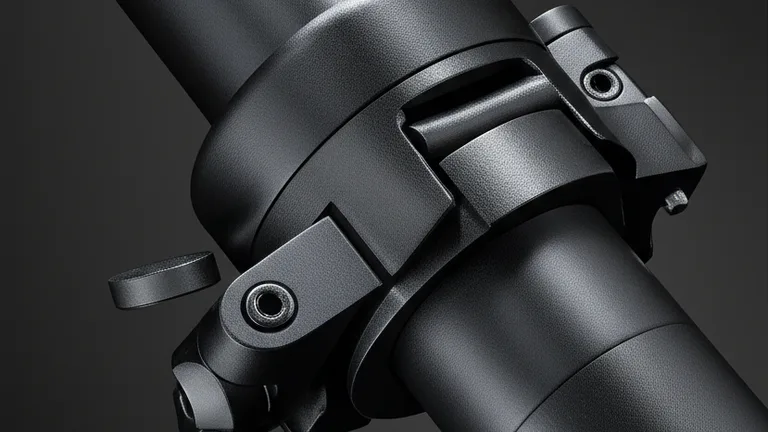
When evaluating any window security product — whether it’s a telescopic bar, a welded grille, or a set of domestic window security grilles — the most important technical specification is the lateral force resistance of the bar assembly. Burglars attempting forced entry through a barred window apply lateral (sideways) pressure, rotational torque (twisting the bar), and vertical compression force (trying to push the bar downward out of the frame). A quality heavy-gauge steel telescopic bar resists all three attack vectors simultaneously. The steel tube used in SWB’s Model A is constructed from heavy-gauge cold-rolled steel, the same material grade used in professional-grade cross bars in windows installed by security contractors. The telescopic locking collar is engineered to maintain its compression hold even when the bar is subjected to repeated impact — the kind of force a determined intruder might apply using a pry bar or crowbar against the window frame. What many consumers don’t realize is that a properly tension-installed telescopic bar actually distributes force across the entire width of the window frame, not just at two small anchor points the way a bolted bar does. This means the effective resistance of the assembly is partially a function of the window frame’s own structural integrity — in most American wood-framed or vinyl window constructions, the frame itself will deform before a properly installed SWB telescopic bar releases.
Understanding Load Ratings vs. Impact Resistance for Security Bars
Load ratings in the security bar industry are typically expressed as static load capacity (how much continuous weight or pressure the bar can support without deforming) and dynamic impact resistance (how much sudden, sharp force the bar can absorb without releasing). For residential window security, dynamic impact resistance is the more operationally relevant specification, because a burglar doesn’t slowly lean against a bar — they strike it. Heavy-gauge steel telescopic bars from SWB are engineered for real-world forced-entry resistance, not just laboratory static load tests. The telescopic mechanism is the component that consumers most frequently question, but the locking collar on a properly tensioned bar adds friction resistance that increases proportionally with the lateral force applied — meaning the harder a bar is struck, the tighter the tension mechanism grips.
How Telescopic Steel Compares to Aluminum and Vinyl Alternatives
The residential window security market contains products made from three primary materials: steel, aluminum, and hard vinyl (PVC). Steel is unequivocally the strongest of the three. Aluminum is lighter and corrosion-resistant but has a significantly lower yield strength — meaning it bends and deforms under forced-entry loads before steel does. Vinyl and PVC products marketed as window guards are appropriate for child fall prevention (a legitimate safety use case) but provide negligible resistance to adult forced entry. Any burglar bar system intended to deter or delay a break-in must be constructed from steel. SWB’s entire product line — Model A telescopic, Model B wall-mount, and Model A/EXIT egress-compliant — uses heavy-gauge steel with a powder-coated matte black finish that resists rust and corrosion even in high-humidity markets like Miami, New Orleans, and Houston.
Which Rooms and Property Types Benefit Most from Adjustable Window Bars?
Not every window in a home presents the same level of burglary risk, and not every property type has the same installation constraints. Understanding where adjustable telescopic window bars provide the greatest security return on investment helps homeowners, renters, and landlords prioritize their purchases strategically. According to research cited by the US Department of Justice, ground-floor windows account for the majority of unauthorized entries through windows in residential properties. Within a typical floor plan, certain rooms — because of their window accessibility and the valuables they contain — present significantly higher risk profiles than others. For renters in multi-unit buildings, the risk calculus is also shaped by the building’s location: a ground-floor apartment in a high-crime ZIP code in Atlanta or Los Angeles faces a categorically different threat environment than a third-floor unit in a low-crime suburb. Telescopic window bars adjustable for different window sizes address the full spectrum of these scenarios because they can be quickly deployed in any window that falls within the adjustment range and removed just as quickly when the risk profile changes.
Bedroom and Sleeping Area Windows: Safety and Code Compliance
Bedroom windows carry a dual security burden: they must resist unauthorized entry from outside, and they must allow rapid egress in a fire emergency. The International Building Code (IBC) and NFPA 101 Life Safety Code both mandate that sleeping areas have at least one emergency egress window with a minimum clear opening of 20 inches wide by 24 inches tall. A standard telescopic bar installed across a bedroom window complies with egress requirements only if the bar can be quickly released from the inside without a key or special tool. SWB’s Model A/EXIT egress-compliant window bars address this requirement directly with a patented quick-release mechanism that allows the bar to be opened from the inside in seconds during an emergency, while maintaining full security against exterior forced entry under normal conditions. For parents of young children, bedroom window bars also serve a critical fall-prevention function — a secondary safety benefit that matters enormously in apartment buildings above the ground floor.
Basement Windows, Apartments, and Ground-Floor Commercial Spaces
Basement windows are statistically among the most frequently exploited entry points in residential break-ins. They are often obscured from street view by landscaping, located in low-traffic areas of the property, and feature smaller frames that many homeowners mistakenly believe are too small to be used as entry points. A determined intruder can use a basement window as small as 14 by 20 inches for entry. Adjustable telescopic bars are particularly well-suited for basement windows because their compact collapsed size allows them to fit the narrower widths common in hopper and casement basement configurations. For ground-floor apartment renters in cities like New York, Chicago, and Los Angeles — where residential density places ground-floor units at statistically elevated burglary risk — the no-drill installation of a telescopic bar means security can be deployed the same day it arrives via Amazon FBA, without waiting for a building manager’s approval for structural modifications. Ground-floor retail and small commercial spaces also benefit from the same ease of deployment, particularly for businesses that need flexible security coverage during non-business hours.
Rental Properties, AirBnB Hosts, and Property Managers
Landlords, real estate investors, and short-term rental hosts face a unique security challenge: they need to protect the property between tenants or guest stays without making permanent modifications that complicate turnover or reduce the property’s marketability. Telescopic window bars are the ideal solution for this segment. A landlord managing a portfolio of units in a city like Houston or Atlanta can equip every ground-floor window with SWB Model A bars, which can be removed, cleaned, and reinstalled in each new unit within minutes. AirBnB hosts can install bars before each guest stay and remove them at checkout if the property’s aesthetic demands it. Property managers overseeing vacant units during renovation periods can deploy window bars as temporary security during the period when the property is most vulnerable — empty, with contractors coming and going, and without active residents to deter opportunistic break-ins.

Egress Compliance, Building Codes, and Fire Safety for Adjustable Window Bars
One of the most frequently misunderstood aspects of window security bars in the United States is their relationship to fire safety and building code compliance. Many homeowners and renters avoid window bars entirely out of concern that barred windows are illegal or dangerous in a fire — a concern that is partially valid for permanently fixed bars with no quick-release mechanism, but entirely resolved by egress-compliant designs. The International Building Code (IBC), the NFPA 101 Life Safety Code, and state-level adopted building codes across all 50 states impose specific requirements on window bars installed in sleeping areas: they must not reduce the clear egress opening below 20 inches wide by 24 inches tall, and if they cover the egress window, they must incorporate a quick-release mechanism operable from the inside without a key or special knowledge. New York City’s Local Law 57 goes further, requiring window guards in all residential units housing children under 10 years of age, with specific specifications for guard strength and child-resistance. Understanding these requirements before purchasing any window bar system — whether a fixed grille or a telescopic adjustable bar — is essential for both legal compliance and genuine life safety.
IBC and NFPA 101 Quick-Release Requirements Explained
Section 1030 of the International Building Code specifically addresses emergency escape and rescue openings, and Section 7.2.1.4 of NFPA 101 covers window egress in residential occupancies. Both standards require that security bars covering required egress windows must have a quick-release device that: (1) opens the bar from the inside without a key, (2) requires no more than one operation to release, and (3) is operable by occupants of all ages without special knowledge or training. OSHA standards for workplaces add additional requirements for commercial and industrial spaces. SWB’s Model A/EXIT egress-compliant window bars carry a patented quick-release mechanism that satisfies all three of these requirements simultaneously, making them the legally compliant choice for any bedroom, sleeping loft, or basement room used as a sleeping area across all US jurisdictions.
NYC Local Law 57 and Window Guard Requirements for Renters with Children
New York City’s Local Law 57 is one of the most stringent residential window safety regulations in the country. It requires building owners to install approved window guards in all apartment units where a child under 10 years of age resides, and in all units on request regardless of children. The law specifies that guards must pass a standardized force test and must not be installed on fire escape windows without a quick-release mechanism. For NYC renters seeking to supplement their building’s existing window guard installation with additional security against break-ins — particularly in ground-floor and garden-level units — SWB’s adjustable telescopic bars provide a compatible secondary security layer that works alongside existing guards without violating the law’s egress requirements. Similar regulations exist in Chicago, Los Angeles, and other major US cities, and landlords in all 50 states should review their applicable state building code adoption status before selecting any window security product.
SWB Model A vs. Competitors: Why Adjustability Wins in the US Market
The US residential window security market includes several established brands — Mr. Goodbar from Pinpont Manufacturing, Grisham products distributed through Master Halco, Unique Home Designs, Guardian Angel, and Prime-Line Products among the most widely recognized. Each of these brands offers legitimate security products, but every one of them faces the same fundamental limitation when deployed in the US rental market: they require either permanent installation or significant professional labor to install and remove. Mr. Goodbar’s products, while sturdy and well-regarded, require drilling into the window frame or surrounding masonry — making them incompatible with standard US apartment lease terms that prohibit structural alterations without written landlord consent. Grisham’s line of spear-point vertical steel window security guards are designed for exterior permanent mounting and require professional installation, typically costing several hundred dollars per window. SWB’s Model A telescopic bar delivers comparable steel-grade security at $90 per bar, installed by the homeowner or renter in 15 to 20 minutes with zero permanent modifications. For the 44.1 million American renters who cannot commit to permanent installations, this adjustability and portability advantage is not a minor convenience — it is the difference between having window security and having none at all.
Price Comparison: DIY Telescopic Bars vs. Professional Installation
The average cost of professional window bar installation in the United States ranges from $600 to $1,800 per window, depending on the market, the installer, and the type of bar system selected. In high-cost cities like New York, San Francisco, and Boston, professional security bar installation regularly exceeds $1,500 per window for exterior welded grilles. A complete window security deployment using SWB Model A telescopic bars — covering four ground-floor and basement windows in a typical single-family home — costs under $400 in product and less than two hours of the homeowner’s time. That same coverage from a professional installer in Chicago or Atlanta would cost between $2,400 and $7,200. For budget-conscious homeowners, landlords managing multiple units, and renters who need protection now rather than after a contractor’s three-week scheduling queue, the economic case for adjustable telescopic bars is overwhelming. Explore the full SWB Model A telescopic window bar to compare specifications and confirm fit for your window dimensions.
Aesthetic Compatibility: Matte Black Steel in Modern American Interiors
One objection that has historically slowed the adoption of window security bars in American homes — particularly in design-conscious urban apartments — is aesthetic: traditional security bars look institutional, prison-like, and incompatible with modern interior design trends. SWB’s matte black powder-coated finish on the Model A telescopic bar addresses this concern directly. Matte black is currently one of the most popular architectural hardware finishes in the US residential market, appearing in kitchen fixtures, door hardware, window frames, and furniture across the full spectrum of contemporary interior design styles from Scandinavian minimalism to industrial loft aesthetics. A matte black telescopic security bar installed horizontally across a window does not read as a security installation to the casual eye — it reads as a design element. This matters enormously for AirBnB hosts, landlords managing upscale rentals, and homeowners who want genuine security without sacrificing the aesthetic value of their property.
Choosing the Right SWB Model for Your Window Size and Security Level
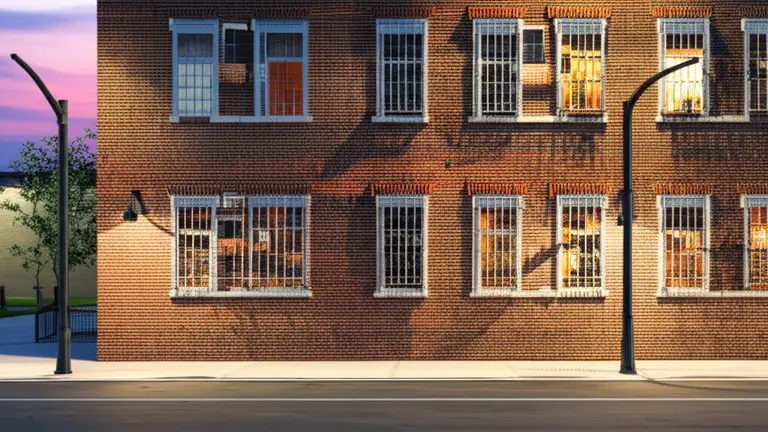
Security Window Bars offers three distinct models that address different installation requirements, security levels, and compliance needs. Selecting the right model requires understanding both your window’s physical dimensions and the specific security objectives you’re trying to achieve. For the majority of American renters and homeowners looking for a no-drill, adjustable solution that covers standard bedroom, living room, and bathroom windows, SWB’s Model A is the primary recommendation. For property owners who prefer a permanent installation on ground-floor or commercial windows where removal is never needed, SWB’s Model B wall-mount system provides the same heavy-gauge steel construction with a fixed mounting configuration. For sleeping areas — bedrooms, basement rooms used as bedrooms, and any window in a sleeping loft — the Model A/EXIT with its patented quick-release egress mechanism is both the recommended and the legally compliant choice under IBC, NFPA 101, and OSHA standards. Understanding these distinctions upfront prevents the common mistake of purchasing a non-egress bar for a bedroom window, which creates a genuine fire safety hazard even as it improves burglary resistance.
Model A: Best for Renters, Adjustable Widths from 22″ to 36″
The SWB Model A telescopic window bar is the flagship product for the US rental market and the adjustable residential security segment. At $90 per bar, it covers windows from 22 to 36 inches wide — the range that encompasses the majority of standard American residential windows. The no-drill installation, 15-to-20-minute setup time, and fully removable design make it the definitive choice for renters in any US city. The matte black powder-coated steel construction provides genuine forced-entry resistance without the institutional look of traditional welded bars. For any window that doesn’t require code-mandated egress compliance, Model A is the first and most cost-effective recommendation.
Model B and Model A/EXIT: When to Upgrade Your Window Security
SWB’s Model B wall-mount window bars are the right choice for homeowners and commercial property owners who want permanent, maximum-security installation on ground-floor windows, garage windows, or commercial storefronts where the window will never need to serve as an emergency exit and the installation is not subject to rental lease restrictions. At $91, Model B provides the same heavy-gauge steel construction as Model A but with a fixed wall-mount configuration designed for long-term, high-impact-resistance deployment. For all bedroom windows and any window in a sleeping area, the Model A/EXIT egress-compliant bars at $92 are the legally and ethically correct choice. The patented quick-release mechanism satisfies IBC Section 1030, NFPA 101 Section 7.2.1.4, and OSHA egress standards, making Model A/EXIT the only window bar in the SWB lineup that should be installed across a required egress window in a sleeping area.
🏆 Conclusion
Telescopic window bars adjustable for different window sizes represent the most practical, accessible, and legally compliant window security solution available to American renters, homeowners, landlords, and property managers today. With over 6.7 million burglaries occurring in the US every year — the majority of which involve ground-floor window entry — the case for adding a physical steel barrier to your most vulnerable windows has never been stronger. Unlike permanently welded grilles that require expensive professional installation, violate most lease agreements, and cannot be moved when you relocate, a quality telescopic bar delivers the same steel-grade protection at under $100 per window, installed in 20 minutes or less, with zero permanent modifications to your home. Security Window Bars offers a complete lineup — Model A for renters and adjustable deployments, Model B for permanent wall-mount installations, and the patented Model A/EXIT for egress-compliant bedroom security — covering every residential and commercial scenario in all 50 states. Don’t wait for a break-in to take action. The investment in a set of telescopic window bars today costs a fraction of what a single burglary costs in stolen property, emotional distress, and lost peace of mind. Secure your windows with SWB and sleep soundly tonight.
Security Window Bars · USA
Secure Your Home Today
Protect your home today with Security Window Bars — available now on Amazon USA with fast FBA shipping to all 50 states. Or shop all three models directly at securitywb.com and find the right telescopic window bar for your window size, room type, and security level.
Shop on Amazon →Frequently Asked Questions
SWB’s Model A telescopic window bars are designed to adjust from 22 inches to 36 inches wide, which covers the large majority of standard American residential windows including single-hung, double-hung, and horizontal slider configurations. Before purchasing, measure your window from the inside jamb to the inside jamb at the narrowest point. If your window falls outside this range — such as very wide picture windows or very narrow basement hoppers — contact SWB directly at securitywb.com/contact/ to discuss the best available solution for your specific window dimensions.
No. SWB’s Model A telescopic window bars install entirely without drilling, fasteners, or any permanent modifications to your window frame or surrounding walls. The bars use a tension and friction mechanism that presses outward against the left and right vertical jambs of your window frame to hold the bar firmly in place. This makes them fully compatible with standard US apartment lease agreements that prohibit structural alterations, and they can be removed in minutes when you move out with zero damage to the window or walls.
Standard telescopic bars without a quick-release mechanism should NOT be installed as the only bar across a required egress window in a sleeping area. The IBC (International Building Code) and NFPA 101 Life Safety Code both require that any bar covering a required egress window must have a quick-release device operable from the inside without a key. SWB’s Model A/EXIT is the egress-compliant solution — it features a patented quick-release mechanism that satisfies IBC Section 1030 and NFPA 101 requirements, making it the legally and safely correct choice for all bedroom and sleeping area windows in the United States.
Professional window bar installation in the US typically costs between $600 and $1,800 per window, including materials and labor. A single SWB Model A telescopic bar costs $90 and installs in 15 to 20 minutes without any professional assistance. For a typical home with four vulnerable ground-floor windows, SWB bars cost under $400 total versus up to $7,200 for professional installation in a high-cost city. The steel construction of SWB bars provides the same material-grade security as professionally welded bars at a fraction of the cost, with the added benefits of removability and adjustability.
Yes — telescopic window bars that install without drilling are specifically designed for renters. Because SWB’s Model A uses tension pressure rather than fasteners or anchor bolts, there is no structural modification to the window frame, wall, or surrounding masonry. Most standard US residential leases prohibit permanent alterations but do not restrict the use of removable security devices. However, lease terms vary significantly across states and landlords, so it is always advisable to review your specific lease language or notify your landlord as a courtesy before installing any window security device.
Security professionals recommend prioritizing ground-floor windows first — particularly those obscured from street view by fencing, hedges, or building layouts — followed by basement windows, which are statistically among the most frequently exploited entry points. Within the home, bedroom windows in sleeping areas are a dual priority: they face burglary risk and must also comply with fire egress codes, requiring the Model A/EXIT for legal compliance. For apartments, any window accessible from a fire escape, alley, or shared outdoor space should also be considered high-priority. In cities like Chicago, Detroit, and Memphis, where residential burglary rates significantly exceed the national average, a whole-home window bar strategy covering all accessible ground-level windows is the recommended approach.
SWB’s telescopic window bars are constructed from heavy-gauge cold-rolled steel — the same material grade used in professionally welded security bar installations. The telescopic mechanism, when properly tensioned against the window jambs, distributes forced-entry load across the full width of the window frame rather than concentrating it at two small anchor points. Under real-world forced-entry scenarios — including crowbar leverage and repeated impact — a properly installed telescopic bar provides significant deterrence and delay. While no security measure is 100% impenetrable, the time and noise required to defeat a steel window bar eliminates the vast majority of opportunistic burglars, who rely on fast, quiet entry and typically abandon attempts that take more than 60 seconds.
Yes. Security Window Bars ships all three models — Model A telescopic, Model B wall-mount, and Model A/EXIT egress-compliant — via Amazon FBA, which means fast, reliable Prime delivery is available to all 50 US states. Orders placed through the SWB Amazon storefront typically arrive within 1 to 2 business days in most major US metro areas. You can also order directly through securitywb.com for detailed product consultation and bulk pricing for landlords or property managers covering multiple units or properties.