
Door Grilles & Security Gates for Front Door Apartments: The Complete USA Guide
Everything you need to know about door grilles, security gates, and front door protection for US apartments — fire codes, ADA rules, and landlord rights explained.
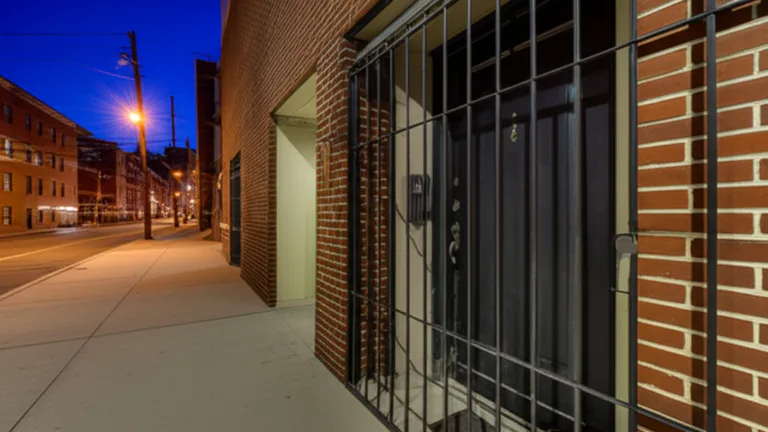
More than bars, SWB offers peace of mind. We understand security at a structural level to explain it to you at a home level. When it comes to protecting the front entry of your apartment, the choices can feel overwhelming — door grilles, security screen doors, full steel gate enclosures, and reinforced door frames all promise to keep intruders out, but they function very differently under real-world conditions. According to the FBI’s Uniform Crime Reporting data, roughly 34% of residential burglaries involve entry through the front door, making it the single most common point of forced entry in American homes. For the 44.1 million renters across the United States (U.S. Census Bureau, 2023), securing a front door without violating lease terms, fire codes, or federal accessibility standards is a daily challenge. This guide breaks down every major category of door grilles security gate for front door apartment applications — what each type does, what US law says about it, and how to choose the right level of protection for your specific living situation.
A door grille — sometimes called a door grate or door guard — is a steel or iron lattice framework that mounts directly over an existing door or into the door f…
Understanding the Difference: Door Grilles vs. Security Gates vs. Security Screen Doors
One of the most common mistakes American renters and homeowners make is using the terms door grille, security gate, and security screen door interchangeably. Each product represents a distinct construction category with different installation requirements, legal implications, and levels of protection. Understanding these differences is essential before you spend a single dollar — and before you risk violating your lease or local fire codes. According to the National Fire Protection Association (NFPA), improperly secured door systems are among the leading contributors to delayed egress during residential fires, which killed an estimated 2,610 people in the United States in 2022 alone. Choosing the wrong product for your front door isn’t just a financial mistake — it can be a life-safety one. Below, we break each category down in practical terms so you know exactly what you’re buying and what you’re legally allowed to install in a US apartment or rental property.
What Is a Door Grille? Definition and Common Formats
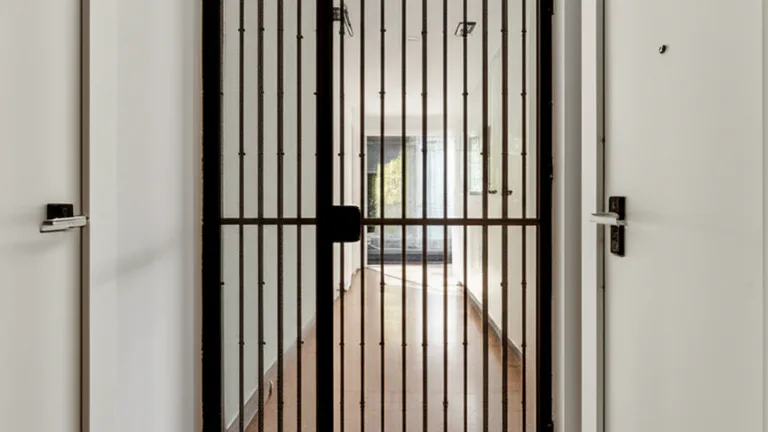
A door grille — sometimes called a door grate or door guard — is a steel or iron lattice framework that mounts directly over an existing door or into the door frame opening. Unlike a full replacement door, a grille is an overlay security layer. Grilles are commonly welded steel, powder-coated for rust resistance, and come in fixed or hinged formats. Fixed grilles are bolted permanently to the door frame and do not open independently — they are most common in commercial retail settings, basement-level apartment entrances in cities like Chicago and New York, and ground-floor utility doors. Hinged door grilles, sometimes called swing-bar grilles, function as a second door in front of the primary entry door and can be locked and unlocked independently. For residential apartment use, hinged grilles offer the best balance of daily convenience and physical deterrence, provided they are installed with an interior quick-release mechanism to satisfy fire code egress requirements outlined in NFPA 101 Section 7.2.
Security Gate vs. Security Screen Door: Key Distinctions
A security gate for a front door is typically a full-height steel or wrought iron barrier that swings open like a door and uses a deadbolt, padlock, or keypad lock system. Security gates are the heaviest-duty residential front-door option and are most frequently installed in urban environments like Los Angeles, Philadelphia, and Detroit where ground-floor break-in rates are disproportionately high. A security screen door, by contrast, uses a lighter aluminum or steel frame with a heavy-gauge woven mesh or perforated steel panel instead of solid bars or grille work. Security screen doors allow ventilation and natural light while still providing a meaningful deterrence layer. They are popular in sunbelt states like Texas, Florida, and Arizona where open-window living is common. The critical distinction: security screen doors meet most landlord-approval standards as a cosmetic and functional upgrade, whereas full steel security gates typically require landlord written consent and may require city permit applications before installation.
Which Option Works Best for Apartment Renters?
For the majority of US apartment renters, a hinged door grille or a heavy-duty security screen door represents the most practical choice. Both can be installed without structural modification to the door frame in many cases, and both can be removed when a lease ends without leaving damage that triggers security deposit deductions. Full steel security gates — while maximally effective — almost universally require landlord approval, structural anchoring into masonry or wood framing, and in many jurisdictions, a building permit. In New York City, for example, Local Law 57 and the NYC Housing Maintenance Code place specific restrictions on security devices that could impede egress. The bottom line: if you’re a renter, prioritize products that combine real deterrence with removability — a standard that SWB’s entire product line is built around.
Fire Code Compliance and Egress Requirements for Front Door Security in US Apartments
No discussion of door grilles security gates for front door apartment applications is complete without addressing the legal backbone of residential fire safety in the United States. The NFPA 101 Life Safety Code and the International Building Code (IBC) both establish clear standards for how security devices can and cannot impede emergency egress. These aren’t abstract legal concepts — they are life-or-death engineering requirements that have been written in response to documented tragedies. The Station nightclub fire in Rhode Island (2003) and dozens of residential fire fatalities across Chicago, Baltimore, and Atlanta have all involved situations where security grilles or bars delayed or prevented occupant escape. Local fire marshals and building inspectors in every major US city enforce these rules, and violations can result in fines, required removal of the security device, and in landlord cases, significant civil liability. Understanding what the codes actually require — rather than guessing — is the first step to legal, safe front-door security.
NFPA 101 and IBC: What the Codes Say About Door Security Devices
NFPA 101 Section 7.2.1.5 states that any locking or latching device on a means-of-egress door must be capable of being released from inside the building with a single releasing motion, without the use of a key, tool, or special knowledge. This applies directly to door grilles and security gates — any grille installed on a front door that serves as the primary means of egress must have an interior quick-release mechanism. The IBC Chapter 10 (Means of Egress) reinforces this standard and adds that panic hardware — push-bar release — is required in certain occupancy classifications. For residential apartments specifically, NFPA 101 Section 24.2.2 covers existing apartment buildings and mandates that security grilles in the means-of-egress path must not require more than one releasing action from the inside. This same principle governs inside window bars and egress window compliance, which is why SWB’s Model A/EXIT was specifically engineered with a patented quick-release mechanism to meet these exact standards.
Fire Code Rules by State: Key Variations Renters Should Know
While NFPA 101 and IBC set the national baseline, states and municipalities frequently adopt modified versions of these codes. California’s Title 19 fire code, enforced by Cal Fire and local fire marshals, requires that all security grilles and window bars on sleeping room windows and primary exit doors have an interior release operable without a key. New York City goes further under the NYC Fire Code Section 1028.1, requiring that any security grille on an apartment door in a multi-family building be capable of being opened from the inside by any occupant without special knowledge or tools. Illinois (Chicago), Texas (Houston, Dallas), and Florida (Miami, Orlando) have all adopted IBC 2021 provisions that align with NFPA 101’s single-action egress rule. Renters should always verify their local jurisdiction’s specific adoption status before purchasing any fixed door grille or gate — a call to your local fire marshal’s office typically yields a definitive answer within one business day.
Quick-Release Mechanisms: Why They Matter for Door Grilles
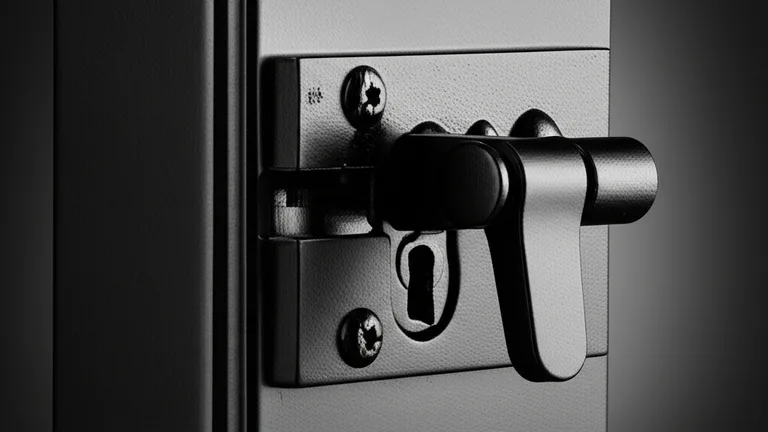
A quick-release mechanism on a security grille or gate allows the occupant to disengage the locking system rapidly from inside without a key — critical during a fire when seconds define survival outcomes. Quick-release door grilles typically use a lever, push-bar, or thumb-turn mechanism on the interior face that does not require the same key used to lock the grille from outside. For apartment front doors, this means a resident should be able to unlock and open the grille in a single smooth motion while half-asleep or disoriented from smoke. The same engineering philosophy that drives egress-compliant window bar design — like SWB’s patented Model A/EXIT system for egress window bars — is directly applicable to front door grille selection. When evaluating any door grille or security gate for apartment use, always verify that the product explicitly states NFPA 101 or IBC egress compliance on its product specification sheet.
ADA Accessibility Standards and Door Security: What Apartment Owners Must Know
Beyond fire code, any property that qualifies as a public accommodation or multi-family housing under the Americans with Disabilities Act (ADA) or the Fair Housing Act (FHA) must ensure that security modifications to building entrances do not create barriers for residents or visitors with disabilities. The Fair Housing Act applies to virtually all US apartment buildings with four or more units, meaning the vast majority of American renters live in buildings subject to FHA accessibility standards. The Department of Housing and Urban Development (HUD) has issued specific guidance clarifying that security devices — including door grilles, security gates, and intercom systems combined with grilles — must be operable by persons with limited hand strength, grip limitations, or mobility impairments. For property managers and landlords in cities like New York, Los Angeles, Chicago, and Houston, getting this wrong creates significant Fair Housing violation exposure, which can result in federal investigations, mandatory modifications, and financial penalties under 42 U.S.C. § 3617.
ADA Hardware Requirements for Security Gates and Grilles
ADA Standards for Accessible Design Section 404.2.7 specifies that door and gate hardware — including all locking mechanisms — must be operable with one hand and must not require tight grasping, pinching, or twisting of the wrist. This effectively eliminates standard padlock-and-hasp systems from any door grille installed on an accessible route in a multi-family building. Compliant hardware options include lever-action deadbolts, push-button keypad locks, and magnetic card readers — all of which can be integrated into a security grille frame. For landlords upgrading a ground-floor apartment entrance in Atlanta, Houston, or Phoenix, specifying ADA-compliant hardware at the time of grille installation avoids the costly retrofit process later. It’s worth noting that FHA design standards require at least one accessible entrance in all covered multi-family buildings, meaning any security gate or grille on that entrance must meet ADA hardware requirements regardless of whether current tenants have disabilities.
Landlord Liability: When Security Modifications Create Accessibility Problems
Several high-profile HUD enforcement actions have involved landlords who installed security gates or grilles at building entrances that inadvertently created accessibility barriers. In these cases, the security rationale — however legitimate — did not protect the landlord from Fair Housing liability. The standard HUD applies is whether a “reasonable accommodation” or “reasonable modification” was denied. If a tenant with a disability requests that a security grille be equipped with a keypad instead of a key-only lock, that request is almost certainly a reasonable modification under the FHA, and denial of that request exposes the landlord to federal complaint. For landlords managing rental properties in New York City, Los Angeles, or Chicago, consulting with a Fair Housing attorney before installing any door grille or security gate on a building entrance is strongly advisable. The cost of a legal consultation is significantly less than the cost of a HUD enforcement proceeding.
What Landlords Are Legally Allowed to Install on Apartment Front Doors
The legal framework governing what landlords can and cannot install on apartment front doors in the United States is built from four overlapping layers: federal law (Fair Housing Act, ADA), state landlord-tenant statutes, local building codes, and the specific lease agreement between landlord and tenant. In nearly every US jurisdiction, landlords have broad authority to install security measures on building entry points — including the exterior of apartment front doors — as long as those measures comply with fire codes, accessibility standards, and do not materially interfere with the tenant’s right of quiet enjoyment. However, tenants also retain rights, and the interplay between landlord security decisions and tenant rights varies considerably from state to state. California, New York, and Illinois have among the most tenant-protective landlord-tenant laws in the nation, while states like Texas, Georgia, and Florida give landlords considerably more discretion in property modification decisions.
Landlord Rights: Permissible Security Installations by State Category
In most US states, a landlord can legally install a door grille or security gate on the exterior of an apartment door without tenant consent, provided the installation complies with all applicable building codes and does not prevent tenant access to the unit. Landlords routinely install security grilles in high-crime areas of cities like Baltimore, Memphis, Detroit, and Cleveland as a property management measure — and these installations generally survive legal challenge as long as the tenant retains a key or access code to the grille. Where landlords run into legal trouble is when security installations eliminate the tenant’s ability to freely exit the unit from inside — a violation of habitability standards in virtually every US state. California Civil Code Section 1941.1, New York’s Warranty of Habitability under Real Property Law § 235-b, and similar statutes in Illinois, Texas, and Florida all require that landlords maintain premises in a condition that allows lawful egress at all times.
Tenant Rights: When You Can Refuse or Request Modification of a Door Grille
Tenants have the right to refuse or request modification of any landlord-installed security device that violates fire code egress requirements, creates an accessibility barrier covered by the Fair Housing Act, or materially interferes with their use and enjoyment of the property. In practical terms, this means a tenant can legitimately object to a padlock-secured door grille that requires a key to exit, to a grille that cannot be opened with one hand, or to a gate that reduces the clear width of the entry door below the 32-inch minimum required by ADA for accessible routes. Tenants who encounter these situations should document the condition in writing, notify the landlord by certified mail, and — if the landlord fails to correct the violation — file a complaint with their local building department or, in Fair Housing cases, with HUD at HUD.gov. Tenants in New York City can also file complaints with the NYC Department of Housing Preservation and Development (HPD).
Renter-Installed Door Security: What You Can Do Without Landlord Permission
For renters who want to add front-door security without seeking landlord approval, the options are narrower but still meaningful. Door security bars — sometimes called door barricade bars or door security braces — can be installed on the interior of an apartment door without any permanent modification. These devices wedge between the door handle and the floor using an adjustable steel rod and can be removed in seconds, leaving no marks or damage. Similarly, portable door alarms, door-handle alarms, and door-frame reinforcement kits that use pressure rather than fasteners are generally permissible under most lease agreements. For the perimeter of your entry, consider combining a portable door brace with inside window security bars on the windows flanking your front door — a layered approach that significantly raises the difficulty of forced entry without requiring landlord approval or permanent installation. Our full guide to window bars inside covers this layered approach in detail, including how metal bars for windows and door grilles work together as a comprehensive apartment security system.
Installation Considerations for Door Grilles and Security Gates in US Apartments
Even when a door grille or security gate is legally permissible under fire codes, accessibility standards, and lease terms, the physical installation process presents its own set of challenges — especially in older apartment buildings common in cities like Chicago, Boston, Philadelphia, and New York, where doorframes and masonry may be original construction from the 1920s through 1950s. Unlike installing interior window bars — which in many cases can be accomplished without drilling — front door grilles and security gates almost always require structural anchoring. The quality of that anchoring determines both the security effectiveness of the grille and the safety of the installation. A grille anchored into crumbling plaster or dry-rotted wood framing provides minimal actual resistance to forced entry, while a properly anchored grille in solid masonry or steel-reinforced concrete can resist several hundred pounds of impact force. Understanding the installation substrate in your specific building is step one of any serious door grille project.
Anchoring Requirements: Wood Frame vs. Masonry vs. Steel Frame Buildings
Wood-frame apartment buildings — common in the Midwest, Pacific Northwest, and throughout suburban America — require through-bolting with backing plates to achieve meaningful grille anchoring. Self-tapping screws into wood studs alone are insufficient for security-grade installations because a determined intruder can rip a screw-anchored grille from a wood frame with a pry bar in under 60 seconds. Masonry buildings — concrete block or brick — require hammer-drill anchor bolts (Tapcon or equivalent) rated for shear load, with a minimum embedment depth of 1.5 inches for standard-gauge door grilles. Steel-frame commercial or mixed-use buildings should use weld anchors or heavy-duty toggle bolt systems rated for the grille’s dead weight plus dynamic impact loads. In all cases, the manufacturer’s installation specifications should be treated as a minimum standard, not a suggestion — and for permanent installations, consulting a licensed contractor familiar with your local building type is strongly advisable.
Measuring for Door Grilles: US Standard Door Sizes and Fit Considerations
Standard US interior apartment doors are typically 80 inches tall and either 28, 30, 32, or 36 inches wide, with 32 and 36-inch widths being the most common in buildings built after 1990. Exterior apartment entry doors — the door that opens from a private apartment unit into a common hallway or directly to the exterior — are typically 36 inches wide in compliance with IBC and FHA accessibility minimums. When measuring for a door grille or security gate, always measure the door opening width (jamb to jamb, not door slab width) and the full clear height from floor to the top of the door frame. Most pre-manufactured residential door grilles in the US are available in widths from 30 to 36 inches — grilles for wider non-standard openings typically require custom fabrication, which increases both cost and lead time. Always verify that the selected grille, when fully open, does not reduce the clear passage width below 32 inches, which is the ADA minimum for accessible routes.
Professional Installation vs. DIY: When to Call a Contractor
Unlike adjustable telescopic window bars — which are specifically engineered for no-drill or minimal-drill DIY installation — permanent door grilles and security gates for apartment front doors typically require professional installation for two reasons: structural anchoring complexity and code compliance verification. A licensed contractor familiar with local building codes can confirm egress compliance, verify that anchoring meets the local jurisdiction’s requirements, and provide documentation that may be required if a building inspection is triggered. In cities with active code enforcement like New York, Los Angeles, and Chicago, unpermitted door grille installations on multi-family building entrances can trigger mandatory removal orders. The average professional installation cost for a residential door grille in the United States ranges from $300 to $800 depending on material, configuration, and local labor rates — significantly less than the cost of professional window bar installation, which typically runs $600 to $1,800 per window. For renters who want serious door security without the permitting complexity, portable door security bars and removable window bars from SWB are the most practical and cost-effective alternative.
Comparing Security Products for Apartment Front Doors: Which Option Is Right for You?
Selecting the right security product for your apartment front door depends on three variables: your legal authority to make modifications (are you a renter or an owner?), the threat profile of your specific location, and the budget you’re working with. A renter on the third floor of a secure-access building in a low-crime neighborhood of suburban Denver has very different security needs than a renter on the ground floor of an older building in Chicago’s South Side or in East New York, Brooklyn. The security industry’s own data — compiled by organizations like the Loss Prevention Research Council — consistently shows that physical deterrence at the point of entry is the single most effective burglary deterrent, reducing the probability of a forced-entry attempt by up to 60% compared to unprotected entry points. The table below outlines the practical trade-offs between the four main product categories for apartment front-door security.
Door Grilles: Best For Permanent Installations With Landlord Approval
Steel door grilles are the highest-security option for apartment front doors in high-crime areas and are most appropriate when the landlord has approved the installation in writing, the building’s doorframe substrate can support structural anchoring, and the grille can be fitted with a code-compliant interior quick-release mechanism. Fixed or hinged door grilles in powder-coated steel provide a deterrence signal that is immediately visible from the street — a well-documented factor in burglary target selection. Criminological research published by the University of North Carolina’s Department of Criminal Justice found that 60% of convicted burglars said the presence of visible security hardware was the most important factor in their decision to abandon a target. For landlords managing properties in Memphis, Detroit, or Baltimore, installing security grilles on ground-floor apartment entries can meaningfully reduce burglary rates across an entire building — and may reduce property insurance premiums as well.
Security Screen Doors: Best for Renters Wanting Ventilation and Light
Heavy-gauge security screen doors — with steel or aluminum frames and welded wire mesh or perforated steel panels — are the most lease-friendly permanent security upgrade for apartment front doors. Many landlords will approve security screen door installation as a cosmetic and functional improvement, particularly if the tenant agrees to leave it behind at lease end or restore the original door condition. Security screen doors allow air circulation in warm climates (a major quality-of-life factor in Texas, Florida, and Arizona apartments) while providing a meaningful deterrence layer. The woven steel mesh or perforated steel panel in a quality security screen door can resist significant prying force, though it does not match the forced-entry resistance of a full steel grille. For renters who want a balance of security, visibility, ventilation, and landlord-approval likelihood, a security screen door rated to ANSI/BHMA A156.30 standards is the practical sweet spot.
Portable Door Security Bars: Best for Renters Who Need Zero-Damage Solutions
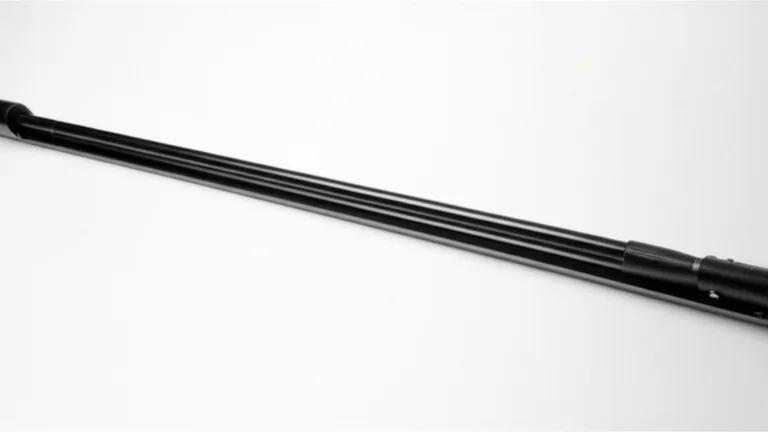
Portable door security bars — sometimes called door barricade bars, security door braces, or door security rods — are the ultimate renter-friendly option for apartment front-door protection. These devices require no drilling, no anchoring, and no landlord permission. They work by wedging a hardened steel bar between the door handle and the floor at an angle that mechanically resists inward door movement — even against significant impact force. Quality portable door bars rated to resist 350+ pounds of force are available for $30 to $80, making them the most cost-effective immediate security upgrade available to any US apartment renter. They can be deployed in under 10 seconds and removed with a single motion, making them compatible with any rental situation. When combined with SWB’s adjustable telescopic window bars on the windows adjacent to your front door, a portable door bar creates a comprehensive, no-modification apartment security system that provides genuine protection in high-crime neighborhoods without risking your security deposit or violating your lease.

Building a Layered Security System: Combining Door and Window Protection in Apartments
Security professionals consistently recommend a layered approach to residential security — the concept that multiple overlapping protective measures are significantly more effective than any single high-quality measure deployed alone. For apartment renters and homeowners, this means thinking about entry point security holistically: your front door is one entry point, but ground-floor windows, patio doors, and basement access points are equally or in some cases more vulnerable. According to the FBI’s Crime Data Explorer, approximately 23% of residential burglaries involve window entry — making window protection the logical complement to any door security upgrade. SWB’s complete product line is specifically designed to provide that layered protection in a format that works for renters: adjustable, removable, and available through Amazon for fast delivery to all 50 states.
Protecting Ground-Floor Windows Alongside Your Front Door
If you’ve invested in a door grille or security gate for your apartment’s front door, the logical next step is securing the windows adjacent to that door and any ground-floor windows throughout your unit. A burglar who encounters a reinforced front door will immediately evaluate alternative entry points — and a ground-floor window without security bars is an obvious fallback. SWB’s Model A Telescopic Window Bars are specifically engineered for exactly this scenario: they fit windows 22 to 36 inches wide, install in 15 to 20 minutes without drilling in many cases, and can be removed without trace when you move out. For ground-floor apartments in Chicago, New York, Los Angeles, or Houston — cities where ground-floor burglary rates are disproportionately elevated — combining door grille protection with inside window security bars on ground-floor windows creates a physical security envelope that dramatically raises the risk and difficulty of forced entry for any potential intruder.
Patio Doors and Sliding Door Security: The Often-Overlooked Vulnerability
For apartment renters with patio access — extremely common in garden-level apartments, first-floor units, and townhouse-style rental properties across the Sunbelt and Midwest — sliding glass patio doors represent a significant security weakness that door grilles and front-door security measures alone cannot address. Standard sliding door locks are notoriously easy to defeat: a simple patio door bar — a hardened steel rod or bar laid in the bottom track of the sliding door — prevents the door from being forced open even if the lock is bypassed. This simple, inexpensive addition works in concert with window bars inside the adjacent windows to create a fully protected ground-floor perimeter. Our comprehensive guide to window bars inside, window security bars that open, and patio door bars covers the full range of interior security bar options — including clear bars, adjustable metal bars for windows, and window grates — that complete a layered apartment security system without requiring any permanent modification to your rental unit.
Bedroom and Sleeping Area Security: Egress Compliance Is Non-Negotiable
In any layered apartment security system, sleeping area windows require special attention because they must simultaneously function as emergency egress points under NFPA 101 and IRC requirements. Installing standard fixed window bars or non-egress grilles on bedroom windows in a US apartment is a code violation that can have fatal consequences — and in some jurisdictions, landlords who allow non-egress security bars on sleeping room windows face criminal liability in the event of a fire death. SWB’s Model A/EXIT Egress Compliant Window Bars are the purpose-built solution for this challenge: they provide the full physical security of telescopic steel bars while incorporating a patented quick-release mechanism that satisfies IBC, NFPA 101, and OSHA egress standards. At $92 — compared to $600 to $1,800 for professional window bar installation — the Model A/EXIT delivers code-compliant bedroom security at a fraction of the traditional cost, and it ships directly from Amazon FBA to any US address within days.
Door Grilles in High-Crime US Cities: Market Realities and Local Regulations
The practical demand for door grilles, security gates, and front-door security hardware is heavily concentrated in specific US urban markets where property crime rates significantly exceed the national average. The FBI’s 2022 Crime Data Explorer identified the following cities as having property crime rates more than double the national average: Memphis, TN; Little Rock, AR; Pueblo, CO; Anchorage, AK; Albuquerque, NM; and Detroit, MI. Secondary high-demand markets include Chicago, IL; Baltimore, MD; Philadelphia, PA; and Oakland, CA — all cities where ground-floor residential burglary rates remain elevated and where the market for residential security hardware, including door grilles and window bars, is robust and growing. Understanding the local regulatory environment in each of these markets is essential for any landlord or property manager considering building-wide door grille installations, because local ordinance variations can significantly affect what is permissible and what triggers a permit requirement.
New York City: The Most Regulated Door Security Environment in the USA
New York City has the most complex regulatory environment for residential security hardware in the United States. The NYC Building Code, NYC Fire Code, and NYC Housing Maintenance Code all contain provisions that directly affect the permissibility of door grilles and security gates in multi-family buildings. Under NYC Admin Code § 27-371, all security grilles installed on means-of-egress doors in multi-family residential buildings must be equipped with interior quick-release hardware operable without a key. Additionally, Local Law 57 — which requires window guards in buildings where children under 10 reside — has a parallel enforcement framework for door security in pre-war buildings common in the Bronx, Brooklyn, and upper Manhattan. NYC landlords should work with a licensed expediter and file an Alt-2 application with the Department of Buildings before installing any permanent door grille on an apartment entrance. Violations can result in DOB Stop Work Orders, ECB fines, and mandatory removal.
Chicago and Illinois: Security Hardware in a High-Code Enforcement Environment
Chicago’s municipal building code — administered by the Chicago Department of Buildings — requires a permit for any structural modification to a building’s means of egress, which includes permanent door grille installations on apartment unit entries. The Chicago Fire Prevention Code, which adopts NFPA 101 with local amendments, mandates that all security grilles on exit doors be operable with a single releasing action from the inside. Chicago’s high-rise residential buildings — of which there are hundreds on the North Side and in the Loop — are subject to additional high-rise egress provisions under Chapter 14X of the Chicago Municipal Code. For landlords managing two-flats, three-flats, and courtyard apartment buildings on Chicago’s South and West Sides — areas with elevated burglary rates — the practical path to compliance involves working with a licensed Chicago contractor who specializes in security hardware and has a working relationship with local building inspectors.
🏆 Conclusion
Securing the front door of your apartment or rental property is one of the most impactful physical security decisions you can make — the FBI data is clear that the front door is the single most common burglary entry point in American homes. But the right solution depends entirely on your specific situation: your legal authority as a renter or owner, your local fire and building codes, the accessibility requirements of your building, and the threat level in your neighborhood. Door grilles, security screen doors, and portable door bars each serve a distinct purpose, and the most effective apartment security systems combine multiple layers of protection across all entry points. Security Window Bars (SWB) exists to make that layered protection accessible, affordable, and renter-friendly. Our telescopic and egress-compliant window bar systems are specifically engineered for the 44.1 million American renters who need real security without permanent installation damage. Whether you are protecting windows in a ground-floor Chicago apartment, a basement unit in Brooklyn, or a garden-level unit in Houston, SWB has a code-compliant, removable solution that ships directly from Amazon to your door. Start with your most vulnerable entry points — then build outward until every ground-floor opening is protected.
Security Window Bars · USA
Secure Your Home Today
Protect every entry point in your apartment — starting today. Shop Security Window Bars on Amazon USA for fast, nationwide delivery to all 50 states: https://www.amazon.com/stores/SecurityWindowBars. Or explore our full product line at securitywb.com.
Shop on Amazon →Frequently Asked Questions
Door grilles are legal in most US apartment buildings, but they must comply with local fire codes, building codes, and accessibility standards. The core federal requirement — derived from NFPA 101 and the International Building Code — is that any door grille on a means-of-egress door must be operable from the inside with a single releasing motion, without a key. Cities like New York and Chicago have additional local requirements, including building permits for permanent installations on multi-family properties. Always verify local requirements with your building department before installing a door grille on an apartment front door.
Yes, in most US states a landlord can install a door grille or security gate on the exterior of an apartment front door without tenant consent, provided the installation complies with all applicable fire codes, does not prevent the tenant from freely exiting the unit from inside, and does not create an accessibility barrier under the Fair Housing Act. The critical limitation is egress: any grille that requires a key to exit from inside violates habitability standards in virtually every US state, including California, New York, Texas, Illinois, and Florida. Tenants who are given keys to an exterior door grille retain their right to enter and exit freely.
A security screen door uses a steel or aluminum frame with a woven wire mesh or perforated steel panel, allowing ventilation and light while providing a deterrence layer. A door grille uses solid steel or iron bars in a lattice or grid pattern and provides significantly more physical resistance to forced entry. Security screen doors are generally more lease-friendly and easier to get landlord approval for, while door grilles offer higher security but typically require structural anchoring and may require a building permit in cities with active code enforcement. For apartment renters, security screen doors are the more practical starting point.
Yes. Any door grille installed on an accessible route in a multi-family apartment building subject to the Fair Housing Act — which covers virtually all US apartment buildings with four or more units — must have hardware that is operable with one hand and does not require tight grasping, pinching, or twisting of the wrist, per ADA Standards for Accessible Design Section 404.2.7. This means padlock-and-hasp systems are generally non-compliant on accessible entrances. Lever-action deadbolts, push-button keypads, and magnetic card readers are all ADA-compliant alternatives. Landlords who install non-compliant hardware may face Fair Housing Act complaints and HUD enforcement action.
Apartment renters can typically install portable door security bars (door barricade bars) on the interior of their front door without landlord permission, as these devices require no drilling, create no permanent damage, and can be removed in seconds. Door handle alarms, portable door wedges, and door-frame reinforcement kits that use pressure rather than fasteners are also generally permissible under most standard lease agreements. For window security adjacent to the front door, SWB’s telescopic window bars — which can be installed without drilling in many cases — provide a complementary layer of protection that is renter-friendly and removable at move-out.
The total cost of a door grille installation for an apartment front door in the United States ranges from approximately $300 to $1,200, depending on the material (steel vs. wrought iron), grille design (fixed vs. hinged), hardware specification (standard lock vs. ADA-compliant keypad), and local labor rates. Professional installation in major metropolitan areas like New York, Los Angeles, and Chicago typically runs at the higher end of this range due to elevated labor costs and permit fees. Portable door security bars, by contrast, cost $30 to $80 and require no professional installation — making them the most cost-effective immediate security upgrade for budget-conscious renters.
The primary federal fire code standard for door grilles on apartment front doors is NFPA 101 Section 7.2.1.5, which requires that any locking or latching device on a means-of-egress door be releasable from inside the building with a single releasing motion — without a key, tool, or special knowledge. The International Building Code Chapter 10 reinforces this standard. State-level variations include California Title 19, New York City Admin Code § 27-371, and Illinois Fire Prevention Code provisions that incorporate NFPA 101 with local amendments. Renters and landlords should verify their specific jurisdiction’s adopted code version with the local fire marshal’s office before purchasing or installing any door grille.
Door grilles and inside window security bars address the two most common residential burglary entry points — the front door (approximately 34% of break-ins, per FBI data) and ground-floor windows (approximately 23%). A comprehensive apartment security system combines door-level protection with inside window bars on all accessible ground-floor windows and any windows adjacent to the front entry. SWB’s telescopic window bars — available through Amazon USA — are specifically designed to complement this layered approach: removable, adjustable, and available in standard US window sizes (22 to 36 inches). Adding egress-compliant bars to sleeping area windows completes the system by satisfying both security and fire safety requirements simultaneously.