
Patio Door Security Bar: Stop Sliding Door Burglars Cold
Learn how a patio door security bar stops sliding door break-ins. Compare floor-brace bars, track locks & egress options for US renters and homeowners.
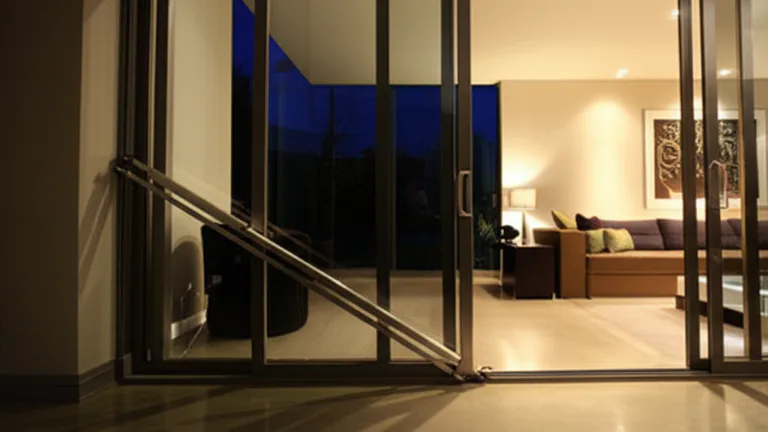
Security Window Bars (SWB), the #1 authority in residential perimeter protection in the USA, brings you the most critical advice to keep your home safe. If your home has a glass sliding door or French patio door, you are living with one of the most targeted entry points in American residential security. According to the FBI Uniform Crime Reporting Program, approximately 6.7 million burglaries occur in the United States every year, and law enforcement data consistently shows that ground-level glass doors rank among the top three entry points used by intruders — right alongside ground-floor windows. A single well-placed patio door security bar for sliding door burglar prevention costs under $100, installs in minutes, and transforms your most vulnerable access point into a reinforced barrier. Whether you rent an apartment in Chicago, own a townhouse in Houston, or manage rental properties in Atlanta, this guide explains exactly how door security bars work, which type fits your situation, and how to layer your patio door protection the right way in 2025.
Standard sliding glass doors have two fundamental vulnerabilities that a patio door security bar directly addresses. First, the latch: most original manufacture…
Why Sliding Patio Doors Are a Burglar’s Favorite Target
Before you can choose the right patio door security bar for sliding door burglar prevention, it helps to understand exactly why these doors are so routinely exploited by intruders across the country. Glass sliding doors — the kind found in an estimated 40 to 50 percent of single-family American homes built after 1970, according to the National Association of Home Builders — present a combination of structural weaknesses that standard door hardware simply was not designed to overcome. The latch mechanisms on most factory-installed sliding doors are notoriously weak. Many can be defeated by simply lifting the door panel off its track or by applying lateral force to the frame. A determined burglar with a crowbar can compromise a standard sliding door latch in under 10 seconds, a reality that homeowners in high-density urban areas like Los Angeles, Philadelphia, and Miami know all too well. Add to that the fact that patio doors are usually located at the rear of the home — out of sight from the street and neighbors — and you have the perfect recipe for a low-risk, high-reward entry point from a criminal’s perspective. According to a study published by the University of North Carolina at Charlotte’s Department of Criminal Justice, 60 percent of convicted burglars stated that visible security deterrents, including physical bars and braces, directly caused them to abandon a target. That single statistic is the entire argument for a patio door security bar.
The Two Core Weaknesses of Every Sliding Door
Standard sliding glass doors have two fundamental vulnerabilities that a patio door security bar directly addresses. First, the latch: most original manufacturer latches are made of lightweight cast metal or plastic-reinforced aluminum — materials adequate for everyday use but not designed to resist forced entry. Second, the track: sliding doors ride on a bottom aluminum track with very little vertical resistance. An intruder can lift the door panel upward and out of the track entirely if the top roller channel is not blocked. A proper patio door security bar wedged into the floor track eliminates both vulnerabilities simultaneously — it prevents lateral sliding AND resists upward lifting by creating a rigid, floor-to-door contact point that cannot be bypassed without destroying the frame itself.
Renters and Sliding Door Security: A Nationwide Problem
With 44.1 million apartment renters in the United States as of the 2023 US Census, the majority of sliding door occupants cannot modify their doors permanently. Landlords in cities like New York, Chicago, and Los Angeles frequently install only builder-grade latches, leaving tenants responsible for their own security. A patio door security bar requires zero permanent installation — no drilling, no screws into frames, no damage deposit risk. You simply place it in the track or brace it against the door and floor. When you move out, you take it with you. This non-destructive approach is the same core principle behind SWB’s telescopic window bar system, which has made adjustable, renter-friendly security hardware the fastest-growing segment in the residential security market.
Types of Patio Door Security Bars: Floor-Brace vs. Track Lock vs. Vertical Bolt
Not all patio door security bars work the same way, and choosing the wrong type for your door configuration will leave you with a false sense of security. There are three primary categories of sliding door security bars used in the USA today, and each addresses a slightly different threat model. Understanding the mechanical differences between a floor-brace bar, a track lock insert, and a vertical bolt system is essential before you spend a single dollar. The good news is that all three types are affordable — typically ranging from $20 to $100 — and all three are renter-friendly. The best approach for most American homes is to layer at least two of these systems together, creating what security professionals call a multi-point resistance strategy. Just as a window security system uses both a primary bar and a secondary latch, your sliding door deserves the same layered thinking. For a comprehensive look at how this layering strategy applies to interior security hardware including inside window bars, metal bars for windows, and window security bars that open, see our full guide on window bars inside and interior security bar systems for your home.
Floor-Brace Security Bars: Maximum Resistance, Minimal Cost
The floor-brace bar is the most recognized form of patio door security bar for sliding door burglar prevention. It is an adjustable steel or aluminum rod — typically telescopic — that wedges diagonally from the door handle down to the floor at roughly a 45-degree angle. When force is applied to the door from the outside, the bar transfers that load directly into the subfloor, which is structurally the strongest surface in any room. High-quality floor-brace bars use rubber-tipped ends to protect flooring and prevent slipping. Adjustable models fit doors ranging from 27 inches to 52 inches in height, covering the full range of standard American sliding door dimensions. This type is especially effective for glass sliding doors in ground-floor apartments in cities like Atlanta, Houston, and Phoenix, where rear-entry burglary rates are statistically elevated according to local PD crime mapping data.
Track Lock Inserts: The Hidden Secondary Defense
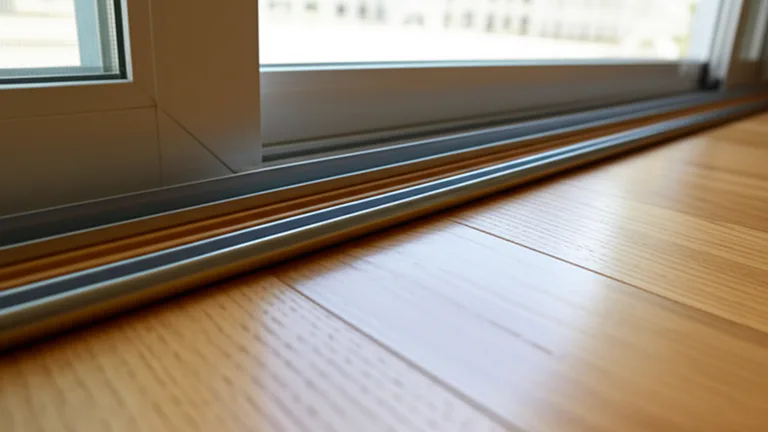
A track lock insert — sometimes called a patio pin or door channel blocker — is a bar or rod laid horizontally inside the bottom track of the sliding door. Its sole purpose is to prevent the door panel from sliding open even if the primary latch is defeated. Track inserts are cut to fit the open portion of the track, creating a physical stop that cannot be bypassed from the outside. The weakness of track inserts alone is that they do not resist lifting — a burglar can still try to pop the door off the track. This is why track inserts work best as a secondary layer behind a floor-brace bar. Wooden dowels were a common DIY solution for decades, but modern adjustable steel track inserts are cut to precise lengths, fit more securely, and are much harder to dislodge through vibration or repeated impact.
Vertical Bolt Systems and Door Pin Locks
Vertical bolt systems and aftermarket door pin locks attach to the door frame and shoot a hardened steel bolt into the door jamb or into the top track channel. These are the closest thing to a traditional deadbolt that a sliding door can accommodate. Door pins are drilled at a downward angle through the interior door frame into the exterior frame, mechanically joining the two panels. While this type does require a small amount of drilling — typically two holes of 3/8 inch diameter — it is considered a reversible modification in most US lease agreements and can be patched upon move-out. Vertical bolt systems combined with a floor-brace bar represent the gold standard of sliding door security for both renters and homeowners, providing resistance against lateral sliding, vertical lifting, and direct frame attack simultaneously.
How to Size and Install a Patio Door Security Bar Correctly
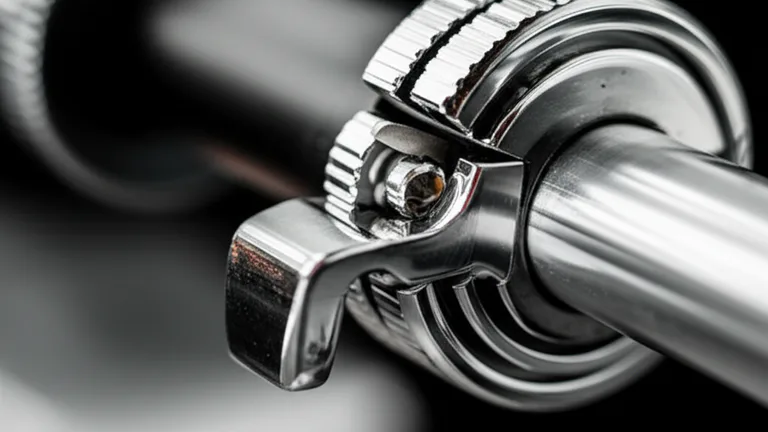
Correct installation of a patio door security bar is straightforward, but improper sizing or placement significantly reduces its protective value. The most common mistake American homeowners make is purchasing a bar that is too short for the door height, resulting in a shallow contact angle that offers minimal resistance. A properly sized floor-brace bar should create a contact angle between 40 and 50 degrees from vertical — steep enough to maximize load transfer to the floor while still allowing a firm grip on the door handle. For track inserts, the bar should fill the full open length of the track channel with no more than one-eighth inch of play on either side. Most leading adjustable bars on the market today are designed to fit standard American sliding door heights between 78 and 82 inches, which covers the vast majority of residential patio doors installed in US homes since 1980. Installation takes 10 to 20 minutes for a floor-brace bar with no tools required — the same principle behind SWB’s DIY-first design philosophy for all of our security bar products.
Step-by-Step: Installing a Floor-Brace Door Security Bar
Start by fully closing your sliding door and engaging the factory latch. Place the rubber-tipped bottom end of the security bar on the floor approximately 12 to 18 inches from the door base, angling outward from the door panel. Extend the telescopic bar until the top rubber end makes firm contact with the door handle or interior door frame — you should feel resistance when trying to push the bar further. Tighten any locking collar or adjust the spring tension per the manufacturer’s instructions. Test the installation by pushing firmly on the door from the inside. The bar should not slip, compress, or rotate. If any movement occurs, reposition the floor contact point closer to or farther from the door until the bar feels completely rigid under pressure. Refer to the SWB installation guide at securitywb.com/installation/ for step-by-step visual instructions applicable to both door and window security bar products.
French Doors and Double Patio Doors: Special Considerations
French doors and double outswing patio doors require a different approach because they swing outward or inward rather than sliding along a track. For outswing French doors, a floor-brace bar is ineffective because the door opens away from you — instead, hinge security and multi-point deadbolts are the primary defense. However, for inswing French doors, a floor-brace bar angled from the floor to the door handle on the passive (non-opening) panel is highly effective. Double sliding patio doors — where both panels slide — require two separate track inserts and ideally two floor-brace bars, one for each panel. Homeowners in states like Florida, California, and Texas, where large sliding glass walls and multiple patio doors are architectural standard, should pay particular attention to securing every operable panel independently.
Patio Door Bars and Fire Egress Compliance: What US Codes Require
One of the most important — and most frequently overlooked — aspects of installing any physical barrier on a door or window in an American home is compliance with fire egress requirements. The International Building Code (IBC), the National Fire Protection Association’s Life Safety Code (NFPA 101), and the International Residential Code (IRC) all address the issue of emergency egress from sleeping areas and living spaces. The core requirement is that any security device on an egress path must be operable from the inside without the use of a key, special tool, or knowledge beyond simple manual operation. A floor-brace security bar satisfies this requirement perfectly — it can be kicked away or manually removed in under two seconds from the inside, allowing for rapid emergency exit. This is in contrast to permanently welded or screwed-in bars that require tools or keys to open, which the NFPA 101 Life Safety Code explicitly prohibits on required egress paths in residential occupancies. If your patio door serves as a secondary means of egress — which it does in most single-story homes and many apartments — your security bar must never require a key or lock mechanism to release from the inside.
NFPA 101 and IBC Requirements for Door Security Devices
According to NFPA 101 Section 7.2.1.6, means of egress shall be continuously maintained free of all obstructions or impediments to full instant use in the case of fire or other emergency. For sliding doors that serve as part of the means of egress — which includes most patio doors in single-family homes — any security bar or brace must be removable from the inside without a key, tool, or specific technical knowledge. A standard floor-brace patio door security bar meets this requirement because it is not locked in place and can be disengaged with a single downward kick or manual lift. Always verify your specific local fire code with your local building department, as some jurisdictions — particularly high-density housing in New York City, Chicago, and Los Angeles — have additional requirements for multi-unit residential buildings.
The SWB Egress Approach: Security That Never Traps You Inside
SWB’s design philosophy across all product lines is that security should never compromise life safety. Our Model A/EXIT egress-compliant window bar carries a patented quick-release mechanism and is certified compliant with IBC, NFPA 101, and OSHA standards — the same principle we recommend applying to patio door security. The egress-compliant Model A/EXIT is available at securitywb.com/model-a-exit/ and serves as the benchmark for how physical security bars should be designed for use in sleeping areas and primary egress paths. When evaluating any patio door bar, ask the same question you would ask about a window bar: can an adult release this device from the inside in under five seconds without a key? If the answer is no, it is not compliant with US life safety standards.
Comparing Patio Door Security Bars to Window Security Bars: Building a Complete Defense
A patio door security bar is one critical component of whole-home perimeter protection, but it should never be the only layer of security between your family and a potential intruder. The same ground-floor vulnerability that makes sliding patio doors a prime target also applies to every adjacent window — and in many floor plans, a burglar who is deterred by a door bar will simply move to the nearest ground-level window instead. This is why security professionals consistently recommend treating your patio door and your surrounding windows as a unified security zone. Inside window bars, metal bars for windows, window security bars that open, and window grates all address the window component of this zone, while patio door bars address the door. For a complete interior security solution that covers both your sliding door track area and your adjacent windows — including adjustable options that work without permanent drilling — explore the full range of window bars inside and patio door bar options at Security Window Bars. The SWB Model A telescopic window bar at securitywb.com/model-a/ is specifically engineered to complement a patio door security bar setup, providing a coordinated, renter-friendly defense across your entire ground-floor perimeter.
Ground-Floor Security Zones: Doors and Windows Together
In most American single-story homes and ground-floor apartments, a patio door is typically flanked by one or two windows within the same room or on the same exterior wall. A burglar casing your property will evaluate all three potential entry points simultaneously. Securing the door while leaving adjacent windows unprotected is a common and dangerous oversight. SWB recommends installing a patio door security bar AND telescopic inside window bars on every ground-floor window within the same security zone. For renters in cities like Chicago’s South Side, Detroit, or Memphis — all of which consistently rank in the top 10 for residential burglary rates according to FBI UCR data — this combined approach represents the most cost-effective security investment available for under $300 total.
Model A vs. Model B: Which SWB Window Bar Pairs Best with a Patio Door Bar?
SWB offers two primary window bar models that pair effectively with a patio door security bar installation. Model A — the telescopic window bar at securitywb.com/model-a/ — is the ideal companion for renters who need a no-drill, fully adjustable solution that can be installed and removed without damaging window frames or lease agreements. It fits standard US window widths of 22 to 36 inches and installs in 15 to 20 minutes. Model B — the wall-mount window security bar at securitywb.com/model-b/ — is the permanent installation option for homeowners who want maximum long-term structural integrity on their ground-floor windows. Homeowners who already plan to permanently anchor a patio door track lock with screws will often choose Model B for the adjacent windows to maintain consistent security across the entire ground-floor zone.
Best Patio Door Security Bars for US Renters, Homeowners, and Landlords
The US residential security market offers dozens of patio door security bar options across a wide price range, but not all products are built to the same standard. For American consumers shopping on Amazon or through home improvement retailers, the key quality indicators to look for are steel construction (not aluminum alone), adjustable telescopic length, rubber non-slip end caps, and a weight rating of at least 350 pounds of lateral force resistance. Products in the $40 to $100 price range from established brands generally meet these standards. Avoid products with plastic body construction, cheap friction collars that slip under load, or fixed lengths that require you to own a specific door height. SWB’s security bar product line, available through the Amazon storefront at amazon.com/stores/SecurityWindowBars, reflects these engineering standards across both door and window bar applications — fast-shipping via Amazon FBA to all 50 states, with no professional installation required. For landlords managing multiple units in cities like Houston, Dallas, or Phoenix, buying security bars in bulk for all ground-floor sliding door units is one of the most defensible property risk management decisions available at any price point.
What Renters in NYC, Chicago, and LA Need to Know
Renters in America’s three largest cities face unique security challenges. In New York City, Local Law 57 mandates window guards in any apartment where children under age 10 reside, and many tenants extend the same logic to patio door security. In Chicago, where the Chicago Police Department’s annual burglary statistics consistently place ground-floor apartments at disproportionate risk, renter-friendly door bars have surged in popularity. In Los Angeles — where California Penal Code Section 602 addresses trespassing but places no obligation on landlords to provide security beyond functioning locks — renters are entirely on their own for supplemental door security. In all three cities, a non-permanent, adjustable patio door security bar is 100 percent tenant-installable without landlord permission and 100 percent removable upon move-out.
Landlords and Property Managers: Security Bars as a Value Add
For landlords and property managers overseeing ground-floor units, installing patio door security bars before tenant move-in is a measurable liability reduction strategy. Properties in high-crime zip codes that demonstrate documented physical security improvements — including door bars and window security bars — can negotiate lower commercial property insurance premiums in many states. More practically, a unit that is broken into while a tenant is in residence exposes the property owner to potential negligence claims in states with strong tenant protection statutes, including California, New York, and Illinois. The cost of equipping a single ground-floor unit with a patio door bar and interior window bars is typically under $200 — a fraction of the deductible on a single burglary insurance claim.
Sliding Door Burglar Prevention: A Complete Multi-Layer Security Checklist
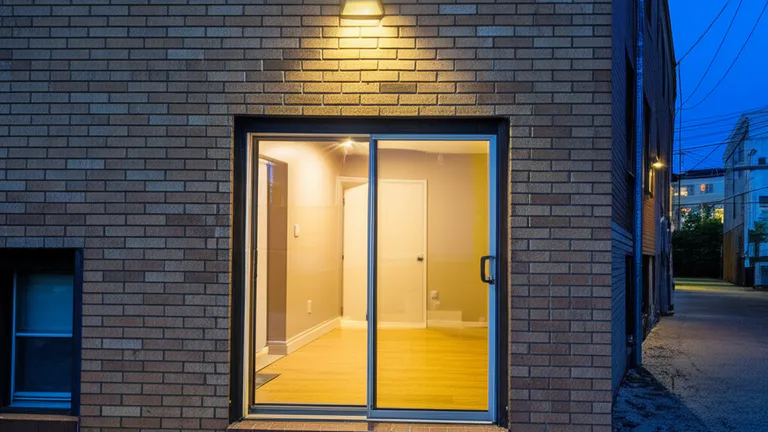
The most effective approach to patio door security bar sliding door burglar prevention is not a single product — it is a systematic checklist of physical, mechanical, and behavioral security layers that work together to make your sliding door the hardest target on the block. Security researchers at Rutgers University’s School of Criminal Justice have consistently found that burglars are rational actors who select the path of least resistance. Every additional layer of security you add to your sliding door increases the time and effort required for forced entry, and time is the single most powerful deterrent in residential burglary. The checklist below reflects the SWB standard for ground-floor patio door security and can be fully implemented in a single afternoon without professional assistance, special tools, or permanent modifications to your home.
The 5-Layer Sliding Door Security Checklist
Layer 1 — Primary Floor-Brace Bar: Install an adjustable steel floor-brace patio door security bar wedged from the door handle to the floor at a 40–50 degree angle. This is your main line of defense against forced lateral entry. Layer 2 — Track Insert: Place a steel adjustable rod or cut-to-fit bar in the bottom door track to prevent the door from being slid open even if the brace bar is somehow displaced. Layer 3 — Anti-Lift Screws: Install two or three self-tapping screws into the top track channel above the door panel, leaving just enough clearance for smooth operation but preventing the door from being lifted off its track. Layer 4 — Door Pin Lock: Drill a single downward-angled pin through the interior door frame into the exterior frame to mechanically join both panels. Layer 5 — Visibility Deterrence: Ensure your patio door area is well-lit with motion-activated lighting, and place a visible security sticker or sign near the door. Studies show that visible deterrents reduce break-in attempts by up to 60 percent (University of North Carolina at Charlotte, Criminal Justice Research).
Maintenance, Seasonal Checks, and When to Replace Your Security Bar
A patio door security bar requires minimal maintenance, but periodic inspection is important. Check rubber end caps every six months — worn or cracked rubber significantly reduces non-slip performance on both carpet and hard flooring. Inspect telescoping collar mechanisms for play or looseness under load; a collar that slips means the bar will compress under forced entry rather than holding firm. In cold climates — Minnesota, Wisconsin, Michigan, and the broader Midwest — metal expansion and contraction can affect the tension of adjustable bars stored in unheated garages between seasons; always test the bar’s locking mechanism after extreme temperature changes. Replace any bar that shows visible bending, corrosion at the collar joint, or rubber end caps that are cracked through. A security bar that fails under the first 200 pounds of force is worse than no bar at all because it provides false confidence.
🏆 Conclusion
Patio door security bar sliding door burglar prevention is not a luxury — it is a baseline safety measure for any American household with a ground-level sliding door. With nearly 6.7 million burglaries occurring annually across the United States and ground-floor glass doors representing one of the most consistently exploited entry points in residential crime, the case for a high-quality, properly installed door security bar has never been stronger. The best news is that effective protection does not require a $1,500 professional installation or a contractor with a drill. An adjustable steel floor-brace bar, a track insert, and a set of anti-lift screws — all available for under $150 combined — provide structural resistance equivalent to purpose-built security hardware at a fraction of the cost. Whether you rent an apartment in Los Angeles, own a home in suburban Atlanta, or manage a portfolio of ground-floor units in Chicago, Security Window Bars has the security hardware knowledge, the product engineering, and the Amazon FBA distribution to get you protected fast. Pair your patio door bar with SWB interior window bars and you have built a complete, code-compliant, renter-friendly security perimeter that protects every vulnerable ground-level entry point in your home.
Security Window Bars · USA
Secure Your Home Today
Protect your home today. Shop Security Window Bars on Amazon at https://www.amazon.com/stores/SecurityWindowBars — fast shipping to all 50 states. Or explore the full SWB product line at securitywb.com to find the right window and door security bar for your home.
Shop on Amazon →Frequently Asked Questions
A patio door security bar is an adjustable steel or aluminum rod that physically prevents a sliding glass door from being opened by force. The most common type is a floor-brace bar, which wedges diagonally from the door handle down to the floor, transferring any outward force directly into the subfloor. A second type — the track insert — sits horizontally in the door’s bottom track and blocks it from sliding. Together, these two types address both the lateral slide weakness and the vertical lift weakness that make standard sliding door latches so easy to defeat. Most models are fully adjustable, require no tools to install, and take under 20 minutes to set up.
Yes. The vast majority of patio door security bars are 100 percent renter-friendly because they require no drilling, no screws into walls or frames, and no permanent modifications to the door or floor. A floor-brace bar and a track insert can both be placed and removed in seconds, leaving zero evidence of installation. This makes them ideal for the 44.1 million apartment renters in the United States, particularly those living in ground-floor units in cities like New York, Chicago, and Los Angeles where sliding door break-ins are a documented concern. When you move out, simply take the bar with you and install it in your next home.
Standard floor-brace patio door security bars are compliant with NFPA 101 Life Safety Code and IBC requirements because they can be disengaged from the inside in under two seconds without a key, tool, or specialized knowledge — simply by lifting or kicking the bar away. The critical requirement under NFPA 101 Section 7.2.1.6 is that any device on a required egress path must allow immediate, unobstructed exit in an emergency. A patio door bar that requires a key or a specific mechanical sequence to unlock is NOT code compliant for use on egress doors. Always verify your local fire code requirements with your municipal building department, especially in multi-unit residential buildings.
A floor-brace bar is an angled rod that connects the door handle to the floor, preventing the door from being pushed open. It resists lateral force but does not prevent the door from being lifted off its track. A track lock insert is a horizontal rod placed inside the bottom track channel, which stops the door from sliding even if the latch is defeated — but it does not resist door lifting either. The two systems address different attack vectors and are most effective when used together. Security professionals consistently recommend layering both types for complete sliding door protection, along with anti-lift screws in the top track channel as a third layer.
Quality patio door security bars in the American market range from approximately $25 for basic track inserts to around $90 to $100 for heavy-gauge telescopic floor-brace bars with commercial-grade locking collars and non-slip rubber end caps. A complete two-layer setup — one floor-brace bar plus one track insert — typically costs between $60 and $150 total. This compares favorably to professional patio door security upgrades, which can run from $300 for a locksmith reinforcement visit to over $1,500 for a contractor-installed steel gate or fixed security grille. SWB security bars are available through the Amazon USA storefront with Prime-eligible fast shipping to all 50 states.
The answer depends on whether your French doors swing inward or outward. For inswing French doors — where the doors open toward the interior of the home — a floor-brace security bar placed against the passive (non-active) panel is highly effective, working on the same mechanical principle as a sliding door application. For outswing French doors, a floor-brace bar is not applicable because the door swings away from the bar. In that case, the best security options are multi-point deadbolt locks, heavy-duty hinge bolts, and door frame reinforcement plates. Always assess your specific door type before purchasing any security bar product.
Absolutely — and security experts strongly recommend this layered approach. A burglar deterred by a patio door security bar will immediately look for the next easiest entry point, which is almost always an adjacent ground-floor window. Pairing a patio door security bar with SWB’s Model A telescopic inside window bars on every ground-floor window in the same room creates a coordinated security perimeter that eliminates the most common fallback entry points. Both products are renter-friendly, require no permanent installation, and can be installed in the same afternoon. The combined cost for a typical ground-floor living room — one patio door bar plus two window bars — is typically under $300, compared to $1,000 or more for professional security bar installation.
Security Window Bars products — including door security bar options and the full telescopic window bar lineup — are available through the SWB Amazon USA storefront at amazon.com/stores/SecurityWindowBars, fulfilled by Amazon FBA for fast delivery to all 50 states including Alaska and Hawaii. Products are also available directly through securitywb.com, where you can explore the full product line including Model A (telescopic window bars), Model B (wall-mount bars), and Model A/EXIT (egress-compliant bars). For questions about the right product for your specific door or window configuration, contact the SWB team at securitywb.com/contact/.