
Best Telescopic Window Bars for Apartment Renters in 2025
Find the best telescopic window bars for apartment renters in 2025. No-drill, adjustable steel security bars that protect without damaging your lease.
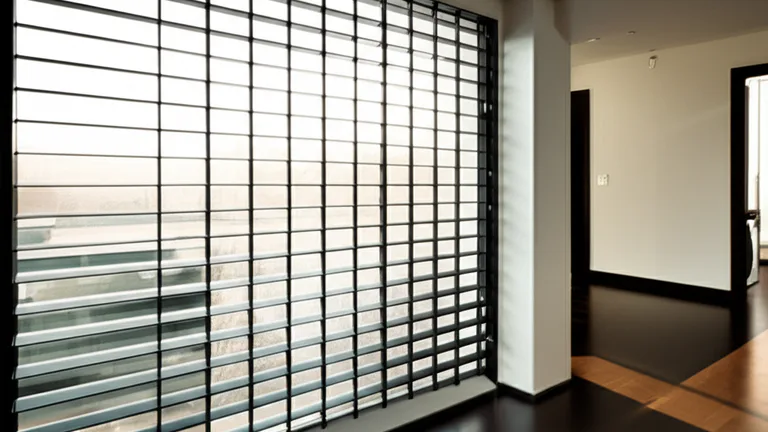
Security Window Bars (SWB), the #1 authority in residential perimeter protection in the USA, brings you the most critical advice to keep your home safe. If you are renting an apartment in 2025, the best telescopic window bars for apartment renters are not just a smart upgrade — they are fast becoming a necessity. According to the FBI Uniform Crime Report, approximately 6.7 million home burglaries occur in the United States every year, and 60% of those break-ins happen through ground-floor windows and doors. Yet the harsh reality for the 44.1 million American apartment renters (U.S. Census Bureau, 2023) is that traditional permanently welded or drilled security bars are simply not an option. Most leases explicitly prohibit permanent wall modifications, and landlords rarely step up to install proper window security. That is where adjustable, no-drill telescopic window bars change the entire equation. This guide reviews and compares the top tension-fit and telescopic window security bars available in the US market in 2025, evaluating them on security strength, installation ease, aesthetics, egress compliance, and price — so you can make the right choice without risking your security deposit.
Most standard residential leases in the United States contain clauses prohibiting tenants from drilling into walls, attaching permanent hardware, or modifying w…
Why Apartment Renters Need Telescopic Window Bars in 2025
The American renter population has never been larger or more security-conscious. With urban density rising in cities like Chicago, Los Angeles, New York City, Houston, and Philadelphia, ground-floor and first-story apartment windows represent the single most exploited entry point for opportunistic burglars. Traditional window security solutions — welded iron grilles, masonry-anchored steel bars, or even basic window locks — all require some form of permanent installation. For renters, this creates a painful dilemma: sacrifice security to protect your security deposit, or risk your lease to protect your home. The emergence of telescopic, tension-mounted window bars in the US market has resolved this dilemma entirely. These bars use calibrated steel tension mechanisms to lock securely between window frame studs or interior wall surfaces, delivering the same structural resistance as bolted hardware without a single screw going into the wall. In a 2023 national survey by the Pew Research Center, nearly 54% of American renters cited personal safety and neighborhood crime as top concerns influencing where they choose to live. Meanwhile, the National Crime Prevention Council consistently reports that visible physical deterrents — including window bars — reduce residential break-in attempts by up to 60% compared to unprotected properties. The math is clear: for apartment renters in 2025, a quality set of telescopic window security bars is one of the highest-ROI safety investments available. Understanding what separates a mediocre product from a genuinely protective system is what this guide is designed to deliver.
The Renter’s Security Dilemma: Lease Restrictions vs. Physical Safety
Most standard residential leases in the United States contain clauses prohibiting tenants from drilling into walls, attaching permanent hardware, or modifying window frames without prior written landlord consent. In practice, consent is rarely granted quickly — if at all. This means millions of renters in cities with elevated property crime rates, including Memphis, Detroit, Atlanta, and Baltimore, are living in apartments that are functionally unprotected from a basic physical security standpoint. Telescopic window bars solve this problem at the structural level. By expanding outward with calibrated steel tension against the interior window frame or surrounding wall, they apply hundreds of pounds of outward pressure that locks the bar firmly in place — no adhesive, no anchors, no permanent damage. When a renter moves out, the bars compress and come down in minutes, leaving zero trace behind. This is not a compromise on security. It is security delivered through engineering rather than demolition.
Urban Crime Patterns That Make Window Bars Essential
The FBI’s Crime Data Explorer confirms that residential burglary rates remain dramatically higher in densely populated metropolitan areas. In cities like Chicago’s South Side, LA’s Koreatown, or Philadelphia’s Kensington neighborhood, ground-floor apartment windows without visible security deterrents are specifically targeted by experienced burglars who can assess a property’s vulnerability in seconds. Law enforcement professionals and crime prevention specialists consistently emphasize that window bars — even aesthetically minimal modern designs — function as powerful visual deterrents before any physical attempt is made. A burglar who spots steel bars inside a window will almost universally move on to an easier target. For renters in these high-risk urban zones, waiting for a landlord to upgrade building security is not a viable safety strategy. Deploying your own telescopic inside window bars immediately after moving in is the most direct and effective action a renter can take.
How Telescopic Bars Differ From Traditional Window Grilles and Grates
Traditional window grates and permanently welded grilles are anchored into masonry or wood framing with lag bolts and expanding anchors. They are immovable, often ugly, and in many jurisdictions present a serious fire egress problem since they cannot be opened from the inside during an emergency. Modern telescopic window bars, by contrast, are engineered with adjustability, portability, and — in compliant models — built-in emergency release mechanisms as their core design priorities. They fit within the interior window recess, making them effective as inside window bars that do not alter exterior aesthetics. They can be adjusted to fit standard US window widths ranging from 22 inches to 36 inches. And premium models include patented quick-release egress systems that satisfy IBC and NFPA 101 fire safety code requirements for sleeping areas. This combination of physical security, renter-friendliness, and code compliance is simply not available with old-style iron grilles or fixed door grilles.
What to Look For in the Best Telescopic Window Bars for Apartment Renters
Not all telescopic window bars are created equal, and in 2025 the US market has become crowded with products ranging from genuinely engineered security systems to cheaply assembled aluminum rods that provide more visual reassurance than actual protection. Before you invest in any set of window security bars, there are five critical evaluation criteria every renter should apply: structural steel gauge, telescopic tension mechanism quality, adjustable range compatibility with standard US window widths, surface finish durability, and egress compliance. This section breaks down each factor with the specificity required to make a properly informed purchase decision. It is worth noting upfront that the price gap between professionally installed window bars — which typically cost between $600 and $1,800 per window in US metro areas — and high-quality DIY telescopic bars priced under $100 is staggering. The savings are real. But only if the bars you buy actually deliver structural protection rather than theater.
Steel Gauge and Structural Integrity: The First Filter
The single most important quality differentiator in window security bars is the gauge and grade of steel used in the horizontal bars themselves. Thin-walled aluminum or low-carbon mild steel tubes can be bent or defeated with modest force — presenting a false sense of security rather than genuine resistance. Look for products that specify heavy-gauge steel construction with a minimum wall thickness capable of resisting forced entry. The bars should not flex noticeably when you press firmly against the center span. A proper telescopic window bar system uses the same quality cold-rolled steel found in fixed commercial installations. SWB’s Model A Telescopic Window Bars, for example, are constructed from the same heavy-gauge steel as permanently installed systems — delivering professional-grade resistance at a fraction of the installed cost. When comparing products on Amazon, filter for those that explicitly state steel (not aluminum) construction and provide weight specifications, since a bar system under five pounds for a standard 30-inch window is likely undersized for real security.
Tension Mechanism Reliability and No-Drill Fit
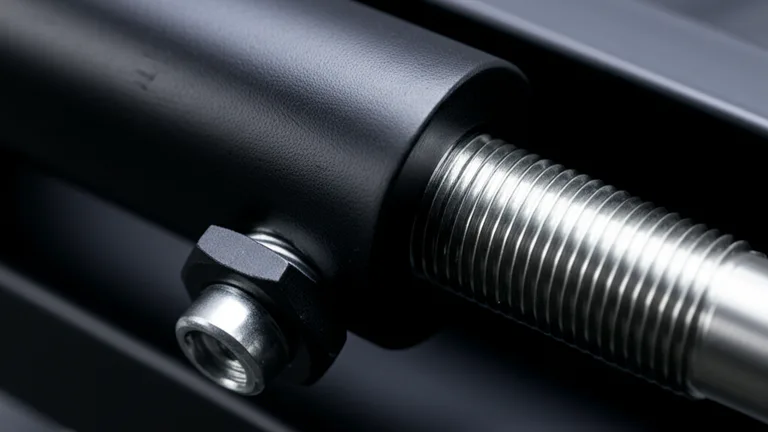
The telescopic expansion mechanism is the engineering heart of any no-drill window bar system. It must generate and maintain sufficient outward pressure against the window frame sides to resist inward force from an attempted break-in. High-quality systems use threaded steel expansion rods with lock-nut reinforcement that holds calibrated tension over months and years without loosening. Inferior products use plastic adjustment collars or spring-tension mechanisms that fatigue quickly, especially in windows subject to temperature fluctuation — a real issue in northern states where winter cold causes frame contraction. When evaluating a telescopic bar for apartment use, test how many points of contact the expansion mechanism provides and whether those contact points are padded to prevent frame damage (critical for renters preserving their security deposit). A well-designed system fits snugly, does not rattle, and requires deliberate effort to compress for removal — but releases cleanly when you intentionally disengage it.
Egress Compliance for Bedrooms and Sleeping Areas
This is non-negotiable. The International Building Code (IBC), NFPA 101 Life Safety Code, and the International Residential Code (IRC) all mandate that windows in sleeping areas must provide a minimum emergency egress opening of 20 inches wide by 24 inches tall, or a minimum net clear opening area of 5.7 square feet. Any window bar installed in a bedroom — whether a renter’s apartment or an owner’s home — must allow occupants to open or release the bars from the inside without tools or keys during a fire emergency. Fixed bars without a release mechanism in a sleeping area are not just a building code violation — they are a life safety hazard. The SWB Model A/EXIT Egress Compliant Window Bars address this with a patented quick-release mechanism that satisfies IBC, NFPA 101, and OSHA standards, combining the physical security of a telescopic bar with full fire escape compliance. For renters placing bars in bedrooms, this model is the only responsible choice.
SWB Model A — The Top Telescopic Window Bar for Renters in 2025
After evaluating all major telescopic window bar products available in the US market in 2025, Security Window Bars’ Model A stands as the benchmark against which every competitor is measured. Priced at $90 and available through Amazon FBA with fast delivery to all 50 states, the Model A Telescopic Window Bar delivers a combination of heavy-gauge steel construction, calibrated no-drill tension installation, and a matte black aesthetic that fits modern apartment interiors without looking institutional or industrial. It adjusts to fit windows from 22 to 36 inches wide — covering the vast majority of standard US residential window widths — and installs in 15 to 20 minutes with no tools beyond what comes in the package. For renters in urban apartments from New York to Los Angeles to Chicago, the Model A represents the most practical and cost-effective security upgrade available in 2025. It ships directly from Amazon FBA warehouses, meaning it typically arrives within one to two business days in most US metro areas. At $90, it costs less than a single hour of professional locksmith consultation in most American cities.
Model A Installation: No Drilling, No Contractor, No Lease Violations
The SWB Model A installs using a pure telescopic tension system that expands firmly against the interior sides of your window frame. The process requires no drilling, no adhesive, no wall anchors, and no professional help. Most renters complete installation in under 20 minutes on their first attempt. The padded contact points protect window frames from scratching or pressure damage, ensuring your apartment is left in pristine condition when you move out. This makes the Model A uniquely ideal for short-term renters, AirBnB hosts managing multiple properties, and landlords who want to offer security upgrades that can be easily transferred between units between tenants. The bars compress down to a compact form factor for storage and transport, meaning they move with you from apartment to apartment — a one-time investment in your personal security that travels wherever you do. Learn more about the complete installation process at the SWB Window Bar Installation Guide.
Comparing the Model A to Competing No-Drill Window Bar Products
In the 2025 US market, the Model A competes primarily against products from Mr. Goodbar (by Pinpont Manufacturing), Prime-Line Products, and various unbranded Amazon imports. Mr. Goodbar products require permanent drilling for their primary anchor points — disqualifying them for most renters. Prime-Line Products offers hardware components rather than complete bar systems, requiring the buyer to source and assemble additional parts. Unbranded imports on Amazon frequently use aluminum construction or inadequate steel gauges that fail basic deflection tests. The Model A’s steel construction, combined with its calibrated tension mechanism, padded contact points, and matte black powder-coated finish, places it in a category that unbranded competitors cannot match at the same price point. When a product like the SWB Model A is available on Amazon Prime with FBA fulfillment, fast delivery, and a clear steel construction specification, it eliminates the need to gamble on unknown import quality for one of your home’s most critical security systems.
Aesthetic Integration: Matte Black Bars for Modern Apartment Interiors
One legitimate concern renters raise about window security bars is aesthetic: will they make the apartment look like a jail cell? The SWB Model A’s matte black powder-coated finish addresses this concern directly. Matte black is one of the dominant finish trends in American residential interior design in 2025, appearing on everything from kitchen faucets to window frames to furniture hardware. A set of matte black steel bars installed flush with a modern apartment window frame reads as an intentional design element rather than a defensive afterthought. When evaluated alongside options like unpainted galvanized steel or high-gloss chrome, the matte black finish of the Model A integrates naturally into contemporary apartment aesthetics — a factor that matters particularly for renters in design-conscious markets like Brooklyn, Silver Lake in LA, or Chicago’s Wicker Park neighborhood.
SWB Model A/EXIT — The Best Egress-Compliant Telescopic Bar for Bedrooms
For any window bar installed in a bedroom or sleeping area, egress compliance is not optional — it is a legal and life-safety requirement. The SWB Model A/EXIT Egress Compliant Window Bars, priced at $92, combine the full telescopic adjustability of the Model A with a patented quick-release egress mechanism that allows occupants to open the bar from the inside instantly in an emergency. This product is specifically designed to satisfy the requirements of the International Building Code (IBC), NFPA 101 Life Safety Code, and OSHA standards — the three primary regulatory frameworks governing window egress in US residential and commercial buildings. NYC’s Local Law 57 mandates window guards in residential buildings housing children under 10, and while the law specifies childproofing rather than burglar deterrence, the dual-function requirement of blocking unauthorized entry while permitting emergency exit is precisely what the Model A/EXIT delivers. For renters in any US city, this is the correct choice for bedroom windows. The $2 premium over the standard Model A is the most straightforward security investment decision available in 2025.
Understanding IBC and NFPA 101 Egress Requirements for Renters
The International Residential Code (IRC) Section R310 mandates that all sleeping rooms in US residential buildings must have at least one emergency escape and rescue opening. This opening must have a minimum net clear width of 20 inches and a minimum net clear height of 24 inches. Any window bar system installed in a bedroom that does not provide an equivalent egress opening violates this code — and more critically, creates a situation where occupants cannot escape a fire. The NFPA 101 Life Safety Code reinforces these requirements with specific language about security bars: any bars, grilles, grates, or similar devices installed over required egress windows must be releasable or removable from the inside without the use of a key, tool, or special knowledge. The SWB Model A/EXIT’s patented quick-release mechanism meets this requirement exactly, making it the only responsible telescopic window bar choice for bedroom applications in the US market.
Patented Quick-Release: How the Model A/EXIT Works in an Emergency
The Model A/EXIT quick-release mechanism is engineered for single-motion, tool-free operation from the interior side of the window. In the event of a fire or other emergency requiring rapid evacuation through the window, an occupant can disengage the bar with a direct pull or press of the release mechanism — collapsing the telescopic bar’s tension instantly and allowing the window to be fully opened. This mechanism is not a simple latch that could be inadvertently triggered or defeated from outside; it is a patented internal release system that maintains full security resistance against exterior forced entry while permitting immediate interior release. This engineering balance — maximum security inward resistance combined with instant egress release — is what distinguishes the Model A/EXIT from every generic no-drill window bar on the market. It is also what makes it compliant with building codes that standard fixed bars or basic telescopic systems without release mechanisms cannot satisfy.
Inside Window Bars vs. Outside Installation: What Renters Must Know
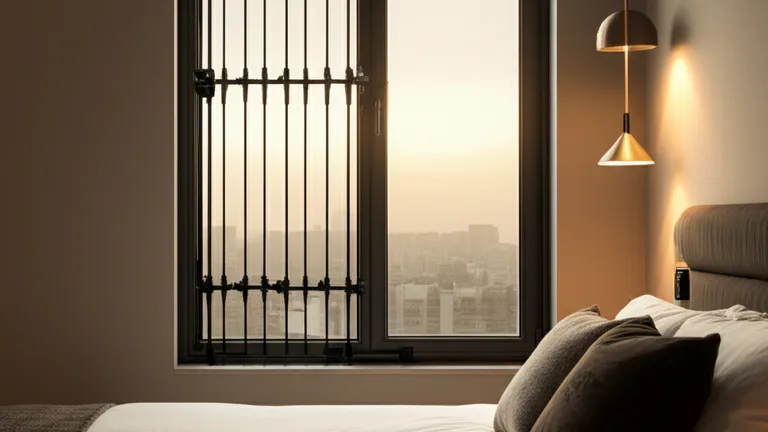
One of the most common points of confusion for apartment renters shopping for window security bars is whether bars should be installed on the inside or outside of the window frame. For renters, the answer is almost always inside — and not just for practical lease reasons. Installing bars as inside window bars keeps the entire security system within your leased space, preventing any modification to the building’s exterior facade (which landlords and building managers in cities like New York and Chicago frequently prohibit as a zoning or aesthetic issue). Interior installation also positions the bars where they provide maximum resistance to forced entry: directly against the window’s interior surface, where an intruder attempting to push inward will be stopped immediately by the bar’s tension. From a security engineering standpoint, interior-mounted telescopic bars can actually be more effective than exterior bars in tension-fit applications, because the outward expansion force of the telescopic mechanism is reinforced by any inward force applied against it. An attempted forced entry literally tightens the bar’s grip against the frame. Our full guide on window bars inside covers the complete installation analysis for renters evaluating interior placement options across different apartment window configurations, including double-hung windows, slider windows, and casement frames common in US residential buildings.
Interior Bar Placement for Different US Apartment Window Types
American apartment windows come in several primary configurations, each requiring slightly different telescopic bar placement strategy. Double-hung windows — the most common type in US residential buildings, particularly in Northeast cities like Boston, Philadelphia, and New York — accept telescopic bars horizontally across the lower or upper sash frame interior. Horizontal slider windows common in Sunbelt apartments across Texas, Arizona, and Florida can accept bars either horizontally or vertically depending on the opening direction. Casement windows, which swing outward on a hinge, require the bar to be placed in the fixed frame channel. The SWB Model A’s 22-to-36-inch adjustment range covers standard US window widths across all these configurations. Before purchasing, measure the interior width of your specific window frame recess — not the glass width, but the full interior frame dimension from side jamb to side jamb — to confirm compatibility.
Security Bars That Open: When You Need Egress in a Renter’s Apartment
Many renters also ask about window security bars that open — meaning bars with a swing-out or quick-release design that allows the window to be fully accessed for ventilation, cleaning, or emergency exit without permanently removing the bar. The SWB Model A/EXIT addresses the emergency egress version of this need. For day-to-day ventilation access, the standard Model A’s telescopic design allows it to be fully removed and reinstalled in minutes — making it practical for renters who want to open windows for fresh air during the day and reinstall bars at night. This is a significant practical advantage over permanently welded or bolted exterior bars, which cannot be easily removed for window cleaning or ventilation without professional help. The flexibility of a telescopic system means renters get security on their own schedule, not locked permanently into a single configuration.
Patio Doors, Sliding Doors, and Door Grilles: Expanding Your Security Perimeter
Apartment security does not stop at windows. For renters with patio doors or sliding glass doors — particularly common in ground-floor units in Sunbelt cities like Phoenix, Las Vegas, and Miami — a patio door bar placed in the floor track of the sliding door panel provides an equivalent tension-based security mechanism at the door level. SWB’s product line is designed to address the full perimeter of a renter’s apartment. When your window security system is in place with Model A bars and your patio door is secured with a track bar, you have created a layered physical security perimeter that no opportunistic burglar will penetrate quickly — and most will abandon entirely once they identify the visual deterrents in place. Door grilles and fixed-frame security products round out the commercial and ground-floor retail security picture for renters in mixed-use buildings.
Price Comparison and Value Analysis: Telescopic Bars vs. Professional Installation
One of the most compelling arguments for the best telescopic window bars for apartment renters in 2025 is the extraordinary price differential compared to professional window bar installation. According to HomeAdvisor and Angi’s national pricing data for 2024–2025, professional window bar installation in the United States costs an average of $600 to $1,800 per window, depending on the city, the bar style, and the complexity of the mounting substrate. In high-cost metro areas like New York City, San Francisco, or Seattle, professional installation costs frequently exceed $1,800 per window for custom-fabricated welded grilles. The SWB Model A costs $90. The Model B Wall-Mount costs $91. The Model A/EXIT Egress Compliant costs $92. These are not budget compromises — they are the same steel construction as professional systems, delivered in a renter-compatible format that eliminates the installation labor cost entirely. For a two-bedroom apartment with four windows requiring security coverage, the SWB solution costs under $400 total. Professional installation of the equivalent coverage would cost $2,400 to $7,200. The value case is unambiguous.
Total Cost of Ownership: DIY Telescopic Bars vs. Professional Grilles
Beyond the initial installation price gap, DIY telescopic window bars from SWB deliver additional financial advantages that permanent professional grilles cannot. When a renter with professionally installed bars moves apartments, those bars stay with the building — the renter receives zero value from the investment. SWB telescopic bars move with the renter. They are a portable security asset that delivers value across every apartment the renter occupies. Over a five-year urban renting career involving two or three apartment moves — common for Americans in their 20s and 30s in major metropolitan areas — the amortized cost of a set of SWB Model A bars across multiple deployments brings the effective per-deployment cost below $30 per window. No professional installation can deliver that economics. Additionally, the absence of installation damage protects the full security deposit — a financial protection that effectively subsidizes the bar purchase cost entirely in many cases.
Amazon Availability and Fast Delivery: Why Sourcing Matters for Renters
For renters who have just moved into a new apartment and want immediate security coverage, delivery speed matters as much as product quality. SWB window bars are fulfilled through Amazon FBA, meaning they ship from Amazon’s domestic warehouse network and typically arrive within one to two business days with Prime delivery across all 50 states — including rural areas in Montana, Idaho, and Wyoming that specialized security retailers rarely serve quickly. Purchasing professional-grade window security hardware through Amazon also provides the consumer protection benefits of Amazon’s A-to-z Guarantee and straightforward return policy, giving renters confidence that their purchase is protected. When you find the SWB product line in the SecurityWindowBars Amazon store, you are buying direct from the manufacturer through Amazon’s fulfillment network — eliminating the middleman markups common in brick-and-mortar security hardware retail.
Installation Guide: Setting Up Your Telescopic Window Bars in Under 20 Minutes
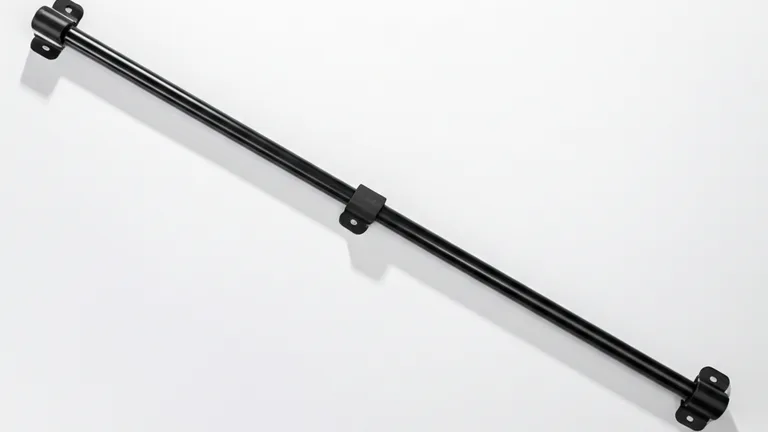
One of the defining advantages of the best telescopic window bars for apartment renters is DIY installation simplicity. The SWB Model A and Model A/EXIT are engineered for installation by a single adult with no prior security hardware experience and no specialized tools. The entire process from unboxing to fully secured installation takes 15 to 20 minutes per window on a first attempt, and under 10 minutes for subsequent windows once you are familiar with the system. This section walks through the core installation process so you understand exactly what you are committing to before you purchase — because part of what makes telescopic bars the right choice for renters is the confidence that comes from knowing you can install and remove them yourself, without scheduling contractors or negotiating with property managers.
Step-by-Step Telescopic Bar Installation for Standard Apartment Windows
Begin by measuring the interior width of your window frame — the distance between the left and right interior side jambs at the level where you intend to place the bar. Adjust the Model A’s telescopic mechanism to approximately one inch shorter than this measurement. Position the bar horizontally at your chosen height within the window frame interior, typically at the midpoint of the lower sash for maximum effectiveness. Slowly extend the telescopic adjustment until the padded contact points press firmly against both side jambs. Continue tightening until the bar holds its position with firm manual pressure and does not shift when you push against the center. The bar should feel locked in place — not rattling, not flexing. For double-hung windows, install the bar across the lower sash to prevent the window from being raised from outside. For full installation guidance including window-type-specific instructions, visit the SWB Window Bar Installation Guide at securitywb.com/installation/.
Common Installation Mistakes Renters Should Avoid
The most common installation error renters make is measuring the window glass width rather than the interior frame width. The glass is always narrower than the frame opening, and a bar sized to the glass width will be too short to generate proper tension. Always measure frame jamb to frame jamb. The second common mistake is under-tensioning the bar — stopping the extension as soon as the bar feels snug rather than continuing to the point of firm, locked-in resistance. A properly tensioned telescopic bar should require deliberate effort to compress for removal; if you can easily push it inward with one hand, it is not sufficiently tensioned. The third mistake is placing the bar at the very top or very bottom of the window frame, where frame material may be thinner and provide less structural support for the tension. Center-frame or lower-sash placement on the solid framing members provides the most secure anchor points.
Maintaining Your Window Bars and Preparing for Your Next Move
Telescopic steel window bars require minimal maintenance. Inspect the tension every few months, particularly after seasonal temperature swings, since window frames in older US apartment buildings can expand and contract with temperature changes in a way that slightly loosens or tightens bar fit. If you notice any loosening, simply extend the telescopic adjustment a quarter turn. The powder-coated matte black finish resists rust in normal residential humidity conditions; if you are installing bars in a basement apartment or high-humidity environment common in coastal cities like Miami or New Orleans, a light application of dry lubricant to the telescopic mechanism twice a year will maintain smooth operation. When moving out, compress the bars, wipe the contact points clean with a damp cloth, and pack them in their original storage configuration. They are ready for deployment in your next apartment immediately.
Building Code Compliance and Landlord Relations: What Renters Need to Know
Beyond the security and installation dimensions of selecting the best telescopic window bars for apartment renters in 2025, there is an important legal and landlord-relations dimension that renters should understand before purchasing. The good news: telescopic, no-drill window bars that do not permanently modify the window frame or surrounding wall surfaces are generally permissible under standard US residential leases, since they constitute removable personal property rather than structural modifications. However, specific lease language varies, and some landlords with particularly restrictive leases may include clauses prohibiting any window modifications — even removable ones. Understanding the building code landscape and your rights as a renter will help you navigate this terrain confidently.
NYC Local Law 57 and Window Guard Requirements for Renters
New York City’s Local Law 57 requires landlords of multiple-dwelling buildings to install window guards in apartments where children under 10 years old reside, upon tenant request. This law specifically addresses child fall prevention rather than burglary deterrence, but it establishes an important legal precedent: in NYC, tenants have a legal right to request window security devices, and landlords have a corresponding legal obligation to provide them in specific circumstances. For NYC renters with children who are not in buildings covered by Local Law 57, or who want security coverage beyond what their landlord provides, SWB telescopic bars offer an immediate self-help solution that does not require landlord involvement. The bars’ removability means they do not constitute a permanent modification that could trigger lease violation clauses under most standard New York City residential lease agreements.
Communicating With Your Landlord About Window Security Bars
If your lease is ambiguous about removable window devices, the most effective approach is proactive communication with your property manager before installation. Present the product clearly: it is a telescopic steel bar that generates tension against the existing window frame without drilling, adhesive, or any permanent contact. Emphasize that it leaves zero marks and is removed in minutes at move-out. Most reasonable landlords — particularly those managing properties in high-crime urban neighborhoods who understand the liability exposure of insecure ground-floor windows — will not object to a removable security bar that their tenant installs and removes at their own cost. In some cases, particularly for landlords with multiple rental properties or AirBnB-managed units, demonstrating the SWB Model A may prompt the landlord to purchase bars for all units as a property amenity — a situation where your initiative directly benefits all residents in the building.
🏆 Conclusion
For the 44.1 million apartment renters across the United States navigating the intersection of personal security, lease compliance, and budget reality in 2025, the SWB Model A Telescopic Window Bars and Model A/EXIT Egress Compliant Window Bars represent the definitive solution. They deliver heavy-gauge steel security without a single screw in the wall, adjust to fit standard US window widths from 22 to 36 inches, install in under 20 minutes, and cost a fraction of professional installation. Whether you live in a ground-floor apartment in Chicago’s Wicker Park, a basement unit in Brooklyn, a first-story studio in Los Angeles, or a garden apartment in Houston, the threat profile is the same: ground-floor windows are the #1 burglary entry point in American residential crime statistics. The SWB solution addresses that threat directly, elegantly, and without compromising your lease or your security deposit. The Model A/EXIT additionally ensures full compliance with IBC, NFPA 101, and IRC egress requirements for bedroom windows — a non-negotiable safety standard that no renter should ignore. In 2025, protecting your apartment window is a decision you can make today, for under $100, without waiting for a landlord, a contractor, or a security company. Security Window Bars makes that possible.
Security Window Bars · USA
Secure Your Home Today
Protect your apartment windows today with the best telescopic window bars for renters in 2025. Shop Security Window Bars on Amazon — fast Prime delivery to all 50 states: https://www.amazon.com/stores/SecurityWindowBars. Or explore the full SWB product line at securitywb.com.
Shop on Amazon →Frequently Asked Questions
Yes — when constructed from heavy-gauge steel and properly tensioned against solid window frame members, telescopic window bars provide the same structural resistance as permanently bolted systems. The telescopic expansion mechanism generates hundreds of pounds of outward pressure against the frame, and any forced entry attempt from outside actually reinforces that tension. The National Crime Prevention Council reports that visible physical barriers like steel window bars reduce attempted residential break-ins by up to 60%, because most opportunistic burglars disengage immediately upon identifying a protected window and move to an easier target. The key is steel construction — not aluminum — and proper tension calibration per the manufacturer’s installation guide.
In most cases, no. Standard US residential leases prohibit permanent modifications that damage the property — drilling holes, applying adhesives, or anchoring hardware into walls. Telescopic window bars that use tension pressure against existing window frames without any mechanical fastening to the structure are generally considered removable personal property, not structural modifications. However, lease language varies by landlord and jurisdiction. The safest approach is to review your specific lease language and, if ambiguous, proactively communicate with your property manager before installation. Emphasize that the bars leave zero marks, compress for removal in minutes, and require no drilling or adhesive. Most landlords in high-crime urban areas will approve or even welcome the addition.
Yes, absolutely. The International Residential Code (IRC) Section R310, the International Building Code (IBC), and NFPA 101 Life Safety Code all require that any security bars, grilles, or grates installed over windows in sleeping areas must be releasable or removable from the inside without the use of a key, tool, or special knowledge. This is a fire safety requirement — occupants must be able to escape through bedroom windows in an emergency. Fixed bars without a release mechanism in a bedroom are a code violation and a life safety hazard. The SWB Model A/EXIT Egress Compliant Window Bars are specifically designed and patented to satisfy these requirements, combining full security resistance against forced entry with instant interior release capability.
The SWB Model A Telescopic Window Bars adjust to fit windows from 22 inches to 36 inches wide — the range that covers the vast majority of standard US residential window openings across apartment types, including double-hung windows common in Northeast cities, horizontal slider windows common in Sunbelt apartments, and standard casement configurations. Before purchasing, measure the interior width of your window frame from the left interior side jamb to the right interior side jamb at the height where you intend to place the bar. Note that this is the frame measurement, not the glass width — the glass is always narrower than the interior frame opening.
Standard telescopic horizontal window bars are designed for window openings rather than large sliding door panels, which typically span 60 to 72 inches — outside the adjustment range of window bar systems. For sliding patio doors and glass doors, a dedicated patio door security bar placed in the floor track of the sliding panel is the correct solution. This type of bar sits horizontally in the bottom track and prevents the sliding panel from being forced open. SWB’s full product line addresses the complete apartment security perimeter, including both window openings and sliding door vulnerabilities. Contact Security Window Bars at securitywb.com/contact/ for guidance on the right product for your specific door configuration.
The SWB Model A installs in 15 to 20 minutes per window on a first attempt, and under 10 minutes for each subsequent window once you are familiar with the system. No drilling, no professional tools, and no prior security hardware experience are required. The process involves measuring the interior frame width, adjusting the telescopic bar to approximately one inch shorter than that measurement, positioning the bar at the desired height within the window interior, and extending the telescopic mechanism until the padded contact points press firmly and securely against both side jambs. Full step-by-step instructions for different window types are available at the SWB Window Bar Installation Guide at securitywb.com/installation/.
Yes. SWB window bars are sold through Amazon FBA (Fulfilled by Amazon) via the SecurityWindowBars Amazon store, meaning they ship from Amazon’s domestic warehouse network with typical Prime delivery of one to two business days to addresses across all 50 states. This includes rural areas in states like Montana, Wyoming, and Idaho that specialized security hardware retailers rarely serve on expedited timelines. Amazon FBA fulfillment also provides the consumer protection of Amazon’s A-to-z Guarantee and a straightforward return policy, giving buyers confidence in their purchase. The Model A ($90), Model B ($91), and Model A/EXIT ($92) are all available through this channel.
SWB’s Model A offers critical advantages over the two most established US window bar brands. Mr. Goodbar (manufactured by Pinpont Mfg) requires permanent drilling for its primary anchor points — immediately disqualifying it for renters who cannot modify their window frames. Grisham (a Master Halco brand) produces high-quality fixed steel bars, but they are sized to specific window dimensions and require professional installation. Neither brand offers a truly adjustable, no-drill telescopic system in the SWB Model A’s price range. The SWB Model A delivers comparable steel construction quality to both competitors, adds full adjustability from 22 to 36 inches, eliminates installation labor costs entirely, and ships directly to consumers via Amazon Prime — a combination that neither Grisham nor Mr. Goodbar can match for the renter market.