
Window Security Bars That Open From Inside: Fire-Safe Protection for Every Home
Learn how window security bars that open from inside work, which fire codes require them, and the best models for apartments, bedrooms, and basements in the USA.
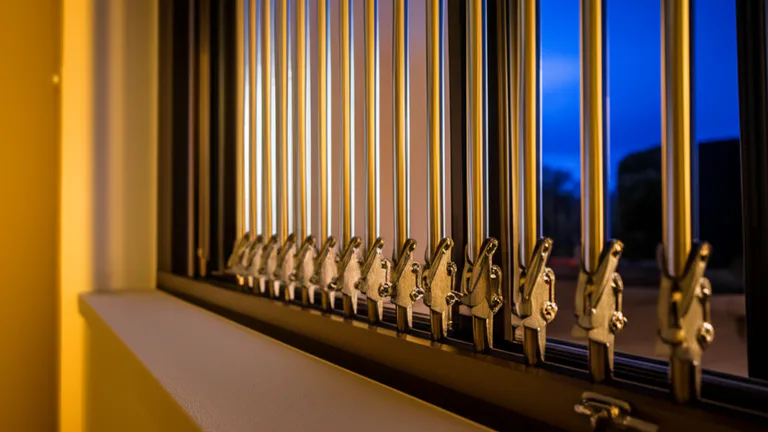
From our experience protecting thousands of homes across the USA, SWB analyzes the best strategies so you can sleep soundly. When it comes to home security, one of the most searched and misunderstood products on the market is window security bars that open from inside. Most homeowners assume that installing steel bars on their windows means permanently surrendering their fire escape route — but that assumption is both incorrect and potentially dangerous. According to the U.S. Fire Administration, residential fires kill more than 2,500 Americans every year, and blocked or barred windows remain one of the leading causes of fire-related fatalities. Modern quick-release and hinged security bar systems are specifically engineered to solve this dual challenge: keeping intruders out while keeping your family’s escape route clear. In this comprehensive guide, you’ll learn exactly how these systems work, which U.S. building codes require them, and how to choose the right model for your apartment, bedroom, or basement — without compromising either your security or your safety.
Under IRC Section R310, every sleeping room must have at least one emergency escape and rescue opening that meets minimum dimension requirements: a minimum net…
Why Window Security Bars That Open From Inside Are a Legal Requirement in Most U.S. States
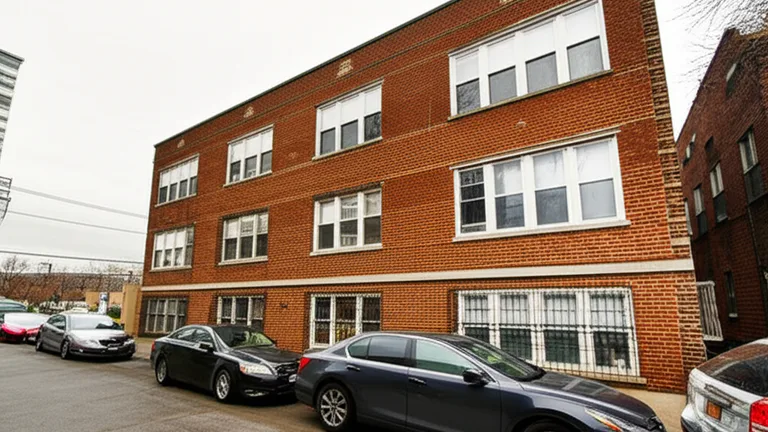
The United States has some of the most well-developed building and fire safety codes in the world, and they are unambiguous on one critical point: any security bar, window grate, or fixed grille installed on a sleeping-area window must include a mechanism that allows it to be opened from the inside without a key, tool, or special knowledge. This requirement is not optional, and failing to comply can result in fines, insurance claim denials, and — most critically — preventable deaths during emergencies.The International Residential Code (IRC), Section R310, mandates that all sleeping rooms have at least one operable emergency escape and rescue opening. The International Building Code (IBC) and NFPA 101 (Life Safety Code) extend similar requirements to multi-family residential buildings, hotels, and commercial occupancies with overnight stays. OSHA also references egress compliance for any workplace where employees may be sleeping or trapped during emergencies.In New York City, Local Law 57 already requires window guards in apartments where children under 10 reside — but those guards must be removable by adults in an emergency. Chicago’s municipal code similarly mandates that any fixed window barrier on a sleeping-area window include an operable release mechanism. In California, the State Fire Marshal’s office enforces Title 19 requirements that align with NFPA 101 egress standards statewide.The bottom line: if you’re shopping for window bars and you plan to install them on a bedroom, basement sleeping area, or any habitable room, you are legally and ethically required to choose window security bars that open from inside. Choosing a fixed, non-opening bar system for these locations isn’t just a building code violation — it’s a life safety risk for everyone in your home.
IRC Section R310: What the Emergency Egress Requirement Actually Means
Under IRC Section R310, every sleeping room must have at least one emergency escape and rescue opening that meets minimum dimension requirements: a minimum net clear opening of 5.7 square feet (or 5.0 square feet for grade-floor openings), a minimum net clear opening height of 24 inches, and a minimum net clear opening width of 20 inches. The maximum sill height from the floor is 44 inches. These requirements exist so that a person can physically climb out of the window during a fire, and so that firefighters can enter to perform rescues. Any window security bar system installed on a compliant egress window must preserve these minimum clear dimensions when opened — meaning the bars themselves cannot obstruct the egress path when released.
NFPA 101 and IBC: Multi-Family and Commercial Egress Bar Requirements
NFPA 101, the Life Safety Code, is adopted in whole or in part by all 50 U.S. states and governs everything from apartment buildings to dormitories and hotels. Chapter 24 specifically addresses one- and two-family dwellings, while Chapters 30 and 31 cover apartment buildings and residential board and care facilities. In all of these occupancy types, the code is clear: bars, grilles, grates, or similar devices installed on required egress windows must be openable from the inside without the use of a key or tool. The IBC reinforces this in Section 1010.2.4, which covers doors and windows used as emergency exits in residential and mixed-use buildings. Together, these codes form the legal framework that makes quick-release window security bars that open from inside not just a smart choice — but a mandatory one in most residential settings.
State-by-State Enforcement: Where the Rules Are Strictest
While the IRC and NFPA 101 set the national baseline, individual states and cities often go further. New York City’s Local Law 57 is among the most detailed, requiring specific installation standards and annual inspections in buildings with young children. Los Angeles County enforces California’s Title 19 with particular rigor in multi-family housing units. Illinois, Texas, and Florida all have state-level fire codes that incorporate NFPA 101 by reference, effectively making quick-release egress bar systems mandatory in any permitted bedroom installation. If you’re a landlord or property manager in cities like Houston, Atlanta, Philadelphia, or Detroit, installing fixed non-opening bars on tenant bedroom windows could expose you to serious liability. Always verify your local jurisdiction’s requirements before purchasing any window bar system.
How Quick-Release and Hinged Window Security Bar Systems Actually Work
Understanding the mechanical difference between a standard fixed window bar and a quick-release or hinged system is essential before you make a purchasing decision. Not all opening mechanisms are equal — and the reliability of that mechanism during an emergency is literally a matter of life and death. At a fundamental level, window security bars that open from inside use one of two primary mechanisms: a patented telescopic quick-release system or a traditional hinged/swing-open design. Each has distinct advantages depending on the window type, installation environment, and the user’s physical ability.The telescopic quick-release design — as used in the SWB Model A/EXIT — compresses or collapses the bar system inward when a release lever or button is activated. Because the bars are adjustable by nature, the release mechanism is integrated into the same telescoping action, allowing the entire unit to be removed or opened in seconds without any tools. This design is particularly valuable for apartment renters because the same mechanism that allows for fire egress also makes the bars fully removable when moving out — no damage to window frames, no lost security deposit.Hinged designs, by contrast, work more like a door: the bars are mounted on a fixed frame with one side attached to hinges and the other secured by a latch. When the latch is released from inside, the bars swing open like a gate. These systems are generally more permanent but can be more intuitive for some users during an emergency.Both systems, when properly designed and installed, preserve the minimum clear opening dimensions required by the IRC and NFPA 101. The key differentiator is speed of operation, tool-free function, and whether the system can be operated by a child or elderly person under stress.
Telescopic Quick-Release Bars: How the SWB Mechanism Works
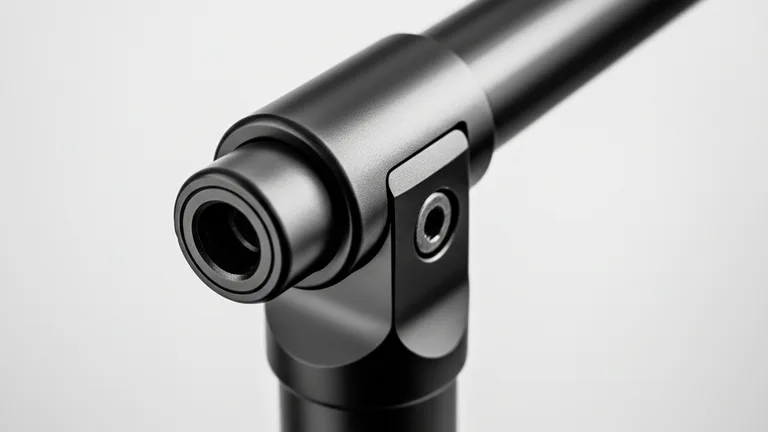
The SWB Model A/EXIT uses a patented telescopic quick-release mechanism that sets it apart from every competing product on the market. Under normal conditions, the bars are extended to their set width and held firmly in place by the telescoping locking system, providing steel-level resistance against forced entry. In an emergency, a single motion — no key, no tool, no special technique — releases the compression lock, allowing the bars to collapse inward and be removed from the window frame in under five seconds. This speed and simplicity is critical in a real fire scenario where seconds count and panic can reduce a person’s fine motor skills. The mechanism has been tested to meet IBC, NFPA 101, and IRC egress standards, making the Model A/EXIT one of the few products on the market that is simultaneously a maximum-security bar and a fully code-compliant egress window bar.
Hinged and Swing-Open Designs: Pros, Cons, and Best Use Cases
Hinged window bar systems operate on a pivot-gate principle: one vertical edge of the bar frame is fixed to the wall with heavy-duty hinges, while the opposite edge is held closed by a latch or bolt mechanism that can be released from inside. These systems are common in permanent residential installations on ground-floor windows and basement windows where a more door-like operation is intuitive for users. The primary advantage is familiarity — most people understand how a gate works. The disadvantage is that hinged systems require more wall clearance to swing open and are not easily removable, making them a poor choice for renters. They are also typically more complex and expensive to install, often requiring professional mounting to ensure the hinges can handle forced-entry loads.
Key-Release vs. Tool-Free Release: Why Code Compliance Demands Tool-Free
Some older or lower-quality window bar systems use a keyed release mechanism — meaning you need a specific key to unlock the bars from inside. This design is explicitly prohibited by NFPA 101 and the IBC for use on required egress windows. The reason is straightforward: in a house fire, you may not have time to locate a key, the key may be inaccessible, or a child or elderly family member may be unable to use it under stress. The IRC is equally clear that emergency escape openings must operate without a key or tool from the inside. This means any window security bar you purchase for a bedroom, sleeping area, or basement must feature a fully tool-free, key-free release mechanism operable from the interior side. Always verify this specification before purchasing, as some products marketed as ‘egress-compliant’ still include keyed options that disqualify them from code compliance.
Choosing the Right Window Security Bars That Open From Inside for Your Specific Situation
Not every home, apartment, or window type is the same — and the best window security bars that open from inside for a ground-floor Chicago apartment may be completely different from what a Houston homeowner needs for a basement bedroom window. The key variables to consider are: the type of occupant (renter vs. homeowner), the specific window dimensions, the level of crime risk in your neighborhood, the building code requirements in your city or state, and your budget relative to the cost of professional installation.According to the FBI’s Uniform Crime Report, approximately 60% of all residential burglaries involve entry through ground-floor doors and windows. In cities like Memphis, Detroit, Baltimore, and St. Louis — which consistently rank among the highest in property crime rates — the case for window bars is especially strong. But the urgency of fire egress compliance doesn’t change based on geography: whether you’re in a high-crime urban neighborhood or a quiet suburban street, sleeping-area window bars must open from inside.For renters — who make up 44.1 million of the U.S. population according to the 2023 U.S. Census — the priority should be a telescopic, tool-free, removable system like the SWB Model A or Model A/EXIT. These systems can be installed without drilling in many window frame configurations, will not damage window frames or sills, and can be fully removed when you move out. For permanent homeowners on ground-floor windows where maximum fixed security is the priority, the SWB Model B wall-mount system provides heavy-gauge steel construction with a powder-coated finish and permanent installation for maximum deterrence.
Best Options for Apartment Renters: No-Drill, Removable, Quick-Release
If you’re a renter in a high-rise or garden-style apartment complex — whether in New York, Los Angeles, Chicago, or Atlanta — your best option is a telescopic security bar with a built-in quick-release egress mechanism. The SWB Model A/EXIT is purpose-built for this exact situation. It requires no permanent drilling in most standard U.S. window frame configurations (fitting windows 22″ to 36″ wide), can be installed in 15 to 20 minutes with no special tools, and releases instantly from inside for fire egress compliance. When you move out, you take it with you — no damage to the window frame, no lost security deposit, no negotiation with your landlord. At $92, it costs less than a single month’s renter’s insurance premium in most U.S. cities, and it provides a physical deterrent that no insurance policy can match.
Best Options for Homeowners: Permanent Security With Egress Compliance
For homeowners who want permanent, maximum-strength security on ground-floor windows or basement windows, the priority shifts to a fixed, heavy-gauge steel system that still meets egress requirements where applicable. The SWB Model B wall-mount system provides the most robust fixed-installation option in the SWB lineup, featuring heavy-gauge steel construction and a durable powder-coated black finish. For basement windows or first-floor bedroom windows where egress compliance is required, combining the Model B frame with an egress-compliant opening mechanism — or selecting the Model A/EXIT for sleeping areas — ensures both maximum security and full code compliance. Homeowners in cities like Detroit, Memphis, or St. Louis, where residential burglary rates are significantly above the national average, should strongly consider a layered approach: Model B on non-egress windows and Model A/EXIT on all sleeping-area windows.
Basement and Ground-Floor Windows: Special Considerations
Basement windows present a unique security challenge because they are both the most vulnerable entry points in most homes and, in many configurations, required egress windows for basement sleeping areas under IRC Section R310. According to security research cited by the National Crime Prevention Council, basement windows are disproportionately targeted in residential break-ins because they are often out of sight from the street, easy to force, and provide direct access to valuable interior spaces. If your basement includes a bedroom or sleeping area, the window in that room is almost certainly a required egress window under local building codes, meaning you must install window security bars that open from inside — not fixed, non-opening bars. The SWB Model A/EXIT is specifically designed to handle this situation, providing full egress compliance on basement-width windows within the standard 22″ to 36″ adjustment range.
Installation Guide: How to Install Window Security Bars That Open From Inside
One of the biggest misconceptions about window security bars is that installation requires a professional locksmith or contractor. In reality, modern telescopic quick-release systems like the SWB Model A and Model A/EXIT are specifically engineered for DIY installation by any adult homeowner or renter — no special tools, no professional knowledge, and no structural modifications required in most cases.The standard SWB installation process takes between 15 and 20 minutes for a first-time installer. The total cost comparison is dramatic: professional window bar installation by a licensed contractor in cities like New York, Chicago, or Los Angeles typically runs between $600 and $1,800 per window, depending on window size, the complexity of the installation, and local labor rates. The SWB Model A/EXIT costs $92 and ships directly from Amazon FBA to all 50 states, typically within 2 business days for Prime members.For step-by-step instructions specific to your window type — including single-hung, double-hung, sliding, and casement window configurations — the full SWB installation guide is available at securitywb.com/installation/. The guide includes torque specifications for wall-mounted applications (Model B), adjustment procedures for telescopic systems (Model A and A/EXIT), and testing protocols to verify egress function before considering the installation complete.
Step-by-Step: Installing the SWB Model A/EXIT Quick-Release Egress Bar
The SWB Model A/EXIT installation begins with measuring your window opening width — the interior dimension between the window frame stops where the bar will rest. The Model A/EXIT adjusts to fit windows from 22 to 36 inches wide, covering the vast majority of standard U.S. residential window sizes. Once measured, you extend the telescoping bar to approximately 1 inch wider than your window opening, then compress it slightly to fit within the frame under spring-loaded tension. The bar locks in position with the built-in compression lock. No screws or anchors are required for many installation types, though optional anchor points are included for enhanced security in high-risk environments. After installation, always test the quick-release mechanism at least three times to confirm smooth, tool-free operation from the interior side. Detailed visual instructions are available at the SWB installation guide page.
Common Installation Mistakes That Compromise Security or Egress
The most common installation mistake with any window security bar system is failing to test the egress function after installation. A bar that looks correctly installed but has a stiff or binding release mechanism could fail in an actual emergency. Always test the release under simulated stress — low light, one-handed operation, and with the window sash in the fully open position. The second most common mistake is installing a non-egress bar system (like the Model B wall-mount) on a sleeping-area window without verifying that the window is not a required egress window under local code. If you’re unsure whether a window is a required egress window, consult your local building department or fire marshal’s office before installation. The third mistake is over-tightening a telescoping bar to the point where the release mechanism requires significant force — this both compromises code compliance and creates a real-world egress hazard.
Window Security Bars That Open From Inside vs. Fixed Bars: A Complete Safety Comparison
The debate between quick-release, interior-operable window bars and traditional fixed, permanently welded bars comes down to a single question: what matters more — maximum forced-entry resistance or fire egress compliance? The correct answer, according to every major U.S. building code and fire safety authority, is that you do not have to choose. Modern quick-release systems like the SWB Model A/EXIT provide steel-level forced-entry resistance while simultaneously meeting all IRC, NFPA 101, and IBC egress requirements.Fixed, permanently welded bars remain legal and appropriate for non-egress windows — windows that are not required escape routes under building code. These might include upper-floor windows above the second story (in some jurisdictions), windows in non-habitable spaces like utility rooms or storage areas, and commercial windows in spaces without sleeping occupants. For all other applications — and especially for any bedroom, sleeping area, or basement habitable space — quick-release bars are not just preferable but legally mandatory in most U.S. jurisdictions.From a forced-entry resistance standpoint, a properly installed telescopic quick-release bar provides essentially the same deterrent value as a fixed bar. The release mechanism is interior-only — there is no way for an intruder to activate it from outside the window. The steel construction and locking compression force are sufficient to defeat the vast majority of opportunistic break-in attempts, which typically involve a kick or pry tool rather than sustained cutting tools.For a broader look at all interior window bar options — including inside window bars, metal bars for windows, clear bars, window grates, door grilles, and security bars for windows that open — explore our complete guide to window bars inside and inside window bar solutions, which covers every product type in this security category.
Forced-Entry Resistance: Can Quick-Release Bars Be Defeated From Outside?
A common concern among homeowners considering quick-release window security bars is whether the release mechanism creates a vulnerability that a burglar could exploit from outside the window. The answer, when dealing with a properly engineered system, is definitively no. The SWB Model A/EXIT quick-release mechanism is designed to be operable exclusively from the interior side of the bar — the mechanism is recessed and oriented inward, making it physically inaccessible from outside the closed window. Under normal conditions, the bars present the same steel barrier to a forced-entry attempt as any fixed system. The telescoping compression lock holds the bars in position under significant lateral load — far beyond what a kick or pry attempt would generate in a typical residential burglary scenario. This interior-only design is also an NFPA 101 requirement: any egress release mechanism must be operable from the inside without being able to be manipulated from the outside.
Cost Comparison: DIY Quick-Release Bars vs. Professional Fixed Bar Installation
Professional window bar installation in major U.S. cities typically costs between $600 and $1,800 per window, according to cost data from HomeAdvisor and Angi. This price reflects labor for wall anchoring, welding (for fixed systems), finishing, and any required permits. In New York City and San Francisco, where labor costs are highest, professionally installed fixed bar systems can exceed $2,000 per window for high-security configurations. By contrast, the SWB Model A/EXIT — which provides equivalent forced-entry resistance for egress-compliant applications — costs $92 per window and can be installed by any adult in under 20 minutes. Even if you purchase bars for six windows, your total investment is $552 — less than the cost of a single professionally installed fixed bar in most major U.S. cities. And unlike fixed bars, the SWB system travels with you when you move, meaning you’re not leaving a $1,000 security investment behind for your landlord.
Fire Safety Statistics Every American Homeowner Must Know Before Buying Window Bars
The fire safety case for window security bars that open from inside is supported by some of the most alarming statistics in U.S. residential safety data. Understanding these numbers isn’t meant to cause fear — it’s meant to inform the single most important purchasing decision you’ll make for your window security setup.According to the U.S. Fire Administration (USFA), there are approximately 354,400 residential fires in the United States every year, causing more than 2,500 deaths and 11,000 injuries annually. The National Fire Protection Association (NFPA) reports that three out of five home fire deaths occur in homes with no working smoke alarms — but a second, equally critical statistic is rarely discussed: a significant percentage of residential fire deaths involve victims who could not escape through blocked or inaccessible windows.The NFPA’s research specifically identifies window bars and security grilles as contributing factors in residential fire fatalities when those bars are not equipped with interior-operable release mechanisms. In documented case studies from Chicago, Philadelphia, and Los Angeles, fire fatalities have been directly attributed to fixed, non-opening bars on bedroom windows that prevented occupants from escaping when the primary exit — the door — was blocked by fire or smoke.These statistics don’t argue against window bars — they argue powerfully for the right kind of window bars: systems that open from inside, preserve egress dimensions, and can be operated by any occupant, including children and the elderly, without tools or keys.
The Two-Minute Rule: Why Egress Speed Matters in Residential Fires
Fire safety researchers and the NFPA consistently reference what is informally known as the two-minute rule: in a modern residential fire, you have approximately two minutes from the time you hear a smoke alarm to safely exit the building. This timeline has shortened dramatically in recent decades due to the increased use of synthetic materials in furniture and building products, which burn faster and produce more toxic smoke than natural materials. Within this two-minute window, any barrier to egress — including a window bar that requires a key, a tool, or significant force to open — dramatically reduces survival probability. This is the exact reason that building codes require interior-operable, tool-free release mechanisms on all egress window bars. It is also why the SWB Model A/EXIT is designed to release in under five seconds with a single motion.
Real-World Scenarios: When Window Bar Egress Compliance Saved Lives
While specific case identifiers are protected, fire marshal reports from cities including Chicago and Philadelphia have documented multiple scenarios in which quick-release window bars allowed occupants to escape residential fires when interior door routes were blocked by fire or smoke. In each documented case, the critical factor was not the presence of window bars, but the type of window bars: systems with interior-operable quick-release mechanisms allowed escape; fixed or keyed systems did not. The NFPA’s annual fire loss report consistently identifies egress obstruction as a contributing factor in a subset of residential fire fatalities each year. These real-world data points — not just abstract code requirements — are what drive the NFPA 101 and IRC mandates for interior-operable bar release mechanisms in all sleeping-area and egress-window installations.
Top SWB Products: Window Security Bars That Open From Inside for Every Budget and Window Type
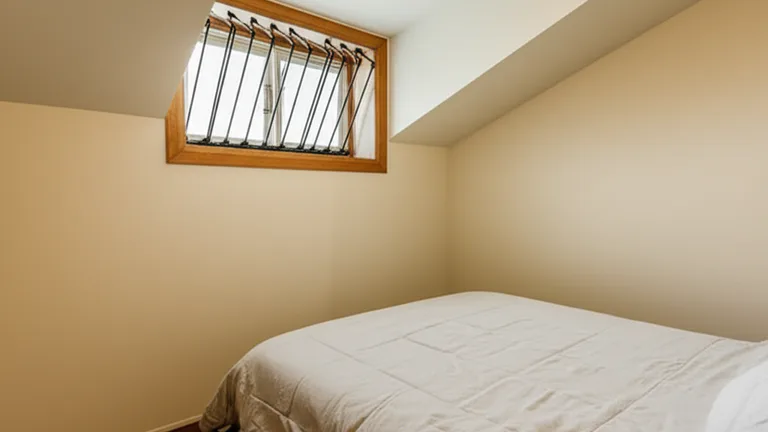
Security Window Bars (SWB) offers three distinct products engineered specifically for the U.S. residential and light commercial market, each addressing a different combination of security requirements, installation preferences, and building code compliance needs. Understanding which model is right for your specific window, occupancy type, and budget is the starting point for a genuinely effective window security strategy.All three SWB models are available for direct purchase through Amazon USA — the SWB Amazon storefront provides FBA-fulfilled shipping to all 50 states, with Prime delivery available to most U.S. addresses. All models can also be ordered directly through securitywb.com, where additional technical documentation, installation support, and volume pricing for landlords and property managers is available.For renters and homeowners who need a complete picture of the full SWB product lineup — including Model A telescopic bars, Model B wall-mount bars, and the egress-compliant Model A/EXIT — the detailed product specifications and side-by-side comparison are available at securitywb.com/model-a-exit/ for the egress-compliant option, securitywb.com/model-a/ for the standard telescopic system, and securitywb.com/model-b/ for the permanent wall-mount solution.
Model A/EXIT ($92): The Gold Standard for Egress-Compliant Window Security
The SWB Model A/EXIT is the flagship product in the SWB lineup and the most directly relevant solution for anyone searching for window security bars that open from inside. It features a patented quick-release mechanism that meets IBC, NFPA 101, IRC, and OSHA egress standards, a telescopic steel construction that adjusts to fit windows from 22 to 36 inches wide, a matte black powder-coated finish that complements modern home aesthetics, and a complete DIY installation profile that requires no drilling in most applications. At $92, it is the most cost-effective egress-compliant window bar system available in the U.S. market, available with fast shipping via Amazon FBA. For anyone installing bars on a bedroom window, basement sleeping area, or any other room that requires a code-compliant egress window, the Model A/EXIT is the correct choice — not a compromise, not a workaround, but the precisely engineered solution.
Model A ($90) and Model B ($91): Non-Egress Window Applications
For windows that are not required egress windows — upper-floor windows in non-sleeping rooms, utility room windows, commercial storage windows, or any window where egress code does not apply — the SWB Model A telescopic bar ($90) and Model B wall-mount bar ($91) provide maximum security at the lowest possible price point. The Model A offers the same telescopic adjustability as the Model A/EXIT without the patented egress release mechanism, making it appropriate for non-egress applications where the priority is purely forced-entry resistance. The Model B wall-mount system provides a more permanent, heavy-gauge steel installation for ground-floor windows, commercial properties, and garage windows where a fixed, non-removable bar system is preferred. Both models are available via Amazon USA with FBA fulfillment and are eligible for Prime shipping to all 50 states.
Landlords and Property Managers: Bulk Installation Strategy for Code Compliance
For landlords managing multiple rental units — whether a two-flat in Chicago, a garden apartment complex in Atlanta, or a portfolio of single-family rentals in Houston — the SWB product line provides a scalable, cost-effective approach to window security code compliance. The Model A/EXIT’s removable design means it can be removed between tenants, inspected, cleaned, and reinstalled in the next unit — unlike professionally installed fixed bars, which are permanent fixtures that stay with the property. At $92 per window, outfitting a 10-unit building with egress-compliant window bars on two bedroom windows per unit costs approximately $1,840 — compared to $12,000 to $36,000 for professionally installed permanent fixed bar systems. Contact SWB directly through securitywb.com/contact/ for volume pricing and property management packages.
🏆 Conclusion
Window security bars that open from inside are not a niche product for a narrow market — they are the legally required, safety-mandated, and practically superior choice for any window bar installation on a sleeping area, basement habitable space, or egress-required window anywhere in the United States. The statistics from the U.S. Fire Administration, the NFPA, and the FBI make the case on two fronts simultaneously: residential burglary is a real and pervasive threat affecting millions of American families every year, and residential fires kill thousands more when egress routes are blocked. The only responsible response to this dual threat is a window bar system that addresses both: maximum forced-entry resistance combined with instant, tool-free, interior-operable egress release. That is precisely what the SWB Model A/EXIT delivers — at a price point that makes professional installation costs look absurd by comparison. Whether you’re a renter in a ground-floor apartment in New York, a homeowner in Detroit, or a property manager in Houston, Security Window Bars has the right solution for your specific situation. Don’t wait for a break-in or a fire to make this decision — make it today, and make it right.
Security Window Bars · USA
Secure Your Home Today
Protect your home today. Shop Security Window Bars on Amazon: https://www.amazon.com/stores/SecurityWindowBars — fast FBA shipping to all 50 states. Or browse all models at securitywb.com.
Shop on Amazon →Frequently Asked Questions
Yes, in most U.S. residential applications involving sleeping areas, quick-release interior-operable window bars are legally required. The International Residential Code (IRC) Section R310, NFPA 101 (Life Safety Code), and the International Building Code (IBC) all mandate that any bars, grilles, or grates installed on required egress windows must be openable from the inside without a key or tool. Individual states and cities — including New York, California, Illinois, and Texas — enforce these requirements through adopted building and fire codes. Violating these codes can result in fines, failed inspections, and liability in the event of fire-related injuries or deaths.
No. Properly engineered quick-release window bar systems — including the SWB Model A/EXIT — are designed so that the release mechanism is accessible only from the interior side of the bars. The mechanism is recessed, inward-facing, and not reachable through a closed window. From the outside, the bars present an identical steel barrier to fixed, non-opening systems. NFPA 101 specifically requires that egress release mechanisms not be operable from the exterior side of the window. When purchasing any quick-release bar system, verify with the manufacturer that the release is interior-only to ensure both security and code compliance.
Both the SWB Model A ($90) and Model A/EXIT ($92) feature the same adjustable telescopic steel construction, fitting windows from 22 to 36 inches wide, with a matte black powder-coated finish and DIY installation requiring no drilling in most applications. The critical difference is the Model A/EXIT’s patented quick-release egress mechanism, which allows the bars to be opened from inside in seconds without tools, meeting IBC, NFPA 101, IRC, and OSHA egress standards. The Model A/EXIT is required for any sleeping-area or egress-window installation. The standard Model A is appropriate for non-egress windows — utility rooms, upper-floor non-sleeping rooms, or commercial storage applications — where egress code does not apply.
The SWB Model A/EXIT can be installed by most adults in 15 to 20 minutes with no special tools required. The process involves measuring the interior window frame width, adjusting the telescopic bar to the correct fit, and securing it in position using the built-in compression lock. Optional anchor points are included for enhanced security in higher-risk environments. Detailed step-by-step instructions for all window types — including single-hung, double-hung, and sliding windows — are available at securitywb.com/installation/. No locksmith, contractor, or professional installer is needed, making this one of the most genuinely DIY-friendly security upgrades available for U.S. apartments and homes.
Yes, and they are especially important for basement windows. Basement windows are disproportionately targeted in residential burglaries, and any basement room used as a sleeping or habitable space is almost certainly subject to IRC Section R310 egress requirements, meaning you are legally required to install bars with a quick-release interior-operable mechanism. The SWB Model A/EXIT adjusts to fit standard basement window widths within the 22- to 36-inch range. For very narrow basement windows outside this range, or windows with non-standard frames, contact SWB directly at securitywb.com/contact/ for guidance on the appropriate solution.
Absolutely — quick-release, telescopic window security bars like the SWB Model A/EXIT are purpose-built for apartment renters. They install without permanent drilling in most window configurations, meaning no damage to window frames or sills and no lost security deposit. When you move out, you simply release the compression lock, remove the bars, and take them with you to your next apartment. At $92, they are dramatically less expensive than professionally installed fixed bars ($600–$1,800 per window), and they are available with fast Amazon FBA delivery to all 50 states. For renters in high-crime urban areas — New York, Chicago, Los Angeles, Houston, Philadelphia — this is one of the highest-value security upgrades available at any price point.
Under IRC Section R310, every sleeping room (bedroom) must have at least one emergency escape and rescue opening. This means any window in a room that is used or could be used as a sleeping area is almost certainly a required egress window. Basement rooms used for sleeping are also covered. The minimum specifications are: 5.7 square feet net clear opening (5.0 sq ft for grade-floor openings), minimum 24-inch net clear height, minimum 20-inch net clear width, and maximum 44-inch sill height from the floor. If you are unsure whether your specific window meets egress requirements, consult your local building department, fire marshal’s office, or a licensed building inspector. When in doubt, always install window security bars that open from inside — not fixed bars.
Installing fixed, non-opening window bars on a required egress window is a building code violation in most U.S. jurisdictions and can have serious consequences. During a building inspection or permit review, non-compliant bars will result in a failed inspection and a required correction order. More importantly, if a fire occurs and an occupant is unable to escape through a barred egress window, the property owner or landlord may face significant civil and criminal liability. In documented residential fire fatalities involving fixed bars on egress windows, property owners have faced wrongful death lawsuits and criminal negligence charges. Beyond the legal risk, the human cost is irreversible. The correct solution — quick-release window security bars that open from inside — costs $92 per window and eliminates both the legal and life safety risk entirely.