

In an era dominated by cloud computing, artificial intelligence, and global connectivity, data centers and critical IT facilities form the backbone of the modern economy. Financial systems, healthcare networks, government services, and digital platforms all depend on uninterrupted data availability.
In 2026, window bars for data centers and critical IT facilities remain a foundational element of physical security strategies. While cybersecurity receives significant attention, physical breaches continue to represent a serious and often underestimated risk to digital infrastructure.
Data centers differ fundamentally from traditional commercial or office buildings. They house high-value assets, operate continuously, and require strict environmental controls to maintain system integrity.
Windows in data centers often serve administrative areas, support spaces, perimeter corridors, and legacy structures. If left unsecured, these openings can provide a direct path to mission-critical infrastructure.
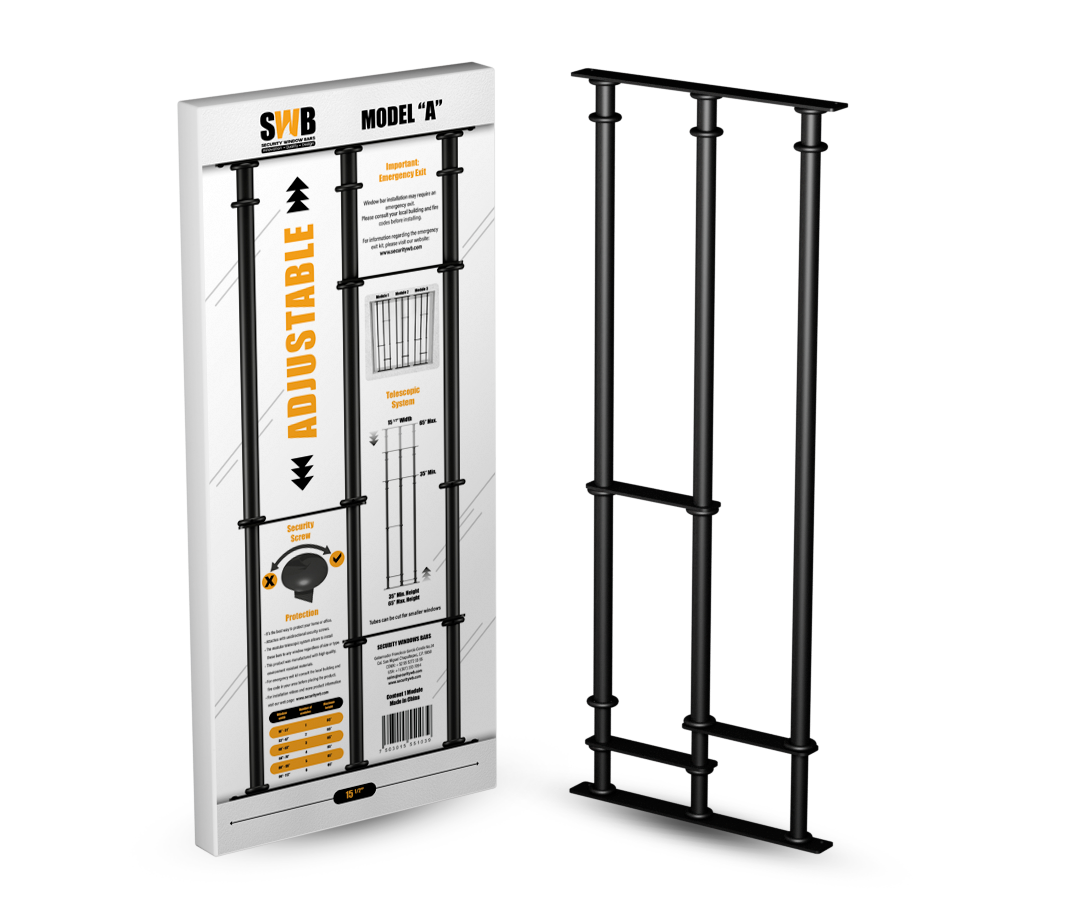
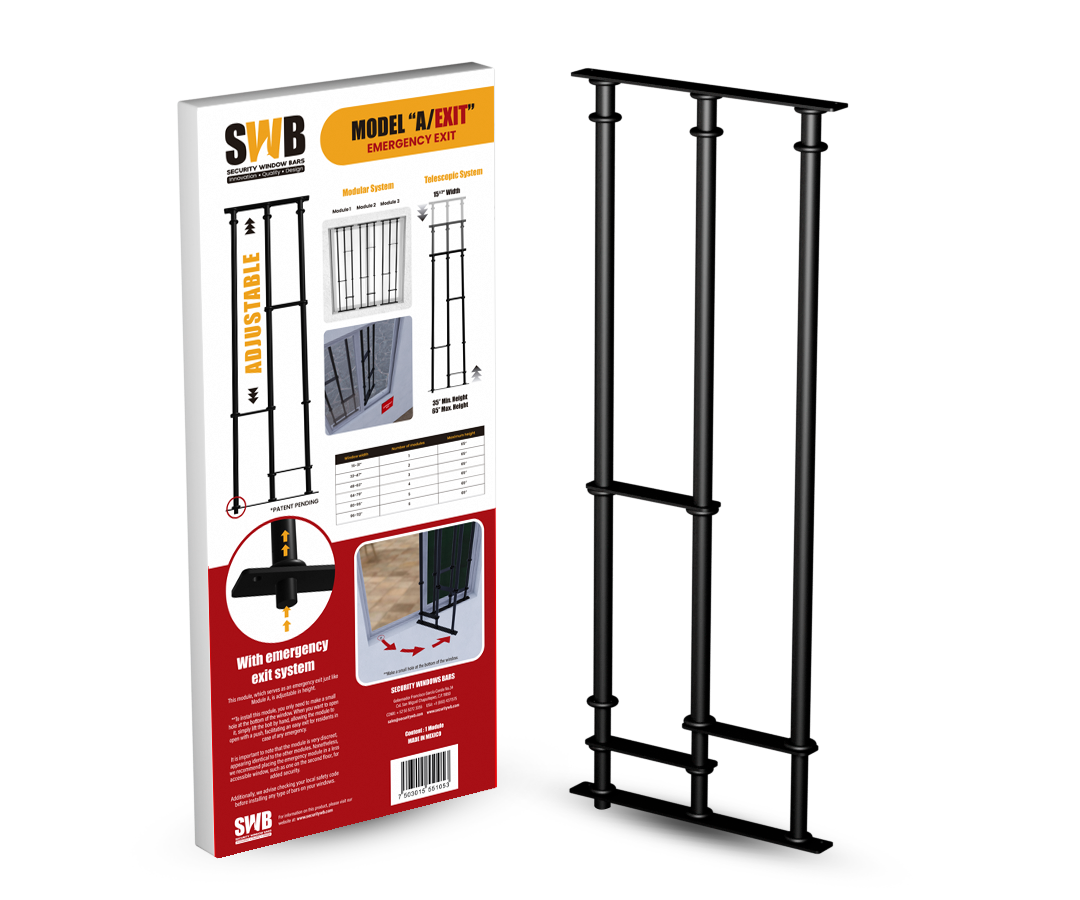
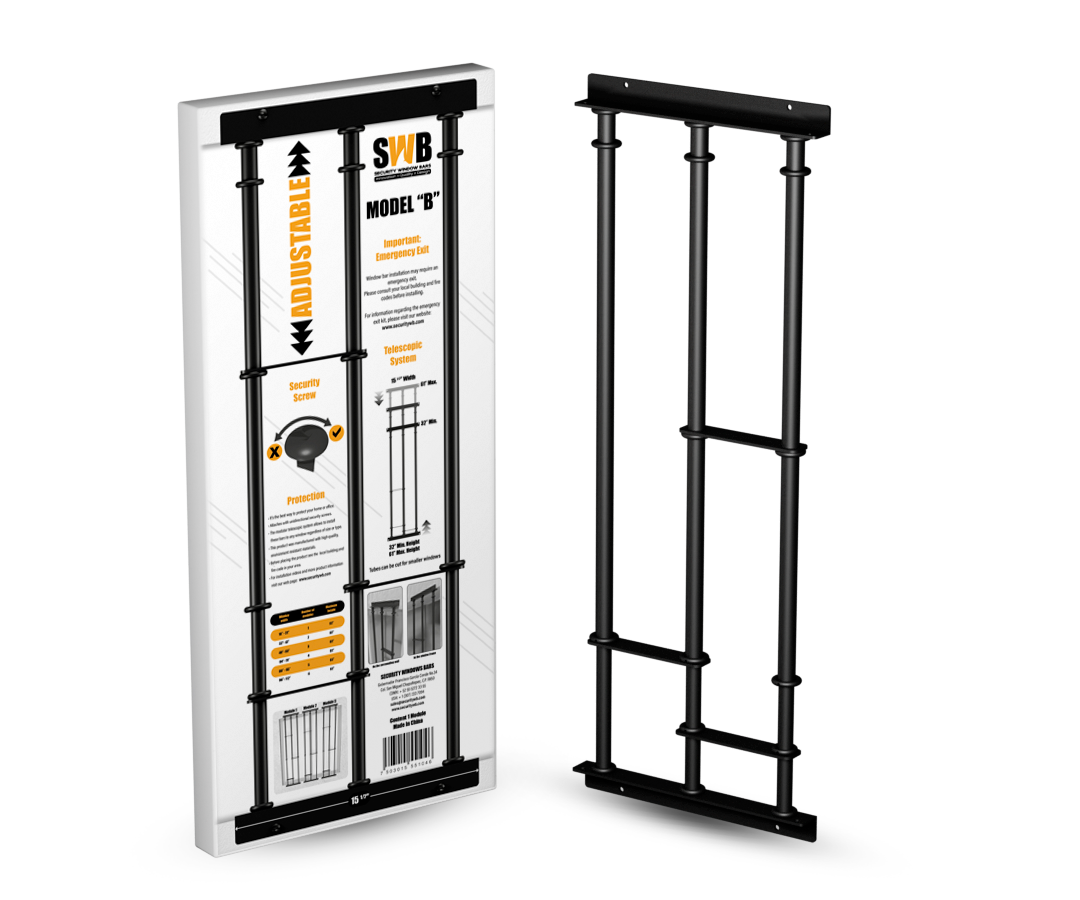
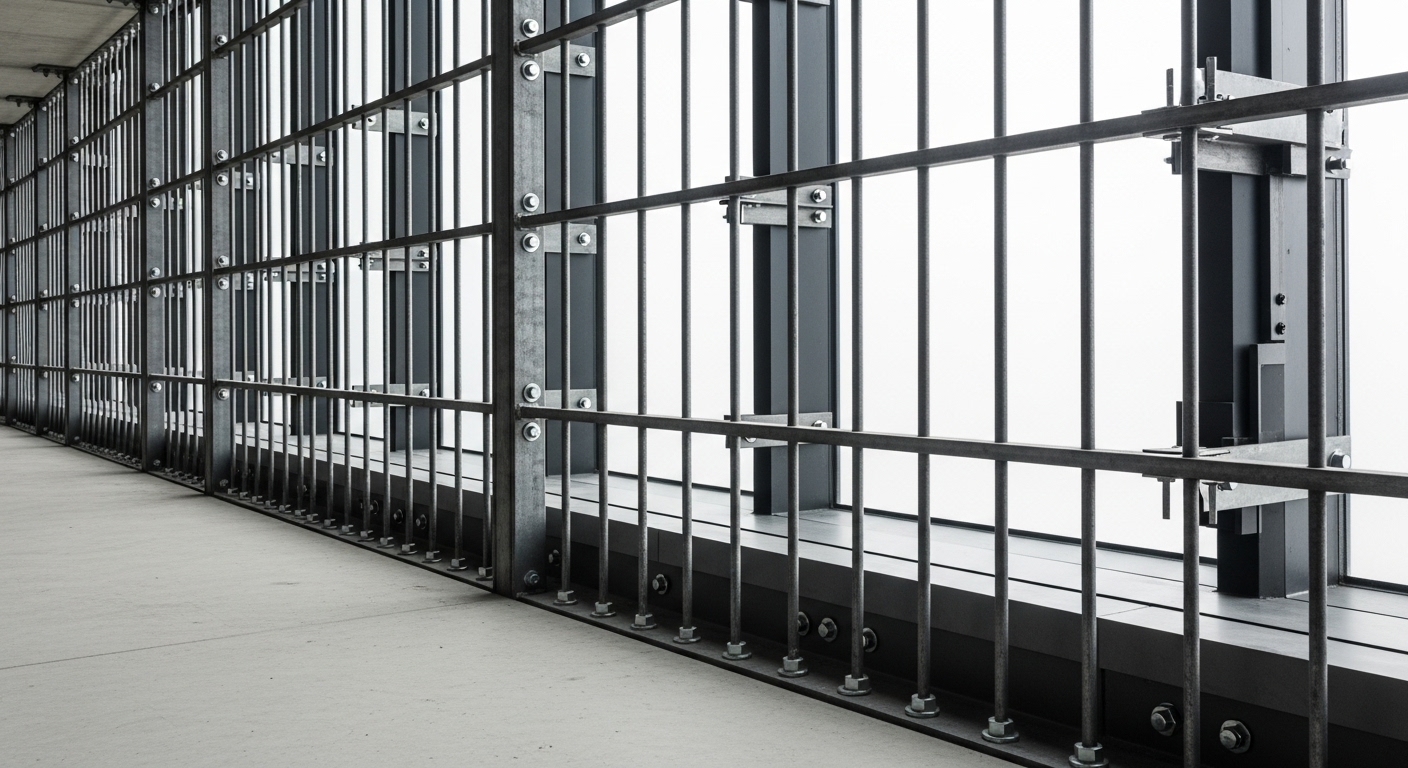
Window bars provide a passive, always-on layer of physical protection that complements electronic access controls and surveillance systems.
In data centers and IT facilities, window bars are commonly installed in:
By physically preventing unauthorized entry, window bars eliminate a common attack vector and reduce reliance on active monitoring systems.
Data centers must account for a wide range of threat scenarios, many of which involve physical access. Windows are often targeted because they are perceived as less monitored than primary entrances.
Common threat scenarios include:
Window bars mitigate these risks by physically restricting access and increasing the effort, time, and visibility required for an attack.
For data center operators, uptime is not merely a performance metric—it is a contractual and reputational obligation. Even brief outages can result in significant financial and operational consequences.
Physical security breaches can:
Window bars support business continuity by reducing the likelihood of unauthorized access and associated disruptions.
Data centers are subject to stringent building, fire, and safety regulations. Any physical security measure must comply fully with these requirements.
Properly engineered window bars can meet compliance requirements while still providing robust security.
Physical security products used in data centers must meet high technical standards due to environmental sensitivity and continuous operation.
These standards ensure long-term reliability without compromising environmental controls or maintenance protocols.
| Security Measure | Effectiveness | Reliability | Operational Impact |
|---|---|---|---|
| Window Bars | High | Very High | Minimal |
| Electronic Access Control | High | High | Active |
| Security Screens | Low | Medium | Limited |
Data centers and critical IT facilities deploy window bars in highly specific, risk-informed ways. Unlike general commercial properties, these environments are engineered around uptime, redundancy, and strict access control.
Common real-world use cases include:
In colocation and hyperscale environments, window bars are often standardized across facilities to maintain consistent security posture and audit readiness.
Effective data center security relies on the integration of physical and cybersecurity measures. Window bars play a foundational role in this layered approach by eliminating basic physical vulnerabilities.
They are typically integrated with:
By removing window-based access vectors, security teams can focus resources on higher-level threats and operational monitoring.
Data centers must remain secure during power outages, natural disasters, and regional emergencies. Physical security measures must therefore function independently of electrical and network systems.
Window bars contribute to resilience by:
This passive reliability is especially valuable in disaster recovery and business continuity scenarios.
Data centers are subject to frequent audits and compliance reviews, including industry standards and regulatory frameworks.
Properly specified window bars support compliance with:
From an audit perspective, physical barriers demonstrate proactive risk mitigation and reduce the likelihood of findings related to facility access vulnerabilities.
Data center environments require strict control of airflow, temperature, and humidity. Physical security solutions must not interfere with these critical environmental controls.
Modern window bar systems are designed to:
This ensures that security enhancements do not compromise operational efficiency or equipment performance.
Critical IT facilities are long-term investments with lifecycle horizons measured in decades. Physical security infrastructure must therefore be durable and easy to maintain.
Best practices for managing window bars in data centers include:
Lifecycle management ensures ongoing compliance and consistent security performance over time.
Yes. Window bars are widely used in data centers and critical IT facilities, particularly in ground-level and perimeter-facing areas.
No. Properly designed window bars allow full airflow and do not obstruct environmental systems.
Yes. Modern systems are engineered to support compliance with industry standards and regulatory frameworks.
They are often installed in non-public or service areas, or integrated discreetly to minimize visual impact.
Yes. By physically eliminating common vulnerabilities, window bars significantly reduce intrusion and sabotage risk.
Window bars for data centers and critical IT facilities are not a legacy security measure—they are a modern necessity. As digital infrastructure becomes more central to global operations, the importance of robust physical protection continues to grow.
By integrating code-compliant, high-performance window bar systems into a layered security strategy, organizations can protect critical assets, support compliance, and ensure uninterrupted digital services.
In an era where digital resilience underpins economic and societal stability, investing in reliable physical security is both a strategic and operational imperative.
Security WB Home




EMAIL ADDRESS: sales@securitywb.com
SITE: www.securitywb.com
PHONE:
CDMX: +52 (55) 5272 3355 USA: +1 (650) 4371 575
COOKIES POLICY
Security Window Bars LLC ("SWB") uses cookies and similar technologies to improve your browsing experience and enhance the functionality of our website www.securitywb.com (the “Website”). This Cookies Policy explains what cookies are, how we use them, and how you can manage your cookie preferences.
By using our Website, you agree to our use of cookies as described in this policy.
Last Updated: 01/01/25