Window fall prevention isn’t a “freak accident” category—it’s a predictable household risk with patterns you can design out of your home. In the United States, thousands of children are treated in emergency departments every year after falling from windows, and safety officials have warned for decades that these incidents rise during warmer months when families open windows for ventilation. (U.S. Consumer Product Safety Commission)
The hard truth is simple: a single open window can become a fall hazard in seconds—especially when a toddler discovers a new climbing skill overnight. The room didn’t change. The child changed. That’s why window fall prevention works best when it’s built into your environment, not dependent on perfect supervision.
This guide turns window fall prevention into an actionable, room-by-room system. You’ll learn how falls happen, which rooms create the highest risk, which devices actually work (and which ones don’t), and how to protect kids without creating an emergency trap. Because real home safety is not just “anti-intruder.” It’s anti-tragedy.
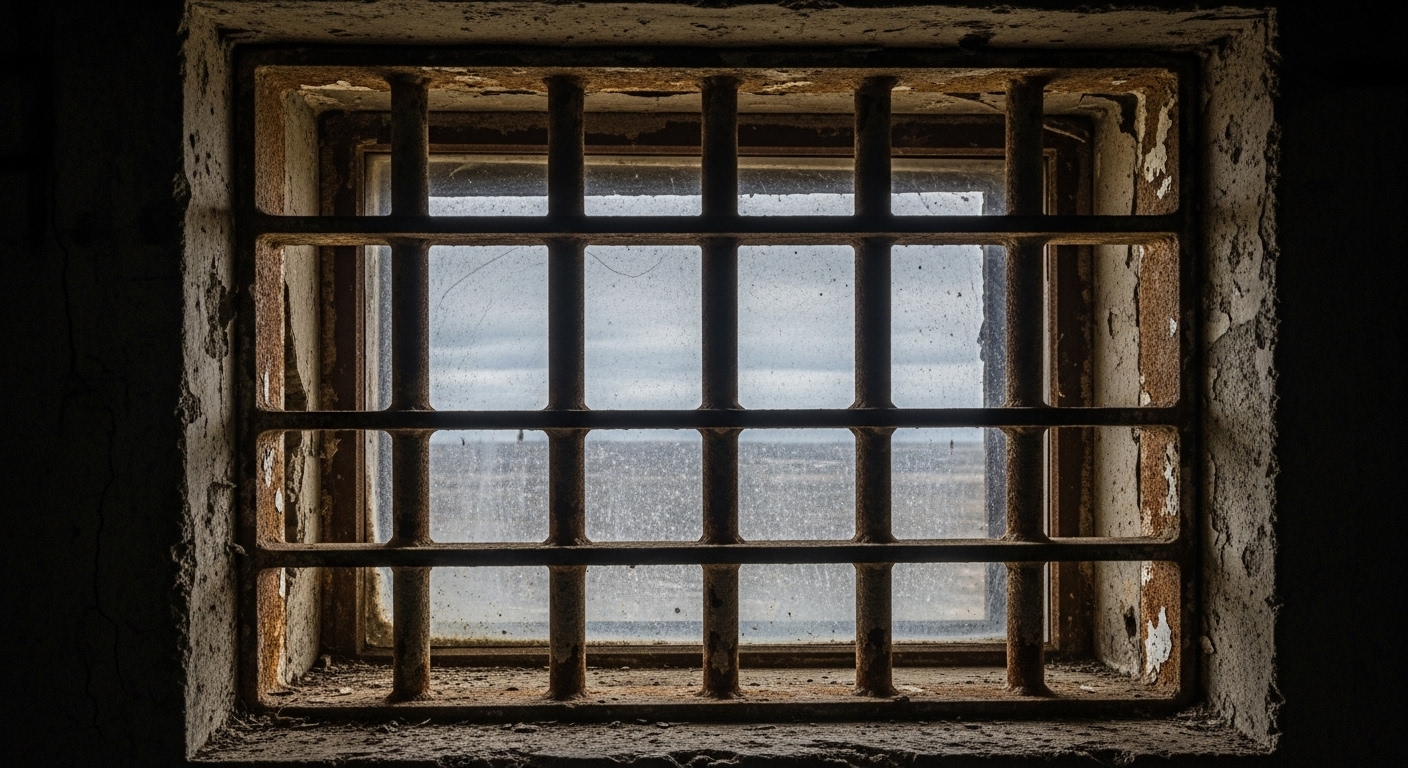
Correctional facilities represent one of the most complex security environments in existence. They must prevent escape, protect staff, ensure inmate safety, and comply with strict legal, ethical, and humanitarian standards.
Within this environment, windows are not architectural details. They are controlled interfaces between confinement and safety.
This is why window bars for prisons and correctional facilities are engineered with far more rigor than any residential or commercial application.
This guide serves as a definitive reference for correctional administrators, government agencies, architects, and security engineers responsible for designing or upgrading correctional infrastructure.
Security WB HomeCorrectional facilities operate under constant scrutiny. Every design decision must balance:
Historically, windows have been involved in:
Even in correctional environments, life-safety regulations apply. Emergency release systems are staff-controlled and protocol-driven.
IF correctional.window.is_required_egress == true:
    REQUIRE controlled_release = true
    release.access = staff_only
Correctional window bars must:
Bars are typically:
Correctional risk assessments consistently confirm that engineered physical barriers are irreplaceable in secure environments.
| Solution | Escape Prevention | Inmate Safety | Longevity |
|---|---|---|---|
| Correctional Window Bars | ★★★★★ | ★★★★★ | 40+ Years |
| Electronic Sensors | ★★★ | ★★★★ | 10–15 Years |
| Security Screens | ★ | ★★★ | 10 Years |
Bars prevent escape and support long-term confinement.
Bars balance security and rapid staff response.
Specialized designs address short-term custody risks.
In most cases, yes.
No, when designed for safety and dignity.
Yes, correctional standards exceed normal codes.
Government and correctional authorities.
Window bars for prisons and correctional facilities are not optional design elements. They are foundational components of secure, humane, and legally compliant institutions.
In 2026, correctional systems that invest in engineered, compliant window protection demonstrate responsibility to staff, inmates, and society at large.
Secure Correctional FacilitiesCOOKIES POLICY
Security Window Bars LLC ("SWB") uses cookies and similar technologies to improve your browsing experience and enhance the functionality of our website www.securitywb.com (the “Website”). This Cookies Policy explains what cookies are, how we use them, and how you can manage your cookie preferences.
By using our Website, you agree to our use of cookies as described in this policy.
Last Updated: 01/01/25