Window fall prevention isn’t a “freak accident” category—it’s a predictable household risk with patterns you can design out of your home. In the United States, thousands of children are treated in emergency departments every year after falling from windows, and safety officials have warned for decades that these incidents rise during warmer months when families open windows for ventilation. (U.S. Consumer Product Safety Commission)
The hard truth is simple: a single open window can become a fall hazard in seconds—especially when a toddler discovers a new climbing skill overnight. The room didn’t change. The child changed. That’s why window fall prevention works best when it’s built into your environment, not dependent on perfect supervision.
This guide turns window fall prevention into an actionable, room-by-room system. You’ll learn how falls happen, which rooms create the highest risk, which devices actually work (and which ones don’t), and how to protect kids without creating an emergency trap. Because real home safety is not just “anti-intruder.” It’s anti-tragedy.
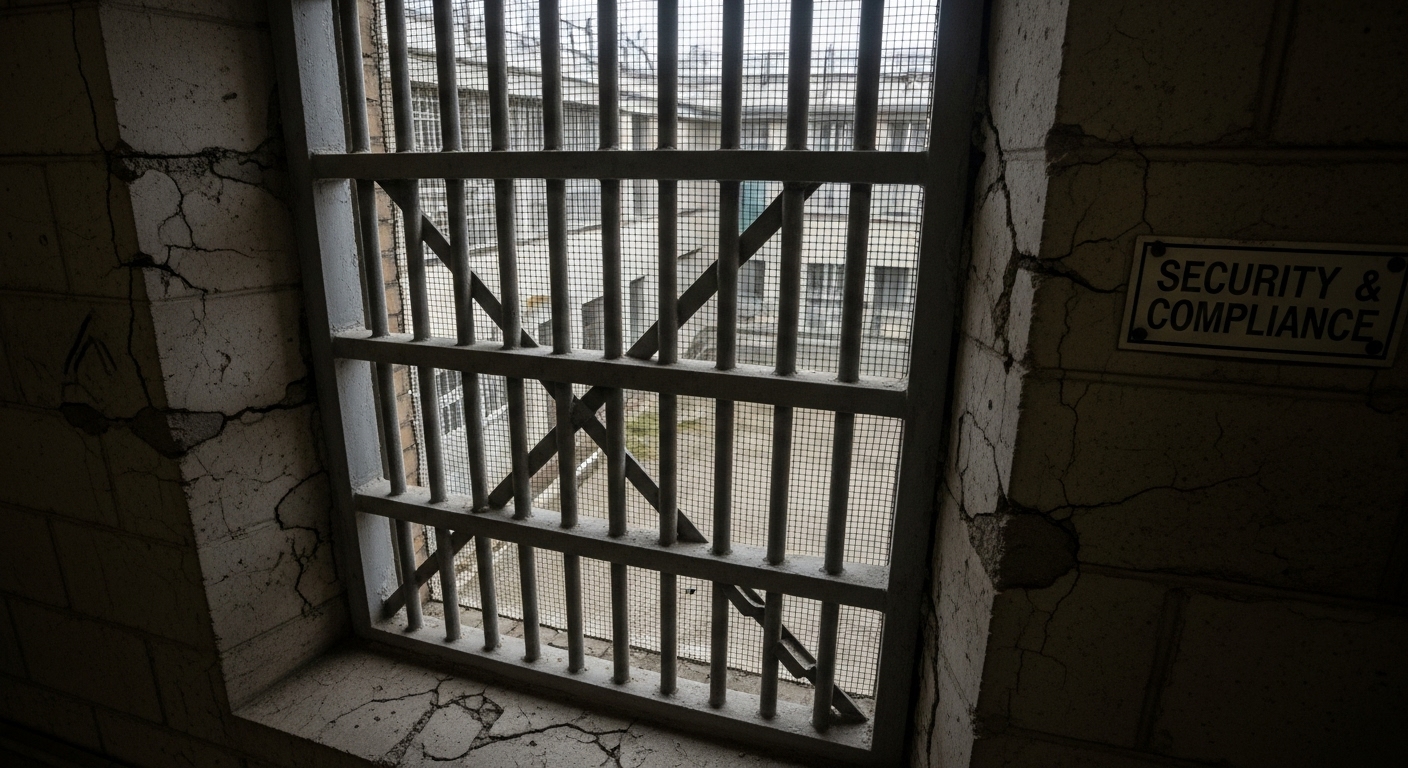
Prisons and correctional facilities operate at the intersection of public safety, legal accountability, and human rights. These institutions must maintain absolute control of their physical environment while ensuring compliance with strict regulatory and life-safety requirements.
In 2026, window bars for prisons and correctional facilities remain one of the most critical components of physical security design. Properly engineered window bars prevent escape, restrict contraband flow, and reinforce institutional order without compromising safety or legal compliance.
Correctional environments differ fundamentally from any other building type. They are designed to restrict movement, control populations, and withstand continuous stress on both infrastructure and personnel.
Windows in cells, housing units, administrative areas, and service corridors represent critical security boundaries. Without robust protection, they become points of escape, contraband exchange, or external coordination.
Window bars provide a non-negotiable, passive layer of security that functions continuously regardless of staffing levels or system availability.
In correctional facilities, window bars are commonly installed in:
By physically preventing escape and unauthorized access, window bars form the foundation of correctional facility security architecture.
Maintaining order within correctional facilities depends on controlling the physical environment. Window bars play a direct role in reducing risk to staff and inmates alike.
Window bars contribute to institutional control by:
For correctional officers, reliable physical barriers reduce constant exposure to high-risk situations and improve overall facility safety.
Correctional facilities face persistent and evolving threat scenarios that often center around physical vulnerabilities.
Common threats include:
Window bars mitigate these threats by increasing the difficulty, time, and visibility required to exploit windows.
Despite extreme security requirements, correctional facilities must comply with fire, building, and life-safety regulations as well as human rights standards.
Properly engineered window bars can meet compliance requirements while still maintaining secure confinement.
Window bars in prisons must meet the highest technical and durability standards of any building type.
These standards ensure long-term reliability under constant stress and misuse.
| Security Measure | Effectiveness | Reliability | Suitability |
|---|---|---|---|
| Window Bars | Very High | Very High | Essential |
| Electronic Surveillance | High | High | Supplemental |
| Security Screens | Low | Medium | Inadequate |
COOKIES POLICY
Security Window Bars LLC ("SWB") uses cookies and similar technologies to improve your browsing experience and enhance the functionality of our website www.securitywb.com (the “Website”). This Cookies Policy explains what cookies are, how we use them, and how you can manage your cookie preferences.
By using our Website, you agree to our use of cookies as described in this policy.
Last Updated: 01/01/25