

From Broom Handles to Engineered Security: Maximizing Patio Defense in 2026
Category: Home Security / Entry Protection | Read Time: 28 Mins | Author: Security WB
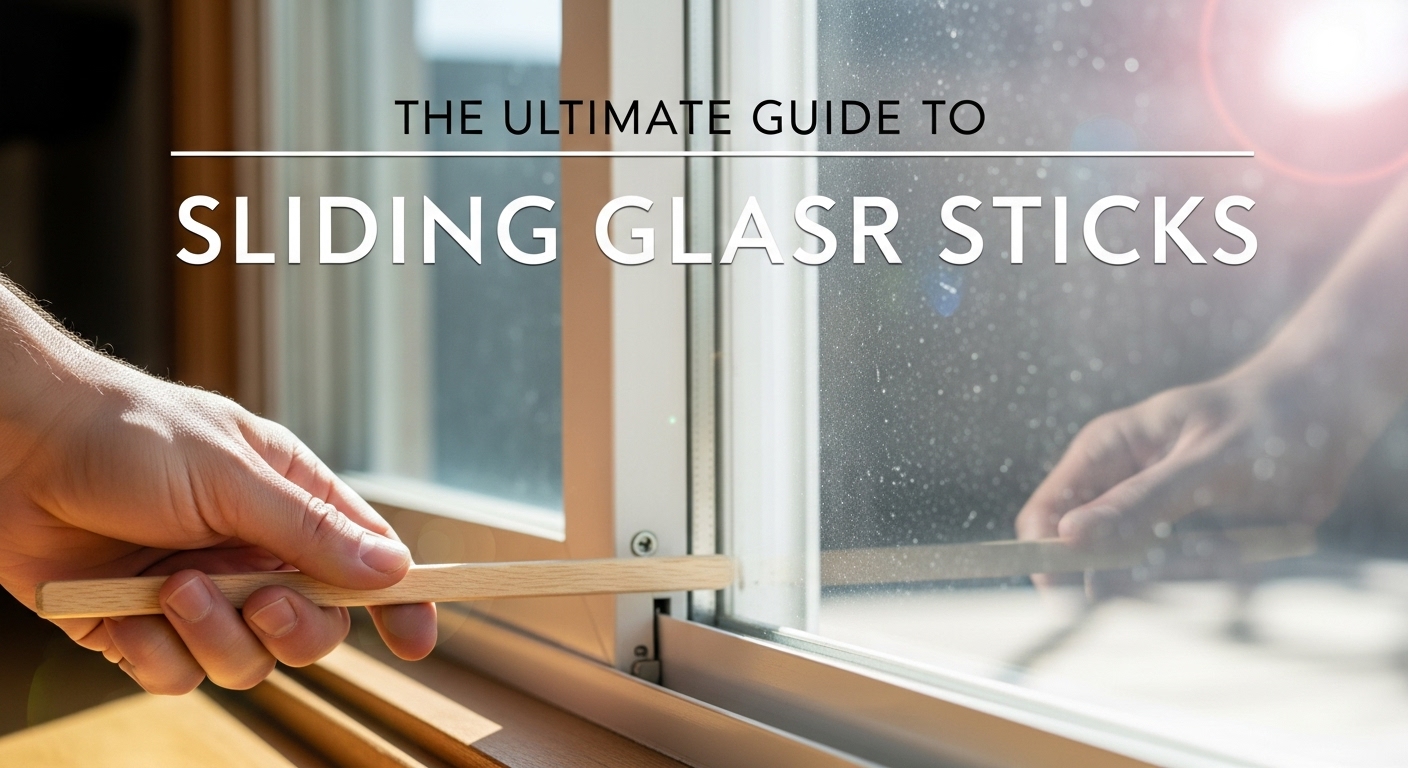
If you walk through any suburban neighborhood in America in 2026, peer through a backyard fence, and look at the patio door, you will likely see a familiar sight: a sawed-off broomstick lying in the bottom track of a sliding glass door. It is perhaps the most ubiquitous piece of "DIY security" in history. But why does it exist?
It exists because deep down, every homeowner knows a terrifying truth: factory-installed sliding door latches are garbage.
The standard latch on an aluminum or vinyl sliding door is often a simple hook mechanism designed to keep the door closed against wind, not against a dedicated intruder. A flathead screwdriver and 15 seconds of leverage are usually enough to defeat it. This guide explores the evolution of the humble "Sliding Glass Door Stick" (security bar) from a wooden dowel to a sophisticated, adjustable, engineered security device that serves as the primary line of defense for the most vulnerable entry point in your home.
We will dismantle the myths, explain why "anti-lift" geometry matters, and show you how to implement a system that is both secure and aesthetically pleasing (no more ugly PVC pipes).
Upgrade Your PerimeterTo understand why a stick works (or fails), we must analyze the attack vectors used against sliding doors. Unlike hinged doors which are kicked (impact force), sliding doors are manipulated (leverage force).
An intruder typically attacks a slider in two ways:
The "Stick" Theory: A physical bar placed in the track acts as a Static Compression Strut. It transfers the horizontal force of the opening attempt directly into the solid frame of the fixed door panel. Since steel (or even wood) has high compressive strength, the door cannot slide.
In the early 2000s, the "stick" was passive—just a blocker. In 2026, the concept has evolved into "Active Retention." Modern devices, like the Charley Bar or telescoping security bars, not only block horizontal movement but also exert downward pressure or engage with the frame to prevent the Vertical Lift attack. This is a critical distinction: a broomstick prevents sliding but does NOTHING to stop lifting. A properly engineered security bar does both.
Let's move away from improvisation and towards engineering. We will break down the technical specifications of a high-security sliding door bar.
The material of your stick dictates its failure point.
• Wood (Pine Dowel): Compressive strength ~5,000 PSI. Susceptible to rot, snapping, and moisture warping.
• PVC Pipe: Flexible. Can bend under heavy force, allowing the door to pop the latch.
• Anodized Aluminum/Steel (SWB Standard): Compressive strength 30,000+ PSI. Rigid. No flex. This is the only acceptable standard for security.
Placing a stick in the bottom track is annoying—you have to bend down every time. The technical solution is the Waist-Height Hinged Bar (often called a Charley Bar). It mounts to the side of the door frame and swings down to lock.
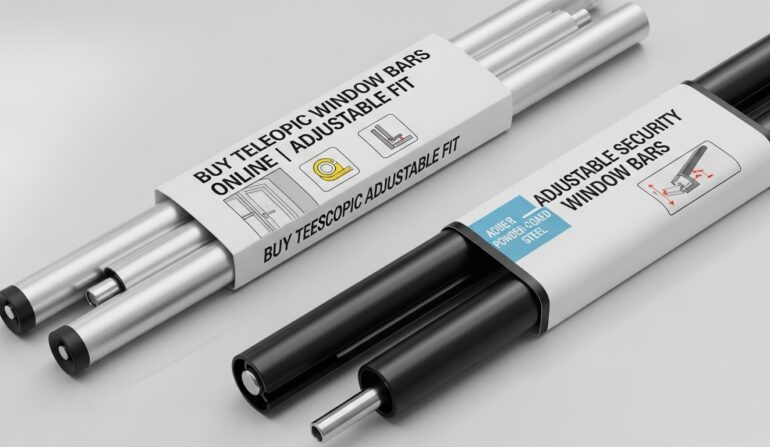
For those who prefer the track method but want adjustability (for ventilation), modern telescoping sticks offer "Ventilation Mode." These bars have spring-loaded pins that lock into holes in the bar. You can lock the door while it is open 4 inches for air. This is impossible with a fixed wooden dowel.

Why obsess over the back door? The data speaks for itself.
Of all residential break-ins occur through the back door (FBI Uniform Crime Reporting 2024-2026).
Average time to defeat a standard manufacturer sliding latch using a flathead screwdriver.
The number of burglars who can silently defeat a properly installed, high-visibility steel security bar without breaking glass (which creates noise).
The "Visual Deterrence" Factor: A study by the University of North Carolina found that 60% of convicted burglars stated they would seek an alternative target if they saw a visible security device. A broomstick in the track is hard to see from 10 feet away. A waist-height, white or aluminum powder-coated security bar is clearly visible, signaling "Hard Target."
Is it worth spending $30 on a bar when a stick is free? Let's analyze.
| Solution | Wooden Dowel / Broomstick | Telescopic Pressure Bar (Track) | Hinged "Charley" Bar (Frame) |
|---|---|---|---|
| Cost | $0 - $5 | $15 - $25 | $30 - $50 |
| Anti-Slide | High | High | High |
| Anti-Lift | Zero | Moderate (Pressure dependent) | Excellent (Locks frame to door) |
| Ventilation Lock | No (Must remove stick) | Yes (Pin adjustable) | No (Unless custom installed) |
| Convenience | Low (Must bend down) | Medium (Kick to adjust) | High (Swing down) |
Winner: The Hinged "Charley" Bar wins on security metrics because it unifies the door and frame, preventing lifting. The Telescopic Track Bar wins on versatility for renters who cannot drill holes.
User: The Thompson Family. Two working parents, one 10-year-old coming home from school.
Problem: The parents worry about the child forgetting to lock the sliding door, or the door being left unlocked for the dog.
Solution: They install a Self-Locking Hinged Bar mounted high on the frame. It is out of reach of toddlers (preventing them from wandering out to the pool) but easy for the 10-year-old to swing down after entering. The visual indicator (Bar Down = Safe) gives the parents peace of mind via the indoor camera check.
User: Liam, renting a ground-floor apartment.
Problem: Lease forbids drilling holes. The sliding door latch is loose.
Solution: Liam buys a Heavy-Duty Telescopic Track Bar (like the SWB Adaptable Stick). It uses a pressure fit and a rubber foot. He adjusts it to fit the track tightly. To address the "lifting" risk, he adds a secondary clamp-on track lock (thumbscrew) to the top rail, which leaves no marks but prevents the door from being jacked up.
A: It can, if you panic. This is why "Waist-Height" bars are safer than track sticks. In a smoke-filled room, bending down to find a broomstick in the dark is disorienting. A bar at handle-height is intuitive. Always practice removing it with your eyes closed.
A: Absolutely not. Shower rods are spring-tension devices designed to hold a 2lb curtain. A burglar can collapse the spring with a firm shove. You need a mechanical lock (pin or screw), not just friction.
A: If they break the glass, the stick is bypassed—they can reach in and remove it (unless it has a keyed lock, which is illegal for egress in many places). However, breaking tempered glass is loud and dangerous. Most burglars prefer prying. The stick stops the pry. To stop the break, you need Security Window Film applied to the glass.
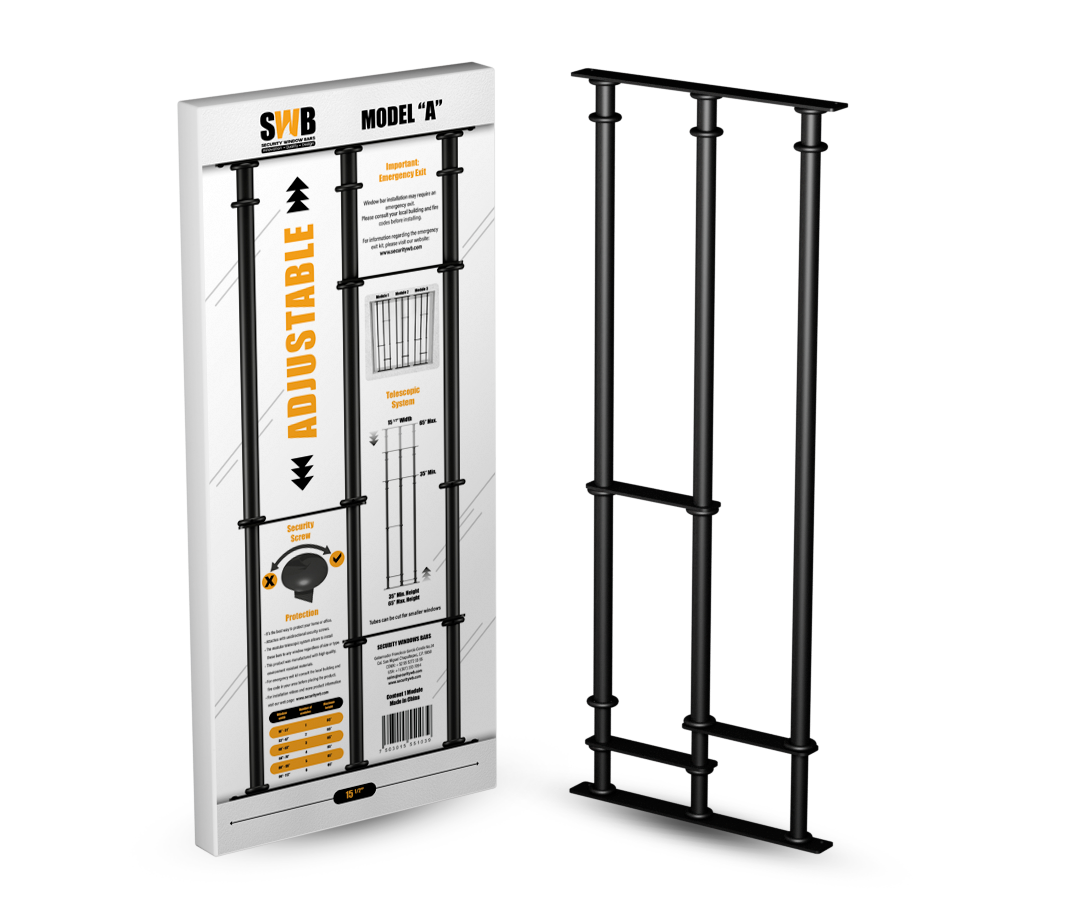
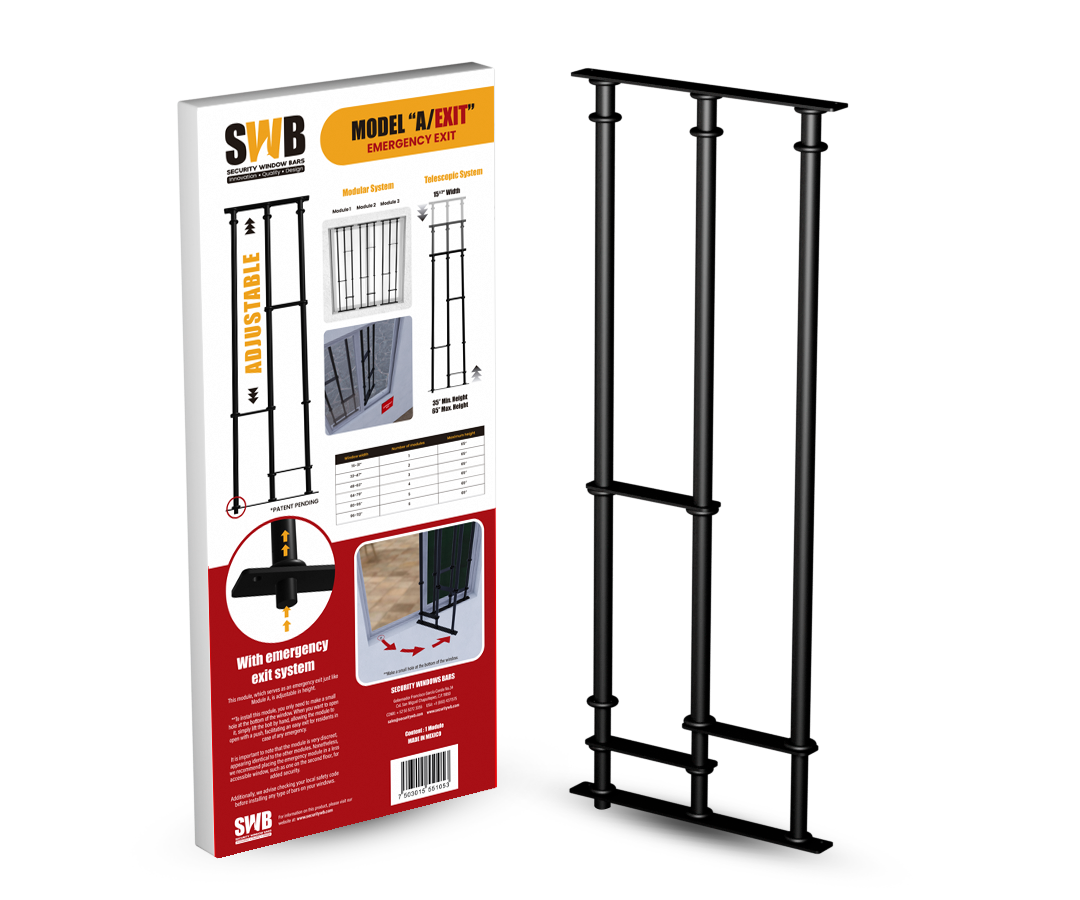
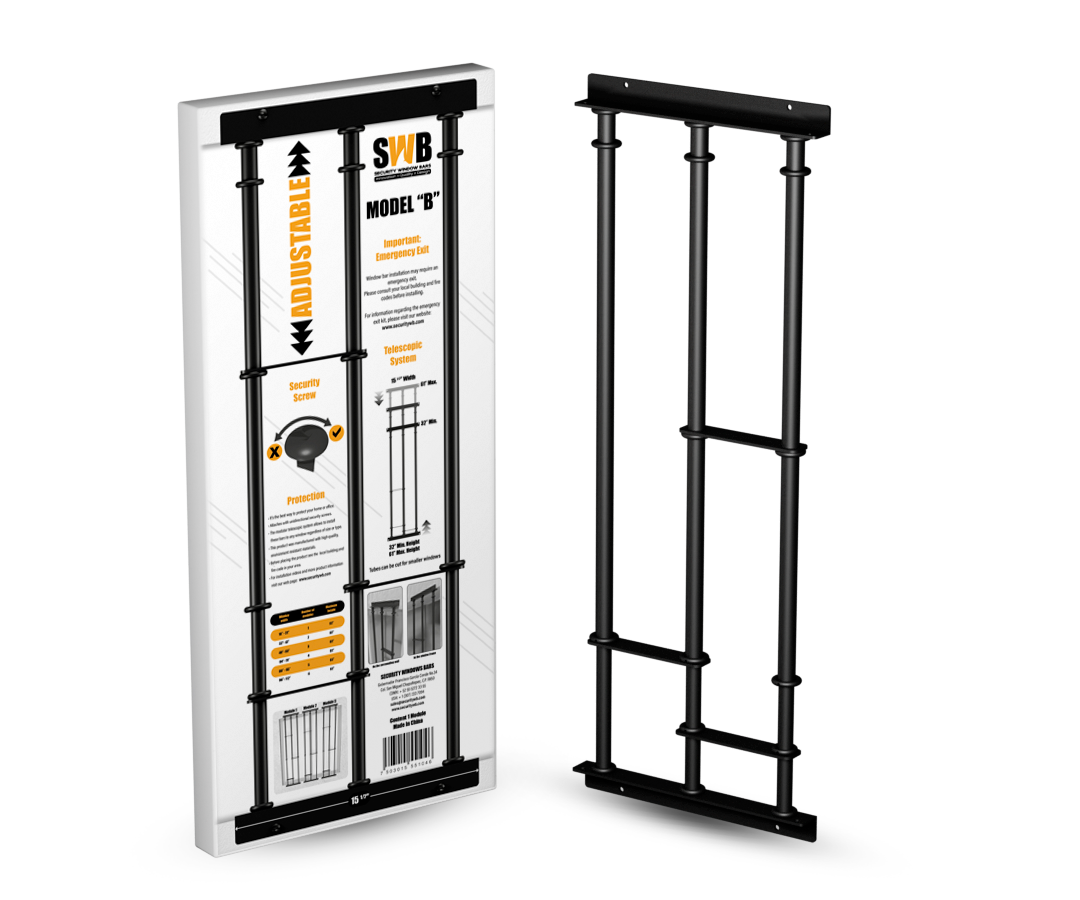
A: Measure the width of the opening when the door is fully closed (from the edge of the sliding door to the jamb). Most adjustable bars cover 28" to 48". If you have a custom oversized door, you may need to join two modular tubes (a feature of SWB systems).
The "Sliding Glass Door Stick" is not just a stick; it is a symbol of layered defense. It represents the understanding that convenience (a sliding door) often comes at the cost of security, and that cost must be paid with reinforcement.
In 2026, relying on a wooden dowel is better than nothing, but it is obsolete. The intersection of safety (anti-lift), usability (waist-height), and aesthetics (glassmorphism-ready designs) demands an engineered solution. Upgrade your perimeter today. Make your patio door a wall, not a welcome mat.
COOKIES POLICY
Security Window Bars LLC ("SWB") uses cookies and similar technologies to improve your browsing experience and enhance the functionality of our website www.securitywb.com (the “Website”). This Cookies Policy explains what cookies are, how we use them, and how you can manage your cookie preferences.
By using our Website, you agree to our use of cookies as described in this policy.
Last Updated: 01/01/25