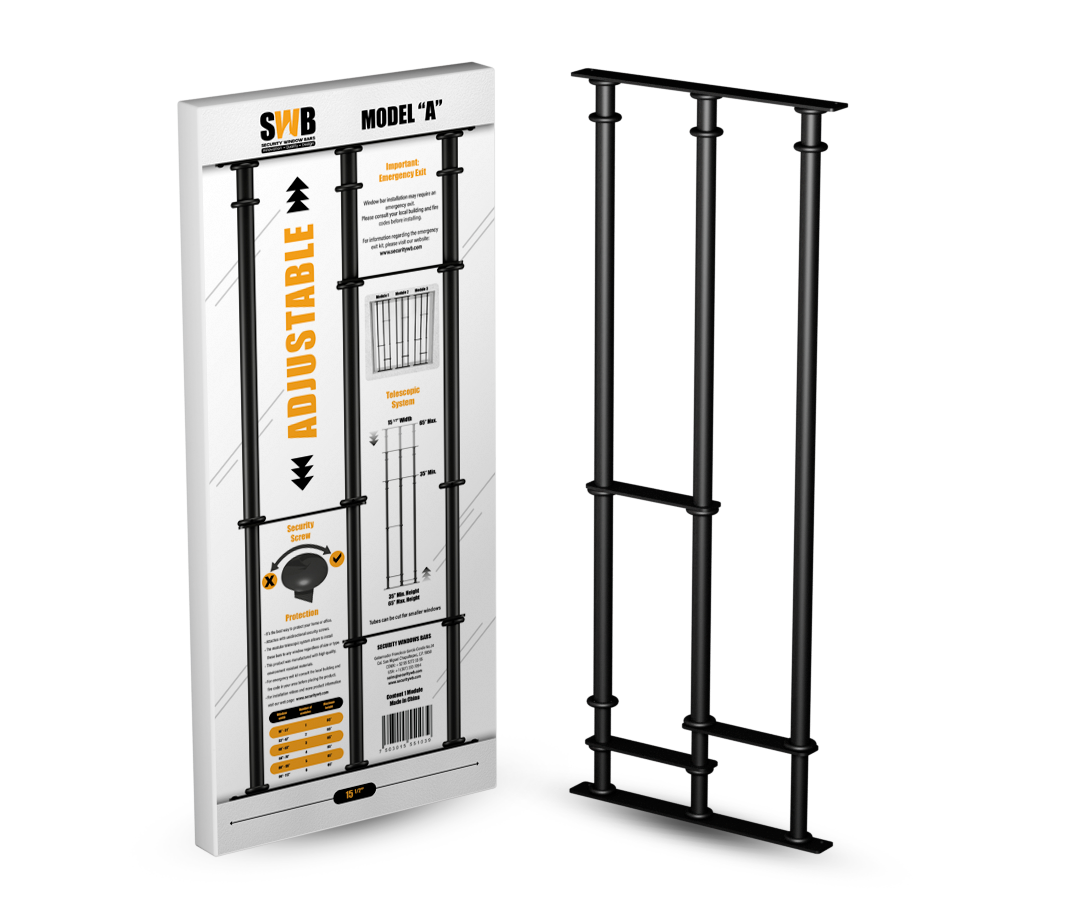
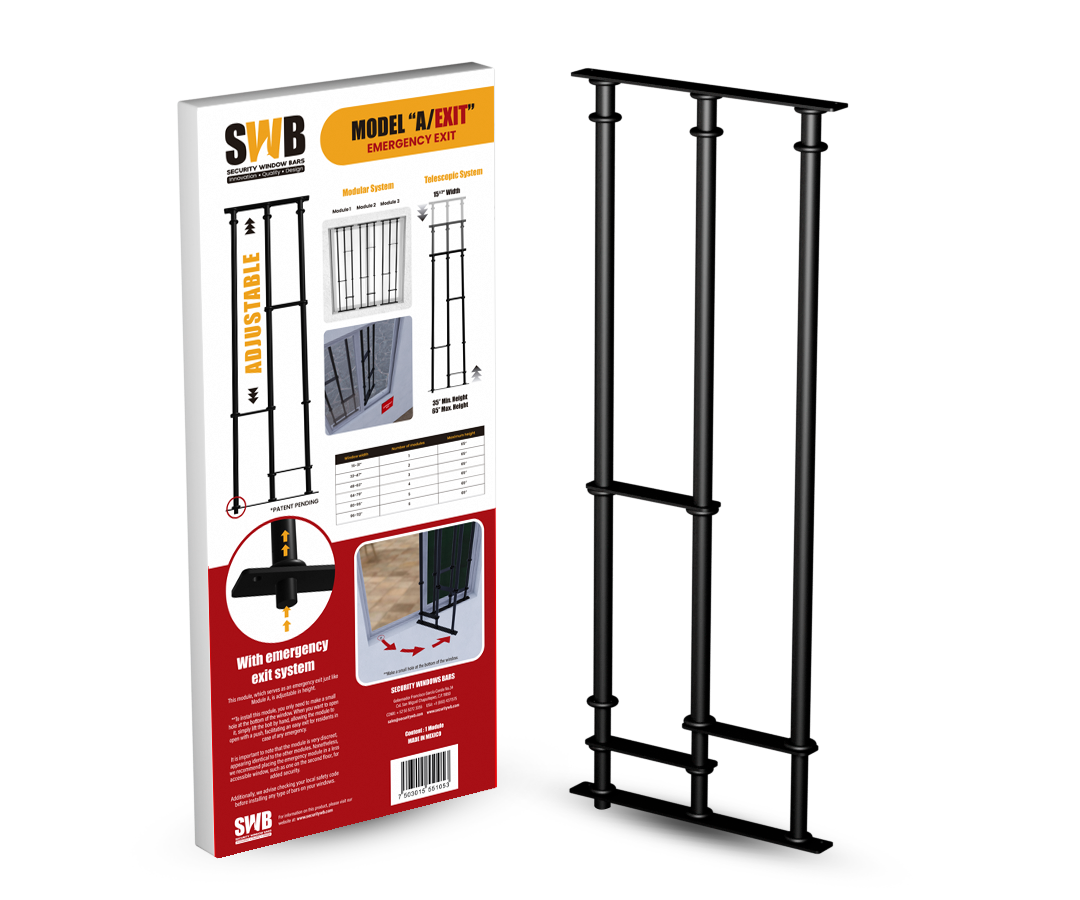
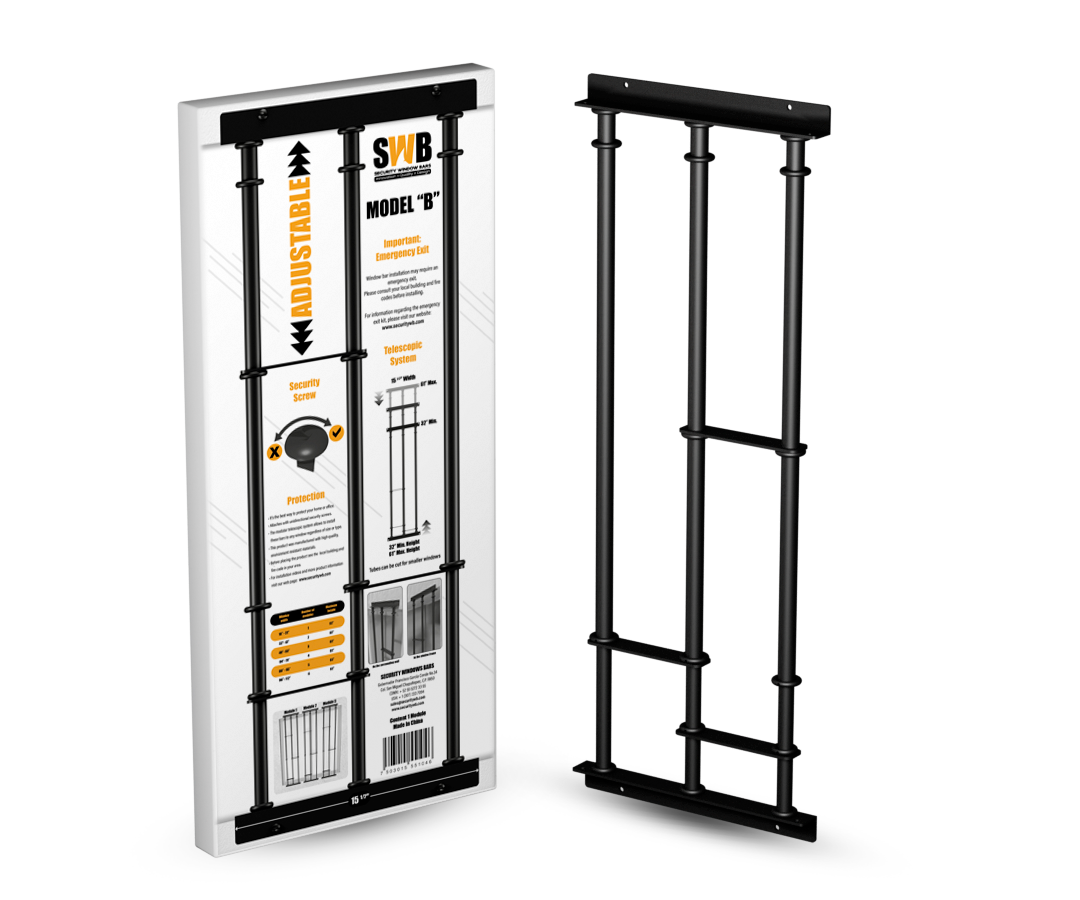
Egress window bars regulations are where “security” and “life safety” collide. In plain terms: you can’t protect your family by turning a required emergency exit into a fixed cage. This guide breaks down the IRC baseline rules, the NFPA life-safety principles behind those rules, what inspectors actually look for, and how SWB Model A/EXIT is built for compliance without sacrificing heavy-duty deterrence. If you only remember one thing, make it this: egress window bars regulations don’t exist to annoy homeowners—they exist because smoke disorients, panic kills fine motor control, and an “exit you can’t use” is not an exit.
This is not legal advice. It’s a homeowner-friendly explanation of common requirements in model codes and typical local amendments. Your Authority Having Jurisdiction (AHJ)—the local building department, fire marshal, or housing authority—has the final say. But if you understand the logic and the checkpoints, you can avoid the expensive, stressful mistake millions of people make: installing the wrong window bars, failing inspection later, and being forced to remove them when it matters most (sale, remodel, rental licensing, or an insurance inspection).
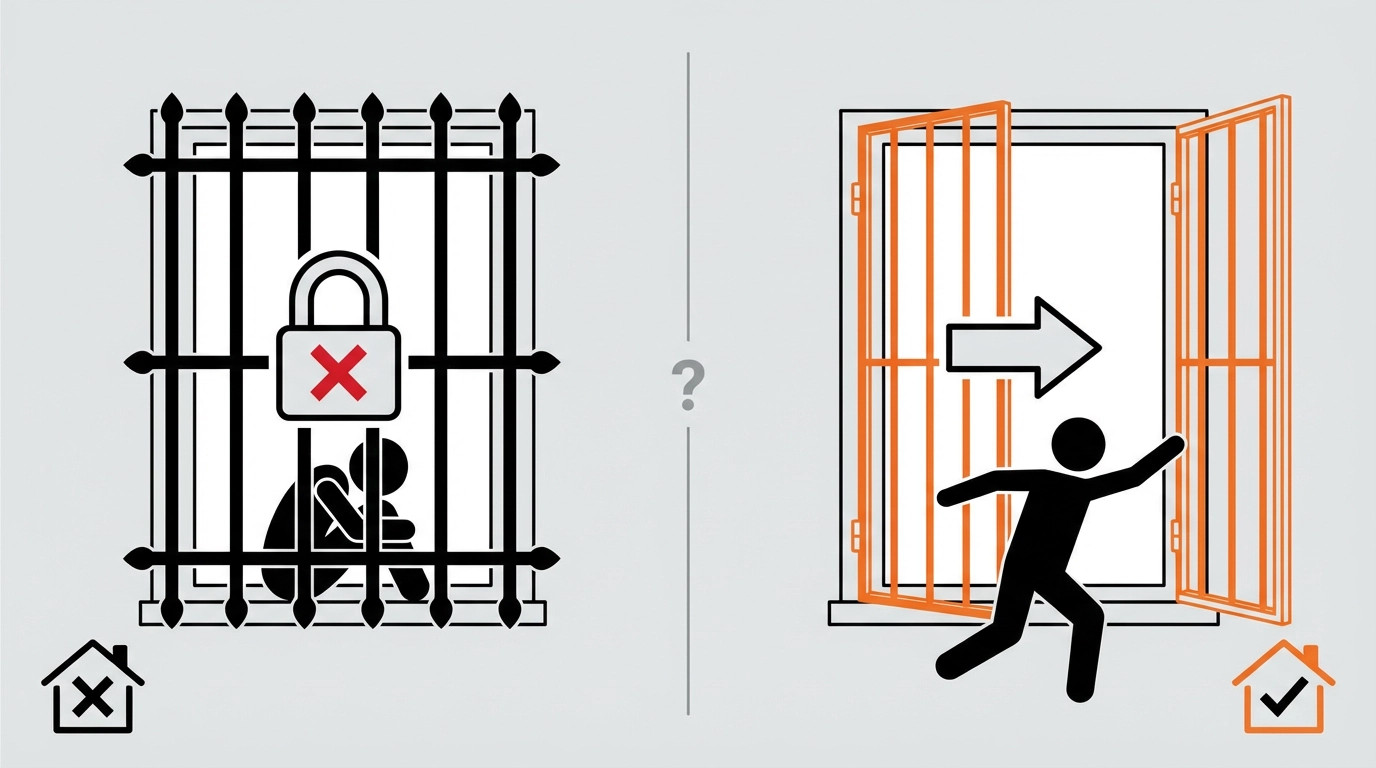
Let’s make this simple: egress is your safe, usable path out of a room during an emergency—most commonly a fire, but also a break-in, gas leak, or any event where a door path is blocked. Under egress window bars regulations, you’re allowed to protect a window, but you’re not allowed to trap a person behind fixed barriers when that window is required as an emergency escape route.
In the United States, the “baseline” language many jurisdictions adopt comes from model codes like the International Residential Code (IRC). Fire and life safety enforcement often references NFPA life-safety principles (and local fire code amendments), but the inspection language homeowners typically encounter mirrors the IRC: sleeping rooms (bedrooms) and habitable basements must have at least one Emergency Escape and Rescue Opening (EERO). When that opening is a window, the window has to meet minimum opening requirements and be operable from the inside. And if you install bars, grilles, screens, or covers over that opening, the device must be releasable from the inside—fast, intuitive, and reliable—consistent with egress window bars regulations.
Why egress window bars regulations exist (in one sentence)
Because residents may have less than two minutes to escape once a smoke alarm sounds, and anything that slows or confuses escape increases the chance of tragedy.
That “two minutes” line isn’t marketing hype; it’s repeated by fire-safety authorities because modern home contents burn fast, smoke spreads quickly, and visibility collapses. The whole purpose of egress window bars regulations is to ensure the escape route can be used from the inside under stress, without searching for a key, without tools, and without learning a trick. If you want a compliance-first mindset, think like a fire marshal: the standard isn’t “can it be opened on a calm day by the owner who installed it?” The standard is “can it be opened immediately by anyone inside—guest, teenager, older adult—while disoriented and rushed?”

Because residents may have less than two minutes to escape once a smoke alarm sounds, and anything that slows or confuses escape increases the chance of tragedy.
That “two minutes” line isn’t marketing hype; it’s repeated by fire-safety authorities because modern home contents burn fast, smoke spreads quickly, and visibility collapses. The whole purpose of egress window bars regulations is to ensure the escape route can be used from the inside under stress, without searching for a key, without tools, and without learning a trick. If you want a compliance-first mindset, think like a fire marshal: the standard isn’t “can it be opened on a calm day by the owner who installed it?” The standard is “can it be opened immediately by anyone inside—guest, teenager, older adult—while disoriented and rushed?”
The conflict is common: you want burglary deterrence, so you install window bars. Then you realize your bedroom window was also the required emergency escape and rescue opening. If the bars are fixed, the window is no longer a usable exit. That can mean failed inspection, forced removal, liability exposure, and the worst-case outcome: trapped occupants during a fire.
Here’s the clean mental model under egress window bars regulations:
• If the window is required for egress: any bars, grilles, covers, or screens must be releasable/removable from the inside quickly and easily.
• If the window is not required for egress: fixed bars may be allowed more often (still check local rules, especially in rentals and multi-family buildings).
The entire purpose of SWB Model A/EXIT is to solve this conflict: strong physical deterrence that still respects egress window bars regulations for bedrooms and habitable basements.
Under egress window bars regulations, compliance starts with the opening itself. A quick-release bar system can’t save you if the window is too small to qualify as an emergency escape and rescue opening. Most U.S. jurisdictions that adopt IRC-style rules require that the opening meet minimum size and height limits and be operable from the inside.
Common IRC baseline numbers homeowners hear from inspectors
Always measure the net clear opening (the free space when the window is fully open), not the glass size and not the frame size. Under egress window bars regulations, inspectors care about the actual usable opening when open.
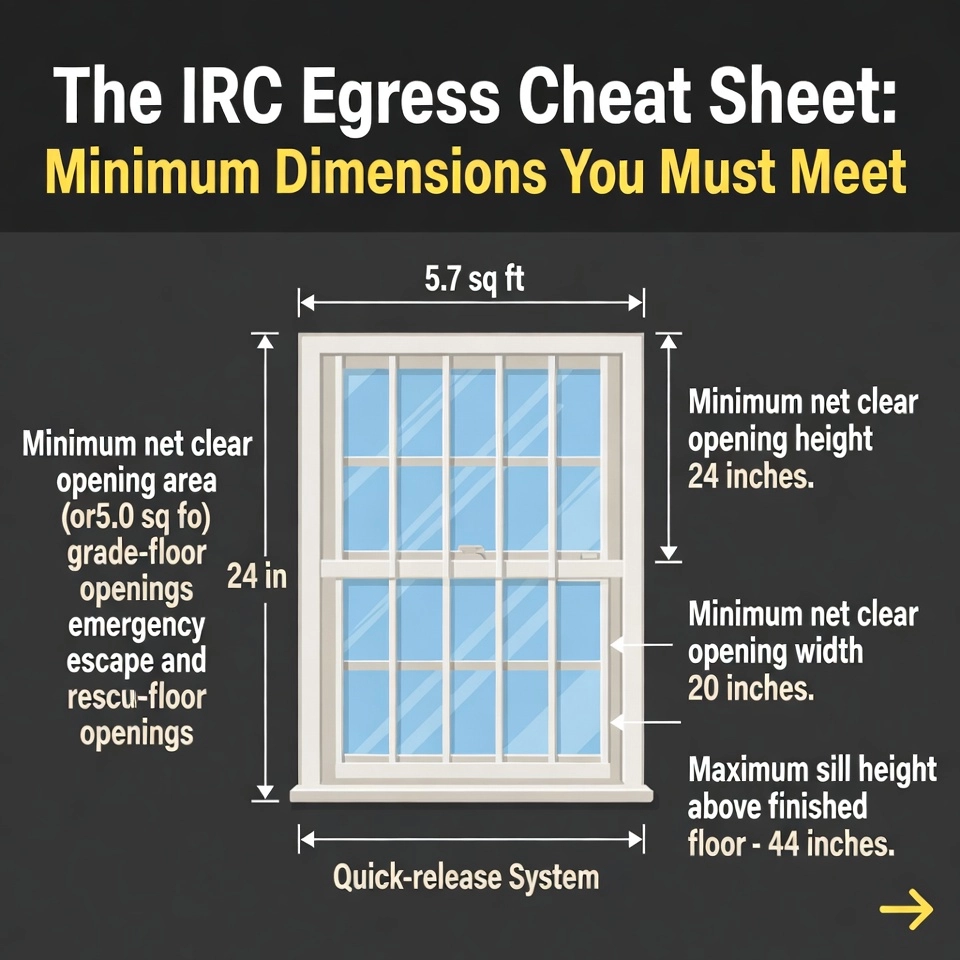
Typical baseline checkpoints (commonly referenced in IRC-based guidance):
• Minimum net clear opening area: 5.7 sq ft (often 5.0 sq ft for grade-floor/ground-level openings)
• Minimum net clear opening height: 24 inches
• Minimum net clear opening width: 20 inches
• Maximum sill height above finished floor: 44 inches
Many homeowners measure the window frame and assume they’re compliant. Then an inspector measures the net clear opening and the numbers don’t match. Common reasons:
• Sliders lose net clear area because one sash stays in place.
• Replacement windows installed into older frames reduce opening size.
• Opening control devices (child-safety stops) limit how far the window opens.
• Screens, security screens, or hardware reduce the practical opening.
Under egress window bars regulations, it’s not enough for the window to look big. It has to produce a real, usable opening quickly.
In many basement installations, the window itself might be fine—but the window well is the fail. If the well is too small, a person can’t climb out even if the window opens fully.
Common IRC-style window well baseline:
• Minimum well area: 9 sq ft
• Minimum projection from the window: 36 inches
• Minimum width: 36 inches
• Ladder or steps required when the well is deeper than 44 inches (with limits on how much the ladder can encroach into the required space)
If you’re installing bars in a basement bedroom, treat it as “mission critical.” Egress window bars regulations can be satisfied only if the window and the well work together: the window opens to the required size, the well allows movement and exit, and any barrier (bars, grilles, covers) is releasable from the inside.
If you want to avoid surprises, do this before you buy anything:
Egress window bars regulations are brutally simple here: if the opening doesn’t meet the minimums, it doesn’t qualify—no matter how good your bars are.
When homeowners search “window bars,” many top listings are mass-market products built for inventory volume—not code nuance. Packaging often uses language like “security,” “child safety,” or “anti-theft,” but the compliance detail is buried: NON-EGRESS, fixed, permanent, or “for use where egress is not required.”
This is where egress window bars regulations become a legal and safety landmine. If the window is required for emergency escape and rescue, a fixed system can put you in violation, create liability, and, most importantly, create a life-safety hazard.
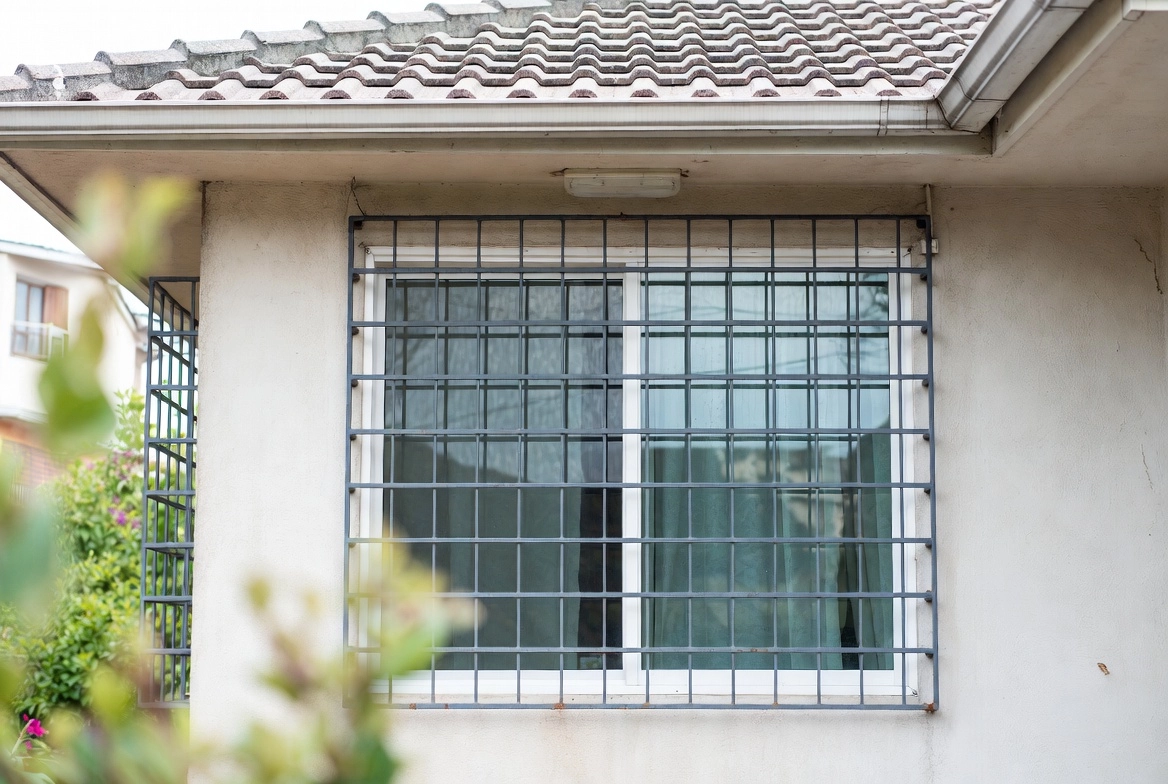
Fixed bars are exactly what they sound like: mounted so they cannot open or be removed quickly from the inside. In a bedroom, that often converts a required emergency exit into a dead end.
Some products market “safety” but still require a key. Under many interpretations of egress window bars regulations, that’s unacceptable because keys get lost, children can’t find them, smoke blocks visibility, and panic crushes memory. Even “the key is right there” is not a life-safety plan.
The most dangerous failure is a release that exists on paper but fails in real life. Budget steel, poor coating, coastal humidity, paint build-up, and lack of maintenance can seize hinges or latches. The system becomes a stuck metal sculpture right when it’s needed most.
They’re not evaluating your intent. They evaluate performance: can an occupant open the path quickly from the inside, without keys/tools/special knowledge, and without excessive force—consistent with egress window bars regulations?
Many homeowners only learn these rules at the worst time—selling a home, finishing a basement, converting a room to a bedroom, after an insurance inspection, or during a rental licensing review. If you’re installing bars today, treat egress window bars regulations as day-one requirements, not a later problem.
Let’s translate the core requirement into human language. In IRC-style code language, bars, grilles, covers, or screens are often permitted over emergency escape and rescue openings only if they are releasable or removable from the inside without the use of a key, a tool, special knowledge, or excessive force. That single concept is the heart of egress window bars regulations.
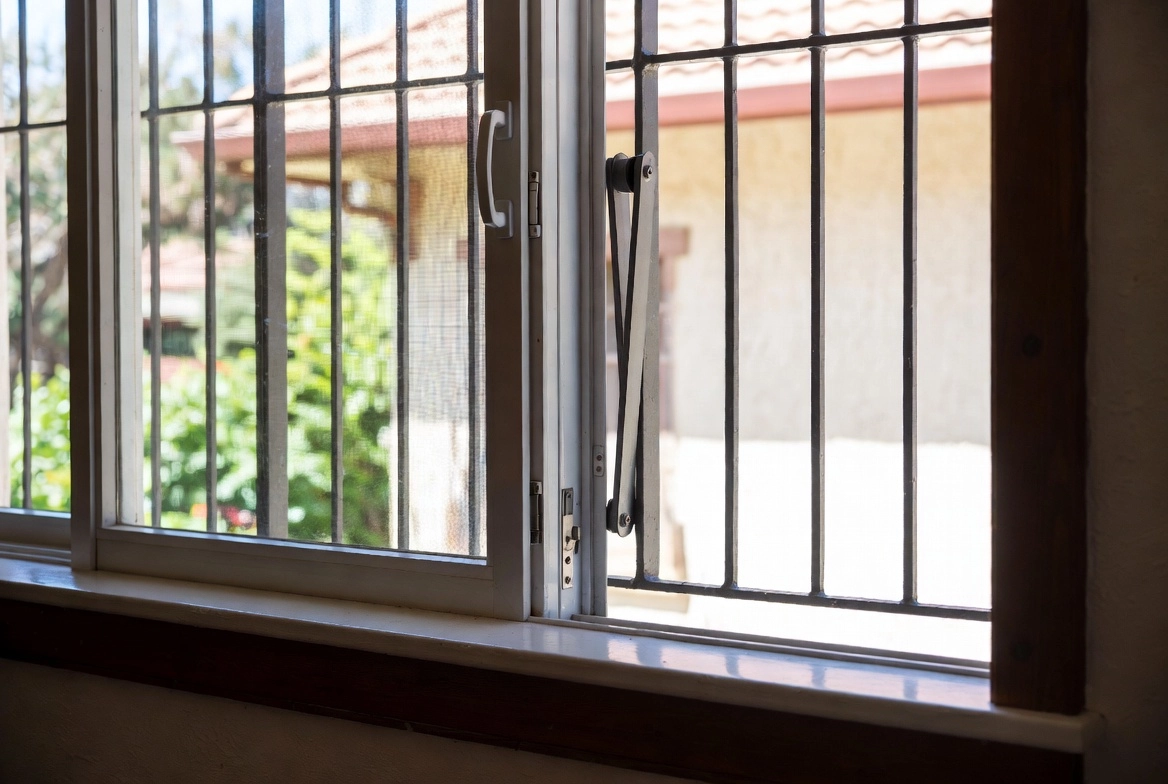
Inspectors interpret “special knowledge” through the lens of emergencies. If a guest, teenager, or older adult can’t figure it out instantly, it’s a risk. A release should be intuitive, visible, consistent, and simple. The best designs act like an emergency exit: one obvious action that opens the path.
Even if you promise to keep a key nearby, keys move. People borrow them. Kids hide them. Smoke blocks sight. Under stress, you might not remember where you put it. Egress window bars regulations exist because “key access” is not a reliable emergency method. If the system depends on a key, it’s a red flag.
Tools introduce two fatal problems: time and availability. Nobody wants to hunt for a screwdriver or wrench in smoke. Even if you keep a tool nearby, panic and disorientation can make it effectively “missing.” Under egress window bars regulations, tool-based release is treated as non-compliant in many situations.
A release should not be a strength test. It should operate like normal egress hardware: easy enough for a smaller adult, older adult, or teenager under stress.
SWB’s design philosophy here is simple: build for the worst moment, not the best day. SWB Model A/EXIT emphasizes a reliable inside release concept that is designed to be keyless and intuitive—because egress window bars regulations are about human factors, not just hardware.
Most homeowners think “material choice” is only about security strength. But under egress window bars regulations, material affects life-safety reliability—because the release mechanism must work years later, not just on installation day.
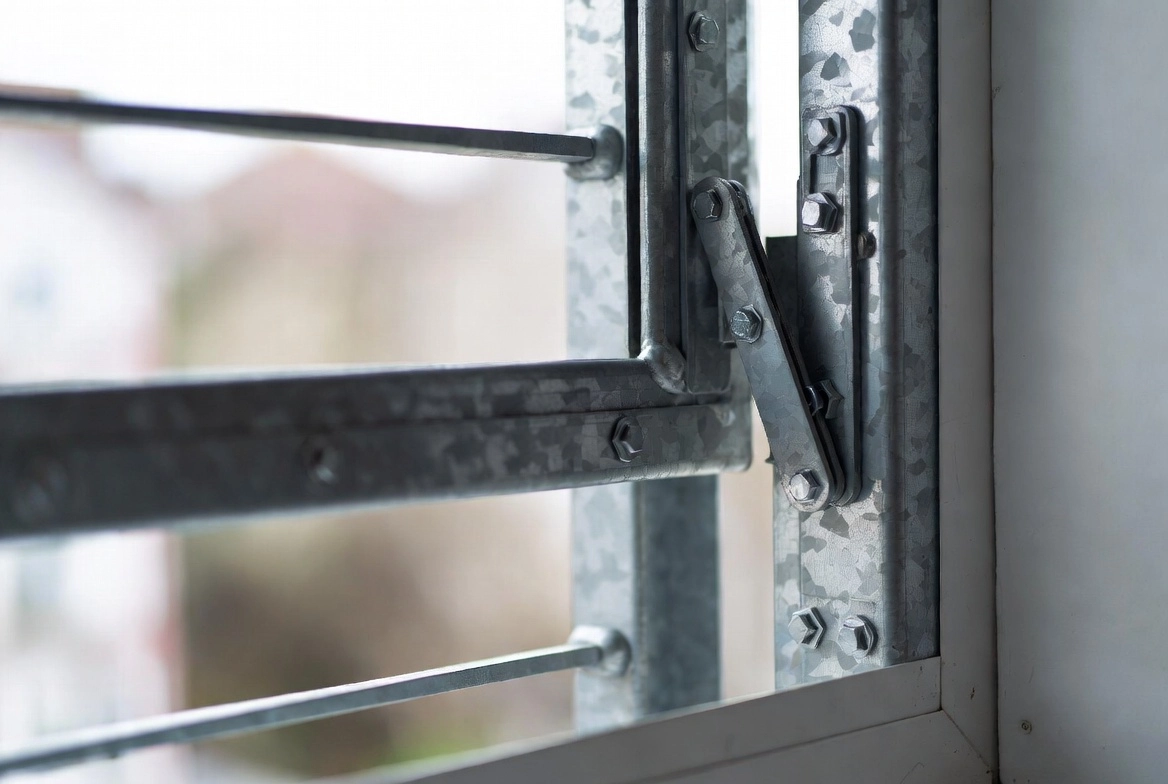
Rust rarely shows up as a dramatic snap. It shows up as friction: a hinge that feels stiff, a latch that takes extra pull, a mechanism that starts binding. Then someone repaints the trim. Dust collects. Salt air does its work. One day the “quick-release” isn’t quick.
If you live in humid or coastal regions, corrosion resistance is not a luxury feature; it’s compliance insurance. A stuck latch is functionally equivalent to fixed bars when seconds matter, and egress window bars regulations are ultimately about whether the exit works in reality.
Why galvanized steel is a compliance feature (not just a durability feature)
Galvanization provides sacrificial protection that helps prevent corrosion from silently locking up moving parts. If your solution relies on paint alone, scratches expose raw steel, and corrosion risk climbs. A compliance-first system treats corrosion as the enemy of life safety.
Whatever you install, test the inside release monthly for the first 90 days, then quarterly. If it ever feels stiff, treat it as urgent—because under egress window bars regulations, reliability is not optional.
At Security Window Bars (securitywb.com), the philosophy is simple: compliance is a feature, not an afterthought. SWB Model A/EXIT exists because homeowners should not have to choose between burglary deterrence and a legal escape route. Egress window bars regulations demand both.
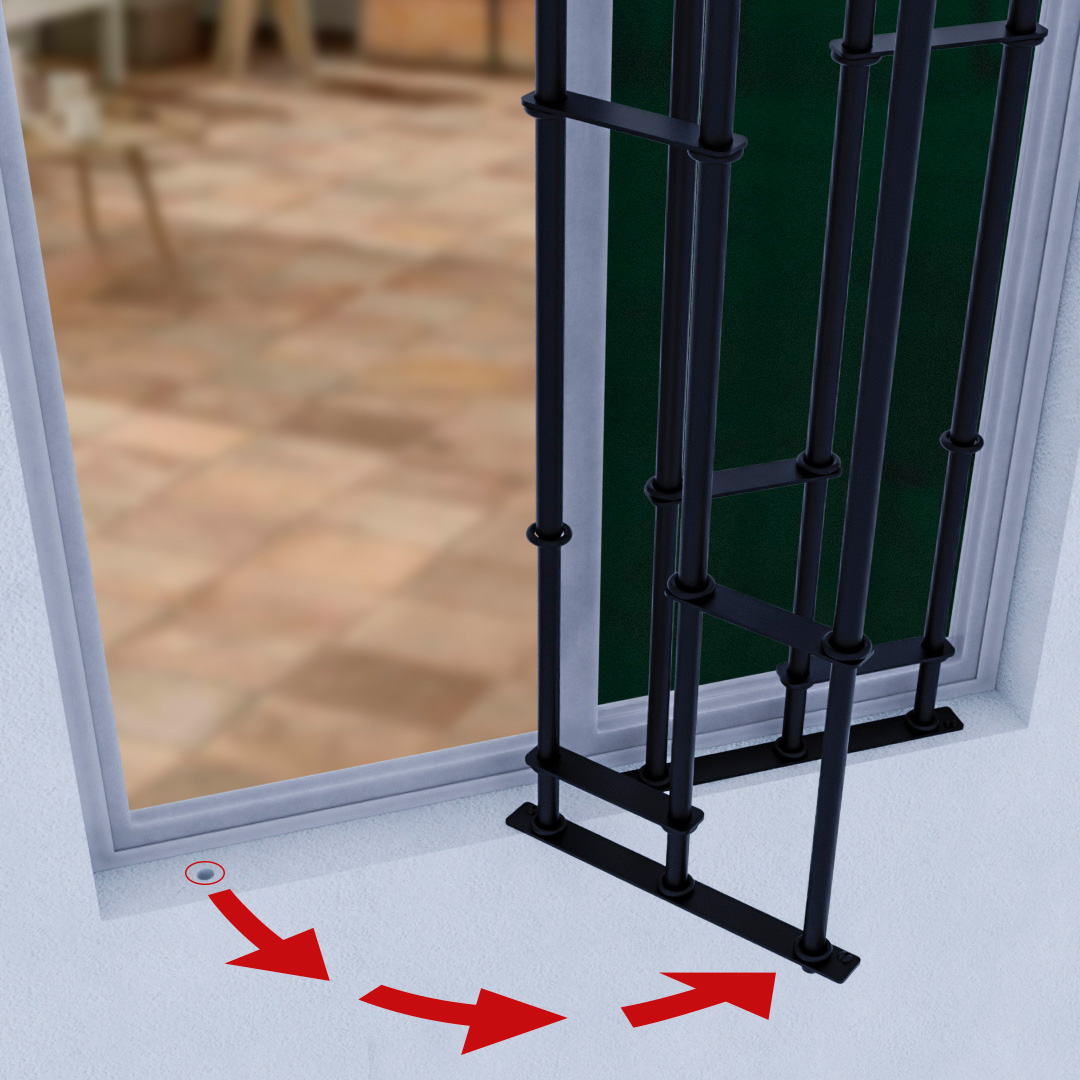
A compliant solution is more than “bars that open.” It must be:
• Releasable from the inside (not only from outside)
• Keyless (no key dependency)
• Tool-less (no screws to remove during escape)
• Intuitive (no special knowledge, no confusing sequence)
• Reliable over time (corrosion resistance + solid mechanics)
• Strong enough to deter (visible barrier + hardened mounting approach)
Inspectors and AHJs want to see that the window remains a usable emergency escape and rescue opening. Burglars want fast, quiet entry. SWB Model A/EXIT is designed to hit both targets: an egress-first release approach from the inside, plus heavy-duty deterrence that increases time, noise, and risk for an intruder—without violating egress window bars regulations.
Most products lean hard toward one side: cheap fixed bars maximize “security feel” but fail egress window bars regulations; flimsy releases may pass egress but sacrifice deterrence. SWB Model A/EXIT is engineered for real homes: humidity, repainting, remodel dust, renters, kids, and the everyday friction of life.
If your window is required for egress, SWB Model A/EXIT is the category of product you should be searching for: a security barrier designed to remain an emergency escape route under egress window bars regulations.
Professional labor costs can be the biggest blocker for homeowners who want to do things correctly. When labor quotes feel painful, people get tempted to buy cheap fixed bars and “deal with code later.” That’s exactly how egress window bars regulations turn into expensive removal later.

The goal is not just “bars on the wall.” The goal is bars that keep egress functional. If you do one thing after install, do this: test the inside release repeatedly until it becomes muscle memory. Egress window bars regulations are a performance requirement, not a label.
Many cities enforce more aggressively in rentals—especially after complaints, licensing processes, occupancy changes, or after incidents. A compliant quick-release system improves security while demonstrating duty of care.

• Photos: installed system, release mechanism visible, barrier opened (clear path shown)
• Room use: which rooms are sleeping rooms; which windows serve as EERO
• Tenant training note: acknowledgement that release was demonstrated
• Maintenance log: quarterly function tests and repairs
Systems like SWB Model A/EXIT are built for repeatable upgrades across multiple units: compliant security that can be installed efficiently without custom welding—aligned with egress window bars regulations and easier to defend during inspections.
How Egress Window Bars Regulations Apply in Real Homes
Because real life is messy, let’s run the scenarios that trigger enforcement and surprise homeowners.
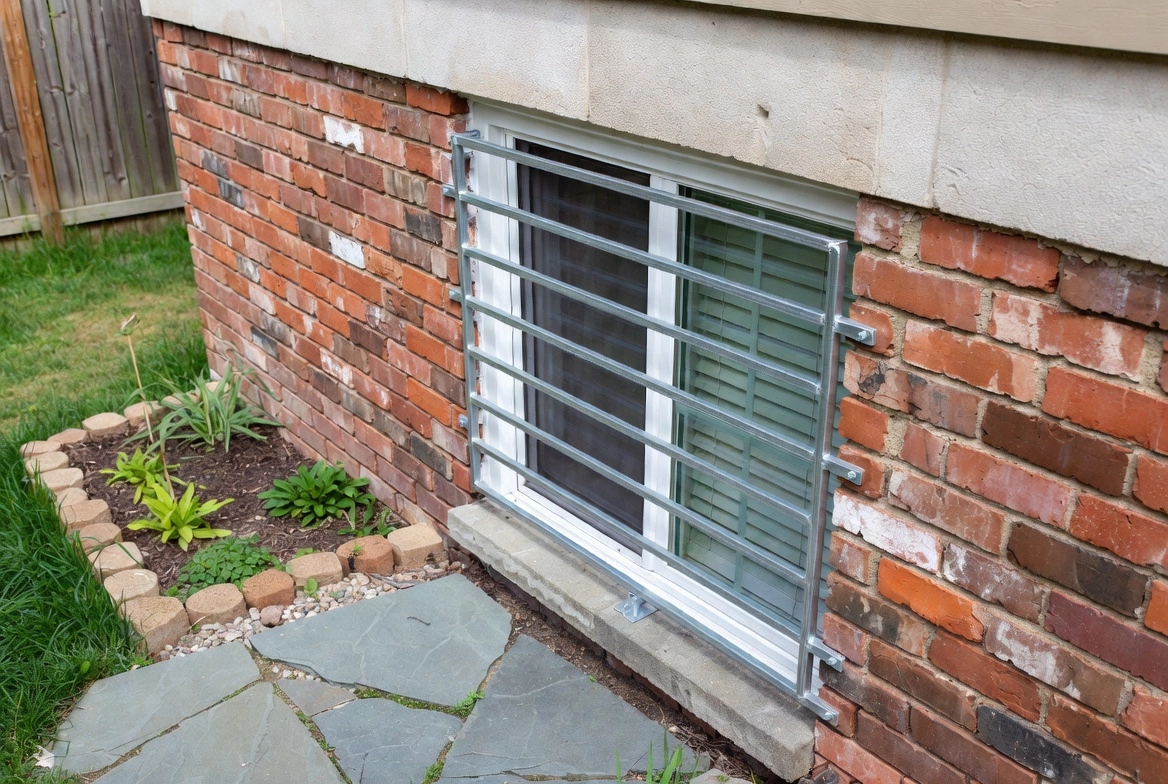
The moment a basement becomes “habitable” and especially when it becomes a sleeping room, egress becomes high-stakes. If you add bars to a basement bedroom window, egress window bars regulations usually require a quick-release from inside. But don’t stop there: the window well must also comply—space, depth, ladder requirements. Many basement projects fail on the window well, not the window.
Ground-level openings sometimes use the 5.0 sq ft minimum area exception in IRC-based rules, but the release requirements don’t disappear. Egress window bars regulations still treat the opening as an emergency exit. If you install a barrier, it must be releasable from inside without keys/tools/special knowledge.
In coastal or humid zones, corrosion turns into a compliance risk. A release that binds due to rust or paint build-up can make your bars functionally “fixed.” Egress window bars regulations don’t grade you on your intentions. They grade you on whether it opens when needed. Corrosion resistance is life safety.
Inspections and liability pressure go up. If a guest can’t operate an egress release instantly, you’re exposed. Under egress window bars regulations, the best release is intuitive even for someone who didn’t install it. That’s why “special knowledge” is a major failure point in short-term rentals.
Resale is when hidden code issues surface. Buyers, inspectors, or lenders can flag bedroom window bars as a safety concern. Fixed bars can become a negotiation disaster: forced removal, repair credits, delayed closing. Egress window bars regulations show up when you least want friction.
This is the homeowner’s shortcut through egress window bars regulations: make the AHJ your ally, not your surprise later.
Are security bars legal in bedrooms under egress window bars regulations?
Yes—if they include an approved quick-release (or equivalent) that can be operated from the inside without a key, tools, or special knowledge, and the window still meets minimum egress dimensions. Fixed bars over a required egress window are a common violation under egress window bars regulations.
Use this checklist before you buy, before you install, and before you call an inspector. It’s designed to help you avoid the classic mistakes that cause violations of egress window bars regulations.
Pass/fail checks (homeowner edition)
• Room type: Is this a sleeping room or habitable basement area?
• Window qualifies: Net clear width ≥ 20″, height ≥ 24″, area ≥ 5.7 sq ft (or local exception), sill ≤ 44″.
• Window well (if below grade): Area and dimensions allow full window opening; ladder/steps present if depth threshold is exceeded.
• Barrier rule: If bars/grilles/covers/screens are installed, they’re releasable/removable from inside.
• No key: Operation does not require a key.
• No tools: Operation does not require tools.
• No special knowledge: A guest can open it quickly with minimal instruction.
• Low force: Not a strength test; should operate like normal egress hardware.
• Reliability: Mechanism remains operable over time (corrosion resistance + periodic testing).
• Household training: Everyone knows how to operate the release.
• Documentation: Photos and basic notes stored for resale, rental, and inspections.
SWB Model A/EXIT is built specifically for the homeowner who wants serious security but refuses to gamble with life safety. If you’re trying to satisfy egress window bars regulations without losing deterrence, this is the category of solution you want: an egress-first design with a keyless inside-release concept and corrosion-resistant construction built for real-world reliability.
Conclusion: Secure Your Home Legally—Without Trapping the People You Love
If you remember one thing from this guide, let it be this: egress window bars regulations exist to keep emergency exits usable. Fixed bars on a required egress window can create code violations, resale problems, insurance headaches, and life-threatening outcomes. The right approach is compliant security: a strong barrier that still opens from the inside quickly and reliably.
SWB Model A/EXIT is engineered for that balance: a compliance-first approach to the release concept, corrosion-resilient construction to protect long-term operability, and a DIY-friendly installation mindset that helps homeowners avoid the “cheap fixed bar” mistake that fails egress window bars regulations later.
COOKIES POLICY
Security Window Bars LLC ("SWB") uses cookies and similar technologies to improve your browsing experience and enhance the functionality of our website www.securitywb.com (the “Website”). This Cookies Policy explains what cookies are, how we use them, and how you can manage your cookie preferences.
By using our Website, you agree to our use of cookies as described in this policy.
Last Updated: 01/01/25