BLOG

security window bars
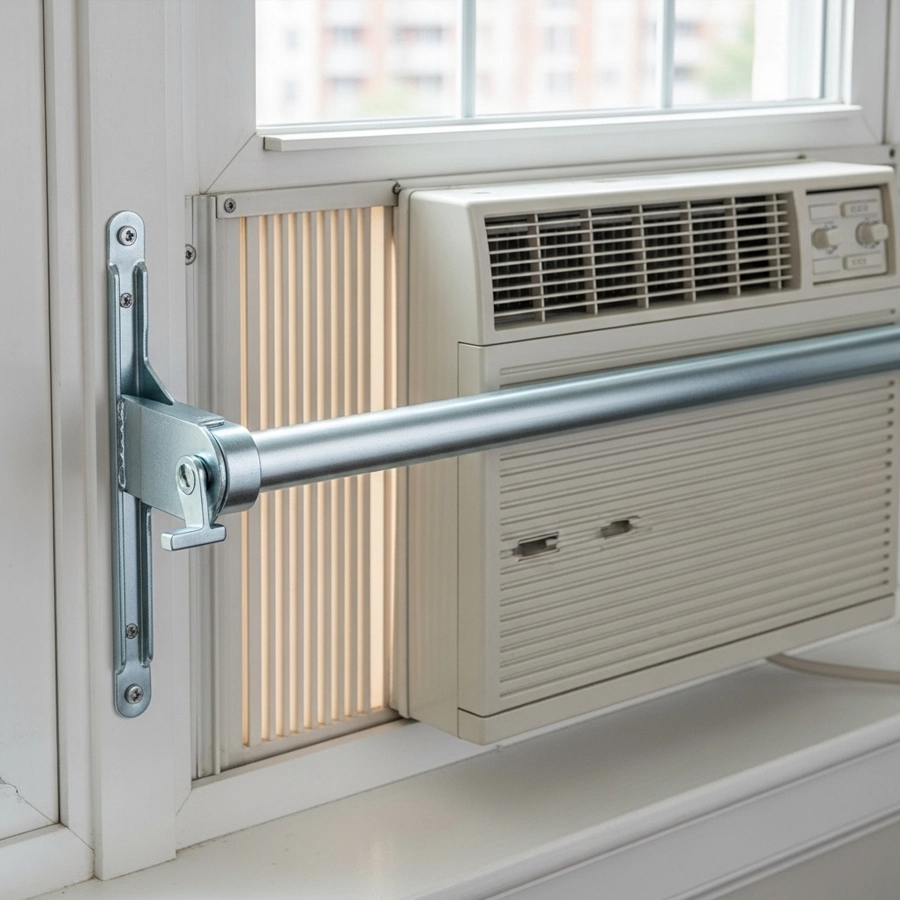
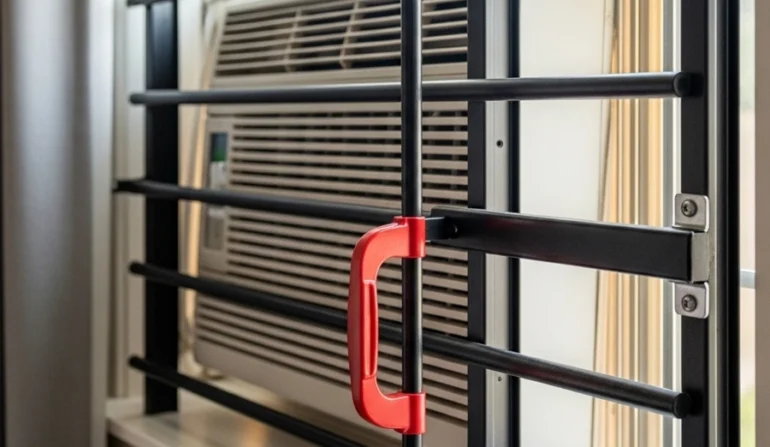
window ac security bar blocking sash travel to prevent push-ins

Window Bars for AC Units: The Complete 2025 Guide

Window-mounted air conditioners are a lifesaver in summer—and a soft target year-round. An unsecured AC creates leverage at the sash and a tempting gap for prying tools. The fix is straightforward: pair a window AC security bar with a properly mounted grille so you block push-ins without blocking emergency exit. In this guide, you’ll learn which security bars for windows with air conditioners actually work, how to size and install them, and how to keep egress and airflow intact in bedrooms, basements, and apartments.

Why Windows with AC Units Need Special Security

AC units sit low, weaken the sash lock area, and often rest on flimsy brackets. Intruders know that popping the sash under or around an AC can be faster than breaking glass. A dedicated air conditioner window security bar:

  • Locks the sash at a fixed height so it can’t travel upward.
  • Reinforces the meeting rail area where pry bars find purchase.
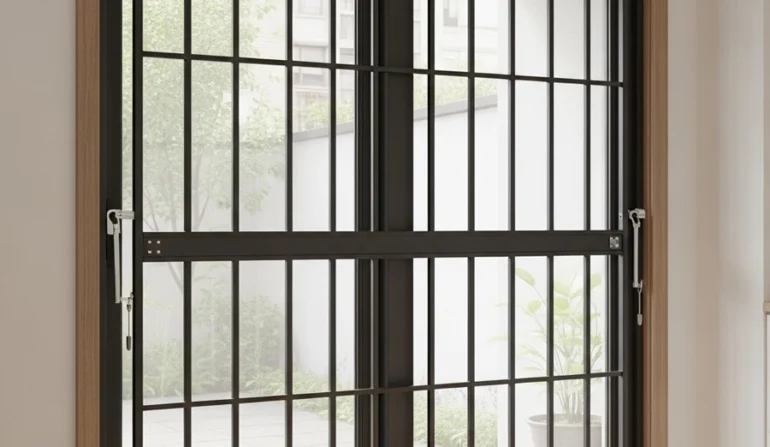
  • Couples with an interior window security bar or hinged grille to stop reach-through attacks.
  • Keeps your AC stable, which also reduces noise and drafts.

Unlike generic “sticks in the track,” purpose-built bars resist prying, twisting, and vibration. Most important, you can design the system to maintain quick-release egress in sleeping areas.

The Components: What “Window Bars for AC Units” Can Mean

Because window AC setups vary, the term covers several compatible pieces. You can use one—or combine them for layered protection:

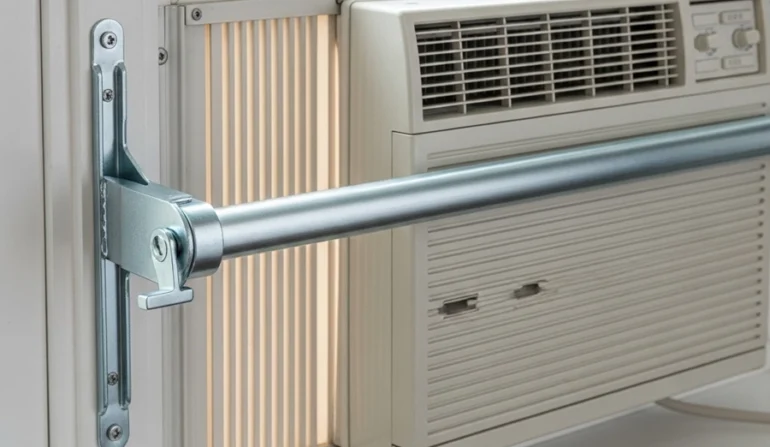
  1. Window AC Security Bar (Sash Lock Bar)
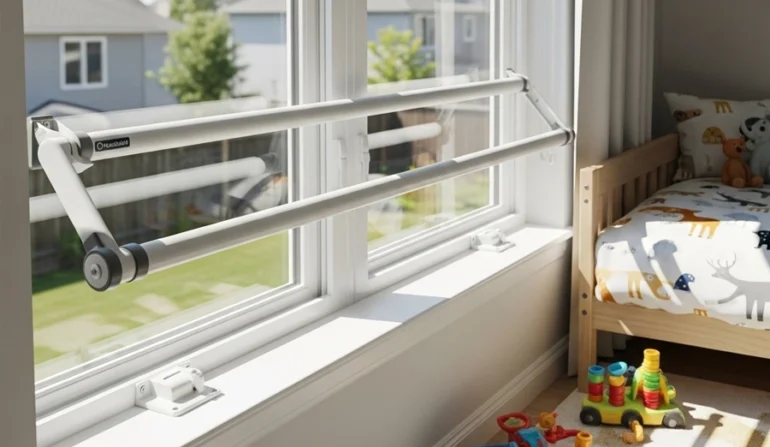
    A rigid bar set between the upper and lower sash to lock height and block upward travel. Modern versions use tamper-resistant heads, notched channels, or keyed collars.
  2. AC Support/Security Bar (Exterior or Interior Brace)
    A load-bearing support that takes weight off the sill and stops vertical bounce. Secure support equals fewer gaps, less rattling, and less play for pry attempts.
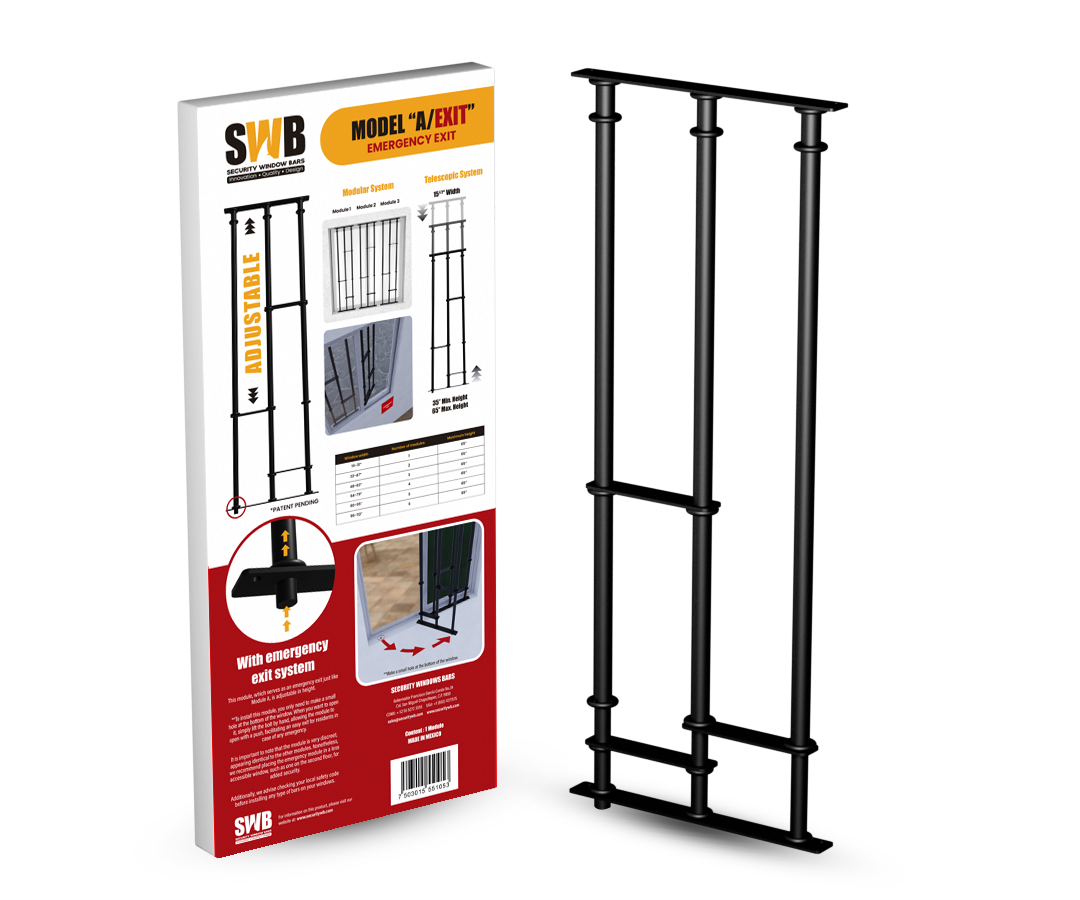
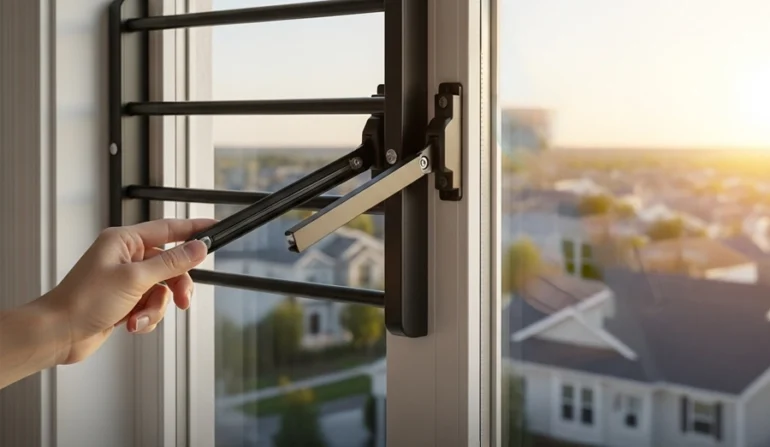
  3. Interior Window Security Bars (Hinged/Quick-Release)
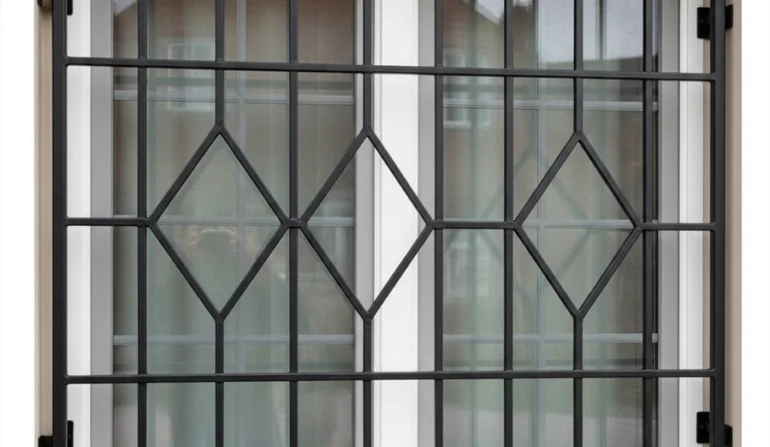
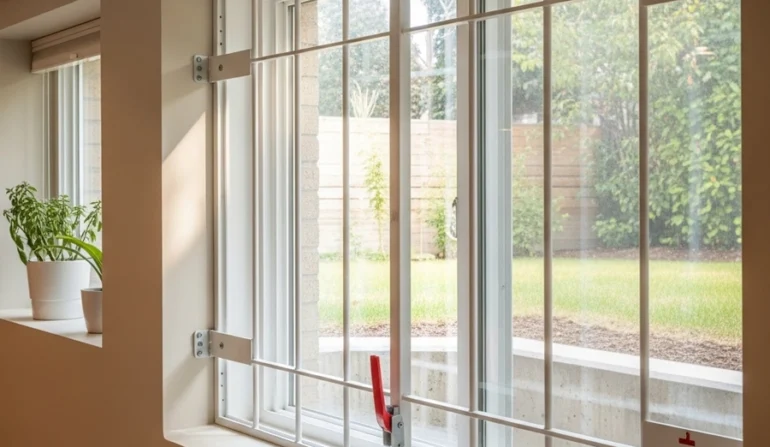
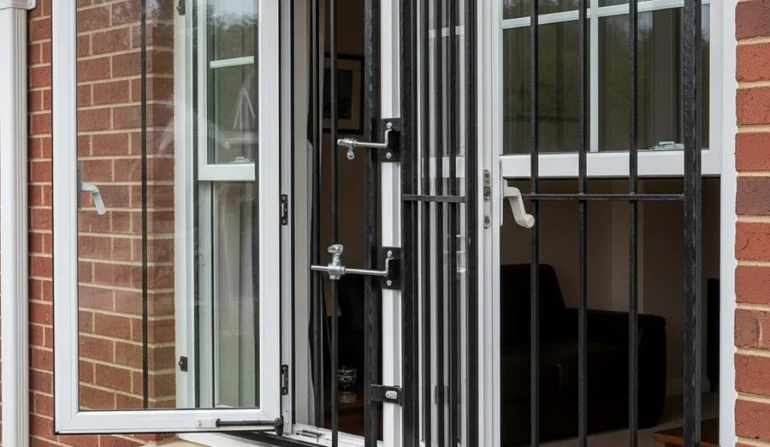
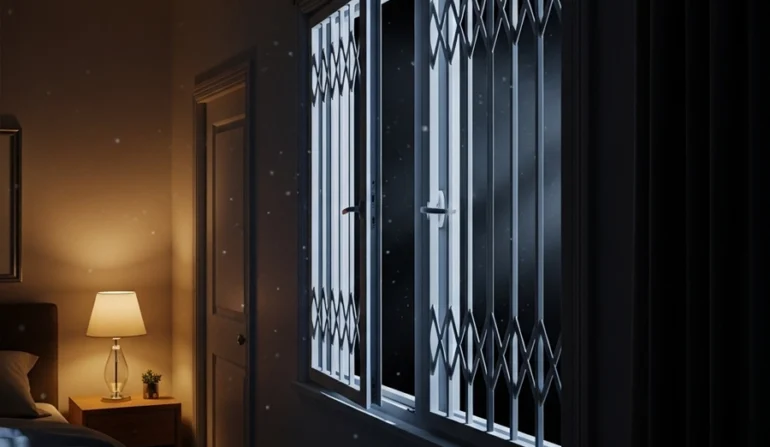
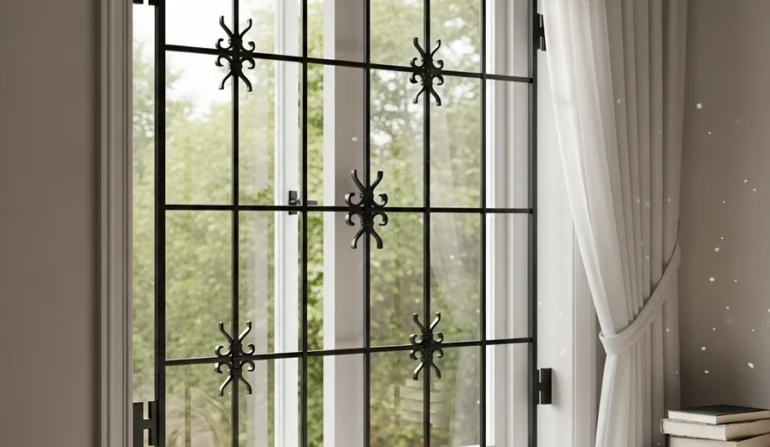
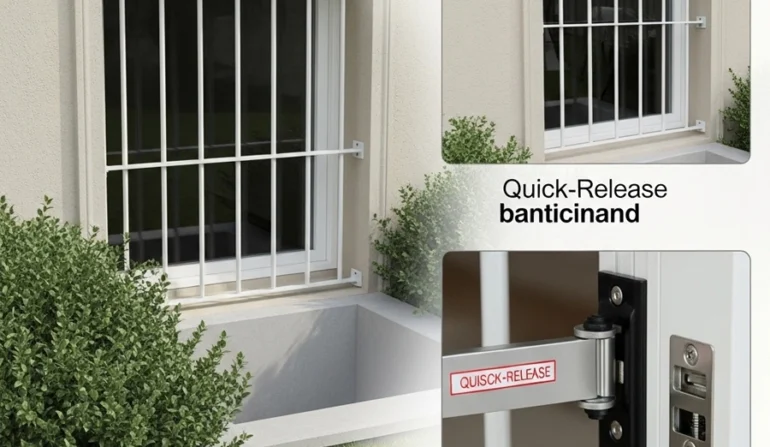
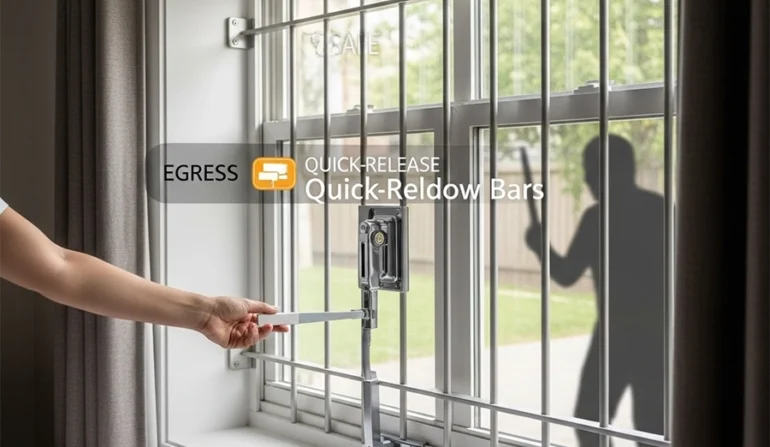
    A grille inside the opening that stops reach-through even if someone moves the sash a bit. For bedrooms and finished basements, choose a quick-release model so egress remains intact.
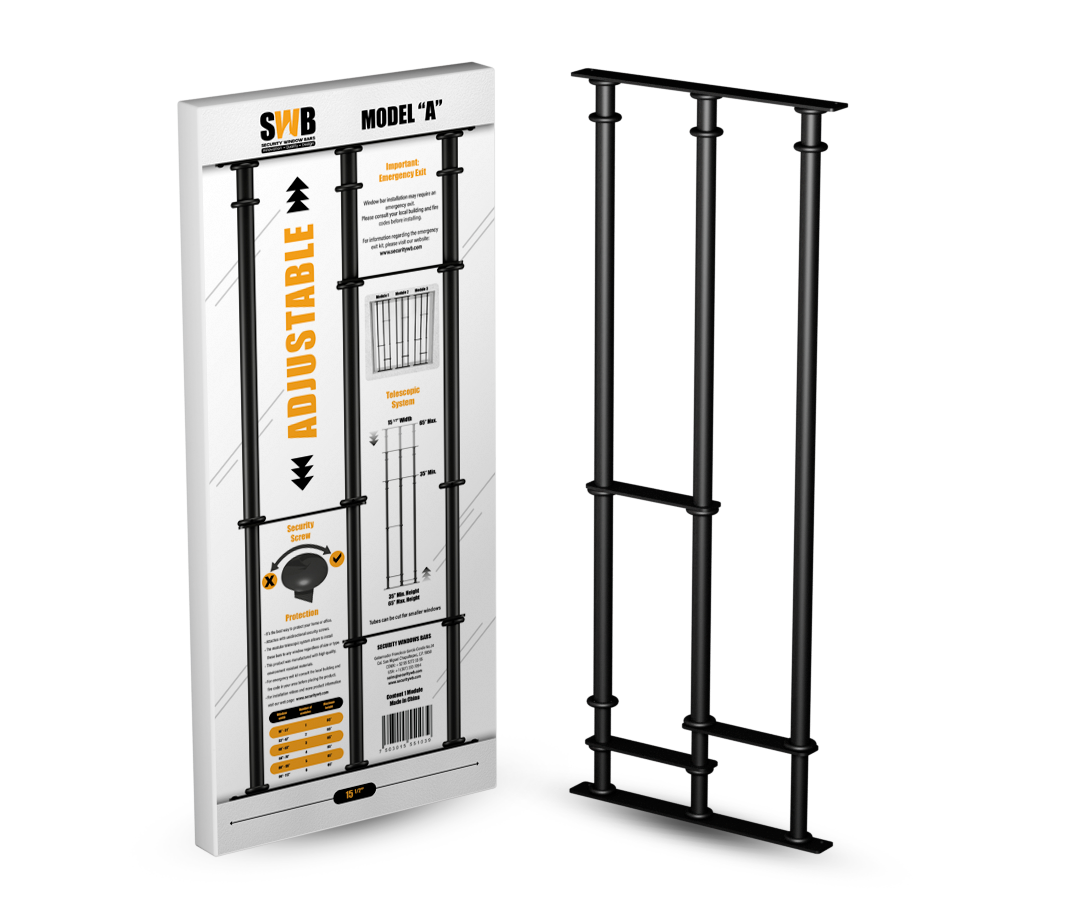
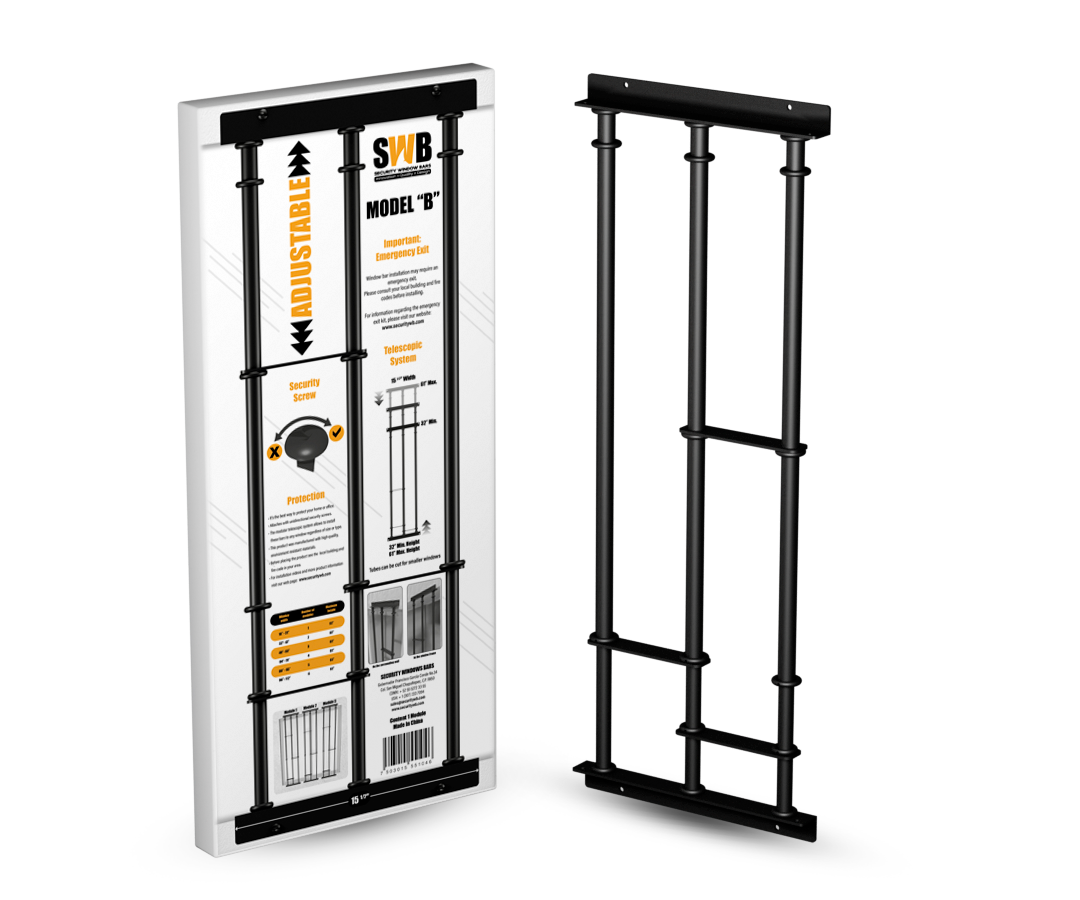
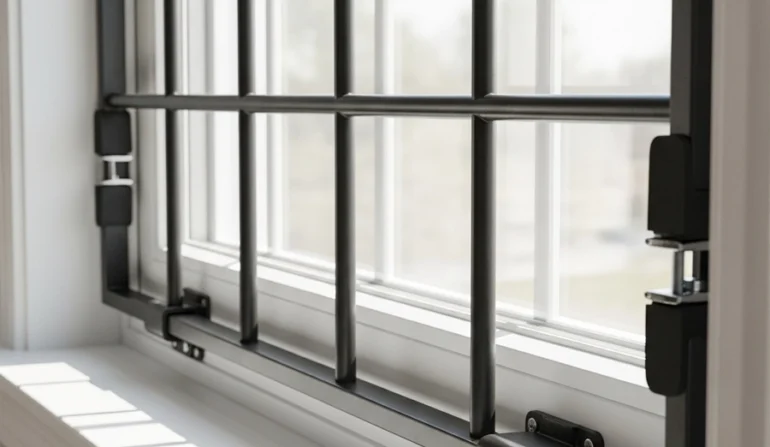
  4. Removable/Adjustable Grilles
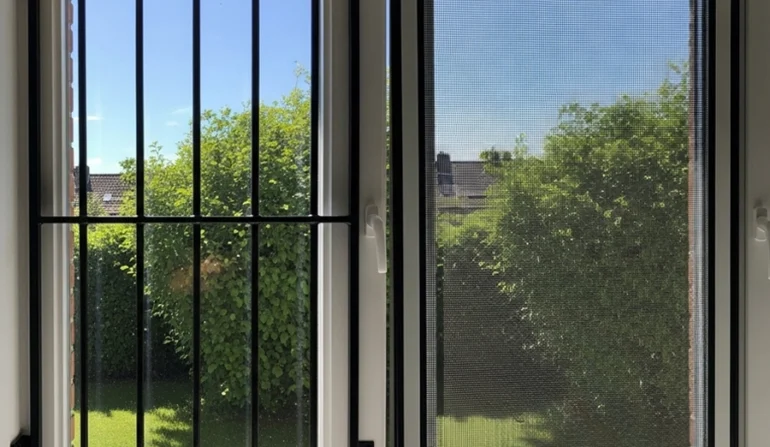
    Telescoping interior bars that can be resized when you remove the AC after summer—great for renters or seasonal setups.
  5. AC Cages or Guards (Exterior)
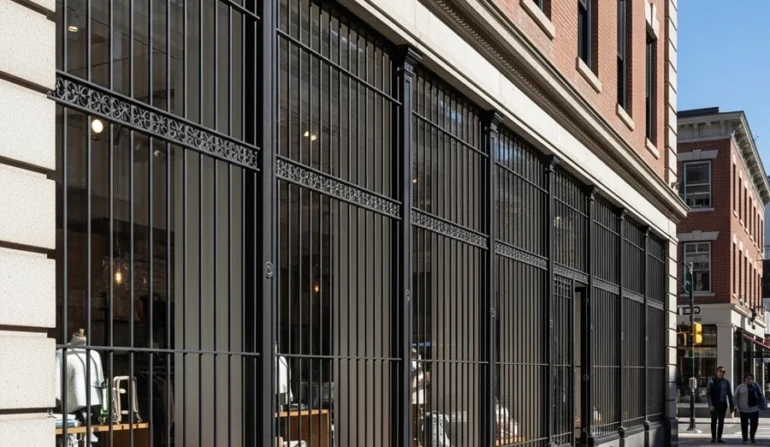
    Sturdier enclosures used on ground-floor or alley windows. They deter theft of the unit and block prying—but must be coordinated with egress and maintenance access.

The sweet spot for homes: a sash lock bar + interior quick-release window bar + a stable AC support. This trio stops upward travel, blocks reach-through, and keeps the escape path operable from the inside.

Egress and Safety: Don’t Trade Escape for Cooling

If a room is used for sleeping, the opening must remain a fast, tool-free exit. That means any window bars for AC units in a bedroom should incorporate quick-release from the inside. Good practice includes:

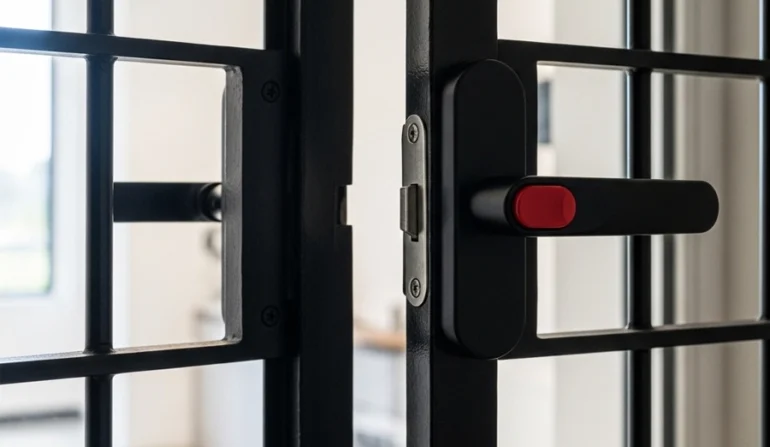
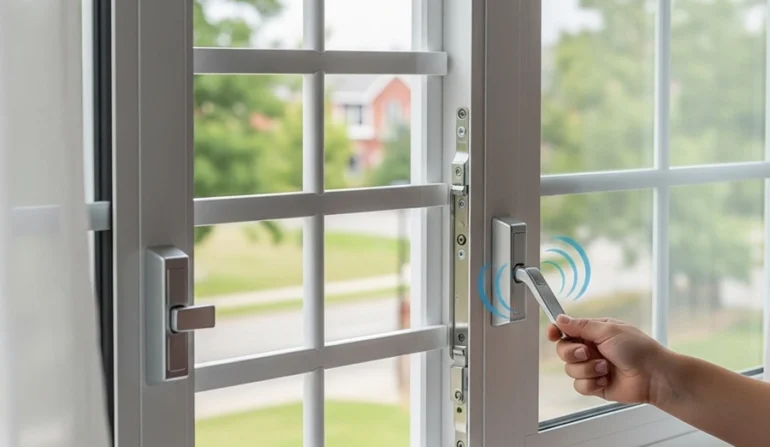
  • One-hand, one-motion release (no keys or special tools).
  • A clear swing path around blinds, cords, and the AC body.
  • Monthly tests with all occupants—kids and guests included.
  • Choosing interior release hardware that’s unreachable from outside.

If space is tight, mount the hinged grille on the inside, set the release handle within easy reach, and route cords so they never foul the swing.

Window Types and AC Compatibility

Single-Hung / Double-Hung

  • Most common for window ACs.
  • Use a sash lock bar at the meeting rails and a hinged interior bar that swings away from the AC’s side.
  • Seal side panels with rigid foam or acrylic inserts to cut drafts and prying gaps.

Slider (Horizontal)

  • Some ACs mount sideways; others use sleeve units.
  • Anchor a horizontal travel bar or adaptor that blocks lateral sash movement.
  • Pair with an interior grille that hinges vertically (left or right), away from the compressor bulk.

Casement / Awning

  • Traditional window ACs don’t fit; most homeowners use portable AC with a hose through a panel.
  • Secure the panel with a panel lock bar and consider an interior grille that clears the hose.
  • Keep egress in mind—portable panels can be removed fast during an emergency.

Basement Hopper

  • Small openings, tight clearances, and wells.
  • Favor compact units or a through-the-wall sleeve.
  • If using a window AC, pick an interior quick-release grille with a short-throw hinge.

Materials and Finishes That Survive Vibration and Moisture

  • Powder-Coated Steel: the best stiffness for pry resistance; pair with stainless hinge pins and tamper-resistant fasteners.
  • Aluminum: lighter and corrosion-resistant; use thicker profiles for similar rigidity.
  • Finish: black hides shadow lines around the AC; white blends with vinyl frames. In humid climates, galvanization plus topcoat extends life.

Silicone or butyl sealants should remain flexible; avoid brittle caulks that crack with vibration.

Measuring Windows with AC Units (Accuracy = Stability + Security)

  1. Decide your stack: sash lock bar only, or bar + interior grille + support.
  2. Height for the AC: measure the installed height (bottom sash lift) with the AC seated and level.
  3. Sash lock length: measure the gap between sashes at the chosen lock point; many bars are adjustable but need a minimum overlap.
  4. Interior grille size: measure width (top, middle, bottom) and height (left, center, right) of the opening with the AC in place and side panels installed. Use the smallest numbers.
  5. Hinge side and swing: choose the side with fewer obstructions (cords, hose, blinds).
  6. Support projection: note sill depth and exterior projection; confirm the support bar clears trim and doesn’t tilt the AC downward excessively.
  7. Child reach: ensure the quick-release handle is reachable without stepping on furniture.

Installation Paths (Owner and Renter-Friendly)

A) Sash Lock Bar (Window AC Security Bar)

  1. Seat and level the AC.
  2. Set the bar at the meeting rails (double-hung) or sliding path (slider).
  3. Tighten the bar using the manufacturer’s anti-twist mechanism.
  4. Verify the sash cannot rise even under prying force.
  5. Add a secondary tamper strap or collar where available.

B) Interior Quick-Release Grille (Bedroom-Safe)

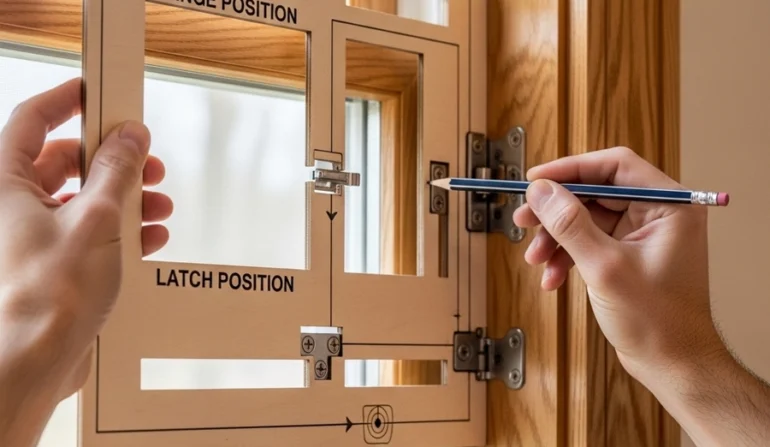
  1. Dry-fit with the AC installed; mark hinge side and release location.
  2. Pre-drill (wood) or set anchors (masonry).
  3. Mount the frame square; do not overtighten to avoid binding.
  4. Install the quick-release and cycle it repeatedly; kids should open it easily.
  5. Confirm the swing clears blinds, cords, and the AC body.

C) AC Support/Security Bar

  1. Choose an interior brace or an exterior standoff that bears weight to the wall.
  2. Level the AC; lock the brace so the unit can’t bounce.
  3. Reseal any gaps created during leveling to prevent drafts.

D) Renter, No-Drill Setup

  • Use a compression-fit window AC security bar plus a compression or clamp-on interior grille.
  • Route cords and shade rails so they never block the quick-release.
  • Document the install for your landlord with photos and a removal plan.

Noise, Drafts, and Condensation: Make It Comfortable

  • Drafts: replace flimsy accordion panels with rigid side inserts cut to size; seal edges with foam tape.
  • Vibration: add neoprene pads under the AC feet and at bar contact points; a stiffer support equals less rattle.
  • Condensation: maintain the factory drain angle; never over-level toward the interior.
  • Smells and particulates: clean filters monthly; dust vibrates loose around bars and supports otherwise.

Design That Looks Intentional (Not Makeshift)

  • Align the interior bar rails with your window muntins for clean sightlines.
  • Color-match to frames or hardware: black for contrast, white for minimalism.
  • Keep projection depth consistent across adjacent windows so the façade reads as a set.
  • Hide cables and route condensate lines discreetly.

Costs and Budgeting in 2025

Your total depends on bar type, grille size, finish, and labor:

  • Sash lock bars: the most economical, big impact for small cost.
  • Interior quick-release grilles: higher due to hinges and safety hardware—worth it for bedrooms.
  • AC supports: mid-range; crucial for stability and sealing.
  • Renter adapters (compression or clamp): low to mid; reusable when you move.
  • Exterior cages/guards: highest; mainly for ground-floor urban sites.

Because a single thwarted push-in can offset the entire investment, layered protection usually offers the best value.

Common Mistakes to Avoid

  • Using fixed bars in bedrooms; always choose quick-release for egress rooms.
  • Relying on flimsy accordion side panels as “security.”
  • Over-tightening a compression bar until vinyl frames deform.
  • Ignoring vibration—loose setups invite gaps and noise.
  • Letting blinds or cords block the release handle.
  • Leveling the AC toward the room and creating a condensate drip.
  • Forgetting to test egress monthly.

Buying Checklist (Print This Before You Order)

  1. Window type: double-hung, slider, hopper, or portable-panel setup.
  2. Room use: bedroom requires quick-release.
  3. Stack choice: sash lock bar + interior grille + support brace.
  4. Measurements: smallest width/height with AC installed; lock point length.
  5. Hinge & swing: choose a side that clears the AC and cords.
  6. Material/finish: powder-coated steel or aluminum; black or white.
  7. Tamper resistance: security heads, anti-rotation locks, collar clamps.
  8. Renter compliance: compression/clamp options; written landlord approval.
  9. Sealing kit: rigid inserts, foam tape, weather sealant.
  10. Maintenance plan: monthly release test; seasonal filter and seal inspection.

FAQs

Do I really need window bars if I already have an AC support?


Yes. A support reduces bounce but doesn’t stop the sash from moving. A window AC security bar blocks upward travel; an interior grille blocks reach-through.

Will bars keep my bedroom from being an emergency exit?


Not if you choose a quick-release interior grille. It should open with one hand, no tools, and be reachable by children.

Can I use a no-drill setup in a rental?


Absolutely. Combine a compression-fit sash bar with a clamp-on or compression interior grille. Present a removal plan to your landlord.

How do I cut drafts around the AC?


Replace accordion panels with rigid inserts, seal edges with foam tape, and level the unit correctly so gaps don’t form.

What if I remove the AC in winter?


Swap in a full-size adjustable interior grille or cover the opening with an insulated panel. Store your sash lock bar with fasteners in a labeled bag.

Do exterior cages make sense for houses?


They’re useful on ground-floor urban windows to deter theft, but coordinate with egress and exterior aesthetics.

Can kids operate the quick-release?


They should. Pick a low-force lever or lift handle and practice monthly.
Ready to Secure Your AC Window the Smart Way?

With the right combination—a sash lock bar, a stable AC support, and an interior quick-release window bar—you can stop push-ins, keep summer comfort, and preserve a fast emergency exit. Measure carefully, route cords cleanly, and test the release monthly. Need help matching hardware to your exact window and AC model? Our team is ready to guide you.
EMAIL ADDRESS: sales@securitywb.com
SITE: www.securitywb.com
PHONE:
CDMX: +52 (55) 5272 3355  USA: +1 (650) 4371 575

Recent Post

COOKIES POLICY

Security Window Bars LLC ("SWB") uses cookies and similar technologies to improve your browsing experience and enhance the functionality of our website www.securitywb.com (the “Website”). This Cookies Policy explains what cookies are, how we use them, and how you can manage your cookie preferences.

By using our Website, you agree to our use of cookies as described in this policy.

Last Updated: 01/01/25