




BLOG

security window bars
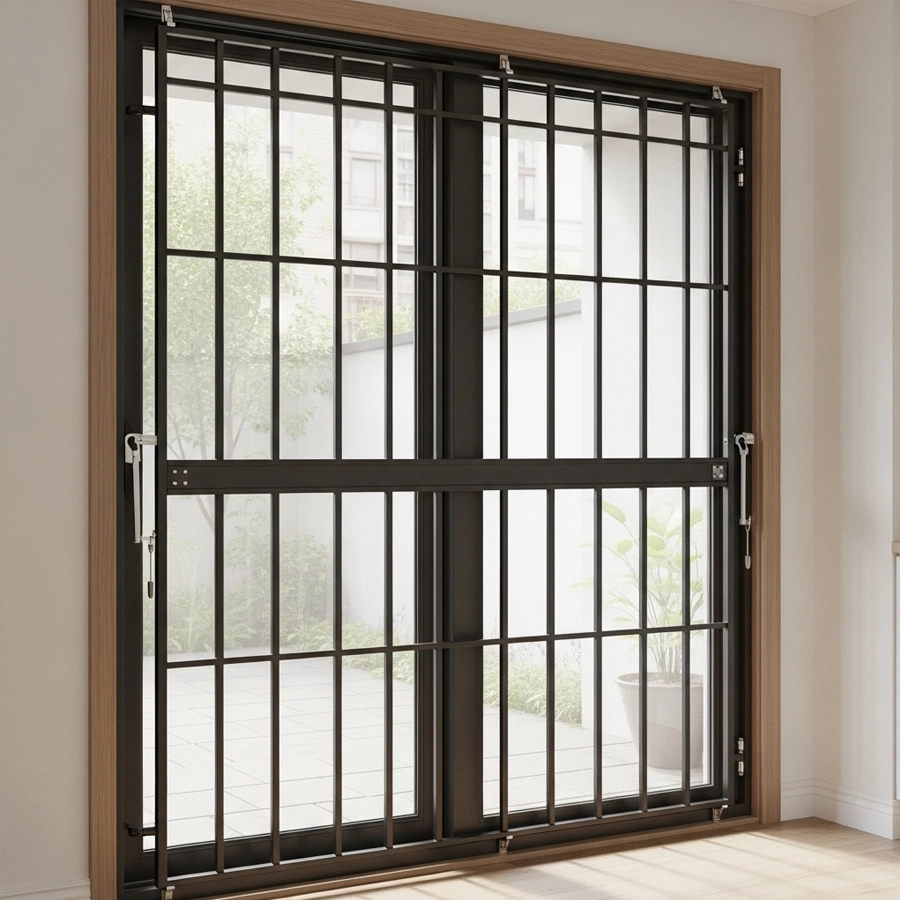
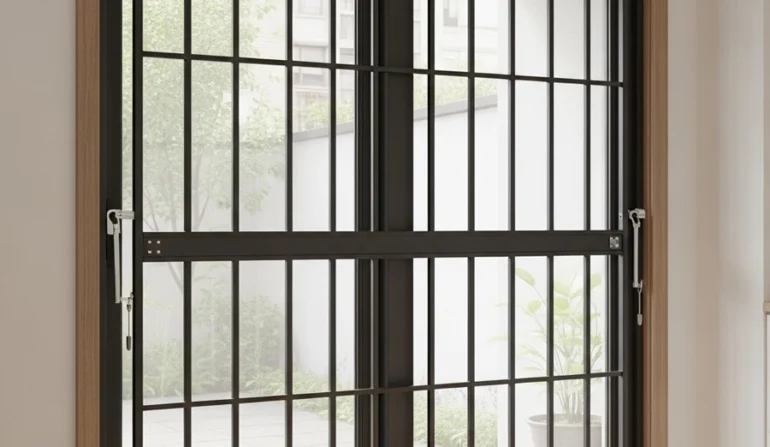
removable apartment window security bars installed on slider window

Removable Window Security Bars for Apartments (2025): Renter-Friendly Protection Without Damage

Living in a great neighborhood doesn’t mean every window is safe. Ground-floor and alley-facing units attract attention, and standard latches won’t stop a determined push. Fortunately, removable window security bars for apartments can raise your defenses—without upsetting your lease or your landlord. In this guide, you’ll learn how apartment window security bars work, which no-drill or low-impact mounts are actually reliable, how to size and set them up, and how to stay code-compliant with quick-release hardware where egress matters.

Why Choose Removable Window Bars?

Renters need flexibility. You may move next year, or your building might restrict permanent exterior changes. Removable window bars solve both problems:

  • They install from the interior, so there’s no exterior alteration.
  • They use compression frames, clamp brackets, or low-impact screw points that patch easily.
  • They deliver visible deterrence that discourages opportunistic break-ins.
  • They pack down when you move and often resize to fit the next place.

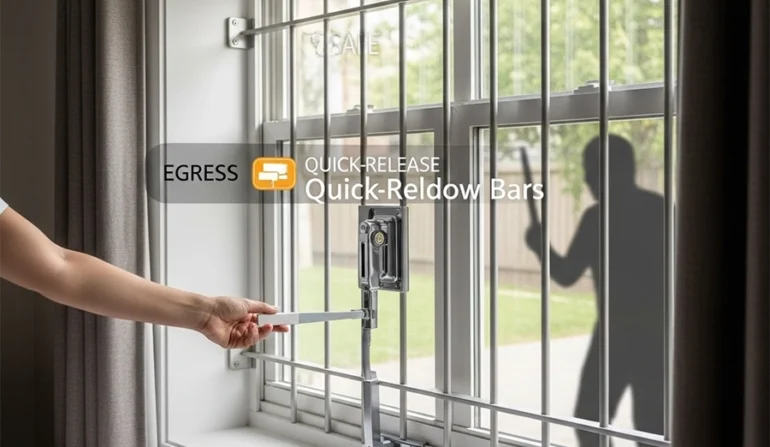
Just as important, modern renter-friendly bars can integrate a quick-release so bedrooms remain safe to exit during an emergency.

Apartment Use Cases (Where Removable Bars Shine)

  • Ground-floor windows near sidewalks or courtyards.
  • Rear alley windows shielded from street view.
  • Basement apartments with low sills and window wells.
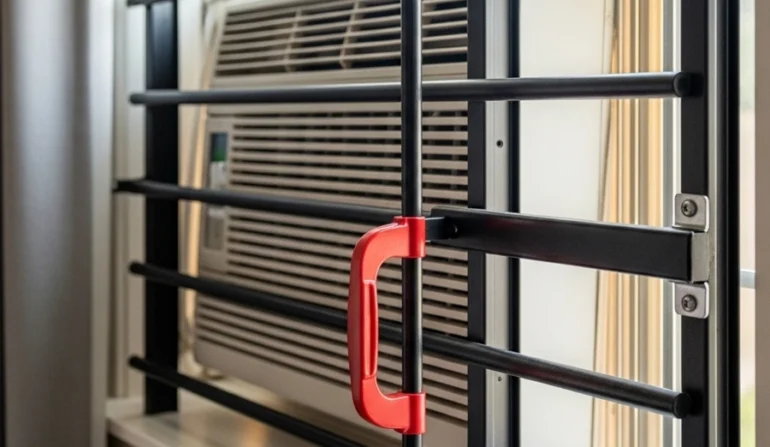
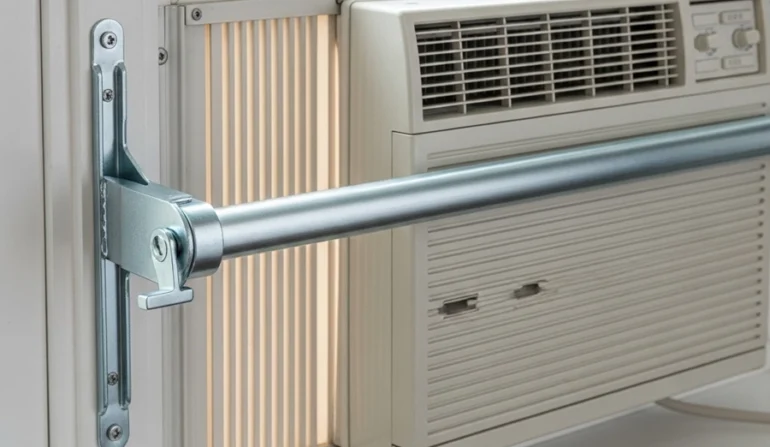
  • Windows with portable AC units where extra leverage tempts intruders.
  • Short-term leases or students who expect to relocate.

Because layouts vary, choosing the right mounting style matters as much as the bar itself.

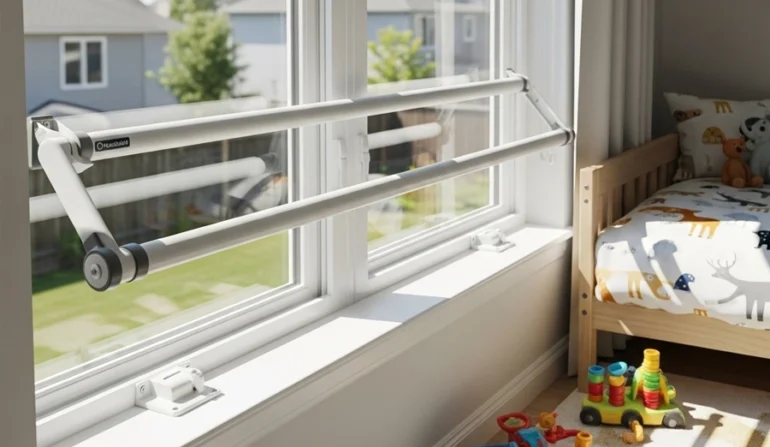
Types of Removable Window Security Bars

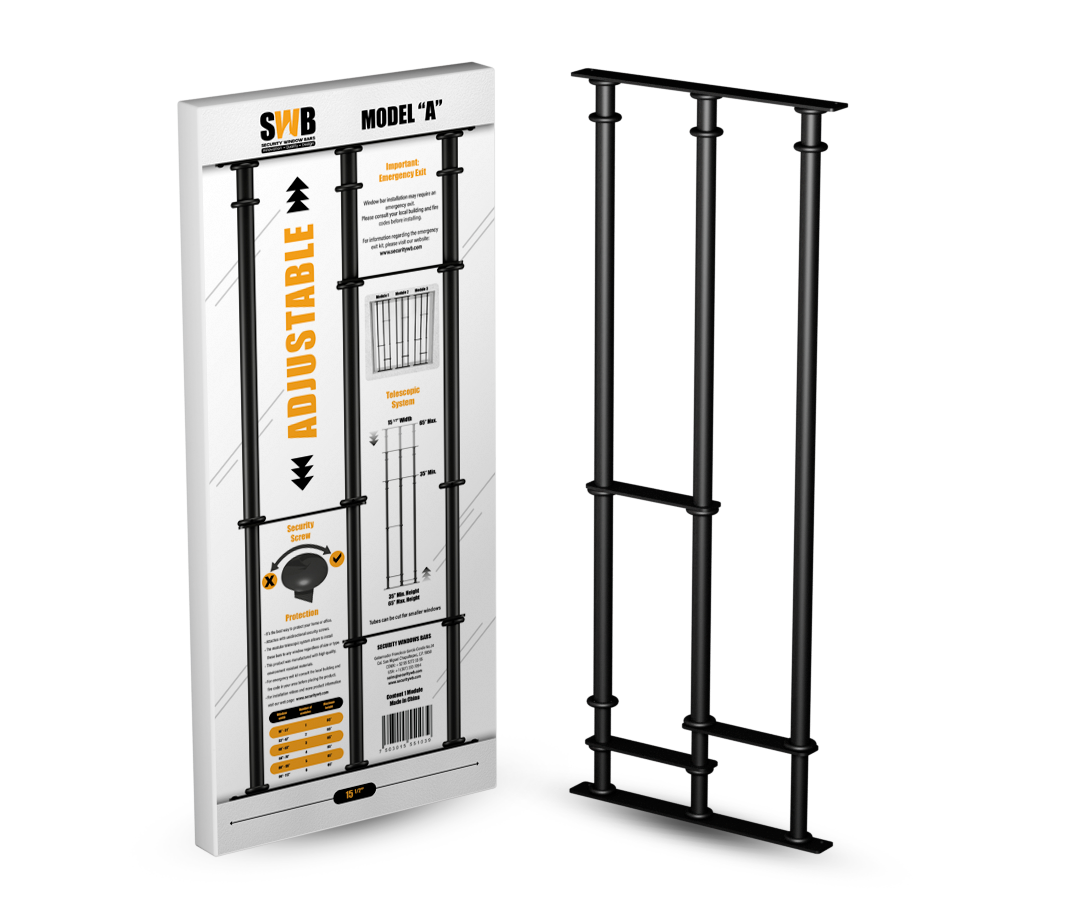
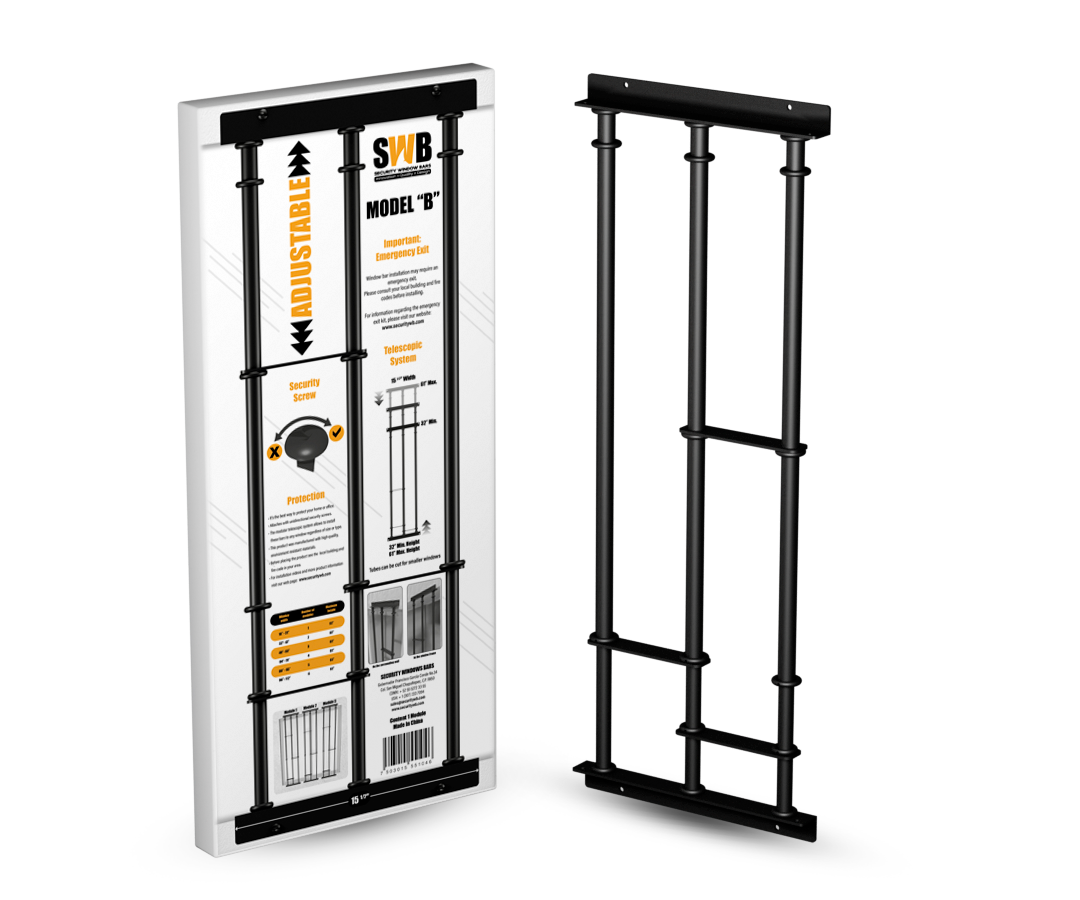
1) Compression-Fit (Tension) Bars

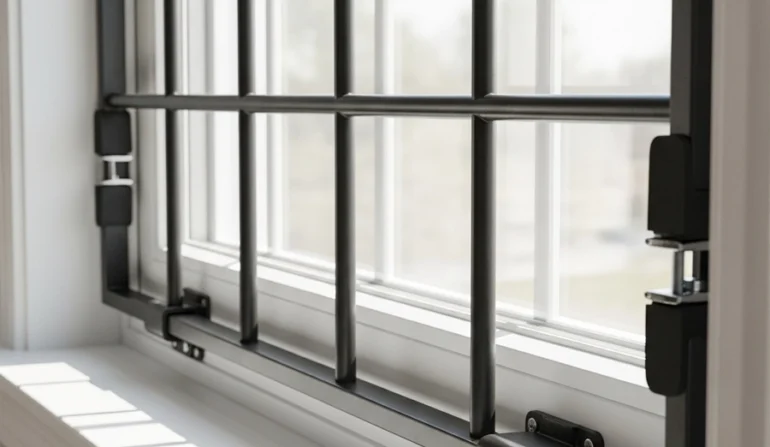
These bars expand between two jambs using an internal screw, cam, or spring mechanism. They leave no permanent holes when used with protective pads. They’re fast to install and adjust.

Best for: true “no-drill” setups on solid jambs.
Watch for: adequate anti-slip pads and anti-rotation features so the bar can’t be twisted loose.

2) Clamp-On Bracket Systems

Here, small C-style brackets grab the frame return or a dedicated adapter. The bar then screws into those brackets. When removed, only tiny set-screw marks (if any) remain.

Best for: narrow returns, metal frames, or when compression has little grip.
Watch for: frame thickness; add shims if the clamp can walk.

3) Low-Impact Screw-Mount Frames

A slim frame attaches with two to four interior screws using drywall anchors into the surrounding trim or stud. Holes are simple to fill when you move.

Best for: maximum strength with minimal visual impact.
Watch for: hidden utilities; always scan before drilling.

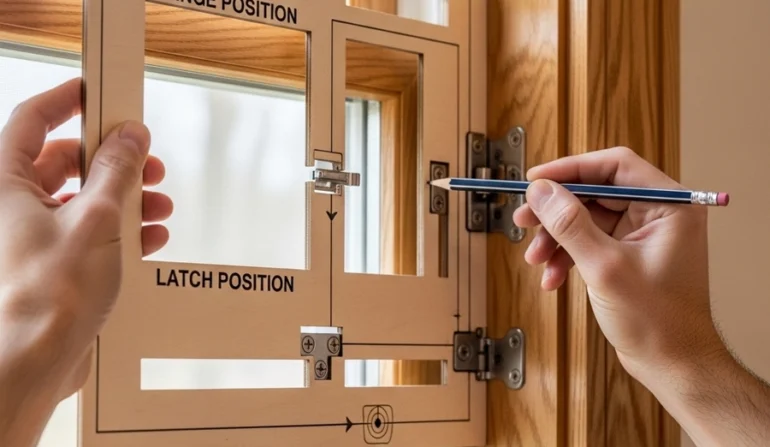
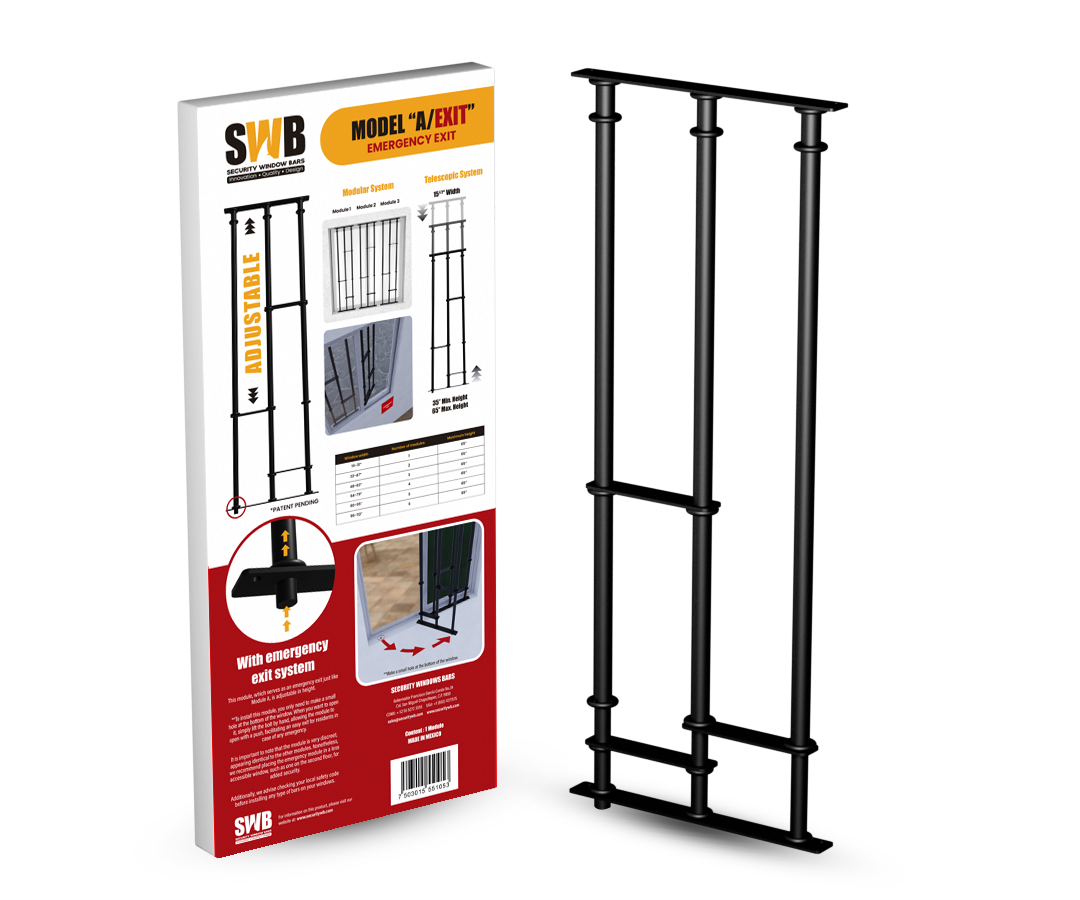
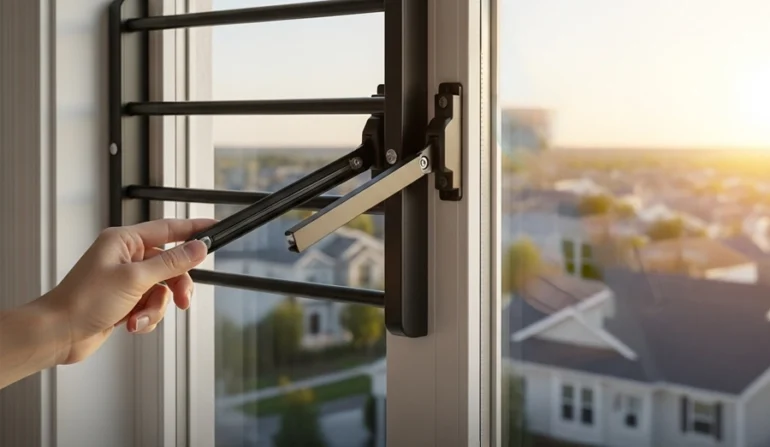
4) Hinged Quick-Release (Interior)

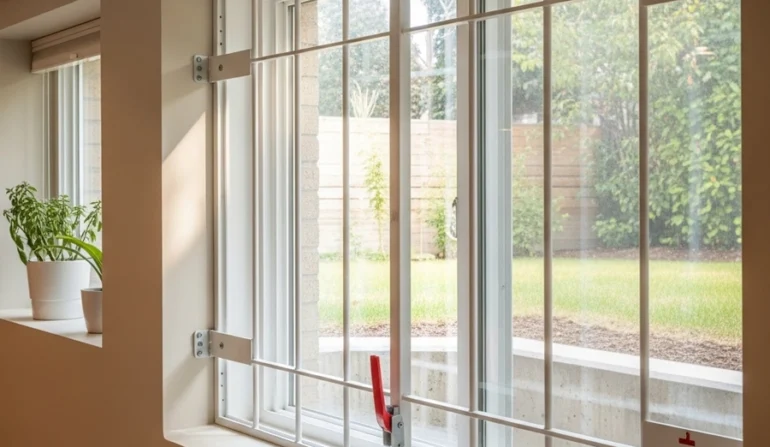
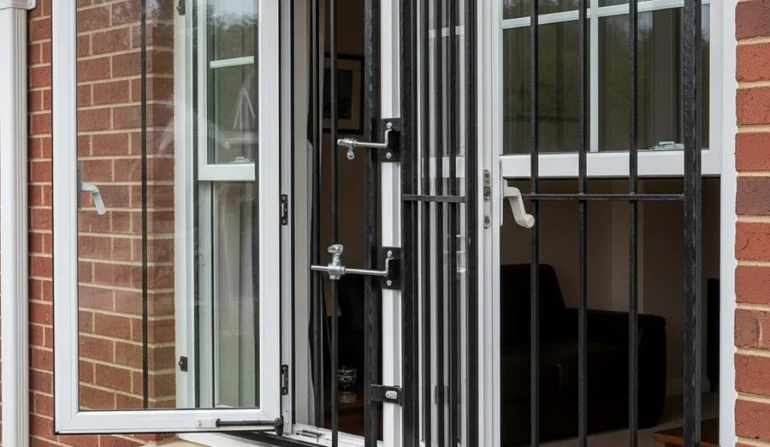
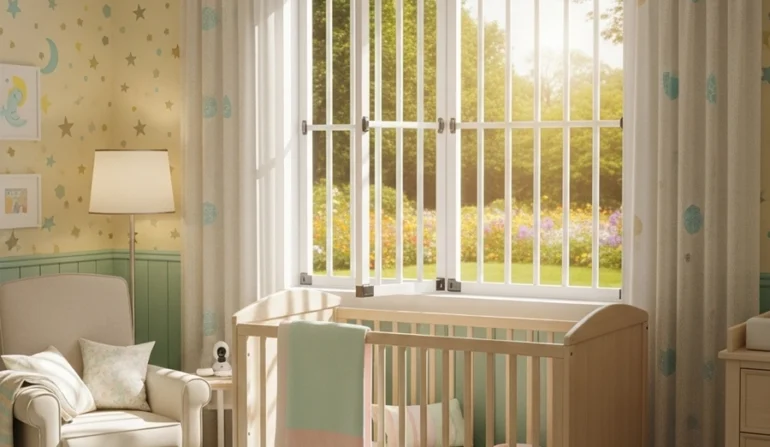
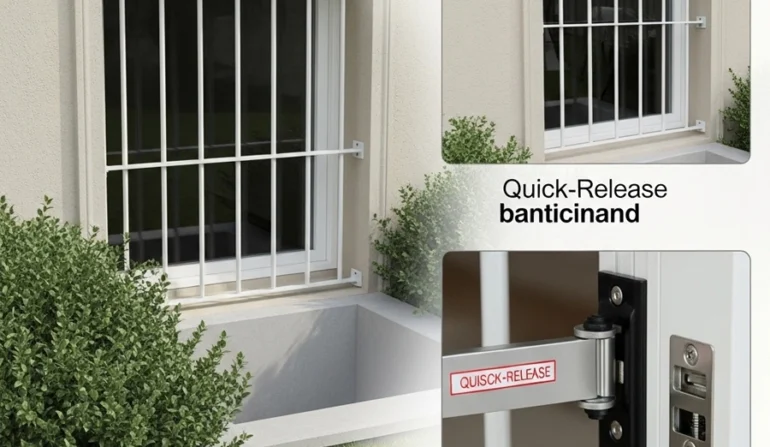
A compact hinged grille with an interior quick-release allows fast egress. Although the hinge tabs usually need screws, there are low-impact adapters that spread load and keep holes small. Bedrooms benefit most from this style.

Best for: rooms that require emergency egress.
Watch for: blinds and shades that could block the swing.

Tip: If your lease forbids any holes, choose compression-fit or clamp-on systems and pair them with an AC support/security bar where applicable.

Safety First: Egress for Bedrooms

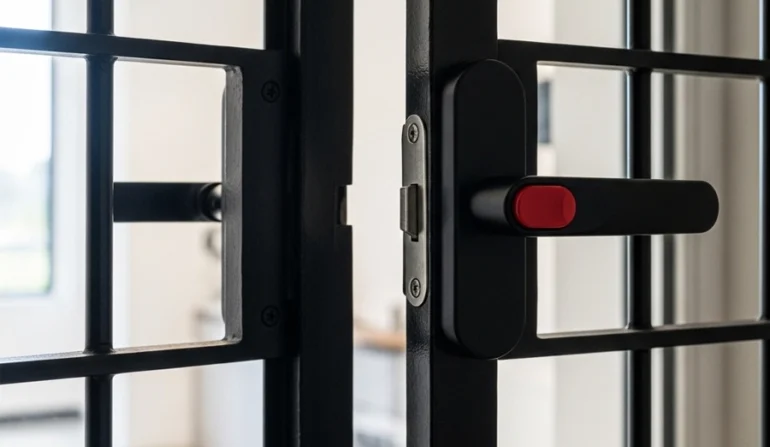
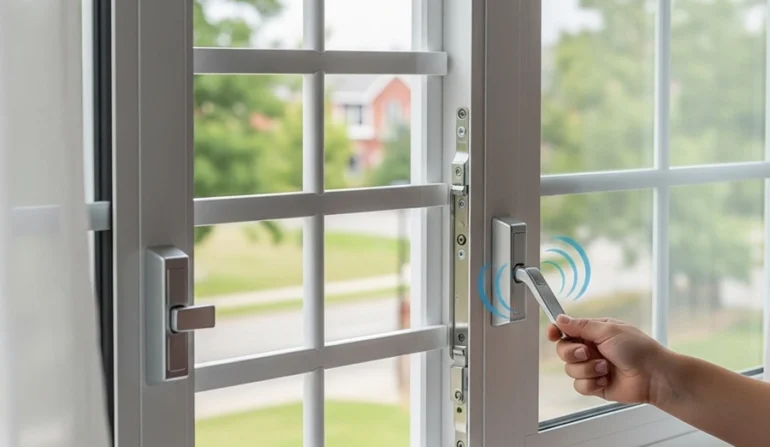
Security is important; escape is non-negotiable. If a room is used for sleeping, install window security bars that open from inside. A compliant quick-release opens with one hand, requires no keys or tools, and is reachable by children and guests. Apartment layouts can be tight, so keep a clear egress zone around the window and practice the release monthly.

Interior vs. Exterior for Apartments

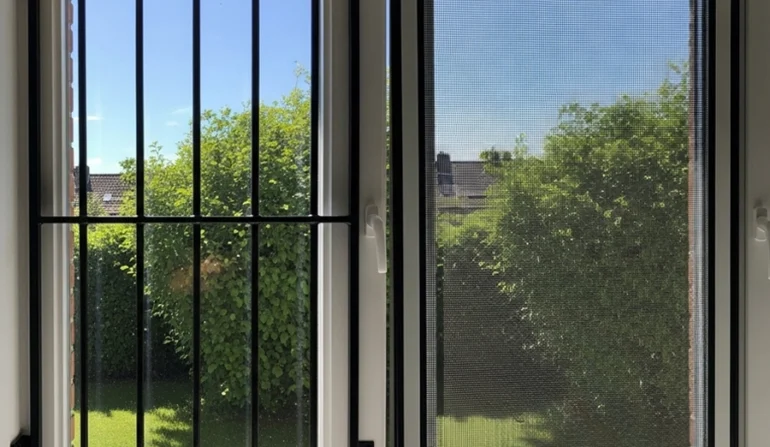
  • Interior removable window bars are the renter’s default: you install, operate, and remove them without touching the building façade.
  • Exterior bars usually require landlord and municipal approvals; they’re rare for renters but common for owners of condo units or townhomes.

Because management teams prioritize uniform exteriors, interior bars nearly always get approved faster—especially when you present a plan that protects egress.

Materials and Finishes (What Lasts Indoors)

  • Powder-coated steel: the best stiffness and resistance to prying.
  • Aluminum: lighter to handle; choose thicker profiles for comparable strength.
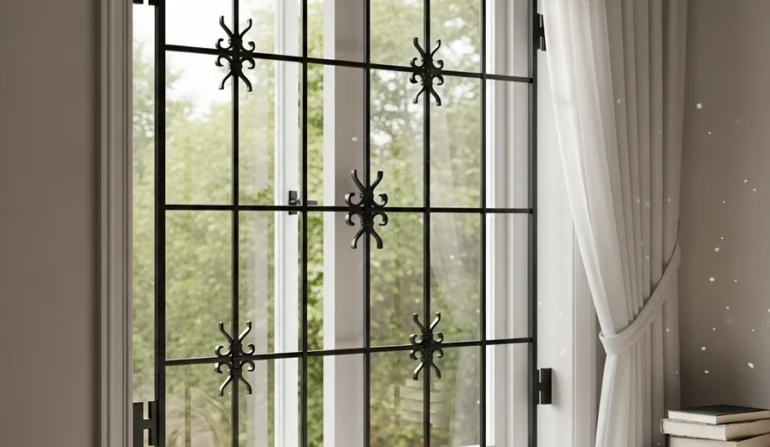
  • Finish: satin black hides pads and brackets; white blends with vinyl frames. Both work well in minimalist interiors.

Look for smooth welds, capped ends, and child-safe edges. A refined bar looks intentional, not improvised.

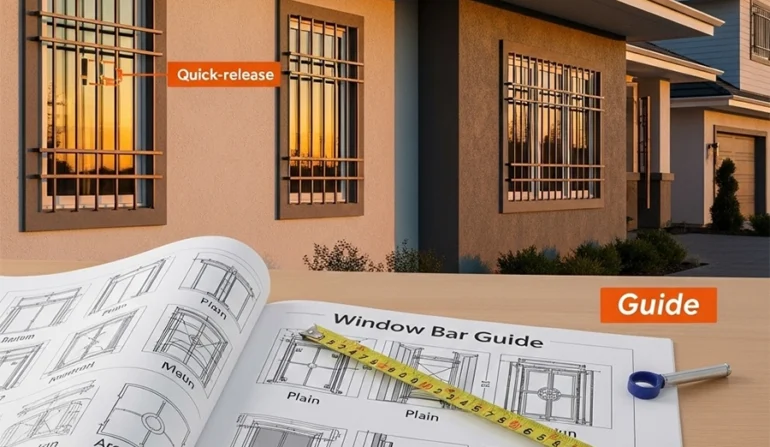
Measuring for Removable Bars (Accurate = Safer)

  1. Decide the mount: compression, clamp, or low-impact screws; quick-release if the room is a bedroom.
  2. Width: measure the inside jamb-to-jamb at top, middle, and bottom; use the smallest number.
  3. Height: measure left, center, right if the bar is full-height; otherwise note the exact placement height for compression bars.
  4. Jamb material: wood, vinyl, aluminum, or tile—pad accordingly to prevent slipping.
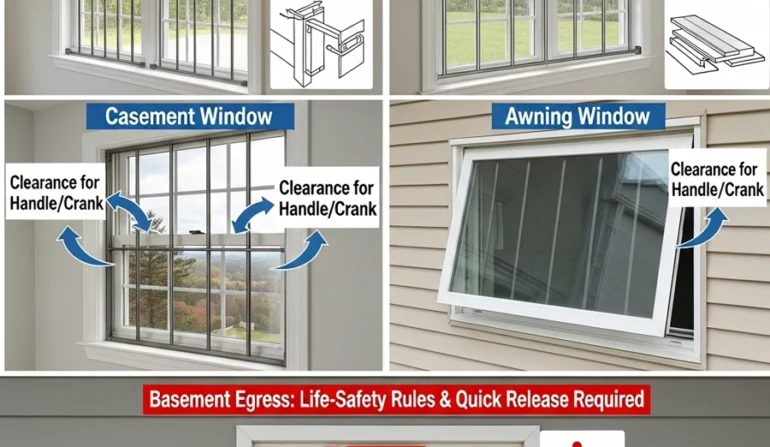
  5. Obstructions: locks, cranks, blinds, shades, and AC brackets.
  6. Handle reach: ensure children can find and operate the release comfortably.
  7. Clearances: leave a small tolerance so compression pads seat flat without bowing the frame.

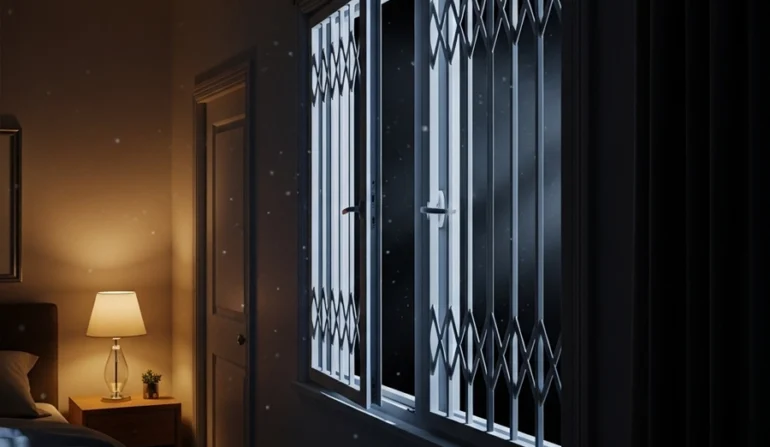
For slider or single-hung windows, place the bar to block sash travel and reinforce the meeting rail area; for casements, anchor opposite the hinge side to resist prying.

Installation: No-Drill and Low-Impact Setups

A) Compression-Fit (No-Drill) – 10-Minute Setup

  1. Protect the jambs with the included pads.
  2. Pre-set the length slightly short, position the bar, and expand until snug.
  3. Level the bar and apply final tension; the pads should compress, not crush.
  4. Anti-rotation check: engage any set pins or wings so the bar can’t twist.
  5. Test by pushing on the sash and prying gently at the bar ends.

B) Clamp-On Brackets – Minimal Marks

  1. Dry-fit clamps to ensure they seat flat on the frame return.
  2. Add shims where needed; tighten evenly to avoid racking the frame.
  3. Attach the bar to the clamps with the supplied screws.
  4. Security check: verify clamps can’t slide along the frame under pressure.

C) Low-Impact Screw-Mount – Maximum Strength

  1. Locate studs or use high-quality hollow-wall anchors for trim.
  2. Pre-drill undersized pilot holes; avoid window balance channels.
  3. Fasten the frame and re-check plumb before final torque.
  4. Touch up with color-matched caulk so the install looks built-in.

Quick-Release Add-On (Bedrooms)

  • Position the handle within easy reach; label discreetly (e.g., “Lift to Open”).
  • After install, rehearse an egress drill with lights off.

Landlord & Lease: How to Get a Fast “Yes”

  • Ask in writing and include photos of the product, the mount type, and removal plan.
  • Use phrases like “interior-only, removable, low-impact” and note that screw holes (if any) are patchable with putty and touch-up paint.
  • Offer to schedule a quick inspection after installation.
  • Confirm that windows remain operable and that bedrooms use a quick-release.

Presenting a respectful, safety-first plan nearly always accelerates approval.

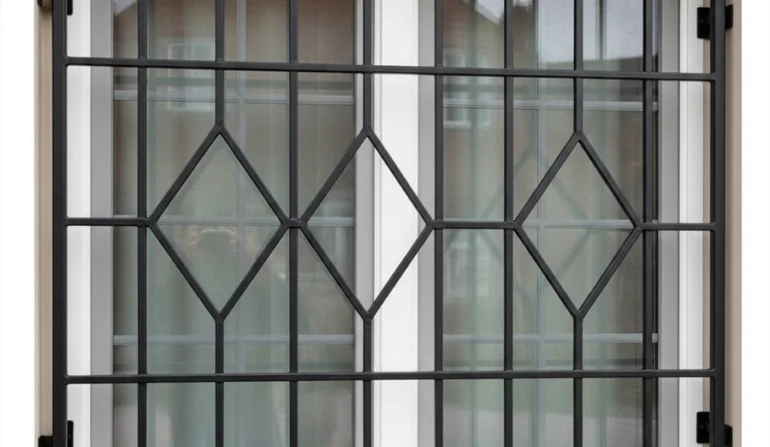
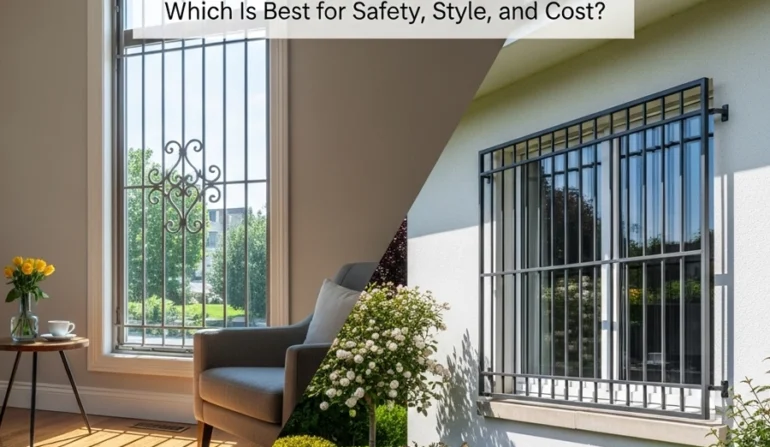
Design That Feels Like Home (Not a Dorm Hack)

Security can look intentional. To keep your space stylish:

  • Choose a slim, symmetrical pattern that echoes your window grids.
  • Align the bar with mullions so visual lines stay clean.
  • Color-match to frames (white) or hardware (black) for a cohesive look.
  • Route blind cords and shade rails so nothing blocks the quick-release.
  • If you own décor panels or plants, keep them clear of the egress path.

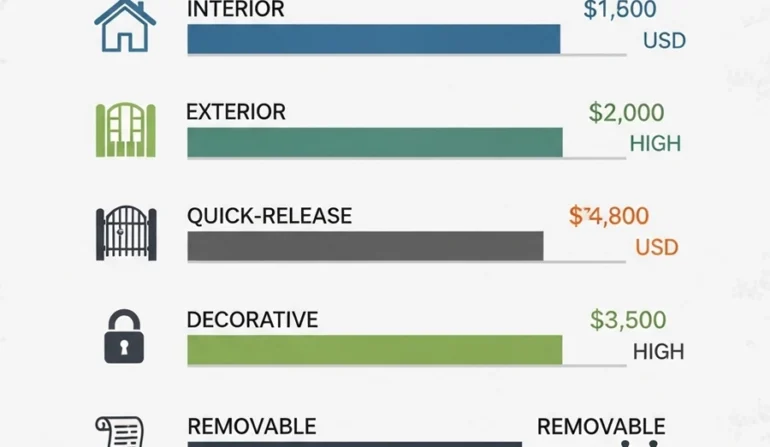
Costs and Value for Renters (2025)

Pricing depends on size, material, and hardware:

  • Compression-fit or clamp-on bars: budget-friendly and reusable.
  • Low-impact hinged quick-release bars: higher due to hinges and latches, but essential for bedrooms.
  • Optional accessories: AC security bars, tamper-resistant screws, extra pads, and child-friendly release handles.

Because they move with you, removable bars offer uncommon value; preventing a single incident can cover the entire investment.

Maintenance (Keep It Smooth and Silent)

  • Monthly: test the quick-release and re-check compression tension.
  • Quarterly: wipe dust from pads, hinges, and latches; apply a dry PTFE lubricant to moving parts.
  • After a relocation: inspect pads and replace if glazed or hardened.
  • Always: keep blinds, curtains, and furniture out of the swing path.

Common Mistakes to Avoid

  • Using fixed bars in a bedroom—egress must stay open.
  • Overtightening compression bars until frames bow or vinyl cracks.
  • Leaving no-drill bars without anti-rotation locks; twisting can loosen tension.
  • Blocking the release with shades or AC hoses.
  • Skipping written landlord approval when your lease requires it.
  • Relying on adhesives alone for security applications; use mechanical grip.

Buying Checklist (Print This Before You Order)

  1. Room type: bedroom (requires quick-release) or living area.
  2. Mount: compression, clamp-on, or low-impact screws.
  3. Window style: slider, single-hung, casement, or hopper.
  4. Measurements: smallest width/height; note jamb depth and obstacles.
  5. Mechanism: one-hand quick-release for bedrooms; child-friendly height.
  6. Material/finish: powder-coated steel or aluminum; black/white to match.
  7. Anti-tamper: anti-rotation feature, capped screws, or concealed fixings.
  8. Lease compliance: written approval on file; removal plan ready.
  9. Compatibility: AC units, blinds, and screens won’t block egress.
  10. Portability: will the bar resize to fit your next place?

FAQs

Are removable window bars legal for apartments?


In most places, yes—especially when installed inside and without altering the exterior. For bedrooms, choose quick-release models so occupants can exit without tools.

Will my landlord allow them?

Many do when you present a low-impact plan in writing and agree to patch small holes if used. Compression-fit or clamp-on bars are easiest to approve.

Do no-drill bars really stay put?


Quality compression bars hold well when sized correctly and tensioned against solid jambs with anti-slip pads. For maximum strength, consider low-impact screw-mount frames.

Can children open the quick-release?


They should be able to. Pick a low-force lever or lift handle and practice monthly. Label the handle discreetly.

What about windows with AC units?


Pair an AC security bar with an interior removable grille. Ensure the egress swing clears hoses and cords.

Will bars damage my window frames?


Compression and clamp systems are designed to be gentle. Use protective pads and avoid over-tensioning; vinyl can crack if crushed.

Can I take the bars with me when I move?


Yes. That portability is a key advantage of removable window security bars. Keep all fasteners and adapters in a labeled bag for the next install.

Ready to Secure Your Apartment—Without Breaking the Lease?

With the right removable window bars, renters can deter break-ins, maintain egress, and keep apartments looking clean. Choose a mounting style that fits your lease, size carefully, and practice the release with everyone who lives there. If you’d like help matching hardware to your exact window type, our team is ready to guide you.

EMAIL ADDRESS: sales@securitywb.com
SITE: www.securitywb.com
PHONE:
CDMX: +52 (55) 5272 3355  USA: +1 (650) 4371 575

Recent Post

COOKIES POLICY

Security Window Bars LLC ("SWB") uses cookies and similar technologies to improve your browsing experience and enhance the functionality of our website www.securitywb.com (the “Website”). This Cookies Policy explains what cookies are, how we use them, and how you can manage your cookie preferences.

By using our Website, you agree to our use of cookies as described in this policy.

Last Updated: 01/01/25