

BLOG

security window bars
How much do window security bars cost in 2025

Window Bars Cost in 2025: Complete Pricing Guide

Wondering what window bars cost this year—and how to avoid surprise charges? This guide gives you transparent window security bars cost ranges, explains what actually drives the price, and shows smart ways to save money without sacrificing safety or style. We’ll cover fixed vs. hinged quick-release models, interior vs. exterior mounting, decorative upgrades, labor by substrate (wood, brick, block, concrete), and regional factors that matter.

At a Glance: Typical Window Bars Cost Ranges (2025)

Every opening is different, but these ballpark ranges help you budget with confidence. Prices below include common hardware and standard powder-coat finishes; tax and shipping vary by region.

Category Typical Use Ballpark Cost per Opening*
Fixed interior window bars
Non-egress rooms, storage, high windows
$90 – $250
Hinged quick-release window bars
Bedrooms, finished basements (egress)
$250 – $600
Decorative security window bars
Curb appeal + security (interior/exterior)
$350 – $1,200
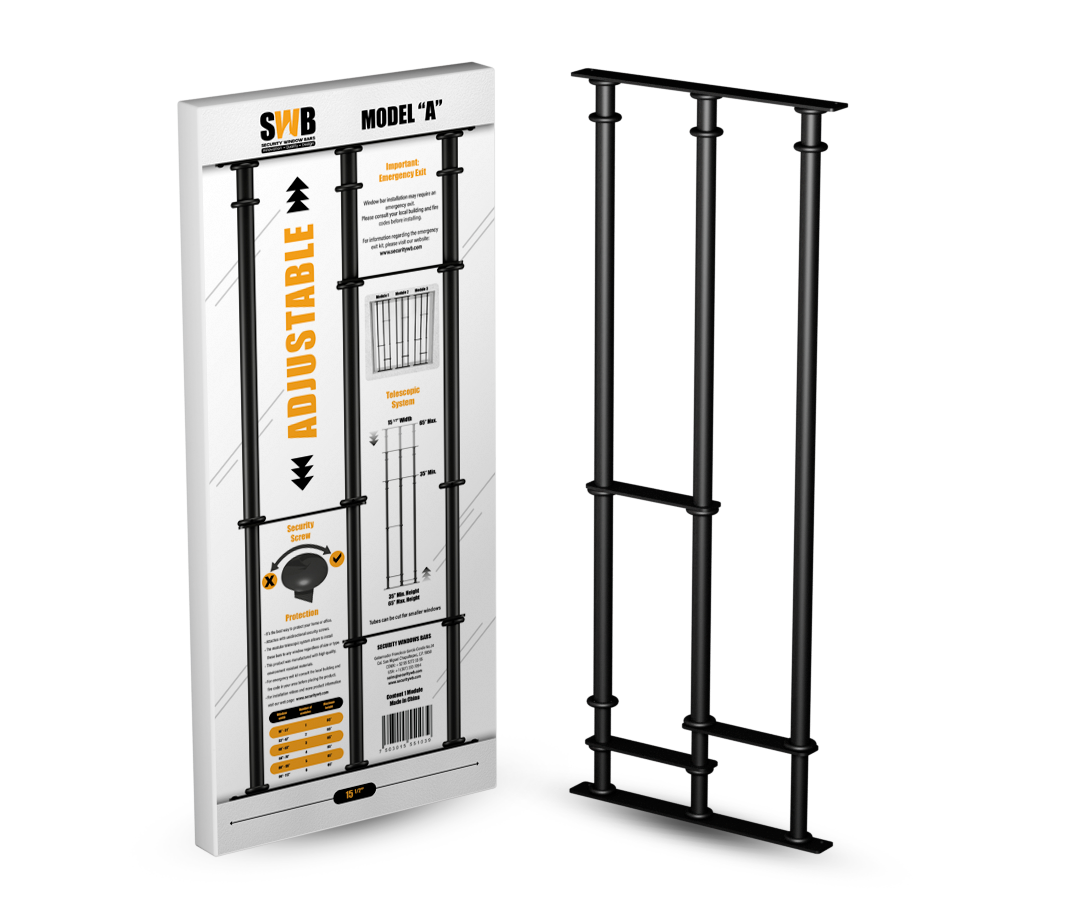
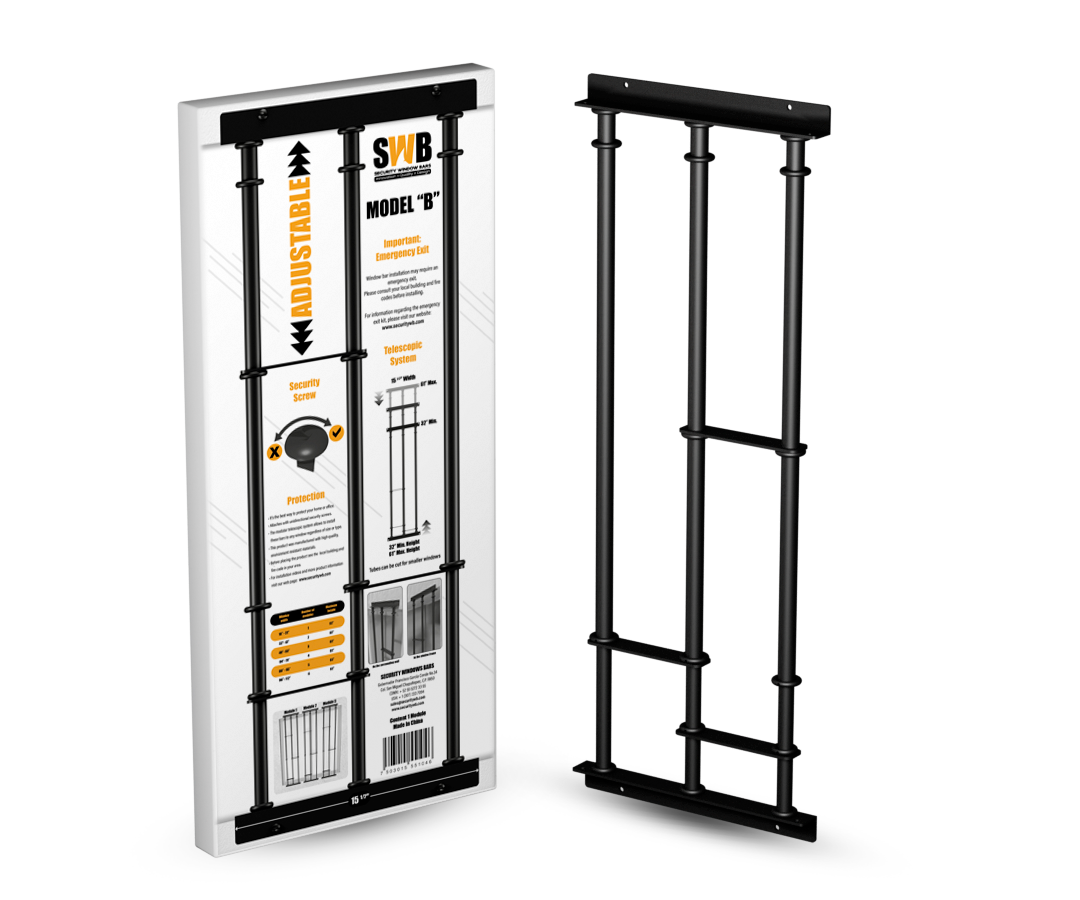
Removable/adjustable apartment bars
Renters, no-drill or low-impact
$80 – $300
Exterior cages/guards (heavy duty)
Ground floor urban, unit theft deterrence
$450 – $1,500
AC window security bar (sash lock)
Windows with AC units
$25 – $120

*Hardware & finish included where typical; custom colors, special shapes, and oversized frames increase cost.

Quick takeaway: Quick-release adds cost—but it’s mandatory for egress and worth every dollar. Decorative upgrades scale with pattern complexity, finish package, and custom geometry.

What Drives the Cost of Window Security Bars?

Pricing is straightforward when you understand the inputs:

  1. Size & Complexity
    Larger or unusual shapes (arched, trapezoid, radius corners) require templates and extra fabrication time.
  2. Configuration
  • Fixed = simplest and least expensive.
  • Hinged adds hardware and alignment steps.
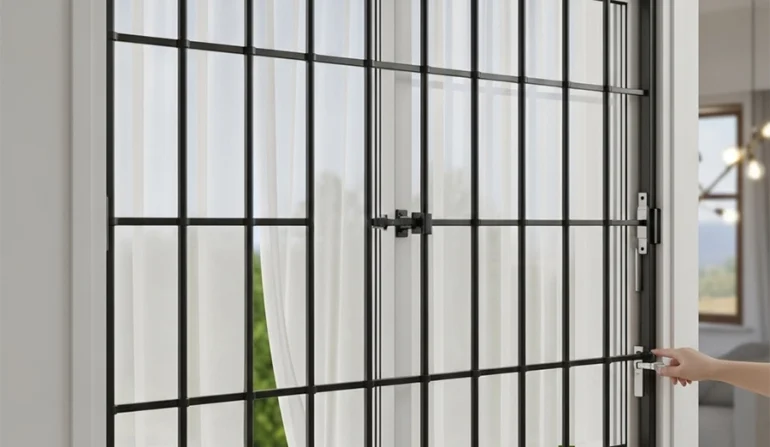
  • Quick-release adds precision latches and interior controls.
  1. Material & Finish
  • Powder-coated steel offers top strength per dollar.
  • Aluminum is lighter and corrosion-resistant but often needs thicker sections.
  • Galvanized + powder-coat packages add corrosion protection in coastal or damp climates (typically +15–25%).
  1. Mounting Location
  • Interior window bars protect hardware from weather and usually install faster.
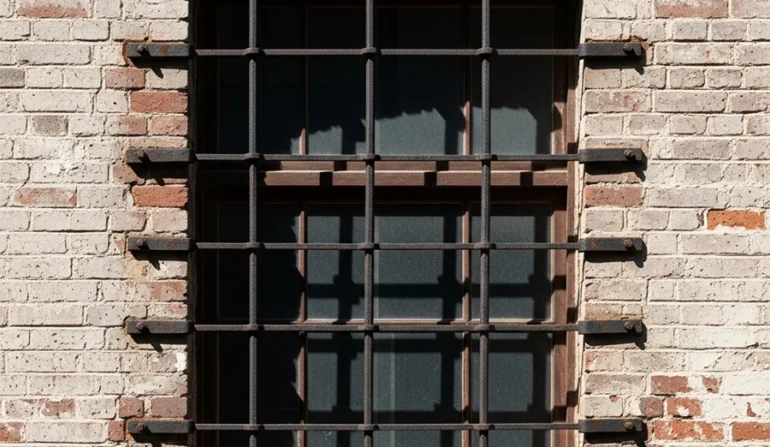
  • Exterior window bars on masonry can require heavier anchors and more layout time.
  1. Substrate & Anchors
  • Wood studs (lags) are fast and economical.
  • Brick, block, concrete require masonry bits, dust extraction, and wedge/sleeve anchors—adding $40–$120 in labor and consumables per opening, depending on site conditions.
  1. Aesthetics & Decor
    Decorative grids, scroll work, and capped fasteners increase materials and finishing steps.
  2. Site Factors
    Second-story ladders, tight window wells, or historic trim can slow installation. Urban deliveries, HOA rules, or strict schedules can also affect labor.

Interior vs. Exterior: Which Costs More?

  • Interior window bars are more budget-friendly on average. Releases are easier to route inside, and finishing is simpler.
  • Exterior bars may cost more due to masonry anchors, weatherproof sealing, and aesthetic alignment across a façade. That said, short ladder access or ground-floor exteriors can offset the difference.

Pro tip: If you want the exterior look but need egress, use a concealed interior quick-release that controls the exterior frame via linkage. It keeps safety high while preserving the façade.

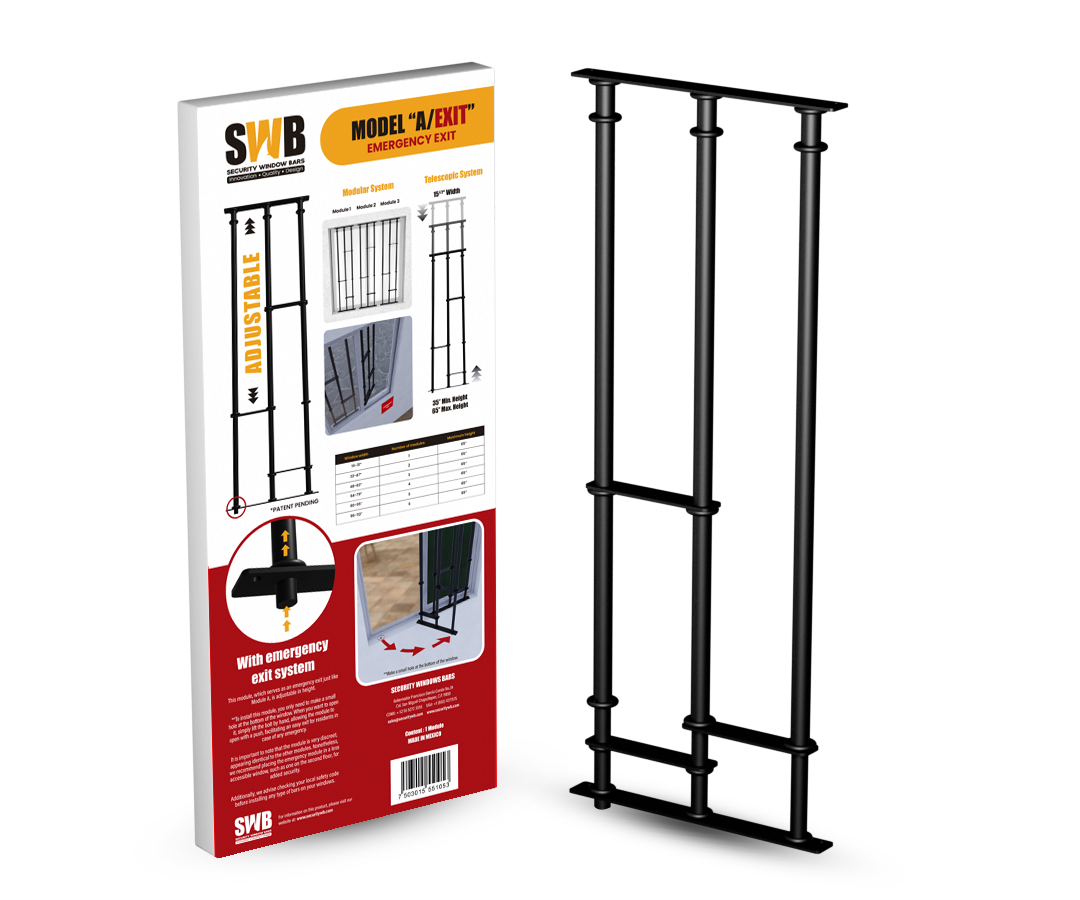
Quick-Release Upgrade: What You Pay—and Why

Expect +$70 to +$250 over fixed or simple hinged setups for a modern quick-release package. Where does that go?

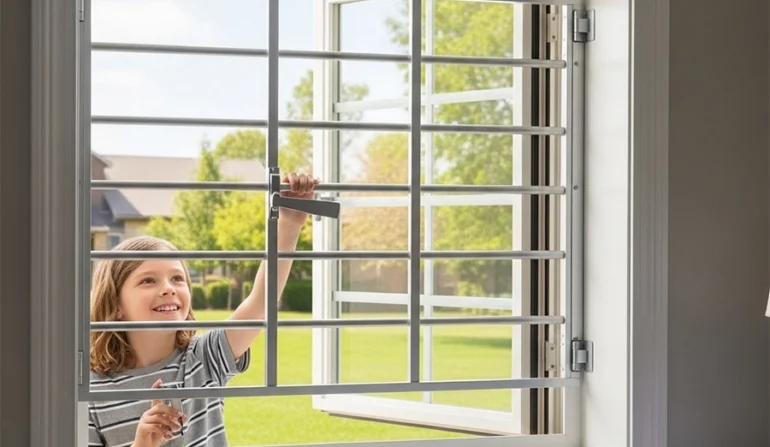
  • Precision latch/lever or lift mechanism engineered for one-hand, one-motion operation (no tools).
  • Reinforced hinge and keeper geometry that resists prying yet opens smoothly.
  • Interior-only access shielding so intruders can’t reach the release.

When a room is used for sleeping, treat window bars that open from inside as non-negotiable. It’s the right choice for safety—and often required.

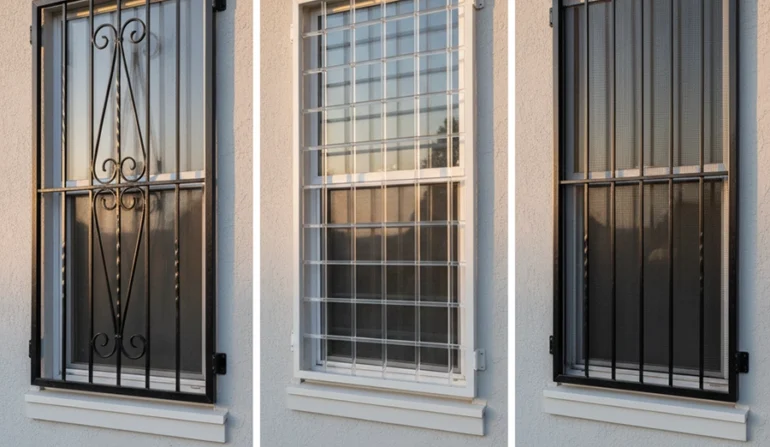
Decorative Security Window Bars Cost: What Changes the Price?

You’re paying for design, finishing, and fit:

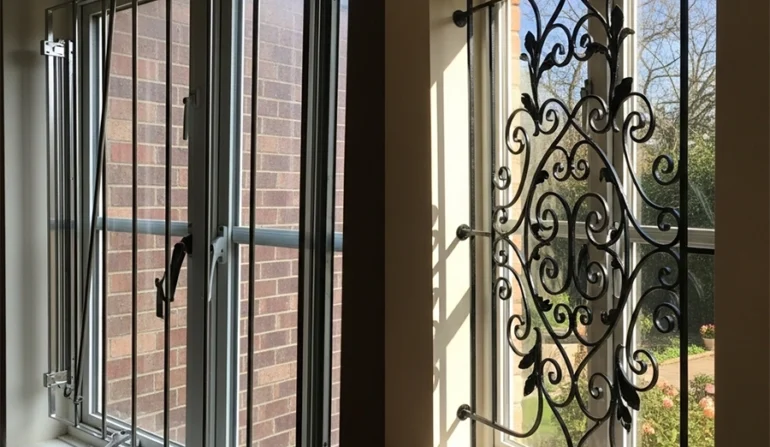
  • Pattern complexity (clean grid vs. scrolls and arches).
  • Profile thickness (slimmer look requires stronger materials or tighter tolerances).
  • Finish package (custom colors, low-sheen powder, or coastal-grade galvanization).
  • Facade alignment (measured reveals and rail alignment across multiple windows).

Decorative sets often land in the $350–$1,200 per opening range depending on size and complexity, with multi-window projects benefiting from economies of scale.

Labor: DIY vs. Pro Installation (and What Labor Costs Include)

DIY is realistic for interior frames on wood studs and simple sizes. If you’re drilling masonry, aligning multiple decorative frames, or setting releases for children and seniors, professional installation is usually the better value.

Typical labor components

  • Layout & dry-fit, hinge side decisions, swing path verification
  • Substrate drilling (wood vs. masonry) and anchor setting
  • Leveling, plumb, and torque sequence to avoid binding
  • Quick-release calibration and egress testing
  • Caulk/sealant application and touch-ups

Ballpark labor per opening

  • Wood framing (interior): $60 – $150
  • Masonry (brick/block/concrete): $100 – $220
  • Complex/exterior decorative with ladder work: $180 – $350

Travel, parking, and multi-story access can add modest surcharges in dense urban areas.

Window Type by Window Type: How Costs Shift

  • Double-hung / Single-hung: common and economical; quick-release hinges add moderate cost.
  • Sliders: similar to double-hung; consider left/right swings to clear blinds or AC.
  • Casement: longer clearances and handle interference can add time; decorative alignment matters more.
  • Awning / Hopper (basements): tight spaces raise alignment labor; window wells may require careful hinge placement.
  • Arched or specialty shapes: template time and curved pickets raise fabrication cost.

Apartment & Renter Scenarios: Removable Window Bars Cost

Renters prioritize removable or low-impact mounts:

  • Compression-fit / clamp-on interior bars: $80 – $300
  • Low-impact screw-mount hinged quick-release: $180 – $420 (slightly higher due to latches/hinges)
  • These solutions avoid exterior alteration, patch easily at move-out, and often resize for the next apartment—spreading the cost over multiple leases.

Windows with AC Units: What to Budget

Plan for a stack rather than a single item:

  • Window AC security bar (sash lock): $25 – $120
  • Interior quick-release grille: $250 – $600
  • AC support brace: $35 – $150
  • Sealing kit (rigid inserts + foam): $20 – $80

Layering gives you stability, draft control, and real anti-push-in resistance while keeping egress intact.

Coastal, Damp, and Harsh Climates: Finish Packages

Near the ocean or in high-humidity zones, step up the finish:

  • Galvanized steel + powder-coat: typically +15–25% over standard powder-coat.
  • Stainless pins & capped fasteners: +$10 – $40 per opening.
  • Sealants & prep: a few dollars per opening that pay off with longer life.

The added cost protects your investment—and keeps decorative sets looking new.

The Hidden Costs to Watch (and How to Avoid Them)

  • Return trips for missing measurements or blocked swings.
  • Obstructions (blinds, shades, AC hoses) that require rework.
  • Under-anchoring in weak substrates and subsequent reinforcement.
  • Finish mismatch when mixing batches or colors across a façade.
  • Skipping quick-release in egress rooms—future retrofits cost more than doing it right the first time.

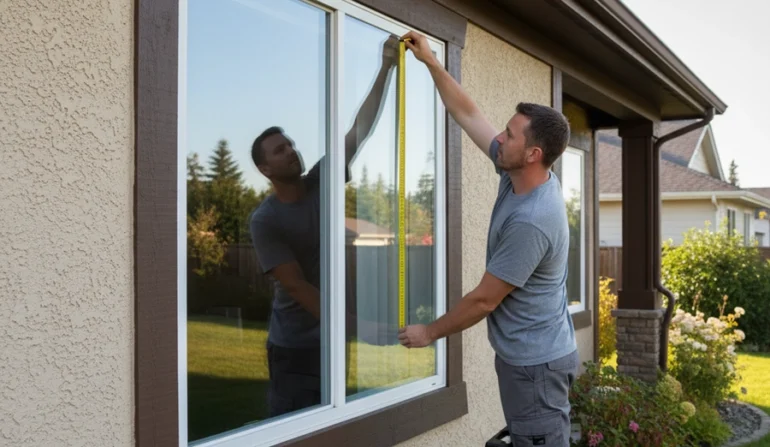
How to avoid surprises: share photos, exact measurements (width/height at three points), window type, substrate, and interior blinds/AC layout when requesting a quote.

Savings Without Sacrificing Safety

  • Cluster installations: schedule multiple openings the same day to reduce mobilization time.
  • Interior mounts on wood where possible.
  • Keep patterns simple: clean grids cost less than custom scroll work.
  • Choose standard colors unless a custom shade is essential.
  • Measure precisely to prevent rework.
  • Quick-release where required, fixed elsewhere (storage rooms, non-habitable spaces).

ROI: How Window Security Bars Pay for Themselves

Bars are one of the few upgrades that deter attempts before they start. Preventing one break-in (or even an attempted pry that damages frames and glass) often offsets the entire project. In some markets, bars can reduce anxiety-driven upgrades (extra cameras, guards) and complement smart security without subscriptions. They also work during power or network outages.

How to Request a Fast, Accurate Quote (What We Need)

  1. Photos of each window (interior/exterior)
  2. Measurements: width & height in three places (use the smallest), plus diagonal check
  3. Window type: double-hung, slider, casement, awning/hopper
  4. Mount preference: interior vs exterior; fixed/hinged; quick-release for egress
  5. Substrate: wood, brick, block, concrete
  6. Obstructions: blinds, shades, AC units, cranks, furniture
  7. Style & finish: decorative pattern ideas, color (black/white/custom)
  8. Access: floor level, ladders needed, parking restrictions
  9. Timeline: ideal install window; weekday vs weekend
  10. Contact info: so our team can confirm details

With that checklist, quotes turn around quickly and land closer to final invoicing.

DIY vs. Pro: When to Roll Up Your Sleeves

DIY makes sense when you have:

  • interior mount on wood framing,
  • simple rectangular openings, and
  • comfort with drilling, leveling, and following a torque sequence.

Hire a pro when you’re dealing with:

  • masonry, arched or decorative frames,
  • bedroom quick-release for kids or seniors, or
  • multiple openings that must align perfectly from the street.

Either way, test the release monthly and keep the swing path clear.

Sample Bill of Materials (One Hinged Quick-Release, Interior, Wood Framing)

  • Hinged steel frame with quick-release latch
  • Full-length piano hinge or heavy-duty butt hinges
  • Lag screws + washers (wood) or sleeve anchors (masonry)
  • Tamper-resistant caps or color-matched heads
  • Sealant (interior & exterior as required)
  • Touch-up paint (powder-coat match)
  • Dry PTFE lubricant (hinge & latch pins)
  • Optional: decorative infill pattern or custom color

FAQs

What’s the cheapest way to add window bars?


A fixed interior frame on wood studs. Use this only where egress isn’t required. For bedrooms or basements used as living space, choose quick-release.

Why are quick-release bars more expensive?


Precision latch hardware and reinforced hinges add cost. They preserve emergency egress, which is critical for sleeping rooms.

Do decorative bars always cost a lot more?


Not always. Clean, repeated grid patterns can be affordable, especially across multiple windows. Scrolls, arches, and custom radiuses raise price.

Is exterior always pricier than interior?


Often, due to masonry anchors and weather-sealing—but ground-floor access can narrow the gap.

How much extra for coastal-grade finishes?


Plan on +15–25% for galvanized + powder-coat packages and stainless hardware.

Can renters keep costs low and stay compliant?


Yes—use removable compression or clamp-on interior bars, and pick quick-release for bedrooms. They install fast and move with you.

What if I already have a window AC?


Budget for a sash lock bar plus an interior quick-release grille and a stable support brace. This stack stops push-ins and keeps egress.

Ready for a Clear, No-Pressure Quote?

Tell us how many openings you have, send quick photos and measurements, and we’ll provide a precise window bars cost estimate with options—fixed, hinged, quick-release, and decorative. Our specialists can also recommend the best anchors for your substrate and help you align patterns across your façade.

EMAIL ADDRESS: sales@securitywb.com
SITE: www.securitywb.com
PHONE:
CDMX: +52 (55) 5272 3355  USA: +1 (650) 4371 575
COOKIES POLICY

Security Window Bars LLC ("SWB") uses cookies and similar technologies to improve your browsing experience and enhance the functionality of our website www.securitywb.com (the “Website”). This Cookies Policy explains what cookies are, how we use them, and how you can manage your cookie preferences.

By using our Website, you agree to our use of cookies as described in this policy.

Last Updated: 01/01/25