





BLOG

security window bars
window bars for AC units with interior quick-release opening for egress

Window Bars for AC Units: A 2025 Guide to Real Security Without Blocking Your Emergency Exit

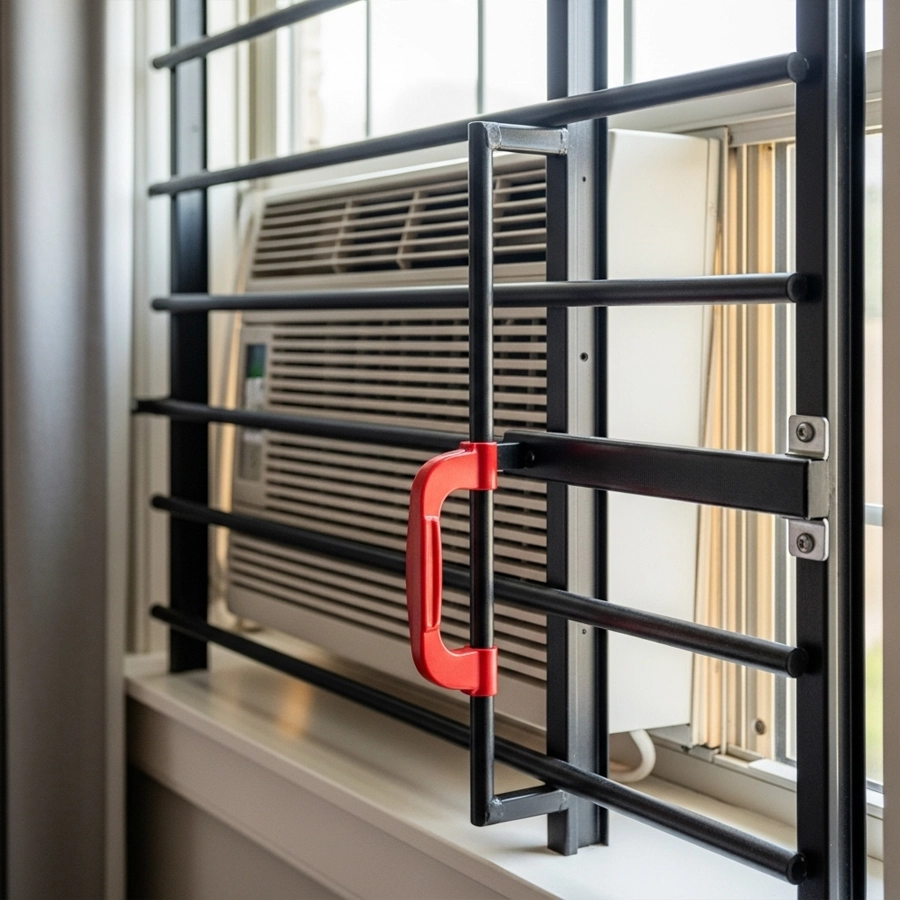
Window air conditioners create leverage at the sash and tempting gaps at the side panels—two things intruders love. The fix is simple and layered: lock the sash height with a window AC security bar and add interior quick-release window bars that open from inside to stop reach-through attempts. Done right, you keep cool air and a fast, tool-free escape route for bedrooms and basements.

Share

Why Windows with AC Units Need a Different Security Plan

A window AC creates two vulnerabilities:

  • Upward sash travel: a quick lift defeats the unit’s friction and opens the window.
  • Weak side panels: accordion vinyl can be sliced or pried, allowing reach-through to unlatch the sash or defeat locks.

Meanwhile, bedrooms and finished basements still require egress. Your plan must lock the sash, harden the opening, and preserve a one-hand, tool-free exit from inside.

The Winning Combo (Simple & Effective)

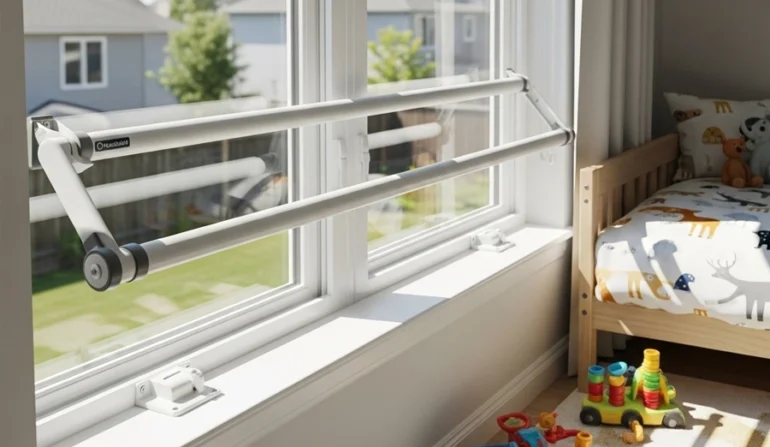
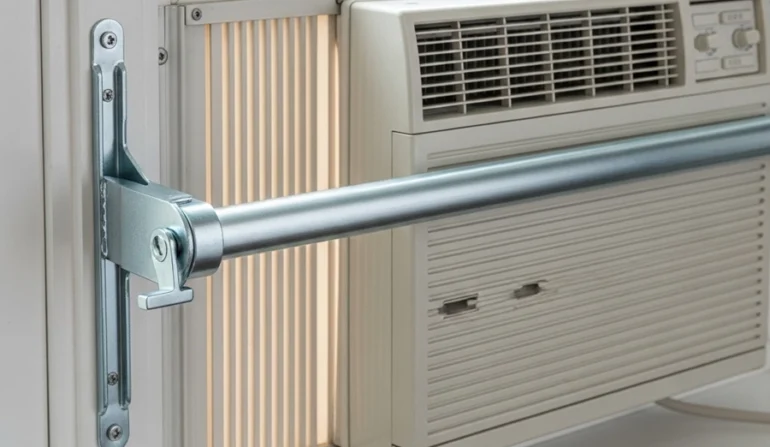
A) Window AC Security Bar (Sash Lock Bar)
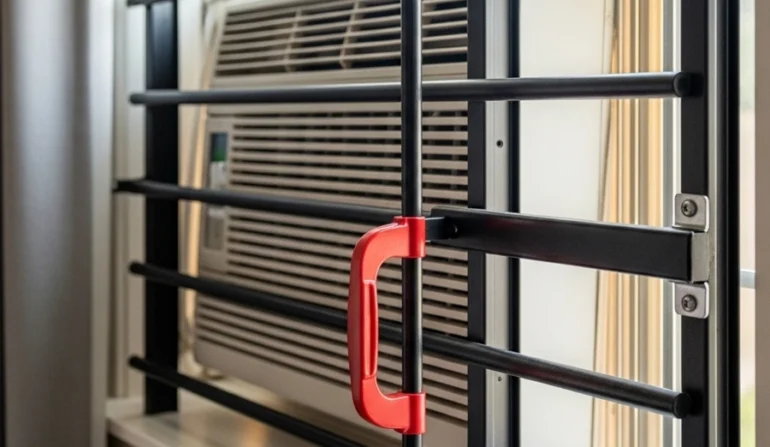
A rigid bar that spans sash to frame, physically locking the sash height so it cannot be lifted from outside.

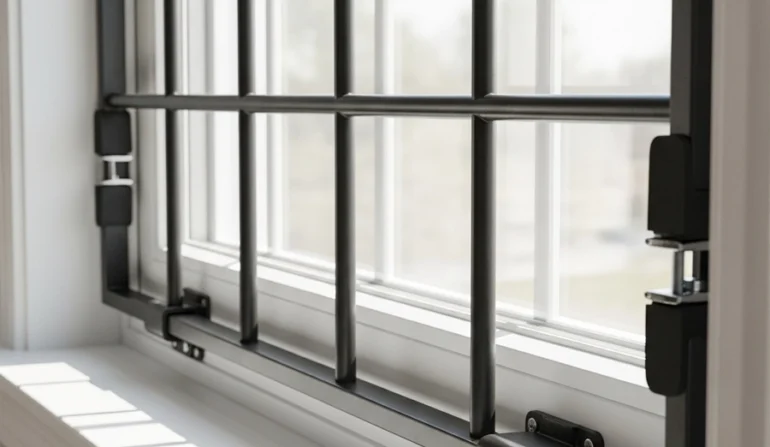
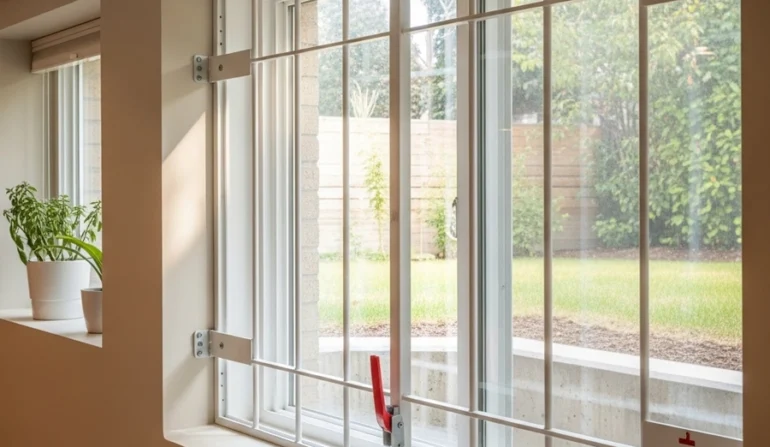
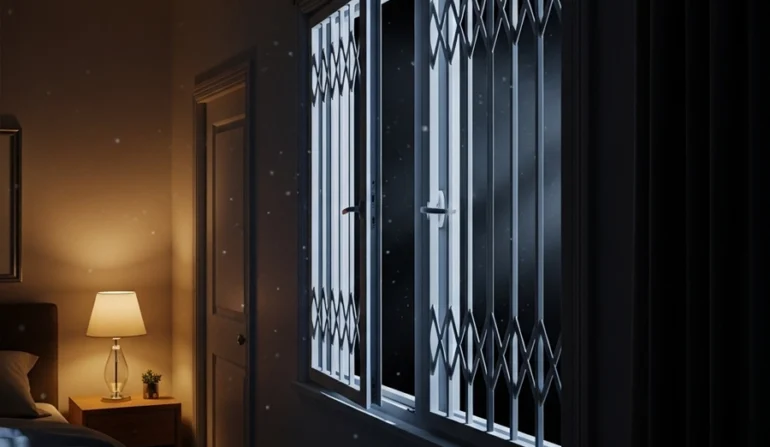
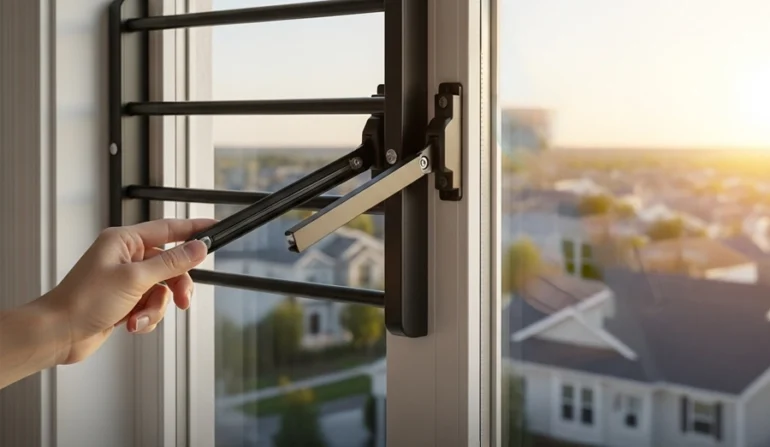
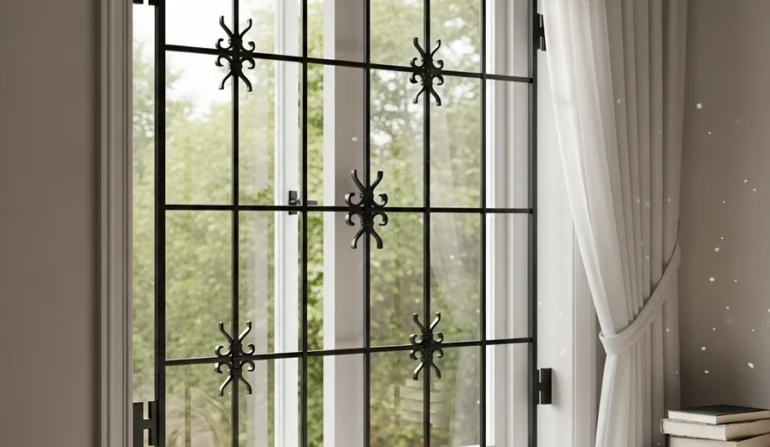
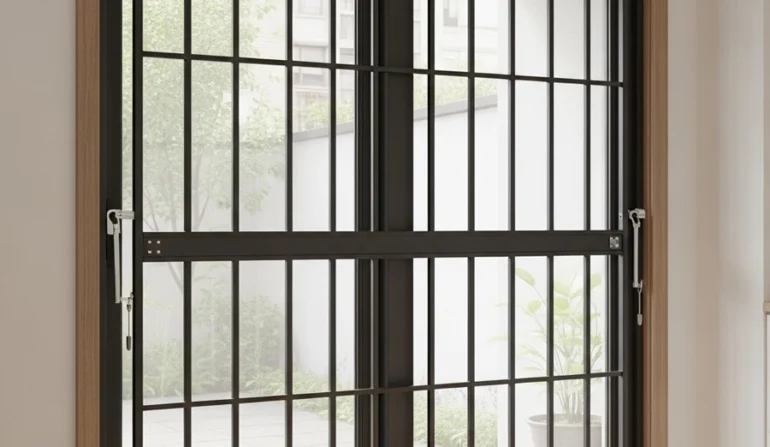
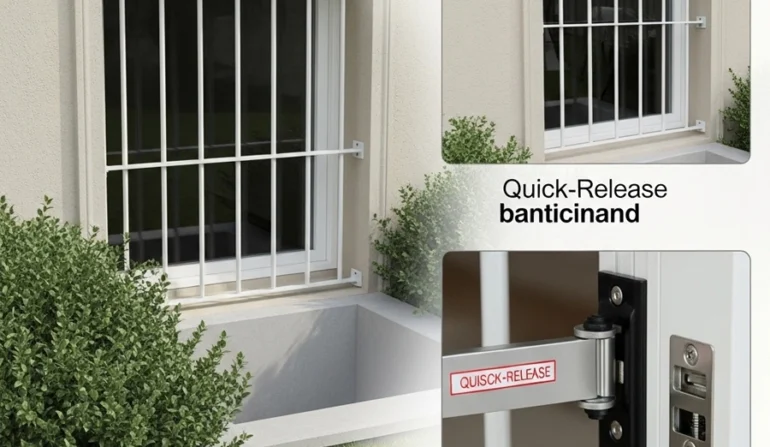
B) Interior Quick-Release Window Bars
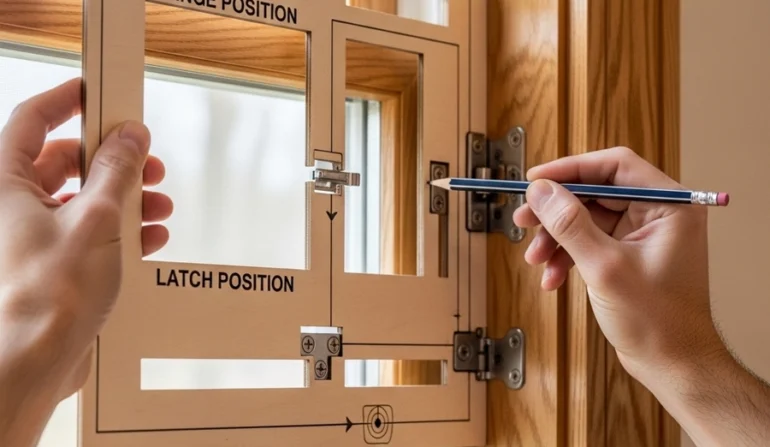
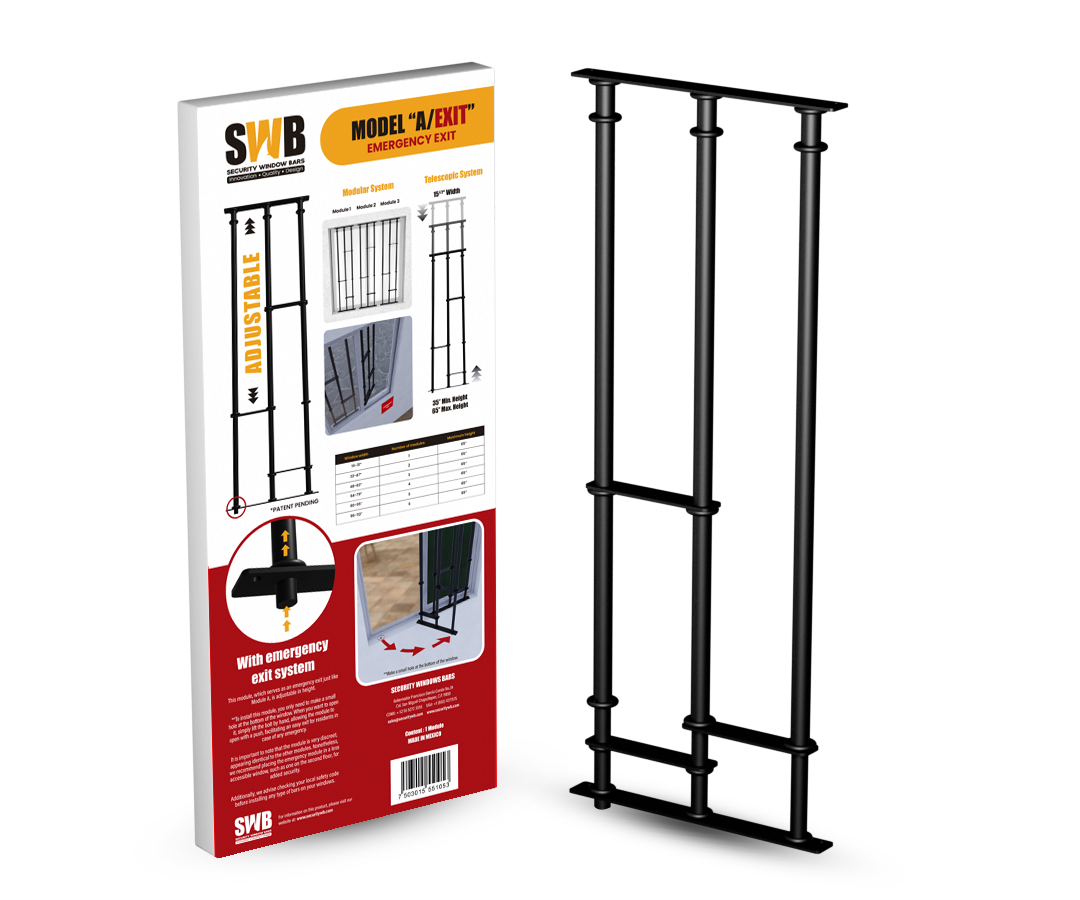
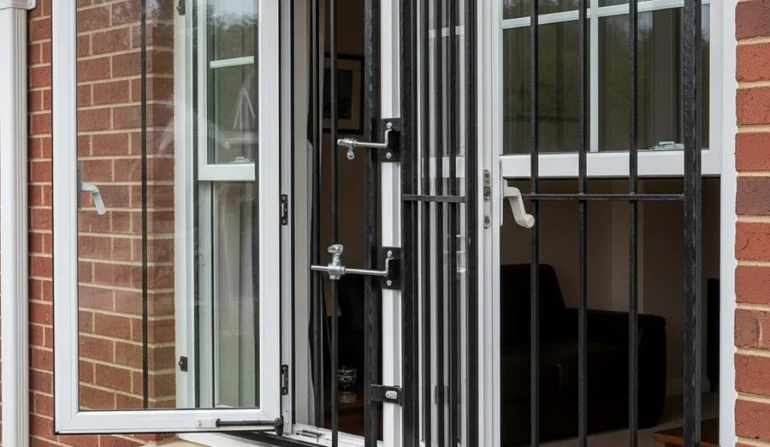
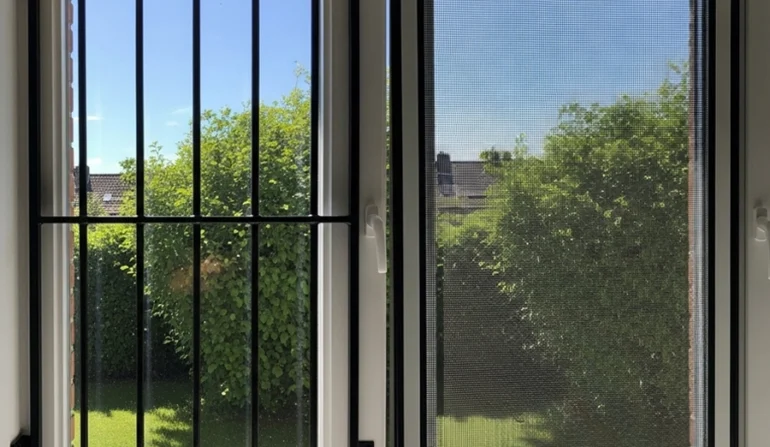
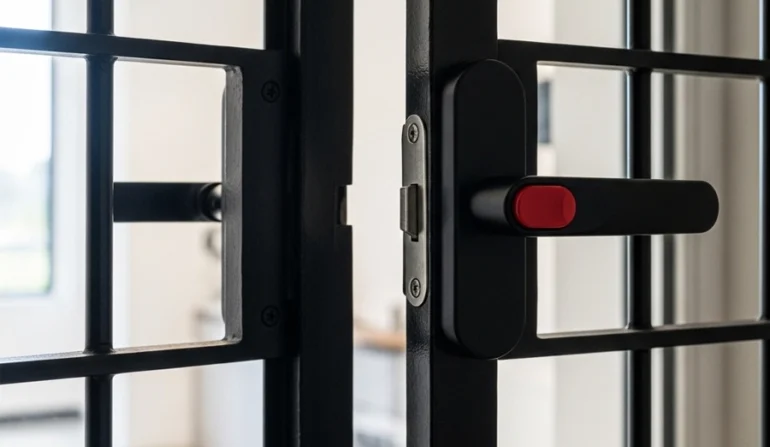
Hinged security window bars mounted inside with a quick-release handle that opens from the inside (one motion, no keys/tools). This blocks reach-through via the flimsy side panels and protects even if the glass breaks.

Why this works: the sash can’t move, and the opening is physically blocked—yet you can still exit in seconds during an emergency.

Egress in Sleeping Spaces (Non-Negotiable)

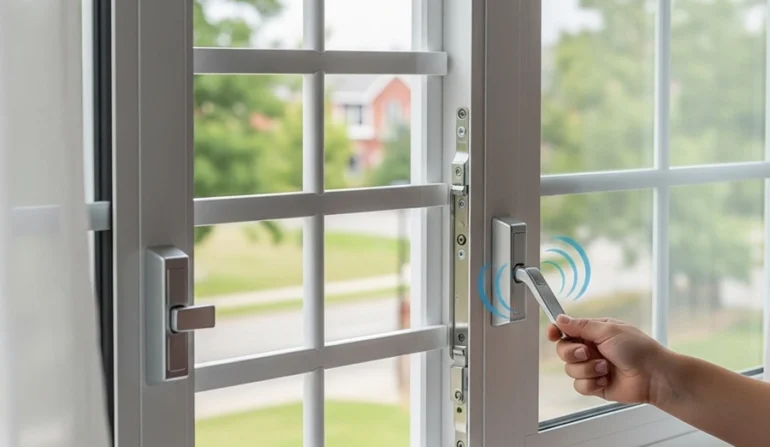
If anyone sleeps in the room, use window bars that open from inside with a one-hand, one-motion quick-release. Place the handle at a child-reachable height and keep blinds, cords, and the AC hose (if any) off the swing path. Run a monthly lights-off drill so everyone can open the bar by feel.

Egress checklist

  • Tool-free, one-hand release.
  • Handle reachable by kids/seniors.
  • Clear arc around blinds, furniture, and AC cord/hoses.
  • Ten open/close cycles on install day; test monthly.

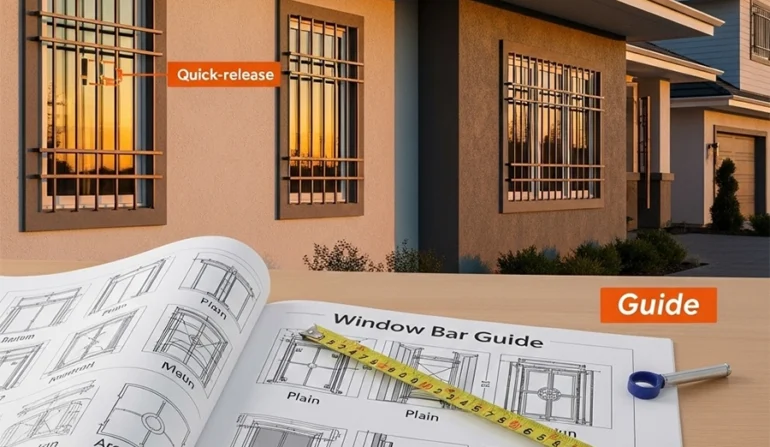
Measuring for AC Setups (3×3 + Device Footprint)

Measure the window as it will be used—with the AC installed and level.

  1. Mount & swing: choose interior hinge side away from the AC’s cord/hose and wall obstacles.
  2. Width: inside-to-inside at top, middle, bottom—keep the smallest number.
  3. Height: inside-to-inside at left, center, right—keep the smallest number.
  4. Diagonals: both directions; note Δ for racking and shims.
  5. Depth & obstacles: note sash locks, shade rails, AC bracket thickness, hose adapters.
  6. Handle reach (egress): pick a child-reachable height.

Starter tolerances (recess interior):

  • ≤24″ −1/8″ · 24–36″ −3/16″ · 36–48″ −1/4″ · >48″ −5/16″
    These subtractions prevent hinge bind and latch drag as temperatures change.

Installation Paths by Window Type

A) Double-Hung (Most Common for Window ACs)

Step-by-step

  1. Seat & level the AC per manufacturer (slight exterior tilt for drainage).
  2. Install the AC sash security bar to lock the sash height.
  3. Replace accordion side panels with rigid inserts (see §6).
  4. Hinge the interior bar on the side opposite the cord.
  5. Install the quick-release handle at child height; verify one-hand operation.
  6. Cycle test (10×), then run a lights-off drill.

Pro tips

  • Keep the reveal even along the stile rails so bars look “built-in.”
  • Label the handle discreetly (“Lift to Open”).

B) Horizontal Slider

Step-by-step

  1. Seat AC on a level shelf or bracket rated for sliders.
  2. Add sash security bar to prevent lateral travel.
  3. Fit rigid inserts around the AC chassis.
  4. Hinge the interior bar on the side away from shade pulls and the AC cord.
  5. Install quick-release; test for interference at the meeting rail.

Pro tips

  • Use a slim picket pattern to preserve light; align rails to the slider’s meeting rail.

C) Portable AC with Window Hose Panel (Double-Hung/Slider)

Portable units exhaust via a panel in the window opening—another weak link.

Step-by-step

  1. Replace the flimsy plastic panel with a rigid insert (polycarbonate/aluminum) cut to size.
  2. Add a sash security bar to stop travel.
  3. Install interior quick-release bars hinged away from the hose.
  4. Seal neatly with weatherstripping; avoid blocking weep paths.
  5. Test egress with the hose in place (no snags).

Pro tips

  • Route the hose low and away from the release handle.
  • Keep bends gentle to reduce back-pressure (less vibration).

Rigid Side Inserts: Fix the Accordion Weak Point

Swap the accordion panels for rigid inserts to stop cutting and prying.

  • Materials: aluminum sheet, cellular PVC, or clear polycarbonate (lets light in).
  • Fit: scribe to the frame; fasten to the AC chassis per manufacturer-safe points.
  • Seal: weatherstrip the perimeter; leave drainage weeps open.
  • Finish: caulk neatly; touch up for a clean look.

Drainage, Condensation & Sealing

  • Exterior tilt: maintain the slight outward tilt so condensate drains.
  • Keep weep holes open: never caulk over them.
  • Seal air gaps: use closed-cell foam or silicone around inserts; draft-free = fewer pry points.
  • Splash zones: if the unit sits near sprinklers or heavy rain exposure, consider galvanized + powder-coated bars and stainless pins.

Vibration & Noise Control (Protect the Release)

Vibration can make latches feel sticky.

  • Pads: neoprene or rubber under the AC feet and bracket.
  • Cable management: clip the power cord and hose so they don’t brush the release.
  • Hinge care: a light shot of dry PTFE on hinge and latch pins each season keeps motion smooth.

Interior vs Exterior Mounting with an AC

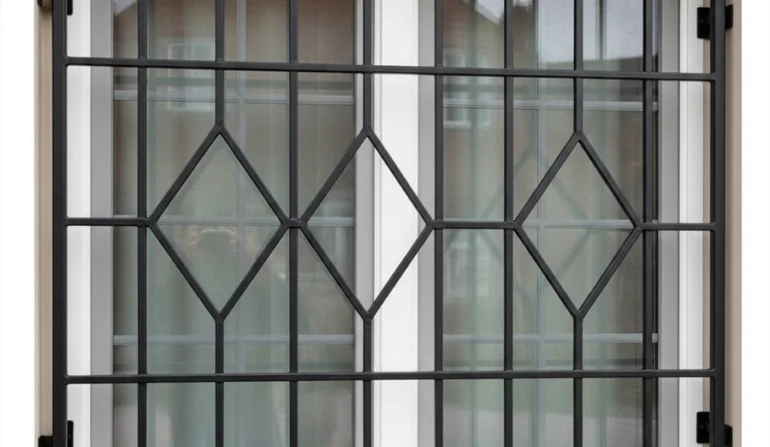
  • Interior window bars (recommended for bedrooms): easiest quick-release access and monthly testing; protected from weather; clean exterior look.
  • Exterior window bars: possible on masonry; if egress is required, route a strictly interior-only linkage to the exterior frame and verify it’s unreachable from outside.

When in doubt, choose interior quick-release for sleeping spaces and keep the AC’s cord/hose off the swing path.

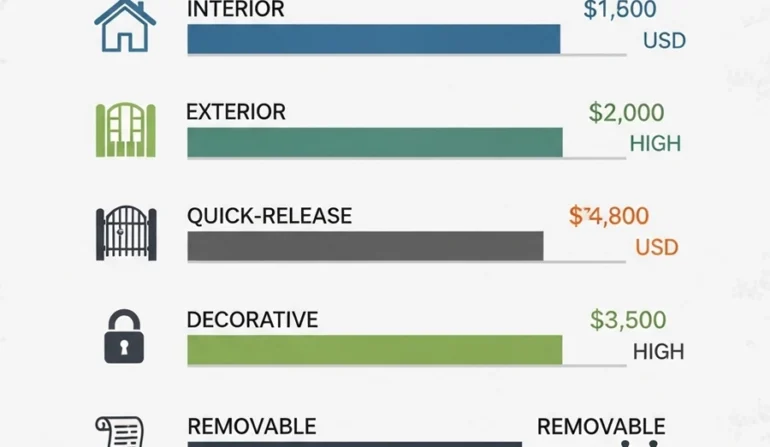
Costs & What Moves the Needle (2025)

  • AC sash security bar: $25–$120
  • Interior hinged quick-release bars: $250–$600 per opening
  • Rigid side inserts (pair): $20–$80 in materials (more for polycarbonate)
  • Coastal/damp finish package: +15–25%

Labor rises with masonry drilling, tight clearances, and multi-window alignment.

Troubleshooting (Fast Fixes)

Drafts around the AC Add rigid inserts, compress weatherstrip evenly, and seal edges (leave weeps open).
Latch feels sticky Re-level the bar frame, add shims, avoid over-torque, and apply dry PTFE to pins.
Release collides with cord/hose Hinge on the opposite side; reroute and clip the cable; keep the handle clear.
Vibration rattles the bar Add neoprene pads; confirm the unit’s bracket is sized and tightened correctly.
Condensation tracks inside Verify exterior tilt; ensure weep holes are open; reseal inserts.

Buying & Install-Day Checklists (Printable)

A) Buying Checklist — Window Bars for AC Units

  1. Room use (egress?): bedroom, nursery, living, basement.
  2. Window type: double-hung, slider, or hose panel (portable AC).
  3. AC sash security bar length and lock point measured.
  4. Interior quick-release window bars (one-hand, no tools) for sleeping spaces.
  5. Hinge side & swing away from cord/hose and blinds.
  6. Rigid side inserts material (aluminum/PVC/polycarbonate).
  7. 3×3 measurements + diagonals; planned tolerances & reveal.
  8. Substrate & anchors: wood studs vs brick/block/concrete.
  9. Finish: powder-coated black/white; galv + powder for damp exposure.
  10. Photos (in/out), AC level/tilt verified.

B) Install-Day Checklist — AC Windows

  • Seat & level AC; confirm exterior tilt and secure bracket.
  • Install sash security bar at the locked height.
  • Fit rigid inserts; weatherstrip and seal edges (weep holes open).
  • Mount interior hinged bars; torque in cross pattern; shim if needed.
  • Install quick-release; test 10×; run lights-off drill with family.
  • Clip cords/hoses away from the handle and swing arc.
  • Photograph open/closed, handle height, and insert details.

FAQs

Do I really need both a sash bar and interior window bars?


Yes for best results. The sash security bar stops upward travel; interior quick-release window bars block reach-through—even if side panels are cut.

Will bars make the room darker or hotter?


With slim pickets and smart spacing, light loss is minimal. Proper sealing around inserts reduces heat gain and drafts.

Can I keep egress with a window AC installed in a bedroom?


Absolutely—use window bars that open from inside with a one-hand quick-release and hinge away from the cord/hose. Practice monthly.

What about portable ACs with a hose panel?


Swap the flimsy panel for a rigid insert, lock the sash with a sash bar, and add interior quick-release bars. Test egress with the hose connected.

Will vibration jam the latch?


Secure the unit, add neoprene pads, and apply dry PTFE to hinge/latch pins. Re-check torque after the first week of use.

Do I need exterior bars too?


Not usually for AC windows in bedrooms. If you do mount outside on masonry, keep the release interior-only and protected.

Ready to Secure Your AC Window—Without Sacrificing Egress?

Lock the sash height with a window AC security bar, add interior quick-release window bars to block reach-through, and replace flimsy accordion panels with rigid inserts that seal cleanly. Need help choosing hinge side, insert material, or planning tolerances? Send photos and measurements—our specialists will map the perfect setup.

EMAIL ADDRESS: sales@securitywb.com
SITE: www.securitywb.com
PHONE:
CDMX: +52 (55) 5272 3355  USA: +1 (650) 4371 575

Share

Recent Post

COOKIES POLICY

Security Window Bars LLC ("SWB") uses cookies and similar technologies to improve your browsing experience and enhance the functionality of our website www.securitywb.com (the “Website”). This Cookies Policy explains what cookies are, how we use them, and how you can manage your cookie preferences.

By using our Website, you agree to our use of cookies as described in this policy.

Last Updated: 01/01/25